The journey to reclaiming one’s appearance after a traumatic event involving burns or significant scarring is often filled with questions and hope. For many, hair loss in these damaged areas serves as a constant reminder of the past. Fortunately, modern medical science has advanced to a point where hair transplantation on scar tissue is not only possible but frequently successful. This comprehensive guide explores the nuances, techniques, and expectations associated with restoring hair to skin that has been altered by injury or surgery.
What Is The Nature Of Scar Tissue In Hair Transplantation?
Scar tissue, or fibrotic tissue, is significantly different from healthy skin. It is formed when the body repairs a deep wound, resulting in a dense collection of collagen fibers. This tissue often lacks the typical layers of healthy skin, such as the hair follicles, sweat glands, and, most importantly, the complex network of blood vessels. When considering a hair transplant, the surgeon must understand that they are working with a “soil” that is less fertile than normal. The success of the procedure depends on how well the transplanted follicles can integrate into this tougher, less vascularized environment.
Can Hair Actually Grow On Burn Scars?
Yes, hair can grow on burn scars, provided there is sufficient blood supply to support the newly implanted follicles. While the survival rate of grafts on scar tissue may be slightly lower than on healthy skin, expert surgeons utilize specific techniques to maximize success. The primary challenge is the thickness and rigidity of the burn scar, which can sometimes limit the depth at which a follicle can be placed. However, with careful planning and a patient-centric approach, many individuals see transformative results that significantly camouflage the underlying scar.
How Does Blood Circulation Affect The Success Of The Procedure?
Blood circulation is the most critical factor for any hair transplant, but it becomes even more vital when dealing with scars. Healthy skin has a rich micro-circulation system that provides oxygen and nutrients to follicles. In contrast, scar tissue is often “ishemic,” meaning it has a reduced blood supply. Surgeons often perform a test called a “vascularity assessment” to determine if the area can support life. If the blood flow is too poor, the grafts may fail. In some cases, treatments like hyperbaric oxygen therapy or fat grafting are used beforehand to improve the health of the recipient area.
Why Is A Consultation Essential For Scar Hair Transplantation?
A consultation for scar-related hair loss is far more intensive than a standard hair transplant evaluation. The surgeon must physically examine the scar to determine its type—whether it is hypertrophic, atrophic, or a keloid. Each type reacts differently to surgical intervention. Furthermore, the surgeon needs to evaluate the elasticity of the skin and the depth of the fibrotic layer. This initial meeting allows the doctor to set realistic expectations for the patient, explaining that while full coverage might not always be possible in one session, significant improvement is highly likely.
Which Hair Transplant Technique Is Best For Scars?
While both FUE (Follicular Unit Extraction) and DHI (Direct Hair Implantation) can be used, many experts prefer DHI for scar tissue. DHI allows for more precise control over the angle and depth of the implantation, which is crucial when navigating the irregular topography of a scar. However, FUE remains a popular choice because it allows for the harvesting of individual units without leaving a linear scar in the donor area. The “best” technique is ultimately determined by the specific characteristics of the patient’s scar and their overall goals.
Is FUE Suitable For Burn Scar Areas?
FUE is highly suitable for burn scar areas because it is minimally invasive. Since the recipient area is already compromised by scarring, adding further large-scale surgical trauma is undesirable. FUE allows the surgeon to strategically place individual follicles in the areas where the scar is thinnest and the blood supply is most promising. This “point-by-point” approach helps in creating a natural-looking hair pattern that effectively breaks up the visual continuity of the scar, making it much less noticeable to the naked eye.
Is DHI A Better Option For Scarred Skin?
DHI is often considered superior for scarred skin because of the “Choi Implanter Pen.” This tool allows the surgeon to create the recipient site and implant the follicle simultaneously. This minimizes the time the follicle spends outside the body and reduces the trauma to the already fragile scar tissue. In scars where the skin is particularly tight or thin, the precision of the DHI pen helps in ensuring that the follicle is placed at the exact depth needed to reach whatever blood supply is available, thereby increasing the survival rate of the grafts.
How Do Surgeons Handle Thick Hypertrophic Scars?
Hypertrophic scars are raised and thick, making them a challenge for hair transplantation. The density of the collagen in these scars can make it difficult to create a recipient site. Surgeons often use specialized needles or blades to penetrate the tough surface. In some cases, the surgeon may recommend corticosteroid injections months before the transplant to flatten and soften the scar. Softening the tissue makes it more receptive to the follicles and improves the overall aesthetic outcome of the hair growth.
What Challenges Do Atrophic Scars Present?
Atrophic scars are thin and sunken, often looking like “parchment paper.” These scars lack the depth necessary to hold a hair follicle securely. If a follicle is placed too deep, it may not find support; if it is placed too shallow, it may dry out. Surgeons must be incredibly delicate when working with atrophic tissue. Often, they will use a higher density of smaller grafts to provide a “matting” effect that gives the illusion of thickness without overloading the fragile skin’s limited blood supply.
Can Keloid Scars Be Treated With Hair Transplantation?
Treating keloid scars with hair transplantation is very risky and often discouraged. Keloids are the result of an overactive healing response where the scar grows beyond the boundaries of the original wound. Any new trauma, such as the small punctures required for hair transplantation, can trigger the keloid to grow even larger. If a transplant is attempted on a keloid-prone individual, it must be done with extreme caution, often accompanied by post-operative treatments like pressure therapy or specialized injections to prevent further scar expansion.
Is Fat Grafting Used Before Hair Transplantation On Scars?
Fat grafting, also known as lipofilling, is a revolutionary preparatory step for scar hair transplantation. By injecting the patient’s own fat cells into the scar tissue, surgeons can introduce stem cells and growth factors that “revitalize” the area. This process can thicken atrophic scars and improve the vascularity (blood flow) of the tissue. Patients who undergo fat grafting a few months before their hair transplant often see a much higher graft survival rate because the “soil” has been enriched before the “seeds” are planted.
How Long Should You Wait After An Injury Before Hair Transplantation?
Patience is vital when planning a hair transplant on a scar. Medical professionals generally recommend waiting at least 12 to 18 months after the initial injury or the last reconstructive surgery. The scar needs time to “mature,” which means the inflammatory phase must be completely over and the blood supply must have stabilized. Performing a transplant on a “young” or red scar often leads to poor results because the tissue is still undergoing changes that can displace or kill the newly implanted follicles.
Can Beard Hair Be Used For Scar Transplants?
For patients with extensive scarring and limited scalp donor hair, beard hair is an excellent alternative. Beard follicles are typically thicker and more robust than scalp hair, which can be advantageous when trying to cover a scar. Because beard hair has a different growth cycle and texture, it provides great “bulk” or volume, which helps in camouflaging the underlying skin. Using Body Hair Transplant (BHT) techniques, surgeons can harvest follicles from the chin and neck to supplement the scalp donor area.
Is Body Hair To Head Transplantation Possible For Burn Victims?
Yes, body hair to head transplantation is a viable option for burn victims who have lost a significant portion of their scalp hair. Follicles can be harvested from the chest, back, or legs. While body hair doesn’t grow as long as scalp hair, it is very effective for filling in gaps and providing a natural-looking density. This is particularly useful in burn cases where the donor area on the back of the head may also have been affected by the injury, leaving the surgeon with limited traditional options.
How Do Multiple Sessions Improve Results?
In scar hair transplantation, “less is more” during the first session. Because the blood supply is limited, trying to pack too many follicles into a scar at once can lead to a “competition for resources” where many grafts fail to survive. Instead, surgeons often perform the procedure in multiple sessions spaced several months apart. This “layering” approach allows the blood vessels to adapt to the new follicles. Each subsequent session fills in the gaps from the previous one, eventually resulting in a much higher density than could be safely achieved in a single go.
What Is The Success Rate Of Hair Transplantation On Scars?
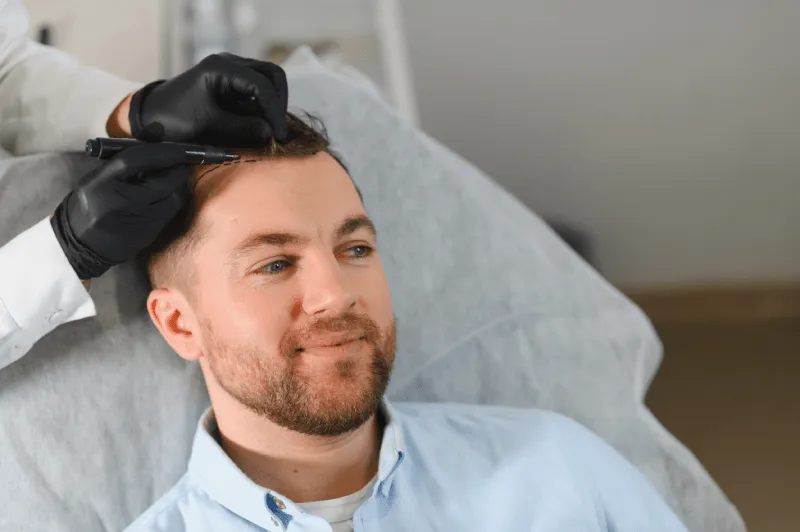
While a standard hair transplant on healthy skin has a success rate of 90-95%, the rate for scar tissue typically ranges between 70% and 80%. This variation is entirely dependent on the quality of the scar and the patient’s healing ability. It is important for patients to understand that while a “perfect” result may not be guaranteed, the improvement is usually significant enough to dramatically boost self-confidence. Success is measured not just by follicle survival, but by how well the scar is hidden and how natural the new hairline appears.
Does The Thickness Of The Scar Affect The Depth Of Implantation?
Absolutely. The thickness of the scar dictates the surgical strategy. In very thick scars, the surgeon may have to create deeper incisions to reach the subcutaneous fat layer where blood vessels are more likely to be found. Conversely, in thin scars, the implantation must be more superficial to avoid damaging the underlying structures. Precision is key; the surgeon must adjust their technique for every millimeter of the scar, as the texture can vary even within a single damaged area.
Are Children Candidates For Scar Hair Transplants?
Children who have suffered burn injuries can be candidates for hair transplantation, but the timing is sensitive. Most surgeons prefer to wait until the child is older, usually in their late teens, to ensure that the skull has finished growing and that the child can tolerate the long procedure under local anesthesia. However, in severe cases that cause significant psychological distress, the procedure can be performed earlier with general anesthesia. The emotional benefit of restoring hair to a child can be life-changing, helping them integrate better with their peers.
What Are The Risks Unique To Scar Hair Transplantation?
The primary risks include lower graft survival rates and the potential for the scar tissue to react negatively to the procedure. There is a small risk of “necrosis” if the blood supply is severely overtaxed by too many grafts. Additionally, the risk of infection is slightly higher in scar tissue because it doesn’t have the same immune response capabilities as healthy skin. However, when performed by an experienced surgeon in a sterile environment, these risks are minimized. Following post-operative care instructions is essential to mitigating these potential complications.
How Is The Recipient Area Prepared Before Surgery?
Preparation involves more than just cleaning the skin. In the weeks leading up to the surgery, the patient may be asked to massage the scar tissue to improve its elasticity. Some surgeons recommend the use of Minoxidil to stimulate blood flow in the surrounding areas. On the day of the procedure, the area is carefully mapped out. The surgeon marks the direction of hair growth to ensure that the transplanted hair will flow naturally with the existing hair, even if the scar has distorted the original growth patterns.
Is Local Anesthesia Effective On Scar Tissue?
Local anesthesia is used, but it can be more difficult to administer in scar tissue. The dense collagen fibers can resist the spread of the anesthetic liquid, meaning the surgeon might need to use more frequent injections or specialized techniques to ensure the patient is comfortable. Patients may feel some pressure during the procedure, but they should not feel pain. Experienced surgeons are well-versed in navigating the “resistance” of scar tissue to ensure the area is completely numb before the first incision or extraction begins.
Does The Procedure Hurt More When Working On Scars?
Generally, the procedure does not hurt more than a standard transplant because of the anesthesia. However, the recovery phase might feel different. Scar tissue can be more sensitive or, conversely, more numb than normal skin. Some patients report a “tightness” in the area as the skin heals around the new follicles. Any discomfort is usually manageable with standard over-the-counter pain relief and subsides within a few days. The psychological relief of seeing the scar covered usually far outweighs any temporary physical discomfort.
How Long Is The Recovery Period For Scar Transplants?
The initial healing of the skin takes about 7 to 10 days, during which time the small scabs around the grafts will fall off. However, the internal healing of scar tissue takes longer. Because scar tissue heals more slowly, patients might notice redness for a more extended period than those with standard transplants. It is crucial to avoid strenuous exercise and direct sunlight for at least a month. The “new” hair will typically shed within the first three weeks—a normal process called “shock loss”—before starting to grow back permanently after three to four months.
What Happens During The First Month Post-Op?
The first month is a period of transition. After the initial scabbing clears, the transplanted hairs will fall out. This can be alarming for patients, but it is a sign that the follicle is entering a resting phase before producing new, permanent hair. During this time, it is vital to keep the area clean and avoid scratching. The scar tissue may appear slightly pinker than usual. Patients should stay in close contact with their clinical team to report any unusual swelling or signs of irritation, although these are rare.
When Do New Hairs Start To Grow In Scarred Areas?
Growth usually begins around the third or fourth month. Initially, the hair may appear thin and “wispy.” In scar tissue, this growth might be slightly more irregular than on healthy skin. By the six-month mark, the coverage becomes more apparent. The final result of a hair transplant on scar tissue is typically seen at the 12 to 18-month mark. This longer timeline is due to the slower metabolic rate of the follicles as they struggle to establish themselves in the dense fibrotic environment.
Can Laser Therapy Improve The Final Results?
Low-Level Laser Therapy (LLLT) is often recommended as a post-operative treatment. LLLT uses specific wavelengths of light to stimulate cellular activity and increase blood flow to the follicles. In the context of scar tissue, this can be incredibly beneficial. By enhancing the micro-circulation around the scar, laser therapy helps the follicles receive more nutrients, potentially increasing the overall survival rate and the thickness of the hair. It is a painless, non-invasive way to “boost” the results of the surgery.
Is Scalp Micropigmentation An Alternative For Scars?
Scalp Micropigmentation (SMP) is a non-surgical alternative or a complementary treatment for hair transplants on scars. SMP involves tattooing tiny dots on the scalp to mimic the appearance of hair follicles. For patients with very poor blood supply where a transplant is not possible, SMP can effectively camouflage the white, reflective surface of a scar. In many cases, patients choose to have a hair transplant first to provide texture and then use SMP to fill in any remaining gaps, creating the illusion of full density.
How Much Does Scar Hair Transplantation Cost?
The cost of scar hair transplantation is often higher than a standard procedure. This is because the surgery is more complex, takes longer, and requires a higher level of expertise. Additionally, the need for multiple sessions or preparatory treatments like fat grafting can increase the total investment. However, most patients view this not as a cosmetic expense but as a reconstructive necessity. The cost varies by region and the extent of the scarring, but the psychological value of the results often makes it a worthwhile investment for the patient.
Who Is An Ideal Candidate For This Procedure?
An ideal candidate is someone with a mature scar (over a year old), a healthy donor area, and realistic expectations. They should be in good general health, as conditions like uncontrolled diabetes can hinder the healing process. Non-smokers are preferred because smoking significantly restricts blood flow, which is already a major challenge in scar tissue. The best candidates are those who understand that the goal is “significant improvement” rather than “perfection” and are willing to follow a long-term treatment plan.
Are The Results Of Scar Hair Transplantation Permanent?
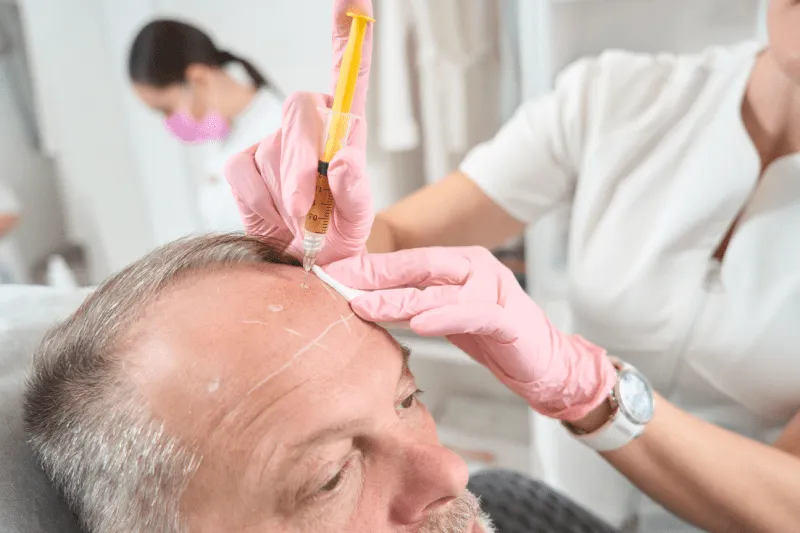
Yes, the results are permanent. Once the hair follicles have successfully “taken” and survived the first year, they will continue to grow just like normal hair. They are harvested from the “permanent zone” at the back of the head, meaning they are genetically resistant to balding. While the hair will age and thin naturally over decades, it will remain in the scar tissue for the rest of the patient’s life. This permanence is what makes the procedure so appealing to those looking for a long-term solution to traumatic hair loss.
Why Should You Choose Cure Holiday For Your Treatment?
Choosing the right clinic is the most important decision you will make in your hair restoration journey. Cure Holiday stands out as a leader in specialized hair transplantation, particularly for complex cases like burn and scar areas. We combine cutting-edge technology with a team of surgeons who possess deep expertise in reconstructive aesthetics. We understand that scar tissue requires a delicate, customized approach, and we are committed to providing the highest level of care to ensure your safety and the success of your procedure.
What Benefits Does Cure Holiday Offer For International Patients?
At Cure Holiday, we provide a seamless, “all-inclusive” experience designed specifically for international patients. We handle everything from your initial online consultation to your VIP transfers, luxury accommodation, and post-operative follow-ups. We know that traveling for medical treatment can be stressful, especially for something as personal as hair restoration. Our dedicated patient coordinators speak your language and are available 24/7 to ensure your journey to Turkey is comfortable, professional, and ultimately successful.
How Does Cure Holiday Personalize Your Scar Treatment?
Every scar is unique, and at Cure Holiday, we believe every treatment plan should be too. We don’t use a “one-size-fits-all” approach. During your evaluation, our experts analyze the depth, texture, and vascularity of your scar to determine the perfect combination of FUE, DHI, or even preparatory fat grafting. We take the time to map out a hairline that complements your facial structure while maximizing the coverage of the scarred area. Our goal is to give you a result that looks so natural, no one will ever know you had a procedure.
Is It Easy To Book An Appointment With Cure Holiday?
Booking your transformation with Cure Holiday is simple and transparent. You can start with a free, no-obligation online consultation where you can share photos of your scar and discuss your goals with our medical team. We provide a clear, detailed quote with no hidden costs. Once you are ready, we help you schedule your visit at a time that works best for you. Don’t let your scars define your future. Contact Cure Holiday today and take the first step toward reclaiming your hair and your confidence with the world’s leading experts in hair restoration.
Hair transplantation on burn and scar areas is a specialized field that bridges the gap between reconstructive surgery and cosmetic enhancement. While the challenges—such as reduced blood flow and altered skin texture—are real, they are no longer insurmountable. With the right techniques like DHI, preparatory treatments like fat grafting, and the hands of an experienced surgeon, you can achieve remarkable results that restore both your hair and your self-esteem.
If you are tired of looking in the mirror and seeing the remnants of a past injury, it is time to act. Cure Holiday is here to guide you through every step of this life-changing process. Our expert teams are ready to provide the specialized care that scar tissue demands, using the latest global standards in hair restoration.
Ready to start your journey? Reach out to us for a free consultation and let us show you what is possible. Your path to a fuller head of hair and a more confident you begins with one simple message. Choose the expertise, choose the comfort, and choose the results that only Cure Holiday can deliver.
Free Consultation
Fill out the form below to get your free medical travel plan and price quote.
Sources and how to verify this yourself
- Comparative study of graft survival by donor site (scalp, beard, chest) at 12 months — roughly 89% for scalp, 95% for beard and 76% for chest hair; survival also falls the longer grafts stay outside the body. source
- Ministry of Health, Regulation on International Health Tourism and Tourist Health, Official Gazette 26 April 2025, No. 32882 — authorisation requirement for facilities and intermediaries, TÜSKA accreditation, compulsory complication insurance (deadline 31 December 2025 for insurance, 31 December 2026 for accreditation). source
- Ministry of Health, Regulation on Promotion and Information Activities in Health Services, Official Gazette 12 November 2025, No. 33075 — treatment promises and guarantees are prohibited; price and campaign announcements are permitted only within international health tourism. source