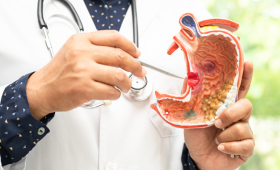
Obesity surgery is not merely a weight loss method; it is a serious surgical step taken for the treatment of metabolic diseases. While these operations increase the quality of life for patients, they also bring certain risks due to surgical stress and anatomical changes. In this comprehensive guide, we will examine all the medical, physical, and psychological risks that individuals considering obesity surgery should know from a professional perspective.
Why is obesity surgery a vital decision?
Obesity surgery is an extremely critical turning point for individuals whose Body Mass Index (BMI) is above a certain level and who cannot achieve results through diet or exercise. This decision is made not only for aesthetic concerns but also for the treatment of life-threatening co-morbidities such as type 2 diabetes, hypertension, and sleep apnea. However, since these operations change the anatomy of the digestive system and permanently affect the body’s nutrient absorption and hormonal balance, they require the patient to enter a lifelong discipline. Therefore, the correct analysis of risks before the operation is the key to long-term success.
How is pre-operative risk assessment conducted?
Every patient’s metabolic state, genetic structure, and medical history are different. In the pre-operative period, surgeons evaluate the patient with a multidisciplinary team consisting of cardiology, chest diseases, endocrinology, and psychiatry specialists. Blood tests, endoscopy, lung X-rays, and, if necessary, respiratory function tests are used to determine how ready the body is for surgical stress. This assessment is mandatory to minimize anesthesia risks or systemic complications that may occur during and after surgery. An intervention performed without determining the patient’s existing risks can lead to unpredictable results.
What risks does anesthesia pose for obese individuals?
General anesthesia application in individuals with morbid obesity is more complex than in individuals of normal weight. Excess fat tissue affects the distribution and excretion of anesthetic substances in the body, and airway management can also become difficult. The risk of “difficult intubation” and ensuring oxygenation during surgery are the elements the surgical team must pay the most attention to. Although these risks have decreased significantly thanks to modern anesthesia techniques and experienced specialists, the decrease in lung capacity due to obesity can increase the need for respiratory support during the waking process.
What is the level of bleeding risk during the surgical procedure?
As in every major surgery, there is a risk of bleeding in obesity surgery. Although tissue damage is less in operations performed with the laparoscopic (closed) method, vascular injuries can be seen in the areas where a large part of the stomach is removed or where intestinal connections are made. The experience of the surgeon and the quality of the technological stapler devices used directly affect this risk. Monitoring the patient’s vital signs closely in the first 24 hours after surgery ensures early detection of potential internal bleeding. In rare cases, blood transfusion or a revisional procedure may be required to control bleeding.
How is the development of infection prevented?
In obesity surgery, infection can develop both at the incision sites and within the abdomen (peritonitis). Infections at incision sites are usually superficial and can be controlled with dressing or antibiotic treatment. However, deep tissue infections usually result from leaks at the connection points (anastomosis) between organs. To prevent this situation, prophylactic antibiotic application before surgery, full compliance with sterilization rules, and the patient’s attention to hygiene after surgery are essential. In patients with weak immune systems or uncontrolled diabetes, the risk of infection is slightly higher.
Why is the leak test of vital importance?
“Leakage,” or medically known as “anastomotic leak,” is one of the most feared complications of bariatric surgery. It is the situation where digestive contents leak into the abdominal cavity from the new suture lines created in the stomach or intestines during surgery. Surgeons check the tightness of the sutures at the end of the operation using special dyed liquids or air. This test is called a “leak test.” While a leak detected early can be corrected immediately with an intervention, undetected leaks can lead to severe infections and septic conditions. Therefore, the leak test is an inseparable part of the surgery’s safety protocol.
What is deep vein thrombosis and how is it prevented?
Deep vein thrombosis (DVT) is the formation of a blood clot in the deep veins, usually in the legs. Slow blood circulation in obese patients and post-operative inactivity increase the risk of clotting. If this clot breaks loose and reaches the lungs, it can cause a fatal condition called “pulmonary embolism.” To prevent DVT, patients are given anti-clotting (blood thinner) injections before and after surgery. Additionally, getting the patient up and walking just a few hours after the surgery and the use of compression stockings significantly reduce this risk by accelerating blood flow.
How is pulmonary embolism risk managed?
Pulmonary embolism is considered one of the most common causes of early death in bariatric surgery. The management of this risk is based entirely on preventive measures and early diagnosis. If the patient experiences sudden shortness of breath, chest pain, or palpitations after surgery, immediate intervention should be made with suspicion of embolism. Low molecular weight heparin treatment applied during the hospital stay and early mobilization are the most effective weapons in preventing the blockage of lung vessels. The patient may need to continue these medications for a while after being discharged.
What are the symptoms of a stomach leak?
During the recovery process after surgery, the patient needs to correctly read the signals given by the body. When a stomach leak develops, symptoms such as sudden high fever, severe abdominal pain, shoulder pain, and a heart rate much faster than normal (tachycardia) are usually seen. In some cases, the patient may feel very weak and have difficulty breathing. If any of these symptoms are noticed, a surgeon should be consulted without delay. Early diagnosis allows the leak to be easily closed with endoscopic stents or a small surgical intervention, preventing life-threatening risks.
Why does Dumping syndrome occur?
Dumping syndrome, especially seen after Gastric Bypass surgeries, occurs when food (especially sugary foods) passes suddenly into the small intestine as a result of the stomach emptying too quickly. The body responds by drawing excessive fluid into the intestine, which leads to complaints such as a drop in blood pressure, cold sweating, nausea, and severe diarrhea. This condition, divided into “early” and “late” dumping, is triggered by the patient not following the diet. Eating protein-heavy meals, separating liquid and solid foods, and avoiding refined sugar are the most effective ways to manage dumping syndrome.
How are vitamin and mineral deficiencies prevented?
Obesity surgery, especially when malabsorptive methods (such as bypass) are used, restricts the body’s capacity to absorb vitamins and minerals. Iron, B12, calcium, folic acid, and vitamin D deficiencies are the most common conditions. These deficiencies can lead to anemia, osteoporosis, or neurological problems over time. To prevent deficiencies, it is mandatory for patients to use supplements regularly for life and have periodic blood tests. Neglecting these supplements in the first years after surgery can prepare the ground for health problems that are difficult to reverse.
Is hair loss a permanent risk?
Between the 3rd and 6th months after bariatric surgery, many patients complain of hair loss. This is usually a temporary condition called “telogen effluvium,” caused by the surgical stress the body has undergone, rapid weight loss, and temporary protein deficiency. For most patients, this process is temporary; once the body adapts to the new diet and ensures adequate zinc, biotin, and protein intake, the hair returns to its former health. There is no permanent baldness involved, but it is important to be patient and stick to the nutrition program during this process.
Why do gallstones form after surgery?
Rapid weight loss increases the risk of cholesterol stone formation by changing the chemical composition of bile. Gallbladder sludge or stones can be seen in approximately 30-40% of patients after obesity surgery. If these stones cause severe pain or inflammation, removal of the gallbladder (cholecystectomy) may be required. Some surgeons may prescribe medications that regulate bile salt acids for a few months after surgery to reduce this risk. Gallbladder problems usually manifest within the first 12 months when weight loss is fastest.
How is stomach narrowing or blockage noticed?
Scar tissue (stricture) forming in the surgical area can cause narrowing of the stomach outlet or intestinal connection point over time. This condition is characterized by the patient’s inability to tolerate solid foods, constant vomiting, and a feeling of pressure on the stomach after eating. If there is difficulty swallowing even liquids, a stricture may have formed. This complication is usually treated endoscopically with the “balloon dilatation” method, which involves expanding the narrow area with the help of a balloon. It is a problem that can be solved without the need for surgery when noticed early.
Do reflux complaints increase after surgery?
In individuals with a hiatal hernia or a loose stomach valve (sphincter), reflux complaints may be triggered by increased intragastric pressure after gastric sleeve (sleeve gastrectomy) surgery. Bringing the stomach into a tube shape can facilitate the upward escape of acid. However, Gastric Bypass surgery has a therapeutic effect on reflux due to its anatomical structure. If the patient experiences severe burning and sour water coming to the mouth after surgery, medication or lifestyle changes are applied. In rare cases, gastric sleeve surgery can be revised to a bypass due to reflux.

In whom is the risk of bowel obstruction seen?
Bowel obstruction is a serious complication that can be seen especially after surgeries where the intestinal passage is changed, such as Gastric Bypass and Sadi-S. Adhesions formed after surgery or the displacement of intestines can cause “internal herniation.” This situation causes the intestines to twist and blood flow to be disrupted. Severe and persistent abdominal pain, bloating, and inability to defecate are the most basic symptoms. It is a condition that requires emergency surgical intervention. Closing the gaps through which the intestine passes with modern surgical techniques minimizes this risk.
How is the formation of abdominal hernia prevented?
In open surgeries performed in the past, the risk of hernia at the incision site was quite high. In laparoscopic techniques used today, the risk of hernia is greatly reduced because small holes are used. However, herniation can be seen at trocar entry sites or points where the abdominal wall is weak. To prevent this, patients are advised to avoid heavy lifting for the first 2-3 months after surgery and stay away from forced movements that increase intra-abdominal pressure. Additionally, the pressure created by sagging skin after extreme weight loss can also affect the risk of hernia.
Is the risk of kidney stones related to surgery?
Especially after malabsorptive (absorption-disrupting) surgeries, oxalate levels in the body can rise, which can pave the way for kidney stone formation. Changes in absorption in the small intestine cause calcium to bind with fats, and free oxalate crystallizes while being excreted through the urinary tract. To reduce this risk, it is critical for patients to consume at least 2 liters of water every day and take their calcium supplements regularly. Adequate fluid intake prevents crystal formation by flushing the kidneys and protects urinary tract health.
How long should one wait after surgery for pregnancy?
Obesity surgery increases fertility and reduces pregnancy complications (such as gestational diabetes). However, since the body enters a very rapid catabolic process after the operation and nutrient stores may be insufficient, immediate pregnancy is not recommended. Experts recommend waiting at least 18 to 24 months after surgery for weight to stabilize and nutritional values to return to normal. In pregnancies that occur in the early period, serious nutritional deficiency risks can arise for both mother and baby. Using effective protection methods during this process is of vital importance.
Why is the psychological adaptation process difficult?
Obesity surgery is not only a physical but also a deep psychological change process. “Rapid weight loss” may not always bring “rapid happiness.” Some patients may have difficulty getting used to their new bodies, while others may fall into a void when their “emotional eating” habit is taken away. This condition is called “transfer addiction”; meaning there is a risk that other habits may replace the eating addiction. Getting psychological support, keeping expectations realistic, and preparing for the mental dimension of this change ensures the long-term success of the surgery.
Do changes in body image perception trigger risks?
It is inevitable for skin sagging to form in the body after extreme weight loss. This situation can negatively affect the patient’s self-confidence and may continue the “still obese” feeling (body dysmorphic disorder). Skin sags are not only an aesthetic problem but also carry physical risks such as rash, infection, and limitation of movement. Accepting that this situation is part of the surgical process and planning aesthetic (post-bariatric) surgery 1-2 years later if necessary helps the patient protect their psychological health.
Does the risk of alcohol and substance use increase?
After bariatric surgery, the shrinking of the stomach and the acceleration of intestinal passage dramatically change the absorption rate and effect of alcohol. Even a small amount of alcohol can cause blood alcohol levels to reach very high promille levels. Additionally, the liver is already working intensively during the rapid weight loss process, making it more sensitive to the toxic effects of alcohol. Some studies show that the risk of alcohol use disorder increases after surgery due to “addiction transfer.” Therefore, it is recommended to completely avoid alcohol consumption or be very careful in the first years after surgery.
Is insufficient weight loss a complication?
Obesity surgery is not a “magic wand.” Some patients may not reach their targeted weight despite surgery or may regain some of the weight they lost. This situation is usually due to the patient returning to old eating habits, a sedentary life, or insufficient hormonal adaptation, rather than a technical error. Insufficient weight loss creates the risk that the metabolic goals of the surgery (such as diabetes control) will not be reached. At this stage, instead of giving up, dietitian support should be increased and revisional options should be evaluated if necessary.
How is the risk of weight regain minimized?
From the 2nd year after surgery, the body gets used to the new order, and appetite mechanisms may kick in again. The only way to prevent weight regain is to support the restriction obtained with surgery with a lifestyle change. Avoiding carbohydrate and sugar-oriented nutrition, doing regular exercise, and participating in group therapy or support communities increases the success rate. Surgery shrinks your stomach, but controlling the eating urge in your brain is in your hands. Regular doctor follow-up ensures early detection of weight gain and taking precautions.
In which cases is revision surgery necessary?
“Revision surgery” comes to the agenda in cases where the desired result is not obtained from the first surgery, serious complications develop, or extreme weight regain occurs. For example, the development of severe reflux after a gastric sleeve or experiencing anastomotic narrowing after a bypass is a reason for revision. Revision surgeries are technically more difficult than initial surgeries and require more experience because there may be adhesions in the abdomen and the anatomy has been changed before. However, when performed by an expert team, it can be life-saving for protecting the patient’s health.
How are eating habits a risk factor?
To avoid “dumping” after surgery and maintain weight loss, the “solid-liquid separation” rule is of vital importance. Consuming liquids with meals causes the stomach to empty faster and thus more food to be eaten. Additionally, carbonated drinks can cause the gastric pouch to expand, reducing the restrictive effect of the surgery. Nutritional errors prepare the ground not only for weight gain but also for acute complications such as stomach pain, vomiting, and nutrient deficiency. Working with an educated bariatric dietitian is the biggest advantage in managing these risks.
How does lack of exercise affect the recovery process?
Staying inactive after surgery both increases the risk of embolism and slows down the weight loss process. However, it is important not only to lose weight but also to protect muscle mass. When insufficient protein intake and lack of exercise are combined, the body may lose muscle instead of fat. This leads to a slower metabolism and fatigue. A program starting with walks immediately after surgery and supported by resistance exercises in the following months both reduces skin sagging and accelerates general recovery. Sport is not an optional but a mandatory part of the bariatric process.
What are the sudden effects on heart health?
Although obesity surgery reduces the risk of heart attack by 50% in the long term, it can create stress on the heart in the acute process immediately after surgery. Rapid fluid loss and electrolyte imbalances can cause arrhythmia (heart rhythm disorder). Therefore, individuals with a history of heart disease in particular should undergo a very meticulous check-up before surgery. Providing adequate hydration (fluid intake) in the post-operative period reduces the workload of the heart and prevents such cardiovascular risks.
Is type 2 diabetes remission always permanent?
Although the recovery rate of diabetes after obesity surgery reaches up to 80%, this does not always mean “complete recovery.” If the patient starts to gain weight or if the pancreas’s insulin production capacity is very low, diabetes may reappear years later. Surgery is a treatment tool, but the permanent control of diabetes again depends on the patient’s discipline. Blood sugar monitoring and a healthy diet are the most important barriers preventing the recurrence of diabetes.
Why is long-term follow-up mandatory?
For a patient undergoing bariatric surgery, the day of surgery is only the beginning of the process. For the first 5 years, regular doctor and dietitian checks are required at intervals (1st month, 3rd month, 6th month, 12th month, and every year thereafter). Blood tests performed during these checks allow for early detection of vitamin deficiencies, monitoring the rate of weight loss, and preventing potential complications before they grow. The risk of experiencing complications and regaining weight is much higher for patients who stop follow-ups than for those who come for regular checks.
How much does choosing the right surgeon reduce risks?
All medical data shows that as the surgeon’s experience and number of cases increase, complication rates decrease. In operations performed in “high-volume” centers, risks such as infection, leakage, and bleeding are minimized. Your surgeon should not only perform the surgery but also have the experience to manage a problem that may occur after surgery. Choosing a reliable health center is the most important safety precaution you can take in this process where you entrust your life.
How does the safe surgery process begin with Cure Holiday?
Cure Holiday, which sets the world standards in health tourism, plans your obesity surgery journey in the safest and most comfortable way. The process starts with a meticulous examination of your medical history by expert doctors and the determination of the most suitable method for you (Gastric Sleeve, Bypass, etc.). To minimize risks, Cure Holiday works only with fully equipped hospitals that have international accreditation and surgeons who have performed thousands of successful operations in their fields. Your safety is always our priority.
Why should you choose Cure Holiday’s expert staff?
In obesity surgery, success is hidden in the details. Cure Holiday’s expert staff consists of a professional team that provides you with 24/7 support from before surgery to the end of the recovery process. Our surgeons reduce complication rates below the world average by using the latest technological devices and current surgical protocols. With our multidisciplinary team, nutritionists, and patient coordinators, we are with you not only for an operation but to build a new lifestyle.
What do Cure Holiday health packages include?
As Cure Holiday, we offer all-inclusive packages so that our patients do not have to think about any details during the treatment process. In addition to VIP transfers, luxury accommodation options, the hospital stay process, all necessary tests, post-operative medications, and supplements, one year of online dietitian support is also included in our packages. Our goal is to manage medical risks professionally while ensuring that you only focus on recovery and your goals. With our transparent pricing policy, you will not encounter surprise costs.
How do you step into a new life with Cure Holiday?
If you want to get rid of your excess weight and say “hello” to a healthy future, you can start this change under the guidance of Cure Holiday. Experience the peace of working with a team that professionally manages the risks of obesity surgery, is by your side every step of the way, and guarantees your success. Like our thousands of happy patients, you can sign your name to the best decision of your life with the privilege of Cure Holiday. Contact us now and get free information from our expert consultants!
Conclusion and Call to Action
Although obesity surgery brings some risks, it is a much safer harbor compared to the life-threatening dangers caused by morbid obesity. What is important is to manage this process with the right team and the right planning. Knowing the risks should not scare you; on the contrary, it should make you prepared and conscious.
Do not wait any longer to make a new start, regain your health, and transform into the best version of yourself. As Cure Holiday, we invite you to be the hero of this journey with our approach focused on medical excellence and patient satisfaction. Your health is not an option; it is your greatest treasure. Entrust it to expert hands!
Free Consultation
Fill out the form below to get your free medical travel plan and price quote.
Sources and how to verify this yourself
- Eisenberg D, et al. 2022 ASMBS and IFSO Indications for Metabolic and Bariatric Surgery. — surgery is recommended at BMI ≥35 regardless of co-morbidity, and considered at BMI 30–34.9 with metabolic disease (lower thresholds for Asian populations). source
- Ministry of Health, Regulation on International Health Tourism and Tourist Health, Official Gazette 26 April 2025, No. 32882 — authorisation requirement for facilities and intermediaries, TÜSKA accreditation, compulsory complication insurance (deadline 31 December 2025 for insurance, 31 December 2026 for accreditation). source
- Ministry of Health, Regulation on Promotion and Information Activities in Health Services, Official Gazette 12 November 2025, No. 33075 — treatment promises and guarantees are prohibited; price and campaign announcements are permitted only within international health tourism. source