About the prices on this page. The figures below are indicative market prices and country comparisons, not a quote. Our own current, all-inclusive prices are published on our weight loss surgery in Turkey page, and we confirm your figure in writing before you commit to anything.
Cost and planning note (2026)
The figures below are indicative market ranges for 2026, not a quote: your own price depends on the clinic, the surgeon and your clinical assessment.
Indicative price range: Gastric Sleeve: 3,500 – 5,500 USD | Gastric Bypass: 4,500 – 7,500 USD | Gastric Balloon: 2,000 – 3,000 USD
Facility standards: In Türkiye, any facility treating international patients must hold the Ministry of Health’s international health tourism authorisation; hospitals and medical centres must also be accredited by TÜSKA, and complication insurance is compulsory for procedures carried out in an operating theatre (Regulation of 26 April 2025). Ask us for the authorisation of the facility you are matched with.
Currency: USD / EUR / GBP accepted at all clinics.
Tummy Tuck After Gastric Bypass: Managing Massive Weight Loss Transformation in Turkey
Tummy Tuck After Gastric Bypass: A Detailed Medical Overview – this section
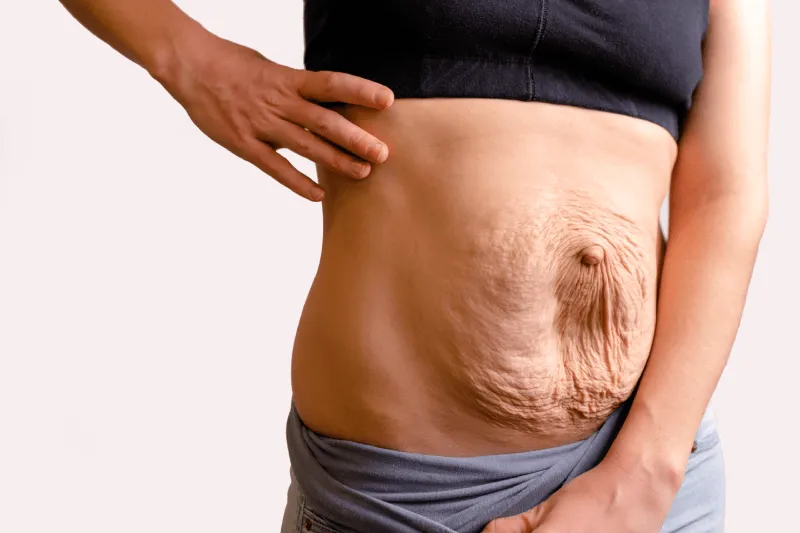
Following significant weight loss achieved through bariatric surgery, particularly Gastric Bypass, patients often experience a surplus of redundant skin and subcutaneous tissue – a condition medically termed post-bariatric body contouring needs. While weight loss dramatically improves metabolic health, the resultant body shape necessitates specific surgical interventions. This pillar focuses on the medical foundation, technical definitions, and global standards surrounding abdominoplasty (tummy tuck) procedures for patients undergoing this transformative journey in Turkey.
The Physiological Basis of Post-Bariatric Skin Excess
Bariatric procedures, such as Gastric Bypass (4,500 – 7,500 USD in Turkey), induce rapid and substantial weight loss. This isn’t simply a reduction in adipose tissue; it’s a complex alteration in body composition. The skin, possessing limited elasticity, struggles to adapt to the swift volume reduction. Collagen and elastin, the proteins responsible for skin’s structural integrity and resilience, become disorganized and depleted over time, particularly after prolonged periods of stretching associated with obesity. The degree of skin laxity is multifactorial, influenced by:
- Age: Older patients generally exhibit diminished skin elasticity.
- Genetics: Predisposition to skin laxity varies significantly between individuals.
- Magnitude of Weight Loss: The greater the weight loss, the more pronounced the skin excess. Generally, patients achieving a weight loss exceeding 50-70 kg are considered candidates.
- Duration of Obesity: Prolonged obesity stretches the skin over an extended period, diminishing its ability to recoil.
- Smoking Status: Smoking impairs collagen synthesis and wound healing, exacerbating skin laxity.
This excess skin isn’t merely a cosmetic concern. It can lead to significant functional impairments, including:
- Chronic Intertrigo: Inflammation and infection in skin folds.
- Ulceration: Skin breakdown due to friction and moisture.
- Back Pain: The pannus (hanging abdominal tissue) can contribute to postural imbalances and musculoskeletal strain.
- Difficulty with Hygiene: Making it challenging to maintain cleanliness and prevent infections.
Abdominoplasty Techniques for Post-Gastric Bypass Patients
The abdominoplasty procedure aims to remove excess skin and fat, tighten abdominal muscles, and reshape the lower abdomen. Several techniques are employed, tailored to the individual patient’s anatomy and degree of skin laxity. Considerations for post-gastric bypass patients include the altered abdominal wall anatomy and potential for internal hernias (which *must* be ruled out with appropriate imaging pre-operatively).
- Traditional Abdominoplasty: Involves a horizontal incision across the lower abdomen, from hip to hip, and a periumbilical incision to release the umbilicus. This allows for significant skin removal and rectus abdominis muscle tightening (plasty).
- Extended Abdominoplasty: Similar to traditional, but with a wider incision extending further around the flanks to address more extensive skin excess and potential back fat.
- Mini Abdominoplasty: Suitable for patients with minimal skin excess and good muscle tone. Involves a shorter incision and doesn’t typically require umbilicus relocation. Less common after Gastric Bypass due to the scale of weight loss.
- Belt Lipectomy (Circumferential Abdominoplasty): Encompasses the entire abdomen, extending around the back. Ideal for patients with massive skin excess in both the abdominal and flank regions.
Crucially, post-bariatric abdominoplasty often necessitates addressing the rectus abdominis diastasis – separation of the abdominal muscles – a common consequence of pregnancy or significant weight fluctuations. Plication techniques, involving suturing the muscles together, restore abdominal wall integrity and improve core strength. The use of internal or external drains is standard practice to manage seroma formation (fluid accumulation). Careful tissue handling is paramount to preserve vascularity and minimize complications.
Global Standards and Turkish Medical Infrastructure
Patients considering abdominoplasty in Turkey benefit from a sophisticated medical infrastructure adhering to international standards. Clinics frequently seek and maintain accreditation from the JCI (Joint Commission International), signifying a commitment to patient safety and quality of care. The Turkish Ministry of Health rigorously regulates medical practices, ensuring adherence to established protocols.
Beyond accreditation, selecting a surgeon with specialized expertise in post-bariatric body contouring is crucial. This includes a deep understanding of the unique anatomical challenges presented by patients who have undergone Gastric Bypass or other weight loss surgeries. Pre-operative assessment should include a comprehensive medical history, physical examination, BMI assessment (BMI > 35 or > 30 with co-morbidities as a general requirement), and imaging studies (such as ultrasound or CT scan) to evaluate abdominal wall integrity and rule out complications.
Furthermore, post-operative care and recovery are essential components of the patient journey. Turkey offers various recovery hub options to cater to different preferences:
- Istanbul (City/Boutique): Offers a vibrant urban experience with access to a wide range of amenities and medical facilities.
- Antalya (Resort/Beach): Provides a relaxing coastal setting conducive to recovery, with numerous hotels and resorts.
- Izmir (Aegean/Thermal): Known for its thermal springs and tranquil atmosphere, promoting healing and relaxation.
Financial Considerations & Currency Focus
The cost of abdominoplasty in Turkey is a significant factor for many patients. Prices vary depending on the technique employed, surgeon’s experience, and facility chosen. Generally, patients can expect costs ranging from approximately 8,000 – 15,000 USD for a standard abdominoplasty, with more complex procedures (like belt lipectomy) incurring higher expenses. Clinics typically accept payments in USD, EUR, and GBP, offering currency exchange services for convenience.
It’s important to note that package deals often include hospital stay, surgeon’s fees, anesthesia, and some post-operative care. However, patients should clarify the scope of inclusions and potential additional costs before making a decision. Travel and accommodation expenses are typically separate. A valid E-visa is generally available for citizens of the UK, US, and EU, allowing for a 90-day stay.
Finally, a thorough understanding of post-operative protocols, potential complications (seroma, hematoma, infection, wound dehiscence), and realistic expectations are vital for a successful outcome. Open communication with the surgical team is paramount throughout the entire process.
The Surgical/Clinical Journey: Tummy Tuck After Gastric Bypass in Turkey
Following significant weight loss achieved through bariatric surgery like gastric bypass, many patients are left with excess skin and a compromised body contour. This is particularly prevalent after massive weight loss (MWL) of 50kg or more. A panniculectomy, often referred to colloquially as a “tummy tuck” (Abdominoplasty), becomes a crucial consideration for both aesthetic and functional improvements. This pillar focuses on the surgical and clinical journey a patient undertakes for a post-bariatric abdominoplasty in Turkey, outlining the procedures, a representative case study, and proactive risk mitigation strategies.
Step-by-Step Procedure Technicals
The abdominoplasty following gastric bypass is a complex procedure significantly different from a standard tummy tuck. The sheer volume of excess skin, altered tissue elasticity, and potential for compromised vascularity demand a meticulous surgical approach. Initial patient evaluation includes a thorough assessment of skin laxity using the Langer’s skin tension lines to plan incision placement. Pre-operative imaging, including potentially a 3D body scan, is utilized to accurately assess volume and predict post-operative contour.
The surgical technique generally involves:
- Incision Planning: A low transverse incision is typically made, mirroring the bikini line, but often extended laterally depending on the degree of excess skin. A periumbilical incision (around the belly button) is essential to allow for repositioning and reconstruction. In cases of significant lower abdominal protrusion, a vertical midline incision (a ‘scar revision’ approach) might be necessary to address the pannus effectively.
- Soft Tissue Dissection: Careful dissection is performed between the skin and the underlying fascia (the fibrous connective tissue layer). This requires precise technique to preserve vascular pedicles supplying the abdominal wall musculature. The rectus abdominis muscles (the ‘six-pack’ muscles) are often weakened or stretched post-bariatric surgery.
- Muscle Repair (Plication): The rectus abdominis muscles are plicated (brought together and secured) to restore tension and create a more defined abdominal wall. The degree of plication depends on the patient’s pre-operative muscle tone and the extent of diastasis recti (separation of the abdominal muscles), common after pregnancy or significant weight fluctuation. Endoscopic plication techniques are increasingly utilized to minimize visible scarring.
- Umbilical Transposition: The umbilicus is detached and repositioned through the periumbilical incision. This necessitates meticulous hemostasis and preservation of the dermal blood supply.
- Skin Redraping & Closure: The excess skin is redraped over the reconstructed abdominal wall and secured with layered sutures. Drainage tubes are strategically placed to prevent seroma formation (fluid accumulation under the skin). A progressive tension suture technique is often employed to minimize wound stress.
- Adjuvant Procedures: Depending on the patient’s anatomy, associated procedures like lower body lift (thigh lift, buttock lift) or arm lift (brachioplasty) may be performed concurrently to achieve optimal body contouring.
Post-operative care includes compression garments worn for at least six weeks, serial drain management, and wound care. Activity restrictions are crucial to allow for proper healing and minimize the risk of complications.
Persona Case Study: Ms. Eleanor Vance, 45, UK Resident
Ms. Vance, a 45-year-old woman from the United Kingdom, underwent gastric bypass surgery in Turkey three years ago, achieving a weight loss of 68kg. Her initial BMI was 42, and now sits at 26. While profoundly grateful for the life-changing effects of the bariatric surgery, she presented with significant abdominal skin excess causing functional limitations, including difficulty with hygiene and chronic skin irritation under the pannus. She also expressed considerable dissatisfaction with her body image.
Pre-operative investigations revealed good nutritional status (assessed via comprehensive blood work including albumin, prealbumin, and vitamin levels) and adequate pulmonary function. Ms. Vance was a non-smoker. Her surgical plan involved a wide-excisional abdominoplasty with rectus abdominis plication and umbilical translocation. A simultaneous medial thigh lift was also recommended to address excess skin in the proximal thighs.
The surgery was performed in Istanbul at a Ministry of Health–authorised facility. The operative time was 5 hours and 30 minutes. Ms. Vance required a 7-day hospital stay. Post-operatively, she experienced mild seroma formation which was managed with aspiration. She followed the prescribed compression garment protocol diligently and adhered to the activity restrictions. At six months follow-up, Ms. Vance reported significant improvement in her quality of life, functional abilities, and body image. Photographic documentation showed a substantial improvement in abdominal contour and a marked reduction in skin irritation.
Risk Mitigation
Post-bariatric abdominoplasty carries inherent risks, amplified by the patient’s history of weight loss and potential nutritional deficiencies. Robust risk mitigation strategies are paramount.
- Nutritional Optimization: Pre-operative assessment and correction of any nutritional deficiencies (iron, vitamin D, B12, protein) are crucial. Supplementation is often necessary for at least 3 months prior to surgery.
- Vascular Assessment: Pre-operative Doppler ultrasound or angiography may be considered to assess the blood supply to the abdominal skin flaps, particularly in patients with a history of smoking or peripheral vascular disease.
- Deep Vein Thrombosis (DVT) Prophylaxis: Patients are routinely prescribed pharmacological DVT prophylaxis (e.g., low molecular weight heparin) and encouraged to use compression stockings. Early ambulation is also emphasized.
- Wound Healing Management: Attention to meticulous surgical technique, optimal wound closure, and appropriate drainage tube placement are essential. Post-operative wound care instructions must be clear and comprehensive. Hyperbaric oxygen therapy (HBOT) may be considered in cases of delayed wound healing or skin necrosis.
- Seroma/Hematoma Management: Serial drain aspiration and close monitoring for signs of fluid accumulation or hematoma formation are crucial.
- Infection Control: Strict adherence to sterile technique during surgery and post-operative wound care is vital. Prophylactic antibiotics are typically administered.
- Anesthetic Considerations: A skilled anesthesiologist experienced in bariatric patients is essential. Careful monitoring of fluid balance and ventilation is paramount.
Turkey offers a competitive cost advantage for these procedures. Gastric bypass surgery ranges from 4,500 – 7,500 USD, while abdominoplasty costs can vary significantly based on complexity, from approximately 6,000 – 12,000 USD. A gastric sleeve is available for 3,500 – 5,500 USD and a gastric balloon for 2,000 – 3,000 USD; these options are sometimes considered for patients not initially meeting the BMI > 35 or > 30 with co-morbidities requirement for bypass surgery.
Patients traveling to Turkey benefit from JCI accreditation standards and regulation by the Turkish Ministry of Health, ensuring quality of care. Visa requirements are generally straightforward, with e-visas readily available for citizens of the UK, US, and EU, permitting a 90-day stay. Recovery options are diverse, ranging from city-based recovery in Istanbul, to resort-style recuperation in Antalya, or the more tranquil Aegean coast around Izmir.
Recovery Logistics, 2026 Cost Audit, and the Final Medical Verdict – Tummy Tuck After Gastric Bypass in Turkey
Following significant weight loss achieved through bariatric surgery, particularly gastric bypass, patients often experience substantial excess skin, especially in the abdominal region. This necessitates a panniculectomy or abdominoplasty – commonly known as a tummy tuck – to improve contour, address functional limitations caused by the excess skin (like recurrent rashes and difficulty with hygiene), and enhance overall quality of life. This pillar focuses on the intricate logistical aspects of pursuing this procedure in Turkey, a burgeoning medical tourism destination, alongside a detailed cost analysis for 2026 and a critical evaluation of medical standards.
Post-Bariatric Abdominoplasty: A Unique Surgical Challenge
Unlike traditional abdominoplasties performed for aesthetic reasons, post-bariatric tummy tucks present unique surgical complexities. The sheer volume of excess skin and subcutaneous fat is often significantly greater. Moreover, the abdominal wall musculature frequently exhibits significant diastasis recti – a separation of the rectus abdominis muscles – which must be meticulously repaired. The surgical approach often requires an extended abdominoplasty, involving a longer incision and potentially requiring a ‘float’ of the umbilicus (belly button) to accommodate the skin re-draping. Addressing the inferior pannus requires careful consideration of blood supply to prevent necrosis, particularly in patients with compromised microcirculation potentially exacerbated by previous nutritional deficiencies common post-gastric bypass.
Surgeons in Turkey, increasingly experienced in these complex revisions, often employ serial excisions. This technique involves staged removal of excess skin, reducing the risk of large-volume skin loss and promoting better wound healing. Liposuction plays a crucial adjunctive role in contouring the flanks and upper abdomen, but must be used judiciously to avoid further compromise to cutaneous perfusion.
Recovery Logistics: Antalya vs. Istanbul – A Comparative Analysis
The choice between Istanbul and Antalya as a recovery hub significantly impacts the patient experience. Istanbul, a vibrant metropolis, offers a plethora of boutique hotels and clinics, providing a high degree of privacy and personalized care. However, the fast-paced urban environment may not be conducive to optimal recovery for all patients. Antalya, on the other hand, is a coastal resort city renowned for its tranquil atmosphere and access to physiotherapy facilities. Post-operative compression garment management and gentle mobilization are crucial for minimizing seroma formation and optimizing scar healing. Antalya’s resort infrastructure lends itself well to facilitated rehabilitation programs, including specialized lymphatic drainage massage and light aquatic therapy.
- Istanbul (City/Boutique): Ideal for patients seeking discretion and a culturally immersive experience. Requires proactive coordination of post-operative care and physiotherapy sessions. Higher potential for incidental exposure to pathogens due to higher population density.
- Antalya (Resort/Beach): Offers a more relaxed environment with readily available access to physiotherapy and rehabilitation facilities. Sea air and moderate climate can aid wound healing. May involve a slightly longer transfer time from the airport.
- Izmir (Aegean/Thermal): Emerging as a recovery hub, Izmir provides a balance between urban amenities and coastal tranquility. Thermal spas offering adjunct therapies are available, but specialized post-bariatric care may be less prevalent than in Istanbul or Antalya.
The duration of hospital stay typically ranges from 3-5 days, followed by a 2-3 week recovery period in the chosen city. Patients require diligent wound care, compression garment wear (usually for 6-8 weeks), and gradual resumption of activity. Pre-emptive pain management protocols are essential, utilizing a multimodal approach including opioid-sparing analgesics and local anesthetic infiltrates.
2026 Cost Audit: Turkey vs. Western Countries
Analyzing projected costs for 2026, Turkey maintains a significant price advantage for combined gastric bypass and abdominoplasty procedures. The estimated breakdown is as follows:
- Combined Gastric Bypass & Tummy Tuck (Turkey): $8,000 – $13,000 USD (including hospital stay, surgeon’s fees, anesthesia, and initial post-operative care).
- Tummy Tuck Alone (Turkey): $3,000 – $6,000 USD.
- Gastric Bypass Alone: Based on current data, $4,500 – $7,500 USD.
- Tummy Tuck (USA/UK/Germany): $12,000 – $25,000 USD (depending on geographical location and surgeon’s experience).
- Gastric Bypass (USA/UK/Germany): $20,000 – $35,000 USD.
These cost differences are attributable to lower labor costs, overhead expenses, and a more competitive healthcare market in Turkey. However, patients should factor in travel expenses (flights, accommodation, and ground transportation), potential complications requiring extended stay, and post-operative care upon return home. Currency fluctuations should also be considered. Currently, the primary currencies accepted are USD, EUR, and GBP.
The Final Medical Verdict: Assessing Standards & Minimizing Risks
While cost is a significant factor, patient safety and surgical outcomes remain paramount. Cureholiday.com emphasizes verifying that the chosen clinic holds JCI (Joint Commission International) Accreditation and operates under the strict regulations of the Turkish Ministry of Health. This ensures adherence to international standards of hygiene, sterilization, and patient care.
Pre-operative medical evaluation is crucial. This includes a thorough assessment of the patient’s nutritional status (monitoring for deficiencies in iron, vitamin B12, and other essential micronutrients), coagulation profile, and cardiovascular fitness. Patients with a history of deep vein thrombosis (DVT) or pulmonary embolism require prophylactic anticoagulation. Pre-operative optimization of blood sugar control (in patients with diabetes) is essential. A detailed discussion regarding the risks and benefits of the procedure, including potential complications such as wound dehiscence, seroma, hematoma, infection, and nerve damage, should be conducted. Patients must understand that revision surgery may be necessary to address suboptimal aesthetic outcomes or complications.
The presence of a dedicated post-operative care team, including a bilingual patient coordinator, is invaluable for facilitating communication and addressing any concerns that may arise. Regular follow-up appointments and access to reliable medical records are essential for long-term monitoring and management.
Ready to consult a specialist? Schedule a Free Consultation for Tummy Tuck After Gastric Bypass in Turkey with cureholiday.com
Free Consultation
Fill out the form below to get your free medical travel plan and price quote.
Sources and how to verify this yourself
- Eisenberg D, et al. 2022 ASMBS and IFSO Indications for Metabolic and Bariatric Surgery. — surgery is recommended at BMI ≥35 regardless of co-morbidity, and considered at BMI 30–34.9 with metabolic disease (lower thresholds for Asian populations). source
- Ministry of Health, Regulation on International Health Tourism and Tourist Health, Official Gazette 26 April 2025, No. 32882 — authorisation requirement for facilities and intermediaries, TÜSKA accreditation, compulsory complication insurance (deadline 31 December 2025 for insurance, 31 December 2026 for accreditation). source
- Ministry of Health, Regulation on Promotion and Information Activities in Health Services, Official Gazette 12 November 2025, No. 33075 — treatment promises and guarantees are prohibited; price and campaign announcements are permitted only within international health tourism. source