About the prices on this page. The figures below are indicative market prices and country comparisons, not a quote. Our own current, all-inclusive prices are published on our weight loss surgery in Turkey page, and we confirm your figure in writing before you commit to anything.
Obesity is a complex health issue that goes far beyond aesthetic concerns, significantly impacting metabolic functions and reproductive health. For individuals struggling with severe weight issues, gastric reduction surgery—also known as bariatric surgery—is often a life-changing intervention. However, many patients, particularly women of childbearing age, harbor significant concerns about how such a major procedure will affect their ability to conceive and the safety of a future pregnancy. This comprehensive guide explores the multifaceted relationship between weight loss surgery, fertility enhancement, and the nuances of managing a pregnancy after a significant metabolic shift.
What Is Gastric Reduction Surgery?
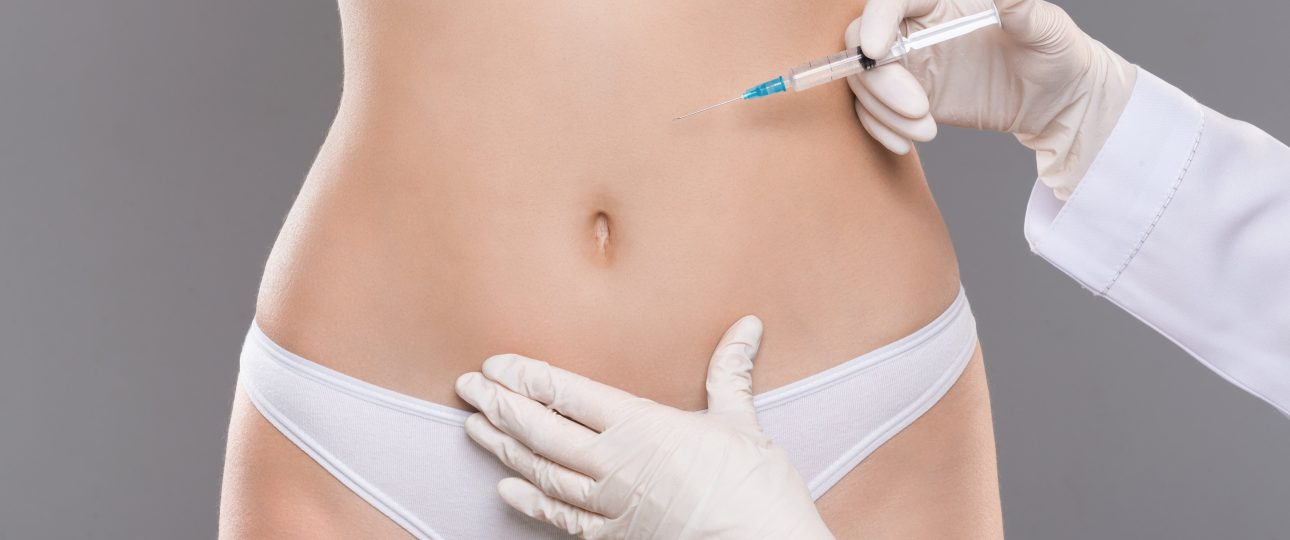
Gastric reduction surgery encompasses various procedures designed to limit food intake or reduce nutrient absorption, leading to substantial and sustained weight loss. The most common types include the vertical sleeve gastrectomy and the Roux-en-Y gastric bypass. By altering the anatomy of the digestive system, these surgeries trigger hormonal changes that suppress hunger and improve insulin sensitivity. For many, it is not just a weight loss tool but a metabolic reset that addresses comorbidities such as type 2 diabetes, hypertension, and hormonal imbalances that often hinder reproductive health.
How Does Obesity Specifically Impact Female Fertility?
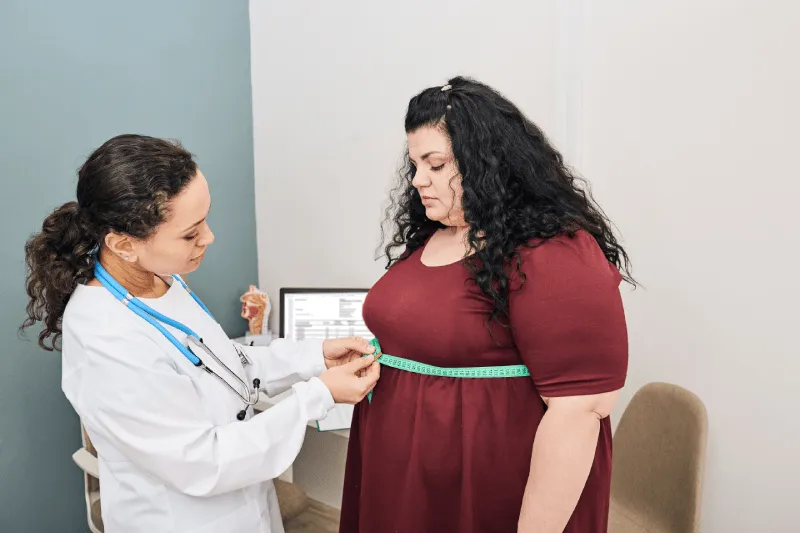
Obesity often leads to a state of chronic inflammation and hormonal chaos in the female body. Excess adipose tissue acts as an endocrine organ, secreting higher levels of estrogen and inflammatory cytokines that can disrupt the delicate balance required for regular ovulation. This hormonal environment frequently results in menstrual irregularities or anovulation, making natural conception difficult. Furthermore, obesity is linked to poorer egg quality and a less receptive uterine lining, which can decrease the success rates of both natural and assisted reproductive technologies.
Can Weight Loss Surgery Restore Hormonal Balance?
One of the most immediate benefits of gastric reduction surgery is the rapid improvement in hormonal profiles. As the body sheds excess fat, the overproduction of estrogen typically normalizes, and levels of sex hormone-binding globulin (SHBG) increase. This shift helps to restore the natural feedback loop between the brain and the ovaries. Improved insulin sensitivity also plays a crucial role, as high insulin levels are known to stimulate the ovaries to produce excess testosterone, a primary culprit in fertility struggles among overweight women.
Does Gastric Reduction Improve Ovulation Regularity?
Clinical studies consistently show that a significant percentage of women who experienced irregular cycles due to obesity regain regular ovulation within months of their surgery. The reduction in systemic inflammation and the normalization of metabolic markers allow the hypothalamic-pituitary-ovarian axis to function correctly. For many women who previously struggled with infertility, this return to regular cycles significantly increases the chances of natural conception without the need for intensive fertility medications or interventions.
What Is The Relationship Between Surgery And Polycystic Ovary Syndrome?
Polycystic Ovary Syndrome (PCOS) is one of the most common causes of infertility, characterized by insulin resistance and androgen excess. Gastric reduction surgery is increasingly recognized as a potent treatment for PCOS symptoms. By drastically improving insulin sensitivity and reducing body mass, surgery often leads to a reduction in hirsutism, acne, and, most importantly, the restoration of ovulatory function. Many patients find that their PCOS symptoms become much more manageable or even go into remission following significant weight loss.
Is Fertility Enhanced For Men After Weight Loss Surgery?
While much of the focus is on female fertility, men also benefit significantly from bariatric procedures. Obesity in men is associated with lower testosterone levels, higher estrogen levels (due to the conversion of testosterone in fat tissue), and poor sperm quality. Weight loss surgery can reverse these trends, leading to improved libido, higher sperm counts, and better sperm motility. By addressing the metabolic roots of male infertility, surgery can improve a couple’s overall chances of successful conception.
When Is The Best Time To Conceive After Surgery?
Timing is perhaps the most critical factor when planning a pregnancy after gastric reduction surgery. Most bariatric surgeons and obstetricians recommend waiting 12 to 18 months post-surgery before attempting to conceive. This period is known as the “rapid weight loss phase,” during which the body undergoes significant metabolic stress and nutritional shifts. Waiting until weight loss stabilizes ensures that both the mother and the developing fetus have a more predictable and stable nutritional environment, reducing the risk of complications.
Why Is The Waiting Period Crucial For Maternal Health?
The initial year after surgery is a time of profound physiological change. The mother’s body is focusing its resources on healing and adapting to a much lower caloric intake. If a pregnancy occurs too early, the competing demands of fetal growth and maternal weight loss can lead to severe nutritional deficiencies. Waiting until the weight plateau is reached allows the mother’s micronutrient levels to be optimized through supplementation and a stable diet, providing a safer foundation for the physical demands of pregnancy.
What Are The Risks Of Early Pregnancy Post-Surgery?
Conceiving during the rapid weight loss phase carries several risks, including an increased likelihood of small-for-gestational-age (SGA) infants and potential maternal malnutrition. There is also a theoretical risk of internal hernias or bowel obstructions in the mother, as the changing abdominal pressure from a growing uterus interacts with the surgical site. While many early pregnancies still result in healthy babies, the complications are statistically higher, making adherence to the recommended timeline a vital part of the post-operative plan.

How Does Nutrition Change During Pregnancy After Surgery?
Nutrition in a post-bariatric pregnancy requires a highly specialized approach. Because the stomach’s capacity is reduced, and in some cases, the absorption pathway is altered, the mother must focus on “nutrient density” rather than volume. Every meal must be carefully planned to include high-quality proteins, healthy fats, and complex carbohydrates. Frequent, small, protein-rich meals are essential to prevent blood sugar fluctuations and to ensure that the fetus receives a steady stream of the building blocks required for healthy development.
Which Vitamins Are Essential For Pregnant Bariatric Patients?
Supplementation is non-negotiable for anyone who has undergone gastric reduction, but the requirements intensify during pregnancy. Beyond a standard prenatal vitamin, bariatric mothers often need additional supplementation of specific nutrients. These typically include fat-soluble vitamins (A, D, E, and K), the B-complex group, and specific minerals. Close monitoring through regular blood tests is necessary to adjust dosages, as the body’s demands change across each trimester to support fetal bone, brain, and organ development.
Is Folic Acid More Important After Gastric Bypass?
Folic acid is critical for preventing neural tube defects in any pregnancy, but post-bariatric patients must be especially vigilant. Because certain procedures like gastric bypass involve bypassing the part of the small intestine where folate is most efficiently absorbed, the risk of deficiency is higher. Doctors often prescribe higher doses of folic acid to ensure that, despite the reduced absorption surface, the fetus receives the necessary amount for proper spinal cord and brain formation during the first few weeks of gestation.
How Are Iron Levels Monitored During Pregnancy?
Iron deficiency anemia is a common complication after bariatric surgery, and pregnancy significantly increases the body’s demand for iron to support the expanded blood volume. For a post-surgical mother, maintaining adequate iron levels can be challenging due to decreased gastric acid and altered absorption. Frequent hemoglobin and ferritin checks are standard. In some cases, oral supplements may not be enough or may cause gastrointestinal distress, necessitating intravenous iron infusions to ensure the health of the mother and the oxygen supply to the baby.
Can Vitamin B12 Deficiencies Affect The Fetus?
Vitamin B12 is essential for the development of the fetal nervous system. Since B12 absorption relies heavily on “intrinsic factor” produced in the stomach, patients with gastric sleeves or bypasses are at high risk for deficiency. During pregnancy, a B12 deficiency can lead to developmental delays or neurological issues in the newborn. Regular injections or high-dose sublingual supplements are usually required to maintain optimal levels, as standard oral tablets are often insufficient for those with altered gastric anatomy.
How Is Gestational Diabetes Managed Post-Surgery?
Interestingly, women who have had gastric reduction surgery have a significantly lower risk of developing gestational diabetes compared to those who remain obese. However, the standard screening method—the oral glucose tolerance test (OGTT)—can be problematic for bariatric patients as the high sugar load can trigger “dumping syndrome.” Instead, doctors often monitor hemoglobin A1c levels or ask patients to track their blood sugar at home with a glucometer for several days to ensure metabolic stability throughout the pregnancy.
Does Surgery Reduce The Risk Of Preeclampsia?
Preeclampsia is a dangerous condition characterized by high blood pressure and organ damage during pregnancy. Studies indicate that the significant weight loss achieved through surgery markedly reduces the incidence of preeclampsia and other hypertensive disorders of pregnancy. By improving cardiovascular health and reducing systemic inflammation, the surgery creates a much safer environment for both the mother’s vascular system and the placenta, leading to better outcomes for the mother and a reduced risk of premature delivery.
Are Bariatric Patients At Higher Risk For Preterm Birth?
While surgery reduces many risks, some studies suggest a slight increase in the risk of preterm birth or having a baby with a low birth weight. The reasons for this are still being researched but may involve nutritional factors or changes in the hormonal signaling between the placenta and the mother. However, when compared to the high-risk nature of a pregnancy complicated by morbid obesity, the overall safety profile of a post-bariatric pregnancy is generally considered superior, provided that prenatal care is intensive and specialized.
How Does Gastric Sleeve Affect Morning Sickness?
Morning sickness can be particularly challenging for women who have had a gastric sleeve. The reduced stomach capacity means that vomiting or even severe nausea can quickly lead to dehydration and electrolyte imbalances. Furthermore, the limited ability to “eat through” the nausea makes it harder to maintain caloric intake. Women in this situation must work closely with their medical team to manage symptoms early, sometimes using anti-nausea medications and prioritizing electrolyte-rich fluids to prevent hospitalization for hyperemesis.
Is Dumping Syndrome A Concern During Pregnancy?
Dumping syndrome occurs when food (especially sugar) moves too quickly from the stomach into the small intestine, causing symptoms like nausea, dizziness, and rapid heartbeat. During pregnancy, hormonal changes can sometimes make women more sensitive to these episodes. It is crucial for pregnant bariatric patients to avoid high-sugar foods, which can be tempting during periods of pregnancy cravings. Managing dumping syndrome is not only important for maternal comfort but also for preventing rapid spikes and drops in blood glucose that could affect fetal stability.
How Is Weight Gain Monitored During Pregnancy?
Weight gain during pregnancy after bariatric surgery is a delicate balance. The goal is not to continue losing weight, but to gain a healthy, controlled amount to support the baby. Because many patients have a history of “weight phobia” or eating disorders, the psychological aspect of seeing the scale go up can be difficult. A specialized dietitian usually sets specific targets based on the patient’s post-surgery BMI, ensuring that the gain is due to fetal growth and necessary fluid expansion rather than a return to unhealthy eating habits.

What Is The Ideal Weight Gain For Post-Bariatric Mothers?
The “ideal” gain varies. For those who are still in the overweight category post-surgery, a gain of 15 to 25 pounds might be recommended. For those who have reached a normal BMI, 25 to 35 pounds is standard. The focus is less on a fixed number and more on the rate of gain and the nutritional quality of the food consumed. Consistent monitoring ensures that if weight gain is too slow, interventions like calorie-dense supplements can be introduced to protect the baby’s development.
Does Surgery Increase The Chance Of A C-Section?
Actually, the opposite is often true. Obesity is a major risk factor for emergency Cesarean sections due to complications like fetal macrosomia (very large babies) and prolonged labor. By achieving a healthier weight through surgery, many women increase their chances of a successful vaginal delivery. However, the decision on the mode of delivery is always based on the current obstetric situation, and the history of bariatric surgery itself does not automatically necessitate a C-section.
How Is The Baby’s Growth Monitored In The Womb?
Because of the potential risk of small-for-gestational-age infants, obstetricians often perform more frequent “growth ultrasounds” for bariatric patients. These scans allow doctors to track the baby’s abdominal circumference and estimated weight more closely than they would in a standard pregnancy. If growth appears to be slowing, the medical team can investigate potential nutritional gaps or placental blood flow issues immediately, ensuring that the baby remains on a healthy developmental trajectory.
Are There Specific Ultrasound Requirements?
While the standard anatomy scan at 20 weeks is the most important, bariatric patients may have additional scans in the third trimester. These extra checks monitor the amniotic fluid levels and the baby’s position. One advantage of the weight loss following surgery is that ultrasound imaging is often much clearer and more accurate than it is in patients with significant abdominal adipose tissue, allowing for better visualization of the baby’s heart, spine, and other critical organs.
Can You Breastfeed After Gastric Reduction Surgery?
Yes, breastfeeding is absolutely possible and encouraged for women who have undergone gastric reduction. However, it places even more significant nutritional demands on the mother. Producing milk requires an additional 500 calories per day on average, along with increased fluid and protein intake. Mothers must be diligent about continuing their bariatric vitamin regimen, as the nutrients in breast milk are drawn from the mother’s stores. If the mother is deficient, the milk quality—or her own health—may suffer.
Does Surgery Affect The Quality Of Breast Milk?
Generally, the macronutrient composition of breast milk (protein, fat, lactose) remains stable even after surgery. However, the micronutrient content (vitamins and minerals) can vary based on the mother’s levels. For instance, if the mother has a B12 or Vitamin D deficiency, her breast milk will also be low in these nutrients, which are vital for the infant. Regular testing and proper supplementation ensure that the milk provided is nutritionally complete and offers all the immunological benefits babies need.
How To Maintain Caloric Intake While Nursing?
The challenge for a nursing bariatric mother is consuming enough calories in small volumes. This is where high-fat, high-protein snacks like nuts, Greek yogurt, and protein shakes become invaluable. Staying hydrated is equally important, as dehydration can quickly lead to a drop in milk supply. Many women find that they need to eat 6 to 8 times a day to meet the caloric demands of lactation without feeling uncomfortably full or triggering gastric distress.
Is Postpartum Depression More Common In Bariatric Patients?
The postpartum period involves significant hormonal shifts, which can be magnified in women who have undergone bariatric surgery. There is some evidence suggesting a higher vulnerability to mood disorders in this population, potentially due to the rapid changes in body image, nutritional status, and the history of emotional eating. It is vital for patients to have a strong mental health support system in place, and for providers to screen for signs of depression or anxiety both during and after pregnancy.
How To Manage Body Image Changes Post-Pregnancy?
For someone who has worked hard to lose a significant amount of weight, the physical changes of pregnancy—such as skin stretching and weight gain—can be psychologically taxing. It is important to view these changes as a temporary and necessary part of a miraculous process. Many women find comfort in support groups with other bariatric “moms,” where they can share their experiences and normalize the transition. Focusing on the health of the baby and the incredible capability of the body can help mitigate “weight regain anxiety.”
What Should You Discuss With Your Obstetrician?
Communication is key. You should ensure your obstetrician is fully aware of the type of surgery you had, the date it was performed, and your current supplement regimen. It is often helpful to have your bariatric surgeon and obstetrician communicate directly. Discussing potential issues like dumping syndrome, the need for alternative glucose testing, and the frequency of growth scans early in the pregnancy will help create a cohesive care plan that addresses your unique needs.
Are There Long-Term Effects On The Child’s Health?
Interestingly, research suggests that losing weight before pregnancy through bariatric surgery may actually improve the long-term health of the child. Obesity during pregnancy can “program” the fetus for a higher risk of metabolic syndrome and obesity later in life through epigenetic changes. By providing a healthier intrauterine environment, bariatric surgery may break the cycle of obesity, giving the child a better chance at a healthy weight and a lower risk of type 2 diabetes in adulthood.
Why Choose Professional Guidance For Your Journey?
Navigating the intersection of bariatric surgery and pregnancy is not something you should do alone. The complexity of nutrient absorption, metabolic health, and fetal development requires a multidisciplinary team. From the moment you consider surgery to the day you bring your baby home, having experts who understand the nuances of the post-bariatric body is essential. Professional guidance ensures that you don’t just lose weight, but that you gain the health and vitality necessary to grow your family safely.

How Does Cure Holiday Support Your Bariatric Goals?
Cure Holiday stands at the forefront of providing comprehensive, patient-centered bariatric solutions that take your long-term dreams into account. We understand that for many of our patients, the ultimate goal of gastric reduction is to start or expand a family. Our team of expert surgeons and coordinators doesn’t just focus on the procedure; we focus on your entire life journey. We provide the medical excellence and the nutritional framework necessary to ensure that your body is prepared for the wonderful challenge of a future pregnancy.
Why Is Cure Holiday The Best Choice For Surgery?
Choosing Cure Holiday means choosing a partner dedicated to international standards of medical care and personalized attention. We utilize the latest surgical techniques to ensure faster recovery times and minimal complications, which is vital for patients planning for the future. Our holistic approach includes detailed pre-operative assessments and extensive post-operative support, ensuring that your transition to a healthier weight is supported by experts every step of the way. With Cure Holiday, you are not just a patient; you are part of a community dedicated to transformation.
How To Start Your Transformation With Cure Holiday?
Starting your journey toward health and enhanced fertility is simple with Cure Holiday. From your initial consultation, we provide clear, transparent information about which procedure is best for your specific health profile and reproductive goals. Our coordinators handle all the logistics, allowing you to focus entirely on your health. We guide you through the preparation, the surgery, and the critical first year of recovery, providing the peace of mind you need to look forward to the possibility of motherhood with confidence.
What Benefits Does Cure Holiday Offer To International Patients?
Cure Holiday specializes in making world-class bariatric surgery accessible to everyone. We offer comprehensive packages that include everything from VIP transfers and luxury accommodation to 24/7 patient coordination. We understand the unique needs of those traveling for medical care and provide a seamless, stress-free experience. By choosing Cure Holiday, you are accessing top-tier medical expertise at a fraction of the cost, all while receiving the compassionate care you deserve as you take this monumental step toward a healthier, more fertile future.
Summary And Final Thoughts
In conclusion, gastric reduction surgery is a powerful tool that can significantly enhance fertility and create a safer pathway to pregnancy for individuals struggling with obesity. By normalizing hormones, restoring ovulation, and reducing the risks of pregnancy complications like preeclampsia and gestational diabetes, surgery offers a “new beginning” for reproductive health. However, the journey requires careful timing, meticulous nutritional management, and specialized medical oversight.
If you are ready to take control of your health and open the door to a future filled with new possibilities, now is the time to act. Don’t let obesity stand in the way of your dreams of parenthood. Contact Cure Holiday today to schedule a consultation and learn how our expert team can help you achieve your weight loss goals and prepare your body for the incredible journey of pregnancy. Your transformation starts here.
Free Consultation
Fill out the form below to get your free medical travel plan and price quote.
Sources and how to verify this yourself
- HFEA (UK regulator), Fertility treatment 2024: trends and figures — average birth rate 30% per embryo transferred with the patient’s own eggs; 38% at ages 18–34 and 8% at 43–44. source
- Ministry of Health, Regulation on Assisted Reproductive Treatment Practices and Centres (ÜYTE), Official Gazette 30 September 2014 — treatment is limited to married couples using their own gametes; donor eggs, donor sperm, donor embryos and surrogacy are not permitted in Türkiye. source
- Eisenberg D, et al. 2022 ASMBS and IFSO Indications for Metabolic and Bariatric Surgery. — surgery is recommended at BMI ≥35 regardless of co-morbidity, and considered at BMI 30–34.9 with metabolic disease (lower thresholds for Asian populations). source
- Ministry of Health, Regulation on International Health Tourism and Tourist Health, Official Gazette 26 April 2025, No. 32882 — authorisation requirement for facilities and intermediaries, TÜSKA accreditation, compulsory complication insurance (deadline 31 December 2025 for insurance, 31 December 2026 for accreditation). source
- Ministry of Health, Regulation on Promotion and Information Activities in Health Services, Official Gazette 12 November 2025, No. 33075 — treatment promises and guarantees are prohibited; price and campaign announcements are permitted only within international health tourism. source