About the prices on this page. The figures below are indicative market prices and country comparisons, not a quote. Our own current, all-inclusive prices are published on our hair transplant in Turkey page, and we confirm your figure in writing before you commit to anything.
Surgical Techniques Used in Revision Rhinoplasty
Revision rhinoplasty demands a significantly more nuanced surgical approach than primary rhinoplasty. The presence of scar tissue, altered anatomy, and often, weakened structural support necessitates a highly skilled surgeon adept at a diverse range of techniques. Unlike a first-time procedure focusing on achieving desired aesthetics, revision surgery prioritizes reconstruction and functional restoration, *then* refinement.
One of the most common techniques employed is spreader graft placement or revision. Spreader grafts, typically made of cartilage, are used to widen the internal nasal valve, improving airflow and preventing collapse. In revision cases, existing grafts may need to be repositioned, reshaped, or augmented with additional cartilage. Addressing a collapsed or narrow internal valve is frequently a primary goal, particularly if the initial surgery compromised breathing.
Septal reconstruction is often crucial. The nasal septum, the cartilage and bone dividing the nasal passages, is frequently compromised in revision cases. Techniques such as septal extension grafts, dorsal onlay grafts, and suture techniques are used to rebuild and strengthen the septum, providing a stable foundation for the rest of the nose. Cartilage from the septum itself is often insufficient, necessitating the use of rib cartilage or ear cartilage – discussed in the ‘Grafting & Cartilage Sources’ section.
Addressing dorsal hump irregularities is complex. Often, a dorsal hump was inadequately addressed in the first surgery, or cartilage removal was excessive, leading to a saddle nose deformity. Revision techniques include precise cartilage grafting to rebuild the dorsal height and careful reshaping of the remaining nasal bones. Sometimes, a small amount of bone may need to be added using techniques borrowed from facial plastic surgery.
Tip plasty in revision cases is particularly challenging. Scar tissue and altered ligamentous support make achieving a natural and stable tip difficult. Surgeons may employ suturing techniques to redefine tip shape, cartilage grafts to augment or reshape the tip, or even a complete tip reconstruction if significant cartilage loss has occurred. Domination of the tip by the alar cartilages is a common issue needing careful correction.
Alar base reduction, often performed to narrow a wide nasal base, requires meticulous planning in revision cases. Excessive resection during the primary surgery can lead to alar retraction and functional problems. Revision techniques focus on releasing tethering sutures, strategically placing alar cartilage grafts, or, in severe cases, performing a limited skin grafting procedure.
Osteotomies (bone cuts) are used cautiously in revision rhinoplasty. While osteotomies can correct nasal asymmetry or refine the nasal bridge, they can also destabilize an already compromised structure. Surgeons use precise, controlled osteotomies and often combine them with cartilage grafting to ensure long-term stability. The goal isn’t simply to break and reset the bones, but to refine their position while maintaining structural integrity.
The use of piezoelectric surgery is becoming increasingly popular. This technique utilizes ultrasonic vibrations to precisely reshape bone and cartilage, minimizing trauma and improving healing. It’s particularly beneficial in revision cases where delicate tissue handling is paramount.
It’s vital to understand that the techniques used will be highly individualized. A ‘one size fits all’ approach is dangerous. The surgeon will carefully analyze the patient’s specific anatomy, the history of previous surgeries, and the desired outcome to develop a tailored surgical plan.
For patients considering revision rhinoplasty, Turkey presents a compelling option. The same highly skilled surgeons performing these complex techniques charge significantly less than their counterparts in Western Europe. Patients routinely save 60-70% on the total cost compared to procedures in countries like Germany or France, without compromising on the quality of care or surgical expertise. This allows access to world-class revision rhinoplasty at a fraction of the price, making it a financially viable solution for many seeking to correct unsatisfactory results. The savings can be substantial, often exceeding €10,000, while benefiting from surgeons with extensive experience in complex cases.
> 📉 Cost Comparison: A simple procedure that costs €5,000 in Germany might cost only €1,500 in Turkey with CureHoliday. Why pay more for the same quality?
Introduction: Addressing Dissatisfaction & Finding Solutions
Rhinoplasty, or a “nose job,” is consistently ranked among the most popular cosmetic procedures globally. However, despite advancements in surgical techniques and a surgeon’s best efforts, a significant percentage of patients – estimates range from 5-15% – experience dissatisfaction with their initial results, necessitating revision rhinoplasty. This isn’t necessarily indicative of a surgical failure; often, it’s a matter of subtle imperfections becoming more apparent as the initial swelling subsides, or the nose doesn’t harmonize as expected with the patient’s facial features over time.
Dissatisfaction can manifest in various ways. Common concerns include persistent functional issues like breathing difficulties, noticeable asymmetries, a hump or dorsal irregularity that remains, tip refinement needs, nostril size discrepancies, or simply a result that doesn’t align with the patient’s aesthetic goals. It’s crucial to understand that revision rhinoplasty isn’t simply ‘fixing’ a mistake; it’s a complex undertaking with unique challenges, often requiring a different approach than the primary surgery.
Many patients facing revision rhinoplasty find themselves in a difficult position. They’ve already invested significant time, emotional energy, and financial resources into their initial procedure, and the prospect of undergoing another surgery can be daunting. Compounding this is the often prohibitive cost of revision surgery in Western European countries like Germany and France. These nations, while offering skilled surgeons, frequently come with price tags exceeding €15,000 – €25,000 for a revision procedure, including hospital stays, surgeon fees, and anesthesia.
This is where Turkey has emerged as a leading destination for revision rhinoplasty. The country boasts a highly skilled and experienced cadre of plastic surgeons specializing in complex nasal reconstruction, often trained internationally and actively participating in global medical conferences. However, the operating costs in Turkey are substantially lower – often allowing patients to save up to 70% compared to equivalent procedures in Europe. This isn’t a compromise on quality; it’s a result of a different economic landscape and a thriving medical tourism sector.
Patients are understandably cautious about seeking medical procedures abroad. Concerns about quality control and post-operative care are valid. However, reputable clinics in Turkey adhere to stringent international standards, employ state-of-the-art technology, and prioritize patient safety and comfort. Many clinics offer comprehensive packages that include pre-operative assessments, the surgery itself, hospital stays in modern facilities, post-operative care instructions, and even accommodation and airport transfers.
The affordability factor isn’t the sole draw. Turkish surgeons have gained a reputation for expertise in handling challenging revision cases, particularly those involving significant cartilage grafting and complex nasal reconstruction. They frequently encounter cases where previous surgeries have resulted in cartilage depletion, weakened structural support, or significant scarring – issues requiring advanced techniques and meticulous planning.
It’s important to remember that successful revision rhinoplasty requires a realistic approach. The goal isn’t to achieve an “ideal” nose, but to improve the existing result, address functional concerns, and create a harmonious balance between the nose and the patient’s overall facial aesthetics. A thorough consultation with a qualified surgeon is paramount to assess the specific issues, discuss realistic expectations, and develop a personalized treatment plan. The surgeon will meticulously analyze the nasal structure, skin thickness, cartilage quality, and previous surgical reports to determine the best course of action.
> 🇹🇷 Why Turkey? You don’t have to compromise on quality to save money. Istanbul hosts some of the world’s best clinics with JCI accreditation, offering prices 3-4 times lower than Europe.
Understanding Revision Rhinoplasty: What It Is & Why It’s Needed
Revision rhinoplasty, also known as secondary rhinoplasty, is a complex surgical procedure performed to correct issues arising from a previous rhinoplasty – or, in some cases, to address complications from nasal trauma. It’s a significant undertaking, requiring a surgeon with specialized expertise and a meticulous approach. Unlike primary rhinoplasty, which aims to *create* a desired nasal form, revision surgery focuses on *refining* or *correcting* an existing one.
The need for revision rhinoplasty can stem from a variety of factors. These include unsatisfactory aesthetic results – such as persistent asymmetry, an unnatural appearance, or dissatisfaction with the size or shape of the nose. Functional problems are also common, like breathing difficulties caused by structural issues, a collapsed nasal valve, or internal nasal obstruction. Sometimes, unexpected complications like skin problems, scarring, or prolonged swelling necessitate corrective surgery.
It’s crucial to understand that revision rhinoplasty is inherently more challenging than a primary procedure. The existing nasal tissues have been altered, often with scar tissue present, making dissection and reconstruction more difficult. The surgeon must carefully evaluate the previous work, identify the underlying causes of the issues, and develop a tailored plan to address them. This demands a deep understanding of nasal anatomy, surgical techniques, and wound healing.
Many patients considering revision rhinoplasty are understandably hesitant after a previous unsatisfactory experience. A primary concern is often cost. In countries like Germany or France, revision rhinoplasty can easily exceed €10,000 – €15,000, or even more, depending on the complexity and the surgeon’s fees. This substantial financial burden, combined with the emotional distress of a less-than-ideal result, can be overwhelming.
Turkey has emerged as a leading destination for revision rhinoplasty, offering a compelling combination of highly skilled surgeons, state-of-the-art facilities, and significantly lower costs. Patients routinely save 60-70% on the overall expense compared to European clinics, without compromising on the quality of care. This affordability isn’t due to lower standards; rather, it’s a result of lower operational costs and a competitive medical tourism market.
The expertise of Turkish surgeons in revision rhinoplasty is particularly noteworthy. Many have undergone specialized training in facial plastic surgery and have extensive experience correcting complex cases. They are adept at utilizing advanced techniques, including cartilage grafting and spreader grafts, to rebuild nasal structure, improve breathing, and achieve natural-looking results.
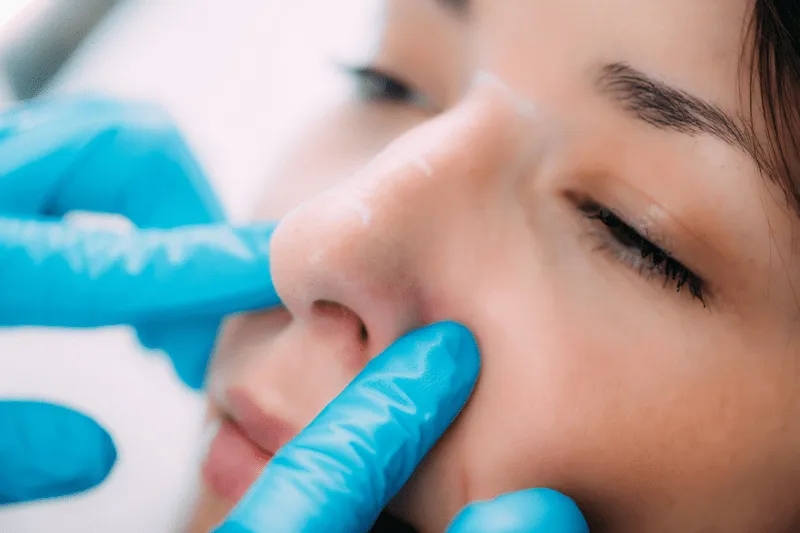
A thorough assessment is paramount before proceeding with revision surgery. This involves a detailed medical history, a physical examination of the nose, and potentially imaging studies like CT scans or internal nasal photography. The surgeon will evaluate the skin thickness, cartilage quality, and the extent of previous surgical alterations. Digital imaging can also be used to create a virtual representation of potential outcomes, allowing patients to visualize the proposed changes and discuss their expectations.
It’s important to be realistic about the achievable results. While revision rhinoplasty can often significantly improve both the appearance and function of the nose, it’s not always possible to achieve perfection. The surgeon should clearly explain the limitations of the procedure and manage patient expectations accordingly. Open communication and a collaborative approach are essential for a successful outcome.
Choosing a surgeon with a proven track record in revision rhinoplasty is the most important factor. Look for board certification, extensive experience, and a portfolio of before-and-after photos demonstrating their expertise. Don’t be afraid to ask questions, discuss your concerns, and seek a second opinion if needed. The investment in a skilled surgeon can make all the difference in achieving a satisfying and long-lasting result, particularly when considering the significant cost savings available in Turkey compared to Western European alternatives.
> 📉 Cost Comparison: A simple procedure that costs €5,000 in Germany might cost only €1,500 in Turkey with CureHoliday. Why pay more for the same quality?
The Challenges of Revision Rhinoplasty – Why It’s More Complex
Revision rhinoplasty, unlike primary rhinoplasty, presents a significantly heightened level of surgical complexity. This isn’t simply a ‘second chance’ at achieving desired aesthetics; it’s a reconstructive procedure addressing existing alterations, often within a compromised nasal framework. Several factors contribute to these increased difficulties.
The primary challenge lies in the altered anatomy. The initial surgery disrupts the natural support structures, blood supply, and tissue planes. Scar tissue formation is inevitable, creating a less predictable surgical field. This scar tissue can contract, distort cartilage, and make it difficult to accurately assess the underlying skeletal framework. Dissecting through previously operated tissues demands meticulous technique and a thorough understanding of the previous surgeon’s approach – which isn’t always readily available.
Cartilage limitations are a frequent hurdle. In primary rhinoplasty, surgeons have access to a ‘virgin’ cartilage supply. Revision cases often involve depleted or distorted cartilage. The nasal tip, in particular, may have insufficient cartilage for reshaping, necessitating the use of grafts – either from the septum, ear, or rib. The availability and quality of these grafts are critical, and careful planning is essential to avoid further weakening the nasal structure.
Addressing dorsal hump revisions is notoriously difficult. Removing a dorsal hump a second time often reveals underlying weakness and the potential for saddle nose deformity. Achieving a natural and stable result requires skillful cartilage grafting and meticulous reconstruction of the nasal framework. Similarly, correcting overly aggressive cartilage removal from the nasal bridge presents a significant challenge, frequently requiring spreader grafts and other reconstructive techniques.
Alar base reconstruction in revision cases can be particularly complex. Widened nostrils after a primary surgery require careful assessment of the surrounding tissues and a precise surgical plan. Simple nostril narrowing techniques may not be sufficient, and more advanced methods like cartilage grafting or skin excision may be necessary.
Blood supply compromise is a serious risk. Previous surgery can damage or distort the blood vessels that nourish the nasal tissues. This can lead to skin necrosis, graft failure, and prolonged healing times. Surgeons performing revision rhinoplasty must be acutely aware of these vascular risks and employ techniques to preserve blood flow.
The psychological impact on patients undergoing revision rhinoplasty is also noteworthy. These individuals have already experienced dissatisfaction with a previous outcome, leading to increased anxiety and expectations. A surgeon must be able to manage these expectations realistically and provide compassionate care.
In Europe, particularly in countries like Germany and France, the cost of revision rhinoplasty can be prohibitively expensive, often exceeding €10,000 – €15,000. This figure doesn’t always correlate with superior outcomes. In contrast, Turkey has emerged as a leading destination for revision rhinoplasty, offering world-class surgical expertise at a fraction of the cost. Patients can save up to 70% on their procedure while receiving care from highly skilled and experienced surgeons.
This cost difference isn’t due to a compromise in quality. Turkey boasts a highly trained medical workforce, state-of-the-art facilities, and a strong commitment to medical tourism. The lower cost of living and operating expenses contribute to the affordability, making it an attractive option for patients seeking exceptional revision rhinoplasty results. However, it’s vital to research surgeons thoroughly, verifying their credentials and experience specifically in revision cases.
Successful revision rhinoplasty demands a surgeon with a deep understanding of nasal anatomy, surgical reconstruction, and meticulous attention to detail. It’s a complex undertaking, and choosing an experienced surgeon – particularly one specializing in revision work – is paramount to achieving a satisfactory and long-lasting outcome.
> 🇹🇷 Why Turkey? You don’t have to compromise on quality to save money. Istanbul hosts some of the world’s best clinics with JCI accreditation, offering prices 3-4 times lower than Europe.
Is Revision Rhinoplasty Right for You?
Determining whether revision rhinoplasty is appropriate requires careful consideration. It’s not simply a repeat of the initial surgery; it addresses specific, often complex, issues arising from the first procedure. A successful outcome hinges on realistic expectations, a thorough understanding of the limitations, and selecting a highly skilled surgeon – a crucial point when considering options in Turkey.
The first step is identifying the *source* of your dissatisfaction. Common reasons for seeking revision include functional problems like breathing difficulties, persistent nasal obstruction, or a deviated septum not adequately addressed in the primary surgery. Aesthetic concerns are equally prevalent: asymmetry, a dorsal hump that remains or reappears, tip refinement needs (bulbous, hanging, or ill-defined tip), nostril size or shape irregularities, or a result that simply doesn’t harmonize with your facial features.
It’s vital to remember that the nasal tissues undergo significant changes after the first rhinoplasty. Scar tissue formation and cartilage weakening are common. This altered anatomy makes the revision surgery technically more challenging than the original. The surgeon must meticulously dissect through existing scar tissue to reshape and rebuild, often requiring cartilage grafting from other areas of the body (septum, ear, or rib) to provide structural support.
A good candidate for revision rhinoplasty has realistic expectations. While significant improvements are often achievable, achieving *perfection* is rarely possible. The goal is to improve both function and aesthetics, creating a natural-looking nose that complements your face. Understand that a slight asymmetry may remain, and complete restoration of pre-surgical anatomy is unlikely.
The timing of revision rhinoplasty is also important. Generally, surgeons recommend waiting at least 12-18 months after the initial surgery to allow tissues to fully heal and settle. Rushing into a revision too soon can lead to unpredictable results. However, functional issues should be addressed sooner rather than later to prevent chronic breathing problems.
Now, let’s address the financial aspect. Many patients, particularly those in Europe – Germany, France, and the UK – are priced out of quality revision rhinoplasty due to exorbitant costs. The same procedure can easily exceed €10,000 – €15,000 or more in these countries. Turkey offers a compelling alternative. Here, you can receive world-class revision rhinoplasty from highly qualified, internationally trained surgeons for a fraction of the price – often saving 60-70%.
This isn’t about compromising on quality; it’s about leveraging lower operational costs and a favorable exchange rate. Turkish clinics invest heavily in state-of-the-art facilities and attract skilled surgeons. This allows them to provide superior care at a significantly reduced price. Patients aren’t just saving money; they’re often receiving a higher standard of care and attention than they would in some European clinics.
However, affordability shouldn’t be the sole deciding factor. Rigorous surgeon selection is paramount. Look for a surgeon with extensive experience *specifically* in revision rhinoplasty, demonstrated by a substantial portfolio of before-and-after photos focusing on complex cases. Verify their credentials, board certifications, and affiliations with reputable medical societies.
Don’t hesitate to seek multiple consultations, both in your home country and in Turkey. A detailed discussion of your concerns, a comprehensive physical examination, and a personalized treatment plan are essential. Digital imaging can be a valuable tool to visualize potential outcomes, but remember that it’s an approximation, not a guarantee.
Finally, consider the logistical aspects. Traveling for surgery requires careful planning, including accommodation, transportation, and post-operative care arrangements. Choose a clinic that offers comprehensive packages including these services to ensure a smooth and stress-free experience. Remember that post-operative care is as crucial as the surgery itself.
> 🏥 CureHoliday Advantage: We don’t just book your treatment; we manage your entire journey. From VIP airport transfers to 5-star hotel accommodation, everything is included in your package.
Detailed Explanation of the Procedure: A Step-by-Step Guide
Revision rhinoplasty, while building upon principles of primary rhinoplasty, is a significantly more intricate process. This is because the surgical field presents altered anatomy, often with scar tissue and compromised structural support. Understanding the steps involved provides patients considering surgery in Turkey – a destination increasingly favoured for its quality and cost-effectiveness – with realistic expectations. Remember, patients traveling from countries like Germany or France can save up to 70% on the overall cost without compromising on the surgeon’s expertise or facility standards.
The process begins with meticulous surgical marking under local anesthesia. This stage is crucial, as the surgeon precisely maps out the remaining and deficient cartilage and bone, identifying areas requiring reconstruction or refinement. These markings are guided by the pre-operative digital imaging and treatment plan developed during consultation. Unlike a primary rhinoplasty, revision cases often require a more extensive marking scheme to account for the altered nasal framework.
Next, the incision is made. The approach – open or closed – is determined by the complexity of the revision. Open rhinoplasty, involving a small incision across the columella (the skin between the nostrils), offers greater visibility and access to the underlying structures, commonly favoured for complex revisions. Closed rhinoplasty, performed entirely through the nostrils, is suitable for less extensive corrections. Surgeons in Turkey are highly skilled in both techniques, choosing the optimal approach based on individual patient needs.
Following the incision, the existing cartilage and bone are carefully assessed. Scar tissue is meticulously dissected, and any remaining grafts from the initial surgery are evaluated for their integrity and position. This dissection phase is often the most time-consuming and delicate part of the procedure, demanding exceptional surgical skill.
Once the field is clear, the surgeon addresses the specific issues identified during the planning phase. This may involve reshaping, repositioning, or augmenting the nasal dorsum (bridge), refining the tip, narrowing the nasal base, or improving nasal valve function. Often, the original work needs to be partially or fully undone to rebuild a solid foundation.
A critical component of many revision rhinoplasties is grafting. Due to cartilage loss or weakening, grafts are frequently necessary to provide structural support, improve contour, and prevent future collapse. Common graft sources include septal cartilage (from the nasal septum), ear cartilage, rib cartilage, and, less commonly, cartilage from the perichondrium (the tissue covering cartilage). Surgeons in Turkey prioritize utilizing the patient’s own cartilage whenever possible, minimizing the risk of rejection or complications. The quality of cartilage available is a key factor, and experienced surgeons are adept at maximizing its use.
Spreader grafts are frequently used to widen the internal nasal valve and improve breathing, while tip grafts help define and refine the nasal tip. Dorsal onlay grafts can camouflage irregularities and create a smoother profile. The precise placement and shaping of these grafts are crucial for achieving a natural and aesthetically pleasing result.
Once the structural work is complete, the soft tissue envelope is carefully redraped and adjusted. This involves meticulous suturing to reshape the skin and soft tissues, ensuring a harmonious relationship with the underlying cartilage and bone framework.
Wound closure is performed with fine, absorbable sutures, minimizing visible scarring. A splint and, in some cases, internal or external splints are then applied to support the newly reconstructed nasal framework and protect it during the initial healing phase. Post-operative care instructions, including splint removal, wound care, and activity restrictions, are provided in detail. Patients choosing surgery in Turkey receive comprehensive post-operative care packages, often including hotel accommodation and follow-up appointments, all at a fraction of the cost compared to equivalent care in Western Europe. The savings are substantial, allowing patients to prioritize their recovery and well-being without the burden of excessive financial strain – often realizing savings of 70% compared to procedures in Germany or France.
> 💡 Price Fact: While this treatment can cost thousands of Euros in Germany, France, or the Netherlands, CureHoliday offers the same high-quality procedure in Turkey for 70% less.
Initial Consultation & Assessment
The initial consultation and assessment phase is arguably the most crucial step in determining the success of revision rhinoplasty in Turkey. It’s a detailed process that goes far beyond a simple visual examination, and discerning patients should expect a surgeon to dedicate significant time to understanding their concerns and meticulously evaluating their nasal anatomy. This isn’t a quick “yes/no” assessment; it’s a collaborative investigation.
The first stage involves a comprehensive discussion of your dissatisfaction with your previous rhinoplasty. Be prepared to articulate specifically what aspects of the result you dislike. Vague statements like “I just don’t like it” are unhelpful. Instead, detail whether you’re concerned about functional issues (breathing difficulties), aesthetic problems (asymmetry, dorsal hump, tip refinement), or a combination of both. Bring photographs of your nose *before* the initial surgery, immediately *after*, and currently. These visual aids are invaluable.
Following this discussion, the surgeon will perform a thorough physical examination of your nose, both externally and internally. This includes assessing skin thickness, cartilage strength, and the overall structural framework. They will carefully evaluate the existing surgical changes – identifying areas of cartilage weakness, scar tissue, and any distortions that contribute to the current problems. Crucially, they’ll assess your nasal valve, as this is a common source of breathing difficulties post-rhinoplasty and a frequent target for revision.
Functional assessment is paramount. The surgeon will evaluate airflow through each nasal passage, looking for obstructions. This may involve a formal nasal endoscopy, where a small camera is inserted into the nose to visualize the internal structures directly. A CT scan is often recommended, particularly for complex cases. This provides a detailed 3D reconstruction of the nasal bones and cartilage, revealing subtle anatomical variations that are impossible to detect with a physical exam alone. This level of detailed pre-operative planning is standard practice amongst leading revision rhinoplasty surgeons in Turkey, offering a level of precision often unavailable or prohibitively expensive in countries like Germany or France.
The surgeon will also meticulously document your medical history, including any previous surgeries, allergies, and medications. Be honest and comprehensive, as this information can significantly impact the surgical plan and anesthetic choices.
A key aspect of the consultation is discussing realistic expectations. Revision rhinoplasty is often more challenging than primary rhinoplasty, and achieving perfection is rarely possible. A skilled surgeon will clearly outline the limitations of the procedure and what can realistically be accomplished. They will explain the potential risks and complications, and discuss the need for further revisions in some cases.
This detailed assessment is where the value proposition of choosing Turkey becomes exceptionally clear. In Europe, a consultation of this depth – involving CT scans, endoscopy, and extended surgeon time – could easily cost upwards of €1000-€2000. In Turkey, this comprehensive assessment is typically included as part of the overall package, contributing to the substantial savings – often exceeding 70% – patients experience. This isn’t simply about lower costs; it’s about receiving a superior level of care and attention to detail, allowing surgeons to formulate a precise and personalized surgical plan.
Finally, the surgeon will discuss potential surgical techniques and grafting strategies tailored to your specific anatomy and desired outcome. This will be followed by a discussion of digital imaging (covered in the next section) to visualize potential results and refine the treatment plan collaboratively. Remember, choosing a surgeon who prioritizes a thorough initial consultation and assessment is the first step towards a successful revision rhinoplasty journey.
> 💡 Price Fact: While this treatment can cost thousands of Euros in Germany, France, or the Netherlands, CureHoliday offers the same high-quality procedure in Turkey for 70% less.
Digital Imaging & Treatment Planning
Digital imaging and meticulous treatment planning are absolutely paramount in revision rhinoplasty, even more so than in primary procedures. The complexities inherent in correcting a previously altered nasal structure demand a level of pre-operative foresight that relies heavily on advanced technological tools and a surgeon’s artistic vision. In Turkey, clinics specializing in revision rhinoplasty have invested heavily in these technologies, offering patients a level of planning often unavailable – or prohibitively expensive – in countries like Germany or France.
The initial step involves a comprehensive digital analysis of the patient’s existing nasal anatomy. This goes beyond standard photographs. High-resolution 3D imaging, often utilizing computed tomography (CT) scans, provides a detailed map of the underlying skeletal framework, cartilage distribution, and soft tissue characteristics. This allows the surgeon to accurately assess the extent of the previous surgical alterations, identify areas of weakness or asymmetry, and understand the causes of the patient’s dissatisfaction.
Traditional 2D photography is still valuable, but is now integrated with sophisticated morphing software. This allows the patient and surgeon to collaboratively manipulate a digital representation of the nose, exploring various potential outcomes. Crucially, the software isn’t simply about aesthetics; it must also account for functional considerations like airflow and breathing. Patients can visualize changes to the nasal dorsum, tip projection, nostril width, and overall nasal balance. This interactive process fosters realistic expectations and ensures the desired outcome aligns with the patient’s anatomical limitations.
However, digital imaging is *not* a substitute for the surgeon’s expertise. Software can suggest possibilities, but it cannot determine feasibility. A skilled revision rhinoplasty surgeon in Turkey will use the imaging as a starting point, then refine the plan based on a deep understanding of nasal biomechanics, cartilage grafting techniques, and the principles of structural preservation. They will identify potential pitfalls – such as inadequate tip support or the risk of valve collapse – and adjust the plan accordingly.
A critical component of treatment planning is the analysis of the patient’s skin thickness and quality. Thin skin can exacerbate even minor irregularities, while thick skin can camouflage underlying structural issues. The surgeon will factor this into the plan, choosing techniques that minimize the risk of visible imperfections. This detailed assessment is often rushed or overlooked in clinics prioritizing volume over quality, a common issue in Western European countries where costs are significantly higher.
The cost differential is substantial. Patients traveling to Turkey for revision rhinoplasty routinely save 60-70% compared to equivalent procedures in Germany, France, or the UK. This isn’t due to compromised quality; it’s a result of lower operating costs and a favorable exchange rate. This cost saving allows clinics to invest more in advanced imaging technology and highly skilled surgical teams, offering patients a superior experience.
Furthermore, Turkish clinics often employ a multidisciplinary approach, involving ENT specialists to assess and address any functional issues like a deviated septum or nasal obstruction. This holistic approach is crucial for achieving a successful and long-lasting revision rhinoplasty. The treatment plan will explicitly detail the surgical techniques to be employed, the type and source of cartilage grafts, and a clear timeline for post-operative recovery.
The surgeon should thoroughly explain the limitations of the procedure, outlining potential risks and complications. Realistic expectations are essential for patient satisfaction. The digital imaging session is the ideal time to address these concerns and ensure the patient is fully informed before proceeding. A well-defined treatment plan, coupled with advanced digital imaging, significantly increases the likelihood of a positive outcome in revision rhinoplasty, making Turkey a compelling destination for patients seeking affordable excellence.
> 💡 Price Fact: While this treatment can cost thousands of Euros in Germany, France, or the Netherlands, CureHoliday offers the same high-quality procedure in Turkey for 70% less.
Anesthesia Options Explained
The choice of anesthesia for revision rhinoplasty in Turkey is a crucial aspect of the surgical plan, impacting both patient comfort and surgical precision. It’s a decision made collaboratively between the patient and the anesthesiologist, considering the complexity of the case, the patient’s overall health, and their preferences. Several options are available, each with its own advantages and considerations.
Local anesthesia with sedation is a commonly employed technique, particularly for less extensive revisions. This involves numbing the nasal tissues with local anesthetic injections. Simultaneously, intravenous sedation is administered to induce relaxation and reduce anxiety. The patient remains conscious but is deeply comfortable and may not recall the procedure. This method offers the benefit of a quicker recovery time and reduced risk of complications associated with general anesthesia. It’s often favored for cases where structural changes are limited and the focus is on refinement.
However, revision rhinoplasty is inherently more complex than primary rhinoplasty. Often, significant cartilage grafting, spreader graft placement, or septal reconstruction is required. In these instances, general anesthesia is frequently preferred. General anesthesia renders the patient completely unconscious, eliminating pain and anxiety throughout the surgery.
The anesthesiologist carefully monitors vital signs – heart rate, blood pressure, oxygen saturation, and breathing – ensuring a safe and stable physiological state. This allows the surgeon to focus entirely on the intricate reconstructive work without being constrained by patient movement or discomfort. For extensive revisions requiring longer operative times, general anesthesia provides the most reliable and predictable conditions.
The quality of anesthesia and post-operative pain management in Turkey is exceptionally high, comparable to – and often exceeding – standards in Western European countries like Germany and France. However, the cost of anesthesia, along with the entire surgical package, is significantly lower in Turkey. Patients routinely save 60-70% on the total expense compared to undergoing the same procedure in Europe, without compromising on the skill of the anesthesiologist or the quality of the drugs used.
It’s vital to understand that the anesthesiologist conducting your revision rhinoplasty in Turkey will be a qualified and experienced physician, board-certified and fluent in English (or your preferred language) to ensure clear communication. Pre-operative assessments are thorough, including a detailed review of your medical history, current medications, allergies, and any previous anesthetic experiences.
Furthermore, Turkish clinics utilize modern monitoring equipment and adhere to stringent safety protocols. The anesthesiologist will tailor the anesthetic plan to your specific needs, taking into account any pre-existing conditions such as allergies, heart problems, or sleep apnea.
A key benefit of choosing Turkey for revision rhinoplasty is the all-inclusive nature of the packages. This typically includes the cost of the anesthesiologist’s services, all necessary medications used during and after the procedure, and dedicated post-operative monitoring. In contrast, itemized costs in Europe can quickly add up, making the overall expense prohibitive.
Post-operatively, pain management is a priority. A combination of oral analgesics and, in some cases, local nerve blocks may be used to minimize discomfort. The medical team will provide clear instructions on medication schedules and potential side effects. The emphasis is on ensuring a comfortable recovery, allowing patients to return home and resume their normal activities as quickly as possible.
The choice between local with sedation and general anesthesia is not simply about cost; it’s about optimizing both surgical outcomes and patient well-being. A skilled surgeon and a meticulous anesthesiologist, coupled with the affordability of Turkish medical tourism, offer a compelling combination for those seeking a successful and comfortable revision rhinoplasty experience.
> 🇹🇷 Why Turkey? You don’t have to compromise on quality to save money. Istanbul hosts some of the world’s best clinics with JCI accreditation, offering prices 3-4 times lower than Europe.
Surgical Techniques Used in Revision Rhinoplasty
Revision rhinoplasty often demands a more nuanced and complex approach than primary rhinoplasty. The initial surgery has already altered the nasal anatomy, creating scar tissue and potentially distorting underlying structures. Surgeons in Turkey are highly adept at navigating these challenges, employing a variety of techniques tailored to each patient’s specific needs.
One fundamental technique is spreader graft placement. This involves using cartilage grafts – often sourced from the septum, ear, or rib (discussed further in the ‘Grafting & Cartilage Sources’ section) – to widen the internal nasal valve. This is crucial for addressing breathing difficulties and preventing nasal collapse, common issues after a previous surgery. In Europe, particularly in countries like Germany and France, addressing valve stenosis with spreader grafts can add significantly to the overall cost, easily exceeding €5,000-€8,000. In Turkey, patients can achieve the same level of precision and expertise for approximately 30-40% of that price.
Alar grafts are frequently used to reshape and support the nostrils. These grafts can correct retracted nostrils or improve their symmetry. Revision cases often require more intricate alar graft work due to scar tissue contraction. Surgeons in Turkey prioritize meticulous placement to achieve a natural and balanced aesthetic.
Dorsal reduction and augmentation techniques are employed to refine the nasal bridge. Unlike primary rhinoplasty where a simple reduction might suffice, revision cases often require careful reconstruction. This may involve removing excess cartilage or bone, but also strategically adding grafts to rebuild a more harmonious profile. The precision required in these maneuvers is considerable, and Turkish surgeons are renowned for their skill in this area.
Tip plasty techniques are also heavily utilized. A bulbous, ill-defined, or asymmetrical nasal tip is a frequent complaint following primary rhinoplasty. Techniques such as dome tie sutures, lateral crural grafts, and shield grafts are employed to refine the tip, providing definition and projection. Revision tip plasty demands a thorough understanding of tip support mechanisms – something Turkish surgeons prioritize in their training.
Osteotomies (controlled fractures of the nasal bones) are often necessary to correct nasal asymmetry or dorsal irregularities. However, in revision cases, osteotomies require extreme caution. The surgeon must account for previous osteotomies and the altered anatomy to avoid further instability or asymmetry. The application of piezosurgery, a bone-shaping technique using ultrasonic vibrations, is becoming increasingly popular in Turkey for its precision and reduced trauma, offering a gentler approach than traditional osteotomy.
Septoplasty, correcting a deviated septum, is commonly integrated into revision rhinoplasty. Even if the initial surgery included septoplasty, the septum can deviate further over time or be inadequately addressed initially. A straight septum is fundamental to both breathing function and achieving a predictable aesthetic outcome.
In cases of significant structural deficiency, rib cartilage grafts become essential. The rib provides a robust and versatile source of cartilage for complex reconstructions. Turkish surgeons have extensive experience with rib cartilage harvesting and sculpting, ensuring optimal results. The cost of rib cartilage reconstruction in Western Europe can be prohibitive, often exceeding €10,000. Patients traveling to Turkey save around 70% on these complex procedures without compromising on quality.
Open versus closed rhinoplasty techniques are both utilized in revision surgery. The choice depends on the complexity of the case and the surgeon’s preference. Open rhinoplasty, involving a small incision across the columella, provides greater visibility and access to the underlying structures. However, it also results in more swelling and a longer recovery period. Closed rhinoplasty, performed entirely through the nostrils, minimizes swelling but may be less suitable for complex revisions. Many surgeons in Turkey skillfully employ both techniques, adapting their approach to the individual patient.
Finally, meticulous layering of grafts and soft tissue manipulation are critical for achieving a long-lasting and natural result. Turkish surgeons emphasize the importance of preserving as much natural nasal tissue as possible while strategically augmenting and reshaping. This holistic approach, combined with affordable pricing, makes Turkey a leading destination for revision rhinoplasty.
> 🏥 CureHoliday Advantage: We don’t just book your treatment; we manage your entire journey. From VIP airport transfers to 5-star hotel accommodation, everything is included in your package.
Grafting & Cartilage Sources
Grafting is a cornerstone of successful revision rhinoplasty, particularly when addressing structural deficiencies or refining aesthetic outcomes from a previous surgery. Unlike primary rhinoplasty where the existing nasal framework may be sufficient, revision cases often require augmentation and precise reshaping, heavily reliant on cartilage grafts. The source and quality of this cartilage are paramount to long-term results.
Several sources are utilized for grafting material. The most common and generally preferred source is septal cartilage – cartilage from the nasal septum, the central divider within the nose. It’s ideal due to its inherent compatibility, straightness, and ability to be sculpted. However, in revision cases, the septum is frequently compromised due to previous surgeries, leaving insufficient or poor-quality cartilage.
When septal cartilage is limited, surgeons turn to costal cartilage, harvested from the rib. This provides a larger volume of cartilage and is particularly valuable for significant reconstruction. The rib cartilage is meticulously shaped and carved to create grafts of varying sizes and forms. While harvesting costal cartilage involves a slightly more involved procedure than septal cartilage retrieval, skilled surgeons minimize discomfort and scarring.
Ear cartilage (conchal cartilage) is another viable option, especially for smaller, more delicate grafts, such as tip grafts to refine the nasal tip or spreader grafts to open up the internal nasal valve. It’s a useful supplementary source, but generally doesn’t provide the structural strength of septal or costal cartilage.
Dermagraft and alloplastic implants (like silicone) were used in the past, but are now less favored due to higher risks of infection, extrusion, and long-term complications. Modern revision rhinoplasty overwhelmingly prioritizes autologous cartilage – meaning cartilage harvested from the patient’s own body – to minimize these risks and maximize biocompatibility.
The types of grafts used are diverse and tailored to the specific revision goals. Spreader grafts, placed along the dorsum, widen the internal nasal valve and improve breathing. Tip grafts refine the nasal tip projection and definition. Alar grafts support the lower lateral cartilages, improving nostril shape and symmetry. Onlay grafts are used to camouflage irregularities or build up deficient areas. Sutures are also considered grafts, used to reshape and support cartilage.
The skill of the surgeon in harvesting, shaping, and precisely positioning these grafts is critical. Improper graft placement can lead to asymmetry, instability, or unnatural results. In Turkey, surgeons specializing in revision rhinoplasty have developed a high level of expertise in graft techniques, often honed through extensive training and a high volume of complex cases.
A significant advantage of undergoing revision rhinoplasty in Turkey is the cost savings without compromising quality. Patients traveling from Europe – particularly from countries like Germany and France where surgical costs are exceedingly high – routinely save 60-70% on the overall procedure, including the use of autologous cartilage grafting. This isn’t achieved by cutting corners; rather, it’s due to lower operational costs and a favorable exchange rate.
Furthermore, many Turkish clinics invest heavily in advanced technologies and materials, ensuring the same (or even superior) quality of care as found in Western Europe. This includes meticulous cartilage processing techniques to maintain viability and structural integrity. The savings allow patients to prioritize a highly experienced, board-certified surgeon without financial strain.
It’s important to discuss the anticipated need for grafting extensively during the consultation. A detailed assessment of the existing cartilage resources, combined with digital imaging to visualize the planned reconstruction, will allow the surgeon to develop a personalized grafting strategy. Patients should inquire about the surgeon’s experience with various cartilage sources and grafting techniques, and request to see before-and-after photos of similar revision cases.
> 🏥 CureHoliday Advantage: We don’t just book your treatment; we manage your entire journey. From VIP airport transfers to 5-star hotel accommodation, everything is included in your package.
Wound Closure & Post-Operative Care
Wound closure is a critical component of revision rhinoplasty, directly impacting healing, scarring, and the final aesthetic outcome. In Turkey, surgeons prioritize meticulous techniques to minimize visible scarring and promote optimal tissue recovery, often surpassing standards found in countries where costs are significantly higher – such as Germany or France.
Following the completion of the reconstructive work, the external nasal incision is closed using incredibly fine sutures. The specific suture material varies depending on the surgeon’s preference and the skin type of the patient, but typically includes non-absorbable monofilament sutures which are removed approximately 5-7 days post-operatively. Internal incisions, made within the nostrils, are often left to heal naturally or may be closed with absorbable sutures. The goal is to achieve a near-invisible scar, even with revision work which often involves more complex tissue manipulation than primary rhinoplasty.
Post-operative care begins immediately after the anesthesia wears off. Patients will awaken with a splint and possibly external taping applied to the nose. This provides support and protection during the initial, most vulnerable phase of healing. A soft dressing may also be present to absorb any minor drainage. Pain is typically well-controlled with prescribed medication, though many patients report experiencing only mild discomfort.
The first week focuses on minimizing swelling and preventing infection. Strict adherence to the surgeon’s instructions is paramount. This includes gentle wound care, avoiding strenuous activity, and maintaining the head elevated – even during sleep. Antibiotics are routinely prescribed to prevent infection, a critical aspect of care provided in Turkish facilities, mirroring standards found in leading European clinics but at a fraction of the cost. Patients can save upwards of 70% on the total procedure cost compared to undergoing revision rhinoplasty in countries like France, without compromising on quality or safety.
Swelling is a natural part of the healing process and will fluctuate over the first few weeks. Bruising is also common, typically resolving within 1-2 weeks. Cold compresses can help reduce swelling and discomfort during the initial days. It’s crucial to avoid any forceful blowing of the nose during this period. Saline nasal sprays are recommended to keep the nasal passages moist and prevent crusting.
Around 7-10 days post-operatively, the splint and sutures are removed. This is when patients begin to see the initial, albeit still swollen, results of their revision. The surgeon will provide detailed instructions on taping techniques to further refine the nasal shape and minimize swelling. This taping is usually continued for several weeks, sometimes months, depending on the extent of the surgery.
Long-term post-operative care involves regular follow-up appointments with the surgeon to monitor healing and address any concerns. It’s important to understand that the final result of revision rhinoplasty may not be fully apparent for up to a year or even longer, as tissues continue to settle and remodel.
Turkish clinics offer comprehensive post-operative care packages, often including accommodation, airport transfers, and dedicated patient coordinators who provide support throughout the entire recovery process. This level of personalized attention is a significant advantage, particularly for international patients. While similar levels of care in Germany or other Western European nations would incur substantial expenses, Turkey provides this holistic approach at a dramatically reduced cost.
Scar management is also addressed. While revision rhinoplasty aims for minimal visible scarring, some patients may benefit from silicone sheeting or other topical treatments to further improve the appearance of any remaining marks. The focus remains on achieving a natural-looking, functional nose that addresses the patient’s concerns and restores their confidence. The combination of skilled surgeons, advanced techniques, and affordable pricing makes Turkey a leading destination for revision rhinoplasty, offering patients a pathway to a successful outcome without the prohibitive costs associated with procedures in other parts of Europe.
> 🇹🇷 Why Turkey? You don’t have to compromise on quality to save money. Istanbul hosts some of the world’s best clinics with JCI accreditation, offering prices 3-4 times lower
Free Consultation
Fill out the form below to get your free medical travel plan and price quote.
Sources and how to verify this yourself
- Comparative study of graft survival by donor site (scalp, beard, chest) at 12 months — roughly 89% for scalp, 95% for beard and 76% for chest hair; survival also falls the longer grafts stay outside the body. source
- Ministry of Health, Regulation on International Health Tourism and Tourist Health, Official Gazette 26 April 2025, No. 32882 — authorisation requirement for facilities and intermediaries, TÜSKA accreditation, compulsory complication insurance (deadline 31 December 2025 for insurance, 31 December 2026 for accreditation). source
- Ministry of Health, Regulation on Promotion and Information Activities in Health Services, Official Gazette 12 November 2025, No. 33075 — treatment promises and guarantees are prohibited; price and campaign announcements are permitted only within international health tourism. source