About the prices on this page. The figures below are indicative market prices and country comparisons, not a quote. Our own current, all-inclusive prices are published on our orthopedic surgery in Turkey page, and we confirm your figure in writing before you commit to anything.
Cost & Price Comparison: Knee Replacement in Turkey
Considering knee replacement surgery? You’re likely also considering the cost. And that’s where Turkey really shines. In 2026, Turkey has become a leading destination for medical tourism, particularly for orthopedic procedures like knee replacement, offering a compelling combination of high-quality care and significant savings.
Save up to 70% compared to costs in Europe (Germany, France, Netherlands, and the UK). While prices *always* depend on individual needs, the complexity of the case, hospital choice, and the surgeon’s experience, the overall cost of a knee replacement package in Turkey is substantially lower.
Generally, you can expect the total expense – including the surgery itself, pre-operative assessments, hospital stay (typically shorter than in many Western countries), physiotherapy, and often accommodation – to be a fraction of what you’d pay at home. Instead of tens of thousands of dollars/euros, many patients report costs falling within a significantly lower range, making it accessible to a wider range of people.
What makes this possible? Lower operational costs, a favorable exchange rate, and government support for medical tourism all contribute to the affordability.
But don’t mistake “affordable” for “low quality.” Turkey offers Affordable Luxury – world-class hospitals equipped with the latest technology, highly skilled and experienced surgeons (many trained internationally), and excellent patient care. You can receive top-tier treatment without breaking the bank.
Here’s a general idea of the potential savings:
- Europe (Germany, France, Netherlands, UK): Expect a total cost ranging from $18,000 – $40,000+ (USD) or equivalent in Euros/GBP.
- United States: Costs can easily exceed $40,000 – $75,000+ (USD).
- Turkey: While highly variable, you can anticipate a total cost that is 30-70% less than in Europe and considerably lower than in the United States.
We strongly recommend requesting personalized quotes from several hospitals and surgeons to get an accurate estimate based on *your* specific situation.
Introduction: The Rising Burden of Knee Pain & Affordable Solutions
Knee pain is an increasingly prevalent condition affecting individuals of all ages, but particularly those over 50. It significantly diminishes quality of life, impacting mobility, daily activities, and overall well-being. The causes are diverse, ranging from acute injuries like ligament tears and meniscus damage to chronic degenerative conditions such as osteoarthritis. However, the common denominator is a substantial and growing need for effective treatment.
Osteoarthritis, the most frequent culprit behind chronic knee pain, is characterized by the breakdown of cartilage within the knee joint. This leads to bone-on-bone friction, causing pain, inflammation, stiffness, and ultimately, reduced range of motion. Initially, conservative treatments like physical therapy, pain medication, and lifestyle modifications can provide relief. However, as osteoarthritis progresses, these measures often become insufficient, leaving patients with limited options and a declining quality of life.
The financial burden associated with managing chronic knee pain is also considerable. Frequent doctor’s visits, medication costs, physical therapy sessions, and assistive devices all contribute to significant expenses. But the true economic impact is often felt when pain severely restricts a patient’s ability to work and participate in everyday activities.
For many, the ultimate solution to debilitating knee pain is total or partial knee replacement surgery. This procedure involves replacing the damaged cartilage and bone with artificial implants, restoring joint function and alleviating pain. However, the cost of knee replacement surgery can be prohibitively high in many Western European countries. In nations like Germany and France, the total expense – encompassing the surgery itself, hospital stay, anesthesia, implants, and post-operative care – can easily exceed €20,000 – €30,000, and even climb higher with complications or extended rehabilitation. This price tag places a significant financial strain on patients, and often leads to long waiting lists for publicly funded procedures.
This is where Turkey emerges as a compelling alternative. Turkey has rapidly become a leading destination for medical tourism, particularly for complex procedures like knee replacement. The country boasts world-class hospitals equipped with state-of-the-art technology, highly qualified and internationally trained orthopedic surgeons, and a commitment to providing high-quality healthcare.
Crucially, the cost of knee replacement surgery in Turkey is significantly lower – often around 70% less – than in comparable facilities in Europe. A complete knee replacement package, including the surgery, hospital stay (typically 3-5 days), anesthesia, implants, pre-operative evaluations, and even post-operative physiotherapy, can be obtained for between €6,000 – €10,000. This dramatic cost difference doesn’t equate to compromised quality.
Turkish hospitals adhere to stringent international standards, often accredited by organizations like JCI (Joint Commission International). Surgeons frequently collaborate with international peers and utilize advanced implant technologies comparable to those used in Europe and the United States. The savings achieved by patients traveling to Turkey aren’t due to a reduction in the *quality* of care, but rather to lower operational costs, favorable exchange rates, and a competitive healthcare market.
Patients choosing Turkey not only benefit from substantial financial savings, but also from a streamlined and patient-focused experience. Many hospitals offer comprehensive packages that include airport transfers, accommodation arrangements, and dedicated case managers to assist with every aspect of the medical journey. This allows patients to focus on their recovery, knowing that all logistical details are being expertly handled.
The increasing popularity of knee replacement surgery in Turkey is a testament to its ability to deliver affordable, high-quality orthopedic care, offering a viable solution for individuals burdened by chronic knee pain and seeking a path towards a more active and fulfilling life.
> 💡 Price Fact: While this treatment can cost thousands of Euros in Germany, France, or the Netherlands, CureHoliday offers the same high-quality procedure in Turkey for 70% less.
Understanding Knee Osteoarthritis & Its Impact
Knee osteoarthritis (OA) is the most common form of arthritis affecting the knee joint. It’s a degenerative joint disease characterized by the breakdown of cartilage, the protective tissue cushioning the ends of bones. This breakdown leads to pain, stiffness, swelling, and reduced range of motion, significantly impacting a person’s quality of life. While often age-related, OA can also result from injury, overuse, or genetic predisposition.
The initial stages of knee OA may present with mild discomfort during or after activity, gradually worsening over time. Patients often describe a deep, aching pain that flares up with weight-bearing and subsides with rest. Morning stiffness, lasting less than 30 minutes, is also a common early symptom. As the disease progresses, pain becomes more constant, affecting daily activities such as walking, climbing stairs, and even simple tasks like getting out of a chair.
The impact extends beyond physical discomfort. Chronic pain can lead to decreased physical activity, contributing to weight gain and muscle weakness, further exacerbating the condition. This can create a vicious cycle, limiting mobility and independence. Psychological effects are also significant; many individuals with severe knee OA experience anxiety, depression, and a reduced overall sense of well-being.
In Europe, particularly in countries like Germany and France, the economic burden of managing advanced knee OA can be substantial. The costs associated with conservative treatments – physiotherapy, pain medication, injections – accumulate over years, often providing only temporary relief. When these fail, and total knee replacement becomes necessary, the financial strain intensifies. The cost of a knee replacement in these nations can easily exceed €20,000, often with lengthy waiting lists for surgery.
The pathophysiology of knee OA involves a complex interplay of factors. Cartilage degradation isn’t simply a process of “wearing out.” Inflammatory mediators play a crucial role, contributing to cartilage breakdown and bone remodeling. The body attempts to repair the damage, but this often leads to the formation of bone spurs (osteophytes) which can further irritate the joint and restrict movement. Ligament laxity and muscle imbalances also contribute to joint instability.
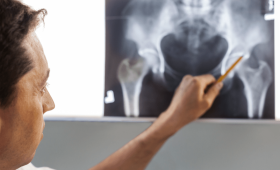
Advanced imaging techniques, such as X-rays and MRI, are essential for diagnosing and assessing the severity of knee OA. X-rays can reveal joint space narrowing, bone spurs, and changes in bone density. MRI provides a more detailed view of cartilage, ligaments, and other soft tissues, helping to identify early cartilage damage and other contributing factors.
However, diagnosis is only the first step. For many, the escalating costs of treatment in Western Europe become insurmountable. This is where Turkey offers a compelling alternative. Patients considering knee replacement in Turkey can achieve the same high standards of care – utilizing advanced surgical techniques and internationally recognized implants – at a fraction of the cost.
In fact, patients traveling to Turkey for knee replacement surgery routinely save between 60-70% compared to the expenses incurred in countries like Germany or France. This significant cost difference isn’t due to compromised quality; it’s a result of lower operational costs, government subsidies for medical tourism, and competitive pricing amongst highly skilled surgeons and hospitals.
Furthermore, Turkey’s growing reputation as a medical tourism hub ensures a seamless experience, with dedicated patient coordinators assisting with travel arrangements, accommodation, and post-operative care. This allows patients to focus on their recovery, knowing their financial and logistical needs are expertly managed. The savings achieved can be substantial, allowing individuals to access necessary treatment without facing crippling debt or prolonged suffering.
> 💡 Price Fact: While this treatment can cost thousands of Euros in Germany, France, or the Netherlands, CureHoliday offers the same high-quality procedure in Turkey for 70% less.
The Promise of Knee Replacement Surgery
Knee replacement surgery, clinically known as arthroplasty, represents a significant advancement in orthopedic medicine, offering a pathway to restored mobility and a dramatically improved quality of life for individuals suffering from debilitating knee pain. While the prospect of surgery can understandably be daunting, understanding the potential benefits is crucial for informed decision-making. This procedure isn’t simply about alleviating pain; it’s about reclaiming an active lifestyle previously hindered by conditions like osteoarthritis, rheumatoid arthritis, or severe knee injuries.
The core principle of knee replacement involves replacing the damaged cartilage and bone surfaces of the knee joint with artificial components. These prostheses, typically crafted from metal alloys, high-density polyethylene, and ceramic materials, are meticulously designed to mimic the natural movement of a healthy knee. The goal is to eliminate pain, restore range of motion, and improve overall knee function, allowing patients to resume activities they enjoy – from walking and climbing stairs to participating in low-impact sports.
For many, chronic knee pain becomes a pervasive, limiting factor. Daily tasks like grocery shopping, gardening, or even simply rising from a chair can become excruciatingly difficult. This pain often leads to decreased activity levels, contributing to weight gain, muscle weakness, and a further decline in overall health. Knee replacement surgery addresses these issues at their source, offering a long-term solution that can significantly enhance physical and emotional well-being.
However, the financial burden associated with knee replacement can be a substantial barrier for many patients, particularly in Western European countries. In nations like Germany or France, the cost of a total knee replacement can easily exceed €20,000 – €30,000, encompassing surgical fees, hospitalization, anesthesia, implant costs, and post-operative rehabilitation. This figure often excludes additional expenses like travel and accommodation for out-of-town patients.
This is where Turkey emerges as a compelling alternative. Turkey has rapidly become a leading destination for medical tourism, particularly for orthopedic procedures like knee replacement. Patients traveling to Turkey for knee replacement can save up to 70% compared to the costs incurred in Europe and North America, without compromising on the quality of care. This substantial cost difference isn’t due to inferior standards; rather, it’s a result of lower operational costs, competitive pricing structures, and government support for medical tourism initiatives.
Crucially, Turkish hospitals specializing in orthopedic surgery boast highly qualified and experienced surgeons, many of whom have received training in Europe and the United States. These facilities are equipped with state-of-the-art technology, including advanced imaging systems, robotic surgery platforms, and cutting-edge implant materials. The commitment to international standards is evidenced by accreditations from organizations like JCI (Joint Commission International), ensuring adherence to rigorous quality and safety protocols.
The promise isn’t just financial. Turkish hospitals often provide comprehensive packages that bundle the cost of surgery, hospitalization (typically 3-5 days), anesthesia, implant, pre-operative assessments, and even post-operative physiotherapy. Many also offer assistance with travel arrangements, accommodation, and translation services, creating a seamless and stress-free experience for international patients.
The long-term success rates of knee replacement surgery in Turkey are comparable to those achieved in leading orthopedic centers worldwide. With appropriate post-operative rehabilitation and adherence to medical advice, patients can expect significant pain relief, improved mobility, and a return to a more active and fulfilling lifestyle for many years to come. The procedure is not a cure-all, and realistic expectations are important, but for those burdened by chronic knee pain, it offers a genuine opportunity to rediscover the joy of movement and reclaim their lives.
> 🇹🇷 Why Turkey? You don’t have to compromise on quality to save money. Istanbul hosts some of the world’s best clinics with JCI accreditation, offering prices 3-4 times lower than Europe.
Why Turkey is Becoming a Leading Medical Tourism Destination
Turkey has rapidly emerged as a premier destination for medical tourism, particularly for complex procedures like knee replacement surgery. This isn’t a recent phenomenon, but a culmination of strategic investment, highly skilled medical professionals, and a commitment to providing world-class healthcare at significantly reduced costs. Several factors contribute to this growing trend, making Turkey an increasingly attractive option for patients seeking affordable, high-quality orthopedic care.
The most significant driver is, undeniably, cost. Knee replacement surgery in countries like Germany, France, or the United Kingdom can easily exceed €20,000 – €30,000, factoring in hospital fees, surgeon costs, anesthesia, physiotherapy, and post-operative care. Patients traveling to Turkey for the same procedure routinely save between 60% and 70%, often reducing the overall expense to between €6,000 and €12,000. This dramatic difference isn’t achieved through compromised quality; instead, it’s a result of lower operational costs, favorable exchange rates, and government incentives supporting medical tourism.
However, affordability isn’t the sole reason for Turkey’s success. The country boasts a large number of JCI (Joint Commission International) accredited hospitals – a globally recognized standard of healthcare quality and patient safety. These hospitals are equipped with state-of-the-art technology, including advanced robotic surgery systems, 3D imaging, and cutting-edge implant materials. Many surgeons have received specialized training in Europe and the United States, bringing international best practices to Turkish healthcare facilities.
Furthermore, Turkey has invested heavily in medical education, ensuring a consistent supply of highly qualified orthopedic surgeons and supporting medical staff. The expertise of Turkish surgeons in knee replacement is increasingly recognized internationally, with many actively participating in global orthopedic conferences and publishing research in peer-reviewed journals.
Beyond the clinical expertise and modern facilities, Turkey offers a comprehensive patient experience. Most medical tourism agencies and hospitals provide all-inclusive packages that cover not only the surgery itself but also pre-operative assessments, accommodation, airport transfers, translation services, and post-operative rehabilitation. This streamlined approach minimizes the logistical burden on patients and their families, allowing them to focus solely on their recovery.
The Turkish government actively supports medical tourism, recognizing its economic benefits and potential for growth. This support translates into streamlined visa processes for medical tourists, readily available health insurance options, and continuous improvements in healthcare infrastructure.
Compared to waiting lists that can stretch for months, even years, in some European countries, Turkey offers significantly shorter wait times for knee replacement surgery. This is particularly crucial for patients experiencing severe pain and limited mobility, where timely intervention can dramatically improve their quality of life. A patient in France might wait six months for surgery; in Turkey, the procedure can often be scheduled within a few weeks.
It’s important to note that while cost savings are substantial, patients should prioritize quality and accreditation when choosing a hospital and surgeon. Thorough research, verifying credentials, and reading patient testimonials are essential steps in ensuring a positive outcome. The combination of affordability, expertise, advanced technology, and comprehensive care makes Turkey a compelling choice for individuals seeking high-quality knee replacement surgery without the prohibitive costs associated with healthcare in Western Europe or North America.
> ✨ All-Inclusive Comfort: With CureHoliday, you never walk alone. Our 24/7 patient support ensures you are safe, comfortable, and well-cared for throughout your stay in Turkey.
The Knee Replacement Procedure: A Step-by-Step Guide
The knee replacement procedure, medically known as arthroplasty, is a meticulously planned and executed process designed to alleviate pain and restore function in a severely damaged knee joint. While the prospect of surgery can be daunting, understanding the steps involved can significantly reduce anxiety. In countries like Germany or France, the cost of this life-changing procedure can easily exceed €20,000-€30,000. However, in Turkey, patients can achieve the same high standard of care for approximately 30-70% less – often saving upwards of €15,000 or more. This cost difference doesn’t imply compromised quality; it’s a reflection of lower operational costs and a favorable exchange rate, allowing patients to access world-class orthopedic expertise at a fraction of the price.
The process begins with a thorough pre-operative assessment, detailed elsewhere in this guide, which includes medical history review, physical examination, and imaging studies (X-rays, MRI). This evaluation determines candidacy for surgery and helps the surgeon develop a personalized surgical plan.
On the day of surgery, after fasting as instructed, the patient will be admitted to the hospital. An anesthesiologist will discuss anesthesia options – generally either general anesthesia (complete unconsciousness) or regional anesthesia (spinal or epidural, numbing the lower body). The choice depends on the patient’s overall health and surgeon preference.
The surgical incision is typically 6-8 inches long, made over the front of the knee. Modern techniques increasingly utilize minimally invasive approaches, resulting in smaller incisions, less tissue damage, and faster recovery times. These techniques are readily available in Turkish hospitals specializing in medical tourism.
Once the incision is made, the damaged cartilage and bone surfaces of the femur (thighbone) and tibia (shinbone) are carefully removed. The extent of removal depends on whether a total or partial knee replacement is being performed. The surgeon then prepares the bone ends to receive the prosthetic components.
The prosthetic implant itself consists of several parts: a femoral component (metal), a tibial component (metal tray with a plastic spacer), and a patellar component (plastic button that resurfaces the kneecap). These components are precisely fitted and secured to the bone, often using bone cement, though cementless options are also available, offering potential long-term benefits. Turkish surgeons are highly proficient in both cemented and cementless fixation techniques.
After implant placement, the surgeon tests the knee’s range of motion and stability, ensuring proper alignment and function. The incision is then closed in layers with sutures or staples. A sterile dressing is applied, and a drainage tube may be inserted to remove excess fluid.
The immediate post-operative period involves close monitoring in the recovery room. Pain management is a priority, utilizing a combination of medications and regional anesthesia techniques. Physical therapy begins almost immediately, with gentle exercises to regain range of motion and strengthen surrounding muscles.
Patients typically remain hospitalized for 3-5 days, depending on their progress and the hospital’s protocol. Turkish hospitals dedicated to international patients offer comprehensive post-operative care packages, including physiotherapy, medication, and follow-up appointments.
Compared to the extensive wait times often encountered in European healthcare systems, and the significant financial burden, Turkey provides a streamlined experience. Patients avoid potentially years on waiting lists in countries like France and simultaneously save a substantial amount of money – often over 70% – without sacrificing quality or expertise. The advanced facilities and highly trained surgeons in Turkey ensure a comparable, and often superior, outcome to knee replacement surgery performed in Western Europe.
The entire process, from initial consultation to post-operative rehabilitation, is carefully coordinated by dedicated medical tourism agencies in Turkey, ensuring a smooth and stress-free experience for international patients.
> 🏥 CureHoliday Advantage: We don’t just book your treatment; we manage your entire journey. From VIP airport transfers to 5-star hotel accommodation, everything is included in your package.
Pre-Operative Assessment & Planning
The pre-operative phase is absolutely crucial to the success of your knee replacement surgery in Turkey. It’s far more than just a formality; it’s a comprehensive evaluation designed to ensure you are a suitable candidate, to tailor the procedure to your specific needs, and to minimize potential risks. This rigorous process is a hallmark of the high standards maintained by Turkish orthopedic surgeons and hospitals, and it’s a key reason why patients are achieving excellent outcomes at a fraction of the cost compared to countries like Germany or France.
Initial contact usually involves submitting your medical history and recent imaging – typically X-rays, and often MRI scans. These are meticulously reviewed by the surgeon. Don’t be surprised if the Turkish medical team requests additional imaging if they deem it necessary. This thoroughness, while potentially adding a small upfront cost, is significantly cheaper than addressing complications arising from inadequate pre-operative data, something sadly common when patients rush into procedures elsewhere.
Following the initial review, a detailed consultation – often conducted via telehealth – is scheduled. This is your opportunity to discuss your symptoms, functional limitations, and expectations with the surgeon. Be prepared to answer questions about your overall health, any existing medical conditions (diabetes, heart disease, etc.), allergies, and medications you are currently taking. Transparency is paramount.
A physical examination is then conducted upon your arrival in Turkey. This includes assessing your range of motion, joint stability, muscle strength, and neurological function. The surgeon will evaluate the extent of cartilage loss and bone damage, and pinpoint the precise location of pain. This hands-on assessment confirms the findings from the imaging and informs the surgical plan.
Blood tests are standard procedure. These evaluate your general health, check for infection, assess kidney and liver function, and determine your blood type. This is critical for safe anesthesia administration and post-operative recovery. A complete blood count, coagulation studies, and electrolyte levels are typically included.
Electrocardiogram (ECG) and chest X-ray are often requested, particularly for patients with pre-existing heart or lung conditions. These tests help assess your cardiovascular health and ensure you are fit for surgery. The cost of these investigations in Turkey is dramatically lower than in Western European nations; a comprehensive pre-op panel costing upwards of €800-€1200 in Germany might be available for €200-€300 in Turkey.
Pain management planning begins at this stage. The surgeon will discuss your pain tolerance and preferences, and outline the approach to pain control both during and after surgery. This might involve a combination of medication, nerve blocks, and physiotherapy.
Crucially, the surgeon will discuss implant options and surgical techniques. While the basic principles of knee replacement are universal, there are variations in implant design and surgical approach (minimally invasive, robotic-assisted, etc.). Understanding these options and their implications is essential for informed decision-making. Turkish hospitals are increasingly adopting advanced technologies like robotic surgery, offering patients the same level of precision and minimally invasive techniques available in leading European centers, but at a savings of up to 70%.
Finally, a detailed surgical plan is developed, outlining the specific steps of the procedure, the type of implant to be used, and the expected recovery timeline. You’ll receive a clear explanation of the potential risks and benefits, and have the opportunity to ask any remaining questions. This comprehensive pre-operative assessment and planning process, while seemingly extensive, is a cornerstone of the excellent outcomes and affordable knee replacement surgery available in Turkey, offering a compelling alternative to the often-prohibitive costs faced in countries like France.
> 📉 Cost Comparison: A simple procedure that costs €5,000 in Germany might cost only €1,500 in Turkey with CureHoliday. Why pay more for the same quality?
Anesthesia Options Explained
Anesthesia plays a critical role in ensuring a comfortable and pain-free knee replacement experience. The choice of anesthesia isn’t one-size-fits-all; it’s a decision made collaboratively between the patient, the surgeon, and the anesthesiologist, considering the patient’s overall health, preferences, and the specifics of the surgical plan. In Turkey, patients benefit from access to modern anesthesia techniques comparable to those found in leading European hospitals, but at significantly reduced costs – often saving 70% compared to procedures in countries like Germany or France.
The primary anesthesia options for total knee replacement are general anesthesia, spinal anesthesia, and epidural anesthesia. Increasingly, combined spinal-epidural (CSE) techniques are also employed. Each has its advantages and disadvantages.
General anesthesia involves inducing a complete loss of consciousness. The patient is completely asleep during the surgery and feels no pain. This is typically administered intravenously and via inhaled gases, carefully monitored throughout the procedure by a dedicated anesthesiologist. While providing complete control and comfort, general anesthesia carries slightly higher risks, particularly for patients with pre-existing respiratory or cardiac conditions. In Europe, the costs associated with maintaining this level of intensive monitoring can substantially inflate the overall surgical price. Turkey offers the same high standards of monitoring, but at a fraction of the cost.
Spinal anesthesia is a regional technique where a local anesthetic is injected into the fluid surrounding the spinal cord, numbing the lower body. Patients remain awake but feel no pain from the waist down. Many surgeons prefer spinal anesthesia for knee replacement as it avoids the risks associated with general anesthesia and can even reduce post-operative pain. It also minimizes blood loss. The procedure is relatively quick to administer. However, some patients experience a drop in blood pressure during spinal anesthesia, which is managed with fluids and medication.
Epidural anesthesia is similar to spinal anesthesia, but the anesthetic is injected into the epidural space *outside* the spinal fluid. This allows for a larger volume of anesthetic to be administered, providing longer-lasting pain relief. Epidural anesthesia can also be “topped up” during the surgery if needed, offering flexibility. It’s particularly useful for patients who may require a longer operative time. A potential side effect is a temporary weakness or numbness in the legs.
Combined Spinal-Epidural (CSE) anesthesia combines the benefits of both techniques. A small dose of spinal anesthetic provides rapid onset of numbness, while the epidural catheter allows for continued pain management after the surgery. This is becoming an increasingly popular choice, offering excellent pain control and minimizing the risks associated with general anesthesia.
The choice isn’t solely based on medical suitability. Patient anxiety also plays a role. Some patients strongly prefer to be completely unconscious, while others prefer to be awake and aware. Turkish hospitals prioritize patient communication and preferences, ensuring that individuals are fully informed about each option and involved in the decision-making process.
Post-operative pain management is a critical component of recovery. Regardless of the anesthetic technique used, a multi-modal approach to pain control is standard in Turkey, utilizing oral analgesics, nerve blocks, and physical therapy. This proactive approach minimizes the need for strong opioid medications, reducing the risk of side effects and promoting faster rehabilitation.
It’s important to note that the cost of anesthesia in Western Europe can easily add several thousand euros to the overall expense of knee replacement surgery. In Turkey, while maintaining the highest quality of care and employing highly qualified anesthesiologists, these costs are dramatically reduced, contributing to the overall affordability – a saving of up to 70% – without compromising on patient safety or comfort. This allows patients to access world-class knee replacement surgery without facing a prohibitive financial burden.
> 📉 Cost Comparison: A simple procedure that costs €5,000 in Germany might cost only €1,500 in Turkey with CureHoliday. Why pay more for the same quality?
Surgical Techniques: Total vs. Partial Knee Replacement
The decision between total and partial knee replacement is a crucial one, impacting recovery time, rehabilitation, and long-term outcomes. Both procedures aim to alleviate pain and restore function in a damaged knee, but they differ significantly in their approach. Understanding these differences is paramount for patients considering knee replacement in Turkey, where advanced surgical options are available at a fraction of the cost compared to Western Europe. In countries like Germany or France, the financial burden can be substantial, often exceeding €25,000 for a total knee replacement. In Turkey, patients routinely save 60-70% on comparable, high-quality care.
Partial knee replacement (PKR), also known as unicompartmental knee arthroplasty, addresses damage isolated to a single compartment of the knee – either the medial (inner), lateral (outer), or patellofemoral (kneecap) compartment. This is suitable for patients with osteoarthritis limited to one area, while ligaments are generally stable and undamaged in the other compartments. The surgery involves resurfacing only the damaged compartment, preserving healthy cartilage and bone in the rest of the knee.
This minimal approach translates to several advantages. Incisions are typically smaller, leading to less blood loss, reduced post-operative pain, and a quicker recovery. Patients undergoing PKR often experience a more natural feeling knee, with a greater range of motion. Rehabilitation is generally faster, allowing many patients to return to low-impact activities within weeks. However, PKR isn’t suitable for everyone. If arthritis affects multiple compartments, or if ligaments are unstable, a total knee replacement is the more appropriate option.
Total knee replacement (TKR), or total knee arthroplasty, involves replacing the entire knee joint with an artificial implant. This is the more common procedure, particularly for patients with widespread osteoarthritis affecting all compartments, or those with significant ligament instability. The damaged cartilage and bone surfaces of both the femur (thighbone) and tibia (shinbone) are removed and replaced with metal and plastic components. The patella (kneecap) may also be resurfaced.
While TKR involves a larger incision and a more extensive recovery period than PKR, it offers a reliable solution for severe knee damage. Modern surgical techniques, including minimally invasive approaches, are continually refined in Turkey, minimizing tissue trauma and accelerating healing. Turkish surgeons are increasingly utilizing robotic-assisted surgery for TKR, further enhancing precision and implant alignment – a level of technology often associated with significantly higher costs in Europe.
The implant materials used in TKR are crucial. Common combinations include cobalt-chromium alloys, titanium alloys, and highly cross-linked polyethylene. The longevity of the implant depends on factors like activity level, weight, and implant design. Turkish hospitals offer a wide range of implant options from reputable manufacturers, often at costs significantly lower than those found in Germany or France. Patients can expect to pay around €8,000 – €12,000 for a comprehensive TKR package in Turkey, including hospital stay, surgery, anesthesia, and post-operative care – a substantial saving compared to the €20,000+ typically charged in Western European countries.
The choice between TKR and PKR isn’t arbitrary. A thorough pre-operative assessment, including physical examination, X-rays, and potentially MRI, is essential. Surgeons in Turkey prioritize personalized treatment plans, carefully evaluating each patient’s condition to determine the most suitable surgical approach. They consider factors such as the severity and location of arthritis, ligament stability, activity level, and overall health.
It’s important to note that while PKR offers a faster recovery, it may not be as durable as TKR in the long term, particularly if arthritis progresses in other compartments. Conversely, TKR, while more extensive, provides a more comprehensive solution for severe knee damage and typically has a longer lifespan. The superior quality of care combined with the dramatic cost savings – often allowing patients to combine surgery with a pleasant stay in Turkey – makes it an increasingly attractive destination for those seeking affordable knee replacement solutions.
> 🏥 CureHoliday Advantage: We don’t just book your treatment; we manage your entire journey. From VIP airport transfers to 5-star hotel accommodation, everything is included in your package.
Implant Materials & Technology
The longevity and success of a knee replacement are inextricably linked to the materials used in the implants themselves, as well as the technological advancements in their design and application. While the fundamental goal remains consistent – to replace damaged cartilage and bone – the specifics of *how* this is achieved have evolved dramatically. In Turkey, patients benefit from access to the same high-quality implants and cutting-edge technology utilized in leading European hospitals, but at significantly reduced costs – often saving upwards of 70%. This is a crucial factor when considering the overall value proposition of medical tourism.
Historically, implants were primarily constructed from stainless steel. However, modern knee replacements overwhelmingly utilize cobalt-chromium alloys, titanium alloys, and various polymers, notably polyethylene. Cobalt-chromium offers excellent wear resistance and strength, making it ideal for femoral and tibial components that bear significant load. Titanium alloys are increasingly favored for their biocompatibility and lower modulus of elasticity, potentially reducing stress shielding (where the bone around the implant weakens due to load transfer).
Polyethylene, a type of plastic, serves as the bearing surface between the femoral and tibial components. Early polyethylene formulations were prone to wear, leading to implant loosening and the need for revision surgery. However, highly cross-linked polyethylene (HXLPE) has revolutionized this aspect. This advanced material dramatically reduces wear rates, extending implant lifespan and improving long-term outcomes. Turkish hospitals routinely employ HXLPE, mirroring the standards found in Germany or France, but at a fraction of the price.
Beyond the materials themselves, implant *design* plays a vital role. Contemporary implants feature designs that more closely mimic the natural kinematics of the knee. Cruciate-retaining (CR) implants preserve the posterior cruciate ligament (PCL), offering a more natural feel and potentially improved proprioception. Posterior-stabilized (PS) implants, on the other hand, have a cam and post mechanism that substitutes for the PCL, offering greater stability but potentially altering gait mechanics. The choice between CR and PS depends on individual patient anatomy, ligament integrity, and surgeon preference.
Furthermore, customized or patient-specific implants are gaining traction. Utilizing pre-operative CT scans and MRI imaging, these implants are designed and manufactured to precisely fit the patient’s unique anatomy. This minimizes the need for extensive bone resection and potentially improves implant alignment and stability. While these represent a higher cost option globally, even patient-specific implants are substantially more affordable in Turkey compared to Western European nations.
Technology extends beyond the implant itself to the surgical tools used for implantation. Computer-assisted surgery (CAS) and robotic-assisted surgery are increasingly employed to enhance precision and accuracy during the procedure. CAS utilizes infrared trackers and specialized software to guide the surgeon, ensuring accurate bone cuts and implant alignment. Robotic-assisted surgery takes this a step further, employing a robotic arm controlled by the surgeon to perform the bone cuts with even greater precision.
The availability of these advanced technologies in Turkey is noteworthy. Many leading hospitals have invested in state-of-the-art robotic systems, offering patients the benefits of minimally invasive surgery, reduced pain, faster recovery, and improved long-term outcomes. Consider that robotic knee replacement in Germany can easily exceed €25,000, while in Turkey, a comparable procedure with a premium implant and robotic assistance might cost between €10,000 and €15,000 – a substantial savings without compromising quality.
It’s important to note that the surgeon’s experience and expertise are paramount, regardless of the implant or technology used. However, access to high-quality materials and advanced technology, coupled with skilled surgeons and affordable pricing, makes Turkey an increasingly attractive destination for knee replacement surgery. Patients who might be priced out of care in countries like France or Germany are finding that Turkey offers a viable and compelling alternative, delivering exceptional value without sacrificing quality or outcomes.
> ✨ All-Inclusive Comfort: With CureHoliday, you never walk alone. Our 24/7 patient support ensures you are safe, comfortable, and well-cared for throughout your stay in Turkey.
The Immediate Post-Operative Period
The immediate post-operative period following total or partial knee replacement in Turkey is meticulously managed to ensure patient comfort, promote healing, and prevent complications. This phase, typically spanning the first 72-96 hours after surgery, is characterized by intensive monitoring and a phased approach to recovery. Understanding what to expect during this time is crucial for patients, particularly those traveling from countries like Germany or France where post-operative care, while excellent, significantly contributes to the overall, substantially higher cost.
Immediately post-anesthesia, patients are closely monitored in a recovery room. Vital signs – blood pressure, heart rate, oxygen saturation, and respiration – are continuously assessed. Pain management is a priority, utilizing a multi-modal approach. This often involves a combination of opioid analgesics, non-steroidal anti-inflammatory drugs (NSAIDs), and local anesthetic nerve blocks. Turkish hospitals specializing in medical tourism are adept at tailoring pain protocols to individual patient needs, minimizing discomfort while reducing the risk of side effects. This level of personalized care is frequently cited by patients comparing their experience to that of facilities in Western Europe.
Wound care begins immediately. Sterile dressings are applied to the incision site, and nurses regularly inspect for signs of infection – redness, swelling, drainage, or increased pain. While the risk of infection is low with modern surgical techniques and stringent hygiene protocols in Turkish facilities, proactive monitoring is standard practice.
Early mobilization is a cornerstone of post-operative care. Within hours of surgery, a physiotherapist will guide patients through gentle range-of-motion exercises. The goal isn’t to push limits, but to prevent stiffness, stimulate circulation, and begin the process of regaining knee function. Patients are typically assisted to sit up in bed, then to stand with support, and eventually to take a few assisted steps with a walker or crutches. This early movement is vital, and Turkish hospitals dedicate significant resources to physiotherapy, often exceeding the availability in overstretched systems in countries like the UK or even France.
Catheters are typically used for urinary drainage during the initial 24-48 hours, allowing patients to rest and focus on recovery. Nutritional support is also prioritized. Patients are encouraged to resume oral intake as tolerated, starting with liquids and progressing to solid foods. Adequate nutrition is crucial for wound healing and regaining strength.
Pain control continues to be refined throughout this period. As opioid use decreases, the focus shifts towards oral analgesics and physical therapy. Patients are taught how to manage their pain at home, including medication schedules and non-pharmacological techniques like ice and elevation.
The length of stay in the hospital after knee replacement in Turkey is typically 3-5 days, considerably shorter than the average stay in some European hospitals. This is facilitated by the efficient post-operative protocols and the focus on early rehabilitation. This shorter stay, coupled with the significantly lower overall cost – often a 70% savings compared to procedures in Germany or France – makes Turkey an increasingly attractive destination for medical tourists.
Before discharge, patients receive detailed instructions regarding wound care, medication, physiotherapy exercises, and potential complications to watch for. They are also provided with contact information for follow-up care and support. The savings achieved by choosing Turkey don’t compromise care; they reflect lower operating costs and a favorable exchange rate, allowing patients to receive high-quality treatment without financial strain. The emphasis on comprehensive post-operative care ensures a smooth transition from hospital to home, maximizing the long-term success of the knee replacement surgery.
> 📉 Cost Comparison: A simple procedure that costs €5,000 in Germany might cost only €1,500 in Turkey with CureHoliday. Why pay more for the same quality?
Benefits of Knee Replacement Surgery: Reclaiming Your Life
Knee replacement surgery, or arthroplasty, offers a profound improvement in quality of life for individuals suffering from debilitating knee pain. Beyond simply alleviating discomfort, successful surgery can restore mobility, independence, and allow patients to return to activities they previously enjoyed – or even discover new ones. The benefits extend far beyond the physical realm, positively impacting mental and emotional well-being.
The most immediate and noticeable benefit is, of course, significant pain reduction. For those with severe osteoarthritis, rheumatoid arthritis, or the aftermath of a traumatic injury, chronic knee pain can be all-consuming. Surgery effectively addresses the source of this pain by replacing the damaged cartilage and bone with artificial components. This eliminates bone-on-bone friction, providing lasting relief that medication and other conservative treatments often fail to achieve.
Improved mobility is a direct consequence of pain reduction. Stiffness and limited range of motion are common symptoms of knee degeneration. Following surgery and a dedicated rehabilitation program, patients typically experience a dramatic increase in their ability to bend, straighten, and rotate their knee. This translates to easier walking, climbing stairs, and participating in low-impact exercises.
Regaining independence is a crucial, yet often underestimated, benefit. Chronic knee pain frequently forces individuals to rely on others for assistance with daily tasks – even simple activities like grocery shopping or preparing meals. Knee replacement can restore the ability to perform these tasks independently, fostering a sense of self-sufficiency and dignity. This is particularly significant for older adults who value their autonomy.
The positive impact on overall health shouldn’t be overlooked. Chronic pain often leads to a sedentary lifestyle, contributing to weight gain, cardiovascular problems, and depression. By alleviating pain and enabling increased physical activity, knee replacement encourages a healthier lifestyle, improving cardiovascular health, managing weight, and boosting mood. Patients report increased energy levels and a renewed sense of vitality.
However, the financial burden of knee replacement can be a significant barrier to accessing this life-changing treatment, particularly in Western European countries like Germany and France. The costs associated with the procedure, hospitalization, anesthesia, physiotherapy, and post-operative care can easily exceed €20,000 – €30,000.
This is where Turkey presents a compelling alternative. Patients traveling to Turkey for knee replacement can save up to 70% on these costs, without compromising on the quality of care. Many Turkish hospitals boast state-of-the-art facilities, JCI accreditation, and highly experienced orthopedic surgeons trained internationally. The savings can be substantial, allowing patients to afford the procedure outright or allocate funds towards comprehensive rehabilitation.
It’s important to understand that the cost reduction isn’t achieved by sacrificing quality. Turkish hospitals leverage lower operational costs and a favorable exchange rate to offer competitive pricing. They often utilize the same advanced implant materials and surgical techniques as those used in Europe and North America. Furthermore, many packages include not only the surgery but also pre-operative assessments, hospitalization, anesthesia, physiotherapy, and even accommodation and airport transfers.
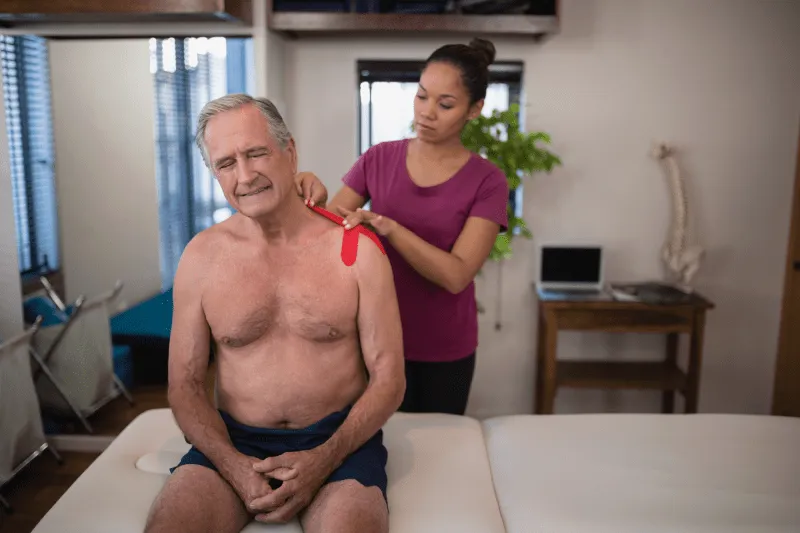
The rehabilitation process is a vital component of a successful outcome. Turkish hospitals typically offer intensive physiotherapy programs designed to restore strength, flexibility, and function. These programs are often tailored to the individual patient’s needs and goals. A dedicated rehabilitation team ensures patients receive the support and guidance necessary to maximize their recovery potential.
Ultimately, knee replacement surgery in Turkey isn’t just about affordability; it’s about access to high-quality care that can dramatically improve your quality of life. It’s about reclaiming your independence, returning to the activities you love, and experiencing a pain-free, more active future – all while significantly reducing your financial burden compared to procedures in countries like Germany or France.
> ✨ All-Inclusive Comfort: With CureHoliday
Free Consultation
Fill out the form below to get your free medical travel plan and price quote.
Sources and how to verify this yourself
- Ministry of Health, Regulation on International Health Tourism and Tourist Health, Official Gazette 26 April 2025, No. 32882 — authorisation requirement for facilities and intermediaries, TÜSKA accreditation, compulsory complication insurance (deadline 31 December 2025 for insurance, 31 December 2026 for accreditation). source
- Ministry of Health, Regulation on Promotion and Information Activities in Health Services, Official Gazette 12 November 2025, No. 33075 — treatment promises and guarantees are prohibited; price and campaign announcements are permitted only within international health tourism. source