Knee Ligament Repair in Turkey: A Pathway to Recovery
The anterior cruciate ligament (ACL), medial collateral ligament (MCL), posterior cruciate ligament (PCL), and lateral collateral ligament (LCL) are vital for knee stability. Injuries to these ligaments are increasingly common, particularly amongst athletes, but can affect anyone with a sudden twisting motion or direct impact. While treatment options vary based on the severity of the tear, many patients find themselves exploring surgical repair and reconstruction. Increasingly, individuals are looking beyond their national borders for high-quality, affordable healthcare – and Turkey is rapidly becoming a leading destination for knee ligament repair. This isn’t a coincidence. Top Turkish hospitals are at the forefront of orthopaedic advancements, routinely employing robotic-assisted technologies for both knee and hip procedures, and boast dedicated rehabilitation centers designed to maximize recovery. Furthermore, surgeons are often trained in leading institutions across Europe and the USA, bringing a world-class level of expertise to Turkish medical facilities. Crucially, cureholiday.com partners exclusively with Ministry of Health–authorised hospitals, ensuring the highest standards of patient care and safety.
Understanding Knee Ligament Injuries
Knee ligament injuries don’t always require surgery. Many partial tears can be managed with conservative treatments like bracing, physical therapy, and pain management. However, complete tears, or injuries resulting in significant instability, often necessitate surgical intervention to restore proper knee function and prevent long-term damage like osteoarthritis. The decision to operate depends on several factors, including:
- Severity of the tear: Partial versus complete.
- Patient activity level: A sedentary individual may be able to cope with some instability, while an athlete requires a stable knee for pivoting and jumping.
- Associated injuries: Damage to other structures within the knee, such as the meniscus.
- Overall health: Pre-existing conditions that may influence recovery.
Why Choose Turkey for Knee Ligament Repair?
Several factors contribute to Turkey’s growing reputation as a premier destination for medical tourism, particularly for complex orthopaedic procedures like ligament repair:
- Advanced Technology: Many Turkish hospitals have invested heavily in state-of-the-art technology, including robotic-assisted surgical systems. These systems offer improved precision, smaller incisions, reduced pain, and faster recovery times. The precision offered by robotic assistance is particularly valuable in ligament reconstruction, ensuring accurate graft placement.
- Highly Skilled Surgeons: Turkish orthopaedic surgeons are internationally trained, with many completing fellowships in the United States and Europe. They are adept at utilizing the latest surgical techniques and approaches.
- Cost-Effectiveness: Compared to countries like the United States, Canada, or Western Europe, the cost of knee ligament repair in Turkey is significantly lower, without compromising on quality. This allows patients to access top-tier care at a more affordable price point.
- Comprehensive Rehabilitation: Dedicated rehabilitation centers in Turkey offer intensive post-operative physiotherapy programs. These programs are crucial for regaining strength, range of motion, and stability, and are staffed by experienced physical therapists.
- JCI Accreditation: cureholiday.com prioritizes Ministry of Health–authorised facilities. This international accreditation signifies that the hospital meets rigorous standards for patient safety, quality of care, and infection control.
Types of Knee Ligament Repair Procedures
The specific surgical procedure performed will depend on which ligament is injured. Common procedures include:
- ACL Reconstruction: This involves replacing the torn ACL with a graft – tissue taken from another part of the body (autograft) or from a donor (allograft). Common graft sources include the patellar tendon, hamstring tendons, and quadriceps tendon.
- MCL Repair/Reconstruction: Partial MCL tears can often heal with bracing and physical therapy. However, complete tears may require surgical repair or reconstruction, often utilizing a tendon graft.
- PCL Reconstruction: PCL injuries are less common than ACL injuries, but reconstruction is often necessary for restoring knee stability, typically involving a graft similar to ACL reconstruction.
- LCL Repair/Reconstruction: Similar to MCL, LCL injuries can range in severity, with surgical intervention reserved for complete tears or those causing instability.
What to Expect – A General Overview
While the specifics will vary depending on the procedure and individual patient factors, here’s a general outline of what to expect when undergoing knee ligament repair in Turkey:
| Phase | Timeline (approximate) | Activities |
|---|---|---|
| Pre-Operative | 1-2 weeks before surgery | Medical evaluation, imaging (MRI), consultations with the surgeon and anesthesiologist. Pre-operative physiotherapy to strengthen surrounding muscles. |
| Surgery | 1-2 hours (depending on the procedure) | Ligament repair or reconstruction performed by an experienced surgeon, often with robotic assistance. |
| Immediate Post-Operative | 1-3 days | Hospital stay, pain management, initial physiotherapy (range of motion exercises). |
| Rehabilitation (Phase 1) | Weeks 1-6 | Focus on reducing pain and swelling, regaining range of motion, and strengthening surrounding muscles. Bracing and crutches are typically used. |
| Rehabilitation (Phase 2) | Weeks 6-12 | Progressive strengthening exercises, proprioceptive training (balance and coordination), and gradual return to functional activities. |
| Rehabilitation (Phase 3) | Months 3-6+ | Continued strengthening, agility training, and a gradual return to sports or other demanding activities. |
cureholiday.com offers comprehensive packages that cover all aspects of your medical journey to Turkey, including hospital stay, surgery, rehabilitation, accommodation, and airport transfers. We understand that undergoing surgery abroad can be daunting, which is why we provide dedicated support every step of the way, from initial consultation to post-operative care. to learn more about how we can help you get back on your feet!
Understanding the Surgical Procedure: Knee Ligament Repair & Reconstruction
Turkey has rapidly become a sought-after destination for orthopedic procedures, particularly knee ligament repair and reconstruction. This is driven by a combination of factors including highly skilled surgeons – many trained in Europe and the USA – the adoption of advanced technologies like robotic-assisted surgery, and the availability of Ministry of Health–authorised facilities ensuring international standards of care. While the specific approach depends on the nature and severity of your ligament damage, understanding the core procedures is crucial for informed decision-making.
Types of Ligament Injuries & Surgical Approaches
Knee ligament injuries are commonly categorized by which ligament is affected. The most frequent are:
- Anterior Cruciate Ligament (ACL): Often injured during sports involving sudden stops or changes in direction.
- Posterior Cruciate Ligament (PCL): Less common, usually caused by a direct impact to the front of the knee.
- Medial Collateral Ligament (MCL): Typically injured by a force to the outside of the knee.
- Lateral Collateral Ligament (LCL): Injured by a force to the inside of the knee.
The surgical approach varies based on the injury. Minor tears may be treated with conservative measures like bracing and physiotherapy. However, significant tears usually require surgical intervention. There are two primary surgical options:
- Ligament Repair: This involves directly stitching the torn ligament ends back together. This is only viable when the ligament tissue is still healthy and the tear is relatively clean.
- Ligament Reconstruction: This is the more common approach, especially for ACL injuries. It involves replacing the torn ligament with a graft. Grafts can be:
- Autograft: Tissue harvested from the patient’s own body, typically from the patellar tendon, hamstring tendons, or quadriceps tendon.
- Allograft: Tissue harvested from a deceased donor.
The Reconstruction Process: A Step-by-Step Overview
Let’s focus on ACL reconstruction, as it is the most frequently performed ligament reconstruction. The process, often aided by robotic assistance in leading Turkish hospitals, generally follows these steps:
- Anesthesia: You will receive either general or regional anesthesia.
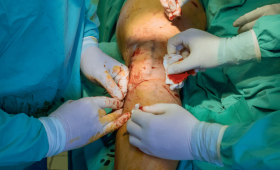
- Arthroscopic Examination: Small incisions are made, and an arthroscope (a thin camera) is inserted to visualize the knee joint and assess the damage.
- Graft Preparation: If an autograft is used, the chosen tendon is harvested and prepared.
- Tunnel Creation: Tunnels are created in the femur (thigh bone) and tibia (shin bone) to accommodate the graft. Robotic-assisted surgery ensures precise tunnel placement, leading to improved stability and faster recovery.
- Graft Placement & Fixation: The graft is passed through the tunnels and secured with screws, buttons, or other fixation devices.
- Closure: The incisions are closed, and a sterile dressing is applied.
Comparing Graft Options
Choosing between autograft and allograft requires careful consideration. Here’s a comparison:
| Feature | Autograft | Allograft |
|---|---|---|
| Source | Patient’s own tissue | Deceased donor tissue |
| Healing Time | Generally faster | Slower, higher risk of rejection |
| Strength | Stronger initial fixation | May be weaker initially |
| Donor Site Morbidity | Potential pain and discomfort at harvest site | No donor site morbidity |
| Availability | Always available | Dependent on availability and matching |
Your surgeon will discuss the best option based on your age, activity level, and individual circumstances.
The Role of Robotic-Assisted Surgery
Many leading Turkish hospitals have integrated robotic-assisted surgery into their orthopedic programs. This technology offers several advantages:
- Increased Precision: Robotic arms allow for more accurate tunnel placement and graft positioning.
- Improved Outcomes: Studies suggest robotic assistance can lead to better long-term stability and reduced pain.
- Faster Recovery: Precise surgery can minimize tissue damage, potentially accelerating the recovery process.
- Smaller Incisions: Robotic systems often allow for smaller incisions, leading to less pain and scarring.
At cureholiday.com, we partner with facilities at the forefront of this technology, ensuring you benefit from the most advanced surgical techniques available.
We understand choosing to undergo surgery abroad is a significant decision. cureholiday.com simplifies the process by providing all-inclusive packages tailored to your needs, covering hospital stay, surgery performed by highly qualified surgeons, comprehensive rehabilitation programs in specialized centers, comfortable accommodation, and seamless airport transfers. Our dedicated support team will guide you through every step, offering peace of mind and a focus on your recovery journey. to discuss your options and start planning your path back to an active life!
Knee Ligament Repair Techniques in Turkey: Autograft vs. Allograft and the Rise of Robotic Assistance
Turkey has rapidly become a globally recognized destination for high-quality, cost-effective orthopedic surgery. Leading hospitals consistently adopt cutting-edge technologies, like robotic-assisted surgery, combined with the expertise of surgeons trained to international standards in Europe and the USA. This commitment to excellence, coupled with JCI accreditation ensuring rigorous quality control, makes Turkey an increasingly attractive option for individuals seeking knee ligament repair. Specialized rehabilitation centers further solidify the country’s position as a leader in post-operative care, enabling faster and more complete recoveries.
Understanding Ligament Repair Options: Autograft & Allograft
When a knee ligament, such as the Anterior Cruciate Ligament (ACL), Medial Collateral Ligament (MCL), or Posterior Cruciate Ligament (PCL) is torn, reconstruction is often necessary to restore stability and function. The surgical approach generally involves replacing the damaged ligament with a graft – a tissue used to create a new ligament. Two primary graft sources are used: autografts and allografts. Each option has its own benefits and drawbacks, which your surgeon will discuss thoroughly.
| Feature | Autograft | Allograft |
| Source of Graft | Tissue taken from the patient’s own body (e.g., hamstring tendons, patellar tendon, quadriceps tendon) | Tissue taken from a deceased donor |
| Strength | Stronger initial fixation | May be weaker initially |
| Donor Site Morbidity | Potential pain and discomfort at harvest site | No donor site morbidity |
| Availability | Always available | Dependent on availability and matching |
Your surgeon will discuss the best option based on your age, activity level, and individual circumstances. For active individuals and athletes, an autograft is often preferred due to its superior initial strength and biological compatibility. However, allografts can be a suitable choice for older, less active patients or in situations where multiple ligament reconstructions are required.
The Role of Robotic-Assisted Surgery
Many leading Turkish hospitals have integrated robotic-assisted surgery into their orthopedic programs. This technology offers several advantages:
- Increased Precision: Robotic arms allow for more accurate tunnel placement and graft positioning.
- Improved Outcomes: Studies suggest robotic assistance can lead to better long-term stability and reduced pain.
- Faster Recovery: Precise surgery can minimize tissue damage, potentially accelerating the recovery process.
- Smaller Incisions: Robotic systems often allow for smaller incisions, leading to less pain and scarring.
The precision offered by robotic assistance is particularly beneficial in ligament reconstruction, ensuring the graft is positioned optimally to mimic the natural ligament and restore proper knee biomechanics. This leads to a more stable and functional knee joint, contributing to a quicker return to activity.
Surgical Procedure: A Step-by-Step Overview
While specific techniques vary, a typical ACL reconstruction (and the principles apply to other ligament repairs) using an autograft and potentially robotic assistance, generally involves these steps:
- Anesthesia: The patient receives general or regional anesthesia.
- Arthroscopic Examination: A small camera (arthroscope) is inserted into the knee joint to visualize the damage and assess the extent of the tear.
- Graft Harvesting: The chosen autograft tissue (hamstring, patellar tendon, or quadriceps tendon) is harvested.
- Tunnel Creation: Using specialized instruments, and often guided by robotic assistance, tunnels are created in the femur (thighbone) and tibia (shinbone) to accommodate the graft.
- Graft Insertion & Fixation: The graft is inserted through the tunnels and secured using screws, buttons, or other fixation devices.
- Closure: The arthroscopic incisions are closed with sutures.
Post-operatively, patients typically begin a comprehensive rehabilitation program within days of surgery, focusing on pain management, regaining range of motion, strengthening muscles, and gradually returning to functional activities. This rehabilitation is a crucial component of a successful recovery, and Turkey’s specialized rehab centers provide the ideal environment for optimal progress.
At cureholiday.com, we partner with facilities at the forefront of this technology, ensuring you benefit from the most advanced surgical techniques available. We understand choosing to undergo surgery abroad is a significant decision. cureholiday.com simplifies the process by providing all-inclusive packages tailored to your needs, covering hospital stay, surgery performed by highly qualified surgeons, comprehensive rehabilitation programs in specialized centers, comfortable accommodation, and seamless airport transfers. Our dedicated support team will guide you through every step, offering peace of mind and a focus on your recovery journey. to discuss your options and start planning your path back to an active life!
The Path to Recovery: Post-Operative Rehabilitation After Knee Ligament Repair in Turkey
Following successful knee ligament reconstruction in Turkey, the focus immediately shifts to a meticulously planned rehabilitation program. This isn’t merely an add-on to the surgery; it’s an integral, vital component of achieving a full and lasting recovery. Turkey has become a leading destination for orthopedic rehabilitation, boasting state-of-the-art facilities and a team of highly trained physiotherapists experienced in optimizing post-operative outcomes. The country’s commitment to advanced medical technology, including robotic-assisted procedures in pre-op stages, seamlessly extends into the rehabilitation phase, ensuring a holistic and accelerated recovery journey. These specialized centers, often equipped with cutting-edge rehabilitation robotics and hydrotherapy pools, offer a supportive environment conducive to regaining strength, mobility, and confidence.
The Immediate Post-Operative Period (Days 1-14)
The initial weeks following surgery are dedicated to controlling pain and swelling, protecting the reconstructed ligament, and regaining basic range of motion. Patients in Turkey typically commence rehabilitation within days of the procedure. This early intervention is crucial to prevent stiffness and muscle atrophy. The program begins with:
- Pain Management: A combination of pain medication and ice therapy is utilized to manage discomfort.
- Wound Care: Regular monitoring and care of the surgical incisions to prevent infection.
- Range of Motion Exercises: Gentle, passive range of motion exercises, often assisted by a physiotherapist, to prevent stiffness.
- Muscle Activation: Isometric exercises – contracting muscles without joint movement – to begin reactivating the quadriceps, hamstrings, and gluteal muscles.
- Weight-Bearing Progression: The degree of weight-bearing allowed will vary depending on the specific ligament repaired and the surgeon’s protocol. Typically, patients begin with partial weight-bearing, progressing to full weight-bearing as tolerated. Assistive devices like crutches or a brace are utilized to provide support and protection.
Intermediate Rehabilitation (Weeks 3-12)
As pain and swelling subside, the rehabilitation program intensifies. The focus shifts to restoring full range of motion, improving muscle strength and endurance, and regaining proprioception (the body’s awareness of its position in space). This phase includes:
- Active-Assisted and Active Range of Motion: Patients begin performing range of motion exercises independently, with guidance from a physiotherapist.
- Strengthening Exercises: Progressive resistance exercises, utilizing bands, weights, and bodyweight, are introduced to strengthen the muscles surrounding the knee joint.
- Proprioceptive Training: Exercises designed to improve balance, coordination, and stability. This often involves the use of wobble boards, balance cushions, and agility drills.
- Cardiovascular Conditioning: Low-impact cardiovascular activities, such as cycling or swimming, are incorporated to improve overall fitness and endurance.
Advanced Rehabilitation & Return to Activity (Months 3-6+)
The final phase of rehabilitation focuses on functional activities and a gradual return to sports or other desired activities. This involves:
- Functional Training: Exercises that mimic the movements required for specific activities, such as running, jumping, pivoting, and cutting.
- Agility Drills: Advanced agility drills to improve coordination, speed, and reaction time.
- Sport-Specific Training: Gradual reintroduction to sport-specific drills, under the guidance of a physiotherapist.
- Return to Play Criteria: Surgeons and physiotherapists will establish specific criteria that must be met before a patient is cleared to return to their previous level of activity.
Why Choose Rehabilitation in Turkey?
Turkey provides a compelling combination of expert medical care and comprehensive rehabilitation facilities. The Ministry of Health–authorised hospitals partner with dedicated rehabilitation centers equipped with the latest technologies and staffed by highly qualified and experienced physiotherapists—many trained in Europe and the USA. The focused and immersive approach to post-operative care, combined with comfortable accommodations and seamless logistical support, makes Turkey an exceptional choice for patients seeking optimal recovery outcomes.
Frequently Asked Questions
- How long will it take to fully recover? Recovery timelines vary based on the severity of the injury, the type of graft used, and individual patient factors. However, most patients can expect to return to normal activities within 6-9 months.
- Will I need a brace after surgery? A brace is often used for the first few weeks after surgery to provide support and protection. The duration of brace use will depend on the surgeon’s protocol.
- What is the role of physiotherapy in recovery? Physiotherapy is absolutely critical for a successful recovery. It helps to reduce pain and swelling, restore range of motion, strengthen muscles, and regain functional abilities.
- Can I travel back home shortly after surgery? Generally, it’s recommended to stay in Turkey for at least 1-2 weeks post-operatively for initial monitoring and the start of rehabilitation. cureholiday.com facilitates comfortable and safe travel arrangements.
- What if I experience pain after surgery? Some pain is normal after surgery. It can be managed with pain medication and ice therapy. Contact your surgeon or physiotherapist if pain is severe or doesn’t improve.
- How important is compliance with the rehabilitation program? Full compliance with the rehabilitation program is essential for achieving the best possible outcome. Skipping exercises or pushing yourself too hard can delay recovery or increase the risk of re-injury.
- Are robotic-assisted surgery and rehabilitation available? Yes, many leading Turkish hospitals are equipped with robotic-assisted technology for both the surgical procedure and advanced rehabilitation techniques.
- How do I know if I’m a good candidate for knee ligament reconstruction in Turkey?
A thorough medical evaluation, including imaging tests (MRI), is necessary to determine candidacy. Factors considered include the severity of the tear, your overall health, and your activity level.
At cureholiday.com, we understand that undergoing surgery abroad can be daunting. That’s why we provide a comprehensive, all-inclusive package that eliminates the stress and complexity. We partner with leading hospitals employing highly qualified surgeons, provide access to world-class rehabilitation centers, arrange comfortable accommodation, and ensure seamless airport transfers. Our dedicated support team is available 24/7 to assist you throughout your entire journey.
Don’t let a knee ligament injury hold you back from the activities you love. at cureholiday.com to discuss your options and take the first step towards a pain-free, active future. Let us handle the logistics so you can focus on what matters most: your recovery.
Navigating Candidacy and Comprehensive Care: Your Journey to Knee Ligament Repair in Turkey
Turkey has rapidly become a global hub for high-quality, affordable orthopedic surgery, particularly in the realm of knee ligament reconstruction. Leveraging advancements in medical technology – including robotic-assisted surgery which is now standard in top Turkish hospitals – coupled with the expertise of surgeons often trained in Europe and the USA, patients are experiencing both successful outcomes and streamlined recovery. Specialized rehabilitation centers, adhering to international standards, play a crucial role in post-operative care. Critically, all facilities partnered with cureholiday.com are JCI accredited, ensuring the highest levels of patient safety and care.
Determining if Knee Ligament Reconstruction is Right for You
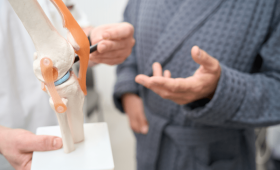
Not every knee injury necessitates reconstruction. The decision hinges on a careful evaluation of the injury’s severity, your activity level, and your overall health. A torn ligament, particularly the ACL (Anterior Cruciate Ligament), MCL (Medial Collateral Ligament), LCL (Lateral Collateral Ligament), or PCL (Posterior Cruciate Ligament), can range from a mild sprain to a complete rupture. For individuals with active lifestyles, participation in pivoting sports (basketball, soccer, skiing), or those experiencing instability even with conservative treatment, reconstruction is often recommended. However, a comprehensive assessment is paramount.
- What imaging tests are necessary to assess my knee ligament damage?
An MRI (Magnetic Resonance Imaging) is the gold standard for diagnosing ligament tears. It provides detailed images of the soft tissues of the knee, allowing surgeons to accurately assess the extent of the damage. X-rays may also be used to rule out any associated fractures. - What factors will influence the surgeon’s decision regarding reconstruction versus conservative treatment?
The surgeon will consider the severity and pattern of the tear, your age, activity level, presence of other knee injuries, and your goals for return to sport or activity. A partial tear may respond to bracing and physiotherapy, while a complete tear often requires surgical intervention. - Is there an age limit for knee ligament reconstruction?
While there’s no strict age limit, the surgeon will assess bone maturity, overall health, and the potential for successful rehabilitation. Reconstruction is often performed on active individuals of all ages. - What is the typical recovery timeline following ACL reconstruction?
Recovery typically takes 6-9 months, but this varies depending on the individual and the specific rehabilitation protocol. It involves phases of pain management, range of motion restoration, strength training, and gradual return to activity. - Are there different surgical techniques for ACL reconstruction?
Yes, common techniques include bone-patellar tendon-bone (BPTB) autograft, hamstring tendon autograft, and allograft options. The surgeon will discuss the best option based on your individual needs. - What are the risks associated with knee ligament reconstruction?
As with any surgery, there are risks such as infection, bleeding, blood clots, nerve damage, and anesthesia-related complications. Re-injury or persistent pain are also possibilities, though minimized with proper rehabilitation. - How long will I need to stay in Turkey for the entire process?
Typically, a stay of 10-14 days is required, encompassing pre-operative evaluations, surgery, and initial post-operative rehabilitation. Further rehabilitation will be needed upon your return home.
The cureholiday.com Difference: A Seamless Experience
Choosing to undergo surgery abroad requires careful planning and support. cureholiday.com differentiates itself by providing a complete, all-inclusive package designed to eliminate the logistical challenges and ensure a smooth, stress-free experience. We don’t just arrange the surgery; we manage every aspect of your medical journey.
- Expert Surgeons: We partner with highly qualified orthopedic surgeons with extensive training and experience, frequently having completed residencies and fellowships in leading European and American institutions.
- Ministry of Health–authorised Hospitals: Patient safety is our top priority. All our partner hospitals hold JCI (Joint Commission International) accreditation, the gold standard for international healthcare.
- Robotic-Assisted Technology: Benefit from the precision and minimally invasive approach of robotic-assisted surgery, leading to faster recovery times and improved outcomes.
- World-Class Rehabilitation Centers: Access specialized rehabilitation centers equipped with cutting-edge technology and staffed by experienced physiotherapists.
- All-Inclusive Packages: Our packages include surgery, accommodation, airport transfers, pre-operative evaluations, post-operative care, and a dedicated patient coordinator.
- 24/7 Support: Our dedicated support team is available around the clock to address your questions and concerns.
We understand that traveling for medical treatment can be daunting. cureholiday.com is committed to providing you with peace of mind, knowing that every detail of your journey is taken care of.
Don’t let a knee ligament injury dictate your life. at cureholiday.com to discuss your individual needs and begin your path to recovery. Let us handle the arrangements so you can focus on regaining your mobility and returning to the activities you enjoy. We offer personalized consultations and detailed information to help you make an informed decision about your care.
Your Comprehensive Knee Ligament Repair Journey with Cureholiday
Turkey has rapidly become a global leader in orthopedic surgery, particularly in the field of knee ligament repair. Driven by highly skilled surgeons trained in Europe and the USA, adoption of advanced technologies like robotic-assisted surgery, and a commitment to international healthcare standards as evidenced by JCI accreditation, Turkish hospitals offer world-class treatment at competitive prices. This, coupled with dedicated rehabilitation programs, results in excellent patient outcomes and faster recovery times. cureholiday.com leverages this medical excellence to provide a seamless and supportive experience for patients seeking knee ligament repair.
What Sets Cureholiday Apart: An All-Inclusive Approach
Recovering from a knee ligament injury is a challenging process. Beyond the surgical procedure itself, successful rehabilitation requires careful planning, logistical support, and ongoing care. cureholiday.com understands this holistic need and goes beyond simply arranging surgery. We offer a complete, all-inclusive package designed to eliminate the logistical burdens and ensure a smooth, stress-free experience. This means we manage every aspect of your medical journey, from initial consultation to post-operative recovery, allowing you to focus entirely on healing.
- Expert Surgeons: We partner with highly qualified orthopedic surgeons with extensive training and experience, frequently having completed residencies and fellowships in leading European and American institutions. Their expertise ensures precise diagnosis, tailored treatment plans, and meticulous surgical execution.
- Ministry of Health–authorised Hospitals: Patient safety is our top priority. All our partner hospitals hold JCI (Joint Commission International) accreditation, the gold standard for international healthcare. This rigorous accreditation process validates the hospital’s commitment to quality patient care, infection control, and adherence to international best practices.
- Robotic-Assisted Technology: Benefit from the precision and minimally invasive approach of robotic-assisted surgery, leading to faster recovery times and improved outcomes. This technology allows for greater accuracy in ligament placement and bone preparation, reducing trauma to surrounding tissues.
- World-Class Rehabilitation Centers: Access specialized rehabilitation centers equipped with cutting-edge technology and staffed by experienced physiotherapists. These centers provide personalized rehabilitation programs designed to restore strength, range of motion, and function.
- All-Inclusive Packages: Our packages include surgery, accommodation, airport transfers, pre-operative evaluations, post-operative care, and a dedicated patient coordinator. This transparent pricing structure eliminates hidden costs and provides peace of mind.
- 24/7 Support: Our dedicated support team is available around the clock to address your questions and concerns, ensuring you feel supported and informed throughout your entire journey.
The Cureholiday Package: A Detailed Breakdown
Here’s a closer look at what your all-inclusive package with cureholiday.com includes:
| Service | Description |
|---|---|
| Initial Consultation | A detailed assessment of your medical history, imaging scans, and injury details by a specialist surgeon. This is conducted virtually to determine candidacy and discuss treatment options. |
| Pre-Operative Evaluation | Comprehensive medical examinations and blood tests performed in Turkey to ensure you are fit for surgery. |
| Surgery | Knee ligament repair performed by a highly qualified orthopedic surgeon utilizing the latest techniques, potentially including robotic-assisted surgery. |
| Hospital Stay | Accommodation in a Ministry of Health–authorised hospital with comfortable rooms and attentive nursing care. |
| Post-Operative Care | Regular check-ups with the surgeon, pain management, and wound care. |
| Physiotherapy | A customized rehabilitation program at a dedicated center, led by experienced physiotherapists, focusing on regaining strength and mobility. |
| Accommodation | Comfortable and convenient accommodation near the hospital and rehabilitation center. |
| Airport Transfers | Private airport transfers to and from the airport, hospital, and rehabilitation center. |
| Dedicated Patient Coordinator | A personal coordinator to guide you through every step of your journey, answering questions and addressing concerns. |
Post-Operative Rehabilitation: The Key to Success
Following surgery, dedicated rehabilitation is critical for restoring function and achieving a full recovery. Our partner rehabilitation centers employ evidence-based protocols, utilizing advanced equipment and techniques to guide you through a progressive program. This includes exercises to regain range of motion, strengthen surrounding muscles, and improve balance and proprioception. The duration of rehabilitation varies depending on the severity of the injury and the specific ligament repaired, but our team will create a personalized plan tailored to your needs.
We understand that traveling for medical treatment can be daunting. cureholiday.com is committed to providing you with peace of mind, knowing that every detail of your journey is taken care of.
Don’t let a knee ligament injury dictate your life. at cureholiday.com to discuss your individual needs and begin your path to recovery. Let us handle the arrangements so you can focus on regaining your mobility and returning to the activities you enjoy. We offer personalized consultations and detailed information to help you make an informed decision about your care.
Schedule a consultation for Knee Ligament Repair in Turkey in Turkey with cureholiday.com
Free Consultation
Fill out the form below to get your free medical travel plan and price quote.
Sources and how to verify this yourself
- Ministry of Health, Regulation on International Health Tourism and Tourist Health, Official Gazette 26 April 2025, No. 32882 — authorisation requirement for facilities and intermediaries, TÜSKA accreditation, compulsory complication insurance (deadline 31 December 2025 for insurance, 31 December 2026 for accreditation). source
- Ministry of Health, Regulation on Promotion and Information Activities in Health Services, Official Gazette 12 November 2025, No. 33075 — treatment promises and guarantees are prohibited; price and campaign announcements are permitted only within international health tourism. source