Restoring Knee Cartilage: Exploring Microfracture Surgery in Turkey
For individuals grappling with persistent knee pain caused by cartilage damage, microfracture surgery presents a viable path towards renewed mobility and a pain-free life. Turkey has rapidly emerged as a leading destination for this procedure, attracting patients globally with its blend of highly skilled surgeons, advanced medical facilities, and cost-effective treatment options. This isn’t simply about affordability; Turkish hospitals are increasingly at the forefront of orthopedic innovation. Robotic-assisted knee and hip replacements are standard in many of the country’s top facilities, demonstrating a commitment to utilizing the latest technologies. Following microfracture surgery, patients benefit from dedicated recovery periods in specialized rehab centers, crucial for optimal outcomes. The surgeons themselves are often rigorously trained in Europe and the USA, bringing internationally recognized expertise to the operating room. And for peace of mind, procedures are performed exclusively in Ministry of Health–authorised facilities, ensuring the highest standards of care.
Understanding Knee Cartilage and Microfracture
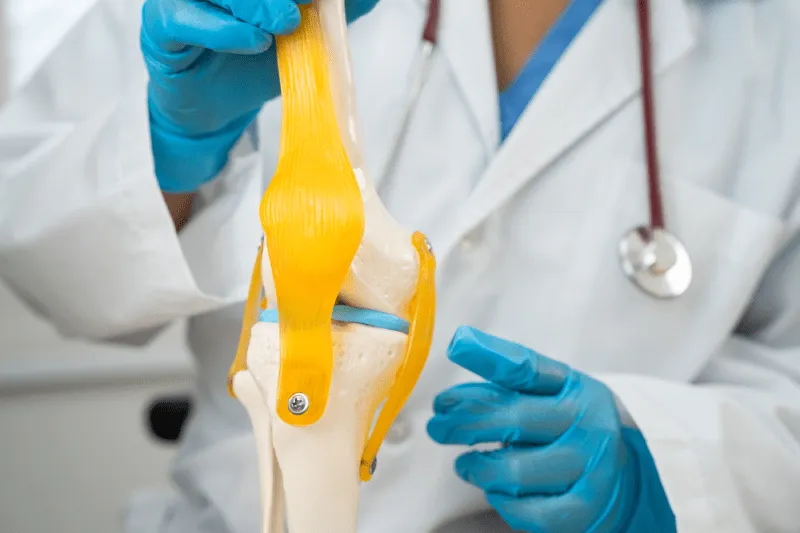
Cartilage acts as a crucial cushion within the knee joint, enabling smooth, pain-free movement. Damage to this cartilage, often resulting from injury or wear-and-tear, can lead to significant discomfort and reduced functionality. While the body sometimes attempts self-repair, this is often insufficient, especially with larger defects. This is where microfracture surgery intervenes. The procedure isn’t about *replacing* cartilage; it’s about *stimulating* the body’s natural repair mechanisms to generate new cartilage. It’s best suited for smaller, well-defined cartilage defects.
Who is a Good Candidate for Microfracture?
Microfracture surgery isn’t a one-size-fits-all solution. Ideal candidates typically:
- Have localized cartilage defects, generally less than 2cm2 in size.
- Experience pain that significantly interferes with daily activities.
- Have failed conservative treatments such as physical therapy and pain medication.
- Are relatively young and active – this increases the potential for successful cartilage regeneration.
- Do not have significant ligament instability or advanced arthritis.
A thorough evaluation, including a physical examination, MRI, and X-rays, is essential to determine candidacy. Surgeons will carefully assess the size, location, and depth of the cartilage defect, as well as the overall health of the knee joint.
The Microfracture Procedure: A Step-by-Step Overview
The microfracture procedure is typically performed arthroscopically – a minimally invasive technique that uses a small camera and instruments inserted through tiny incisions. Here’s a breakdown of the key steps:
- Anesthesia: Patients are usually given spinal or general anesthesia.
- Arthroscopic Examination: A small camera is inserted into the knee joint to visualize the cartilage damage.
- Debridement: The damaged cartilage and any unstable cartilage flaps are carefully removed.
- Preparation of the Defect: The underlying bone bed is prepared by creating small perforations (the “microfractures”). This is achieved using a specialized instrument that penetrates the bone, stimulating a blood supply.
- Blood Clot Formation: The microfractures allow blood and bone marrow to escape, forming a blood clot within the defect. This clot contains stem cells that will eventually differentiate into fibrocartilage – a type of cartilage that, while not identical to the original hyaline cartilage, can provide pain relief and improved function.
- Closure: The incisions are closed with sutures and a sterile dressing is applied.
Post-Operative Care & Rehabilitation
Rehabilitation is a crucial component of a successful outcome following microfracture surgery. The initial phase focuses on reducing pain and swelling, followed by a progressive program to regain range of motion, strength, and function. Specialized rehab centers in Turkey are equipped with state-of-the-art facilities and staffed by experienced physiotherapists. Patients can typically expect a structured rehabilitation program lasting several months. Weight-bearing is often restricted initially, gradually increasing as healing progresses. Full recovery and return to activities can take anywhere from 6 to 12 months.
| Phase | Timeline | Focus |
|---|---|---|
| Initial (0-6 weeks) | Protecting the repair, pain and swelling management, range of motion exercises. | |
| Intermediate (6-12 weeks) | Strengthening exercises, proprioceptive training (balance), gradual return to weight-bearing. | |
| Advanced (3-6 months) | Functional exercises, return to sport/activity-specific training. |
Choosing the right medical tourism facilitator is paramount. At cureholiday.com, we provide a seamless experience, handling all aspects of your journey from initial consultation and hospital selection to accommodation, transfers, and post-operative support. We partner with only the most reputable Ministry of Health–authorised hospitals and experienced surgeons in Turkey, ensuring the highest quality of care. We understand the complexities of medical travel and are dedicated to making your experience as smooth and stress-free as possible. Don’t delay restoring your knee health – contact cureholiday.com today to learn more about your options and begin your path to a pain-free future.
Knee Microfracture Surgery in Turkey: A Pathway to Recovery
Turkey has rapidly become a leading destination for orthopedic procedures, including knee microfracture surgery. This is due to a confluence of factors: highly skilled surgeons – many trained in Europe and the USA – utilizing advanced techniques such as robotic-assisted joint replacements, coupled with Ministry of Health–authorised facilities that adhere to international quality standards. Beyond the surgical expertise, Turkey offers specialized rehabilitation centers crucial for post-operative recovery, ensuring patients receive comprehensive care. This section delves into the vital post-operative care and rehabilitation process following microfracture surgery, outlining what patients can expect throughout their journey towards restored knee health.
Post-Operative Care & Rehabilitation
Rehabilitation is not merely an adjunct to microfracture surgery; it’s an integral and defining component of a successful outcome. The goal is to nurture the formation of new cartilage (fibrocartilage) within the damaged area of the knee joint. The initial phase prioritizes controlling pain and swelling, preventing complications, and initiating gentle range-of-motion exercises. Following this, a progressive program meticulously designed to rebuild strength, improve proprioception (body awareness), and ultimately restore full function is implemented. Specialized rehab centers in Turkey are particularly well-equipped for this purpose, boasting state-of-the-art equipment and employing experienced physiotherapists specializing in orthopedic rehabilitation.
Patients undergoing microfracture surgery in Turkey can anticipate a structured rehabilitation program spanning several months, potentially extending up to a year. Weight-bearing is carefully managed, typically restricted initially using crutches or a brace, and gradually increased as the healing process progresses and as guided by the surgical team and physiotherapist. The rate of progression is highly individualized, dependent on the size and location of the cartilage defect, the patient’s overall health, and their adherence to the rehabilitation protocol.
Rehabilitation Phases: A Timeline
| Phase | Timeline | Focus |
|---|---|---|
| Initial (0-6 weeks) | Protecting the repair, pain and swelling management, range of motion exercises, edema control, muscle setting exercises. | |
| Intermediate (6-12 weeks) | Strengthening exercises (quadriceps, hamstrings, gluteals), proprioceptive training (balance and coordination), gradual and controlled return to weight-bearing (partial weight-bearing progressing to full weight-bearing as tolerated), closed kinetic chain exercises. | |
| Advanced (3-6 months) | Functional exercises (squats, lunges, step-ups), return to sport/activity-specific training, agility drills, continued strengthening and proprioceptive work. Focus on normalizing gait pattern. | |
| Late Stage (6-12 months) | Maintenance of strength and function, continued activity progression, monitoring for any signs of recurrence or complications. |
During the initial phase, continuous passive motion (CPM) machines may be used to gently move the knee joint, preventing stiffness and promoting healing. As swelling subsides, emphasis shifts to strengthening the muscles surrounding the knee, particularly the quadriceps and hamstrings. Proprioceptive exercises are crucial for regaining balance and coordination, helping the patient to relearn how to control their knee joint. The intermediate phase sees a gradual increase in weight-bearing, starting with partial weight-bearing and progressing to full weight-bearing as tolerated. Functional exercises, mimicking real-life movements, are introduced in the advanced phase to prepare the patient for a return to their desired activities.
The Role of JCI Accreditation and Advanced Facilities
Choosing a hospital with JCI (Joint Commission International) accreditation is paramount when considering medical tourism. JCI accreditation signifies that the hospital meets rigorous international standards for patient safety and quality of care. This ensures a consistently high level of medical expertise and adherence to best practices. Furthermore, top Turkish hospitals are increasingly integrating robotic-assisted technologies for orthopedic procedures, offering enhanced precision and potentially faster recovery times. This commitment to innovation complements the meticulous rehabilitation programs offered.
Why Choose cureholiday.com for Your Knee Microfracture Surgery in Turkey?
Navigating medical travel can be complex, involving numerous logistical details and potentially overwhelming choices. At cureholiday.com, we simplify the entire process, providing a seamless and supportive experience from start to finish. We handle all aspects of your journey, beginning with a thorough initial consultation to understand your individual needs and medical history. Our team then carefully selects the most suitable hospital and experienced surgeon based on your specific case, ensuring you receive the highest quality of care.
We don’t just arrange your surgery; we provide comprehensive support including accommodation arrangements, airport transfers, and dedicated post-operative care coordination. We understand that recovering from surgery in a foreign country can be daunting, which is why we offer ongoing support to address any concerns you may have. cureholiday.com partners exclusively with Ministry of Health–authorised hospitals and surgeons renowned for their expertise and commitment to patient satisfaction. We meticulously vet our partners to guarantee a safe, comfortable, and successful medical tourism experience.
Don’t let knee pain limit your life. Take the first step towards a pain-free future by contacting cureholiday.com today. Our dedicated team is ready to answer your questions, provide detailed information about your options, and guide you through every stage of your journey to Turkey. Let us help you restore your knee health and regain your quality of life.
Understanding the Microfracture Procedure: A Detailed Look
Knee microfracture surgery is a common arthroscopic procedure designed to address cartilage defects within the knee joint. It’s particularly effective for smaller, well-defined areas of damaged cartilage, offering a path towards pain relief and restored function. Unlike more extensive procedures like cartilage transplantation, microfracture stimulates the body’s natural healing mechanisms to create a new cartilage surface, known as fibrocartilage. Modern Turkish orthopedic centers, routinely utilizing robotic-assisted technologies for precision, have become a leading destination for this increasingly refined surgical intervention. This, coupled with the availability of comprehensive rehabilitation programs, contributes to excellent patient outcomes. The procedure’s success relies heavily on meticulous technique and the patient’s commitment to post-operative rehabilitation, both hallmarks of the medical services offered in Turkey.
How Microfracture Surgery Works: A Step-by-Step Guide
The microfracture procedure, performed arthroscopically (minimally invasively), generally involves the following steps:
- Arthroscopic Examination: The surgeon inserts a small camera (arthroscope) and instruments through tiny incisions around the knee. This allows for visualization of the joint and confirmation of the cartilage defect.
- Debridement: Any damaged or unstable cartilage fragments are carefully removed to create a stable base for new cartilage growth.
- Preparation of the Defect: The damaged area of cartilage is thoroughly prepared. The surgeon creates small perforations, or “microfractures,” in the underlying bone (subchondral bone). These fractures stimulate a bleeding response.
- Clot Formation: The bleeding from the microfractures initiates the formation of a blood clot within the defect.
- Fibrocartilage Formation: Over time, this blood clot transforms into fibrocartilage, a type of cartilage that, while not identical to the original hyaline cartilage, provides a cushioning layer and reduces pain.
- Closure and Rehabilitation: The incisions are closed, and a rehabilitation program is initiated to regain range of motion, strength, and function.
Microfracture vs. Alternative Cartilage Repair Procedures
While microfracture is a valuable treatment option, it’s essential to understand how it compares to other cartilage repair techniques. The choice of procedure depends on the size, location, and nature of the cartilage defect, as well as the patient’s age, activity level, and overall health.
| Feature | Microfracture | Osteochondral Autograft Transplantation (OATS) | Autologous Chondrocyte Implantation (ACI) |
|---|---|---|---|
| Defect Size | Small to medium (1-2 cm2) | Small to medium (1-2 cm2) | Larger defects (2-10 cm2) |
| Procedure Type | Arthroscopic | Arthroscopic/Open | Two-stage (Arthroscopic + Open) |
| Cartilage Type | Fibrocartilage | Hyaline Cartilage | Hyaline Cartilage |
| Recovery Time | 3-6 months | 6-9 months | 9-12+ months |
| Cost | Generally Less Expensive | Moderate | Most Expensive |
It’s crucial to have a detailed discussion with your surgeon to determine the most appropriate treatment plan for your specific condition. Surgeons in leading Turkish hospitals are adept at evaluating each case comprehensively and recommending the optimal approach.
Post-Operative Rehabilitation: A Cornerstone of Success
The success of knee microfracture surgery hinges on a meticulously followed rehabilitation protocol. Specialized rehabilitation centers in Turkey offer comprehensive programs designed to guide patients through each stage of recovery. These programs typically include:
- Phase 1 (0-6 weeks): Focuses on reducing pain and swelling, regaining range of motion, and initiating gentle muscle strengthening exercises. Weight-bearing is often limited initially.
- Phase 2 (6-12 weeks): Progressive strengthening exercises, proprioceptive training (balance and coordination), and gradual increase in weight-bearing.
- Phase 3 (3-6 months): Advanced strengthening, agility training, and a return to functional activities.
- Phase 4 (6+ months): Continued strengthening and conditioning to optimize knee function and prevent re-injury.
Dedicated physiotherapists work closely with patients to personalize their rehabilitation programs, ensuring they progress at a safe and effective pace. The extended recovery periods often found in specialized rehab centers, combined with the expertise of highly trained surgeons (many with training in Europe and the USA), is a major advantage of choosing Turkey for your procedure.
Why Choose cureholiday.com for Your Knee Microfracture Surgery in Turkey?
At cureholiday.com, we understand that undergoing surgery abroad requires trust and careful planning. We provide a comprehensive, patient-centered approach to medical tourism, eliminating the stress and complexity often associated with seeking healthcare overseas. We collaborate with exclusively Ministry of Health–authorised hospitals and board-certified surgeons renowned for their expertise in orthopedic procedures, including the latest techniques in microfracture surgery.
We go beyond simply arranging your surgery. cureholiday.com offers a complete package of services, including pre-operative medical evaluation, personalized treatment planning, accommodation arrangements, airport transfers, and dedicated post-operative support. Our multilingual team provides ongoing communication and assistance throughout your entire journey, ensuring a comfortable and seamless experience. We meticulously handle every detail, allowing you to focus on your recovery and regaining your quality of life.
Don’t let knee pain dictate your limitations. Contact cureholiday.com today for a free consultation and let our team guide you towards a pain-free future. We’ll provide you with detailed information, answer your questions, and help you embark on a safe, successful, and rewarding medical journey to Turkey.
Optimizing Recovery & The cureholiday.com Advantage
Following knee microfracture surgery, a structured and dedicated rehabilitation program is paramount to achieving optimal outcomes. While surgical precision is critical, the extended period of recovery necessitates a supportive environment and expert guidance. Turkey is increasingly recognized as a premier destination for post-operative rehabilitation, offering specialized centers equipped with cutting-edge technology and staffed by highly trained physiotherapists. This, combined with the expertise of surgeons frequently educated in Europe and the USA, offers a compelling proposition for patients seeking superior care. Furthermore, leading Turkish hospitals are at the forefront of orthopedic advancements, with robotic-assisted knee and hip replacements becoming standard practice, demonstrating a commitment to innovation and precision in patient care.
The Extended Rehabilitation Journey: Phases of Recovery
As outlined previously, the recovery process following knee microfracture surgery isn’t a rapid one. It’s a phased approach, designed to incrementally rebuild strength, range of motion, and functional capacity. This extended timeline is often best supported within a dedicated rehabilitation facility, a key benefit available through cureholiday.com. These centers provide a holistic approach, addressing not only the physical aspects of recovery but also psychological wellbeing, crucial for long-term success.
- Phase 1 (0-6 weeks): Focus on pain and swelling management, regaining range of motion, and initiating gentle muscle activation.
- Phase 2 (6-12 weeks): Progressive strengthening exercises targeting the quadriceps, hamstrings, and calf muscles. Emphasis on proprioception and balance.
- Phase 3 (3-6 months): Continued strengthening, introduction of functional exercises (e.g., squats, lunges), and gradual return to low-impact activities.
- Phase 4 (6+ months): Continued strengthening and conditioning to optimize knee function and prevent re-injury.
Dedicated physiotherapists work closely with patients to personalize their rehabilitation programs, ensuring they progress at a safe and effective pace. The extended recovery periods often found in specialized rehab centers, combined with the expertise of highly trained surgeons (many with training in Europe and the USA), is a major advantage of choosing Turkey for your procedure.
Why Choose cureholiday.com for Your Knee Microfracture Surgery in Turkey?
At cureholiday.com, we understand that undergoing surgery abroad requires trust and careful planning. We provide a comprehensive, patient-centered approach to medical tourism, eliminating the stress and complexity often associated with seeking healthcare overseas. We collaborate with exclusively Ministry of Health–authorised hospitals and board-certified surgeons renowned for their expertise in orthopedic procedures, including the latest techniques in microfracture surgery.
We go beyond simply arranging your surgery. cureholiday.com offers a complete package of services, including pre-operative medical evaluation, personalized treatment planning, accommodation arrangements, airport transfers, and dedicated post-operative support. Our multilingual team provides ongoing communication and assistance throughout your entire journey, ensuring a comfortable and seamless experience. We meticulously handle every detail, allowing you to focus on your recovery and regaining your quality of life.
Don’t let knee pain dictate your limitations. Contact cureholiday.com today for a free consultation and let our team guide you towards a pain-free future. We’ll provide you with detailed information, answer your questions, and help you embark on a safe, successful, and rewarding medical journey to Turkey.
Frequently Asked Questions
Here are some common questions patients have about undergoing knee microfracture surgery in Turkey with cureholiday.com:
- Q: What is the typical length of stay for a knee microfracture surgery package with cureholiday.com?
- Q: Are the surgeons performing microfracture surgery in Turkey board-certified and experienced?
- Q: What level of aftercare and physiotherapy support is included in the cureholiday.com package?
- Q: What is the JCI accreditation, and why is it important?
- Q: Will I have a dedicated case manager throughout my journey with cureholiday.com?
- Q: What languages are supported by the cureholiday.com team?
- Q: How does cureholiday.com ensure the safety and security of patients traveling from abroad?
- Q: What should I expect during the post-operative physiotherapy sessions?
Navigating Your Recovery: Post-Operative Care and Rehabilitation
Following knee microfracture surgery in Turkey, a meticulously planned and executed post-operative rehabilitation program is paramount to achieving optimal outcomes. Modern Turkish hospitals, particularly those partnered with cureholiday.com, don’t just perform the surgery – they provide a comprehensive recovery pathway. This includes dedicated rehabilitation centers, highly qualified physiotherapists, and a commitment to utilizing cutting-edge techniques, mirroring the standards found in leading European and American facilities. The emphasis is on a progressive, individualized approach, designed to restore functionality and minimize long-term complications. Turkey is quickly becoming a leader in orthopaedic recovery, even incorporating robotic-assisted technologies in related procedures like total knee and hip replacement, demonstrating the advanced infrastructure available.
The Immediate Post-Operative Period (Days 1-7)
The initial days following surgery are focused on managing pain and inflammation. Patients typically remain hospitalized for 2-3 days, monitored closely by medical staff. Pain management protocols often involve a combination of opioid and non-opioid analgesics, carefully titrated to provide adequate relief while minimizing side effects. Ice packs and elevation of the leg are crucial in reducing swelling. Gentle range-of-motion exercises, guided by a physiotherapist, are initiated within the first 24-48 hours to prevent stiffness. A continuous passive motion (CPM) machine might be utilized to further encourage joint movement while the patient remains comfortable. Wound care instructions are provided, and patients are educated on recognizing signs of infection. Accommodation arranged through cureholiday.com will be conveniently located near the rehabilitation center, ensuring a smooth transition.
Phase 2: Early Rehabilitation (Weeks 1-4)
This phase focuses on regaining basic mobility and reducing swelling. Physiotherapy sessions intensify, with emphasis on:
- Range of Motion Exercises: Expanding the knee’s flexion and extension capabilities.
- Strengthening Exercises: Initially targeting muscles around the knee – quadriceps, hamstrings, and calf muscles – with isometric contractions and gradually progressing to light resistance exercises.
- Proprioceptive Training: Re-educating the body’s awareness of joint position and balance, crucial for stability.
- Gait Training: Progressing from partial weight-bearing with crutches or a walker to full weight-bearing as tolerated.
Patients will also receive guidance on home exercise programs to maintain progress between therapy sessions. cureholiday.com ensures that rehabilitation centers provide personalized plans tailored to each patient’s specific needs and recovery rate.
Phase 3: Intermediate Rehabilitation (Weeks 4-12)
The focus shifts towards restoring functional activities and building endurance. This includes:
- Advanced Strengthening Exercises: Utilizing resistance bands, weights, and functional exercises to challenge the muscles further.
- Agility Training: Incorporating exercises to improve coordination, balance, and agility.
- Cardiovascular Conditioning: Low-impact activities like cycling or swimming to improve overall fitness.
- Functional Activities: Practicing movements relevant to daily life, such as stairs, walking on uneven surfaces, and squatting.
Patients are closely monitored for any signs of setbacks or complications, and the rehabilitation program is adjusted accordingly.
Frequently Asked Questions
- Q: What can I expect in terms of pain management after surgery?
- Q: How long will I need to use crutches?
- Q: When can I return to light activities like walking and cycling?
- Q: What are the potential complications of microfracture surgery?
- Q: What if I experience setbacks during rehabilitation?
- Q: How does cureholiday.com handle potential emergency situations during my stay?
- Q: What type of accommodation is included in the package?
Choosing cureholiday.com means you’re not just getting surgery; you’re receiving a holistic, patient-centered experience. From pre-operative evaluation to comprehensive post-operative rehabilitation, we are dedicated to ensuring your journey to recovery is as smooth and successful as possible. Our commitment to Ministry of Health–authorised facilities, board-certified surgeons with international training, and personalized care sets us apart. Take the first step towards a pain-free future – contact cureholiday.com today to discuss your knee microfracture surgery options in Turkey.
Beyond the Operating Room: Comprehensive Recovery & Rehabilitation
Turkey is rapidly becoming a global leader in orthopedic surgery, and for good reason. Top-tier hospitals routinely employ cutting-edge technologies such as robotic-assisted knee and hip replacements – demonstrating a commitment to precision and minimally invasive techniques. However, successful knee microfracture surgery isn’t solely about the procedure itself. A dedicated, comprehensive recovery and rehabilitation program is paramount to achieving optimal long-term results. At cureholiday.com, we understand this crucial link and integrate a holistic approach into every patient’s journey.
The Importance of Post-Operative Physiotherapy
As highlighted previously, physiotherapy forms the cornerstone of recovery after knee microfracture surgery. This isn’t simply a matter of performing exercises; it’s a carefully constructed and individualized program designed to address the specific needs of each patient. The initial phase focuses on reducing pain and swelling, regaining range of motion, and initiating gentle muscle activation. This progression is closely monitored by experienced physiotherapists who adapt the program based on your healing progress and individual response.
Early physiotherapy typically involves passive range of motion exercises – where the therapist moves your leg – followed by assisted exercises where you participate with their guidance. As your strength and control improve, the program will transition to active exercises utilizing resistance bands, weights, and functional movements that mimic everyday activities. Specialized rehab centers in Turkey offer advanced equipment and techniques, including hydrotherapy and neuromuscular electrical stimulation, to accelerate the healing process.
A Phased Approach to Rehabilitation
The rehabilitation timeline following microfracture surgery is typically divided into phases, each with specific goals and objectives:
- Phase 1 (Weeks 1-6): Focuses on pain and swelling management, protecting the cartilage repair site, and restoring initial range of motion. Non-weight-bearing or limited weight-bearing with assistive devices (crutches or a walker) is common.
- Phase 2 (Weeks 6-12): Gradually increasing weight-bearing, improving strength and range of motion, and initiating proprioceptive exercises (balance and coordination training).
- Phase 3 (Months 3-6): Continued strengthening and range of motion work, incorporating functional exercises that simulate activities like walking, climbing stairs, and squatting.
- Phase 4 (Months 6-12+): Return to low-impact activities, followed by a gradual progression to more demanding activities as tolerated. Continued maintenance exercises are vital for long-term joint health.
Specialized Rehabilitation Centers in Turkey
Turkey boasts world-class rehabilitation centers equipped with state-of-the-art technology and staffed by highly skilled professionals. These centers offer a comprehensive range of services, including individual physiotherapy sessions, group exercise classes, hydrotherapy, and pain management programs. The benefit of undergoing rehabilitation in a dedicated center ensures consistent, focused care and maximizes your potential for a full recovery.
What to Expect During Your Stay
At cureholiday.com, we streamline the entire rehabilitation process. Following your surgery, you’ll transition to a comfortable and conveniently located rehabilitation facility. This allows for continuous care without the disruption of travel. Your physiotherapy schedule will be carefully coordinated, and regular consultations with your surgeon will ensure your progress is monitored closely. We also provide support services, including dietary guidance and psychological counseling, recognizing that recovery extends beyond the physical realm.
Long-Term Outcomes and Expectations
While microfracture surgery can significantly improve pain and function, it’s essential to have realistic expectations. The success rate varies depending on several factors, including the size and location of the cartilage defect, your age, activity level, and adherence to the rehabilitation program. Full recovery can take up to two years, and it’s crucial to maintain a lifelong commitment to exercise and healthy lifestyle habits to protect your repaired joint.
Frequently Asked Questions
- Q: Will I need pain medication after surgery?
- Q: What are the potential risks and complications of knee microfracture surgery?
- Q: How long will I need to stay in Turkey after the surgery?
- Q: What level of activity can I expect after a successful microfracture surgery?
- Q: What if I have pre-existing medical conditions?
- Q: Is the surgery covered by insurance?
- Q: What kind of aftercare support does cureholiday.com offer after I return home?
Don’t let knee pain limit your life. cureholiday.com offers a comprehensive and personalized solution for knee microfracture surgery in Turkey. Our commitment to Ministry of Health–authorised facilities, highly experienced surgeons trained in Europe and the USA, and a dedicated rehabilitation program ensures you receive the highest standard of care. Contact cureholiday.com today for a free consultation and take the first step towards regaining your mobility and enjoying a pain-free future.
Schedule a consultation for Knee Microfracture Surgery in Turkey in Turkey with cureholiday.com
Free Consultation
Fill out the form below to get your free medical travel plan and price quote.
Sources and how to verify this yourself
- Ministry of Health, Regulation on International Health Tourism and Tourist Health, Official Gazette 26 April 2025, No. 32882 — authorisation requirement for facilities and intermediaries, TÜSKA accreditation, compulsory complication insurance (deadline 31 December 2025 for insurance, 31 December 2026 for accreditation). source
- Ministry of Health, Regulation on Promotion and Information Activities in Health Services, Official Gazette 12 November 2025, No. 33075 — treatment promises and guarantees are prohibited; price and campaign announcements are permitted only within international health tourism. source