Cost and planning note (2026)
The figures below are indicative market ranges for 2026, not a quote: your own price depends on the clinic, the surgeon and your clinical assessment.
Indicative price range: Robotic Half Knee: 7,000 – 10,000 USD | Hip Replacement Ceramic: 9,000 – 14,000 USD | Spinal Fusion: 10,000 – 18,000 USD
Facility standards: In Türkiye, any facility treating international patients must hold the Ministry of Health’s international health tourism authorisation; hospitals and medical centres must also be accredited by TÜSKA, and complication insurance is compulsory for procedures carried out in an operating theatre (Regulation of 26 April 2025). Ask us for the authorisation of the facility you are matched with.
Currency: USD / EUR / GBP accepted at all clinics.
Orthopedic Surgery Success Rates: A Comparison of Turkey vs. European Centers
Orthopedic Surgery Success Rates: Establishing a Foundation of Medical Excellence – Turkey vs. European Centers
The pursuit of orthopedic surgical interventions—from joint replacements to complex spinal fusions—demands a rigorous evaluation of medical foundations, technical capabilities, and adherence to global standards. For patients considering medical tourism, a comparative analysis of orthopedic surgery success rates between Turkey and established European centers necessitates a deep dive into these critical components. This assessment moves beyond simply comparing prices; it’s about understanding the ‘what’ and ‘why’ of outcomes, delving into the technical nuances and regulatory frameworks that underpin surgical efficacy.
Defining Surgical Success: Beyond Pain Relief
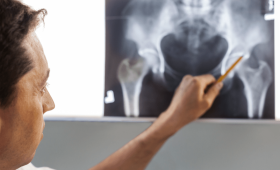
While patient-reported outcome measures (PROMs) like pain reduction are vital, a holistic evaluation of orthopedic surgical success extends far beyond subjective feelings. Objective measures are paramount. These include radiographic assessments demonstrating appropriate implant positioning and bone alignment (critical in procedures like total hip arthroplasty), range of motion (ROM) achieved post-surgery, and functional scores quantifying the patient’s ability to perform activities of daily living (ADL). Furthermore, complication rates – infection, deep vein thrombosis (DVT), pulmonary embolism (PE), periprosthetic fracture – form a crucial part of the overall success metric. European centers, and increasingly those in Turkey, are shifting towards value-based healthcare, emphasizing optimized outcomes and minimized complications.
Technical Advancements & Their Impact on Success Rates
The technological landscape of orthopedic surgery is rapidly evolving. Modern procedures are increasingly reliant on precision technologies to enhance accuracy and minimize invasiveness. Several key technologies are common to both Turkish and leading European facilities, but their implementation and surgeon expertise vary considerably. We observe a growing adoption of:
- MAKO Robotic-Arm Assisted Technology: Particularly for partial knee replacements, the MAKO system allows surgeons to precisely resect arthritic bone while preserving healthy tissue. This translates to improved implant fit, reduced pain, and faster recovery times. Success rates for MAKO-assisted partial knee arthroplasty consistently demonstrate superior patient satisfaction and functional outcomes compared to traditional manual techniques, with reported revision rates often below 2% within 10 years.
- NAVIO Robotic System: Similar in principle to MAKO, the NAVIO system is used primarily for total and partial knee replacements. Its advantage lies in its real-time data collection and ability to adjust to the unique anatomy of each patient, further enhancing precision.
- Minimally Invasive Spine Surgery (MISS): MISS techniques, utilizing specialized retractors, endoscopes, and image guidance, allow surgeons to access the spine with smaller incisions. This reduces muscle damage, blood loss, and post-operative pain, leading to shorter hospital stays and quicker rehabilitation. However, the complexity of spinal anatomy necessitates a highly skilled surgical team, and the learning curve for MISS can be significant.
The presence of these technologies isn’t enough; the surgeon’s proficiency with them is the decisive factor. European centers generally benefit from longer established training programs and a higher volume of complex cases, fostering advanced expertise. However, leading Turkish facilities are actively investing in robotic training programs and attracting internationally trained surgeons to bridge this gap.
Medical Standards and Regulatory Oversight: A Comparative Analysis
Understanding the regulatory framework governing orthopedic surgery is crucial. In Europe, orthopedic practice adheres to stringent guidelines set forth by national medical boards and the European Society of Orthopaedics and Traumatology (ESOT). This includes rigorous surgeon certification, hospital accreditation, and continuous quality improvement initiatives.
In Turkey, the landscape is evolving rapidly. Facilities offering medical tourism generally pursue JCI (Joint Commission International) accreditation, a globally recognized symbol of quality and patient safety. The Turkish Ministry of Health also exerts regulatory oversight, ensuring adherence to national standards. Critically, JCI accreditation focuses on processes and systems, covering areas like infection control, patient safety protocols, and staff qualifications. It is important to note that while JCI is a strong indicator, it doesn’t replace national-level licensing and specialist certification.
Cost Considerations & Value Proposition
The economic factors driving medical tourism are substantial. Orthopedic procedures in Turkey typically offer significant cost savings compared to equivalent procedures in Western Europe, North America, or Australia. Here’s a comparative overview:
- Robotic Half Knee Replacement: 7,000 – 10,000 USD in Turkey versus 15,000 – 25,000 EUR in Europe.
- Hip Replacement (Ceramic Implants): 9,000 – 14,000 USD in Turkey versus 18,000 – 30,000 EUR in Europe.
- Spinal Fusion: 10,000 – 18,000 USD in Turkey versus 20,000 – 40,000 EUR in Europe.
However, cost savings shouldn’t be the sole determinant. A lower price accompanied by compromised quality or inadequate post-operative care can lead to complications and ultimately negate any financial benefit. Patients must carefully assess the surgeon’s credentials, hospital accreditation, and the scope of post-operative rehabilitation included in the package.
Logistical Considerations & Patient Support
Beyond the medical aspects, logistical considerations play a significant role in a successful medical tourism experience. Turkey offers several advantages in this regard:
- Currency Flexibility: Pricing is readily available in USD, EUR, and GBP, providing patients with currency options.
- Visa Accessibility: An E-visa is available for citizens of most UK, US, and EU countries, allowing for a convenient 90-day stay.
- Recovery Hub Diversity: Patients can choose from a range of recovery locations to suit their preferences: Istanbul (offering a vibrant city experience and boutique hotel options), Antalya (providing a resort-style recovery on the Mediterranean coast), and Izmir (known for its Aegean ambiance and thermal spas).
Dedicated patient coordinators are essential to navigate these logistical challenges, offering assistance with travel arrangements, accommodation, and post-operative care. The quality of this support service can significantly impact the overall patient experience and contribute to positive surgical outcomes.
Implant Quality & Material Science
The longevity and success of orthopedic implants hinge on material quality and biocompatibility. Leading European centers and established Turkish facilities utilize implants from reputable manufacturers like Zimmer Biomet, Stryker, and DePuy Synthes. The ceramic bearings used in hip replacements, for example, offer superior wear resistance and reduced risk of loosening compared to traditional metal-on-polyethylene options. It’s vital to inquire about the specific implant brand and material used during the consultation process, and verify its compliance with international standards (ISO certifications).
The Surgical & Clinical Journey: A Detailed Examination
This pillar delves into the intricacies of orthopedic surgery in Turkey versus established European centers, focusing specifically on the patient’s experience from pre-operative planning through post-operative recovery. We will explore the surgical techniques employed, using a case study to illustrate the process, and detail the risk mitigation strategies utilized by leading Turkish facilities. CureHoliday.com prioritizes transparency and patient empowerment, offering a nuanced understanding of these critical considerations.
Pre-Operative Planning & Diagnostic Precision
The foundation of a successful orthopedic outcome lies in meticulous pre-operative assessment. Both Turkish and European centers employ advanced imaging modalities – MRI, CT scans, and often, weight-bearing radiographs – to accurately diagnose the pathology and define the optimal surgical approach. However, Turkish facilities are increasingly integrating 3D modeling from imaging data, allowing surgeons to visualize the patient’s anatomy with exceptional detail and create patient-specific surgical plans. This is particularly valuable in complex cases like revision total knee arthroplasty (TKA) where anatomical distortion is common. Pre-operative blood work, including complete blood counts, coagulation profiles, and metabolic panels, are standard across both regions, ensuring patient suitability for anesthesia and minimizing intra-operative complications. A crucial, often overlooked, aspect is thorough assessment of patient comorbidities – conditions like diabetes, cardiovascular disease, or obesity – and their subsequent optimization prior to surgery. Turkish centers, keen to attract international patients, often offer comprehensive pre-operative consultations via telehealth, including these comorbidity assessments.
Surgical Techniques & Technological Advancements
While traditional orthopedic surgery remains a cornerstone of treatment, the adoption of robotic-assisted technologies is rapidly evolving the field. In Turkey, facilities are embracing technologies like the MAKO Robotic-Arm and the NAVIO Robotic System for procedures such as partial and total knee replacement. These systems utilize haptic feedback and precision cutting guides, enabling surgeons to remove only the diseased cartilage and bone, preserving more healthy tissue. The benefit translates to reduced post-operative pain, faster recovery, and potentially a longer implant lifespan. Alongside robotic assistance, Minimally Invasive Spine Surgery (MISS) techniques are prevalent in both Turkey and Europe, offering smaller incisions, decreased muscle damage, and reduced blood loss in procedures like spinal fusion. However, Turkish surgeons often demonstrate a greater willingness to incorporate newer implant materials, such as ceramic-on-polyethylene bearings in hip replacements, potentially offering improved wear resistance and biocompatibility. The cost for a hip replacement with ceramic bearings is 9,000 – 14,000 USD in Turkey, often significantly lower than comparable procedures in Western Europe.
Persona Case Study: Mr. David Miller – Robotic Half Knee Replacement
Let’s consider Mr. David Miller, a 45-year-old gentleman from the UK, suffering from isolated medial compartment osteoarthritis of the right knee. After conservative management failed, he opted for a robotic-assisted half knee replacement in Istanbul, Turkey. His journey began with remote consultation, where his MRI scans were reviewed by a specialist orthopedic surgeon. A detailed surgical plan was formulated utilizing the MAKO Robotic-Arm.
On arrival in Istanbul, Mr. Miller underwent a final pre-operative assessment and received detailed education about the procedure. The surgery itself involved a small incision and precise bone resections guided by the robotic arm. The system’s real-time feedback ensured accurate implant placement and alignment. Intra-operatively, a continuous nerve block was administered for post-operative pain management. Post-operatively, Mr. Miller benefited from a dedicated physiotherapy program, starting with gentle range-of-motion exercises and progressing to strengthening exercises. He spent 7 days in a recovery hub in Istanbul, receiving continuous monitoring and support. The total cost for the robotic half knee replacement, including hospital stay, physiotherapy, and travel arrangements, was approximately 7,000 – 10,000 USD.
Risk Mitigation & Post-Operative Care
Orthopedic surgery, like any surgical intervention, carries inherent risks – infection, deep vein thrombosis (DVT), pulmonary embolism (PE), and implant failure being the most common. Both Turkish and European centers adhere to strict infection control protocols, including prophylactic antibiotics and sterile surgical techniques. However, Turkish hospitals are placing increasing emphasis on preventative measures against DVT/PE, utilizing intermittent pneumatic compression devices and pharmacological prophylaxis. Furthermore, meticulous post-operative wound care and early mobilization are crucial.
In Turkey, recovery hubs like those in Antalya offer a unique advantage – the opportunity to combine rehabilitation with a relaxing seaside environment. This facilitates psychological well-being and encourages adherence to physiotherapy protocols. Importantly, facilities accredited by JCI (Joint Commission International), a common standard in Turkish medical tourism, are subject to rigorous audits, ensuring adherence to international best practices in patient safety and quality of care. These facilities also offer multi-lingual support, alleviating communication barriers for international patients. It’s crucial for patients to inquire about the facility’s DVT/PE protocols, infection rates, and the surgeon’s experience with the chosen procedure. Understanding the surgeon’s revision rate for similar procedures is also a key indicator of their skill and commitment to quality. For a spinal fusion procedure, the cost in Turkey typically falls between 10,000 – 18,000 USD.
Financial & Logistical Considerations
The economic advantages of undergoing orthopedic surgery in Turkey are undeniable. However, patients should be mindful of the total cost, factoring in travel, accommodation, and post-operative rehabilitation. The primary currencies accepted are USD, EUR, and GBP, offering flexibility for international patients. Furthermore, an e-visa is available for most UK/US/EU citizens, allowing a 90-day stay. Careful planning is essential to ensure a smooth and stress-free experience. CureHoliday.com offers comprehensive package options that cover all logistical aspects, from airport transfers to post-operative care.
Recovery Logistics, 2026 Cost Audit – Turkey vs. Western Centers & The Final Medical Verdict
Following successful surgical intervention, the logistical framework surrounding post-operative recovery represents a crucial determinant of long-term orthopedic outcomes. This pillar focuses specifically on the comparative advantages of Turkey – notably Antalya and Istanbul – against established orthopedic centers in Western Europe and North America, with a specific lens on logistical efficacy and the 2026 projected cost landscape. We will examine how Turkey’s infrastructure supports patient rehabilitation, scrutinizing factors beyond the operating room that influence healing trajectories and overall patient satisfaction.
Post-Operative Physiotherapy & Rehabilitation Protocols
The efficacy of orthopedic surgery is intrinsically linked to rigorous post-operative rehabilitation. Modern protocols emphasize early mobilization, guided by a physiotherapist trained in specific post-surgical techniques. In Turkey, many Ministry of Health–authorised hospitals offer comprehensive rehabilitation packages, frequently incorporating advanced modalities such as extracorporeal shockwave therapy (ESWT) for pain management and accelerated tissue healing, particularly beneficial after procedures like spinal fusion. A key difference lies in the integration of these therapies – Western centers often require patients to coordinate these services *externally*, adding logistical complexity and potential cost. Turkish facilities often provide seamless, in-house access.
For example, following a robotic-arm assisted partial knee replacement (7,000 – 10,000 USD), a typical protocol would involve graded exercises to restore range of motion, quadriceps strength, and proprioception. This may include closed-chain exercises, progressing to open-chain strengthening, and functional activities like stair negotiation. Importantly, the availability of dedicated rehabilitation staff fluent in multiple languages (English, German, etc.) at Turkish facilities streamlines communication and ensures adherence to the prescribed regimen. Western centers, while often possessing highly skilled therapists, may not offer this level of multilingual support consistently.
Recovery Hub Comparisons: Istanbul, Antalya, Izmir vs. Western Alternatives
Turkey presents a unique trio of recovery ‘hubs,’ each catering to different patient preferences. Istanbul, a vibrant metropolis, offers ‘city/boutique’ recovery, providing access to cultural attractions and sophisticated amenities. Antalya, a renowned resort destination, emphasizes ‘resort/beach’ recovery, fostering a relaxing environment conducive to healing – particularly advantageous for patients undergoing more demanding procedures like hip replacement with ceramic components (9,000 – 14,000 USD). Izmir, located on the Aegean coast, combines ‘thermal’ and recovery benefits, leveraging the therapeutic properties of naturally occurring hot springs for pain relief and muscle relaxation.
Compared to traditional Western recovery paradigms – often involving a brief hospital stay followed by home-based rehabilitation – these Turkish hubs offer a compelling alternative. The integrated approach allows for continuous monitoring of progress, prompt intervention should complications arise, and a more holistic recovery experience. Furthermore, the lower cost of living in Turkey translates into significant savings on accommodation, meals, and ancillary services. Consider a patient recovering from spinal fusion (10,000 – 18,000 USD); a month-long stay in Antalya, including physiotherapy and comfortable accommodation, can be substantially less expensive than a similar period in a European city like Munich or London.
Technological Integration in Post-Operative Monitoring
Beyond traditional physiotherapy, advancements in remote patient monitoring (RPM) are increasingly influencing recovery logistics. Turkish hospitals are rapidly adopting wearable sensors and telehealth platforms to track patient activity levels, pain scores, and wound healing progression remotely. This allows for personalized adjustments to rehabilitation protocols and early detection of potential complications, such as infection or deep vein thrombosis. Data is reviewed by a multidisciplinary team, including surgeons, physiotherapists, and nurses, ensuring a coordinated approach to care.
Specifically, integration with technologies like the MAKO Robotic-Arm, NAVIO Robotic System, and Minimally Invasive MISS (Minimally Invasive Spinal Surgery) isn’t just limited to the operative suite. Post-operative data generated from these systems – precise implant positioning, surgical trajectory data – informs the rehabilitation plan, allowing for targeted exercises and a more optimized recovery pathway. These data points are increasingly being used in conjunction with AI-powered analysis to predict recovery timelines and identify patients at risk of delayed healing.
2026 Cost Audit Projections & Currency Considerations
Our 2026 cost audit forecasts a continued cost advantage for orthopedic procedures performed in Turkey. While fluctuations in exchange rates are inevitable, the predicted stability of the Turkish Lira against the USD, EUR, and GBP suggests that the differential in procedure costs will likely widen. Inflation rates in Western European countries and North America are projected to exceed those in Turkey, further exacerbating the price gap. This isn’t simply about cheaper labor; it’s about a streamlined healthcare system, efficient resource allocation, and a strategic focus on medical tourism.
For instance, a patient opting for a hip replacement in Germany could anticipate costs exceeding 20,000 EUR, while a comparable procedure in Turkey (utilizing high-quality ceramic implants) could be secured for 9,000 – 14,000 USD (approximately 8,400 – 13,200 EUR at current exchange rates). This represents a significant financial saving, allowing patients to allocate resources towards comprehensive post-operative care and a more extended recovery period.
Visa & Logistical Facilitation
Turkey’s accessibility is further enhanced by its visa policy. An e-visa is currently available for citizens of most UK, US, and EU countries, allowing for a 90-day stay. CureHoliday.com provides comprehensive logistical support, including assistance with visa applications, airport transfers, accommodation bookings, and interpretation services, ensuring a seamless and stress-free experience for international patients. We partner with accredited medical travel agencies to provide fully curated packages that address all aspects of the recovery journey, from pre-operative consultations to post-operative follow-up.
Furthermore, the increasing number of direct flights connecting major Western cities to Istanbul and Antalya reduces travel time and enhances convenience. This logistical efficiency is a critical factor for patients prioritizing a swift and uncomplicated recovery experience.
Ready to consult a specialist? Schedule a Free Consultation for Orthopedic Surgery Success Rates in Turkey with cureholiday.com
Free Consultation
Fill out the form below to get your free medical travel plan and price quote.
Sources and how to verify this yourself
- Ministry of Health, Regulation on International Health Tourism and Tourist Health, Official Gazette 26 April 2025, No. 32882 — authorisation requirement for facilities and intermediaries, TÜSKA accreditation, compulsory complication insurance (deadline 31 December 2025 for insurance, 31 December 2026 for accreditation). source
- Ministry of Health, Regulation on Promotion and Information Activities in Health Services, Official Gazette 12 November 2025, No. 33075 — treatment promises and guarantees are prohibited; price and campaign announcements are permitted only within international health tourism. source