Navigating Advanced Knee Care in Turkey
Turkey has rapidly emerged as a leading destination for high-quality, affordable orthopedic surgery, particularly for procedures like knee arthroscopy. Patients from around the globe are increasingly choosing Turkish hospitals for their commitment to cutting-edge technology and world-class surgical expertise. This isn’t simply about lower costs; it’s about accessing the same level of care – and often, more advanced techniques – as found in leading medical centers in Europe and the United States. In fact, robotic-assisted knee and hip replacements are now standard practice in many of Turkey’s top facilities, showcasing a dedication to precision and minimally invasive procedures. Following surgery, specialized rehabilitation centers ensure patients receive comprehensive post-operative care to maximize recovery and return to an active lifestyle. The surgeons performing these procedures aren’t simply locally trained; many have undergone rigorous training in esteemed institutions across Europe and the USA, bringing international best practices directly to Turkish healthcare.
Understanding Knee Arthroscopy: A Modern Solution
Knee arthroscopy is a minimally invasive surgical procedure used to diagnose and treat a variety of knee problems. Rather than large incisions, the surgeon uses a small camera (arthroscope) inserted through tiny incisions to visualize the inside of the knee joint. This allows for precise diagnosis and treatment of conditions like meniscus tears, ligament damage, cartilage defects, and even the removal of loose bodies within the joint. The procedure is particularly effective for:
- Meniscus Tears: Damage to the cartilage that cushions the knee joint.
- Ligament Injuries: Including ACL, MCL, LCL, and PCL tears.
- Cartilage Repair: Addressing localized cartilage damage or softening.
- Loose Body Removal: Eliminating fragments of cartilage or bone that cause pain and locking.
- Early-Stage Osteoarthritis: Managing symptoms and slowing progression.
Why Choose Turkey for Your Knee Arthroscopy?
While high-quality knee arthroscopy is available in many countries, Turkey offers a compelling combination of factors that make it an attractive medical tourism destination. These benefits extend beyond mere affordability.
- Cost-Effectiveness: Knee arthroscopy in Turkey is often significantly more affordable than in Western Europe or the United States, without compromising on quality.
- JCI Accreditation: Only JCI (Joint Commission International) accredited facilities are partnered with cureholiday.com, ensuring adherence to the highest international standards of patient safety and care. JCI accreditation signifies a commitment to quality, patient safety, and continuous improvement.
- Experienced Surgeons: As noted, surgeons in Turkey frequently receive training in leading European and American medical centers, possessing a wealth of expertise in arthroscopic techniques.
- Advanced Technology: Turkish hospitals are investing heavily in state-of-the-art medical equipment, including robotic-assisted surgery systems and advanced imaging technologies.
- Comprehensive Rehabilitation: Post-operative recovery is crucial for a successful outcome. Turkey offers access to specialized rehabilitation centers with qualified physiotherapists who develop personalized recovery programs.
- Integrated Packages: cureholiday.com provides complete packages that cover surgery, hospitalization, rehabilitation, accommodation, and airport transfers, simplifying the entire process.
The Arthroscopic Procedure: A Step-by-Step Overview
Understanding the procedure can alleviate anxiety and help you prepare for a successful recovery. Here’s a general overview of what to expect during a knee arthroscopy in Turkey:
- Pre-operative Evaluation: A thorough medical evaluation, including a review of your medical history, physical examination, and imaging studies (X-rays, MRI) will be conducted.
- Anesthesia: Knee arthroscopy is typically performed under regional (spinal or epidural) or general anesthesia. The choice depends on your individual health and the surgeon’s recommendation.
- Arthroscopic Examination: Small incisions (usually 0.5-1 cm) are made around the knee joint. The arthroscope and surgical instruments are inserted through these incisions.
- Diagnosis and Treatment: The surgeon uses the arthroscope to visualize the inside of the knee and identify the source of your pain. Based on the diagnosis, appropriate treatment is performed – this might involve repairing a torn meniscus, reconstructing a damaged ligament, or removing loose bodies.
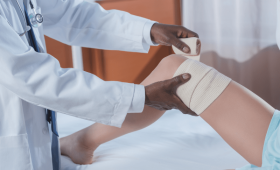
- Closure and Recovery: The incisions are closed with sutures or staples. A sterile dressing is applied, and you’ll be monitored in the recovery room.
Post-Operative Care & Rehabilitation
Following your knee arthroscopy, a personalized rehabilitation program is essential for regaining strength, flexibility, and function. This typically involves:
- Pain Management: Pain medication will be prescribed to manage post-operative discomfort.
- Physical Therapy: A physical therapist will guide you through a series of exercises designed to restore range of motion, strength, and stability.
- Weight-Bearing Progression: You’ll gradually increase the amount of weight you put on your operated leg, as directed by your physical therapist.
- Home Exercise Program: You’ll be provided with a home exercise program to continue your rehabilitation between therapy sessions.
cureholiday.com ensures you have access to top-tier rehabilitation facilities with dedicated physiotherapy teams specializing in post-arthroscopic care. We prioritize your long-term recovery and aim to get you back to your desired activity level as quickly and safely as possible.
Ready to explore your options for knee arthroscopy in Turkey? cureholiday.com offers a seamless and supportive experience, connecting you with leading surgeons and accredited facilities. to discuss your individual needs and receive a personalized treatment plan.
Knee Arthroscopy in Turkey: The Surgical Process & Your Journey to Recovery
Turkey has rapidly become a leading destination for orthopedic procedures, including knee arthroscopy. This is driven by a confluence of factors: highly skilled surgeons trained to international standards (often with experience in Europe and the USA), the widespread adoption of advanced technologies like robotic-assisted surgery for related procedures such as hip and knee replacements, and a commitment to providing care within Joint Commission International (JCI) accredited facilities. This dedication to quality, combined with cost-effectiveness, makes Turkey an increasingly attractive option for patients seeking world-class knee care. This section will delve into the intricacies of the arthroscopic procedure itself and outline the crucial post-operative rehabilitation process.
Understanding the Arthroscopic Procedure: A Step-by-Step Guide
Knee arthroscopy is a minimally invasive surgical technique used to diagnose and treat a variety of knee problems. While the specifics will vary depending on the nature of your injury (meniscus tear, ligament damage, cartilage defects, etc.), the general procedure follows a consistent framework:
- Anesthesia: Most knee arthroscopies are performed under regional anesthesia (spinal or epidural) or general anesthesia. The choice will be discussed with you by your anesthesiologist, factoring in your overall health and the complexity of the surgery.
- Preparation: Your leg will be thoroughly cleaned and sterilized. A tourniquet may be applied to the upper thigh to minimize bleeding during the procedure.
- Arthroscopic Portals: Typically, two to three small incisions (portals) – approximately 5-10mm in length – are made around the knee joint. These portals serve as access points for the arthroscope and surgical instruments.
- Arthroscopic Visualization: The arthroscope, a thin tube with a camera and light source, is inserted through one of the portals. This transmits a magnified image of the inside of the knee joint to a monitor, allowing the surgeon to visualize the structures within.
- Diagnosis & Treatment: Using the arthroscopic view, the surgeon diagnoses the source of your pain and implements the necessary treatment. This could include:
- Meniscus Repair: Torn meniscus tissue may be repaired using sutures or tissue anchors.
- Ligament Reconstruction: Damaged ligaments (e.g., ACL, MCL) may be reconstructed using grafts – often sourced from the patient themselves (autograft) or from a donor (allograft).
- Cartilage Repair: Techniques like microfracture or cartilage grafting can be used to address cartilage defects.
- Loose Body Removal: Fragmented cartilage or bone fragments (loose bodies) are removed to prevent further irritation and pain.
- Debridement: Damaged or inflamed tissue can be trimmed and smoothed.
- Irrigation & Closure: The knee joint is thoroughly irrigated to remove any debris. The incisions are then closed with sutures or staples, and a sterile dressing is applied.
Comparing Arthroscopic Techniques for Common Injuries
The specific surgical approach will be tailored to your individual condition. Here’s a comparative overview of techniques used for common knee injuries:
| Injury | Arthroscopic Technique | Procedure Details | Typical Recovery Time (Physical Therapy Focus) |
|---|---|---|---|
| Meniscus Tear | Meniscus Repair / Partial Meniscectomy | Repair involves stitching the torn edges together. Partial meniscectomy removes the damaged portion. | 6-12 weeks (emphasizing range of motion and strengthening) |
| ACL Tear | ACL Reconstruction | Replacement of the torn ACL with a graft (patellar tendon, hamstring tendon, or allograft). | 6-9 months (progressing from basic mobility to advanced strengthening and agility) |
| MCL Tear | MCL Repair/Reconstruction | Repair involves stitching the torn ligament. Reconstruction involves grafting. | 4-6 months (gradual weight-bearing and strengthening) |
| Cartilage Damage | Microfracture / Cartilage Grafting | Microfracture stimulates cartilage growth. Grafting involves transplanting cartilage tissue. | 6-12 months (extended rehabilitation focusing on low-impact exercise) |
Post-Operative Care & Rehabilitation – The Cornerstone of Success
Following your knee arthroscopy, a personalized rehabilitation program is essential for regaining strength, flexibility, and function. cureholiday.com ensures you have access to top-tier rehabilitation facilities with dedicated physiotherapy teams specializing in post-arthroscopic care. This typically involves:
- Pain Management: Pain medication will be prescribed to manage post-operative discomfort.
- Physical Therapy: A physical therapist will guide you through a series of exercises designed to restore range of motion, strength, and stability.
- Weight-Bearing Progression: You’ll gradually increase the amount of weight you put on your operated leg, as directed by your physical therapist.
- Home Exercise Program: You’ll be provided with a home exercise program to continue your rehabilitation between therapy sessions.
We prioritize your long-term recovery and aim to get you back to your desired activity level as quickly and safely as possible. Specialized rehab centers in Turkey offer comprehensive programs designed to optimize your recovery experience, and often incorporate cutting-edge rehabilitation techniques.
Ready to explore your options for knee arthroscopy in Turkey? cureholiday.com offers a seamless and supportive experience, connecting you with leading surgeons and accredited facilities. to discuss your individual needs and receive a personalized treatment plan.
Navigating Post-Operative Recovery: A Comprehensive Rehabilitation Program
Turkey has rapidly become a leading destination for medical tourism, and specifically, for advanced orthopedic procedures like knee arthroscopy. This success isn’t solely due to the availability of cutting-edge technology – such as robotic-assisted joint replacements which are standard in top Turkish hospitals – but also a dedication to holistic patient care, with a crucial emphasis on post-operative rehabilitation. At cureholiday.com, we understand that surgery is only the first step. A robust, personalized rehabilitation program is the cornerstone of a successful outcome, ensuring you regain optimal function and return to your desired activity level efficiently and safely. We partner with facilities prioritizing this aspect, featuring dedicated physiotherapy teams specializing in post-arthroscopic care.
The Immediate Post-Operative Phase (Days 1-14)
The initial phase following your knee arthroscopy focuses on controlling pain and inflammation. Immediately post-surgery, you’ll remain under observation until the effects of anesthesia subside. Pain management will be administered through prescribed medication, carefully monitored to ensure comfort without hindering early mobilization. A crucial component during this period is lymphatic drainage massage, which helps reduce swelling and bruising. Ice packs will also be applied regularly.
Early mobilization is encouraged, even on the first day. This doesn’t mean strenuous activity, but gentle range-of-motion exercises, guided by a physical therapist. These initial exercises are designed to prevent stiffness and maintain circulation. Weight-bearing will be carefully controlled, typically starting with partial weight-bearing using crutches or a walker, gradually increasing as tolerated and instructed by your therapist. The goal is to achieve full extension and significant flexion within the first two weeks. Wound care instructions, including keeping the incision clean and dry, will be thoroughly explained.
Mid-Phase Rehabilitation (Weeks 3-6): Restoring Range of Motion & Strength
As pain and swelling subside, the focus shifts to restoring your knee’s full range of motion and beginning to rebuild strength. Your physical therapy program will become more challenging, incorporating a wider variety of exercises. These may include:
- Stationary Cycling: Low-impact exercise to improve cardiovascular health and range of motion.
- Hamstring Curls & Quadriceps Extensions: Strengthening exercises targeting the key muscles supporting the knee joint.
- Calf Raises: Improving strength and stability in the lower leg.
- Proprioceptive Exercises: Exercises designed to improve your body’s awareness of its position in space, crucial for balance and preventing re-injury.
Weight-bearing progression continues, with the goal of weaning off crutches or a walker completely. Your therapist will assess your gait (walking pattern) and provide feedback to ensure correct biomechanics. Functional exercises, mimicking everyday movements like stairs and squats, will be introduced to prepare you for returning to normal activities.
Advanced Rehabilitation & Return to Activity (Months 2-6+)
The advanced phase focuses on regaining full strength, endurance, and agility. This phase is tailored to your specific activity goals – whether you’re a recreational walker, a keen golfer, or a competitive athlete. Exercises may include more demanding activities like:
- Lunges & Step-Ups: Building strength and stability for more complex movements.
- Plyometrics (Jump Training): Improving explosive power and agility (introduced cautiously and under supervision).
- Agility Drills: Enhancing coordination and reaction time.
- Sport-Specific Training: Gradually reintroducing the movements and demands of your chosen activity.
For individuals who underwent cartilage repair procedures (like microfracture or cartilage grafting), the rehabilitation timeline is extended, often lasting 6-12 months. This prolonged period allows sufficient time for new cartilage to develop and mature. The emphasis during this time is on low-impact exercise and avoiding activities that place excessive stress on the knee joint. cureholiday.com ensures that patients undergoing these procedures receive the specialized, long-term care they require.
| Procedure | Rehabilitation Timeline | Key Focus |
|---|---|---|
| Meniscus Tear Repair | 3-6 months | Restoring range of motion, strength, and stability. |
| Ligament Reconstruction (ACL, MCL) | 6-9 months | Full weight-bearing, proprioception, and return to sport-specific training. |
| Cartilage Damage (Microfracture) | 6-12 months | Low-impact exercise, cartilage growth stimulation, and gradual weight-bearing. |
| Cartilage Damage (Grafting) | 9-12+ months | Extended low-impact rehabilitation, protecting the transplanted cartilage. |
The surgeons we work with, many of whom have trained in Europe and the USA, consistently achieve excellent clinical outcomes due to their skill and our commitment to comprehensive post-operative care. cureholiday.com doesn’t just arrange your surgery; we orchestrate your entire recovery journey, providing peace of mind and the best possible chance for a successful return to an active life. From initial consultation to ongoing support, we are with you every step of the way.
Ready to experience the difference? to learn more about knee arthroscopy in Turkey and how we can create a personalized treatment plan tailored to your individual needs.
Navigating Your Recovery: Rehabilitation Timelines & Comprehensive Care
Turkey is rapidly becoming a global leader in orthopedic surgery, boasting facilities equipped with cutting-edge technology like robotic-assisted knee and hip replacements, alongside dedicated rehabilitation centers designed to optimize recovery. At cureholiday.com, we connect patients with highly experienced surgeons—many trained in Europe and the USA—practicing in Joint Commission International (JCI) accredited facilities, ensuring the highest standards of care. Understanding the post-operative rehabilitation process is critical to a successful outcome following knee arthroscopy. The length and intensity of rehabilitation depend significantly on the specific procedure performed and the extent of the damage addressed. We’ve outlined typical timelines below to provide a clearer picture of what to expect.
Successful knee arthroscopy isn’t solely about the surgical skill; it’s equally dependent on diligent rehabilitation. cureholiday.com recognizes this and prioritizes a holistic recovery plan for each patient, going beyond the operating room to offer unwavering support throughout the entire process.
| Procedure | Rehabilitation Timeline | Key Focus |
|---|---|---|
| Meniscus Tear Repair | 3-6 months | Restoring range of motion, strength, and stability. |
| Ligament Reconstruction (ACL, MCL) | 6-9 months | Full weight-bearing, proprioception, and return to sport-specific training. |
| Cartilage Damage (Microfracture) | 6-12 months | Low-impact exercise, cartilage growth stimulation, and gradual weight-bearing. |
| Cartilage Damage (Grafting) | 9-12+ months | Extended low-impact rehabilitation, protecting the transplanted cartilage. |
These timelines are averages, and individual progress may vary. Factors like age, overall health, and adherence to the rehabilitation protocol all play a role. cureholiday.com works closely with your surgical team to tailor a recovery program specifically designed for your needs and lifestyle.
Understanding the Stages of Rehabilitation
Rehabilitation generally progresses through several phases:
- Phase 1 (Weeks 1-2): Focuses on reducing pain and swelling, regaining initial range of motion, and initiating gentle muscle activation exercises. Weight-bearing is typically limited, and assistive devices like crutches are often necessary.
- Phase 2 (Weeks 3-6): Emphasis shifts towards increasing range of motion, strengthening key muscle groups (quadriceps, hamstrings, glutes), and gradually increasing weight-bearing as tolerated.
- Phase 3 (Months 2-4): Progressive strengthening and functional exercises are introduced, focusing on restoring normal gait and preparing the knee for more demanding activities. Proprioceptive training – exercises to improve balance and coordination – becomes increasingly important.
- Phase 4 (Months 4+): This phase concentrates on returning to pre-injury activity levels, including sport-specific training for athletes. Continued strengthening and maintenance exercises are crucial to prevent re-injury.
The specialized rehabilitation centers partnered with cureholiday.com offer a comprehensive suite of therapies, including physiotherapy, hydrotherapy, and cutting-edge rehabilitation technology, ensuring optimal recovery outcomes.
Frequently Asked Questions
Here are some common questions patients have about knee arthroscopy and rehabilitation:
- How much pain will I experience after surgery? Pain levels vary, but most patients report moderate discomfort that can be managed with prescribed pain medication. cureholiday.com ensures comprehensive pain management protocols are in place.
- When can I return to work? This depends on the nature of your job. Desk jobs may allow a return to work within a few weeks, while physically demanding professions require a longer recovery period.
- Will I need physical therapy? Physical therapy is *essential* for a successful recovery. cureholiday.com integrates dedicated physiotherapy into every patient’s post-operative plan.
- How long will it take to walk normally again? Most patients can walk with a normal gait within a few months, although full recovery and return to strenuous activity may take longer.
- What are the risks of knee arthroscopy? Like any surgery, there are risks, including infection, bleeding, blood clots, and nerve damage. Our partner surgeons are highly skilled in minimizing these risks.
- Can I travel back home soon after the surgery? Generally, yes. cureholiday.com assists with all travel arrangements, ensuring a comfortable and safe journey home. We provide detailed aftercare instructions and support even after you return.
- What if I need a longer stay for rehabilitation? cureholiday.com offers flexible packages and can easily extend your stay to accommodate your individual needs.
- Will the cartilage regenerate after microfracture? Microfracture stimulates the growth of new cartilage, but the resulting tissue is not identical to the original. A long-term, low-impact rehabilitation program is vital to maximize its effectiveness.
At cureholiday.com, we don’t just facilitate surgery; we provide end-to-end care, including expert surgical teams, Ministry of Health–authorised facilities, personalized rehabilitation plans, and unwavering support. We understand that undergoing medical treatment abroad can be daunting, and we are committed to making your experience as smooth and stress-free as possible. Let us guide you on your journey to a pain-free, active life. for a personalized consultation and discover how we can help you reclaim your mobility.
Navigating Your Recovery & Long-Term Support
Turkey is rapidly becoming a global leader in orthopedic surgery, particularly in advanced procedures like knee arthroscopy. Driven by highly experienced surgeons – many trained in Europe and the USA – and the adoption of cutting-edge technologies like robotic-assisted joint replacements, Turkish hospitals consistently deliver exceptional outcomes. Following your meniscus tear or ligament damage repair at a Ministry of Health–authorised facility through cureholiday.com, a robust aftercare program is crucial for a successful and lasting recovery. We believe comprehensive support extends far beyond the operating room, ensuring you return home equipped to continue your rehabilitation journey with confidence.
Post-Operative Care: The First Few Weeks
The initial period following your knee arthroscopy, typically the first 1-2 weeks, focuses on controlling pain and inflammation. You will be provided with detailed instructions regarding wound care, medication schedules (pain relief and potentially anti-inflammatory drugs), and ice/elevation protocols. A key component is early mobilization. While rest is essential, prolonged immobility can hinder recovery. cureholiday.com provides a dedicated post-operative nurse who will check in on you during your hospital stay and immediately following discharge, ensuring you understand and adhere to these vital instructions.
Expect some degree of discomfort, swelling, and bruising. These are normal responses to surgery and will gradually subside. Our pain management protocols are individualized, taking into account your pain tolerance and overall health. We will monitor your progress closely and adjust your medication as needed. You’ll be guided through initial range-of-motion exercises, performed under the supervision of a qualified physiotherapist, to prevent stiffness and begin restoring knee function.
Rehabilitation: Building Strength and Mobility
Following the initial phase, the focus shifts to a progressive rehabilitation program. This is where consistency and dedication are paramount. A personalized plan, designed by our expert physiotherapists, will guide you through a series of exercises aimed at:
- Restoring Range of Motion: Gradually increasing your knee’s flexibility.
- Strengthening Muscles: Focusing on the quadriceps, hamstrings, and calf muscles to support the knee joint.
- Improving Balance & Proprioception: Re-training your body’s awareness of its position in space, crucial for preventing re-injury.
- Functional Exercises: Simulating everyday activities to prepare you for a return to your normal lifestyle.
Our Ministry of Health–authorised facilities offer state-of-the-art rehabilitation centers with a comprehensive range of equipment and dedicated therapists. We provide ongoing assessment and modification of your program to ensure optimal progress.
Addressing Common Concerns: FAQs
- What should I expect in terms of swelling and bruising? Swelling and bruising are normal and will gradually decrease over several weeks. Ice, elevation, and compression can help manage these symptoms.
- When can I start driving again? This depends on which knee was operated on and your individual recovery. Typically, you can resume driving once you have regained sufficient strength and control of your leg – usually around 4-6 weeks.
- How long will it take to return to sports? This varies significantly based on the severity of the injury, the type of surgery performed, and your individual fitness level. A gradual return to activity, guided by your physiotherapist, is essential.
- What if I experience increased pain or signs of infection? Contact our 24/7 support line immediately. We provide ongoing monitoring and are available to address any concerns.
- What are the risks associated with knee arthroscopy? As with any surgery, there are potential risks, including infection, bleeding, blood clots, and nerve damage. Our experienced surgical teams and meticulous surgical protocols minimize these risks.
- What if I need a longer stay for rehabilitation? cureholiday.com offers flexible packages and can easily extend your stay to accommodate your individual needs.
- Will the cartilage regenerate after microfracture? Microfracture stimulates the growth of new cartilage, but the resulting tissue is not identical to the original. A long-term, low-impact rehabilitation program is vital to maximize its effectiveness.
At cureholiday.com, we don’t just facilitate surgery; we provide end-to-end care, including expert surgical teams, Ministry of Health–authorised facilities, personalized rehabilitation plans, and unwavering support. We understand that undergoing medical treatment abroad can be daunting, and we are committed to making your experience as smooth and stress-free as possible. We are with you every step of the way, from pre-operative planning to post-operative recovery, ensuring you receive the highest quality care and achieve optimal results. Let us guide you on your journey to a pain-free, active life. for a personalized consultation and discover how we can help you reclaim your mobility.
The Cutting Edge of Knee Care in Turkey
Turkey has rapidly become a global leader in orthopedic surgery, particularly in minimally invasive procedures like knee arthroscopy. This is fueled by the adoption of advanced technologies, like robotic-assisted knee and hip replacements, now standard in leading Turkish hospitals. For patients seeking high-quality, affordable treatment for meniscus tears and ligament damage, Turkey presents a compelling solution. Beyond advanced technology, the country boasts highly experienced surgeons, many trained in Europe and the USA, alongside Ministry of Health–authorised facilities that adhere to stringent international standards. The combination creates a safe, effective and comfortable environment for your recovery.
Understanding the Arthroscopic Procedure
Knee arthroscopy is a surgical procedure that allows surgeons to visualize, diagnose, and treat problems inside the knee joint using a small camera (arthroscope) inserted through tiny incisions. This minimally invasive approach offers several advantages over traditional open surgery, including smaller scars, reduced pain, faster recovery times, and lower risk of complications.
How is it Performed?
The procedure typically involves the following steps:
- Anesthesia: Patients usually receive regional or general anesthesia.
- Incision: Small incisions (approximately 1 cm) are made around the knee joint.
- Arthroscopy Insertion: The arthroscope, equipped with a camera and light source, is inserted through one of the incisions.
- Visualization & Repair: The surgeon views the inside of the knee joint on a monitor and uses specialized instruments inserted through other incisions to repair or remove damaged tissue. Common procedures include meniscus tear repair, ACL reconstruction, and cartilage smoothing.
- Closure: The incisions are closed with sutures or surgical tape.
Post-Operative Recovery & Rehabilitation
Following knee arthroscopy, a tailored rehabilitation plan is essential for optimal recovery. Turkey offers excellent access to specialized rehab centers where patients receive intensive physiotherapy to regain strength, flexibility, and range of motion. The typical recovery timeline includes:
- Phase 1 (0-2 weeks): Focus on pain and swelling management, gentle range-of-motion exercises, and regaining initial mobility.
- Phase 2 (2-6 weeks): Progressive strengthening exercises, including quadriceps, hamstring, and calf exercises. Gradual return to weight-bearing activities.
- Phase 3 (6+ weeks): Advanced strengthening, agility training, and a gradual return to sports or other demanding activities, guided by a physiotherapist.
Why Choose cureholiday.com for Your Knee Arthroscopy in Turkey?
Undergoing medical treatment abroad requires careful consideration. cureholiday.com simplifies the process, offering a comprehensive, patient-centric experience. We go beyond simply arranging surgery. We provide:
- Expert Surgical Teams: Access to leading orthopedic surgeons with extensive experience in knee arthroscopy.
- Ministry of Health–authorised Facilities: Peace of mind knowing you’re receiving care in internationally recognized hospitals.
- Personalized Rehabilitation Plans: Customized physiotherapy programs designed to meet your specific needs.
- 24/7 Support: Ongoing monitoring and support throughout your journey, from pre-operative planning to post-operative recovery.
- End-to-End Care: Assistance with travel arrangements, accommodation, and translation services.
We understand the apprehension that comes with medical tourism. cureholiday.com is committed to making your experience seamless and stress-free, ensuring you receive the highest quality care and achieve lasting results. Don’t let knee pain limit your active lifestyle. for a personalized consultation and let us help you reclaim your mobility and rediscover the joy of movement.
Schedule a consultation for Knee Arthroscopy Turkey Treatment for in Turkey with cureholiday.com
Free Consultation
Fill out the form below to get your free medical travel plan and price quote.
Sources and how to verify this yourself
- Ministry of Health, Regulation on International Health Tourism and Tourist Health, Official Gazette 26 April 2025, No. 32882 — authorisation requirement for facilities and intermediaries, TÜSKA accreditation, compulsory complication insurance (deadline 31 December 2025 for insurance, 31 December 2026 for accreditation). source
- Ministry of Health, Regulation on Promotion and Information Activities in Health Services, Official Gazette 12 November 2025, No. 33075 — treatment promises and guarantees are prohibited; price and campaign announcements are permitted only within international health tourism. source