Hair transplantation is one of the most effective aesthetic solutions offered by modern medicine; however, the process after the operation requires at least as much patience and knowledge as the operation itself. Many patients experience panic when they see the transplanted hair strands starting to fall out a few weeks after the procedure they had with great hopes. This phenomenon, called “shock loss,” is actually a result of the hair follicles’ effort to adapt to their new places. In this article, we will examine the shedding phase, which is the most critical turn of your hair transplant journey, in all its details from an expert perspective. This guide, exceeding 3000 words, will guide you through every step of the healing process and eliminate all the question marks in your mind.
What Exactly Is The Shock Loss Process?
Shock loss is the medical name given to the temporary shedding of hair strands within the transplanted grafts shortly after a hair transplant operation. This occurs as a reaction of the hair follicles to protect themselves against the trauma experienced during the surgical intervention. During the operation, hair follicles are temporarily deprived of blood flow and oxygen; when placed in their new locations, they enter an adaptation process. During this process, while the roots remain alive, the lifeless structure we call the hair shaft falls out. This is actually the follicles’ way of getting rid of old strands to prepare for a new growth cycle (Anagen phase).
Is Hair Shedding After A Hair Transplant An Expected Condition?
Yes, shedding after a hair transplant is not only an expected condition but also a physiological process accepted as an indicator of the operation’s success. More than 90% of patients experience this phase. This shedding does not mean that the transplanted hair follicles have died; on the contrary, it shows that the follicles have attached to the scalp and entered the resting phase to produce new, stronger strands. Knowing that what is shed at this stage is not the “root” of the hair, but only the “strand,” provides psychological relief to patients. It is a process that progresses in parallel with the healing of the tissues in the scalp after surgical trauma.
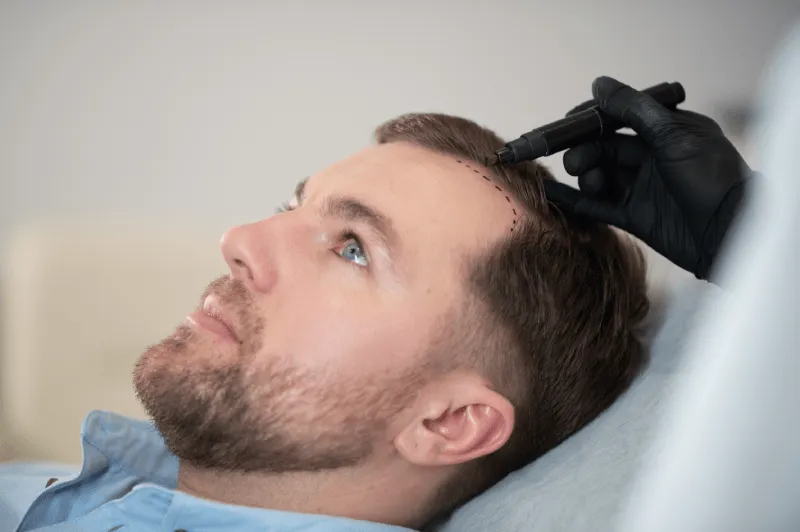
When Does Shock Loss Usually Begin?
Shock loss usually begins from the second week after the operation and can continue with increasing intensity until the fourth week. In some patients, this process starts on the 10th day, while in others, it can extend until the beginning of the second month. Since each individual’s metabolism and tissue healing rate are different, the onset time of shedding varies from person to person. Generally, the period between the 15th and 30th day after transplantation is the “peak” period when shedding is most prominent. Seeing hair strands on your pillow or in your hand during washing during this period is completely normal and in accordance with the healing calendar.
Why Do Follicles Enter The Resting Phase?
Hair follicles are very sensitive structures and are exposed to a series of stress factors while being taken from the “donor” area and placed in the “recipient” area during the transplant process. This stress causes the active growth phase in the hair’s life cycle to be suddenly interrupted and the follicle to enter the resting phase called “Telogen.” Since the body focuses its energy on keeping the root alive and creating new vascular pathways after surgical trauma, it temporarily stops the production of the hair shaft, which has a high energy cost. This is a survival mechanism; the follicle resets itself and prefers to remain silent until it adapts to its new environment.
Does Shock Loss Occur In Every Patient?
Statistically, although the vast majority of patients experience shock loss, in rare cases, some patients may experience this shedding very lightly or not at all. If your hair is not falling out, this means that the transplanted hair continues to grow directly, which is a positive situation. However, the absence of shedding is not a “success” criterion, nor is the presence of shedding a “failure” criterion. Genetic structure, hair type, the technique of the operation, and the general health status of the patient determine the severity of shedding. In both cases, the final result depends on the health of the hair follicles.
How Long Does The Shedding Phase Last In Total?
The shedding phase generally starts in the 2nd week after the operation and is gradually completed until the end of the 3rd month. The first month is the period when shedding is felt most intensely; as the second month begins, the shedding rate slows down and gives way to a period of stagnation. By the end of the third month, most of the hair has fallen out, and the scalp may take on an appearance similar to its pre-transplant state. This process is also known as the “ugly duckling” phase. However, this is temporary; from the 3rd month onwards, shedding stops and is replaced by the growth process of new hair coming from under the skin.
Is It Possible To Completely Prevent Shock Loss?
With current medical technology, there is no method to completely stop or 100% prevent shock loss because this is a biological necessity. However, it is possible to reduce the severity of this process and ensure that the roots recover faster. Using the lotions recommended by your doctor regularly after the operation, being gentle to the scalp, and receiving supportive treatments such as PRP (Platelet Rich Plasma) if necessary can make the process more comfortable. Instead of trying to prevent shock loss, it is a much more correct approach to focus on increasing the quality of the hair that will replace the shed ones.
Do The Shed Strands Disappear Permanently?
Absolutely not. The hair you lose during shock loss is only the keratinized strands visible from the outside. The “hair follicle,” which is the real hero of the hair transplant operation and placed under the skin, continues to stay in place and integrate with the tissue there. The shed strands say goodbye to make room for the new hair to come. This process is like a tree shedding its leaves; even if the leaves fall, the trunk and roots of the tree are connected to the soil and will turn green again when the season comes. Therefore, the shed strands should not be seen as a permanent loss.
What Is The Difference Between Shock Loss And Graft Failure?
This is the point that patients confuse the most. In shock loss, hair usually falls out as straight strands without roots and without hooked ends, and there is no bleeding or severe pain in the shedding area. Graft failure or “graft loss” is usually the root coming out before it can establish a connection with the skin within the first 3-5 days after the operation. If there is a white, bulb-like tissue piece at the end of the shed hair and this happens within the first few days, graft loss may be suspected. Shock loss, on the other hand, starts weeks later and is a completely normal physiological response.
How Can Healthy Regrowth Be Noticed?
Approximately 3-4 months after the operation, you will notice thin, downy hairs starting to grow on the scalp. This is the first concrete sign of healthy growth. At first, these hairs may be very thin, colorless, and even curly; this is due to the hair strands struggling to come out of those narrow channels in the scalp. Over time, these hairs will thicken, return to their normal hair color, and become compatible with your other hair. Noticing that hair density increases every month and the scalp is less visible is the greatest proof that the process is on track.
Does Shock Loss Also Occur In The Donor Area?
Yes, although rare, shock loss can be seen not only in the transplanted area but also in the donor (nape) area where the hair follicles were taken. The reason for this is that during the collection of grafts, the surrounding neighboring follicles enter a temporary shock due to the vibration of the micromotor or the effect of local anesthesia. Shock loss in the donor area is usually noticed in the first month after the operation and is temporary, just like in the transplant area. These sheddings in the nape area usually resolve spontaneously within a few months and the hair returns to its old density. This is not a permanent thinning, but a temporary trauma response.
How Is The Telogen Phase Related To Hair Transplantation?
Our hair has a natural life cycle: Anagen (growth), Catagen (transition), and Telogen (resting/shedding). During hair transplantation, hair is usually taken from its place while in the anagen phase. The surgical stress and lack of oxygen (ischemia) created by the operation trigger these follicles to suddenly enter the telogen phase. In the telogen phase, the hair strand falls out and the root remains dormant for 2-4 months. That silent period experienced after hair transplantation is actually all transplanted follicles entering the telogen phase collectively. This is a waiting period necessary for the biological clock to be reset.
Does Stress Increase The Severity Of Shedding?
The general stress level of the body affects all healing processes, just as it directly affects shedding after hair transplantation. An increase in cortisol hormone can cause hair follicles to stay in the resting phase for longer or experience more severe shedding. However, the real danger here is “psychological stress.” The patient’s panic as they see their hair falling out can make the process even more difficult. Staying calm, accepting that this is a temporary process, and thinking positively optimizes the body’s healing capacity. Remember, stress is the enemy of hair, and patience is its best medicine.
Do FUE Or DHI Techniques Affect The Shedding Process?
Shock loss is experienced in both modern hair transplant techniques, FUE (Follicular Unit Extraction) and DHI (Direct Hair Implantation). However, in the DHI method, since the hair is generally exposed to less trauma and the follicles wait outside for a shorter time, shedding can sometimes be lighter. In the FUE method, more edema may occur in the scalp due to the channel opening process, which may lead to shock loss being slightly more prominent. Nevertheless, the final result and the logic of shedding of both methods are the same; the differences between them remain quite minimal besides the individual healing rate.
How Should Hair Be Washed During This Process?
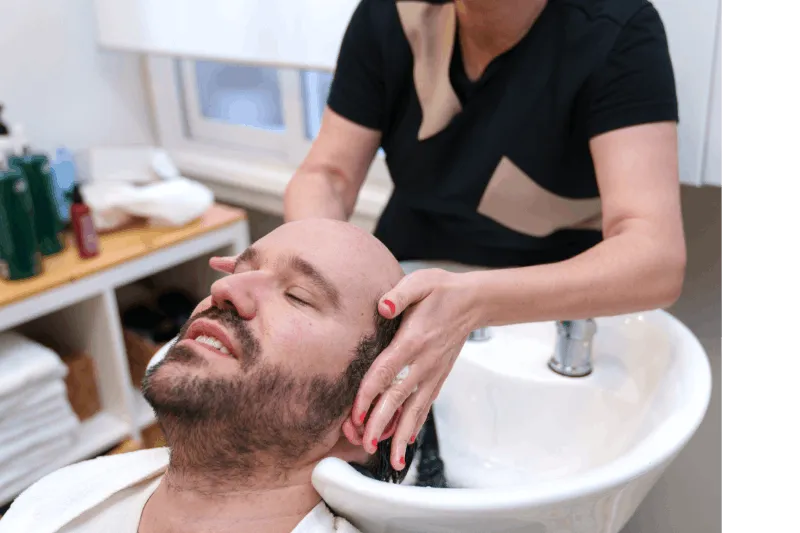
Hair washing during the shock loss period is critical for both hygiene and the health of the follicles. For the first 10-15 days after the operation, you must strictly follow the special washing protocol described by your doctor. While washing your hair, you should make very gentle movements with your fingertips and avoid scratching and hard rubbing. Lukewarm water and medical shampoos with balanced PH values should be preferred. You should not stop washing for fear of hair strands coming into your hands when shock loss starts; on the contrary, a gentle wash helps new hair to come out more easily by cleaning the dead skin on the scalp.
Are There Supplements That Will Speed Up Growth?
To ensure that hair follicles emerge from shock faster and new strands are produced strongly, some supplements are very useful. Especially Biotin (vitamin B7) supports the production of keratin, which is the main structure of hair. Vitamins and minerals such as zinc, iron, B12, and Omega-3 are also essential for hair health. In addition, supplements containing natural DHT blockers such as “Saw Palmetto” can help protect existing and newly transplanted hair. However, before using any supplement, you must consult the physician who performed the operation, because some vitamins can affect the healing process by thinning the blood.
Does PRP Therapy Help With Shock Loss?
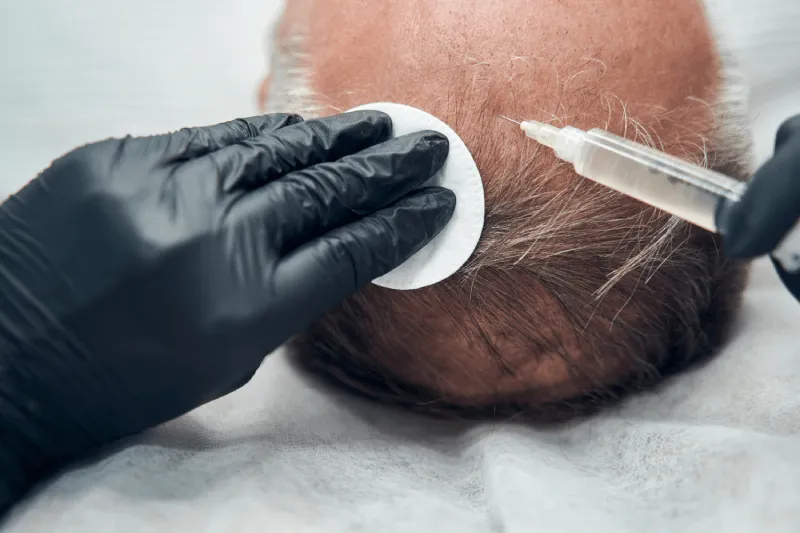
PRP (Platelet Rich Plasma) treatment is one of the strongest supports that increases success after hair transplantation. Injecting growth factors obtained from the patient’s own blood into the scalp ensures the faster “awakening” of the follicles that are dormant after shock loss. PRP accelerates tissue repair and increases micro-vascularization, helping the follicles to be better nourished. PRP sessions, usually performed in the 1st, 2nd, and 6th months after the operation, both ensure that the hair comes out earlier and contribute to the emerging hair being thicker and healthier.
What Is The Role Of Nutrition In The Healing Process?
Hair transplantation is not just a superficial procedure, but a healing process where the body consumes energy. Eating a protein-based diet provides the amino acids necessary for the repair of tissues. Since the basic substance of hair is protein, its deficiency can prolong the shedding process. Especially antioxidant foods containing vitamins A, C, and E reduce inflammation in the scalp. Plenty of water consumption ensures that more oxygen goes to the hair follicles by regulating blood circulation. Avoiding fast food and excessively sugary foods allows the body to use its healing energy in the right direction.
When Are The First Signs Of New Growth Seen?
The emergence of new hair on the scalp surface usually starts between the 3rd and 4th month. However, hair does not come out all at once during this period; each follicle has its own speed. At first, you may notice a “pitting” or “sandpaper” feeling on the scalp. This is a sign that hair strands are starting to push through the skin and come out. When viewed under light, the presence of fine hairs is seen. In this phase, hair can come out very irregularly; while there is intense output in one area of the scalp, there may still be gaps in another area. This is completely normal and a homogeneous distribution will be achieved over time.
Is The Sensation Of Itching A Sign That Hair Is Growing?
Itching experienced between the 2nd and 4th months after the operation is usually a positive sign. There are two main reasons for this itching: First is the healing and rejuvenation of the nerve endings in the scalp. Second is the hair strands being pushed from under the skin towards the surface. This condition can be called “growth itch.” However, if the itching is very severe and accompanied by redness, it may also be a sign of infection or allergy. In mild itching, pressing lightly with the palm of the hand without scratching the scalp or using moisturizing sprays recommended by the doctor provides relief.
What Should Be Done If No Hair Grows At The End Of 6 Months?
Approximately 60-70% of hair transplant results are usually seen around the 6th month. If there is still no significant output when the 6th month is reached, it is necessary to continue to be patient but share the situation with the doctor. Some patients’ metabolisms may work slower or they may be in the “late growers” group. Your doctor checks the viability of the follicles by examining the scalp at this stage. In rare cases, if there are conditions that prevent hair growth such as cyst formation or acne on the skin, intervention can be made. However, it should not be forgotten that a waiting period of 12 to 18 months for the final result is the medical standard.
Does Smoking Delay The Growth Process?
Smoking is one of the biggest obstacles to success after hair transplantation. Nicotine restricts blood vessels, disrupting microcirculation in the scalp. This prevents the follicles in the resting phase after shock loss from receiving the oxygen and nutrients they need. In smoking patients, the hair growth process starts later and the emerging hair is usually thinner. It also increases the risk of infection by delaying wound healing. For best results, it is strongly recommended to stay away from smoking at least one week before and one month after the operation.
Is It Safe To Wear A Hat During The Shedding Phase?
After the first 10 days of the operation, that is, after the scabs fall off, it is usually safe to wear a hat. However, the type of hat to be worn during the shock loss process is important. Very tight hats that squeeze and sweat the scalp can prevent hair follicles from breathing and negatively affect healing. Cotton, breathable “bucket hats” or adjustable wide hats that do not put pressure on the transplant area should be preferred. You should not keep the hat on your head for a long time and take it off in indoor environments to allow the scalp to breathe. In addition, you should minimize the risk of infection by paying attention to hat cleanliness.
How Many Months Does It Take To See The Final Result?
A hair transplant is a test of patience. 30% of the hair is seen in the first 4 months, 60% in the 6th-8th month, and 90-100% in the 12th month. In areas where blood circulation is less, such as the vertex (crown) area, it can take up to 18 months for the final result to settle. At the end of the 12th month, the hair has now gained its real character, thickened, and attained a completely natural appearance. Hair that comes out after this time does not fall out anymore and stays with you for a lifetime. Therefore, it is necessary to respect the biological calendar of the process and not judge the operation early by looking at the sheddings or thinnings in the first few months.
Does Shock Loss Negatively Affect Transplant Density?
No, shock loss does not negatively affect transplant density or intensity. When hair falls out during shock loss, the area may look very sparse and even bald. This creates “was my hair transplanted too sparsely?” anxiety in the patient. However, there is a root under every shed strand and these roots will appear with the planned density when they pass into the growth phase. The closer a successful surgeon placed the follicles to each other, the emptier that area may look after shock loss; but when the results are completed, a similarly dense hair structure will form.
Can Existing Non-Transplanted Hair Also Fall Out?
Unfortunately, yes. The condition called “Temporary Shock Loss” can sometimes affect existing, shedding-prone old hair in the transplant area. The trauma and edema created by the operation can cause already weak old hair strands to enter the telogen phase as well. This can be called a “side effect of shock loss.” But the good news is that if these hair follicles are not completely dead, they also start to grow back within a few months along with the newly transplanted hair. Mesotherapy or medical treatments may be recommended after the operation to protect existing hair.
Is The Shock Loss Process Painful?
Shock loss is physically a completely painless process. Hair strands fall out spontaneously, usually painlessly during washing or combing. If there is throbbing in the scalp during shedding, severe burning, inflammatory discharge, or unbearable pain, this may not be shock loss, but an infection (folliculitis) or another complication. The only thing you can feel in a normal healing process is a slight itch or a temporary numbness in the scalp. Rather than physical pain, the “psychological difficulty” of this process can tire patients more.
How To Deal With The Psychological Effects Of Shedding?
Most people who have a hair transplant are individuals who experience self-confidence issues before the operation. Seeing their hair falling out in the mirror after the transplant, combined with the “what if it doesn’t grow back?” anxiety, can lead to mild depression or anxiety. The best way to deal with this is knowledge. You should remember that this process is temporary, that millions of patients around the world go through the same stages, and eventually regain their hair. You should compare before and after photos of the operation, stay in touch with your doctor, and give yourself time. A hair transplant is a marathon, not a 100-meter dash.
What Are The Common Misconceptions About Shock Loss?
One of the biggest misconceptions is that shedding hair indicates the operation failed. Another is that the white dots at the ends of the shed strands are thought to be the “hair root”; those whitenesses are just the sheath of the hair follicle, the actual root is 4-5 mm under the skin. Also, the thought that “if I do sports, my hair will fall out more” is wrong; light sports done 1 month after the operation have no negative effect on shedding. Rumors that shock loss is contagious or a disease are completely groundless. This process is a completely personal and biological healing step.
Does Head Massage Ensure The Survival Of Follicles?
Head massage is strictly not recommended for the first 1 month after the operation; because the roots have not yet fully settled and physical pressure can damage them. However, after the 1st month, especially when shock loss starts to be completed, gentle circular massages can increase blood circulation. Increased blood circulation means more nutrients reach the follicles. While massaging, care should be taken not to use nails and to apply light pressure, not by sliding the skin. Still, the approval of your doctor should be obtained before starting the massage, and it should be ensured that the scalp is completely healed.
Does Sunlight Damage Follicles During Shedding?
Yes, newly transplanted follicles and the healing scalp are extremely sensitive to the sun’s UV rays. During the shock loss period, the scalp is generally more vulnerable. Exposure to direct sunlight can cause burns on the skin and damage the follicles by disrupting the healing process, leading to permanent damage. For the first 3-4 months after the operation, a protective (wide and non-sweating) hat must be worn when going out during the hours when the sun is direct. If you are going into the sea or pool, sunscreens or hats that protect the scalp should continue to be used after the 1st month.
Why Should Cure Holiday Be Preferred For Hair Transplantation?
Hair transplant success is possible not only by transplanting the roots but by professionally managing the entire healing process. Cure Holiday offers you a world-class service at every step of your hair transplant journey. Our expert surgeons use the most modern techniques (FUE, DHI, Sapphire FUE) for you to get through the shock loss process in the lightest way. With the continuous support we offer before and after treatment, we offer not just an operation, but a guarantee for you to reach the look of your dreams. Your health and aesthetics are in the most reliable hands with Cure Holiday.
How Does Cure Holiday Guarantee Hair Growth Success?
Every hair transplant operation we carry out within Cure Holiday is planned specifically for the patient’s hair structure. The secret of our success is not only the number of grafts but our special storage solutions and sensitive operation techniques that increase the survival rate of grafts. Thanks to the special care sets and regular follow-up we offer to our patients during the shock loss phase, we ensure that the follicles pass into the growth phase in the healthiest way. Every patient is special to us and every hair strand is of great importance; that’s why high success rates with Cure Holiday are not a coincidence.
Why Is Cure Holiday The Best Choice For International Patients?
For our patients coming from all over the world, Cure Holiday offers not just a medical operation, but a full-fledged health tourism experience. Every detail is meticulously planned, from airport transfer to luxury accommodation, from translation services in the native language to 12-month follow-up after the operation. You can get through a sensitive period like shock loss by consulting our experts even while you are in your own country. Cure Holiday continues to be the most reliable port for international patients by combining Turkey’s medical experience with comfort.
How Can You Schedule A Free Consultation With Cure Holiday?
Don’t leave the regrowth process of your hair to chance and start this journey under the guidance of our experts. You can have your hair analysis done and create your special treatment plan for free by contacting Cure Holiday. You can reach us via our website or communication channels, send your photos, and have a live meeting with our experts. Leave the fear of shock loss aside and step into the permanent solution with the privilege of Cure Holiday. We are here and waiting for you for a new beginning.
Shock loss experienced after hair transplantation is a temporary “biological price” that must be paid to reach the final result. Instead of being sad for your hair that falls out during this process, the right approach is to wait for the day when you will get them back in a bushier and healthier way. Remember that when the right technique is combined with an expert team and a regular care process, hair transplantation yields results that will change your life. Patience is the most important key to this process. If you also want to say goodbye to the hair loss problem professionally, Cure Holiday is always with you.
Free Consultation
Fill out the form below to get your free medical travel plan and price quote.
Sources and how to verify this yourself
- Comparative study of graft survival by donor site (scalp, beard, chest) at 12 months — roughly 89% for scalp, 95% for beard and 76% for chest hair; survival also falls the longer grafts stay outside the body. source
- Ministry of Health, Regulation on International Health Tourism and Tourist Health, Official Gazette 26 April 2025, No. 32882 — authorisation requirement for facilities and intermediaries, TÜSKA accreditation, compulsory complication insurance (deadline 31 December 2025 for insurance, 31 December 2026 for accreditation). source
- Ministry of Health, Regulation on Promotion and Information Activities in Health Services, Official Gazette 12 November 2025, No. 33075 — treatment promises and guarantees are prohibited; price and campaign announcements are permitted only within international health tourism. source