Why Is Teeth Whitening Increasing In Popularity Every Single Day?
In today’s visually driven world, aesthetic appeal has become an indispensable part of both social and professional life. The reality that a first impression is formed within seconds drives individuals to seek a more impressive and radiant smile. White teeth are not only a sign of cleanliness but are also universally accepted as a symbol of youth, energy, and self-confidence. Factors such as coffee, tea, smoking, and the natural aging process can lead to yellowing, which often causes people to shy away from smiling or speaking openly. Teeth whitening, or bleaching, is one of the fastest and most effective medical aesthetic procedures to eliminate this problem. As technology advances and accessibility increases, this procedure has evolved from a luxury consumption to a general grooming routine. People now realize that the shortest path to investing in themselves starts with a bright, confident smile that opens doors in every aspect of life.
Do At-Home Teeth Whitening Kits Actually Work?
At-home teeth whitening kits sold in the market are frequently preferred due to their easy accessibility and lower costs compared to clinical treatments. However, the effectiveness of these products strictly depends on the concentration of the whitening agents in their ingredients. Generally containing low-rate hydrogen peroxide or carbamide peroxide, these products can be successful in removing light surface stains. Nevertheless, it is not realistic to expect radical results like those achieved in a clinical setting for deeply embedded stains. The biggest disadvantage of home kits is that standard-sized trays do not fully fit every mouth structure. This can lead to the whitening gel leaking onto the gums, causing irritation and sensitivity. While they may provide a few shades of lightening over the long term for a patient user, they can never truly replace procedures performed under professional supervision.
What Are The Primary Advantages Of In-Office Teeth Whitening?
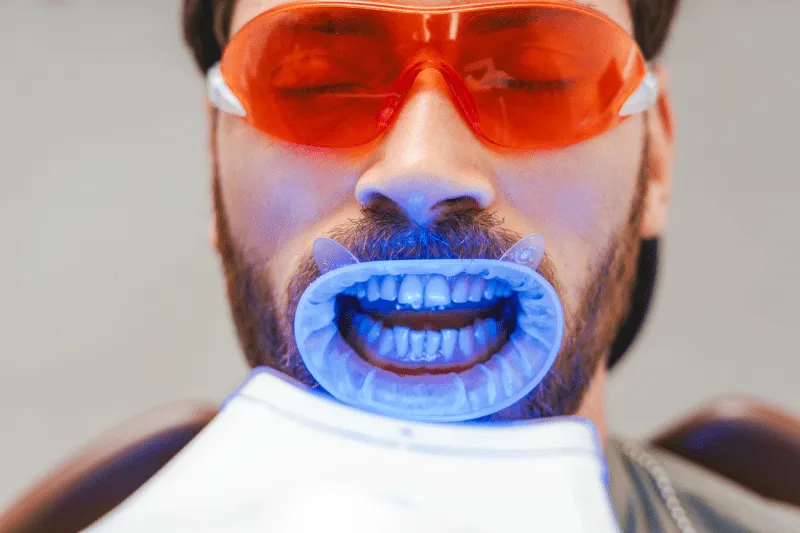
In-office whitening, performed under the supervision of a dentist in a clinical setting, stands out as the fastest and safest method available. A specialist analyzes the condition of the teeth to determine the most appropriate dosage and isolates the gums with protective barriers. The concentration of whitening gels used in this method is much higher, allowing for a whitening of 5 to 8 shades in a single session. Additionally, the process can be accelerated using laser or special light sources. The greatest advantage in a clinical setting is the ability to intervene immediately in case of any potential sensitivity. Professional whitening doesn’t just offer an aesthetic result; it also provides the peace of mind that comes with knowing your dental health is in expert hands.
Why Do Teeth Whitening Prices Vary So Much Between Treatments?
Pricing depends on many different variables, ranging from the technology used to the experience of the dentist. Home-type products are quite economical because they are mass-produced; however, costs increase in professional clinical applications. The main reasons for this increase are the high-quality chemical agents used, advanced technology light devices, and the dedicated time of the physician. Furthermore, the geographical location of the clinic and its equipment are also decisive factors in pricing. Some treatments take a single session, while stubborn stains may require additional visits, affecting the total cost. As quality and safety increase, it is natural for the cost to rise accordingly. It should be remembered that a wrong saving made in dental health can lead to much larger treatment expenses in the future.
Is It Possible To Whiten Teeth Without Damaging Tooth Enamel?
There is a common but incorrect belief among the public that teeth whitening damages the enamel. Professionally applied whitening procedures do not disturb the structure of the tooth enamel. Whitening agents penetrate the porous structure of the enamel and oxidize the color pigments inside. This process does not abrade or melt the hard tissue of the tooth. However, random home mixtures (such as lemon and baking soda) used without a dentist’s approval can cause scratching of the enamel and permanent damage. In procedures performed under expert control, the enamel tissue is preserved, and the tissue is further strengthened with fluoride treatments applied after the procedure. The key word for safe whitening is correct dosage and professional supervision.
Which Teeth Whitening Method Provides The Most Long-Lasting Results?
While longevity depends more on the patient’s post-procedure habits than the method used, professional in-office applications provide a much deeper initial clean. In-office whitening reaches the inner layers of the tooth (dentin), so it takes longer for stains to return. Home kits generally only provide superficial cleaning, and therefore their effect can disappear in a shorter time. For the most ideal result and long-lasting whiteness, “combined whitening” is usually recommended; that is, applying a supportive treatment at home with special trays prepared by the physician after the main procedure in the clinic. This method can double the life of the whiteness. When supported by correct oral care, professional results can be preserved for years.
Can People With Sensitive Gums Have Their Teeth Whitened?
For individuals with gum sensitivity, the whitening process may seem daunting, but modern techniques can largely manage this situation. In individuals with sensitive teeth, preparation is made using desensitizing toothpastes or special gels before whitening. In procedures performed in a clinical setting, the gums are completely covered with barriers that are frozen with a special light; thus, the contact of the whitening gel with the soft tissue is prevented. Additionally, the concentration of the whitening gel can be adjusted according to the person’s tolerance. It is normal to feel a slight tingling after the procedure, which usually passes on its own within 24 hours. The important thing is to manage this process with a specialist.
Can Coffee And Cigarette Stains Be Completely Removed?
External factors such as coffee, tea, wine, and cigarettes are the elements that create the most stubborn stains on the tooth surface. These stains penetrate the enamel tissue over time and lead to permanent color changes. Professional teeth whitening is extremely successful in cleaning these types of stains. Peroxide-based gels break the chemical bonds of these organic stains, allowing the tooth to return to its natural color. However, very long-term and heavy smoking may have caused “deep discolorations” in the structure of the tooth. In these cases, a single session may not be sufficient, and laser-assisted applications may be required. If these habits continue after treatment, the teeth will stain again; therefore, regular brushing and professional cleaning are essential.
What Should You Be Careful About After Teeth Whitening?
The first 48 hours following the whitening procedure is called the “white diet” period and is critical for the success of the result. During this time, the tooth enamel remains porous, so colored foods (tomato paste, cherry, curry, red wine) and beverages should not be consumed. Smoking is also strictly forbidden during this period, because the tar in the smoke can quickly adhere to the newly cleaned tissues. Avoiding excessively hot and cold foods minimizes potential sensitivity. You should brush your teeth at least twice a day with a desensitizing or whitening toothpaste recommended by your dentist. Following these simple rules will guarantee the longevity of the bright result obtained.
What Kind Of Difference Does Laser Teeth Whitening Make?
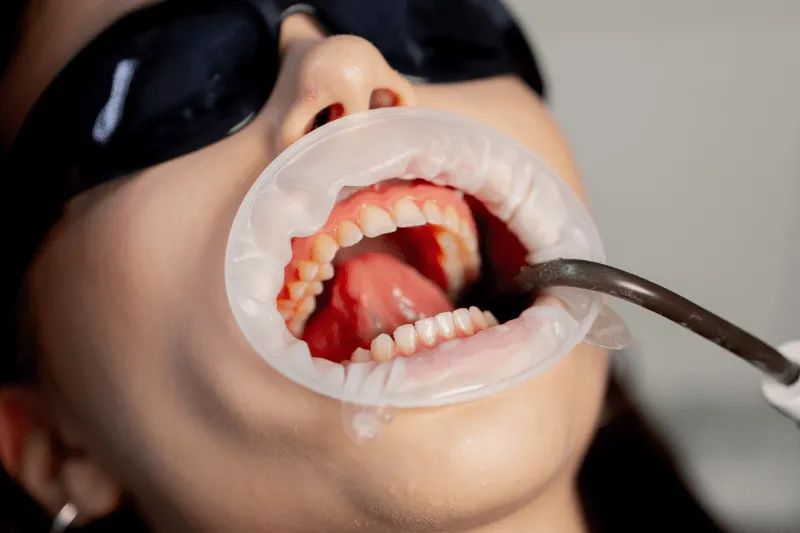
Laser whitening is the most technological version of in-office applications. In this method, a special gel applied to the teeth is activated with laser light of a specific wavelength. The energy provided by the laser helps the whitening agent penetrate deeper into the tooth by allowing the oxygen inside to be released faster. This shortens the treatment time and provides more effective results on more stubborn stains. Compared to standard light-sourced whitening, laser offers a more focused energy that reduces the risk of thermal damage. It is one of the most popular options for patients who have limited time and want maximum whiteness. Results are generally seen immediately and are highly satisfactory.
Is It Safe To Use Baking Soda For Teeth Whitening At Home?
Although homemade mixtures like baking soda, lemon juice, or strawberries found on the internet are frequently encountered and might give brightness in the short term, they carry serious risks in the long run. Baking soda is an abrasive substance; it cleans by sanding down the topmost layer of the tooth enamel, not just the stain. This causes the enamel to thin, making teeth more prone to yellowing and leading to permanent sensitivity. Acidic substances like lemon juice cause erosion by softening the tooth tissue. Tooth enamel is not a tissue that can regenerate itself; once damaged, there is no turning back. Therefore, abrasive methods claimed to be “natural” should be avoided, and scientifically tested products should be preferred.
Is Teeth Whitening Suitable For All Age Groups?
For the teeth whitening process, the individual is generally expected to have completed their tooth and gum development. Therefore, it is not recommended to perform whitening on young people under the age limit of 16-18. Since the pulp (tooth nerve) chamber is larger in young teeth, whitening gels can lead to severe sensitivity and nerve damage. In elderly patients, since conditions like gum recession or enamel wear are common, a detailed examination is required before application. It is also recommended for pregnant and breastfeeding women to postpone such chemical procedures. An ideal candidate is a healthy adult with healthy gums, no fillings or crowns on front teeth, and a fully developed tooth structure.
Can Porcelain Teeth Or Fillings Be Whitened?
A very important technical detail is this: Teeth whitening gels are only effective on natural tooth tissue. Porcelain crowns, laminate veneers, composite fillings, or implant-supported prostheses do not respond to the whitening process. If you have colored fillings or crowns on your front teeth, your natural teeth will lighten after whitening, but the artificial materials will remain the same color. This can lead to an aesthetically incompatible appearance. Therefore, the teeth whitening process should be performed before prosthetic treatments (crowns, filling renewals, etc.). This way, new crowns can be adjusted according to your new, whitened tooth color. If you already have crowns and are not satisfied with their color, the only solution is to replace these crowns with ones in a lighter shade.
How Long Does The Teeth Whitening Process Take?
Treatment time varies according to the preferred method and the targeted whiteness level. In-office whitening is usually completed in a single session of 45 to 60 minutes. During this time, the gel is applied in 2-3 cycles of 15 minutes each. In professional home-type kits, trays are worn for 1-2 hours a day or overnight according to the physician’s recommendation, and this process lasts for 1 to 2 weeks. In over-the-counter products, it can sometimes take a month to see results. The clinical setting is always the most efficient way for those who want fast results. Within the hustle and bustle of modern life, it is now possible to have a brand new smile in just the time of a lunch break.
What Can Be Done To Prevent Teeth From Yellowing?
Preventive care is of vital importance to protect the results after whitening or the current color. Using a straw when consuming colored beverages (especially iced tea or acidic fruit juices) reduces the contact of the liquid with the front teeth. Rinsing the mouth with water after meals prevents food residues and acids from adhering to the enamel. Having regular professional dental cleaning (scaling) prevents the accumulation of superficial stains and preserves the natural brightness of the teeth. Electric toothbrushes are more effective in plaque cleaning than manual brushing and delay stain formation. Additionally, you can provide protection without abrading your enamel by using toothpastes labeled “whitening” a few times a week alternately, rather than continuously.
Are Whitening Toothpastes Truly Effective?
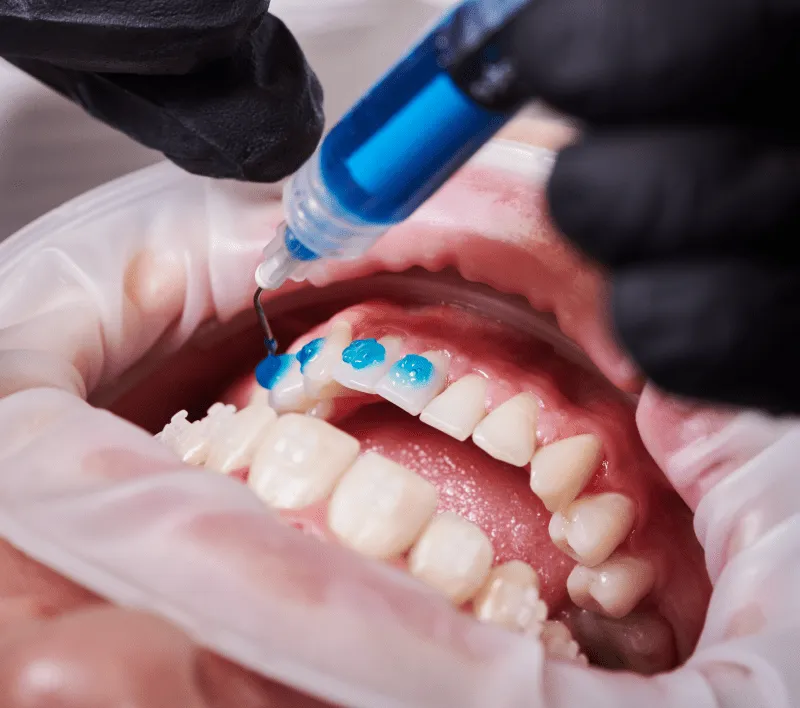
The working principle of whitening toothpastes is to mechanically clean newly formed stains on the surface rather than changing the actual color of the tooth. Most of these toothpastes contain mild abrasives or surfactants. Their capacity to lighten the actual color tone of the tooth is limited; that is, they cannot perform internal whitening. However, after a professional whitening process, they are very useful as a helpful product for preserving the result and preventing the accumulation of coffee/tea stains. Since using toothpastes containing very harsh abrasives for a long time can scratch the enamel, products with low RDA (abrasiveness ratio) values should be selected. They are ideal for maintaining existing cleanliness rather than a miraculous change.
Is Teeth Whitening A Permanent Procedure?
Unfortunately, no teeth whitening method is “permanent for a lifetime.” Our teeth are living tissues and are constantly under the influence of the foods we eat, the beverages we consume, and the chemical balance within the mouth. The whiteness obtained is generally preserved between 6 months and 2 years, depending on the person’s lifestyle. In individuals who smoke and consume heavy caffeine, the color relapse is faster, while in those who pay attention to oral hygiene, this period is extended. For the preservation of color, “reminder sessions” performed once a year or home-type supports for a few days under physician control are generally recommended. Teeth whitening should be seen as part of continuous maintenance.
Is Pain Felt During The Teeth Whitening Process?
Teeth whitening is not a painful procedure, but a feeling of “sensitivity” may develop. This sensitivity is usually described as a sharp flash or an electric shock sensation (zingers). This is because the whitening gel temporarily opens the enamel pores and the nerve endings are stimulated. Substances such as potassium nitrate and fluoride added into the gels used in modern clinics minimize this feeling. Patients with a low pain threshold can use simple painkillers during or after the procedure. It is not pain, but a temporary discomfort, and this feeling decreases within hours after the procedure is finished. Your physician is equipped to plan the most comfortable experience for you.
Do Antibiotic Stains Disappear With Teeth Whitening?
Specific antibiotics (especially tetracycline) used during childhood can cause permanent internal discolorations in the form of grayish or brownish bands in the structure of the tooth. These types of stains are much more resistant to whitening than external stains (tea, coffee). Standard whitening methods may not be able to completely eliminate these stains, but the color can be significantly lightened with several sessions of intensive in-office applications. If antibiotic stains are very deep and whitening does not give satisfactory results, aesthetic restorations such as porcelain laminates or bonding should be considered. Nevertheless, starting the process with whitening is always a more conservative and correct approach.
What Are The Regional Factors Determining Teeth Whitening Prices?
Costs in dental treatments vary according to the quality of the service offered and the city where the clinic is located. In large metropolises, rent, personnel, and access to advanced technology costs are higher, so prices are shaped accordingly. Additionally, competition is higher in regions where health tourism is developed, and this allows for more advantageous packages to be offered to patients. For patients coming from abroad, teeth whitening prices can be made much more attractive with packages including transportation, accommodation, and treatment. When researching prices, it is necessary to pay attention not only to the figure but also to the brand of the materials used and the additional services offered (examination, cleaning, etc.).
How Are Teeth With Root Canal Treatment Whitened?
A tooth that has undergone root canal treatment can darken from the inside over time because it has lost its vitality. This situation cannot be corrected with standard whitening gels applied from the outside. In the method called “internal bleaching,” the old filling inside the tooth is opened and a special whitening agent is placed inside the tooth. This agent stays in the tooth for a few days and the process can be repeated until the desired color tone is reached. When the targeted color is obtained, the tooth is closed with a permanent filling. This method gives great aesthetic results in cases where the color of a single tooth is different from the others. Thus, you preserve the natural structure of a healthy tooth by saving it from having a crown made.
Is Dental Scaling Necessary Before Teeth Whitening?
Yes, in order to get maximum efficiency from the teeth whitening process, the teeth must have a clean surface. Dental stones (tartar) and plaques prevent the whitening gel from contacting the enamel tissue. This can cause patchy or uneven whitening on the teeth. Physicians generally perform a professional dental cleaning (scaling and polishing) immediately before the whitening session. This pre-cleaning allows for checking the health of the gums and enables the gel to penetrate better. Whitening performed in a cleaned mouth is both more hygienic and the results are much more homogeneous.
In Which Situations Is Teeth Whitening Not Recommended?
Although teeth whitening is safe, it should be postponed or not performed in some exceptional cases. In individuals with active gum disease, untreated cavities, or deep enamel cracks, chemical agents can leak into these damaged areas and lead to severe pain and inflammation. Additionally, in individuals with excessive “transparency” in their teeth, whitening can cause the teeth to look grayer. Those with a risk of allergic reactions should avoid peroxide-based products. Your physician will determine whether your teeth are “ready” for this procedure during the examination. If there is an obstacle, these problems should be treated first, and then the whitening stage should be started.
What Are The Psychological Effects Of Teeth Whitening?
The positive effects of a bright and white smile on human psychology have been scientifically proven. Individuals who are embarrassed by the color of their teeth usually smile by covering their mouths or avoid speaking. This situation can lead to social phobia and a lack of self-confidence. It has been observed that after whitening, individuals smile more often, communicate more comfortably, and feel more energetic. From job interviews to private dates, “smiling confidence” gives you a great advantage in every area of life. An aesthetic improvement often changes the person’s perspective of themselves and triggers a more positive lifestyle.
Is It Possible To Whiten Teeth Naturally At Home?
While there are myths that some materials found in the kitchen whiten teeth, most of them actually harm your teeth. For example, malic acid in strawberries or acetic acid in vinegar softens tooth enamel and causes calcium loss. Using activated charcoal can leave irreversible scratches on the enamel because it is a very harsh abrasive. “Natural” does not always mean “safe.” Professionally formulated scientific gels target color pigments without damaging the enamel. Methods you try on your own can cause damage large enough to require porcelain crowns in the future. The safest way is to prefer professional products.
When Are Teeth Whitening Results Actually Visible?
In laser-assisted in-office whitening, results are seen instantly as soon as the procedure is over, which is about an hour. You notice your teeth have lightened several shades when you get up from the chair. However, it takes about 24-48 hours for the procedure to fully settle and for the teeth to rehydrate (regain water balance). At the end of this period, the real color becomes clear. In home kits, the change is gradual; the first noticeable results usually start after the 3rd or 4th day. Results reached at the end of a patient process can be more permanent. If a fast change is required (before events like weddings or graduations), in-office whitening is the most correct choice.
How Many Shades Can Teeth Whitening Lighten Your Teeth?
The result of the whitening process is personal according to the person’s tooth structure and starting color. Everyone’s teeth may not reach a “snow white” tone. Teeth have a genetic “saturation point.” Generally, a lightening between 5 and 8 shades is expected. Yellowish teeth respond best to whitening, while grayish teeth can be harder to lighten. Your physician determines your current tone using a color scale before the procedure and creates a realistic expectation. The goal is a natural and healthy-looking whiteness that is compatible with your face. Instead of an excessively artificial-looking whiteness, a vibrant and clean look is always more aesthetic.
What Is The Difference Between Teeth Whitening And Dental Cleaning?
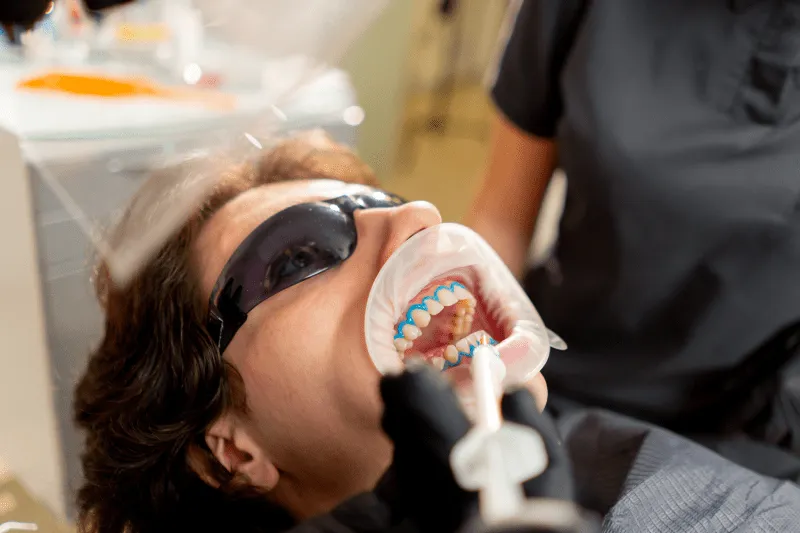
These two procedures are frequently confused with each other, but their purposes are completely different. Dental cleaning (scaling) is a health-oriented procedure that cleans tartars, bacterial plaque, and superficial stains on the teeth. It returns teeth to their own natural color but does not lighten the color. Teeth whitening (bleaching) is an aesthetic application that makes the actual color of the tooth several shades lighter with chemical methods. While one is the foundation of oral health, the other is an aesthetic preference. For the best results, the ground should be prepared by doing dental cleaning first, and then the aesthetic finale should be made with whitening.
Is It Harmful If Teeth Whitening Gels Are Swallowed?
In professional in-office whitening, there is no risk of swallowing the gels because the physician completely isolates the teeth and collects excess gel with special vacuums. In home kits, the amount of gel must be very well adjusted so that it does not overflow outside the tray. Accidentally swallowed very small amounts of gel can usually cause nausea or slight throat irritation and do not carry a serious risk of poisoning. However, the peroxide substance contained in the gels is an oxidant for tissues; therefore, regular swallowing is not recommended. Using your trays as described by your physician and cleaning excess gel immediately is sufficient for your safety.
What Should You Consider When Choosing A Teeth Whitening Kit?
If you want to apply it yourself at home, you must make sure that the set you buy is approved by health authorities (FDA, Ministry of Health, etc.). Products from unknown brands may contain uncontrolled acid rates and can burn your enamel irreversibly. In sets containing light devices, remember that the light only has a function of heating the gel and the gel does the actual work. If possible, consult a dentist and ask them to recommend a set containing the most appropriate concentration for you. The “cheapest” product is usually not the “safest” product. Your smile is too valuable to be risked with poor quality products.
What Is The Difference Of Getting Teeth Whitening Treatment With Cure Holiday?
Cure Holiday offers you a unique opportunity by combining modern dentistry services with a comfortable holiday experience. In the teeth whitening process, state-of-the-art devices and world-standard approved whitening agents are used. The expert medical staff prepares personalized treatment plans by analyzing the tooth structure of each patient in detail. At Cure Holiday, you don’t just buy a treatment; you purchase a care process where you will feel privileged. Thanks to the hygienic clinic environment, friendly staff, and professional approach, your teeth whitening session turns from a source of stress into a pleasant transformation.
Why Should Cure Holiday Be Preferred For Teeth Whitening?
Cure Holiday is in a leading position in the sector in offering high quality at accessible prices. Especially for patients coming from abroad, teeth whitening prices are offered in much more economical packages compared to their own countries. The institution keeps patient comfort at the highest level by using the latest laser technologies and gels with a minimum sensitivity guarantee. While planning your treatment, not only whiteness but also the health of your gums and the compatibility of your smile with your facial features are taken into account. Cure Holiday promises a reliable and transparent service process in addition to aesthetic results, which protects you from unexpected surprises.
How Is The Treatment Process Planned With Cure Holiday?
From the moment you contact Cure Holiday, a professional team of consultants begins to guide you. In the first stage, a preliminary evaluation is made through photos of your teeth and the most appropriate whitening method for you is determined. Every detail, from your transportation to your accommodation, from your transfers to your appointment times, is organized in advance for your comfort. After a comprehensive examination during the clinic visit, your teeth are prepared for the whitening process. After the procedure, detailed training and maintenance kit support are offered on how to preserve the color of your teeth. The process is completed smoothly and peacefully from beginning to end.
Are You Ready To Achieve Your Dream Smile With Cure Holiday?
A bright white smile is no longer a dream; it is just a decision away. Cure Holiday aims to provide you not only with an aesthetic look but also with a life-changing self-confidence. We are with you with our professional support to get rid of the stains that have accumulated over the years on your teeth and to smile with happiness every time you look in the mirror. You can contact us for the best teeth whitening prices and the highest quality service standards. Remember, your most beautiful accessory is your smile, and it deserves the best care. Take your appointment today and start shining with the Cure Holiday difference!
Why Is Cure Holiday The Best Choice For International Patients?
Choosing Cure Holiday for your dental needs means opting for excellence in both medical care and hospitality. International patients often struggle with high costs and long waiting lists in their home countries; however, Cure Holiday eliminates these barriers by providing immediate, high-quality care in a serene environment. The bilingual staff ensures that there is no communication gap, making you feel at home throughout your journey. By integrating your treatment with a relaxing holiday, you return home not only with a radiant new smile but also with refreshed energy and wonderful memories. Trusting your smile to Cure Holiday is the first step toward a brighter, more confident version of yourself.
Free Consultation
Fill out the form below to get your free medical travel plan and price quote.
Sources and how to verify this yourself
- Howe M-S, Keys W, Richards D. Long-term (10-year) dental implant survival: a systematic review and sensitivity meta-analysis. Journal of Dentistry, 2019 — pooled 10-year implant survival 96.4% (95% CI 95.2–97.5%); conservative sensitivity estimate 93.2%. source
- Ministry of Health, Regulation on International Health Tourism and Tourist Health, Official Gazette 26 April 2025, No. 32882 — authorisation requirement for facilities and intermediaries, TÜSKA accreditation, compulsory complication insurance (deadline 31 December 2025 for insurance, 31 December 2026 for accreditation). source
- Ministry of Health, Regulation on Promotion and Information Activities in Health Services, Official Gazette 12 November 2025, No. 33075 — treatment promises and guarantees are prohibited; price and campaign announcements are permitted only within international health tourism. source