About the prices on this page. The figures below are indicative market prices and country comparisons, not a quote. Our own current, all-inclusive prices are published on our dental treatment in Turkey page, and we confirm your figure in writing before you commit to anything.
Dental Implants in Turkey: Reclaiming Your Smile and Your Confidence
For many, the dream of a complete and healthy smile feels distant. Lost teeth can impact not only aesthetics but also daily functions like eating and speaking, profoundly affecting confidence and quality of life. Increasingly, individuals are turning to dental implants as a permanent solution, and Turkey has emerged as a premier destination for high-quality dental implant treatment, coupled with significant cost savings. From stunning ‘Hollywood Smile’ transformations leveraging materials like Zirconium and E-max crowns, to the advanced application of globally-recognized implant systems such as Straumann and Nobel Biocare, Turkey offers a compelling blend of expertise and affordability. Antalya, in particular, has rapidly become a hub for tooth tourism, attracting patients seeking full mouth restorations at prices ranging from $5,000 to $15,000 – a considerable reduction compared to the $30,000+ typically seen in countries like the UK.
Understanding Dental Implant Success Rates
The success of dental implants is a primary concern for anyone considering the procedure. Fortunately, dental implants boast exceptionally high success rates, often exceeding 95% over a 10-15 year period, and even higher with meticulous patient care and adherence to post-operative instructions. These rates are comparable to, and in some cases surpass, those achieved in countries with traditionally higher healthcare costs. Several factors contribute to these impressive statistics:
- Biocompatibility: Modern dental implants are typically made of titanium or zirconium – materials highly compatible with the human body, minimizing the risk of rejection.
- Osseointegration: This crucial process involves the implant fusing directly with the jawbone, creating a strong and stable foundation for the replacement tooth.
- Surgical Precision: The skill and experience of the implant dentist are paramount. Turkish clinics specializing in dental tourism often employ highly trained and qualified professionals.
- Patient Health: Overall health, including oral hygiene and the absence of uncontrolled systemic diseases (like diabetes), significantly impacts implant success.
Factors Influencing Long-Term Implant Stability
While dental implants are designed to last a lifetime, maintaining their stability and functionality requires ongoing attention. Here are key factors that can influence long-term outcomes:
- Bone Density: Sufficient bone volume and density are crucial for successful osseointegration. Patients with bone loss may require bone grafting procedures prior to implant placement.
- Gum Health: Peri-implantitis, an inflammation of the tissues surrounding the implant, is a major cause of implant failure. Maintaining excellent gum health through regular cleaning and check-ups is essential.
- Proper Bite (Occlusion): An uneven bite can place excessive stress on the implants, potentially leading to complications. Skillful crown design and adjustment are vital.
- Lifestyle Choices: Smoking significantly reduces blood flow to the gums and jawbone, increasing the risk of implant failure. Excessive alcohol consumption can also negatively impact healing.
The Dental Implant Process in Turkey: A Brief Overview
The process of receiving dental implants in Turkey generally follows these steps:
- Initial Consultation & Planning: A thorough examination, including X-rays and potentially a CT scan, is conducted to assess your oral health and bone density. A personalized treatment plan is developed.
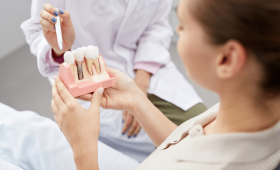
- Implant Placement: The implant, a small titanium or zirconium post, is surgically placed into the jawbone. This may be done immediately after tooth extraction or as a separate procedure.
- Osseointegration Period: This healing phase typically lasts several months, allowing the implant to fuse with the bone.
- Abutment Placement: An abutment, a connector piece, is attached to the implant.
- Crown Fitting: The final restoration – a custom-made crown, bridge, or denture – is attached to the abutment, completing the process. Crowns are frequently crafted from aesthetically pleasing materials like Zirconium or E-max for a natural-looking result.
Maintenance & Aftercare: Ensuring a Lifetime of Smiles
Post-implant care is paramount to long-term success. This includes:
- Strict Adherence to Oral Hygiene: Brushing and flossing daily, paying particular attention to the area around the implants.
- Regular Dental Check-ups: Visiting your dentist for professional cleanings and examinations at least twice a year.
- Avoidance of Hard or Sticky Foods: Especially during the initial healing phases.
- Professional Cleaning: Regular professional cleaning to remove plaque and tartar buildup around the implant.
Considering dental implants in Turkey? cureholiday.com offers comprehensive dental implant packages, connecting you with experienced surgeons, utilizing advanced technologies, and providing end-to-end support throughout your journey. We streamline the entire process, from initial consultation and treatment planning to accommodation and post-operative care, ensuring a seamless and stress-free experience. Let cureholiday.com help you rediscover the joy of a confident and healthy smile – affordably and reliably.
Dental Implants in Turkey: Long-Term Success & Maintenance
Turkey has rapidly become a leading destination for dental implant procedures, attracting patients from across Europe, North America, and beyond. This surge in ‘tooth tourism’, particularly in cities like Antalya, is driven by the opportunity to achieve stunning transformations – often referred to as a ‘Hollywood Smile’ – using high-quality materials like Zirconium and E-max crowns, combined with internationally recognized implant systems such as Straumann and Nobel Biocare. The most compelling factor? Significant cost savings. A full mouth restoration utilizing dental implants can be completed for between $5,000 and $15,000 in Turkey, compared to $30,000 or more in countries like the UK. However, cost is only one piece of the puzzle. Long-term success relies heavily on meticulous planning, skilled execution, and, crucially, diligent aftercare. This section delves into the elements that contribute to a successful and lasting dental implant experience in Turkey, and how to ensure your new smile remains healthy for years to come.
Understanding Dental Implant Success Rates
Dental implants boast one of the highest success rates of any surgical implant procedure, often exceeding 95% over a 10-15 year period. However, these figures aren’t guaranteed and are heavily influenced by several key factors. These include the patient’s overall health, bone density (as discussed in Part 1), the skill of the surgeon, the quality of the implant and crown materials, and, most importantly, post-operative care. Factors like smoking, uncontrolled diabetes, and poor oral hygiene can significantly reduce success rates. It’s essential to openly discuss any pre-existing conditions with your dental professional to accurately assess your suitability for implants.
Detailed Post-Implant Care: A Step-by-Step Guide
Following the procedures outlined in Part 1 – from initial assessment and treatment planning through implant placement, osseointegration, abutment placement, and crown fitting – a dedicated post-operative care regimen is critical. Here’s a breakdown of what to expect and how to maximize the lifespan of your dental implants:
- Immediate Post-Operative Period (First 24-48 Hours): Expect some swelling, bruising, and discomfort. Strictly adhere to the post-operative instructions provided by your surgeon, which typically include a soft diet, pain medication, and gentle ice packs. Avoid strenuous activity and refrain from rinsing vigorously.
- First Week: Continue with a soft diet and gentle oral hygiene practices. The surgeon may recommend a chlorhexidine mouthwash to maintain a sterile environment. Contact your surgeon immediately if you experience excessive bleeding, severe pain, or signs of infection (fever, pus).
- Osseointegration Phase (3-6 Months): This is a crucial period. Gradually introduce more solid foods as comfort allows, but continue to avoid excessively hard or sticky items that could disrupt the osseointegration process. Maintain meticulous oral hygiene – gentle brushing and flossing around the implant site.
- Abutment & Crown Phase: Once the abutment and crown are fitted, you can resume a more normal diet. However, be mindful of biting forces and avoid habits like teeth grinding (bruxism), which can put excessive stress on the implants.
- Long-Term Maintenance (Ongoing): This is the cornerstone of lasting success.
The Importance of Professional Dental Cleanings
Regular professional cleanings are non-negotiable. Unlike natural teeth, implants do not have the ability to repair themselves. Plaque and tartar buildup around the implant can lead to peri-implantitis, an inflammatory condition that affects the tissues surrounding the implant, potentially leading to implant failure. Your dentist or periodontist will use specialized instruments to gently remove plaque and calculus from around the implant and abutment, ensuring the health of the surrounding gums and bone. The frequency of these cleanings – typically every six months – will be determined by your individual needs.
Comparing Implant Materials & Systems
The choice of implant material and system significantly impacts long-term success. Here’s a brief comparison:
| Feature | Titanium Implants | Zirconium Implants |
|---|---|---|
| Material | Titanium alloy | Zirconium dioxide ceramic |
| Biocompatibility | Excellent, well-established track record | Excellent, increasingly popular for its aesthetic properties |
| Strength | Very high | High, though generally slightly less than titanium |
| Aesthetic Appearance | Greyish color may be visible through thin gums | White color closely resembles natural teeth |
| Cost | Generally less expensive | Generally more expensive |
Commonly used implant systems in Turkey include Straumann, Nobel Biocare, and Ankylos. These systems are renowned for their quality, reliability, and long-term performance. cureholiday.com partners with clinics utilizing these top-tier implant systems, ensuring you receive the highest standard of care.
Planning Your Dental Implant Journey with cureholiday.com
Choosing to undergo dental implant treatment in Turkey can be a life-changing experience. However, navigating the process – from finding a qualified surgeon to arranging accommodation and post-operative care – can be daunting. cureholiday.com simplifies the entire journey. We offer:
- Expert Surgeon Network: Access to highly experienced and qualified dental implant specialists.
- Comprehensive Packages: All-inclusive packages covering consultations, treatment, accommodation, and airport transfers.
- Advanced Technology: Clinics equipped with state-of-the-art technology, including 3D imaging and CAD/CAM dentistry.
- Dedicated Support: A dedicated patient coordinator to guide you through every step of the process, providing personalized support and answering your questions.
- Peace of Mind: Ensuring a seamless and stress-free experience, allowing you to focus on achieving a beautiful, healthy smile.
Don’t just dream of a brighter smile – make it a reality with cureholiday.com. for a free consultation and discover how we can help you achieve the smile you deserve, affordably and reliably in Turkey.
Maximizing Implant Longevity: Post-Operative Care & Long-Term Success
Turkey has rapidly become a premier destination for dental implant procedures, attracting patients globally with its combination of highly skilled surgeons, advanced technology, and significantly reduced costs. Full mouth restorations, including dental implants and often culminating in procedures like the ‘Hollywood Smile’ using Zirconium or E-max crowns, can be achieved for between $5,000 and $15,000, a considerable saving compared to the $30,000+ costs typically seen in countries like the UK. However, cost-effectiveness is only one piece of the puzzle. Long-term success hinges on diligent post-operative care and understanding the factors that contribute to implant longevity. Antalya, in particular, has emerged as a thriving hub for dental tourism, offering comprehensive treatment packages and a supportive environment for international patients.
The Immediate Post-Operative Period (First Few Weeks)
The initial weeks following dental implant placement are crucial for osseointegration – the process where the implant fuses with the jawbone. Disrupting this process can jeopardize the entire treatment. Here’s a detailed breakdown of immediate post-operative care:
- Pain Management: Some discomfort is normal. Your surgeon will prescribe pain medication. Adhere to the dosage instructions carefully.
- Swelling & Bruising: Expect swelling and bruising around the surgical site. Applying ice packs (20 minutes on, 20 minutes off) for the first 48-72 hours can minimize this.
- Diet: A soft food diet is essential. Avoid hard, crunchy, or chewy foods that could put stress on the implant site. Examples include soups, yogurt, mashed potatoes, and smoothies.
- Oral Hygiene: Gentle rinsing with salt water (warm, not hot) is recommended after meals. Avoid brushing directly around the implant site initially; follow your surgeon’s specific instructions regarding brushing and flossing.
- Medication: Complete the full course of any prescribed antibiotics to prevent infection.
- Rest: Adequate rest is vital for healing. Avoid strenuous activities for at least the first week.
Long-Term Maintenance & Potential Complications
While dental implants are incredibly durable, they aren’t immune to problems. Consistent maintenance and prompt attention to any issues are essential for a lifetime of successful function.
Preventative Measures
Regular Dental Check-ups: Schedule regular dental check-ups (every 6 months) with your dentist – or, if you return home, communicate with your local dentist about your implants. Professional cleanings remove plaque and tartar buildup, preventing peri-implantitis (inflammation around the implant).
Oral Hygiene: Maintain excellent oral hygiene at home. Brush twice daily with a soft-bristled toothbrush and floss daily. Consider using an interdental brush or water flosser to clean between implants and adjacent teeth.
Avoid Harmful Habits: Refrain from smoking, as it significantly impairs healing and increases the risk of implant failure. Limit alcohol consumption, as it can also hinder healing and compromise oral health.
Potential Complications & Warning Signs
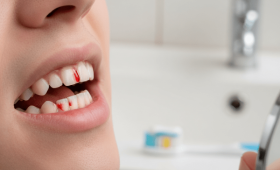
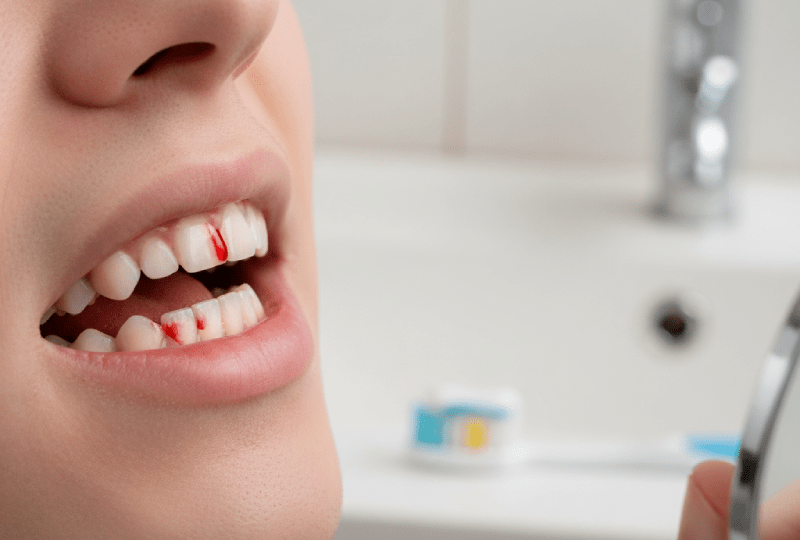
Peri-Implantitis: This is the most common complication. Symptoms include redness, swelling, bleeding around the implant, and pus formation. Early detection and treatment are crucial to prevent bone loss and eventual implant failure.
Implant Failure: While rare, implants can fail to integrate with the bone (early failure) or become loose over time (late failure). Factors contributing to failure include infection, excessive stress, and underlying health conditions.
Mechanical Issues: The crown or abutment (connecting piece) can sometimes become loose or damaged. Prompt repair or replacement is necessary.
Nerve Damage: Though uncommon, nerve damage can occur during implant placement, leading to numbness or tingling in the lip, chin, or tongue.
Comparing Implant Materials & Long-Term Outcomes
| Feature | Titanium Implants | Zirconium Implants |
| Biocompatibility | Excellent, long-established | Excellent, increasingly recognized |
| Strength & Durability | Superior, highly resistant to fracture | Slightly less than titanium |
| Aesthetic Appearance | Greyish color may be visible through thin gums | White color closely resembles natural teeth |
| Cost | Generally more expensive | Generally less expensive |
The choice between Titanium and Zirconium implants often depends on patient preference and aesthetic considerations. Both materials offer excellent biocompatibility, meaning they are well-tolerated by the body. However, long-term studies continue to expand our understanding of Zirconium’s performance.
Planning Your Dental Implant Journey with cureholiday.com
At cureholiday.com, we understand that choosing dental implants is a significant investment in your health and well-being. We are dedicated to providing a seamless and stress-free experience, from initial consultation to post-operative care. We partner with leading clinics in Turkey, utilizing renowned implant systems like Straumann and Nobel Biocare, guaranteeing the highest standard of treatment. We offer:
- Expert Surgeon Network: Access to highly experienced and qualified dental implant specialists.
- Comprehensive Packages: All-inclusive packages covering consultations, treatment, accommodation, and airport transfers.
- Advanced Technology: Clinics equipped with state-of-the-art technology, including 3D imaging and CAD/CAM dentistry.
- Dedicated Support: A dedicated patient coordinator to guide you through every step of the process, providing personalized support and answering your questions.
- Peace of Mind: Ensuring a seamless and stress-free experience, allowing you to focus on achieving a beautiful, healthy smile.
Don’t let dental concerns hold you back. cureholiday.com can help you achieve the smile you deserve, affordably and reliably in Turkey. for a free consultation and let our experienced team guide you through every step of the journey. We prioritize your comfort, safety, and long-term satisfaction.
Maintaining Your Investment: Long-Term Implant Success
Dental implants, while remarkably durable, are not a ‘fit and forget’ solution. Achieving long-term success hinges on diligent post-operative care and a commitment to maintaining excellent oral hygiene. While Turkey presents a highly affordable avenue for receiving world-class implant treatment – with full mouth restorations costing between $5,000 and $15,000 compared to $30,000+ in locations like the UK – preserving that investment requires ongoing effort. Antalya, a leading destination for dental tourism, offers not only cost savings but also access to skilled professionals specializing in implant dentistry. This section details the crucial aspects of long-term implant maintenance, ensuring you enjoy a functional and aesthetically pleasing smile for decades to come.
The longevity of dental implants is truly impressive. With proper care, implants can last a lifetime. However, the success rate is directly linked to adherence to recommended maintenance protocols. Peri-implantitis, an inflammatory condition affecting the tissues around an implant, is the primary threat to long-term stability. This condition, similar to periodontitis (gum disease) affecting natural teeth, can lead to bone loss and, ultimately, implant failure.
Essential Post-Implant Care Practices
Immediately following your implant procedure in Turkey, strict adherence to post-operative instructions is paramount. This typically includes:
- Soft Diet: Consuming soft foods for the first few days to allow the surgical site to heal.
- Oral Hygiene: Gently cleaning the surgical area with a prescribed mouthwash. Avoid brushing directly over the implant site initially.
- Pain Management: Taking any prescribed pain medication as directed.
- Avoidance of Irritants: Refraining from smoking, alcohol, and excessively hot or spicy foods.
Beyond the initial healing phase, a consistent oral hygiene routine is vital. This includes:
- Brushing: Brushing twice daily with a soft-bristled toothbrush, paying attention to the implant site.
- Flossing: Daily flossing to remove plaque and debris from between teeth and around the implant. Special interdental brushes can be particularly effective for cleaning around implants.
- Mouthwash: Using an antibacterial mouthwash as recommended by your dentist.
- Regular Dental Check-ups: Crucially, scheduling regular check-ups and cleanings with a qualified dentist, both in Turkey and upon your return home. These appointments allow for professional cleaning, assessment of implant stability, and early detection of any potential problems.
The Role of Materials in Long-Term Maintenance
Both Titanium and Zirconium implants require diligent care, but subtle differences exist. Zirconium, increasingly popular for its aesthetic qualities and biocompatibility (often used for ‘Hollywood Smile’ transformations), may exhibit slightly different tissue attachment characteristics compared to Titanium. Therefore, meticulous plaque control is especially important around Zirconium implants. Regardless of the material chosen, regular professional cleaning is essential to prevent biofilm accumulation and potential peri-implantitis.
Addressing Potential Complications
Even with diligent care, complications can occasionally arise. Early detection and treatment are crucial. Common issues include:
- Peri-implantitis: As previously discussed, inflammation around the implant.
- Implant Loosening: Although rare with modern implant systems like Straumann and Nobel Biocare, loosening can occur due to bone loss or mechanical failure.
- Screw Loosening: The screws that connect the implant to the crown can sometimes loosen, requiring tightening.
- Crown Damage: Crowns can chip or fracture and may require repair or replacement.
Frequently Asked Questions (FAQ)
- How often should I have my implants checked? Regular check-ups every 6 months are recommended, or as advised by your dentist.
- Can I still get cavities on my implant crown? No, the implant itself cannot decay, but the crown can still be susceptible to chipping or damage.
- Is peri-implantitis common? While the risk is present, it can be minimized with excellent oral hygiene and regular professional cleanings.
- What should I do if my implant feels loose? Contact your dentist immediately for evaluation.
- Does smoking affect implant success? Yes, smoking significantly increases the risk of implant failure and peri-implantitis.
- Can I eat any foods after getting implants? Initially, a soft diet is recommended. Over time, you can gradually return to a normal diet, but avoid excessively hard or sticky foods.
- How long will my implants last? With proper care, implants can last a lifetime.
cureholiday.com is committed to your long-term oral health. We don’t just facilitate your treatment in Turkey; we provide ongoing support and guidance to ensure your implant investment lasts a lifetime. Our comprehensive packages include detailed post-operative instructions and access to a dedicated patient coordinator to answer any questions you may have, even after you return home. We work with clinics utilizing leading implant systems like Straumann and Nobel Biocare, and prioritize clinics with robust follow-up care programs.
Choosing cureholiday.com means prioritizing your comfort, safety, and long-term satisfaction. We provide seamless travel arrangements, comfortable accommodation, and access to highly qualified dental professionals in Turkey, all at a fraction of the cost you would expect elsewhere. for a free consultation and begin your journey towards a confident, healthy smile that will last a lifetime.
Maintaining Your Investment: Long-Term Implant Care & Success
Turkey has rapidly become a global hub for dental tourism, particularly renowned for transformative treatments like full-mouth restorations and dental implants. Cities like Antalya are now considered leading destinations for those seeking high-quality dental work at significantly reduced costs – often saving patients $5,000 to $15,000 on full mouth restorations compared to prices in countries like the UK, where similar procedures can exceed $30,000. This cost-effectiveness, combined with the availability of premium implant systems like Straumann and Nobel Biocare, makes Turkey an attractive option. However, a successful outcome isn’t solely about the initial procedure; diligent long-term care is paramount. This section will outline the essential steps for maintaining your dental implants in Turkey and ensuring their longevity.
Beyond the Clinic Walls: Your Role in Implant Success
While the skill of the dental professional and the quality of the implant system are critical, your commitment to post-operative care is equally vital. Implants boast exceptionally high success rates, often exceeding 95% when maintained properly. However, these rates can diminish significantly with inadequate oral hygiene or a failure to adhere to recommended follow-up schedules. Think of your implant as an investment – regular maintenance protects that investment and maximizes its lifespan.
The Immediate Post-Operative Period (First Few Weeks)
The initial weeks following implant placement require a gentle approach. Expect some discomfort, swelling, and potentially bruising. Following your dentist’s specific instructions is crucial. These will typically include:
- Diet: A soft food diet, avoiding hard, crunchy, or chewy foods that could disrupt the healing process.
- Oral Hygiene: Gentle cleaning with a soft-bristled toothbrush and a non-abrasive toothpaste. Your dentist may recommend a special mouthwash, often containing chlorhexidine, to prevent infection.
- Pain Management: Over-the-counter pain relievers are usually sufficient. Avoid aspirin, as it can thin the blood and potentially hinder healing.
- Rest: Allow adequate time for rest and avoid strenuous activity.
Long-Term Oral Hygiene Practices
Once the initial healing phase is complete, maintaining a rigorous oral hygiene routine is essential. This includes:
- Brushing: Brush your teeth at least twice a day with fluoride toothpaste, paying particular attention to the area around the implant crown.
- Flossing: Floss daily to remove plaque and food particles from between your teeth and around the implant. Interdental brushes can be particularly effective in cleaning around implants.
- Mouthwash: Using an antibacterial mouthwash can help control bacteria and maintain a healthy oral environment.
- Professional Cleanings: Regular dental cleanings (every 6 months, or as advised by your dentist) are crucial for removing plaque and tartar buildup that you cannot remove at home.
Understanding and Preventing Peri-Implantitis
Peri-implantitis is an inflammatory condition affecting the tissues surrounding the dental implant. It’s similar to periodontitis (gum disease) and can lead to bone loss and, ultimately, implant failure. Symptoms include redness, swelling, bleeding, and pus around the implant. Early detection and treatment are vital. Preventing peri-implantitis relies heavily on consistent oral hygiene and regular professional cleanings. If you notice any signs of inflammation, contact your dentist immediately.
Frequently Asked Questions About Implant Maintenance
- How often should I have my implants checked? Regular check-ups every 6 months are recommended, or as advised by your dentist.
- Can I still get cavities on my implant crown? No, the implant itself cannot decay, but the crown can still be susceptible to chipping or damage.
- Is peri-implantitis common? While the risk is present, it can be minimized with excellent oral hygiene and regular professional cleanings.
- What should I do if my implant feels loose? Contact your dentist immediately for evaluation.
- Does smoking affect implant success? Yes, smoking significantly increases the risk of implant failure and peri-implantitis.
- Can I eat any foods after getting implants? Initially, a soft diet is recommended. Over time, you can gradually return to a normal diet, but avoid excessively hard or sticky foods.
- How long will my implants last? With proper care, implants can last a lifetime.
- What type of toothpaste should I use? Use a non-abrasive fluoride toothpaste to avoid damaging the implant crown or surrounding tissues.
- Are there any warning signs I should look out for? Pay attention to any pain, swelling, bleeding, or pus around the implant.
- How often should I have my dental implants checked after treatment in Turkey?
It’s generally recommended to have your dental implants checked every 6 months by a qualified dentist. This allows for early detection of any potential issues and ensures the long-term health of your investment. - What if I experience complications with my implants after returning home?
cureholiday.com provides comprehensive post-operative support. Our dedicated patient coordinators are available to address any concerns or questions you may have, even after you’ve returned home, and can help facilitate communication with your dentist in Turkey if necessary.
cureholiday.com is dedicated to providing not just exceptional dental care in Turkey, but a complete, stress-free experience. We understand that undergoing dental implant treatment is a significant decision, and we’re committed to your long-term oral health. Our packages are designed to ensure seamless travel arrangements, comfortable accommodations, and access to the highest quality dental professionals utilizing leading implant systems like Straumann and Nobel Biocare. We prioritize clinics that demonstrate a strong commitment to follow-up care and patient satisfaction.
Don’t just dream of a confident, healthy smile – make it a reality. for a free consultation and let cureholiday.com guide you through every step of your dental implant journey in Turkey. We are passionate about transforming smiles and providing lasting value for our patients.
Ensuring Long-Term Success & Maintaining Your Dental Implants
Turkey has rapidly become a global hub for dental tourism, particularly renowned for comprehensive restorative treatments like dental implants and full mouth rehabilitation – often referred to as the ‘Hollywood Smile’. Patients are drawn to the country not only by the significantly lower costs – a full mouth restoration can range from $5,000 to $15,000 in Turkey compared to $30,000+ in countries like the UK – but also by the high standards of care available, particularly in cities like Antalya which has firmly established itself as a tooth tourism capital. However, cost savings are only one piece of the puzzle. Long-term success with dental implants hinges just as much on diligent post-operative care and regular maintenance. This final section details what you can expect in terms of longevity, potential issues, and how cureholiday.com supports you every step of the way, even after you return home.
The Longevity of Dental Implants
While no medical procedure guarantees a lifetime of success, dental implants boast exceptionally high long-term success rates. With proper care, implants can last a lifetime. Factors influencing longevity include the patient’s overall health, adherence to post-operative instructions, oral hygiene practices, and the quality of the implant system used – cureholiday.com partners with clinics utilizing leading systems like Straumann and Nobel Biocare known for their durability and biocompatibility. A well-placed implant, coupled with a healthy lifestyle, significantly increases the likelihood of decades of successful function.
Potential Complications and How to Address Them
Although rare, complications can occur. Understanding these potential issues and how to manage them is crucial. Some possible complications include:
- Peri-implantitis: This is an inflammatory condition affecting the tissues around the implant, similar to gum disease. Symptoms include bleeding, swelling, and pus around the implant. Early detection and treatment (often involving scaling, root planing, and antibiotics) are essential.
- Implant Failure: This can occur if the implant doesn’t properly integrate with the jawbone (osseointegration). It’s more common in patients with uncontrolled diabetes, heavy smokers, or those with compromised immune systems.
- Mechanical Issues: The crown or abutment connected to the implant can occasionally loosen, chip, or fracture. These issues are typically easily repaired or replaced.
- Nerve Damage: Although uncommon with experienced surgeons, there’s a small risk of nerve damage during implant placement, leading to temporary or, rarely, permanent numbness or tingling.
- Sinus Problems: When placing implants in the upper jaw, there is a potential, albeit small, risk of sinus perforation or infection.
Post-Treatment Maintenance: Your Role in Success
Your commitment to oral hygiene after receiving implants in Turkey is paramount. The maintenance routine is similar to that for natural teeth but requires extra attention to the implant-tissue interface:
- Brushing: Brush twice daily with a soft-bristled toothbrush, paying close attention to the gumline around the implants.
- Flossing: Daily flossing is essential to remove plaque and food particles from between the implants and adjacent teeth. Interdental brushes can be particularly helpful.
- Mouthwash: Use an antibacterial mouthwash to help control bacteria and reduce inflammation.
- Professional Cleanings: Regular dental check-ups and professional cleanings (every 6 months) are vital for monitoring the health of your implants and surrounding tissues. These appointments allow the dentist to identify and address any potential issues early on.
- Diet: Avoid excessively hard or sticky foods that could potentially damage the implants or restorations.
- Habits: Refrain from smoking, as it significantly impairs healing and increases the risk of complications.
cureholiday.com: Your Ongoing Support System
Choosing cureholiday.com means receiving comprehensive support that extends far beyond your treatment in Turkey. We don’t just arrange your dental work; we build a lasting relationship focused on your long-term oral health.
- How often should I have my dental implants checked after treatment in Turkey?
It’s generally recommended to have your dental implants checked every 6 months by a qualified dentist. This allows for early detection of any potential issues and ensures the long-term health of your investment. - What if I experience complications with my implants after returning home?
cureholiday.com provides comprehensive post-operative support. Our dedicated patient coordinators are available to address any concerns or questions you may have, even after you’ve returned home, and can help facilitate communication with your dentist in Turkey if necessary. - Does cureholiday.com offer assistance with finding a dentist for follow-up care in my home country?
Yes, we can provide recommendations and guidance to help you locate a qualified dentist near you for ongoing maintenance and check-ups. - What type of aftercare instructions will I receive?
You will receive detailed written and verbal aftercare instructions both from your dentist in Turkey and from our cureholiday.com patient coordinators. These instructions will cover everything from oral hygiene to dietary recommendations. - Are the implants covered by a warranty?
The implant systems used by our partner clinics (Straumann and Nobel Biocare) typically come with manufacturer’s warranties. We will provide you with detailed information regarding the specific warranty terms.
Our packages aren’t just about booking a procedure; they’re about crafting a seamless, stress-free experience. This includes arranging travel and accommodation, providing dedicated patient coordination, and offering ongoing support to ensure your peace of mind. We prioritize clinics that demonstrate a strong commitment to follow-up care and patient satisfaction, and we actively facilitate communication between you and your Turkish dental team even after your return home.
Don’t let dental problems hold you back. Embrace the confidence of a healthy, beautiful smile. for a free consultation and let cureholiday.com guide you through every step of your dental implant journey in Turkey. We’re passionate about transforming smiles and providing lasting value for our patients.
Schedule a consultation for Dental Implants Turkey Long Term in Turkey with cureholiday.com
Free Consultation
Fill out the form below to get your free medical travel plan and price quote.
Sources and how to verify this yourself
- Howe M-S, Keys W, Richards D. Long-term (10-year) dental implant survival: a systematic review and sensitivity meta-analysis. Journal of Dentistry, 2019 — pooled 10-year implant survival 96.4% (95% CI 95.2–97.5%); conservative sensitivity estimate 93.2%. source
- Ministry of Health, Regulation on International Health Tourism and Tourist Health, Official Gazette 26 April 2025, No. 32882 — authorisation requirement for facilities and intermediaries, TÜSKA accreditation, compulsory complication insurance (deadline 31 December 2025 for insurance, 31 December 2026 for accreditation). source
- Ministry of Health, Regulation on Promotion and Information Activities in Health Services, Official Gazette 12 November 2025, No. 33075 — treatment promises and guarantees are prohibited; price and campaign announcements are permitted only within international health tourism. source