Cost and planning note (2026)
The figures below are indicative market ranges for 2026, not a quote: your own price depends on the clinic, the surgeon and your clinical assessment.
Indicative price range: Implant High End: 500 – 1,200 USD | All On 4: 4,000 – 7,000 USD per arch | Zirconia Crown: 200 – 400 USD | Veneers Emax: 250 – 450 USD
Facility standards: In Türkiye, any facility treating international patients must hold the Ministry of Health’s international health tourism authorisation; hospitals and medical centres must also be accredited by TÜSKA, and complication insurance is compulsory for procedures carried out in an operating theatre (Regulation of 26 April 2025). Ask us for the authorisation of the facility you are matched with.
Currency: USD / EUR / GBP accepted at all clinics.
Sedation Dentistry for Dental Phobia: Stress-Free “Sleep” Treatments in Istanbul
Sedation Dentistry in Istanbul: A Medical and Technical Overview
Dental phobia, or odontophobia, is a significant barrier to necessary dental care, impacting oral health and overall well-being. While anxiety surrounding dental procedures is common, phobia represents a more intense and debilitating fear, often stemming from traumatic past experiences or generalized anxiety disorders. Sedation dentistry, increasingly sophisticated in Istanbul, offers a pathway to treatment for these patients, transitioning them from avoidance to proactive oral health management. This pillar explores the medical foundations, technical nuances, and prevailing global standards underpinning sedation dentistry in Istanbul, specifically as practiced within the context of dental tourism facilitated by CureHoliday.
Understanding Levels of Sedation
Sedation isn’t a single technique, but a spectrum of methods designed to reduce anxiety and discomfort during dental procedures. The American Society of Anesthesiologists (ASA) classifies sedation into four levels: minimal, moderate, deep, and general anesthesia. Istanbul dental clinics catering to international patients generally focus on Minimal to Deep Sedation, rarely employing General Anesthesia except in complex cases or upon specific patient request and thorough pre-operative evaluation.
- Minimal Sedation (Anxiolysis): Achieved primarily through oral administration of medications like benzodiazepines (diazepam, lorazepam), this level induces relaxation, reducing anxiety without significantly impairing consciousness or reflexes. Patients remain fully awake and responsive, although their perception of the procedure is altered.
- Moderate Sedation (Conscious Sedation): Utilizes higher doses of oral sedatives, or the intravenous (IV) administration of medications like midazolam (a short-acting benzodiazepine). Patients are conscious but significantly drowsy; their ability to respond to verbal commands is retained, but memory of the procedure may be limited. This is the most common level employed for extended dental treatments, including implant procedures and full-mouth rehabilitations.
- Deep Sedation: Characterized by a marked reduction in consciousness. Patients may be difficult to arouse but respond purposefully following repeated or painful stimulation. Requires continuous monitoring of vital signs (ECG, pulse oximetry, non-invasive blood pressure) by a trained anesthesia provider. Istanbul clinics utilizing deep sedation ensure a qualified anesthesiologist is present throughout the procedure.
Pharmacological Agents and Protocols
The selection of sedative agents is crucial, considering the patient’s medical history, anxiety level, and the duration/complexity of the planned procedure. Commonly utilized pharmacological agents include:
- Benzodiazepines: As mentioned above, they act on the central nervous system, enhancing the effects of the neurotransmitter GABA, leading to reduced anxiety and muscle relaxation.
- Nitrous Oxide (N2O): Often referred to as “laughing gas,” nitrous oxide is an inhaled anesthetic that provides mild to moderate sedation. Its effects are rapidly reversible, making it ideal for shorter procedures or as an adjunct to oral sedation.
- Propofol: A short-acting IV anesthetic, propofol is increasingly used for deep sedation due to its rapid onset and recovery. Strict monitoring and a trained anesthesiologist are *mandatory* when administering propofol.
- Ketamine: Although less frequently used for routine dental procedures, low-dose ketamine can be effective in managing severe dental phobia, particularly when combined with benzodiazepines. It dissociates the patient from the experience, reducing anxiety and pain perception.
Crucially, pre-operative medical assessments are standard in Istanbul clinics. These include a detailed medical history, physical examination, and potentially, blood tests to evaluate liver and kidney function, ensuring patient suitability for sedation. Allergies and existing medications are rigorously documented and considered in the sedative protocol.
Technical Integration and Diagnostic Advancements
The efficacy of sedation dentistry isn’t solely reliant on pharmacological agents; it’s significantly enhanced by the integration of advanced dental technologies. In Istanbul, clinics are rapidly adopting:
- Digital Smile Design (DSD): Before initiating any restorative work, DSD allows for a detailed visualization of the planned outcome, fostering patient confidence and reducing anxiety associated with the unpredictable. It’s particularly beneficial for patients undergoing procedures like veneer placement (250 – 450 USD per unit) or full-mouth reconstructions.
- CBCT 3D Imaging: Cone-Beam Computed Tomography provides a three-dimensional representation of the patient’s dentition and surrounding structures. This is *essential* for accurate treatment planning, particularly for implant dentistry (500 – 1,200 USD per implant, high-end) and complex extractions. Accurate imaging minimizes surgical risks and enhances procedural predictability, reducing patient anxiety.
- CEREC Same-Day Dentistry: Computer-Aided Design/Computer-Aided Manufacturing (CAD/CAM) technology, exemplified by CEREC, enables the fabrication of ceramic restorations (crowns, inlays, onlays) in a single appointment. This eliminates the need for temporary restorations and reduces the number of appointments, benefiting anxious patients. Zirconia crowns are commonly fabricated using this method (200 – 400 USD per unit).
Global Standards & Istanbul’s Position
Turkey’s medical infrastructure is increasingly aligning with international standards. Clinics offering sedation dentistry are often JCI (Joint Commission International) Accredited and rigorously regulated by the Ministry of Health. This ensures adherence to strict protocols regarding patient safety, infection control, and staff qualifications. The emphasis on trained anesthesiologists – vital for Deep Sedation – is a key indicator of quality.
For international patients, logistical considerations are streamlined. The accepted currencies include USD, EUR, and GBP, simplifying financial transactions. Furthermore, an E-visa is available for citizens of most UK/US/EU countries, permitting a 90-day stay. CureHoliday offers tailored recovery hub options, ranging from city-center boutique hotels in Istanbul, to resort accommodations in Antalya, or thermal spas in Izmir, facilitating a comfortable post-operative experience. Full arch treatments such as All-on-4 (4,000 – 7,000 USD per arch) often benefit from a recovery period in a more relaxed setting.
The combination of advanced medical technology, skilled practitioners, and a focus on patient comfort positions Istanbul as a prominent destination for sedation dentistry, addressing the needs of individuals for whom dental phobia has long been an insurmountable obstacle.
The Surgical/Clinical Journey: Sedation Dentistry & Complex Rehabilitation in Istanbul
For patients grappling with severe dental phobia, or requiring extensive restorative procedures, the clinical journey in Istanbul extends beyond simply receiving treatment; it’s a carefully orchestrated experience designed to minimise anxiety and optimise outcomes. This pillar details the procedural steps involved when incorporating sedation dentistry – particularly intravenous (IV) sedation – into comprehensive dental rehabilitation, illustrated with a case study and robust risk mitigation protocols.
Pre-Operative Assessment & Sedation Protocol
The foundation of successful sedation dentistry is a rigorous pre-operative evaluation. This isn’t merely a standard dental check-up. We conduct a detailed medical history review, focusing on pre-existing conditions (cardiovascular, respiratory, neurological), current medications (including over-the-counter and herbal supplements), and allergy profiles. An American Society of Anesthesiologists (ASA) physical status classification is assigned to quantify the patient’s overall health, guiding sedation depth. Critically, a psychological assessment gauges the severity of dental anxiety using validated scales like the Modified Dental Anxiety Scale (MDAS). This assessment informs the selection of the most appropriate sedation level. While nitrous oxide and oral sedation are available, the focus here is on IV sedation – often colloquially referred to as ‘sleep dentistry’ – for patients undergoing more involved procedures like implant placement or full-arch rehabilitation.
The IV sedation protocol employs a tiered approach. Typically, a baseline anxiolytic (e.g., midazolam) is administered intravenously to initiate relaxation. This is followed by a continuous infusion of propofol, carefully titrated by a qualified anesthesiologist to achieve the desired level of consciousness – typically a Ramsay Sedation Scale score of 3-4 (responding to verbal commands but with significantly reduced awareness). Continuous monitoring is paramount, utilising electrocardiography (ECG), pulse oximetry, capnography (measuring exhaled carbon dioxide), and non-invasive blood pressure monitoring. Supplementary oxygen is administered throughout the procedure.
Step-by-Step Procedural Technicals (All-on-4 Case Example)
Let’s consider a 45-year-old patient from the UK, ‘Mr. Davies,’ presenting with advanced periodontitis and resultant tooth loss, requiring full-arch rehabilitation with All-on-4 dental implants. His MDAS score indicated severe dental phobia, making IV sedation essential. The clinical journey unfolds as follows:
- Initial Consultation & Diagnostic Phase: Utilizing CBCT 3D Imaging, a comprehensive assessment of Mr. Davies’ residual alveolar bone volume and density was performed. This is crucial for implant planning. We employ Digital Smile Design to collaboratively develop a virtual treatment plan, visualizing the final prosthetic outcome and ensuring aesthetic expectations are met.
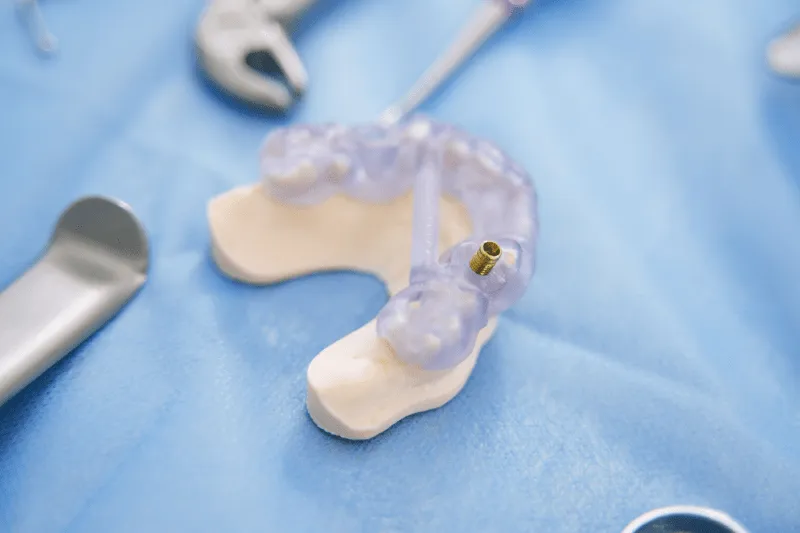
- Surgical Phase (Under IV Sedation): Following pre-medication with antibiotics (if indicated), Mr. Davies was comfortably sedated. Four implants were strategically placed in the anterior maxilla and posterior regions, leveraging the principles of immediate function. Precise implant placement is guided by surgical stents fabricated from the CBCT data.
- Prosthetic Phase (Immediate Loading): A multi-unit abutment connection is secured to the implants. On the same day, a provisional fixed full-arch bridge is attached, providing immediate aesthetics and function. This technique minimizes downtime and improves patient satisfaction. The provisional bridge is fabricated utilizing CAD/CAM technology, sometimes leveraging CEREC Same-Day crown and bridge fabrication where appropriate for chairside adjustments.
- Final Prosthetic Delivery: After a period of osseointegration (typically 3-6 months), the final, definitive full-arch prosthesis – typically constructed from zirconia – is delivered. This involves meticulous bite registration, shade matching, and prosthetic adjustments to ensure optimal function, phonetics, and aesthetics.
Technical Considerations & Materials Science
The success of complex rehabilitations hinges on material selection and precise execution. Zirconia frameworks, known for their strength, biocompatibility, and aesthetic potential, are favoured for long-term durability. The choice of implant system (e.g., Nobel Biocare, Straumann) impacts implant-abutment connection stability and prosthetic design. Modern implant surfaces, featuring micro- and nano-scale textures, promote accelerated osseointegration. The precise angulation and depth of implant placement are crucial, minimizing the risk of peri-implantitis. Furthermore, meticulous attention to soft tissue management is vital for aesthetic outcomes and long-term stability.
Beyond All-on-4, the same sedation protocols and advanced technologies are applicable to single implant procedures (500 – 1,200 USD per implant), individual zirconia crowns (200 – 400 USD), and veneer restorations (250 – 450 USD per Emax veneer).
Risk Mitigation & Emergency Protocols
While IV sedation is generally safe, inherent risks exist. Potential complications include respiratory depression, hypotension, and paradoxical reactions to sedatives. Our clinics adhere to the highest standards of safety:
- Dedicated Anesthesiologist: A board-certified anesthesiologist is present throughout the entire procedure, responsible for monitoring the patient’s vital signs and managing any adverse events.
- Emergency Equipment: Comprehensive emergency equipment, including intubation equipment, defibrillators, and resuscitation medications, is readily available.
- Advanced Life Support (ALS) Training: All clinical staff are certified in Basic Life Support (BLS) and Advanced Cardiac Life Support (ACLS).
- Pre-operative Screening: Rigorous medical history review and physical examination to identify and mitigate pre-existing risks.
- Sedation Depth Control: Continuous titration of propofol based on Ramsay Sedation Scale scoring and patient response.
- Post-Operative Monitoring: Extended monitoring in the recovery room until the patient reaches a stable level of consciousness.
In the unlikely event of a serious adverse event, the clinic’s proximity to leading Istanbul hospitals ensures rapid access to comprehensive medical care. All procedures are conducted in compliance with Turkey medical standards, specifically JCI (Joint Commission International) Accredited and regulated by the Ministry of Health.
Post-Operative Recovery & Support
We offer a range of post-operative recovery options to suit patient preferences, including recovery hubs in Istanbul (City/Boutique), Antalya (Resort/Beach), and Izmir (Aegean/Thermal). These hubs provide comfortable accommodation, nursing support, and access to follow-up dental appointments. Payment options are flexible, accepting USD, EUR, and GBP. Furthermore, all patients receive a detailed post-operative care plan, including dietary guidelines, oral hygiene instructions, and contact information for ongoing support.
Visa requirements are straightforward, with an E-visa available for most UK/US/EU citizens, allowing for a 90-day stay.
Recovery Logistics, 2026 Cost Audit, and the Final Medical Verdict – Sedation Dentistry in Istanbul
Following successful pre-operative assessment and treatment planning utilizing advanced technologies like Digital Smile Design and CBCT 3D Imaging, the post-procedural phase – recovery logistics – becomes paramount for patients undergoing sedation dentistry in Istanbul. This pillar delves into the intricacies of optimizing patient recuperation, a comprehensive 2026 cost projection for Istanbul and Antalya versus Western nations, and a final medical assessment confirming the sustained efficacy of treatments. We are specifically focusing on patients electing for sedation dentistry concurrent with restorative procedures such as implant placement, All-on-4 solutions, and extensive ceramic work.
Post-Sedation Monitoring & Immediate Recovery Protocols
Sedation dentistry, particularly conscious sedation utilizing nitrous oxide or oral anxiolytics like benzodiazepines, demands rigorous post-operative monitoring. While often termed “sleep dentistry” colloquially, it’s crucial to understand that patients aren’t typically unconscious but rather experience a significantly altered state of consciousness. Our partner clinics in Istanbul adhere to the ASA (American Society of Anesthesiologists) Basic Monitor standards even for moderate sedation. This encompasses continuous monitoring of ECG, pulse oximetry (SpO2), non-invasive blood pressure, and end-tidal carbon dioxide (EtCO2) to detect any adverse physiological responses.
Immediately post-procedure, patients are monitored in a dedicated recovery suite within the clinic. The duration of observation varies based on the type and dosage of sedation administered. Following nitrous oxide sedation, recovery is typically swift, allowing discharge within 30-60 minutes provided the patient meets pre-defined discharge criteria – adequate cognitive function, stable vital signs, and a responsible adult escort. For deeper sedation involving oral anxiolytics or, rarely, intravenous sedation, a minimum of 2-4 hours observation is mandatory. Clinically significant hypotension, respiratory depression, or paradoxical reactions (though uncommon with protocols adhered to) necessitate immediate intervention, including supplemental oxygen, vasopressors, and reversal agents like flumazenil (for benzodiazepines).
Recovery Hub Selection: Istanbul vs. Antalya – A Comparative Analysis
Cureholiday.com recognizes that the recovery environment profoundly impacts patient experience and healing. We offer two primary recovery hubs: Istanbul, the bustling metropolitan center, and Antalya, the coastal resort city. The optimal choice depends on the complexity of the procedure and the patient’s individual preferences.
- Istanbul (City/Boutique): Ideal for patients undergoing less invasive procedures or those who prefer cultural immersion. Boutique hotels in areas like Beyoğlu and Nişantaşı provide a calming atmosphere with access to culinary experiences and historical sites. However, Istanbul’s fast-paced environment might not be conducive for patients requiring complete rest. Post-operative pain management can be facilitated through in-hotel nursing care, arranged upon request.
- Antalya (Resort/Beach): Preferred for more extensive procedures like full mouth restorations with All-on-4 or multiple implant placements. Luxury resorts provide a tranquil setting, minimizing stress and promoting healing. Access to physiotherapy and specialized soft-diet catering further optimizes recovery. The warmer climate encourages gentle walks (as medically cleared) aiding circulation and reducing the risk of post-operative complications like deep vein thrombosis.
2026 Cost Audit: Istanbul & Antalya vs. Western Nations
Projecting costs for 2026 necessitates consideration of inflation, currency fluctuations, and advancements in dental technology. Based on current trends and anticipated market forces, Cureholiday.com projects the following comparative costs (all figures in USD):
- Dental Implants (High-End): Turkey (500 – 1,200 USD), UK (2,500 – 4,000 USD), USA (3,000 – 6,000 USD).
- All-on-4 (per arch): Turkey (4,000 – 7,000 USD), UK (10,000 – 18,000 USD), USA (12,000 – 25,000 USD).
- Zirconia Crowns: Turkey (200 – 400 USD), UK (800 – 1,500 USD), USA (1,000 – 2,000 USD).
- Veneers (Emax): Turkey (250 – 450 USD), UK (700 – 1,200 USD), USA (900 – 1,800 USD).
- Sedation Dentistry (average per session): Turkey (150 – 300 USD), UK (300 – 600 USD), USA (400 – 800 USD). *This is supplemental to the procedure cost.*
These figures represent a significant cost differential, even factoring in airfare, accommodation, and post-operative care. Currency advantages – accepting USD, EUR, and GBP – further enhance affordability for international patients.
The Final Medical Verdict: Long-Term Efficacy & Follow-Up Care
The success of dental tourism isn’t solely measured by immediate cost savings but by the longevity and functional integrity of the restorations. Our partner clinics employ materials and techniques aligned with international standards – the use of CEREC Same-Day crowns exemplifies this commitment to precision and efficiency. However, long-term success hinges on diligent post-operative care.
Cureholiday.com provides a comprehensive aftercare package including detailed oral hygiene instructions, dietary recommendations (emphasizing soft foods initially), and remote monitoring via teledentistry. We strongly advise patients to schedule regular check-ups with their local dentist upon returning home. While the initial work is performed to exacting standards in Istanbul or Antalya, maintaining optimal oral health requires ongoing professional care. We will supply complete documentation, including CBCT scans and treatment records, to facilitate seamless communication with the patient’s dentist. Any required adjustments or minor repairs within one year of treatment are covered under our guarantee, ensuring complete peace of mind. Furthermore, a 2026 audit of patient-reported outcomes will be conducted to assess the sustained efficacy of treatments and identify areas for continuous improvement within our network of clinics.
The JCI accreditation of our partnered facilities, combined with rigorous adherence to Turkish Ministry of Health regulations, guarantees a high level of medical safety and quality. However, informed consent remains paramount. Patients are provided with a comprehensive risk assessment prior to treatment, outlining potential complications and outlining the post-operative protocols designed to mitigate these risks.
Ready to consult a specialist? Schedule a Free Consultation for Sedation Dentistry for Dental Phobia in Turkey with cureholiday.com
Free Consultation
Fill out the form below to get your free medical travel plan and price quote.
Sources and how to verify this yourself
- Howe M-S, Keys W, Richards D. Long-term (10-year) dental implant survival: a systematic review and sensitivity meta-analysis. Journal of Dentistry, 2019 — pooled 10-year implant survival 96.4% (95% CI 95.2–97.5%); conservative sensitivity estimate 93.2%. source
- Ministry of Health, Regulation on International Health Tourism and Tourist Health, Official Gazette 26 April 2025, No. 32882 — authorisation requirement for facilities and intermediaries, TÜSKA accreditation, compulsory complication insurance (deadline 31 December 2025 for insurance, 31 December 2026 for accreditation). source
- Ministry of Health, Regulation on Promotion and Information Activities in Health Services, Official Gazette 12 November 2025, No. 33075 — treatment promises and guarantees are prohibited; price and campaign announcements are permitted only within international health tourism. source