Cost and planning note (2026)
The figures below are indicative market ranges for 2026, not a quote: your own price depends on the clinic, the surgeon and your clinical assessment.
Indicative price range: Implant High End: 500 – 1,200 USD | All On 4: 4,000 – 7,000 USD per arch | Zirconia Crown: 200 – 400 USD | Veneers Emax: 250 – 450 USD
Facility standards: In Türkiye, any facility treating international patients must hold the Ministry of Health’s international health tourism authorisation; hospitals and medical centres must also be accredited by TÜSKA, and complication insurance is compulsory for procedures carried out in an operating theatre (Regulation of 26 April 2025). Ask us for the authorisation of the facility you are matched with.
Currency: USD / EUR / GBP accepted at all clinics.
Maintenance Guide for Turkish Veneers: Top Recommended Products for International Patients
Understanding Turkish Veneers: A Deep Dive into Material Science, Preparation & Longevity
Turkish dental tourism has witnessed exponential growth, largely propelled by the aesthetic advantages and competitive pricing of veneer treatments. However, the perception of affordability shouldn’t overshadow the critical importance of adhering to rigorous medical foundations, technical precision, and global standards. This pillar will delineate the ‘what’ and ‘why’ behind successful Turkish veneer procedures, specifically focusing on the materials employed, the preparatory techniques ensuring long-term stability, and the factors influencing veneer longevity. This is particularly pertinent for international patients navigating the complexities of overseas dental care.
Material Science: Beyond E-Max – Exploring the Spectrum of Veneer Ceramics
While E-max (lithium disilicate) veneers, costing between 250 – 450 USD per unit, remain a highly popular choice in Turkey, it’s crucial to understand the expanding landscape of dental ceramics. The selection isn’t merely aesthetic; it’s a biomechanical decision. E-max excels in translucency and strength, making it ideal for minimal preparation cases and achieving natural-looking results. However, for patients with significant pre-existing wear, bruxism (teeth grinding), or requiring substantial occlusal (bite) changes, layered zirconia veneers offer superior fracture resistance.
Zirconia, in its various formulations (monolithic, layered, and 3D-printed), presents a higher flexural strength than lithium disilicate. Layered zirconia veneers, while potentially increasing the cost slightly, allow for meticulous mimicking of natural enamel characteristics, achieving exceptional aesthetics. The manufacturing process often involves milling a zirconia core and then applying porcelain layers for optimal colour and translucency. The choice between these materials is dictated by a thorough evaluation of the patient’s parafunctional habits, bite force, and the degree of aesthetic alteration desired. Clinicians employing Digital Smile Design (DSD) utilize sophisticated software to simulate the final result, allowing for informed material selection alongside patient expectation management.
Precise Preparation: Minimally Invasive Dentistry & Biological Width Preservation
The cornerstone of veneer longevity lies in meticulous tooth preparation. The paradigm has shifted significantly towards minimally invasive dentistry, maximizing the preservation of healthy enamel. Traditionally, veneer preparation involved more aggressive reduction of tooth structure. Modern techniques, aided by advanced materials like those used in CEREC Same-Day restorations, permit significantly reduced preparation – often less than 0.3mm – in select cases.
However, ‘minimal’ doesn’t equate to ‘negligible.’ Adequate space must be created not only for the veneer material itself but also to accommodate the cement layer and, critically, to preserve the biological width. The biological width, comprising the junctional epithelium and connective tissue attachment, is the space between the gingiva (gum line) and the alveolar bone supporting the tooth. Violation of this biological width through excessive preparation leads to inflammation, recession, and ultimately, veneer failure.
Preparation protocols also emphasize defining clear finish lines – the margins where the veneer will terminate. Subgingival finish lines (beneath the gum line) are generally avoided due to increased difficulty in achieving perfect marginal seal and potential for inflammation. Supragingival or equigingival finish lines, positioned at or just above the gum line, offer better access for cementation and monitoring of the margin. Precision in this stage often relies on the use of digitally guided preparation, facilitated by CBCT 3D Imaging and CAD/CAM technology.
Cementation Protocols: Achieving Bond Strength and Long-Term Stability
The cementation phase is often underestimated, yet it represents a critical juncture in veneer success. The type of cement used directly impacts the bond strength, resistance to microleakage, and overall veneer longevity. Traditional phosphate cements are increasingly being superseded by resin-modified glass ionomer (RMGIC) and adhesive resin cements.
RMGIC cements offer the advantage of fluoride release, contributing to caries prevention, and exhibit good adhesion to both enamel and dentin. However, their lower bond strength compared to adhesive resin cements necessitates meticulous surface preparation and stringent isolation during cementation. Adhesive resin cements, particularly those incorporating self-adhesive and universal bonding agents, provide superior bond strengths and enhanced marginal seal, minimizing the risk of microleakage and secondary caries.
Pre-cementation procedures are equally important. This includes thorough cleaning of the prepared tooth, etching (if using an etch-and-bond system), priming, and bonding. Proper shade matching and try-in are crucial before cementation. Excess cement removal is paramount – uncured cement can contribute to gingival inflammation and veneer discolouration. Clinicians employ micro-instruments and flowable composites to ensure complete removal of excess cement from the margins.
Post-Veneer Maintenance & Long-Term Considerations
While veneers are highly durable, they are not impervious to damage. Maintaining good oral hygiene – regular brushing, flossing, and professional cleanings – is essential. Patients should avoid habits that place excessive stress on the veneers, such as biting on hard objects or using their teeth as tools.
Bruxism management is particularly critical. Patients with bruxism may require the use of a night guard to protect the veneers from fracture. Regular dental check-ups – ideally every six months – allow for early detection of any chipping, cracking, or debonding. Minor repairs can often be addressed with composite bonding, preventing more significant issues from developing.
Understanding the financial implications of long-term care is vital for international patients. While initial veneer costs in Turkey may be lower than in other countries, such as those featuring dental implants (500 – 1,200 USD high-end) or all-on-4 solutions (4,000 – 7,000 USD per arch), potential repair or replacement costs should be factored into the overall budget. Furthermore, awareness of the availability of compatible dental materials and skilled technicians in the patient’s home country is essential for seamless follow-up care. The Turkish medical system is regulated by the Ministry of Health and adheres to standards such as JCI (Joint Commission International) Accreditation, providing a framework for quality assurance and patient safety. International patients can also leverage the convenience of e-visas for stays up to 90 days, facilitating treatment in locations like Istanbul, Antalya, or Izmir.
The current currency focus for payment in Turkey includes USD, EUR, and GBP, offering flexibility for international patients.
The Surgical/Clinical Journey – Turkish Veneers
This section details the comprehensive clinical pathway for patients undergoing Turkish veneer treatment, specifically focusing on the procedural technicals, a representative case study, and critical risk mitigation strategies. We cater to international patients seeking high-quality dental care in Turkey, understanding their unique needs and concerns.
Pre-Operative Assessment & Digital Planning
The cornerstone of successful veneer treatment lies in meticulous pre-operative planning. Upon arrival, patients undergo a comprehensive clinical examination, including a detailed periodontal assessment (evaluating gum health), occlusal analysis (bite evaluation), and radiographic investigations. We utilize CBCT 3D Imaging for a precise understanding of the underlying bone structure and nerve proximity – crucial for avoiding iatrogenic complications. This technology allows for the creation of a virtual model of the patient’s dentition and surrounding tissues.
Central to our approach is Digital Smile Design (DSD). This isn’t simply aesthetic software; it’s a philosophy that incorporates functional and anatomical principles. DSD involves capturing photographs and videos of the patient’s face and smile, then manipulating these digitally to design the ideal smile. We collaborate directly with the patient, presenting the proposed changes in a 2D and 3D format allowing for real-time adjustments based on their preferences. This stage also involves wax-up models which serve as a physical guide for the preparation phase.
Preparation & Impression – Precision is Paramount
While minimal-preparation veneers are often achievable, a degree of tooth reduction is usually necessary to accommodate the porcelain thickness and achieve optimal aesthetics and function. This reduction is performed under local anesthesia using diamond burs with precise control. The amount of reduction depends on the existing tooth condition and the desired outcome, typically ranging from 0.3mm to 0.7mm. Care is taken to preserve enamel and maintain pulpal vitality.
Traditional impression taking using polyvinyl siloxane (PVS) materials remains a reliable method, but increasingly, we leverage intraoral scanners for digital impressions. These scanners offer several advantages – improved accuracy, enhanced patient comfort, and immediate data transfer to the dental laboratory. We prioritize open impression protocols to ensure accurate models are delivered to the lab.
Laboratory Fabrication & Material Selection
The selection of veneer material is critical. While E-max (lithium disilicate) veneers are often favoured for their strength and aesthetics (250 – 450 USD per unit), we also offer feldspathic porcelain options, particularly for cases requiring complex shade matching. The laboratory utilizes CAD/CAM technology, often employing CEREC Same-Day systems when appropriate, to mill the veneers with exceptional precision.
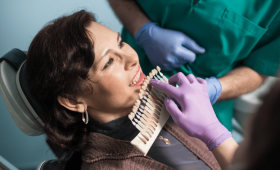
Before final fabrication, a try-in phase is undertaken. The veneers are temporarily bonded to the teeth using a try-in cement. This allows us to evaluate the shade, shape, and fit, and make any necessary adjustments before permanent bonding. Shade matching is done under standardized lighting conditions using a VITA shade guide, and digitally verified to ensure consistency.
Bonding Protocol & Post-Operative Care
The bonding procedure requires meticulous attention to detail. Following tooth preparation and final veneer try-in, the teeth are etched with phosphoric acid to create micro-retentive surfaces. A bonding agent is then applied, followed by a composite resin cement. The veneer is seated, excess cement is removed, and the cement is light-cured. Proper isolation is maintained throughout the procedure to prevent contamination.
Post-operatively, patients receive detailed instructions on oral hygiene and dietary considerations. We recommend using a soft-bristled toothbrush and non-abrasive toothpaste. Avoiding hard or sticky foods for the first 24-48 hours is crucial. Nightguard use is often recommended, particularly for patients with bruxism, to prevent fracture or debonding. Regular dental check-ups and professional cleanings are essential for long-term maintenance.
Persona Case Study: 45-Year-Old Female from the UK
Mrs. Eleanor Davies, a 45-year-old marketing executive from London, presented with significant discoloration and minor crowding of her maxillary anterior teeth. She expressed a desire for a natural-looking smile transformation. After a thorough clinical examination and DSD planning, it was determined that 10 E-max veneers were the most appropriate treatment option. CBCT imaging revealed adequate bone support and normal nerve positioning.
The preparation phase involved minimal enamel reduction (approximately 0.4mm). Digital impressions were taken using an intraoral scanner. The veneers were fabricated in our on-site laboratory using CAD/CAM technology. The bonding procedure was completed in a single session. Mrs. Davies reported feeling minimal discomfort throughout the process. Post-operative photographs demonstrated a significant improvement in her smile aesthetics, and she expressed high satisfaction with the results. Her total treatment cost was approximately 3,000 USD.
Risk Mitigation & Complications Management
While veneer treatment is generally safe and predictable, potential complications can occur. These include:
- Sensitivity: Transitory sensitivity to temperature or pressure is common post-operatively. It usually resolves within a few weeks.
- Chipping/Fracture: Although E-max is a highly durable material, chipping or fracture can occur, especially in patients with bruxism or those who consume hard foods.
- Debonding: Veneers can debond if the bonding protocol is not followed correctly or if the patient experiences parafunctional habits.
- Pulpal Irritation: Excessive tooth reduction can lead to pulpal irritation or necrosis, although this is rare with careful preparation.
- Gingival Inflammation: Poor oral hygiene can lead to gingival inflammation around the veneers.
To mitigate these risks, we employ the following strategies:
- Detailed Pre-Operative Assessment: Identifying pre-existing conditions and risk factors.
- Conservative Tooth Preparation: Minimizing enamel removal to preserve pulpal health.
- Precise Impression Technique: Ensuring accurate veneer fit.
- Proper Bonding Protocol: Following established guidelines for cementation and curing.
- Patient Education: Providing comprehensive post-operative instructions.
- Regular Follow-Up: Monitoring veneer health and addressing any concerns promptly.
In the rare event of a complication, we offer prompt and effective management, including veneer repair, re-cementation, or replacement. We maintain open communication with patients throughout the process to ensure their concerns are addressed.
Financial & Logistical Considerations
For our international patients, we understand the logistical and financial considerations. We offer transparent pricing with costs ranging from 250 USD to 450 USD per E-max veneer. We accept USD, EUR, and GBP. Furthermore, most UK/US/EU citizens can benefit from the convenient E-visa system, allowing a 90-day stay in Turkey. Patients can choose to recover in vibrant Istanbul, relaxing Antalya, or the therapeutic environment of Izmir, tailoring their recovery experience to their preferences. Alternative treatments like Zirconia Crowns (200 – 400 USD) or even All-on-4 implants (4,000 – 7,000 USD per arch) can also be discussed during the consultation process if they are more suitable for the patient’s needs.
Maintaining Turkish Veneers: A Comprehensive Guide for International Patients
Following dental veneer placement in Turkey, particularly with advancements like E-max or Zirconia materials, diligent post-operative care is paramount to longevity and aesthetic success. This guide, designed for international patients undergoing treatment in Turkish dental hubs like Istanbul and Antalya, details recommended maintenance practices and optimal product choices. We will delve into aspects often overlooked, ensuring a seamless transition back to your home country and a lasting, brilliant smile.
Post-Operative Biological Response & Initial Stabilization (Weeks 1-4)
The immediate post-operative period involves a critical biological process – the establishment of a stable, biocompatible interface between the veneer, the luting cement (typically resin-modified glass ionomer), and the prepared tooth structure. Disruption of this interface, through mechanical trauma or improper hygiene, can lead to microleakage, pulpal irritation, and ultimately, veneer debonding. Initially, a soft-bristled toothbrush and a non-abrasive toothpaste are crucial. Avoid vigorous brushing and interdental floss usage directly around the veneer margins during this phase. We recommend using a chlorhexidine-based mouthwash (0.12% solution) for the first 7-10 days to minimize bacterial load and promote gingival health. While often prescribed, prolonged chlorhexidine use can stain; transition to a fluoride mouthwash after the initial period.
Long-Term Maintenance & Product Recommendations
Beyond the initial stabilization, maintaining veneer integrity hinges on a robust home care regimen and periodic professional assessments. The following details both, with specific product suggestions geared towards the international patient.
- Toothpaste Selection: Avoid abrasive pastes containing high levels of silica or bicarbonate. These can subtly erode the veneer surface, impacting translucency. We recommend:
- Colgate Sensitive Pro-Relief: Offers gentle cleaning with potassium nitrate for sensitivity management, common post-preparation.
- Sensodyne Repair & Protect: Excellent for remineralization and addressing early signs of enamel erosion around the veneer margins.
- Curaprox Enzycal Toothpaste: Contains enzymes to naturally combat biofilm and maintain a healthy oral microbiome – this is a premium choice.
- Interdental Cleaning: While floss is important, consider alternatives to avoid direct pressure on veneer margins.
- Waterpik Water Flosser: A non-contact method for removing debris between teeth and along the gumline. Use on the lowest setting initially to acclimatize.
- Interdental Brushes (TePe/Piksters): Select brushes of appropriate size to gently clean between teeth without forcing. Regular size assessment is vital.
- Nightguards (For Bruxism): Bruxism (teeth grinding) is a significant threat to veneer longevity. A custom-fitted nightguard, fabricated by your dentist, is *essential* if you exhibit bruxing habits. Turkish dental labs offer high-quality acrylic or dual-laminate nightguards. Budget approximately 80-150 USD for a replacement nightguard.
- Desensitizing Agents: Temporary sensitivity is common after veneer placement.
- GC Tooth Mousse: A calcium phosphate amorphous product that remineralizes enamel and reduces sensitivity.
- Bimeda Vet-Flourish (available online): A cost-effective alternative to Tooth Mousse with similar remineralizing properties.
- Stain Prevention: While veneers are stain-resistant, they are not impervious.
- Limit consumption of staining agents like coffee, tea, red wine, and tobacco.
- Consider a professional stain removal treatment (air polishing) every 6-12 months.
Addressing Complications: A Proactive Approach
Despite meticulous care, complications can arise. Early detection is key. Common issues include:
- Veneer Debonding: If a veneer becomes loose, *do not attempt to re-cement it yourself*. Contact your dentist or the Turkish clinic immediately.
- Chipping or Fracture: Minor chips can sometimes be repaired with composite bonding. Significant fractures may necessitate veneer replacement.
- Cement Dissolution: Visible cement discoloration around the veneer margin indicates potential microleakage. Requires professional assessment and potential recementation.
- Gingival Inflammation: Persistent gingivitis around the veneers suggests inadequate hygiene or ill-fitting margins.
The Role of Digital Technology in Long-Term Monitoring
The same advanced technologies utilized during the initial veneer design and fabrication – Digital Smile Design (DSD), CEREC Same-Day, and CBCT 3D Imaging – are invaluable for ongoing monitoring. CBCT scans, in particular, allow for assessment of bone support and identification of subtle changes that may impact veneer stability. Routine photographic documentation using DSD protocols enables accurate comparison of pre- and post-operative aesthetics and provides an objective measure of long-term veneer performance.
Cost Considerations for Follow-Up Care: Antalya vs. Western Countries
Maintaining veneers in your home country can incur significant costs. While initial veneer costs in Turkey are substantially lower (250 – 450 USD per E-max veneer versus 800 – 2,500 USD in many Western nations), follow-up maintenance – including professional cleanings, nightguard replacements, and potential repairs – can still add up. Consider the following approximate costs:
Professional Cleaning (Scaling & Polish):
- Turkey (Istanbul/Antalya): 30 – 60 USD
- UK: 80 – 150 GBP
- USA: 100 – 250 USD
Nightguard Replacement: 80 – 150 USD (Turkey) vs. 200 – 400 USD (Western Countries)
Veneer Repair (Minor Chip): 50 – 100 USD (Turkey) vs. 150 – 300 USD (Western Countries)
Returning to Turkey for follow-up care, particularly for more complex procedures, can often be economically advantageous. Furthermore, the clinic which originally placed the veneers will have a complete record of your treatment plan and the precise shade/anatomy of your veneers, ensuring optimal results.
Recovery Logistics & Continued Support
Cureholiday.com provides ongoing support to our international patients, including assistance with arranging follow-up appointments in Turkey, providing access to dental records, and offering guidance on maintaining optimal oral health. Remember, a beautiful smile is an investment, and proactive maintenance is the key to enjoying its benefits for years to come. Prior to travel, confirm your visa status (E-visa available for most UK/US/EU citizens, 90-day stay) and arrange appropriate travel insurance.
Ready to consult a specialist? Schedule a Free Consultation for Maintenance Guide for Turkish Veneers in Turkey with cureholiday.com
Free Consultation
Fill out the form below to get your free medical travel plan and price quote.
Sources and how to verify this yourself
- Howe M-S, Keys W, Richards D. Long-term (10-year) dental implant survival: a systematic review and sensitivity meta-analysis. Journal of Dentistry, 2019 — pooled 10-year implant survival 96.4% (95% CI 95.2–97.5%); conservative sensitivity estimate 93.2%. source
- Ministry of Health, Regulation on International Health Tourism and Tourist Health, Official Gazette 26 April 2025, No. 32882 — authorisation requirement for facilities and intermediaries, TÜSKA accreditation, compulsory complication insurance (deadline 31 December 2025 for insurance, 31 December 2026 for accreditation). source
- Ministry of Health, Regulation on Promotion and Information Activities in Health Services, Official Gazette 12 November 2025, No. 33075 — treatment promises and guarantees are prohibited; price and campaign announcements are permitted only within international health tourism. source