Cost and planning note (2026)
The figures below are indicative market ranges for 2026, not a quote: your own price depends on the clinic, the surgeon and your clinical assessment.
Indicative price range: Implant High End: 500 – 1,200 USD | All On 4: 4,000 – 7,000 USD per arch | Zirconia Crown: 200 – 400 USD | Veneers Emax: 250 – 450 USD
Facility standards: In Türkiye, any facility treating international patients must hold the Ministry of Health’s international health tourism authorisation; hospitals and medical centres must also be accredited by TÜSKA, and complication insurance is compulsory for procedures carried out in an operating theatre (Regulation of 26 April 2025). Ask us for the authorisation of the facility you are matched with.
Currency: USD / EUR / GBP accepted at all clinics.
Dental Implants for Patients with Heart Disease: Cardiologist-Approved Protocols
Dental Implants and Cardiovascular Health: A Synergistic Approach
The intersection of dental health and systemic disease, particularly cardiovascular disease (CVD), is increasingly recognized as critical in comprehensive patient care. While dental implantology boasts exceptional success rates, patients with pre-existing cardiac conditions require a meticulously planned approach. This pillar focuses on the ‘what’ and ‘why’ of delivering dental implant therapy to individuals with heart disease, detailing cardiologist-approved protocols and highlighting the importance of a robust medical foundation.
Understanding the Cardio-Dental Link
The bidirectional relationship between oral health and CVD stems from several mechanisms. Chronic inflammation, a hallmark of periodontitis (gum disease), contributes to atherosclerosis – the buildup of plaque in arteries. Periodontal pathogens, like Porphyromonas gingivalis and Aggregatibacter actinomycetemcomitans, can trigger a systemic inflammatory response and even directly invade arterial walls. Furthermore, the stress of dental procedures, even minimally invasive ones, can induce transient bacteremia, potentially seeding existing cardiac vulnerabilities.
For patients with pre-existing conditions like ischemic heart disease, valvular heart disease, arrhythmias, or a history of stroke, even low-grade bacteremia poses a heightened risk. While the American Heart Association (AHA) guidelines have evolved, advocating for antibiotic prophylaxis only in specific, high-risk scenarios (e.g., prosthetic valve implantation, history of infective endocarditis), a thorough cardiovascular assessment prior to implant therapy remains paramount. This assessment, conducted in collaboration with the patient’s cardiologist, should include an evaluation of ejection fraction, recent cardiac events, and current medication regimen.
Pre-Implant Cardiac Evaluation: A Detailed Protocol
A cardiologist-approved protocol moves beyond a simple medical history questionnaire. It necessitates:
- Electrocardiogram (ECG): To assess for arrhythmias and signs of ischemia.
- Echocardiogram: Provides detailed information on cardiac structure and function, including ejection fraction and valve competency. This is especially crucial for patients with murmurs or a history of heart failure.
- Blood Pressure Monitoring: A thorough baseline assessment, accounting for potential fluctuations due to anxiety or other factors.
- Complete Blood Count (CBC): To rule out underlying infection or anemia which could impact healing.
- Coagulation Studies (PT/INR, aPTT): Essential for patients on anticoagulants (e.g., warfarin, DOACs). Management of anticoagulation requires careful coordination with the cardiologist. Temporary cessation or bridging therapy may be necessary, based on the implant procedure’s complexity and bleeding risk.
- Inflammatory Markers (CRP, ESR): Elevated levels may indicate ongoing systemic inflammation, potentially necessitating pre-implant treatment for periodontal disease.
The cardiologist’s input is crucial in interpreting these results and determining the patient’s overall cardiac risk profile. A risk stratification score (e.g., Revised Cardiac Risk Index) can aid in guiding decision-making.
Surgical Considerations & Anesthetic Management
The surgical phase demands meticulous attention to detail. Minimally invasive techniques, utilizing CBCT 3D Imaging for precise implant placement, reduce trauma and potential inflammatory response. Digital Smile Design aids in creating a restorative plan that minimizes the need for extensive bone grafting, further reducing surgical morbidity. The choice of anesthetic is also critical. Local anesthesia with vasoconstrictors should be used cautiously in patients with severe hypertension or unstable angina. Sedation, if required, must be administered by a qualified anesthesiologist familiar with cardiovascular considerations.
Maintaining hemodynamic stability throughout the procedure is essential. Continuous monitoring of heart rate, blood pressure, and oxygen saturation is standard. Surgical duration should be minimized, and meticulous hemostasis (control of bleeding) is paramount.
Post-Operative Management & Infection Control
Post-operative care involves a multi-faceted approach. Patients should be instructed on proper oral hygiene, including gentle brushing and chlorhexidine mouthwash. Pharmacological management includes analgesics for pain control and, potentially, short-course antibiotics in specific cases (guided by the AHA recommendations and cardiologist’s advice). Close monitoring for signs of infection (fever, swelling, redness) is crucial, with prompt intervention if necessary.
Prophylactic antibiotic use remains controversial. However, in patients at high risk of infective endocarditis, a single dose of amoxicillin or another suitable antibiotic, administered 30-60 minutes prior to the procedure, may be considered, in consultation with the cardiologist. Strict adherence to infection control protocols – including sterilization of instruments and use of barrier protection – is non-negotiable.
Emerging Technologies and Materials
Advancements in implant dentistry contribute to improved outcomes for cardiovascular patients. CEREC Same-Day crown fabrication minimizes the number of appointments and reduces the duration of potential bacteremia. The use of biocompatible implant materials, such as titanium alloys and zirconia, minimizes the risk of allergic reactions and promotes osseointegration. Furthermore, the aesthetic benefits of materials like zirconia crowns (200 – 400 USD) and veneers emax (250 – 450 USD) can enhance patient confidence and quality of life.
Financial Considerations & Global Options
The cost of dental implant treatment can vary significantly depending on the complexity of the case and the geographic location. Single dental implant costs range from 500 – 1,200 USD, while more extensive solutions like All-on-4 can range from 4,000 – 7,000 USD per arch. For patients seeking cost-effective options, dental tourism in countries like Turkey presents a viable alternative.
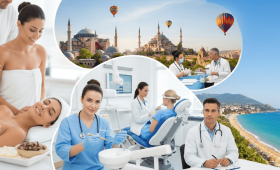
Turkey adheres to internationally recognized medical standards, including JCI (Joint Commission International) Accredited facilities and regulation by the Ministry of Health. The currency focus is generally on USD, EUR, and GBP, offering financial flexibility for international patients. Visas are readily available – an E-visa is available for most UK/US/EU citizens, allowing for a 90-day stay. Popular recovery hubs include Istanbul (City/Boutique), Antalya (Resort/Beach), and Izmir (Aegean/Thermal).
However, even when pursuing treatment abroad, the pre-operative cardiac evaluation and post-operative care must be coordinated with the patient’s primary cardiologist to ensure continuity of care.
The Surgical/Clinical Journey: Dental Implants for Cardiologically Compromised Patients
Successfully placing dental implants in patients with pre-existing heart disease necessitates a meticulous, multi-disciplinary approach. While not an absolute contraindication, cardiac conditions demand significant protocol modifications to minimize risk and maximize long-term implant success. This pillar details the surgical and clinical journey, from pre-operative assessment through post-operative care, illustrated with a specific case study and robust risk mitigation strategies.
Pre-Operative Cardiology Clearance & Optimization
The cornerstone of safe implant placement in this patient cohort is thorough cardiac evaluation. This isn’t merely a cursory check; it requires a detailed assessment performed by the patient’s cardiologist. We request a current (< 6 months) echocardiogram to evaluate ejection fraction, valvular function, and left ventricular hypertrophy. An electrocardiogram (ECG) is mandatory to identify arrhythmias and ischemia. Stress testing – pharmacological (dobutamine) or exercise – may be indicated based on the cardiologist’s assessment of functional capacity.
Crucially, any unstable cardiac condition – recent myocardial infarction (<6 months), uncontrolled angina, decompensated heart failure (NYHA Class III or IV) – *must* be stabilized prior to any elective surgical procedure, including implant placement. This may involve pharmacological optimization (beta-blockers, ACE inhibitors, antiplatelet therapy) and, in some cases, intervention (angioplasty/stenting). Patients on Warfarin require careful INR management, often bridging with low molecular weight heparin (LMWH) pre-operatively. Direct Oral Anticoagulants (DOACs) require specific cessation protocols based on the drug and renal function, always in conjunction with cardiology.
Step-by-Step Surgical Protocol Modifications
Our surgical protocols adapt to the patient’s cardiac status. Standard protocols utilize CBCT 3D Imaging for precise pre-surgical planning using Digital Smile Design to ensure ideal prosthetic outcomes. However, in cardiologically compromised patients, we prioritize minimizing surgical trauma and appointment duration.
- Anesthesia Considerations: We favor local anesthesia with conscious sedation (midazolam, fentanyl) over general anesthesia, reducing cardiovascular stress. Continuous monitoring of ECG, blood pressure, and pulse oximetry is standard. A dedicated anesthesiologist experienced in managing cardiac patients is essential.
- Antibiotic Prophylaxis: While standard for all implant procedures, we adhere to the American Heart Association’s updated guidelines regarding antibiotic prophylaxis for patients at risk of infective endocarditis, particularly those with prosthetic heart valves or a history of endocarditis.
- Surgical Technique: Minimally invasive surgical techniques are prioritized. This includes flapless surgery where appropriate, and the use of piezo-surgical units to reduce bone trauma. Controlled surgical pacing is achieved through careful irrigation and aspiration.
- Implant Placement: Implant selection considers bone density and patient-specific factors. Shorter, wider implants can sometimes be preferable, distributing stress more effectively and minimizing the need for extensive bone grafting. Consideration is given to utilizing implant systems with macro-textured surfaces for enhanced osseointegration.
- All-on-4 Protocols: For edentulous patients, All-on-4 implant solutions (4,000 – 7,000 USD per arch) are a viable option. However, careful assessment of bite forces and prosthetic design is crucial to avoid overloading the implants and exacerbating cardiac strain.
Case Study: Mr. David Miller, 45, UK
Mr. Miller presented with severe periodontitis and failed root canal treatments, requiring full arch rehabilitation. He had a history of stable angina pectoris, managed with metoprolol and aspirin. Pre-operative assessment revealed a resting ECG with mild T-wave inversions, but normal ejection fraction. His cardiologist confirmed he was a low-to-intermediate risk patient for elective surgery.
The treatment plan involved extracting remaining non-restorable teeth and placing six implants in the maxilla, followed by a screw-retained zirconia bridge. We opted for a staged approach: implant placement followed by prosthetic delivery 6 months later. During surgery, meticulous hemostasis was achieved, and the duration was kept under 90 minutes. Post-operatively, Mr. Miller was monitored closely for any signs of cardiac distress. He reported minimal discomfort and recovered without incident. The final zirconia bridge was delivered, restoring both function and aesthetics.
Risk Mitigation & Post-Operative Care
Post-operative care is paramount. Patients are monitored for signs of infection, bleeding, or cardiovascular compromise. Strict adherence to prescribed medications is emphasized. We recommend:
- Analgesic Protocol: NSAIDs are often avoided in cardiac patients; paracetamol and opioid analgesics are preferred for pain management.
- Dietary Recommendations: A soft diet is advised for the first few weeks, gradually progressing to a normal diet as healing progresses.
- Oral Hygiene Instructions: Meticulous oral hygiene is essential to prevent peri-implantitis. Chlorhexidine mouthwash is prescribed for the first two weeks.
- Regular Follow-Up: Frequent clinical and radiographic examinations (at 1 week, 1 month, 3 months, 6 months, and annually) are vital to assess implant stability and detect any complications early.
Beyond routine care, patients with heart disease are at increased risk of delayed healing and peri-implantitis. We utilize adjunctive therapies, such as platelet-rich fibrin (PRF) membranes, to promote tissue regeneration and reduce inflammation. Prophylactic antimicrobial therapy may be considered in patients with a history of recurrent infections.
Financial & Logistical Considerations (Turkey Focus)
For international patients, particularly those from the UK, Ireland, and the USA, Turkey offers a cost-effective and high-quality option for dental implant treatment. A single implant can range from 500 – 1,200 USD, while a zirconia crown costs approximately 200 – 400 USD. Veneers (Emax) are available from 250 – 450 USD per unit. Our affiliated clinics in Istanbul (City/Boutique), Antalya (Resort/Beach), and Izmir (Aegean/Thermal) all hold JCI (Joint Commission International) accreditation and are fully regulated by the Turkish Ministry of Health.
We handle all logistical arrangements, including airport transfers, accommodation, and translation services. An e-visa is available for most UK/US/EU citizens, allowing for a 90-day stay. Patients are provided with detailed pre-travel information, including a list of necessary medications and contact details for our on-call medical team.
It’s critical to remember that each patient’s cardiac profile is unique. This pillar provides a framework for safe and effective implant treatment, but individualized care and close collaboration with the patient’s cardiologist are paramount.
Dental Implants for Patients with Heart Disease: Recovery Logistics, Cost Audit & Final Verdict
For patients with pre-existing cardiovascular conditions considering dental implant therapy, meticulous post-operative recovery logistics are paramount. This pillar delves into the specific considerations for this demographic, a detailed cost analysis of Turkish dental implant destinations versus Western alternatives, and a final assessment outlining optimal patient pathways. We’ll focus beyond the surgical procedure itself, addressing the delicate balance between oral health rehabilitation and cardiac stability.
Post-Operative Cardiac Monitoring & Risk Mitigation
Dental implant surgery, while generally safe, elicits a systemic inflammatory response. In patients with cardiovascular disease – encompassing conditions like ischemic heart disease, heart failure, valvular disease, and arrhythmias – this response requires careful management. The acute phase (first 24-72 hours) necessitates vigilant monitoring of vital signs. We recommend pre-operative consultation with the patient’s cardiologist to establish baseline parameters and tailor a post-operative monitoring protocol. This includes electrocardiographic (ECG) monitoring, particularly for individuals with known arrhythmias. While continuous telemetry is often reserved for high-risk cases, intermittent ECG assessments should be standard.
The potential for transient bacteremia during implant placement poses a theoretical risk of infective endocarditis. Current American Heart Association guidelines have significantly revised antibiotic prophylaxis recommendations; however, for patients with specific high-risk valve conditions or prosthetic valves, prophylactic antibiotics remain crucial. The choice of antibiotic and dosage must be determined in consultation with both the dental implant surgeon and the patient’s cardiologist. We employ a rigorous pre-operative screening protocol to identify these high-risk individuals and implement appropriate measures.
Post-operative pain management is equally critical. Opioids, while effective, can induce respiratory depression and exacerbate pre-existing cardiac conditions. We prioritize multi-modal analgesia, combining non-steroidal anti-inflammatory drugs (NSAIDs – used cautiously and with cardiology approval), local anesthetics, and adjunctive therapies like transcutaneous electrical nerve stimulation (TENS). Close monitoring for changes in blood pressure and heart rate is essential during the analgesic phase.
Recovery Hubs: Istanbul, Antalya, & Izmir – A Comparative Analysis
The choice of recovery location impacts the patient’s overall experience and access to immediate medical care. Turkey offers compelling advantages in terms of cost and quality, but the optimal hub depends on individual needs.
- Istanbul (City/Boutique): Offers a robust healthcare infrastructure with numerous Ministry of Health–authorised hospitals readily accessible. This is ideal for patients with complex cardiac histories requiring immediate access to advanced cardiac facilities. The urban environment, while stimulating, may also present logistical challenges and higher stress levels. Recovery hotels are typically boutique establishments offering personalized care.
- Antalya (Resort/Beach): Presents a more relaxed recovery environment conducive to stress reduction, which is beneficial for cardiovascular health. However, access to specialized cardiac care is less immediate than in Istanbul, requiring pre-arranged transportation protocols to nearby hospitals. Resort-style accommodations prioritize comfort and offer on-site nursing care.
- Izmir (Aegean/Thermal): Combines a tranquil coastal setting with developing thermal spa facilities. Thermal mineral baths, under medical supervision, may offer potential benefits for musculoskeletal recovery and potentially improve peripheral circulation (although rigorous evidence is still emerging). Healthcare access is moderate, falling between Istanbul and Antalya.
We provide a detailed pre-trip risk assessment based on the patient’s cardiac profile and recommend the recovery hub best suited to their needs. A dedicated case manager coordinates all logistics, including transportation, accommodation, and access to emergency medical services.
2026 Cost Audit: Turkey vs. Western Countries
The economic benefits of dental implant treatment in Turkey remain significant, even factoring in travel and accommodation costs. Our 2026 cost projections, based on current trends and exchange rates, reveal the following:
- Single Implant (including crown): 500 – 1,200 USD in Turkey versus 2,000 – 4,000 USD in Western Europe or North America.
- All-on-4 Full Arch Restoration: 4,000 – 7,000 USD per arch in Turkey compared to 15,000 – 30,000 USD per arch in Western countries.
- Zirconia Crown: 200 – 400 USD in Turkey versus 800 – 1,500 USD in Western countries.
- Emax Veneers: 250 – 450 USD per veneer in Turkey versus 900 – 1,800 USD per veneer in Western countries.
These figures represent an average range and can vary based on the complexity of the case, the materials used, and the surgeon’s expertise. Furthermore, Turkish clinics are increasingly adopting advanced technologies like Digital Smile Design, CEREC Same-Day crown fabrication, and CBCT 3D Imaging, mirroring the standards found in leading Western practices. The use of these technologies contributes to faster treatment times and improved precision.
Final Medical Verdict: Patient Selection & Protocol Adherence
Dental implant therapy is a viable option for many patients with stable cardiovascular disease, *provided* they undergo rigorous pre-operative evaluation and adhere to a meticulously planned post-operative protocol. Absolute contraindications include uncontrolled arrhythmias, severe heart failure (NYHA Class III or IV), and recent myocardial infarction (within 6 months). Relative contraindications require careful consideration and potential modification of the treatment plan.
Our cardiologist-approved protocol encompasses:
- Comprehensive cardiac risk stratification.
- Cardiological clearance and tailored medication adjustments.
- Antibiotic prophylaxis for high-risk patients.
- Multi-modal analgesia with minimized opioid use.
- Continuous vital sign monitoring during the acute recovery phase.
- Access to immediate cardiac care in the chosen recovery hub.
- Dedicated case management and logistical support.
We leverage the benefits of Turkish dental expertise and cost-effectiveness while prioritizing patient safety and ensuring a seamless recovery experience. The currency focus remains on USD, EUR, and GBP for transparent pricing. All facilities adhere to JCI (Joint Commission International) Accredited standards and are strictly Ministry of Health regulated. Patients benefit from convenient E-visa access for stays up to 90 days.
Ready to consult a specialist? Schedule a Free Consultation for Dental Implants for Patients with Heart Disease in Turkey with cureholiday.com
Free Consultation
Fill out the form below to get your free medical travel plan and price quote.
Sources and how to verify this yourself
- Howe M-S, Keys W, Richards D. Long-term (10-year) dental implant survival: a systematic review and sensitivity meta-analysis. Journal of Dentistry, 2019 — pooled 10-year implant survival 96.4% (95% CI 95.2–97.5%); conservative sensitivity estimate 93.2%. source
- Ministry of Health, Regulation on International Health Tourism and Tourist Health, Official Gazette 26 April 2025, No. 32882 — authorisation requirement for facilities and intermediaries, TÜSKA accreditation, compulsory complication insurance (deadline 31 December 2025 for insurance, 31 December 2026 for accreditation). source
- Ministry of Health, Regulation on Promotion and Information Activities in Health Services, Official Gazette 12 November 2025, No. 33075 — treatment promises and guarantees are prohibited; price and campaign announcements are permitted only within international health tourism. source