What Is Smile Design And Who Is It Suitable For?
Smile design is the process of creating an aesthetically perfect oral structure that is compatible with an individual’s lip structure, gum level, tooth forms, and general facial features. This application is suitable not only for those with crooked teeth but also for anyone dissatisfied with their tooth color, having gaps (diastema) between teeth, or suffering from a “gummy smile.” Since it aims to correct functional disorders alongside aesthetic concerns, adult individuals of all age groups can be candidates for this treatment. Finding the “ideal” smile that best suits a person’s face requires a multidisciplinary approach.
How Does Digital Smile Design Differ From Traditional Methods?
Digital smile design is a method that minimizes the margin of error by integrating technology into dentistry. In traditional methods, the patient can only see the result when the treatment is finished, whereas in digital design, the result is simulated from the very beginning thanks to special software and 3D scanners. These analyses, conducted over photographs and videos, provide the dentist and the patient with full control over the length, shape, and color of the teeth. This transparency increases the patient’s confidence in the treatment while allowing the physician to perform the planning much more precisely.
How Does The Smile Design Process Begin In The First Examination?
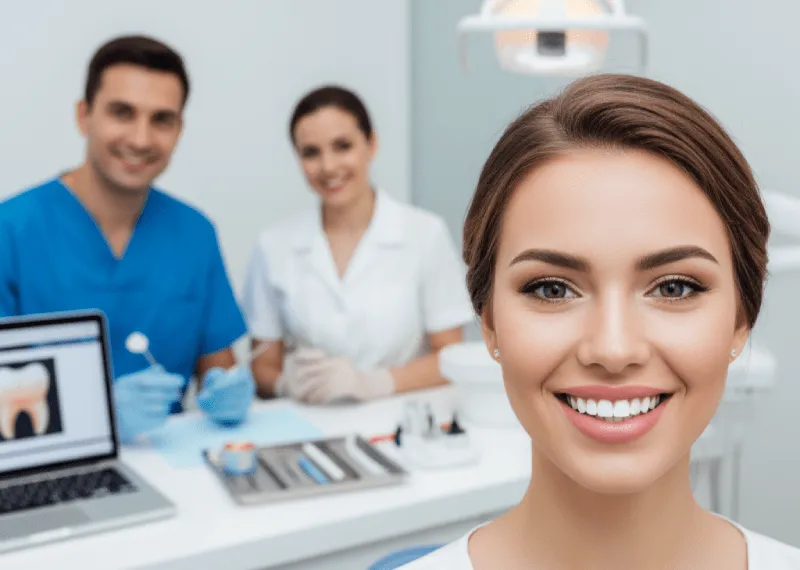
The first examination is the cornerstone of a successful smile design. At this stage, not only the teeth but the patient’s entire facial profile are examined. The dentist listens to the patient’s expectations, lifestyle, and preferences. Then, high-resolution photographs are taken, and digital impressions are obtained with intraoral scanners. Existing cavities, gum problems, or joint issues are identified at this stage because aesthetic success cannot be achieved without a healthy infrastructure. The first appointment is a critical meeting where the imagined smile meets medical realities and a common roadmap is drawn.
How Should Pre-Treatment Expectations Be Determined?
Patients generally have a desire to have a “perfect” tooth structure, but this expectation must be based on realistic foundations. While determining expectations, natural forms suitable for one’s own facial anatomy should be taken as a reference instead of filtered photos seen on social media. Not every tooth shape suits every face type. At this point, the guidance of the physician is of vital importance in determining whether the patient’s dream smile is functionally sustainable. Realistic expectation management is the biggest key to post-treatment satisfaction and prevents disappointments.
Which Criteria Are Important For A Realistic Smile Design Result?
For a realistic result, the principles of the golden ratio must be followed. The size relationship of the teeth with each other, the position of the lips during smiling, and the harmony of the midline of the teeth with the midline of the face are among the most important criteria. In addition, not only the whiteness of the teeth but also the light reflection capacity and the transparency level that mimics the natural enamel layer create the feeling of “naturalness.” Very opaque and excessively white teeth can cause an artificial appearance. For this reason, characterized details are indispensable for a realistic design.
How Do Facial Features Affect Smile Design?
The shape of the face (oval, square, round, or heart) is the primary factor in determining the shape of the teeth. For example, making very sharp-edged teeth for an individual with square facial features can make the facial expression look more aggressive, while more rounded-edged teeth can soften the expression. The parallelism of the smile line with the horizontal line passing through the pupils can hide asymmetries in the face. The width of the nostrils gives a clue about the width of the front two teeth. In short, teeth should be designed not as objects alone, but as complementary parts of the holistic composition of the face.
Where Does Gum Aesthetics Stand In Smile Design?
Smile design is not just about teeth; the gums are the frame of the teeth. Results obtained without “pink aesthetic” (gum arrangements) usually give a feeling of being unfinished. If a patient’s gums show too much when they smile (gummy smile) or if the gums are asymmetric, these areas are corrected with laser or small surgical interventions. Healthy, pink, and smooth gums ensure that porcelain or zirconium applications look much more vibrant and natural. Gum leveling is the secret hero that establishes the symmetry of the smile.
What Are The Differences Between Porcelain Veneers And Zirconium?
Porcelain veneers (laminates) are an aesthetic solution that is bonded only to the front surface of the tooth and requires very little abrasion (sometimes none at all). Its light transmittance is very high and it is the material closest to natural tooth enamel. Zirconium stands out with its durability and is a type of crown that surrounds the entire tooth. Zirconium is generally preferred in designs where there is more tissue loss, where old crowns need to be replaced, or where posterior tooth groups are included. The choice is determined by the specialist physician according to the patient’s existing dental health and aesthetic goals.
Do Laminate Veneers Damage The Tooth Structure?
Although there is a public concern that laminates damage the teeth, this situation has completely changed with modern techniques. The amount of abrasion made from the tooth in laminate applications is generally between 0.3 mm and 0.7 mm, which means staying only in the enamel layer. This process does not disturb the main structure and resistance of the tooth. On the contrary, thanks to the special bonding agents used, the laminate can protect the tooth against external factors by integrating with it. Incorrect applications and excessive abrasions can pose risks, but laminates performed by expert hands are a tooth-friendly aesthetic solution.
Does The Durability Of Zirconium Teeth Meet Expectations?
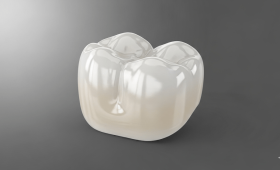
Zirconium is a bioceramic that does not contain metal but is as durable as metal. Thanks to this feature, it provides an aesthetic appearance in the front teeth and shows resistance to breakage in the back teeth where the chewing force is intense. Zirconium crowns can be used without problems for 15-20 years or even longer with correct care. Since it is tissue-friendly, it does not cause gum recession and does not cause the purplish gum line formation seen in metal-supported crowns over time. This long-term success more than meets patients’ expectations regarding durability.
What Kind Of Comfort Do Temporary Teeth Offer During Treatment?
While the smile design process continues, “temporary restorations” are applied to prevent the patient’s aesthetic and functional loss when the teeth are prepared. These temporaries do not just serve as a filling; they are also a rehearsal of the design. The patient can eat, speak, and continue their social life with these temporaries before the permanent teeth are fitted. Feedbacks on temporary teeth guide the physician for the final touches to be made on the shape of the permanent teeth. This stage ensures that the treatment process progresses comfortably and without surprises.
How Many Sessions Does Smile Design Take And What Is The Timeline?
Smile design is generally a process completed between 2 and 4 sessions. The first session involves examination and digital planning. In the second session, the teeth are prepared, impressions are taken, and temporaries are fitted. The third session is usually the rehearsal stage; here, the patient’s preference and technical harmony are checked. In the final session, permanent restorations are bonded. The total duration varies between 7 and 10 days depending on the scope of the procedure (whether it is only the front 6 teeth or the entire mouth). This short time is quite a reasonable period for a change that will last a lifetime.
Is Pain Or Suffering Felt During The Procedure?
Thanks to today’s local anesthesia techniques, procedures such as preparing teeth and taking impressions are performed completely painlessly. Patients may only feel a very slight sting during the injection; however, this is minimized with digital anesthesia methods. A slight sensitivity may be seen in some patients when temporaries are fitted after the procedure; this is normal and passes in a short time. Modern dentistry is designed to overcome “dental phobia”; therefore, it is not an expected situation for a person having a smile design to suffer in the chair.
Is Tooth Whitening A Part Of The Design?
If veneers or laminates are not applied to all teeth, the tooth whitening (bleaching) process becomes an integral part of the design to improve the color of existing teeth. Especially in “combined smile design” applications, color integrity is ensured by whitening the natural teeth on the sides while making aesthetic restorations for the front teeth. In this way, maximum aesthetic efficiency is obtained by intervening in fewer teeth. Office-type whitening systems support the success and brightness of the design directly by lightening the tooth color by several shades in just one hour.
Can Lip Fillers Be Combined With Smile Design?
Smile design covers the mouth and all surrounding tissues. Even if the teeth are perfect, a very thin upper lip or volumeless lip corners can weaken the effect of the smile. For this reason, small-volume lip filler or botox applications performed after the dental treatments are completed can increase the amount of exposure of the teeth. Making the smile line compatible with the curve of the lip is a result of the “total aesthetic” understanding. The cooperation of the dentist and the medical aesthetic specialist ensures that the resulting outcome is much more striking and balanced.
What Is Hollywood Smile And Does It Suit Everyone?
Hollywood Smile takes its name from those iconic, pearl-like, white, and wide smiles of movie stars. The goal in this design is to eliminate dark spots when smiling and to keep the teeth in the foreground. However, “the whitest” shade (bleach shades) and very long tooth shapes may not suit every face. The person’s skin color, eye color, and character should determine the tone of the design. Applying the same mold of smile to everyone can make the person look like a “mass-produced” product. Therefore, a personalized Hollywood Smile is actually the best.
What Factors Are Considered When Choosing The Color Of The Teeth?
Color selection is not just a matter of “whiteness.” While working with color scales called “shade guides,” dentists analyze the patient’s skin undertone (warm or cold). The whiteness of the whites of the eyes is generally accepted as the natural whiteness limit that the teeth can reach. Age is also an important factor; making opaque and bright white teeth for an older patient may look artificial. Color transitions from the neck area of the tooth to the edge area and slight yellowish-transparent nuances are the elements that ensure the design has a natural enamel texture.
What Should Be Considered In The First Days After Treatment?
The first 24-48 hours after the new teeth are bonded are critical for the bonding agents to crystallize completely. During this process, avoiding extremely hot or cold drinks is beneficial to prevent sensitivity. In addition, sticky (chewing gum, caramel) or very hard-shelled foods should not be consumed. If there are laser interventions made on the gums, a soft toothbrush should be used for those areas to heal. It is very natural to feel a sense of “strangeness” when talking or smiling in the first days; the brain will map the new tooth shapes and positions in a short time and this feeling will disappear.
How Long Does The Adaptation Process To The New Smile Take?
When the length or thickness of the teeth changes, the tongue and lips enter an adaptation process to adjust to this new volume. Generally, this process is completed within 1 to 2 weeks. Especially the pronunciation of some letters (“s”, “f”, “v”) during speech (phonation) may seem different in the first days. However, this situation is temporary; muscle memory adapts quickly to the new structure. Looking in the mirror frequently and listening to your own voice during this process speeds up adaptation. If there is a persistent discomfort or height feeling at the end of two weeks, a small abrasion by the physician will solve the problem.
What Should Eating Habits Be Like After Smile Design?
You can eat anything with your new smile, but you need to be “careful.” You should not do anything with your new porcelains that you should not do with your own natural teeth (such as breaking hazelnuts, biting pencils, consuming acidic drinks excessively). Eating very hard foods (for example, a hard apple) by dividing them instead of biting them with the front teeth reduces the stress on the laminates. Although porcelain surfaces are resistant to staining, excessive consumption of coffee, tea, and cigarettes can cause discoloration in the junction points of natural teeth and porcelain over time; therefore, balanced consumption is recommended.
What Is The Lifespan Of The Applied Veneers?
The lifespan of a well-designed smile design produced with quality materials is directly related to the importance the patient gives to oral hygiene. In the literature, it is seen that porcelain laminates and zirconium crowns remain successfully in the mouth for 15-20 years. However, it should not be forgotten that the teeth under the crowns are still alive and can decay. Gum recession or traumas can also affect this period. Going to regular dentist check-ups ensures that small problems that may occur are solved before they grow and extends the life of your investment. Smile design is not a one-time procedure but long-term care.
Does The Problem Of Teeth Grinding Adversely Affect Smile Design?
Yes, teeth grinding (bruxism) is one of the biggest risk factors for aesthetic restorations. Uncontrolled chewing forces can cause porcelains to crack or fall off. However, this does not mean that you cannot have a smile design. In patients who grind their teeth, a “night guard” (protective splint) is definitely used after the treatment. In addition, botox applications to the chewing muscles (masseter) protect the restorations by reducing this pressure and contribute to the face looking thinner and more aesthetic. Mentioning this complaint to your physician will directly change the planning.
How Are Design Errors And Revision Procedures Performed?
Sometimes patients may request a revision because they are not satisfied with the smile designs they had elsewhere. Design errors generally stem from wrong color selection, the teeth looking too bulky, or gum asymmetries. During the revision process, old crowns are meticulously removed, the tissues under the teeth are examined, and digital analyses are performed from scratch. Thanks to modern CAD/CAM systems, old errors are easily detected, and more natural, functional restorations are prepared. Revision is not just an aesthetic correction, but also a process of restoring the patient’s damaged psychological confidence.
How Much Do Filtered Images On Social Media Reflect Reality?
Most of those smooth, excessively shiny, and perfectly white teeth we see on social media are the work of light games and filters. In the real world, teeth should have a texture, a slight transparency, and a lively glow. When patients go to their physicians with these filtered images, they may hit the “realistic expectation” wall. A real smile design is more about how you look in daylight, while talking and eating, rather than social media aesthetics. Clinical photographs taken under the right light and with the right technique will show you the most honest result.
How Does A New Smile Change Your Life Psychologically?
Oral and dental health is an inseparable whole with the individual’s psychology. A person who is ashamed of their teeth closes their mouth while talking, does not smile in photos, and acts timidly in social settings. It is a common situation for patients to feel “as if they were reborn” after a successful smile design. The increase in self-confidence creates a positive domino effect in every field from job interviews to private life. Smile design is not only a physical change but also a deep mental transformation about how the person sees themselves and how they smile at the world.
According To What Do Smile Design Prices Vary?
Pricing is determined according to the quality of the material used in the treatment (brand laminate or zirconium), the number of teeth, and whether additional surgical interventions (gum aesthetics, implants, fillings, etc.) are required. In addition, the experience of the physician and the level of digital technologies used in the design are factors that affect the cost. It should not be forgotten that smile design is an investment that will last for many years. Choosing cheap and low-quality materials may lead to tooth loss or more expensive revision procedures in the future. When health and aesthetics are concerned, the “value” factor takes precedence over “price.”
How Should Long-Term Oral Care Be Planned?
You should take better care of your new teeth than your own teeth. Brushing should be done at least twice a day with a non-abrasive paste. Using dental floss or an interdental brush to clean between laminates or crowns is of vital importance because crown edges are areas most prone to plaque accumulation. Alcohol-free mouthwashes can also be supportive. Professional cleaning and checks performed every 6 months both protect gum health and ensure that the polish of the restorations is renewed. Good care guarantees that your smile maintains its brightness of the first day.
Does Smoking And Alcohol Consumption Ruin The Design?
Although porcelain surfaces are more resistant to cigarette smoke than natural tooth enamel, excessive smoking can cause gum recession and bruising by disrupting the circulation of the gums. This causes the edges of the crowns to become exposed over time and leads to aesthetic loss. Alcohol, on the other hand, may shorten the life of bonding cements (adhesives) to some extent. In addition, these habits cause dry mouth, accelerating the formation of bacterial plaque. To maintain the success of your smile design, minimizing these habits or planning the treatment after quitting is the healthiest approach.
Can Smile Design Be Performed During Pregnancy?
During pregnancy, gums become more sensitive and prone to bleeding due to hormonal changes. Non-urgent aesthetic procedures are generally postponed until after birth. However, in the second trimester of pregnancy (between 3-6 months), small interventions can be made in very necessary cases. Since smile design requires extensive planning and X-rays, it is safer for the health of both the mother and the baby to finish this process before pregnancy or leave it for the breastfeeding period. Health always comes before aesthetics.
Can Orthodontic Treatment And Smile Design Be Carried Out Together?
If the crowding in the teeth is at a very advanced level, a short-term orthodontic treatment (with clear aligners or braces) may be recommended first to avoid excessive abrasion of the teeth. A minimal intervention smile design performed after the teeth are brought to their ideal positions is much healthier and longer-lasting. This approach is called “pre-prosthetic orthodontics.” Achieving aesthetics by preserving biological tissue instead of just correcting teeth by cutting them is always the preferred professional method. Clear aligner technology has made this process quite comfortable for the patient.
How Is Implant Treatment Integrated Into Smile Design?
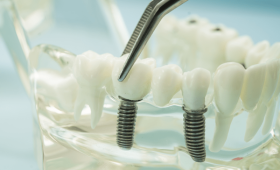
Implants are inevitable for a complete smile design in a mouth where there are missing teeth. An implant acts as a tooth root, preventing the cutting of neighboring healthy teeth. Implant-supported zirconium or porcelain crowns are designed in the same color and form as the surrounding laminates or veneers, ensuring perfect integrity. Tooth loss causes not only aesthetic issues but also a decrease in lip and cheek support. Implants restore this support, making the face look younger and fuller, and functionally complete the design.
How Can You Get Your Dream Smile With Cure Holiday?
Cure Holiday offers its patients not just a treatment, but a “transformation story” with its expert staff in the field of aesthetic dentistry and state-of-the-art equipment. Cure Holiday, which plans the smile design process to the smallest detail, transforms your expectations into concrete realities using digital design tools. While patients feel special throughout the treatment, they are included in every stage of the process with transparent communication. For you to achieve that striking and natural smile you dream of, Cure Holiday combines medical excellence with an aesthetic vision.
Why Should Cure Holiday Be Preferred For Smile Design?
Choosing the right clinic in a procedure that requires sensitivity, such as smile design, directly determines the success of the result. Cure Holiday makes a difference with its boutique service approach offered to its patients, high-quality material guarantee, and expert physicians in their fields. Moving with the principle of “personalized” design for each patient, the center builds the smile that best suits your facial anatomy and character instead of standard solutions. In addition, it helps you guarantee the life of your new smile with the long-term support and follow-up processes it offers after the treatment.
What Do Cure Holiday Treatment Packages Include?
Cure Holiday prepares comprehensive and comfortable treatment packages for its guests coming from home and abroad. These packages can be organized to include not only dental treatment but also accommodation, transfer, and consultancy services. Within the scope of the treatment, all aesthetic procedures such as porcelain laminates, zirconium crowns, laser gum arrangements, and whitening are offered as a whole. Thanks to the transparent pricing policy, patients have the chance to combine a quality health service with a prestigious experience without encountering surprise costs.
What Should You Do To Start The Transformation Journey With Cure Holiday?
The first thing you need to do to step into a new life and a smile full of self-confidence is to contact Cure Holiday experts. With free pre-consultation and digital analysis opportunities, the current situation in your teeth is evaluated and a special roadmap is drawn for you. The expert team listens to your expectations, offers you the most suitable treatment options, and stands by you at every moment of your transformation journey. Do not be late to create your appointment and start looking at the world with a much brighter smile with the assurance of Cure Holiday.
Free Consultation
Fill out the form below to get your free medical travel plan and price quote.
Sources and how to verify this yourself
- Howe M-S, Keys W, Richards D. Long-term (10-year) dental implant survival: a systematic review and sensitivity meta-analysis. Journal of Dentistry, 2019 — pooled 10-year implant survival 96.4% (95% CI 95.2–97.5%); conservative sensitivity estimate 93.2%. source
- Ministry of Health, Regulation on International Health Tourism and Tourist Health, Official Gazette 26 April 2025, No. 32882 — authorisation requirement for facilities and intermediaries, TÜSKA accreditation, compulsory complication insurance (deadline 31 December 2025 for insurance, 31 December 2026 for accreditation). source
- Ministry of Health, Regulation on Promotion and Information Activities in Health Services, Official Gazette 12 November 2025, No. 33075 — treatment promises and guarantees are prohibited; price and campaign announcements are permitted only within international health tourism. source