Why Is Nutrition Important After Dental Treatment?
Dental treatments can create microscopic or macroscopic trauma to the oral tissues. After this process, the body needs the right nutrients to repair itself. Nutrition is not just about satisfying hunger; it also means supporting the immune system, accelerating tissue repair, and minimizing the risk of potential infections. Choosing the wrong foods can prolong the healing process, cause stitches to pop, lead to implant displacement, or result in severe pain. Therefore, a post-treatment nutrition plan is as vital as the treatment itself. A professional approach can double your healing speed and ensure long-term success.
What Should Be Eaten In The First Few Hours After Surgery?
Whether it is a surgical intervention or a simple filling, the first 2-3 hours after the operation are generally a critical waiting period. If local anesthesia was applied, the safest way is to eat nothing until the numbness wears off. Biting your tongue or cheek accidentally can cause serious injuries that you won’t feel at the time. When the numbness begins to fade, only room-temperature liquid foods that do not require chewing should be preferred. Buttermilk, freshly squeezed (non-acidic) fruit juices, or room-temperature broths help the body regain lost energy without straining the treated area. Discipline in these initial hours prevents complications before they start.
Is Eating Dangerous Before The Numbness Wears Off?
Loss of sensation in the mouth is total while under the effect of anesthesia. This condition makes the chewing function uncontrolled. A person may think they are chewing food but may actually bite the inside of their cheek or tongue very severely. These injuries are usually noticed after the anesthesia wears off and can cause more pain than the actual treatment area. Additionally, since the sense of temperature is lost, drinking a very hot beverage can lead to serious burns on the roof of the mouth. For your safety, you must completely avoid chewing and only consume controlled lukewarm liquids for the duration specified by your dentist.
Why Should Hot Foods And Drinks Be Avoided?
After dental treatment, tissues become sensitive and blood vessels tend to dilate. Hot foods and beverages can cause throbbing pain and edema (swelling) by excessively increasing blood flow to the treated area. Especially after surgical procedures such as tooth extraction or implant operations, heat can prevent the formation of a blood clot or dissolve an existing one. This situation leads to a painful condition called “alveolitis” (dry socket). Keeping foods at room temperature or slightly cool for the first 24-48 hours helps blood vessels constrict, stopping bleeding and reducing swelling.
What Are The Basic Nutrients That Speed Up The Healing Process?
The body needs proteins, vitamins, and minerals to synthesize tissue. Specifically, Vitamin C accelerates gum healing by triggering collagen production. Zinc is indispensable for cell division and wound closure. Soft-boiled eggs are an excellent choice as a high-quality protein source. Puréed vegetables (carrots, potatoes, zucchini) meet the vitamin needs. Fish with soft textures like salmon, which is rich in Omega-3 fatty acids, are known for their anti-inflammatory effects. Including these nutrients in your diet provides your body with the building blocks it needs to recover efficiently.
Why Is Using A Straw Risky After Tooth Extraction?
Many patients think that using a straw makes it easier to consume liquid foods, but this is a major mistake. Drinking through a straw creates negative pressure (a vacuum effect) inside the mouth. This pressure can dislodge the vital blood clot that facilitates healing in the extraction socket. When the blood clot is displaced, the bone is exposed, and an excruciating pain called “dry socket” begins. Therefore, for at least 3 days, and preferably for a week after the operation, the use of straws must be strictly avoided. Drinking liquids in small sips from the rim of a glass is the safest method.
Which Soft Foods Should Be Preferred After Implant Treatment?
Implant treatment is a long-term process that requires the integration of the artificial tooth root with the jawbone (osseointegration). Immediately following the operation, it is essential to minimize the load on the implant. During this period, yogurt, cottage cheese, mashed avocado, hummus, and puréed soups are ideal. Soft fruits like bananas or fruit purées passed through a blender provide both a feeling of fullness and necessary energy. Since hard and fibrous foods can disrupt the stability of the implant, this soft diet program should be strictly followed until bone integration is complete (with the approval of your doctor).
How To Manage Sensitivity After Root Canal Treatment?
Although the nerves inside the tooth are removed after a root canal treatment, the ligaments and tissues around the tooth may remain sensitive for a while. Applying direct pressure to the treated tooth during this process can trigger pain. Care should be taken to chew food on the other side of the mouth. Lukewarm foods should be preferred, as very cold or very hot drinks can cause temporary stinging in the surrounding tissues. Additionally, sticky foods such as gum or caramel should be avoided; these foods can pull the temporary filling out or create unnecessary tension on the tooth.
What Is The White Diet After Teeth Whitening?
After a teeth whitening procedure, the enamel layer of the teeth temporarily becomes more porous. This situation makes teeth extremely sensitive to external stains. The “white diet” prescribes not consuming any foods containing colorants for the first 48-72 hours. Coffee, tea, red wine, tomato paste, soy sauce, curry, cherry juice, and cigarettes are at the top of this list. Instead, “colorless” foods such as white cheese, milk, chicken breast, white fish, pasta (without sauce), rice, and white bread should be consumed. Staying loyal to this diet maximizes the results of the whitening process and increases its longevity.
Which Vitamins Should Be Taken After Gum Treatment?
After gum (periodontal) treatments, the gums are expected to tighten and reattach to the bone. During this process, Vitamin A is necessary to maintain mucosal health. Since Vitamin C deficiency can lead to gum bleeding, supplementing it during this period accelerates healing. Vitamin D and Vitamin K2 are critical for jawbone health and the correct delivery of calcium to the bones. Furthermore, supplements like Coenzyme Q10 and Omega-3 are very effective in suppressing gum inflammation. Including green leafy vegetables (but finely chopped), fish, and dairy products in your diet will greatly contribute to your recovery.
Do Spicy And Acidic Foods Delay Wound Healing?
Yes, spicy, hot, and acidic foods create an irritating effect on open wounds. Red pepper flakes, black pepper, or acidic fruits (such as lemon, orange, tomato) can burn the mucosal layer in the treated area and increase the sensitivity of the healing tissues. These types of foods can also disrupt the pH balance in the mouth, creating a suitable environment for bacteria to grow. Until the healing process is complete, consuming bland, spice-free, and pH-neutral foods as much as possible will increase your comfort and protect the speed of healing.
How Does Alcohol And Smoking Affect Dental Treatments?
Alcohol and smoking are the biggest enemies of dental treatments. Alcohol increases the risk of post-operative bleeding by thinning the blood and can interact with painkillers, putting pressure on the liver. Smoking slows down blood circulation in the mouth due to nicotine and other toxic substances. When blood circulation slows, insufficient oxygen and nutrients reach the area, which stops healing or leads to infection. Especially after implant operations, smoking is the most common cause of implant failure. For a successful result, these habits should be completely avoided for at least the first week after treatment.
What Are Nutrition Tips For Orthodontic Patients?
For those undergoing braces or clear aligner treatment, nutrition is important to prevent brackets from breaking and to protect dental health. Hard foods (nuts, hard apples, carrots) can snap brackets off. These foods should be consumed by cutting them into small pieces or grating them. Sticky candies and gums can get stuck between brackets, making cleaning impossible and increasing the risk of cavities. Patients using aligners must remove them while eating and should not put them back on without brushing their teeth after the meal. Soft foods and plenty of water are your best friends in this process.
Are Milk And Dairy Products Beneficial For Dental Health?
Foods like milk, yogurt, and cheese contain high amounts of calcium and phosphate. These minerals help remineralize (strengthen) the tooth enamel. Additionally, dairy products create an environment that prevents tooth decay by neutralizing the acidity in the mouth. After a tooth extraction or surgical intervention, room-temperature yogurt or curd cheese are excellent sources of nutrition because they do not require chewing. However, during some antibiotic treatments, the consumption of dairy products may affect the absorption of the drug, so it is beneficial to consult your doctor.
What Role Does Protein Intake Play In Gum Tissue Repair?
Proteins are the building blocks of the body. High-quality protein is needed for the repair of damaged gum tissues and bone cells after a surgical procedure. If the body does not receive enough protein, the healing process slows down significantly and tissue integrity remains weak. Since it will be difficult to chew tough meats after dental treatment, one should turn to easily consumable protein sources such as well-cooked and shredded chicken, meals prepared with ground meat, lentil soup, or boiled eggs. These nutrients increase the body’s repair speed and bring you back to your old form faster.
Do Sugary Foods Increase The Risk Of Post-Treatment Infection?
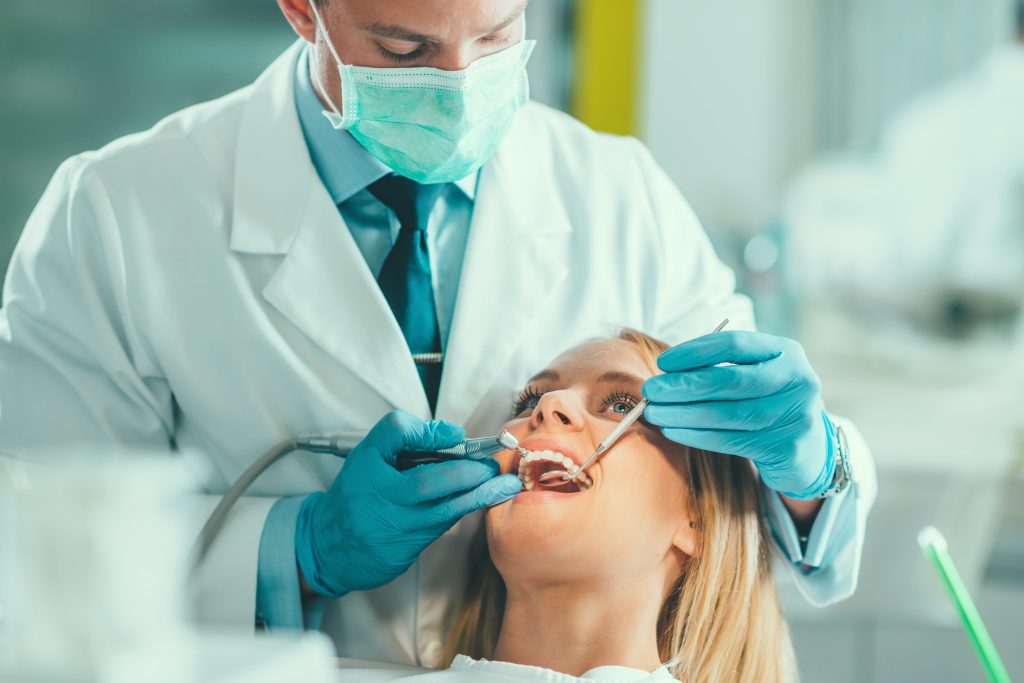
Sugar is the favorite food of harmful bacteria in the mouth. Surgical areas, such as tooth extraction or implant sites, are suitable grounds for bacteria to settle. Consuming high-sugar foods can cause the bacterial population to increase rapidly in these areas and lead to inflammation. Additionally, sugar can temporarily suppress the immune system, making it harder for the body to fight infection. Avoiding sugary and acidic drinks and packaged snacks, especially for the first few days after treatment, ensures that wounds remain clean and close healthily.
What Should Be Considered When Consuming Soup?
Soup is the most popular food for the period following dental treatment, but there are some details to consider. First of all, the soup should never be very hot; it must be allowed to cool down to lukewarm. It should not contain hard pieces (e.g., large meat chunks, croutons). High-acid soups like tomato soup or soups with hot peppers can irritate the wound. Instead, strained lentils, cream of chicken (without pieces), or vegetable soups should be preferred. Also, small sips should be taken with a spoon, and a straw should never be used. Adding bone broth to the soup to increase nutritional value is a great way to support healing.
Should Fruit Juices Be Fresh Or Pre-Packaged?
The ideal choice is fruit juices that are freshly squeezed at home and strained of their pulp. Pre-packaged fruit juices usually contain high amounts of sugar and preservatives, which is a disadvantage for oral health. However, the acidity level of freshly squeezed juices should also be considered. High-acid drinks like orange, grapefruit, or lemon juice can burn healing gums. Instead, less acidic options such as apple juice, peach juice, or melon juice should be preferred. Rinsing the mouth with water after consumption prevents fruit sugar and acid from remaining on the tooth surface.
When Can Nuts And Hard Foods Be Consumed?
Nuts, chips, or hard-shelled foods create great mechanical pressure on the teeth and gums. It is generally recommended to stay away from these foods for at least 1-2 weeks after a tooth extraction or filling. In implant treatments, this period can be up to several months. Hard pieces can get stuck between healing tissues, causing abscesses or the tearing of stitches. Before putting full load on your teeth again, you must go through your doctor’s control and get the “you can eat anything now” approval. Rushing can cause a treatment that took months to be damaged by a single bite.
What Is The Ideal Food Temperature For Sensitive Teeth?
Following dental treatments (especially fillings and dental scaling), the enamel layer or tooth roots may be temporarily hypersensitive to temperature changes. During this hypersensitivity period, “room temperature” is the golden rule. Foods and drinks between approximately 25-35 degrees Celsius do not stimulate the tooth nerves and do not cause pain. Cold water just out of the fridge or hot tea just off the stove can cause a sharp, sudden ache. Sensitivity usually decreases within a few days, but consuming lukewarm nutrients during this time will significantly increase your comfort.
How Do Smoothies And Shakers Address Nutritional Deficiencies?
When the ability to chew decreases after dental treatment, gathering all the necessary vitamins and minerals for the body in a single glass is a great solution. Smoothies; with ingredients like bananas, yogurt, oatmeal (well-blended), peanut butter, and spinach, can act as a complete meal replacement. These mixtures provide both a feeling of satiety and the antioxidants necessary for tissue repair. The point to note is that the small seeds of seeded fruits (like strawberries or kiwi) should not remain in the mixture, as these tiny grains can get into wound areas and cause infection.
What Is The Effect Of Yogurt And Probiotics On Oral Flora?
Our mouth is a complex ecosystem home to thousands of different bacterial species. This flora can be disrupted after dental treatment, especially if antibiotics are being used. Yogurt, kefir, and probiotic supplements help maintain the balance of beneficial bacteria in the mouth. Beneficial bacteria prevent the proliferation of harmful microbes, reducing the risk of gingivitis and bad breath. Additionally, the cool and soft texture of yogurt creates a natural dressing effect that relieves the sting in the treated area. Unsweetened and natural probiotic sources are among the healthiest choices in the healing process.
Does Coffee And Tea Consumption Cause Tooth Stains?
Coffee and tea are beverages that easily stick to tooth enamel and cause discoloration due to the tannins they contain. Especially after teeth whitening or filling procedures, it is necessary to avoid these drinks as the enamel layer is more open to staining. If you must drink them, you should make sure the drink is not too hot and, if possible, use a straw (if there is no surgical procedure) to reduce contact with the teeth. Drinking a glass of water or rinsing the mouth after coffee helps remove stain-causing pigments from the surface. However, completely avoiding them in the first few days is always the safest bet.
Which Foods Reduce Post-Surgical Swelling?
It is normal for swelling to occur on the face and inside the mouth after surgical procedures. Certain foods can help this edema subside faster thanks to their natural anti-inflammatory properties. The “bromelain” enzyme found in pineapple is very effective in relieving swelling and bruising (it can be consumed in purée form). Ginger and turmeric are also powerful anti-inflammatories; they can be added to teas or meals in a lukewarm state. Additionally, restricting salt prevents the body from retaining water, which stops swelling from increasing. Drinking plenty of water and consuming these supportive foods accelerates the healing process visually as well.
How Is Toothpaste And Mouthwash Use Related To Nutrition?
Food residues left in the mouth after eating are a feast for bacteria. Brushing teeth can sometimes be difficult after treatment; in this case, alcohol-free mouthwashes recommended by your doctor come into play. Cleaning the mouth gently after meals (without vigorous swishing, but by lightly moving the water in the mouth) prevents food from harming the wound. Nutrition and cleaning are a whole; the cleaner the oral environment you provide, the more effective the beneficial foods you eat will be. Saline rinses (with lukewarm water) can also be used after meals as a natural disinfectant.
Are Late-Night Snacks Harmful After Dental Treatment?
Eating something before going to bed after treatment, especially if it is sugary or acidic, carries extra risk for the teeth. Saliva flow decreases during sleep, making it harder to clear acids in the mouth. If you have had a surgical intervention, a late-night meal can put pressure on the suture areas or increase the risk of bleeding during sleep. Furthermore, if adequate cleaning is not performed after the meal, bacteria multiply rapidly throughout the night. Therefore, it is best to eat dinner early, perform oral care afterward, and consume only water before sleep.
Do Vitamin C And Collagen Supplements Strengthen Gums?
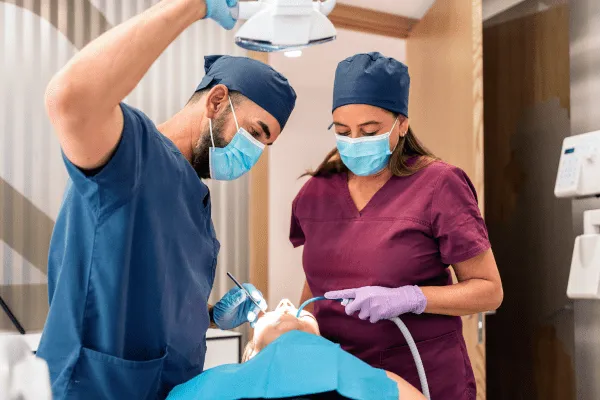
Definitely yes. Gums consist largely of collagen fibers. After gum recession treatments or implant operations, the body needs to produce intense collagen for the tissues to hold firmly to the bone and tooth surface. Vitamin C is the key to this production. Adding kiwi (seedless purée), broccoli (well-boiled) to your diet, or taking collagen peptides as a supplement will make your gums much healthier and more resilient. Strong gums are a foundation that directly extends the success of the treatment and the life of the teeth.
How Should Chewing Habits Change After Getting Dentures?
When a new denture (removable or fixed) is fitted, it takes time for the mouth to get used to this foreign substance. In the first few days, trying to chew balanced on both sides helps the denture remain stable and apply equal pressure to the gums. Food should be eaten in small portions instead of large bites, and hard foods (nuts, crusty bread) should be avoided. Since the sensation of chewing with dentures is different, eating should be slower and more controlled to avoid harming the tongue or cheek. Over time, this habit will settle and a transition to a normal diet will occur.
How Does Water Consumption Prevent Dry Mouth?
Many dental treatments and used medications (painkillers, antibiotics) can cause dry mouth (xerostomia). Saliva is the greatest protector of oral health; it neutralizes acids and washes the teeth. Insufficient water consumption triggers dry mouth, which leads to both delayed wound healing and an increased risk of cavities. Drinking at least 2-3 liters of water a day keeps the oral mucosal layer moist, accelerates healing, and prevents bad breath. Drinking water sip by sip is the best method to keep the mouth constantly moist.
Is It Right To Chew Gum After A Filling Procedure?
It can sometimes take time for a newly performed filling (regardless of whether it is composite or amalgam) to reach its full durability. Chewing gum applies a constant and sticky pulling force on the filling. This situation can cause the filling to leak at the edges or become displaced. Especially if a temporary filling has been placed, gum is strictly forbidden. For permanent fillings, it is recommended to wait at least 24 hours. Additionally, sugary gums increase the risk of cavities, while excessive gum chewing can tire the jaw joints and lead to muscle pain after treatment.
What Are Long-Term Nutrition Strategies For Dental Health?
Avoiding sugary and acidic foods is the basic rule for healthy teeth for a lifetime, not just after treatment. A diet rich in calcium, magnesium, and phosphorus protects the structural integrity of the teeth. Raw vegetables (such as carrots, apples in healthy teeth) create a natural brushing effect and reduce plaque formation. While probiotic foods balance the oral flora, plenty of water consumption supports oral hygiene. Investing in nutrition for dental health prevents possible future treatments and extends the life of existing restorations.
When To Consult A Doctor Following Dental Treatment?
Despite proper nutrition, complications can sometimes develop. You should contact your doctor immediately in case of severe bleeding that lasts longer than 24 hours and does not decrease, throbbing pain that does not subside with medication, excessive facial swelling or bruising, a bad taste or odor in the mouth, early detachment of stitches, or high fever. These symptoms may be signs of infection or a problem in the healing process. Early intervention prevents the problem from growing. Remember, listening to the signals your body gives is the best way to protect your health.
What Are The Advantages Of Receiving Dental Treatment With Cure Holiday?
Dental health is not just about sitting in a chair and getting a procedure done; the process leading up to that chair and the follow-up afterward are much more important. Cure Holiday offers you the most reliable treatment environment with its modern clinics serving international standards and its expert physician staff. Especially for patients coming from abroad, packages where every detail is considered turn the treatment process into a comfortable experience rather than a stress. Getting treated in an environment where the latest technologies are used and hygiene is kept at the highest level ensures that your healing process will also be much more successful.
What Kind Of Treatment Plan Does Cure Holiday Offer You?
Every oral structure and every patient’s need is different. Cure Holiday aims to achieve the most accurate result for you with personalized treatment plans prepared specifically for you. In the wide range of services offered from implants to aesthetic smile design, not only the appearance of your teeth but also your chewing function and general health are taken into consideration. Thanks to the detailed information and guidance provided before and after the treatment, they are by your side in every matter from what you should eat after the operation to oral care. Professional planning is the shortest way to the smile of your dreams.
Why Should You Restore Your Dental Health Through Cure Holiday?
Health is too valuable to be left to chance. Cure Holiday makes a difference with its service approach that centers on reliability and patient satisfaction. Thanks to the quality of the materials used in your treatments, the experience of the physicians, and the professionalism of the team, the risk of complications is minimized. In addition, with their organizational skills that allow you to spend your treatment process like a holiday, you both regain your health and boost your morale. This brand, which combines the possibilities of modern medicine with warm hospitality, is the right address for your dental treatment.
How To Achieve Your Dream Smile With Cure Holiday?
Your smile is the first bond you establish with the world. From the moment you contact Cure Holiday, expert teams determine the most suitable schedule and treatment options for you. Following the procedures performed in our modern clinics, you can make the success of your treatment permanent by following the nutrition and care rules we specified in this guide. Cure Holiday is always by your side when you need professional support to have healthy, white, and strong teeth. Take a step for yourself now and achieve that magnificent smile of your dreams in expert hands.
Free Consultation
Fill out the form below to get your free medical travel plan and price quote.
Sources and how to verify this yourself
- Howe M-S, Keys W, Richards D. Long-term (10-year) dental implant survival: a systematic review and sensitivity meta-analysis. Journal of Dentistry, 2019 — pooled 10-year implant survival 96.4% (95% CI 95.2–97.5%); conservative sensitivity estimate 93.2%. source
- Ministry of Health, Regulation on International Health Tourism and Tourist Health, Official Gazette 26 April 2025, No. 32882 — authorisation requirement for facilities and intermediaries, TÜSKA accreditation, compulsory complication insurance (deadline 31 December 2025 for insurance, 31 December 2026 for accreditation). source
- Ministry of Health, Regulation on Promotion and Information Activities in Health Services, Official Gazette 12 November 2025, No. 33075 — treatment promises and guarantees are prohibited; price and campaign announcements are permitted only within international health tourism. source