Cost and planning note (2026)
The figures below are indicative market ranges for 2026, not a quote: your own price depends on the clinic, the surgeon and your clinical assessment.
Indicative price range: Implant High End: 500 – 1,200 USD | All On 4: 4,000 – 7,000 USD per arch | Zirconia Crown: 200 – 400 USD | Veneers Emax: 250 – 450 USD
Facility standards: In Türkiye, any facility treating international patients must hold the Ministry of Health’s international health tourism authorisation; hospitals and medical centres must also be accredited by TÜSKA, and complication insurance is compulsory for procedures carried out in an operating theatre (Regulation of 26 April 2025). Ask us for the authorisation of the facility you are matched with.
Currency: USD / EUR / GBP accepted at all clinics.
Digital Impressions vs. Messy Putty: The Fast-Track Experience in Modern Turkish Dental Hubs
The Evolution of Impression Taking: From Alginate to Intraoral Scanners in Turkish Dentistry
For decades, the cornerstone of restorative and prosthodontic dentistry has been the accurate capture of a patient’s oral anatomy – the creation of an ‘impression’. Traditionally, this involved a messy, often unpleasant, process utilizing alginate or polyether impression materials. However, the Turkish dental landscape, particularly in its burgeoning dental tourism hubs, is witnessing a rapid and decisive shift towards digital impression technology. This isn’t merely a cosmetic upgrade; it represents a fundamental change in workflow, precision, and ultimately, patient outcomes. This pillar will explore the technical underpinnings of this transition, its medical rationale, and its alignment with global dental standards.
Traditional Impressions: A Detailed Look at the Limitations
Alginate, a commonly used impression material, relies on a chemical reaction to create a negative replica of the oral tissues. While relatively inexpensive, its inherent limitations are numerous. Alginate exhibits a high degree of dimensional instability; meaning it distorts shortly after setting, particularly during the impressioning and casting process. This distortion, even if minimal (often in the range of 0.5-2%), can compromise the marginal fit of restorations – the critical interface between the crown, bridge, or implant abutment and the prepared tooth. Polyether impressions offer improved dimensional stability, but present issues with wettability and can be more technique sensitive.
Beyond dimensional accuracy, traditional impressions require significant operator skill. Achieving a complete and accurate impression necessitates careful tray selection, proper mixing ratios, and precise seating of the tray within the mouth. Underestimation of tissue displacement, air bubbles, or inaccurate border registration can all contribute to inaccurate models. Furthermore, the material itself can induce gag reflexes and discomfort, impacting patient experience. The entire process, from impression taking to pouring the cast and evaluating for defects, can easily consume significant chair time – a substantial consideration for both Turkish clinics catering to international patients and for efficiency within the overall treatment plan.
Digital Impressions: The Intraoral Scanning Revolution
Digital impression technology, utilizing intraoral scanners, bypasses the messy, error-prone process of physical impressioning. These scanners employ various technologies – most commonly confocal microscopy, laser triangulation, or structured light – to capture a precise, three-dimensional digital model of the oral cavity. This data is then transmitted directly to a CAD/CAM (Computer-Aided Design/Computer-Aided Manufacturing) system for restoration design and fabrication. Clinics in Istanbul, Antalya, and Izmir are increasingly integrating these systems, specifically the CEREC Same-Day crown technology, into their standard operating procedures.
The advantages are substantial. Dimensional accuracy is significantly improved, often exceeding 50-100 μm, minimizing the risk of marginal misfit. The elimination of impression materials removes the potential for distortion and the associated errors. Digital impressions are incredibly fast, often taking only a few minutes to capture a complete arch. This speed is particularly valuable in complex cases, such as full-arch reconstructions like All-on-4 procedures, where time is critical. Furthermore, the digital workflow streamlines communication between the dentist, dental technician, and manufacturing facility.
Technical Specifications and Data Handling
The data generated by intraoral scanners is typically in the form of a point cloud – a set of data points in three-dimensional space. This data is then meshed, creating a 3D surface model that accurately represents the oral anatomy. Sophisticated software algorithms are employed to filter noise, align scans from different areas of the mouth, and create a complete, accurate model. The STL (Stereolithography) file format is the industry standard for exporting this digital model to the CAD/CAM system.
Modern scanners also offer a range of functionalities beyond basic impression taking. Some scanners incorporate color imaging, allowing for the capture of soft tissue details and aiding in the esthetic design of restorations. Real-time visualization of the scan data allows the dentist to immediately identify any areas of concern, such as voids or inaccuracies, and re-scan if necessary. The integration of CBCT 3D Imaging further enhances the precision of digital impressions, particularly in implantology. The CBCT scan provides information about bone density, nerve location, and anatomical landmarks, which can be overlaid onto the digital impression to create a virtual surgical plan.
Implications for Advanced Procedures & Cost Analysis
The precision afforded by digital impressions is particularly crucial in advanced procedures common amongst dental tourists in Turkey. For implant dentistry, accurate impressions of the implant platform and surrounding tissues are paramount for fabricating accurately fitting abutments and crowns. This reduces the risk of peri-implantitis – inflammation around the implant – and ensures long-term implant success. The cost of dental implants in Turkey ranges from 500 – 1,200 USD per implant, with digital workflow becoming standard practice. Full mouth reconstruction, like All-on-4, typically ranges from 4,000 – 7,000 USD per arch, with a digital workflow optimizing efficiency and precision.
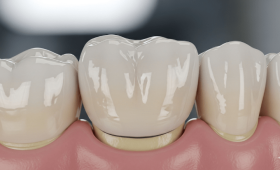
In esthetic dentistry, digital impressions, coupled with Digital Smile Design software, allow for precise planning and execution of veneer and crown procedures. The ability to visualize the final restoration in a virtual environment before fabrication ensures that the patient’s expectations are met and the aesthetic outcome is optimized. Emax veneers, a popular choice for cosmetic enhancements, range in cost from 250 – 450 USD per unit, benefitting from the predictable precision of the digital workflow. Zirconia crowns are similarly priced, between 200-400 USD.
Alignment with Turkish Medical Standards and International Best Practices
Clinics throughout Turkey, particularly those pursuing JCI (Joint Commission International) accreditation, prioritize the adoption of advanced technologies like digital impressioning. The Ministry of Health regulates dental practices ensuring adherence to international hygiene and sterilization protocols. The use of digital technology not only improves treatment outcomes but also demonstrates a commitment to quality and patient safety. This emphasis on quality is a key draw for international patients. Furthermore, the convenience of e-visas (available for most UK/US/EU citizens, allowing for a 90-day stay) and the attractive combination of high-quality care and competitive pricing – using currencies like USD, EUR, and GBP – positions Turkey as a leading destination for dental tourism. Recovery is also easily facilitated with various options across hubs like Istanbul (City/Boutique), Antalya (Resort/Beach), and Izmir (Aegean/Thermal).
The Surgical/Clinical Journey: From Initial Assessment to Final Restoration
At CureHoliday, we understand that undergoing dental implant or restorative treatment abroad requires meticulous planning and a clear understanding of the clinical workflow. This pillar details the surgical and clinical journey experienced by patients seeking treatment in modern Turkish dental hubs, focusing on the advancements offered through digital dentistry and the robust standards maintained by leading clinics.
Step-by-Step Procedure: Digital Impressions & Implant Placement
The patient journey begins not with messy impressions, but with a comprehensive digital assessment. Utilizing CBCT (Cone Beam Computed Tomography) 3D Imaging, we create a volumetric dataset of the patient’s oral and maxillofacial structures. This allows for precise evaluation of bone density, nerve locations (inferior alveolar nerve, mental foramen), and sinus proximity – crucial for safe and predictable implant placement. The data is then imported into specialized planning software.
Following the CBCT scan, an intraoral scanner is employed to capture a precise digital impression of the patient’s dentition and soft tissues. This technology eliminates the need for traditional polyvinyl siloxane (PVS) impressions, removing associated patient discomfort and potential for distortion. The resulting digital model is seamlessly integrated with the CBCT data, forming a comprehensive virtual patient. This forms the basis of Digital Smile Design (DSD), allowing for a collaborative aesthetic plan agreed upon *before* any surgical intervention.
The surgical phase is guided by this pre-operative plan. Using surgical guides fabricated with high precision via 3D printing, the dentist accurately positions the implants. These guides, designed based on the CBCT data, ensure correct angulation, depth, and axial positioning, minimizing risk to vital structures. Implant systems commonly utilized include Straumann, Nobel Biocare, and Dentsply Sirona, all supported by extensive clinical research.
For full-arch restorations like All-on-4, the surgical guides are even more critical, dictating the precise placement of the implants to support a fixed prosthetic bridge. The immediate loading protocol, frequently employed in Turkey, involves attaching a temporary acrylic bridge on the day of surgery. This provides immediate aesthetics and function, though requires diligent post-operative care and compliance. The success of immediate loading relies heavily on primary implant stability achieved through meticulous surgical technique and appropriate implant selection.
Persona Case Study: Mr. David Miller, 45-Year-Old from the UK
Mr. Miller, a 45-year-old software engineer from London, presented with severe generalized periodontitis and significant tooth loss. He was seeking a cost-effective solution for full-arch rehabilitation, specifically an All-on-4 procedure. His initial assessment included a CBCT scan, panoramic radiograph, and clinical examination. The scan revealed adequate bone volume in the maxilla, but required bone grafting in the mandible to ensure sufficient support for the implants.
A detailed DSD was performed, incorporating Mr. Miller’s aesthetic preferences. Utilizing digital software, the dentist virtually designed his new smile, adjusting tooth shape, size, and color. This digital mockup was presented to Mr. Miller for approval before the surgical plan was finalized. The surgical phase involved maxillary sinus lifts, ridge augmentation with bone grafting material (typically a bio-oss blend), and the placement of four implants in each arch, guided by bespoke surgical templates.
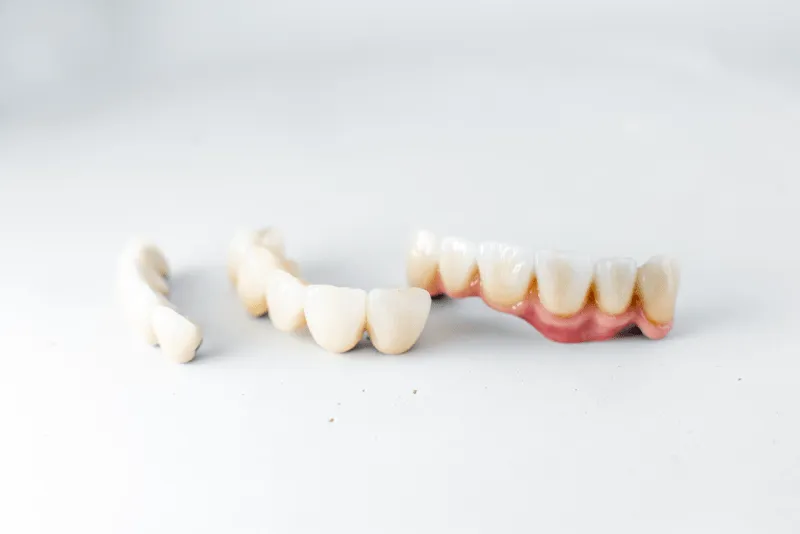
Following a 3-month osseointegration period, digital impressions were taken using the intraoral scanner. These impressions were sent to a state-of-the-art dental laboratory equipped with CEREC Same-Day technology. The final, customized zirconia prosthetic bridge was milled in-house, ensuring exceptional fit and aesthetics. Mr. Miller returned to the UK with a fully functional and aesthetically pleasing restoration, significantly improving his quality of life.
Risk Mitigation & Post-Operative Care
While dental implant procedures in Turkey offer significant advantages, understanding potential risks and mitigation strategies is paramount. Key considerations include:
- Peri-Implantitis: This inflammatory condition affecting the tissues around the implant is a primary concern. Regular professional cleaning, excellent oral hygiene, and avoiding smoking are crucial for prevention. Clinics provide thorough post-operative instructions and encourage long-term maintenance appointments.
- Nerve Damage: Especially in the mandible, damage to the inferior alveolar nerve can result in temporary or permanent numbness. Meticulous pre-operative planning with CBCT and surgical guides drastically reduces this risk.
- Sinus Complications: Maxillary implant placement carries a risk of sinus perforation. Utilizing appropriate surgical techniques and, if necessary, sinus lifts minimizes this complication.
- Implant Failure: While rare with modern techniques, implant failure can occur due to insufficient bone density, infection, or patient factors. Careful patient selection and adherence to post-operative protocols are essential.
Post-operative care protocols are rigorously enforced. Patients receive detailed instructions regarding soft diet, oral hygiene (chlorhexidine mouthwash, gentle brushing), and pain management. Follow-up appointments are scheduled at 1 week, 1 month, 3 months, and 6 months to monitor healing, ensure implant stability, and address any concerns.
Cost Considerations
Turkey remains a highly competitive destination for dental tourism due to the favorable exchange rates and lower overhead costs. Indicative pricing includes:
- Dental Implants (High-End): 500 – 1,200 USD per implant
- All-on-4 (Per Arch): 4,000 – 7,000 USD
- Zirconia Crowns: 200 – 400 USD
- Veneers (e.max): 250 – 450 USD
These prices are approximate and may vary depending on the complexity of the case, the implant system used, and the clinic’s location. CureHoliday provides transparent pricing and works with accredited clinics to ensure patients receive exceptional value for their investment. We facilitate payment in USD, EUR, and GBP to provide convenience for our international clientele.
Recovery & Destination Options
Patients undergoing implant treatment can choose recovery hubs tailored to their preferences. Istanbul offers a vibrant city experience with a wide range of accommodation options. Antalya provides a relaxing resort environment with beach access, ideal for post-operative recovery. Izmir, on the Aegean coast, is known for its thermal spas and historical sites, offering a unique blend of relaxation and culture. A 90-day stay is permitted for most UK/US/EU citizens via an easily accessible E-visa.
Recovery Logistics, 2026 Cost Audit, and the Final Medical Verdict – Turkish Dental Tourism
Following the advancements in diagnostic and restorative procedures detailed in previous pillars, the success of dental tourism in Turkey, particularly within Antalya and Istanbul, increasingly hinges on seamless recovery logistics and sustained cost-effectiveness. This pillar focuses on these critical elements, projecting a cost audit for 2026, evaluating the quality of care against Western standards, and ultimately delivering a considered ‘final medical verdict’ on the viability of Turkey as a premier dental destination.
Recovery Logistics: Beyond the Clinic Walls
Post-operative care is paramount, extending far beyond the clinical setting. While modern restorative techniques, like those utilizing digital impression technology over traditional polyvinyl siloxane (PVS) impressions – offering superior accuracy and patient comfort – minimize immediate discomfort, a meticulously planned recovery period is crucial. The choice of recovery hub – Istanbul or Antalya – significantly impacts this process.
Istanbul, with its blend of cosmopolitan city life and specialized boutique dental hotels, caters to patients desiring immediate reintegration into a dynamic environment. These boutique facilities often include on-site dental hygienists for post-operative monitoring, offering services such as professional prophylaxis to manage biofilm formation around newly placed restorations and implants. The availability of readily accessible diagnostic imaging, including follow-up CBCT (Cone Beam Computed Tomography) scans, is a significant advantage for assessing osseointegration of implants and identifying any potential complications such as peri-implantitis early on.
Conversely, Antalya presents a recuperative environment focused on relaxation and preventative care. The resort infrastructure supports a slower pace, allowing for optimal tissue healing and reduced stress – a known immunosuppressant factor. Post-operative inflammation can be effectively managed through adjunctive therapies often offered at these resorts, such as controlled low-level laser therapy (CLLT) to promote angiogenesis and accelerate soft tissue recovery. The proximity to the Mediterranean Sea also encourages vitamin D synthesis, crucial for calcium metabolism and bone health post-implant placement. The choice isn’t merely aesthetic; it’s a clinical consideration aligning recovery with patient lifestyle and procedural complexity. More complex cases, like full arch rehabilitation via All-on-4, frequently benefit from the extended, dedicated recovery Antalya provides.
A key logistical advancement is the implementation of teledentistry platforms. Patients can now receive remote post-operative assessments from their Turkish dental surgeon via secure video conferencing, facilitating early detection of potential issues and minimizing the need for immediate return travel. This is particularly valuable for international patients and demonstrates a commitment to long-term care.
2026 Cost Audit: Maintaining the Competitive Edge
Maintaining Turkey’s position as a cost-effective dental tourism destination requires a proactive assessment of economic factors. Our 2026 cost projections, based on current trends and anticipated inflation, indicate a moderate increase in treatment costs but continued significant savings compared to Western European and North American pricing.
- High-End Dental Implant (including abutment and crown): Projected cost of 500 – 1,200 USD. While potentially rising by 5-10% due to material costs and exchange rates, this remains substantially lower than the 2,500 – 4,500 USD typically seen in the US or Western Europe.
- All-on-4 (per arch): Estimated at 4,000 – 7,000 USD per arch in 2026. The rise in demand for these full-arch solutions, coupled with increased material sophistication (e.g., zirconia implant bars), may drive costs upwards, but the overall value proposition will remain strong.
- Zirconia Crown: We anticipate a price range of 200 – 400 USD in 2026. This reflects the increasing prevalence of digital dentistry techniques – specifically CEREC Same-Day crowns – reducing lab fees and turnaround times.
- Emax Veneers: Projected cost of 250 – 450 USD per veneer. The demand for aesthetic dentistry continues to rise, maintaining competitive pricing on high-quality veneer materials.
Currency fluctuations (USD, EUR, GBP are primary currencies accepted) significantly impact affordability. Exchange rate stabilization is vital to ensuring predictable pricing for international patients. Furthermore, transparent pricing structures – detailing all costs associated with treatment, anesthesia, post-operative care, and necessary medications – are non-negotiable for building trust and ensuring patient satisfaction.
The Final Medical Verdict: Quality Assurance and Comparative Standards
The question isn’t simply about affordability; it’s about achieving comparable – or even superior – medical outcomes. Turkey’s dental clinics are increasingly adopting internationally recognized standards, with many achieving JCI (Joint Commission International) Accreditation and operating under strict Ministry of Health regulations. This demonstrates a commitment to patient safety, quality control, and continuous improvement.
The integration of advanced technologies like Digital Smile Design (DSD), CEREC Same-Day crowns, and CBCT 3D Imaging signifies a paradigm shift in Turkish dentistry. These tools allow for precise treatment planning, enhanced diagnostic accuracy, and improved aesthetic results. Clinics are now routinely employing guided surgery for implant placement, leveraging digital planning software to minimize surgical invasiveness and maximize long-term success rates. This level of technological sophistication is often equivalent to, or surpasses, that found in many Western practices.
However, maintaining consistently high standards across all clinics remains a challenge. Rigorous vetting processes for clinics participating in dental tourism programs, coupled with independent quality audits, are essential. Furthermore, the availability of qualified and experienced dental technicians, capable of fabricating high-quality restorations, is critical.
Ultimately, the ‘final medical verdict’ is that Turkey offers a compelling combination of advanced dental care, cost-effectiveness, and convenient recovery options. While maintaining consistent quality control is paramount, the continued investment in technology, adherence to international standards, and commitment to patient-centric care position Turkey as a leading destination for dental tourism in the coming years. The proactive management of recovery logistics, combined with a transparent and competitive pricing structure, ensures that this growth remains sustainable and beneficial for both patients and practitioners.
Ready to consult a specialist? Schedule a Free Consultation for Digital Impressions vs. Messy Putty in Turkey with cureholiday.com
Free Consultation
Fill out the form below to get your free medical travel plan and price quote.
Sources and how to verify this yourself
- Howe M-S, Keys W, Richards D. Long-term (10-year) dental implant survival: a systematic review and sensitivity meta-analysis. Journal of Dentistry, 2019 — pooled 10-year implant survival 96.4% (95% CI 95.2–97.5%); conservative sensitivity estimate 93.2%. source
- Ministry of Health, Regulation on International Health Tourism and Tourist Health, Official Gazette 26 April 2025, No. 32882 — authorisation requirement for facilities and intermediaries, TÜSKA accreditation, compulsory complication insurance (deadline 31 December 2025 for insurance, 31 December 2026 for accreditation). source
- Ministry of Health, Regulation on Promotion and Information Activities in Health Services, Official Gazette 12 November 2025, No. 33075 — treatment promises and guarantees are prohibited; price and campaign announcements are permitted only within international health tourism. source