About the prices on this page. The figures below are indicative market prices and country comparisons, not a quote. Our own current, all-inclusive prices are published on our dental treatment in Turkey page, and we confirm your figure in writing before you commit to anything.
Cost and planning note (2026)
The figures below are indicative market ranges for 2026, not a quote: your own price depends on the clinic, the surgeon and your clinical assessment.
Indicative price range: Implant High End: 500 – 1,200 USD | All On 4: 4,000 – 7,000 USD per arch | Zirconia Crown: 200 – 400 USD | Veneers Emax: 250 – 450 USD
Facility standards: In Türkiye, any facility treating international patients must hold the Ministry of Health’s international health tourism authorisation; hospitals and medical centres must also be accredited by TÜSKA, and complication insurance is compulsory for procedures carried out in an operating theatre (Regulation of 26 April 2025). Ask us for the authorisation of the facility you are matched with.
Currency: USD / EUR / GBP accepted at all clinics.
Titanium vs. Ceramic Implants: Which Material is Best for Your Turkish Journey?
Titanium vs. Ceramic Implants: A Deep Dive into Material Science & Osseointegration
For individuals considering dental implants as part of their medical tourism journey to Turkey, understanding the nuances of implant materials is paramount. While both titanium and ceramic (specifically zirconia) implants successfully achieve osseointegration – the crucial biological process where the implant fuses with the jawbone – they differ significantly in their composition, biocompatibility profiles, and long-term clinical considerations. This detailed exploration will delve into the ‘what’ and ‘why’ of these materials, framed within the context of internationally recognized standards and Turkish medical capabilities.
Titanium Implants: The Gold Standard & Its Alloys
Titanium has long been considered the gold standard in implant dentistry, and for good reason. Its exceptional strength-to-weight ratio, coupled with excellent biocompatibility, has resulted in decades of clinical success. However, it’s rarely *pure* titanium used. Most dental implants utilize titanium alloys, primarily Ti-6Al-4V (Titanium-6 Aluminum-4 Vanadium). This alloy enhances mechanical properties like tensile strength and fatigue resistance, vital for withstanding the considerable occlusal forces (biting pressures) within the oral cavity. The addition of vanadium, despite some past concerns now largely mitigated through surface treatments, improves corrosion resistance within the physiological environment.
Osseointegration Mechanism: Titanium promotes osseointegration through a combination of factors. Its surface naturally forms a stable titanium dioxide layer when exposed to air, which passivates the metal, preventing corrosion and attracting osteoblasts – bone-forming cells. Furthermore, the surface topography, frequently enhanced through techniques like sandblasting and acid etching (creating micro and nano roughness), significantly increases surface area available for bone apposition. Modern implant surfaces also often incorporate bioactive coatings, like hydroxyapatite (HA), further accelerating bone growth onto the implant.
Ceramic Implants: Zirconia – A Metal-Free Alternative
Zirconia (zirconium dioxide) implants have emerged as a viable, increasingly popular, alternative to titanium. Unlike titanium, zirconia is a ceramic material – meaning it’s a compound of metal and non-metal elements. This inherently offers a tooth-colored aesthetic, eliminating the potential for grayish discoloration sometimes observed with thin gingival tissues over titanium implants. However, the properties of zirconia are markedly different from titanium.
Material Properties & Concerns: While possessing excellent biocompatibility, zirconia is inherently more brittle than titanium. Early generations of zirconia implants suffered from a higher incidence of fracture, especially under high stress or in patients with parafunctional habits (e.g., bruxism – teeth grinding). Modern zirconia formulations, employing yttrium-stabilized tetragonal zirconia polycrystals (Y-TZP), have drastically improved fracture resistance. However, it remains crucial that implants are meticulously designed and properly placed to minimize the risk of catastrophic failure. The manufacturing process is critical; precise sintering and machining are essential to optimize material density and strength.
Osseointegration with Zirconia: Zirconia’s osseointegration capabilities are robust, although the mechanisms differ subtly from titanium. Zirconia surfaces, while also forming a passive oxide layer, tend to attract fibronectin – a glycoprotein involved in cell adhesion. This promotes the attachment of osteoblasts and facilitates bone formation. Surface modifications, such as roughening and HA coatings, are equally important for zirconia implants to achieve optimal bone bonding.
Technical Considerations in Turkey: Leveraging Advanced Technologies
The success of either titanium or zirconia implants in Turkey is greatly enhanced by the availability of advanced diagnostic and surgical technologies. Digital Smile Design (DSD) is routinely employed to meticulously plan implant placement, ensuring optimal aesthetics and functional alignment. CBCT 3D Imaging (Cone Beam Computed Tomography) provides a detailed three-dimensional view of the patient’s jawbone, allowing the surgeon to assess bone density, nerve locations, and sinus proximity with unparalleled accuracy. This is critical for minimizing surgical risks and maximizing implant stability.
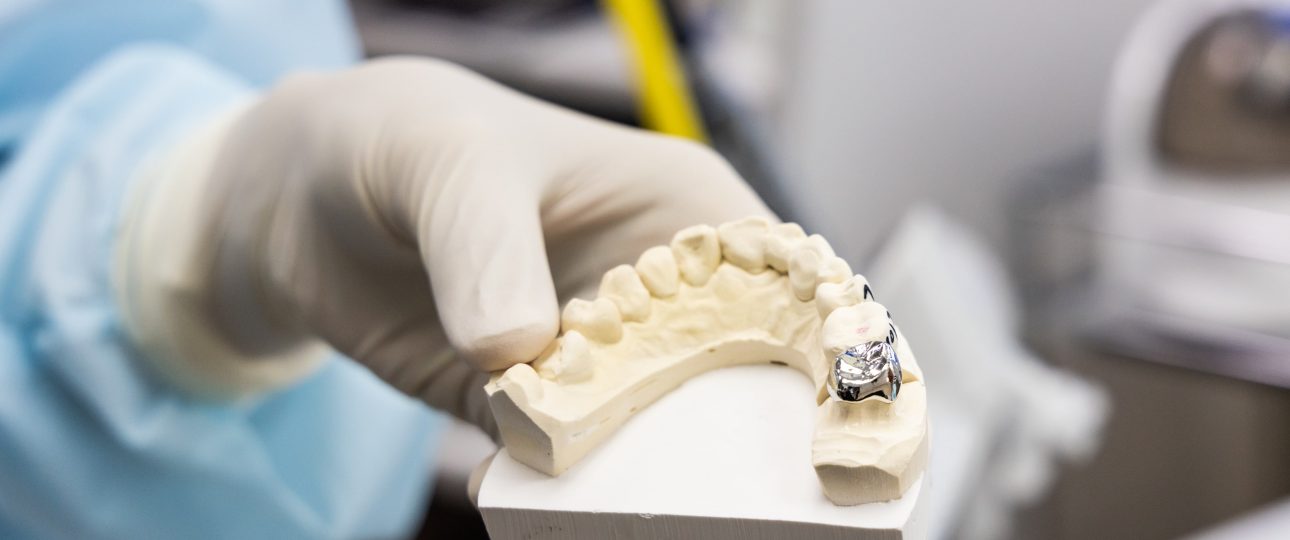
Furthermore, facilities utilizing CEREC Same-Day technology can fabricate custom zirconia crowns *in-office*, significantly reducing treatment time and eliminating the need for temporary restorations. This streamlined approach is particularly attractive for medical tourists seeking efficiency and convenience.
Financial Landscape & Treatment Costs
The cost of dental implants in Turkey, while highly competitive, can vary depending on the material chosen, the complexity of the case, and the clinic’s reputation. Generally, a single titanium implant, including the abutment and crown, can range from 500 – 1,200 USD. Zirconia implants often carry a slightly higher price tag due to the material costs and specialized manufacturing processes. Full-arch restorations, such as All-on-4, which utilize four implants to support a complete set of fixed teeth, typically cost between 4,000 – 7,000 USD per arch. A zirconia crown will range from 200 – 400 USD, while Emax veneers can be priced between 250 – 450 USD.
Regulatory Framework & Quality Assurance
Turkey adheres to stringent medical standards. Many clinics are JCI (Joint Commission International) Accredited, signifying adherence to internationally recognized healthcare quality guidelines. All dental procedures are rigorously regulated by the Turkish Ministry of Health, ensuring patient safety and adherence to best practices. Patients traveling from the UK, US, and EU can typically obtain an e-visa for a 90-day stay, facilitating their treatment journey.
Recovery & Regional Options
Turkey offers diverse recovery experiences catering to different preferences. Istanbul provides a vibrant, cosmopolitan environment with readily available amenities. Antalya, a popular resort city, combines treatment with a relaxing beachside recovery. Finally, Izmir, located on the Aegean coast, offers a blend of historical charm and thermal spa facilities, ideal for post-operative relaxation and rehabilitation.
Biologic Width & Long-Term Considerations
An often-overlooked but critical aspect is the ‘biologic width’ – the space between the implant platform and the alveolar crest (the bone surrounding the implant). Maintaining adequate biologic width is crucial for long-term gingival health and preventing peri-implantitis (inflammation around the implant). Zirconia implants, due to their potential for tighter adaptation to the bone, require meticulous attention to this parameter during the surgical planning phase. Titanium’s slightly more forgiving nature sometimes allows for minor adjustments, but precision is paramount in both cases. Regular monitoring and professional cleaning are essential for the longevity of *any* implant, regardless of material.
The Surgical/Clinical Journey: Titanium vs. Ceramic Implants
Following the initial consultation and diagnostic phase (covered in this section), the surgical placement of dental implants marks the critical transition into the heart of your Turkish dental journey. This pillar details the procedural specifics for both titanium and ceramic (specifically, zirconia) implants, alongside a risk mitigation strategy and a representative case study. Understanding these nuances allows you to engage fully in discussions with your chosen practitioner and feel confident in the path forward.
Pre-Surgical Protocol & Diagnostic Precision
Before any incision is made, advanced diagnostics are paramount. We employ CBCT (Cone Beam Computed Tomography) 3D Imaging to create a highly detailed volumetric representation of your jawbone. This surpasses traditional 2D radiography, allowing the surgeon to assess bone density, nerve proximity (specifically the inferior alveolar nerve), and sinus location with unprecedented accuracy. Coupled with Digital Smile Design (DSD), a sophisticated planning methodology, this ensures optimal implant positioning for both functional and aesthetic outcomes. DSD leverages photographs, videos, and digital models to visualise the final result *before* surgery, providing predictability and enabling adjustments based on patient preferences.
A meticulous surgical template, often fabricated using CEREC Same-Day technology (allowing for chairside design and milling of surgical guides), is then created. This template acts as a guide during the osteotomy – the precise creation of the implant site within the jawbone. The surgical template is crucial for minimizing surgical trauma and ensuring correct angulation and depth of the implant, particularly vital in complex cases or for full-arch restorations like All-on-4.
Surgical Procedure: Titanium Implants
Titanium implants have a long and well-documented clinical history. The procedure typically involves the following steps:
- Local Anesthesia & Optional Sedation: Patients typically receive local anesthesia. However, for those with anxiety, intravenous sedation or conscious sedation can be administered by a qualified anesthesiologist.
- Soft Tissue Preparation: A flap is carefully raised to expose the underlying bone. The technique – full-thickness or minimally invasive – is dictated by bone volume and the surgeon’s preference. Minimally invasive techniques prioritize tissue preservation and faster healing.
- Osteotomy & Implant Placement: Using a series of progressively larger drills, the osteotomy is prepared. The titanium implant – often with a machined or roughened surface to enhance osseointegration – is then gently inserted. Initial stability, measured with a digital torque meter, is crucial.
- Closure & Suturing: The soft tissue flap is repositioned and secured with sutures. Resorbable sutures are often preferred, eliminating the need for a second procedure for suture removal.
Titanium implants rely on a phenomenon called osseointegration – the direct structural and functional connection between living bone and the implant surface. This process typically takes 3-6 months in the mandible (lower jaw – generally faster due to higher bone density) and 4-8 months in the maxilla (upper jaw). Following this period, restorative work can commence.
Surgical Procedure: Zirconia Implants
Zirconia implants, increasingly popular for their aesthetic advantages and potential for improved biocompatibility, follow a similar surgical workflow, but with key distinctions.
- One-Piece vs. Two-Piece: Zirconia implants are often manufactured as one-piece constructs (implant and abutment are fused). This eliminates the micro-movement that can sometimes occur at the implant-abutment interface in titanium systems, potentially reducing peri-implantitis risk. Two-piece zirconia systems are available, though less common.
- Surface Modification: Due to zirconia’s inherently smoother surface, specialized surface modifications (sandblasting, acid etching, and potentially coating with bioactive materials like hydroxyapatite) are essential to promote osseointegration comparable to titanium.
- Initial Stability: Achieving adequate initial stability with zirconia implants can be more challenging than with titanium, particularly in softer bone. Careful osteotomy preparation and implant design are critical.
While osseointegration rates for zirconia are comparable to titanium in properly selected cases, the process *may* be slightly slower. Monitoring with regular clinical and radiographic examinations is vital. The long-term effects of zirconia implants are still under investigation, though current data is promising.
All-on-4 & Full Arch Restorations
For patients requiring full arch rehabilitation, the All-on-4 technique offers a compelling solution. This involves placing 4 implants per arch to support a fixed, full-arch prosthesis. The angled placement of the posterior implants maximizes bone utilization and minimizes the need for bone grafting. The cost for this procedure in Turkey ranges from 4,000 – 7,000 USD per arch, depending on the materials used for the prosthesis.
Both titanium and zirconia implants are suitable for All-on-4, but the choice often depends on aesthetic priorities and patient preference. Zirconia is particularly advantageous for patients with thin gingival biotypes (minimal tissue coverage over the implants) due to its opaque nature, minimizing the visibility of metal margins.
Risk Mitigation & Post-Operative Care
While dental implant surgery boasts a high success rate, potential risks include infection, nerve damage, sinus perforation, and implant failure. Mitigation strategies include:
- Strict Adherence to Sterilization Protocols: Clinics adhering to JCI (Joint Commission International) Accreditation and regulated by the Turkish Ministry of Health demonstrate a commitment to the highest standards of hygiene and sterilization.
- Pre-operative Antibiotic Prophylaxis: Administered to minimize the risk of infection, especially for patients with specific medical conditions.
- Meticulous Surgical Technique: Emphasizing atraumatic surgery and precise implant placement.
- Post-operative Instructions: Comprehensive instructions on oral hygiene, diet, and activity restrictions are provided.
- Regular Follow-Up: Monitoring osseointegration and assessing the health of the peri-implant tissues.
Post-operative costs, including follow-up appointments and potential adjustments to the prosthesis, should be factored into your overall budget. Temporary crowns or bridges may be fitted immediately after surgery, with final restorations (zirconia crowns costing 200-400 USD each, or veneers utilizing E-max material ranging from 250-450 USD per unit) delivered after osseointegration is confirmed.
Persona Case Study: 45-Year-Old Female, UK Resident
Mrs. Evans, a 45-year-old from the UK, presented with significant bone loss in her upper jaw due to periodontitis. Following CBCT imaging and DSD, a treatment plan involving All-on-4 with zirconia implants was recommended. The angled placement of the implants avoided the need for extensive bone grafting. The surgery was performed under intravenous sedation. Temporary prostheses were fitted immediately, allowing her to function comfortably during the osseointegration period. Final zirconia restorations were delivered after six months, resulting in a fully functional and aesthetically pleasing smile. The total cost, including surgery, temporary prostheses, and final restorations, was approximately 6,500 GBP.
Navigating Post-Implant Recovery in Turkey: A Deep Dive into Logistics and Cost-Effectiveness
Having made the decision to pursue dental implant treatment in Turkey, a crucial phase begins: meticulous planning for recovery and understanding the total cost landscape. This pillar focuses exclusively on the logistical framework surrounding recovery – where it happens, how to optimise it, and a detailed 2026 cost audit comparing Turkish options (specifically Antalya and Istanbul) with those in Western nations. Beyond the implant itself, a seamless post-operative period is paramount to long-term success and patient satisfaction.
Recovery Hub Analysis: Istanbul vs. Antalya vs. Izmir
Turkey offers diverse recovery environments. Choosing the right one depends on individual preferences and implant complexity. While Izmir, with its Aegean climate and thermal springs, presents a compelling option for specialized rehabilitative care, the primary hubs remain Istanbul and Antalya.
- Istanbul (City/Boutique): Ideal for patients seeking a vibrant cultural experience during recovery. The city boasts a high concentration of experienced dental professionals and readily available follow-up care. However, the fast pace and potential for high levels of activity might not suit those requiring a particularly restful post-operative period. Hotel accommodations range from budget-friendly to luxurious, influencing the overall cost.
- Antalya (Resort/Beach): A favoured choice for patients prioritizing relaxation and a less demanding recovery. The coastal climate and resort infrastructure provide a calming environment conducive to healing. The proximity to the clinic, coupled with all-inclusive hotel options, simplifies logistical arrangements and budgeting. It’s particularly well-suited for “All-on-4” cases requiring extended recovery periods.
- Izmir (Aegean/Thermal): Emerging as a niche recovery location, particularly for those interested in leveraging thermal mineral waters for purported benefits to tissue regeneration and reducing post-operative discomfort. While anecdotal, the mineral composition in some Izmir springs is believed to promote angiogenesis – the formation of new blood vessels critical for osseointegration. Requires more specific clinic partnerships and logistical coordination.
The choice isn’t solely aesthetic. The type of implant procedure dictates the optimal location. Single-implant placements with minimal bone grafting generally allow for a return to normal activities sooner, making Istanbul feasible. Full arch restorations, like “All-on-4,” often necessitate a more extended, serene recovery environment – favouring Antalya.
Titanium vs. Zirconia Implant Recovery Profiles: A Physiological Perspective
While both titanium and zirconia implants demonstrate high success rates, their differing biocompatibility profiles can subtly influence post-operative recovery. Titanium, renowned for its osseointegrative properties, encourages rapid bone apposition. This often translates to a faster initial healing phase, *provided* there’s no titanium allergy or sensitivity. However, some patients report a slight metallic taste or, rarely, galvanic currents if adjacent to dissimilar metals.
Zirconia, a ceramic material, is demonstrably more biocompatible, virtually eliminating these concerns. Its white colour also avoids the potential for gingival discolouration sometimes observed with titanium implants. However, zirconia exhibits a slightly slower initial osseointegration rate compared to titanium. While the long-term difference is negligible, the first few weeks post-implantation might require a more cautious approach to loading the implant – especially in cases involving immediate load protocols. Clinics utilising CEREC Same-Day crowns with zirconia implants emphasize meticulous occlusion checks to minimise stress on the nascent bone-implant interface.
Post-operative care protocols are largely consistent for both materials: strict adherence to oral hygiene instructions (antiseptic rinses, gentle brushing), a soft diet, and avoidance of strenuous activity. However, monitoring for per-implant mucositis (inflammation around the implant) is equally crucial for both materials, requiring regular check-ups and professional cleaning.
2026 Cost Audit: Turkey vs. Western Nations
The economic advantage of dental implant treatment in Turkey remains substantial, even accounting for travel and accommodation. Our 2026 projections, factoring in currency fluctuations (USD, EUR, GBP), reveal the following:
- Single Dental Implant: In Western Europe/North America, a single titanium implant, abutment, and crown typically costs between $3,000 – $6,000 USD. In Turkey, the high-end cost for a similar treatment is projected to be $500 – $1,200 USD.
- All-on-4 Full Arch Restoration: This complex procedure in Western countries ranges from $20,000 – $40,000 USD per arch. Turkey offers this procedure for $4,000 – $7,000 USD per arch.
- Zirconia Crown (post-implant): A zirconia crown in Western nations costs approximately $800 – $1,500 USD. In Turkey, the projected cost is $200 – $400 USD.
- Emax Veneers (for aesthetic enhancement): Often combined with implant procedures, Emax veneers in Western countries range from $900 – $2,000 USD per tooth. Turkey offers them for $250 – $450 USD per tooth.
These figures are projections and subject to change. However, the significant cost differential is primarily driven by lower labour costs, reduced overhead, and favourable exchange rates. It’s essential to factor in travel expenses (flights, accommodation, transfers), which typically add $1,000 – $2,500 USD to the total cost, depending on the duration of stay and chosen accommodation level. Clinics routinely offer package deals including these elements.
Technological Considerations and Post-Op Monitoring
Modern Turkish dental clinics are increasingly integrating advanced technologies into their workflows. Digital Smile Design allows for precise pre-operative planning, ensuring aesthetic and functional outcomes align with patient expectations. CBCT 3D Imaging provides critical pre-operative assessment of bone density and anatomical structures, minimising the risk of complications. The implementation of CEREC Same-Day technology for fabricating zirconia crowns offers significant time savings and eliminates the need for temporary restorations.
Post-operative monitoring involves a series of check-ups, typically at 1 week, 1 month, 3 months, 6 months, and annually thereafter. Clinics utilise clinical examination, radiographic assessment (panoramic radiographs, peri-apical views), and, increasingly, digital intraoral scanners to assess implant stability and surrounding tissue health. Any signs of peri-implantitis (inflammation affecting both soft and hard tissues around the implant) are addressed promptly with appropriate antimicrobial therapy and, if necessary, surgical intervention.
Patients undergoing implant treatment in Turkey should receive a comprehensive post-operative care plan, including contact details for the clinic and a clear understanding of follow-up appointment schedules. Establishing a relationship with a local dentist upon return home is also crucial for ongoing maintenance and monitoring.
Ready to consult a specialist? Schedule a Free Consultation for Titanium vs. Ceramic Implants in Turkey with cureholiday.com
Free Consultation
Fill out the form below to get your free medical travel plan and price quote.
Sources and how to verify this yourself
- Howe M-S, Keys W, Richards D. Long-term (10-year) dental implant survival: a systematic review and sensitivity meta-analysis. Journal of Dentistry, 2019 — pooled 10-year implant survival 96.4% (95% CI 95.2–97.5%); conservative sensitivity estimate 93.2%. source
- Ministry of Health, Regulation on International Health Tourism and Tourist Health, Official Gazette 26 April 2025, No. 32882 — authorisation requirement for facilities and intermediaries, TÜSKA accreditation, compulsory complication insurance (deadline 31 December 2025 for insurance, 31 December 2026 for accreditation). source
- Ministry of Health, Regulation on Promotion and Information Activities in Health Services, Official Gazette 12 November 2025, No. 33075 — treatment promises and guarantees are prohibited; price and campaign announcements are permitted only within international health tourism. source