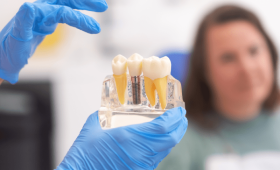
When it comes to dental implants, the term “rejection” is often misunderstood by patients. In medical contexts, such as organ transplants, rejection occurs when the immune system identifies foreign tissue as a threat and launches an attack. However, this process does not occur with dental implants because they are made from biocompatible materials like titanium or zirconium. The body recognizes these materials as biologically inert and harmless. What is often called “implant rejection” is actually “implant failure,” which happens when the implant fails to fuse properly with the jawbone—a process known as lack of osseointegration. This is a disruption of the healing process rather than an immune-driven rejection. Therefore, while an implant can become loose or fall out due to various factors, the body does not “reject” it in the same way it would a biological organ.
Why Does The Body Accept Titanium Implants?
Titanium is considered the gold standard for biocompatible materials in the medical world. The primary reason for this is that when titanium comes into contact with oxygen, it forms a very thin and highly resistant oxide layer on its surface. This layer prevents the metal from corroding when exposed to body fluids and allows bone cells, called osteoblasts, to attach directly to the metal surface. Bone cells do not perceive titanium as a threat; instead, they grow into the microscopic pores of the material, creating a mechanical lock. This unique biological integration allows titanium implants to become a permanent part of the body, remaining stable for decades. Modern dentistry utilizes advanced surface-texturing technologies to maximize this biological harmony and ensure a lifetime of success.
What Is The Difference Between Implant Rejection And Failure?
Although these two terms are often used interchangeably in public discourse, they represent different biological scenarios. “Rejection” implies that the immune system is actively trying to expel a substance, which is almost never seen with inert metals like titanium. “Implant failure,” on the other hand, refers to the situation where the implant cannot perform its function or fails to bond with the bone. Failure is typically caused by external factors such as surgical errors, insufficient bone volume, smoking, or poor oral hygiene. In the case of failure, the implant may wiggle, cause pain, or eventually fall out. However, this is not because the body produced antibodies against titanium, but rather because a healthy biological healing environment was not established or maintained. Understanding this distinction helps patients feel more confident in their treatment.
Why Does Early-Stage Implant Failure Occur?
Issues that arise within the first few months after an implant is placed are categorized as “early-stage failure.” The most common cause of this condition is the failure of osseointegration, meaning the bone did not successfully fuse with the implant. Factors such as overheating of the bone during the surgical procedure, infections at the site, or inadequate bone density in the placement area can trigger this failure. Additionally, if a patient puts excessive pressure or load on the area during the healing phase, it can prevent bone cells from latching on correctly. In early-stage failures, the surgeon’s experience and the sterilization conditions during the operation are of vital importance. If the body’s tissues cannot achieve healthy healing around the implant, the device will lose stability and must be removed.
What Does Late-Stage Implant Loss Mean?
Losses that occur years after an implant has successfully fused with the bone and a prosthetic tooth has been attached are called “late-stage failures.” This condition is usually not caused by biological incompatibility but rather by environmental factors. The most significant cause is “peri-implantitis,” which is an inflammation of the gums and bone surrounding the implant. Poor oral hygiene, teeth grinding (bruxism), excessive smoking, or uncontrolled systemic diseases like diabetes lead to the erosion of the supporting bone around the implant. Late-stage losses are generally preventable. A patient’s dedication to oral care and regular dental check-ups are the most important protective shields that ensure the implant remains in the mouth for a lifetime.
How Does The Immune System React To An Implant?
The immune system is a complex defense mechanism that monitors every foreign substance entering the body. However, biocompatible materials like titanium are not coded as “enemies” by the immune system. When an implant is placed, the body perceives it as a wound-healing process. Blood cells and growth factors sent to the area initiate the formation of new tissue around the implant. If there are no bacteria present and surgical trauma has been minimized, the immune system peacefully supports the healing process. However, if there is an active infection in the area, the immune system may damage the tissues around the implant while fighting the bacteria. For this reason, for a successful implant, it is essential that the immune system is not compromised and that general body health is optimal.
Do Allergic Reactions Lead To Implant Rejection?
Titanium allergy is an extremely rare condition in medical literature, estimated to affect less than 0.6% of the population. In individuals with a true allergy to titanium, the body may exhibit an inflammatory response against the metal, preventing the tissues around the implant from healing. In such cases, symptoms like itching, rashes, or unexplained swelling around the implant site may be observed. If a patient has previously had severe reactions to metal jewelry (such as nickel), a patch test is recommended before proceeding with the implant. For patients diagnosed with a titanium allergy, zirconium implants are an excellent modern alternative. Zirconium is a metal-free ceramic structure, making it a perfectly safe option for patients with metal sensitivities.
How Does Smoking Affect The Lifespan Of An Implant?
Smoking is one of the most significant risk factors for dental implant failure. Nicotine and other toxic substances in tobacco smoke slow down blood circulation in the mouth, preventing the gums and bone from receiving adequate nourishment. This situation makes it difficult for the oxygen and nutrients necessary for the implant to fuse with the bone to reach the site. Furthermore, smoking alters the flow and quality of saliva, creating an environment ripe for bacterial growth. Statistics show that the implant failure rate in heavy smokers is twice as high as in non-smokers. Many dentists require patients to quit smoking at least two weeks before the operation and to abstain during the entire healing period to support the outcome of the treatment.
Does Diabetes Risk The Success Of Dental Implants?
Diabetes is a systemic disease that directly affects the body’s wound-healing capacity. Particularly in cases of uncontrolled diabetes, high glucose levels in the blood increase the risk of infection and impair microcirculation. This can slow down or even prevent the process of the implant anchoring to the jawbone. However, this does not mean that diabetic patients cannot receive dental implants. If the patient’s HbA1c values are within the desired range and the diabetes is under control, the success rate for implants is nearly the same as that of a healthy individual. The critical factor here is the patient’s cooperation with their doctor and stabilizing blood sugar levels prior to surgery. With meticulous surgery and good oral care, excellent results are achieved in controlled diabetic patients.
Can Gum Disease Cause The Loss Of An Implant?
Gum disease (periodontitis) is the greatest enemy of both natural teeth and implants. If an implant is placed while there is an active gum infection in the mouth, existing bacteria can rapidly spread around the implant. This leads to “peri-implantitis,” a condition that destroys the supporting bone of the implant. Although implants mimic natural teeth, they do not possess the same protective periodontal fibers, which means bacteria can reach the bone much faster. Therefore, before starting implant treatment, all gum diseases in the mouth must be treated, and oral hygiene must be brought to the highest level. Implant applications performed without a healthy gum foundation are like buildings constructed on a rotten base and are destined for long-term failure.
Why Is Jawbone Density So Important For Success?
For an implant to be long-lasting, there must be a sufficient volume and density of bone to support it. The implant must be tightly gripped by the bone, much like the roots of a tree. If the amount of bone is insufficient or the bone quality is too soft, it will not be able to carry the chewing loads placed upon the implant. In the back regions of the upper jaw, the bone is usually spongier and volume is limited by the sinus cavities; in the lower jaw, the bone is denser. Waiting too long after tooth extraction causes bone resorption (atrophy). In such cases, bone grafting or advanced bone-strengthening techniques are performed before the implant to create a solid foundation. The quality of the bone is the primary factor determining the initial stability (primary stability) of the implant.
How Exactly Does The Osseointegration Process Work?
Osseointegration is a miraculous biological process that forms the foundation of modern dentistry. When an implant is placed in the jawbone, a structural and functional connection is established between the metal surface and the living bone tissue. This process usually takes between 3 to 6 months. In the first stage, a blood clot forms around the implant, and healing cells migrate to the area. Subsequently, new bone tissue begins to grow toward the microscopic pores on the titanium surface. During this time, it is vital not to apply excessive pressure to the implant; because any movement can lead to the formation of soft tissue instead of bone, resulting in failure. After successful osseointegration, the implant transforms into a structure as strong as a natural tooth root, transmitting chewing forces directly to the bone.
What Is The Importance Of Hygiene In Implant Surgery?
A dental implant application is a minor surgical operation, and like every surgery, sterilization is the key to success. The environment where the operation is performed, the tools used, and the surgical team must strictly adhere to sterilization protocols. Microorganisms that may contaminate the area during surgery can start an acute infection around the implant, preventing the bone from bonding to the metal. Many early-stage implant losses are caused by contamination of the surgical field. Modern clinics use disposable materials and high-tech autoclave devices to reduce this risk to zero. It is also one of the most important factors for the patient to follow the dentist’s instructions regarding antibiotics and mouthwashes after the operation to keep the area clean and minimize the risk of infection.
Why Do Incorrectly Placed Implants Fall Out?
The success of an implant depends not only on the material but also on precise engineering planning. If an implant is placed at the wrong angle or too close to the roots of neighboring teeth, the chewing pressures applied to it will be unevenly distributed. This creates “mechanical stress,” leading to the erosion of the bone surrounding the implant. Furthermore, an implant placed too deep or too shallow within the bone disrupts the gum harmony and increases the risk of infection. Today, thanks to 3D tomography and digital surgical guides, implants can be placed with millimeter accuracy. Physician error or inadequate planning results in mechanical failure rather than biological rejection. Therefore, being treated by expert and experienced hands is the key to a successful outcome.
What Is Peri-Implantitis And How Can It Be Prevented?
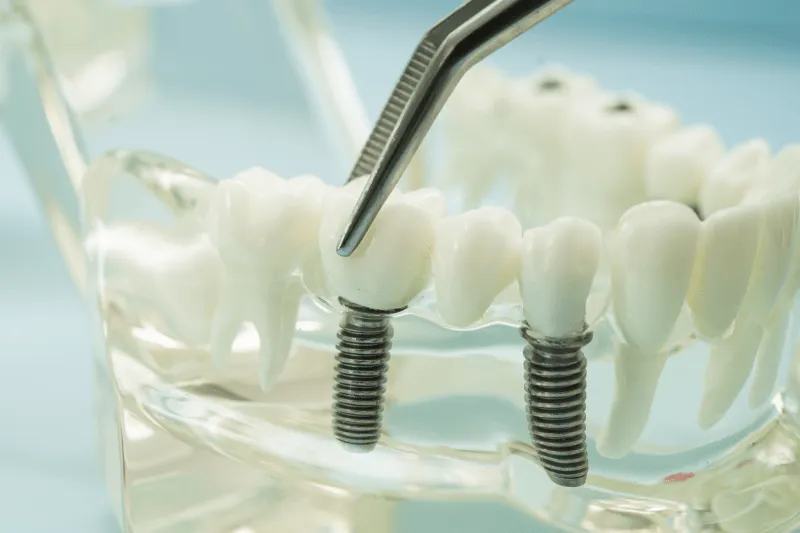
Peri-implantitis is a chronic inflammation of the tissues surrounding the implant and is the implant equivalent of gum disease. It is characterized by gum recession, bleeding in the area, pain, and eventually the loss of supporting bone. If not addressed early, it leads to the loosening and loss of the implant. The primary cause of peri-implantitis is bacterial plaque. When tooth brushing and interdental cleaning are neglected, bacteria settle on the implant surface. The only way to prevent this is through perfect oral hygiene. The use of electric toothbrushes, interdental brushes, and water flossers significantly reduces the risk of peri-implantitis. Additionally, having a professional dental cleaning at least twice a year is essential to clean hardened tartar (calculus) that the patient cannot reach with a brush.
Does Excessive Loading Prevent The Implant From Anchoring?
Attaching a prosthesis immediately after an implant is placed, before the bone has fully healed, is called “immediate loading.” This method is not suitable for every case. If the initial grip of the implant in the bone (primary stability) is not strong enough, the chewing forces applied to it can cause the implant to move millimetrically. Bone cells cannot latch onto a moving surface, and “fibrous encapsulation”—a layer of soft tissue—forms around the implant. This results in the implant loosening and failing. It is important to be patient during the healing process and to respect the body’s biological speed. The dentist decides how long to wait based on the bone quality, and adhering to this period guarantees the lifelong permanence of the implant.
Does Medication Use Affect The Success Of Implants?
Certain medications can directly affect bone metabolism, risking the success of an implant. Particularly “bisphosphonates,” used in the treatment of osteoporosis or cancer, can slow down bone healing and, in rare cases, lead to necrosis in the jawbone. Additionally, the use of immunosuppressants or steroids can increase the risk of infection and impair osseointegration. While blood thinners may make bleeding control difficult during surgery, they generally do not pose an obstacle for implants. It is necessary to inform your dentist in detail about all the medications you use before treatment. Your dentist can consult with your medical doctor to adjust your dosage or postpone the treatment to the safest possible time if necessary.
When Is Post-Implant Pain A Sign Of A Problem?
It is completely normal to experience mild pain, swelling, and bruising during the first few days after an implant operation, which can be easily controlled with painkillers. However, if severe and throbbing pain continues despite a week passing since the operation, this may indicate a problem. Sharp pain during the healing process is often a sign of an infection or that the implant was placed too close to a nerve canal. Furthermore, pain that begins suddenly months after the healing process is complete may mean peri-implantitis or that the implant has moved. In case of any suspicious situation, consulting a dentist without delay can ensure the problem is solved before it grows. It should be remembered that a healthy implant does not cause pain and feels like the patient’s own tooth.
Can A Wiggling Implant Be Saved?
The movement (mobility) of an implant usually indicates that its bond with the bone has been broken and is, in most cases, a definitive sign of failure. However, a distinction must be made between whether it is the implant itself wiggling or the prosthesis on top of it. Sometimes the abutment screw on top of the implant may loosen; this situation is resolved with a simple tightening procedure. But if the implant itself is moving within the bone, it means the bone loss has reached an irreversible point. At this stage, instead of trying to save the implant, the best decision is to remove the implant to clean the infection in the area. Once the area is cleaned and new bone formation is ensured, an implant can usually be placed again. Early diagnosis and regular check-ups play a critical role in preventing such dramatic outcomes.
What Are The Signs Of Implant Rejection?
In cases where the body does not accept the implant or healing fails, some distinct signals emerge. The most common symptom is pain or sensitivity felt when pressure is applied to the implant. Persistent redness, swelling, and pus discharge (infection) in the gums around the implant are also serious warnings. Visible movement of the implant is the clearest evidence of failure. Sometimes, bone erosion occurs around the implant while the patient feels no pain at all; this is why radiological check-ups are vital. If the implant has created a sense of “foreignness” in the mouth since the day it was placed and this feeling worsens over time, an expert should definitely be consulted. With early intervention, the infection in the surrounding area can sometimes be cleaned and the process can be reversed.
How Does Bone Grafting Improve Implant Success?
A bone graft (bone powder) is a supportive treatment method used when the jawbone is insufficient. Having 360-degree solid bone support around the implant is essential for long-term stability. If bone resorption occurred after a tooth extraction or if gum diseases thinned the bone, synthetic or natural bone powders are placed in this area. These powders act as a scaffold for the body’s own bone cells and eventually turn into real bone. The application of a bone graft creates a wider and stronger foundation for the implant. Thus, the implant becomes much more resistant to the forces placed upon it. Today, bone deficiency is no longer an obstacle for implants, and every patient can receive a safe implant through grafting techniques.
Does Radiation Therapy Affect Dental Implants?
For patients receiving radiotherapy (radiation treatment) in the head and neck region, implant treatment requires special attention. Radiation can damage the blood vessels in the area, significantly reducing the bone’s nourishment and healing capacity. This situation can pose a risk of bone death called “osteoradionecrosis.” However, it cannot be said that those who receive radiation treatment can never have implants. The decision is made by evaluating the time passed since the treatment, the amount of the dose received, and the current condition of the bone. Usually, a certain waiting period (generally 1-2 years) is recommended after radiotherapy. Supportive methods like hyperbaric oxygen therapy can increase the chance of healing for these patients. In individuals with a history of cancer, planning should be done meticulously in cooperation with an oncologist and a dentist.
Does Alcohol Consumption Disrupt The Healing Process?
Alcohol, like smoking, is one of the factors that negatively affect the wound-healing process. Excessive alcohol consumption weakens the immune system and reduces the body’s power to fight infections. Additionally, alcohol can disrupt blood clotting mechanisms, increasing the risk of post-operative bleeding. Its interaction with medications used during the first days of the healing process can also lead to serious health problems. In the long run, chronic alcohol use can lower bone quality and cause osseointegration to remain weak. Dentists usually recommend not consuming alcohol a few days before the implant operation and for at least the two-week period following the operation. This restriction allows the body to focus all its energy on new tissue formation and bone fusion.
What Should Be Considered For Implant Care?
A successful operation is only half of the process; the other half is the patient’s home care routine. Implants do not decay, but the tissues around them can become diseased. A level of meticulousness far beyond that of natural teeth is required. At least twice a day, the junction of the implant and the gum should be cleaned with circular motions using a soft-bristled brush. Instead of standard dental floss, “superfloss” type flosses produced specifically for implants should be used. Water flosser devices are extremely effective in cleaning bacterial plaque in hard-to-reach parts of the implant. Furthermore, excessively hard foods (such as cracking nuts) should be avoided, and implants should be treated more sensitively than natural teeth. A well-cared-for implant can serve for a lifetime.
Why Are Regular Doctor Check-Ups Vital?
Looking at it as “everything is over” after the implant treatment is finished is a big mistake. Individuals using implants need to go for a regular dentist check-up every 6 months. During these check-ups, the dentist verifies the stability of the implant, monitors potential gum recessions, and evaluates bone levels with radiological images. Most of the time, peri-implantitis (implant inflammation) progresses insidiously, and it may be too late by the time the patient feels pain. During professional cleaning, hardened tartar (calculus) that cannot be cleaned at home is removed using special tools without damaging the implant surface. A small bone loss or gum problem noticed at an early stage can be solved with simple interventions, whereas neglected situations result in the loss of the implant.
What Is Done After A Failed Implant Is Removed?
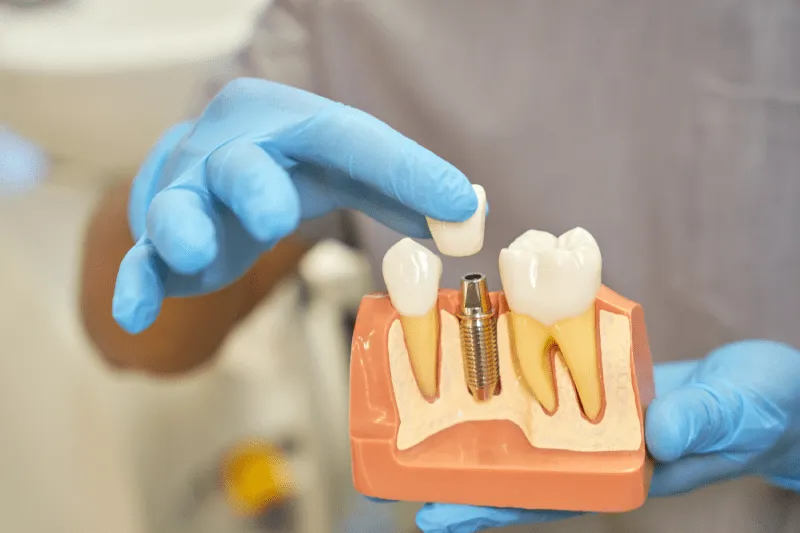
If an implant has failed and must be removed, it is not the end of the world. After the implant is removed, all infected tissues and debris in the area are surgically cleaned. Usually, a wait of 2 to 4 months is required for the area to heal. During this process, a bone graft (bone powder) may be applied to the area to compensate for bone loss. Once healing is complete and a healthy bone structure is observed radiologically, an implant can be placed in the same area again. In the second attempt, a much more controlled path is followed by analyzing the reasons for failure (smoking, hygiene, surgical error, etc.). Most patients achieve successful results in their second attempt and regain their dream teeth. The important thing is to learn from failure and prepare a stronger foundation.
Who Is The Ideal Candidate For Implant Treatment?
The answer to the question of whether everyone can have an implant is generally “yes,” but certain criteria bring the success rate close to 100%. An ideal implant candidate is a person whose general health is good, who does not have uncontrolled systemic diseases, and most importantly, who has sufficient jawbone volume. Additionally, the patient is expected to place a high level of importance on oral hygiene and be willing to quit smoking if the habit exists. Implants are not applied to young people whose bone development is not complete (usually under the age of 18). Old age alone is not an obstacle; even patients in their 80s can safely receive implants if their general health is good. In short, every individual with healthy gums, a solid bone structure, and a commitment to self-care is an ideal candidate.
How Does Modern Technology Affect Implant Success?
Dentistry technology has gained incredible momentum over the last decade. Now, implants are planned in a virtual environment with the help of digital panoramic x-rays and 3D tomography. With the method called “Guided Surgery,” the exact location and angle of the implant within the bone are determined in a computer environment and applied without error using a surgical guide. This method both shortens the operation time and speeds up the healing process. Furthermore, roughening the implant surfaces with lasers and coating them with special proteins increases the body’s acceptance speed of the metal by shortening the osseointegration period. Modern technology has minimized the “human error” factor, pushing the success of implants over 98%.
How Long Is The Lifespan Of A Dental Implant?
Dental implants are designed to remain in the mouth for a lifetime when correctly applied and cared for. However, the “lifetime” guarantee depends on the patient’s usage and health. Statistics show that there are millions of implant cases used without problems for 25-30 years. The implant itself (the metal part) does not wear out or decay, but the living bone and gum tissue holding it can change over time. Bone erosion due to aging or systemic diseases that emerge later can shorten the lifespan of the implant. In summary; when the physician’s technical success + quality material selection + the patient’s oral care + regular check-ups come together, your implant will be your most loyal prosthesis accompanying you for life.
Why Is Sinus Lifting Necessary For Implants?
In the back region of the upper jaw, just above the molar teeth, there are air cavities called the “maxillary sinus.” When teeth are lost, these sinuses sag downward, and the bone height necessary for placing an implant decreases. In such cases, the surgical raising of the sinus floor and placing bone powder in the resulting space is called “sinus lifting.” This procedure provides the vertical bone distance required for the implant to anchor. If an implant is placed in insufficient bone without performing a sinus lift, the implant may escape into the sinus cavity or fall out because it cannot receive enough support. This advanced surgical method makes it possible for even patients with insufficient upper jawbone to benefit from the comfort of implants.
How Likely Is It For The Body To Reject The Metal?
As we mentioned before, a biological “rejection” response against titanium is almost never seen in medicine. The body’s compatibility with titanium is over 99%. The situation where implants do not hold in society is usually simplified as “the body did not accept it” among the public; however, the real reason is almost always infection, smoking, insufficient bone support, or incorrect surgical technique. If you are truly afraid of your metal sensitivity, today you can choose zirconium implants, which have biological compatibility as high as titanium and are completely metal-free. Scientifically speaking, the probability of the body rejecting a high-quality dental implant is much lower than the probability of rejecting any surgical stitch or prosthesis.
How Is Treatment Planning Done With Cure Holiday?
Going abroad or to another city for your dental treatment may seem like a big decision, but Cure Holiday makes this process extremely simple and peaceful for you. As the first step, you send your existing x-rays or photos to our expert team. Our dental specialists, experienced in their fields, examine this data to prepare a personalized, most suitable treatment plan and cost breakdown for you. Cure Holiday offers not just a treatment, but a comfort package. Every detail from your transportation to your accommodation is professionally planned. While you focus only on refreshing your smile, all the logistical and medical organization in the background is flawlessly managed by Cure Holiday’s expert staff.
Why Should You Choose Cure Holiday For Dental Treatment?
Choosing Cure Holiday means combining high-quality dental health services with world-class hospitality. We work with expert physicians who use the latest technologies in Turkey’s most modern clinics. We make a difference with our price transparency, high success rates, and patient-oriented approach. Our consultants, who accompany you at every moment so that you do not experience a language barrier, are by your side at every stage of your treatment. Additionally, while your treatment continues, you have the chance to take a magnificent holiday. Cure Holiday promises you not just new teeth, but also a pleasant recovery experience where you will smile with confidence and unforgettable memories. Cure Holiday is the most correct address not to leave your health and aesthetics to chance.
What Advantages Does Cure Holiday Offer In Implant Treatment?
Being treated with implants through Cure Holiday allows you to access the world’s most prestigious implant brands (Straumann, Nobel Biocare, etc.) with much more advantageous costs. Our treatment process is not limited to surgery alone; we exhibit a holistic approach from bone analysis before the operation to maintenance follow-up after the operation. Thanks to the digital impression methods and 3D planning technologies we use, we eliminate the margin of error and maximize your implant success. Furthermore, you always feel safe with the guarantees we offer against possible complications and our post-treatment support line. Cure Holiday aims to offer you the most “guaranteed” smile by combining medical excellence with hospital comfort.
How Do You Achieve Your Dream Smile With Cure Holiday?
That perfect and healthy smile you’ve dreamed of is now just a phone call or message away. From the moment you contact the Cure Holiday team, you will find yourself in a special journey. By progressing step by step with the personalized treatment roadmap we have prepared for you, you will obtain perfect implants that are both aesthetic and functional in place of your lost teeth. You will overcome your fear of the dentist and turn the treatment process into a pleasure with our techniques that push the boundaries of modern medicine and our warm-blooded team. Take that first step that will change your life today and start smiling at the world again, stronger and brighter, with the difference of Cure Holiday.
Free Consultation
Fill out the form below to get your free medical travel plan and price quote.
Sources and how to verify this yourself
- Howe M-S, Keys W, Richards D. Long-term (10-year) dental implant survival: a systematic review and sensitivity meta-analysis. Journal of Dentistry, 2019 — pooled 10-year implant survival 96.4% (95% CI 95.2–97.5%); conservative sensitivity estimate 93.2%. source
- Ministry of Health, Regulation on International Health Tourism and Tourist Health, Official Gazette 26 April 2025, No. 32882 — authorisation requirement for facilities and intermediaries, TÜSKA accreditation, compulsory complication insurance (deadline 31 December 2025 for insurance, 31 December 2026 for accreditation). source
- Ministry of Health, Regulation on Promotion and Information Activities in Health Services, Official Gazette 12 November 2025, No. 33075 — treatment promises and guarantees are prohibited; price and campaign announcements are permitted only within international health tourism. source