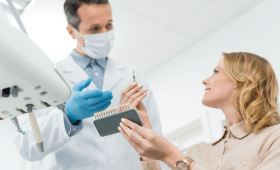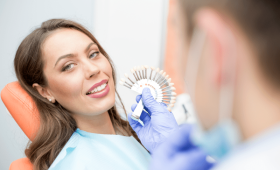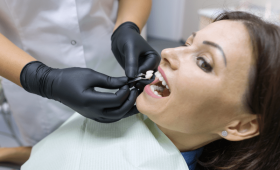
Smile aesthetics in modern dentistry is not just about having white teeth; it is the art of creating a natural, functional, and harmonious structure that complements facial features. Today, the most frequently encountered question while practicing this art is “Zirconium or E-Max?”. Although both materials have revolutionized dentistry, each has its own unique mechanical properties, light transmission rates, and areas of use. Choosing the wrong material can lead not only to aesthetic disappointment but also to gum problems or restoration fractures. In this in-depth guide, we will examine which material should be preferred in which situation for a perfect smile design from both scientific and aesthetic perspectives.
Why Is Material Selection Vital In Smile Aesthetics?
The choice of material in smile aesthetics is the fundamental factor that determines whether the result looks natural and remains durable for many years. Teeth are not just tools for eating; they are also the most powerful part of our social communication. The right material should reflect light like natural tooth enamel, be in full biological harmony with the gums, and show resistance to chewing forces. A wrong choice can result in an artificial appearance or restorations that need to be replaced in a short time. Therefore, understanding the properties of materials is of critical importance in communication between the physician and the patient.
What Is Zirconium Dental Crown?
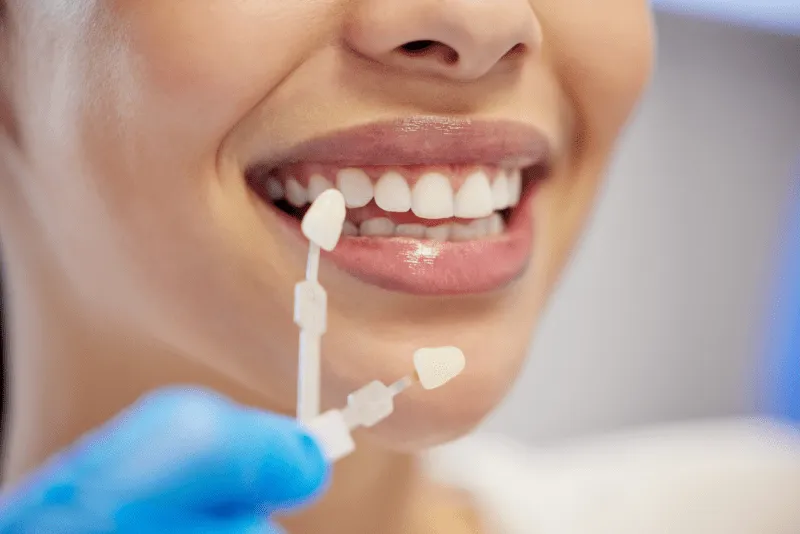
Zirconium is a type of ceramic that is obtained by processing the zirconium mineral found in nature; it does not contain metal but is as durable as metal. Replacing traditional metal-supported porcelains, this material is known for being both aesthetic and resistant. Since it has a white-colored infrastructure, it does not create a gray color at the gum line. Its ability to withstand high pressure in the posterior group of teeth and the aesthetic success it offers in the anterior teeth have made zirconium an indispensable part of modern dentistry.
What Is E-Max Full Porcelain Veneer?
E-Max is a lithium disilicate-based glass-ceramic and represents the pinnacle of aesthetic dentistry. The most important feature of this material is that its light transmission is at the level closest to natural tooth enamel. It consists entirely of ceramic and does not contain any metal or opaque zirconium infrastructure. This gives it depth and vitality. E-Max, often referred to as “full porcelain” or “all-ceramic,” is a special technology developed specifically to meet the highest aesthetic expectations in the front teeth.
What Are The Key Differences Between Zirconium And E-Max?
The most obvious difference between Zirconium and E-Max is the balance between durability and aesthetics. Zirconium has a much higher fracture resistance due to its crystal structure (approximately 900-1200 MPa), which makes it ideal for bridge restorations and back teeth. E-Max, although it has a lower resistance (approximately 400-500 MPa), is much more successful than zirconium in terms of light transmission and color integration. In short; zirconium is focused on “power,” while E-Max is focused on “pure aesthetics.”
Which Material Is More Suitable For Back Teeth?
Back area teeth are subjected to very high pressures during the chewing process. The material used in this area must not stretch or break against chewing forces. Zirconium is the most reliable option for the large molar areas in the back teeth thanks to its structural robustness. E-Max material, on the other hand, may be more fragile against this high pressure, so it is generally not the first choice in the posterior region, especially if there is a need for a bridge. Physicians prefer zirconium by prioritizing function in the back area.
Which One Should Be Chosen For Naturalness In Front Teeth?
The front teeth are the showcase of a person’s smile profile. In this area, it is necessary to imitate that transparent, slightly bluish, and light-transmitting texture of the natural tooth. E-Max, thanks to its crystal structure, does not just reflect light, it also allows it to pass through. This prevents the tooth from looking “lifeless and matte.” Although zirconium is aesthetic, it does not have as high light transmission as E-Max. Therefore, E-Max is the gold standard in single-tooth restorations or flawless anterior aesthetics.
How Does Light Transmission Affect Your Smile?
Light transmission is the most important optical property that determines whether a dental restoration looks “artificial” or “natural.” Natural tooth enamel is semi-transparent; light enters through the enamel, hits the dentin layer, and returns. E-Max can copy this optical behavior exactly. Materials with low light transmission (such as some types of zirconium) may appear “opaque” or “chalky.” Correct light transmission ensures that the tooth harmonizes with the shadowed areas in the mouth and remains natural under different light sources (sunlight, fluorescent, etc.).
Why Is Zirconium More Successful In Bridge Prostheses?
In bridge prostheses made to fill tooth deficiencies, the “pontic” part that takes the place of the missing tooth needs a very strong connection. E-Max carries the risk of fracture in long bridges due to its glass-ceramic structure. Zirconium, on the other hand, is extremely resistant to these stresses with its block structure. When looking for both an aesthetic and functional solution in areas with missing teeth, zirconium-supported porcelains or monolithic zirconiums provide the longest-lasting results.
How Do E-Max Veneers Adapt To The Gums?
E-Max material is highly compatible with the human body biologically. Thanks to its smooth surface, plaque accumulation on it is minimal, which protects gum health. Since it does not contain metal, that famous “purple or gray line” does not form at the gum line even if gum recession occurs. Additionally, the chemical structure of E-Max allows the gum to lean naturally against the restoration, so the gum tissue maintains its pink and healthy appearance.
What Does The Biocompatibility Of Zirconium Mean For Dental Health?
Biocompatibility means that a material does not give a toxic or allergic reaction when it comes into contact with living tissue. Zirconium is a material that is even used in hip prostheses in the medical world and does not cause any allergic reactions in the oral environment. The risk of nickel or chrome allergy seen in metal-supported porcelains does not exist in zirconium. Furthermore, its thermal conductivity is low; this prevents the formation of hot-cold sensitivity and increases the patient’s comfort.
Which Material Is Suitable If There Is Color Change In Teeth?
If the patient has excessive discoloration (darkening) in their own teeth due to root canal treatment or antibiotic use, choosing E-Max can be risky. The transparent structure of E-Max may reflect the dark-colored tooth tissue underneath and cause the tooth to look gray in the end. In these cases, zirconium masks the bad color underneath thanks to its opaque infrastructure and ensures that the desired whiteness is achieved with the porcelain coming on top. In short, zirconium has a “masking” power.
Which One Is Longer Lasting Zirconium Or E-Max?
In fact, both materials can be used for 10-15 years, or even longer, when applied with the correct technique and when the patient pays attention to oral hygiene. However, in terms of mechanical life, zirconium’s resistance to fracture is greater. E-Max, on the other hand, has a very low risk of falling off because it is chemically bonded to the tooth with bonding technology (adhesive cementation). What determines the life of the material is not the material itself, but rather the preparation of the dentist and whether the patient has habits such as teeth grinding.
How Does Material Choice Affect The Amount Of Tooth Reduction?
In smile design, the “minimal invasive” approach, i.e., abrading the natural tooth tissue at the minimum level, is essential. E-Max (especially laminate veneers) can sometimes be applied without any abrasion on the tooth (no-prep) or by removing only a very thin layer such as 0.3-0.5 mm. Zirconium crowns, on the other hand, usually require 1-1.5 mm of abrasion from each surface of the tooth due to the thickness of the material and the porcelain share. If you do not want to shrink your teeth too much and your condition is suitable, E-Max is more protective.
What Should Those With Teeth Grinding Habits (Bruxism) Do?
In individuals who clench or grind their teeth, the load on the restoration can increase 5-10 times more than normal. This situation can cause glass ceramics like E-Max to crack or break. In patients with bruxism, using monolithic zirconium (one-piece zirconium without a porcelain layer on it) is the safest way. The wear resistance of zirconium can tolerate this pressure. Of course, regardless of the material, it is mandatory for these patients to use a night guard.
How Does Digital Smile Design Help In Material Selection?
In modern dentistry, the “trial and error” method is now over. Thanks to Digital Smile Design, a simulation is made over your photos and videos before the treatment. In this process, how the selected material (Zirconium or E-Max) will look on your facial line and how it will affect your lip support is planned in a computer environment. This planning allows the physician to see mathematically which material is more suitable for you mechanically and aesthetically.
Is The Color Options For Zirconium Crowns Wide?
Zirconium technology has developed a lot in recent years. Zirconiums, which used to be only white and opaque, are now produced with “multilayer” (multi-layered) technology. These blocks have a color transition and transparency that changes from the root part of the tooth towards the tip. In this way, it is possible to catch very natural color tones with zirconium as well. The color scale offers a wide range from the most natural yellowish tones to the brightest whites we call Hollywood White.
What Is The Difference Between E-Max Laminate Veneer And Full Crown?
E-Max can be used both as a laminate (leaf porcelain glued only to the front surface of the tooth) and as a full crown (crown completely surrounding the tooth). Laminate veneers are used only for aesthetic corrections, closing gaps (diastema), and light crowding. If there is a large filling or substance loss in the tooth, E-Max is applied as a full crown, protecting the entire tooth. In both forms, E-Max continues to maintain its superior aesthetics.
Does Material Choice Affect Your Speech?
The design of the restoration affects speech rather than its material. However, if zirconium is used in the back area by joining the teeth (in the form of a bridge), it may take some time for the tongue to get used to this area. E-Max restorations usually give the feeling of natural teeth more quickly since they are made individually and do not have a negative effect on phonation (production of sounds). In a correctly planned smile design, no speech disorder is experienced regardless of the material.
Why Was Metal-Supported Porcelains Abandoned?
In the past, a metal infrastructure was used inside the teeth. This metal was both opaque (did not transmit light) and caused bruising on the gums over time. Also, metal taste and allergy risk were disadvantages. Zirconium and E-Max completely eliminated these disadvantages. Today, since “bio-compatible dentistry” is at the forefront, metal infrastructures have completely left their place to these white and tissue-friendly ceramics.
Which One Is More Expensive Zirconium Or E-Max?
Generally, E-Max restorations are slightly more expensive than zirconium. This is due to both the cost of the raw material and the sensitive laboratory stages in the processing of E-Max. The artistic touch of the physician and the technician and special bonding sets in E-Max applications affect the cost. However, the aesthetic satisfaction and tissue health it offers in the long run allow this difference to be seen as an investment. Zirconium is a very cost-effective (price/performance) option compared to its durability.
Which One Should Be Preferred In Single Tooth Restoration?
If only one tooth in your mouth is to be crowned and your other teeth are your own natural teeth, the choice should definitely be E-Max. Because E-Max is the only material that can adapt to the transparency of neighboring teeth. Zirconium can remain a bit more matte and in a different tone compared to the adjacent natural teeth in single-tooth restoration. In order not to disrupt the smile integrity, E-Max integrates with the surrounding tissues by showing a “chameleon” effect in single cases.
Is It Possible To Use Both Together In Smile Design?
Yes, this is a very common strategy applied in modern clinics. While zirconium bridges or crowns are made to meet the chewing load in the posterior region, E-Max laminates or crowns can be preferred to maximize the aesthetics in the anterior region. This “hybrid” approach offers the patient both strength and flawless beauty. By adapting the colors to each other in a laboratory environment, the material difference is never understood when viewed from the outside.
Does Smoking And Coffee Use Yellow The Crowns?
Both Zirconium and E-Max are materials with surfaces as smooth and non-porous as glass. Thanks to these features, they are much more resistant to staining caused by external factors such as tea, coffee, and cigarettes than natural tooth enamel. A professionally polished crown maintains its color of the first day for years. However, superficial deposits can still form; this situation is easily resolved with a dentist cleaning.
What Is The Effect Of Material On Gum Blackness?
Many people complain about the black ring around their old crowns. This blackness is due to the metal underneath corroding or absorbing light and leaving that area in the dark. Since Zirconium and E-Max transmit and reflect light, they give an “bright” appearance to the gums. That pink, vivid image coming from inside the gum is only possible with these materials. In this way, you get rid of the appearance “that clearly shows you have a prosthesis.”
What Questions Should Be Asked To The Dentist When Choosing?
It will be useful to ask your physician the following questions during the selection phase: “How does my teeth grinding habit affect this material?”, “How much abrasion will you need to do on my tooth for this material?”, “Can I see photos of similar cases you have done with this material before?”, “Should the priority for me be aesthetics or function?”. Your physician’s experience and case analysis will allow you to draw the most correct path.
In Which Situations Is Zirconium Inevitable?
If you have more than one missing tooth and an implant cannot be made, and a long bridge prosthesis is required, zirconium is inevitable. Also, zirconium is the safest harbor for hiding the color underneath in restorations to be made on very dark-colored root-canal treated teeth. If your vertical dimension, which we call the jaw closing distance, is narrow and the restoration needs to be very thin, zirconium is the only material that does not lose its strength while thinning.
In Which Situations Should E-Max Be Preferred?
Especially in aesthetic touches to be made on the front surface of the teeth, E-Max is the first choice for every patient who says “I don’t want my teeth to look artificial.” E-Max’s aesthetic superiority is indisputable if a diastema (tooth gap) is to be closed, small changes are to be made in the form of the teeth, or if crowning is to be done only for the purpose of color whitening. For people who are constantly under light, such as models or artists, E-Max is a must for natural reflection.
Is Laboratory Quality As Important As Material?
Even if you use the highest quality material, if the laboratory stage is weak, the result can be a disappointment. Zirconium and E-Max blocks are scraped with computerized systems called CAD/CAM, but the finish and coloring processes on them come from the hands of a ceramic artist. The laboratory’s firing temperatures of the material, placing the transparency layers correctly, and working in accordance with the gum form affect the success of the material by 50%.
What Problems Does Wrong Material Selection Lead To?
Wrong choice leads to the breaking of the restoration if E-Max is used in the posterior region, and to an unaesthetic appearance that looks like “dentures” if the wrong type of zirconium is used in the anterior region. Also, faulty material thickness can put pressure on the gums, leading to chronic gum inflammation and bad breath. Therefore, decisions should be made based on case needs, not just price-oriented.
Is The Care Process Different From Other Teeth?
No, the care of your zirconium and E-Max restorations is just like your own teeth. Brushing at least twice a day, using dental floss, and interdental brush should be routine. The only difference is to avoid toothpastes with very abrasive particles that can scratch the porcelain surfaces. Regular dentist check-ups are critical to check the health of the natural teeth under the restoration and to solve a possible problem before it grows.
Why Is Cure Holiday The Best Option For Dental Treatment?
Cure Holiday displays an approach that sets world standards in smile design. Offering not just a treatment but an experience, Cure Holiday provides transparent and scientific consultancy to its patients in choosing the most suitable material with its expert dentist staff. Combining modern technology with art, Cure Holiday designs personalized smiles suitable for each patient’s facial line and character. It makes a difference in aesthetic dentistry with its hygienic environment, patient-oriented service approach, and successful results.
What Are The Advantages Of Receiving Treatment With Cure Holiday?
When you choose Cure Holiday, your greatest advantage is access to the most up-to-date dental technologies and world-renowned materials (Ivoclar E-Max, high-quality Zirconium, etc.). Thanks to the digital design centers within the institution, you can see the result of your treatment from the very beginning and not encounter surprises throughout the process. Additionally, the comprehensive packages offered for patients coming from abroad or out of town minimize stress by combining the treatment with a comfortable holiday process.
What Should Be Done To Receive Treatment With Cure Holiday?
It is very easy to renew your smile with the privilege of Cure Holiday. As the first step, you can get an online consultation appointment via the website or WhatsApp communication line. You can get a preliminary evaluation from expert physicians by sharing your current dental photos and panoramic X-ray if available. After the planning process becomes clear, the dates suitable for you are determined and the entire process from your transfer to your accommodation is organized by the Cure Holiday team.
Why Do Patients Prefer Cure Holiday For Smile Design?
The main reason why patients prefer Cure Holiday is the principle of “trust and transparency.” Before the treatment, all costs, certificates of the materials to be used, and treatment periods are clearly shared. The happy smiles and positive comments of thousands of patients who have been treated before are the biggest references for new patients. Cure Holiday helps patients turn a new page in their lives by restoring not only their teeth but also their self-confidence.
How Does Cure Holiday Guarantee Patient Satisfaction?
Cure Holiday sees satisfaction not as a result, but as a process. The institution, which does not break its communication with its patients after the treatment, aims to guarantee the life of the restorations made with periodic checks and maintenance recommendations. While the quality of the materials used and the expertise of the physicians minimize the problems that may be experienced, fast solutions focused on patient satisfaction are produced in case of a possible dissatisfaction. You can also join the Cure Holiday family to reach the smile of your dreams with confidence.
Free Consultation
Fill out the form below to get your free medical travel plan and price quote.
Sources and how to verify this yourself
- Howe M-S, Keys W, Richards D. Long-term (10-year) dental implant survival: a systematic review and sensitivity meta-analysis. Journal of Dentistry, 2019 — pooled 10-year implant survival 96.4% (95% CI 95.2–97.5%); conservative sensitivity estimate 93.2%. source
- Ministry of Health, Regulation on International Health Tourism and Tourist Health, Official Gazette 26 April 2025, No. 32882 — authorisation requirement for facilities and intermediaries, TÜSKA accreditation, compulsory complication insurance (deadline 31 December 2025 for insurance, 31 December 2026 for accreditation). source
- Ministry of Health, Regulation on Promotion and Information Activities in Health Services, Official Gazette 12 November 2025, No. 33075 — treatment promises and guarantees are prohibited; price and campaign announcements are permitted only within international health tourism. source