About the prices on this page. The figures below are indicative market prices and country comparisons, not a quote. Our own current, all-inclusive prices are published on our cosmetic surgery in Turkey page, and we confirm your figure in writing before you commit to anything.
Cost and planning note (2026)
The figures below are indicative market ranges for 2026, not a quote: your own price depends on the clinic, the surgeon and your clinical assessment.
Indicative price range: Rhinoplasty: 2,800 – 4,500 USD | Facelift Deep Plane: 4,500 – 8,000 USD | Liposuction Vaser: 2,500 – 4,000 USD | Mommy Makeover: 6,000 – 10,000 USD
Facility standards: In Türkiye, any facility treating international patients must hold the Ministry of Health’s international health tourism authorisation; hospitals and medical centres must also be accredited by TÜSKA, and complication insurance is compulsory for procedures carried out in an operating theatre (Regulation of 26 April 2025). Ask us for the authorisation of the facility you are matched with.
Currency: USD / EUR / GBP accepted at all clinics.
Liposuction for “Muffin Tops”: Targeted Flank Reduction for Middle-Aged Patients
Liposuction for “Muffin Tops”: A Technical Overview of Targeted Flank Reduction
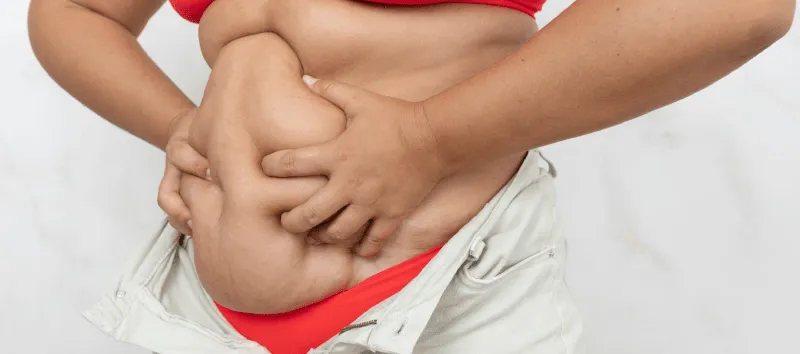
The colloquial term “muffin top” – referring to excess adipose tissue extending above the iliac crest – represents a common aesthetic concern, particularly among middle-aged individuals experiencing changes in body composition. While lifestyle modifications (diet and exercise) remain foundational, targeted liposuction offers a viable solution for persistent, localized fat deposits resistant to conventional methods. This discussion will delve into the medical underpinnings, technical nuances, and global standards relevant to liposuction for flank reduction, adhering to this section’s focus on establishing a robust medical foundation.
Anatomical Considerations & Patient Selection
Effective flank reduction necessitates a comprehensive understanding of the regional anatomy. The lateral abdominal wall comprises the external and internal oblique muscles, the rectus abdominis, and a subcutaneous fat layer. The ‘muffin top’ primarily resides within this subcutaneous layer, but can extend into the superficial fascial layer, influencing the choice of technique. Precise identification of the iliac crest, the anterior superior iliac spine (ASIS), and the linea aspera is crucial for surgical planning.
Patient selection is paramount. Ideal candidates are individuals with good skin elasticity, localized fat deposits, and a stable weight. A Body Mass Index (BMI) generally below 30 is preferred, though individual assessment is essential. The presence of significant skin laxity may indicate the need for adjunctive procedures like abdominoplasty or skin tightening technologies (radiofrequency or ultrasound) to optimize results. It’s crucial to differentiate between excess fat and abdominal wall laxity; the latter often requires a more extensive surgical approach. A thorough evaluation of medical history, including coagulation disorders, cardiovascular status, and medication use (particularly anti-coagulants), is mandatory.
Liposuction Techniques: Vaser Hi-Def and Beyond
While traditional tumescent liposuction remains a standard approach, advanced technologies like Vaser Hi-Def (Vaser Ultrasound-Assisted Liposuction) are frequently employed for enhanced sculpting and precision. Vaser utilizes ultrasonic energy to selectively disrupt fat cells, leaving surrounding tissues – nerves, blood vessels, and connective tissue – relatively unharmed. This allows for more defined contouring, crucial in achieving a natural-looking flank reduction.
The procedure begins with the infusion of a large-volume tumescent solution, typically consisting of lidocaine (local anesthetic), epinephrine (vasoconstrictor to minimize bleeding), and saline. This solution serves to anesthetize the area, reduce bleeding, and facilitate fat emulsification. Following tumescence, small incisions (typically 2-3mm) are made in inconspicuous locations. A cannula connected to a Vaser device is then inserted and carefully maneuvered through the subcutaneous fat layer, disrupting fat cells. The emulsified fat is subsequently aspirated using a suction device.
It’s important to note the concept of ‘selective lipo’. Experienced surgeons will tailor the cannula’s depth and movement to sculpt the waistline, enhancing the natural curves. This requires a nuanced understanding of fascial planes and muscular anatomy to avoid creating irregularities or depressions. Furthermore, techniques such as internal massage during aspiration can help to further sculpt the area and minimize post-operative asymmetry.
Addressing Specific Anatomical Challenges
The flank region presents unique challenges. The proximity to the neurovascular bundles (iliohypogastric and ilioinguinal nerves) necessitates meticulous technique to prevent nerve injury, which can manifest as numbness or altered sensation. Careful cannula placement and low-power Vaser settings minimize this risk. Furthermore, the thinness of the subcutaneous layer in some individuals may require a modified approach to avoid perforating the dermis.
In cases of significant fat accumulation, a layered approach may be employed. Initial removal of superficial fat using a smaller cannula, followed by deeper aspiration with a larger cannula, can optimize contouring and minimize complications. The use of negative pressure settings on the aspiration device also plays a critical role. Lower pressures reduce trauma to surrounding tissues but may prolong the procedure, while higher pressures increase efficiency but elevate the risk of complications.
Post-Operative Protocol & Recovery
Post-operative care is crucial for optimal healing and results. Compression garments are typically worn for 4-6 weeks to minimize swelling, support the tissues, and aid in skin retraction. Lymphatic drainage massage can further reduce edema and improve tissue health. Pain is usually mild to moderate and can be managed with oral analgesics.
Recovery timelines vary, but patients generally experience a return to light activities within 7-10 days, and full activity within 3-6 months. Bruising and swelling are common in the immediate post-operative period, gradually resolving over several weeks. The final results are typically visible after 3-6 months, once all swelling has subsided and the tissues have settled. Potential complications, though rare, include seroma (fluid collection), hematoma (blood collection), infection, skin irregularities, and nerve damage.
Global Standards & Costs in Turkey
CureHoliday.com prioritizes patient safety and quality care. For procedures performed in Turkey, we partner with facilities adhering to rigorous standards, notably JCI (Joint Commission International) Accreditation and regulation by the Turkish Ministry of Health. These accreditations ensure adherence to international best practices in patient care, hygiene, and surgical safety.
The cost of liposuction, specifically for flank reduction using Vaser Hi-Def, in Turkey typically ranges from 2,500 – 4,000 USD. This includes the surgeon’s fees, anesthesia, facility costs, and post-operative garments. However, it does *not* include travel and accommodation expenses. We offer comprehensive packages that can incorporate these costs, tailored to individual needs and preferences. For comparison, a rhinoplasty in Turkey ranges from 2,800 – 4,500 USD, while a deep plane facelift can cost 4,500 – 8,000 USD. A full mommy makeover, including liposuction and potential breast augmentation/lift, is priced between 6,000 – 10,000 USD. Currency options include USD, EUR, and GBP. Patients traveling from the UK/US/EU can typically obtain an e-visa for a 90-day stay. Recovery hubs within Turkey offer diverse environments, including the vibrant city life of Istanbul, the resort atmosphere of Antalya, and the thermal springs of Izmir.
Liposuction for “Muffin Tops”: Targeted Flank Reduction for Middle-Aged Patients
The persistent fullness around the flanks – colloquially known as a “muffin top” – represents a common aesthetic concern for middle-aged individuals, particularly those maintaining a stable weight and active lifestyle. While often resistant to diet and exercise alone, targeted flank reduction via liposuction, specifically utilising Vaser Hi-Def technology, offers a highly effective solution. This pillar delves into the surgical journey, technical procedures, a representative case study, and crucial risk mitigation strategies for patients considering this procedure in Turkey.
Surgical Technique: Vaser Hi-Def Liposuction for Flank Contouring
Traditional liposuction relies on mechanical disruption of adipose tissue. Vaser Hi-Def, however, employs ultrasound energy to selectively liquefy fat cells before their removal. This is achieved using specialized Vaser probes emitting ultrasound waves at a frequency of 39 kHz. The principle of selective adipocyte disruption is paramount. The energy preferentially targets mature adipocytes while sparing connective tissue, blood vessels, and nerves. This minimizes trauma, reduces post-operative bruising and swelling, and facilitates a smoother, more natural-looking contour.
The procedure begins with tumescent anesthesia – a solution of lidocaine, epinephrine, and saline – injected into the targeted flank area. Epinephrine acts as a vasoconstrictor, minimizing blood loss during fat aspiration. Small incisions, typically 3-5mm in length, are strategically placed along the natural skin creases to camouflage scarring. The Vaser probes are then inserted, and the ultrasound energy is meticulously applied to break down the subcutaneous fat.
Crucially, the technique involves a multi-pass approach. An initial, wider pass targets bulk fat reduction. Subsequent, more focused passes sculpt the underlying musculature, accentuating the natural waistline. The physician carefully monitors tissue response during the procedure, adjusting energy settings and probe positioning to achieve optimal results. A cannula connected to a suction device is then introduced to remove the liquefied fat. The total volume of aspirated fat varies based on individual anatomy and patient goals, generally ranging from 500ml to 1500ml per flank, though this is determined during consultation and marked on the patient pre-operatively.
Persona Case Study: Mrs. Eleanor Vance, 45, United Kingdom
Mrs. Vance, a 45-year-old healthcare professional from the UK, presented with a well-defined “muffin top” despite regular exercise and a healthy diet. She expressed frustration that these localized fat deposits were negatively impacting her self-confidence and limiting her clothing choices. Her Body Mass Index (BMI) was 24.5, falling within the normal weight range, making her an ideal candidate for Vaser Hi-Def liposuction. Photographic documentation, including standardized imaging, was used to pre-operatively assess her anatomy and create a personalized surgical plan.
Following a comprehensive medical evaluation (including a complete blood count, coagulation profile, and ECG), Mrs. Vance underwent Vaser Hi-Def liposuction of both flanks performed in Istanbul. The total procedure time was approximately 2.5 hours under twilight sedation. Approximately 800ml of fat was removed from each flank. Post-operatively, she was fitted with a compression garment, crucial for minimizing swelling and promoting skin retraction. She opted for a 7-day recovery period in a boutique hotel in Istanbul, allowing for initial wound care and pain management. Follow-up appointments were scheduled at 1, 3, and 6 months post-operatively to monitor healing and assess final results.
At the 6-month follow-up, Mrs. Vance reported significant improvement in her body contour and a renewed sense of confidence. Photographic comparisons demonstrated a marked reduction in flank fullness and a more defined waistline. She expressed high satisfaction with the results and the overall experience, citing the professionalism of the surgical team and the convenience of the Turkish recovery hub.
Risk Mitigation and Post-Operative Management
As with any surgical procedure, liposuction carries inherent risks. These include, but are not limited to: seroma formation (fluid accumulation), hematoma (blood collection), infection, skin irregularities, asymmetry, and nerve damage. To mitigate these risks, CureHoliday.com prioritizes surgeons with extensive experience in Vaser Hi-Def technology and operating in JCI (Joint Commission International) accredited facilities. Adherence to strict sterile protocols and meticulous surgical technique are paramount.
Proactive risk management strategies include:
- Pre-operative Medical Optimization: Addressing any underlying medical conditions and ensuring patient is a suitable candidate.
- Careful Anesthetic Management: Utilizing experienced anesthesiologists and monitoring vital signs throughout the procedure.
- Meticulous Hemostasis: Utilizing epinephrine in the tumescent solution and employing careful surgical technique to minimize blood loss.
- Drainage System: Placement of surgical drains to prevent seroma formation, although this is becoming less common with modern techniques.
- Compression Garment Adherence: Strict adherence to the post-operative compression garment protocol for at least 6 weeks to minimize swelling and support skin retraction.
- Early Ambulation: Encouraging patients to walk gently soon after surgery to prevent venous thromboembolism.
- Antibiotic Prophylaxis: Administration of prophylactic antibiotics to reduce the risk of infection.
Patients should be informed about the potential for temporary numbness or altered sensation in the treated area. While rare, permanent nerve damage is a potential complication. Realistic expectations regarding post-operative swelling and recovery time are crucial. Final results are typically visible after 3-6 months, allowing for complete resolution of swelling and skin settling.
Financial Considerations & Logistics
The cost of Vaser Hi-Def liposuction for flank reduction in Turkey ranges from approximately 2,500 – 4,000 USD per flank, depending on the extent of the procedure and the surgeon’s expertise. This is significantly lower than comparable procedures in the UK or the US. Package deals typically include surgical fees, anesthesia, hospital stay, and post-operative care.
CureHoliday.com facilitates a seamless experience for international patients. We provide guidance on visa requirements (e-visa available for most UK/US/EU citizens for a 90-day stay), airport transfers, accommodation in established recovery hubs (Istanbul, Antalya, Izmir), and post-operative support. We accept payment in USD, EUR, and GBP. Patients are advised to allocate an additional budget for travel, accommodation, and personal expenses.
Liposuction for “Muffin Tops”: Recovery Logistics, Cost Audit & Medical Verdict
The persistent “muffin top” – localized adipose deposits extending beyond the iliac crests – presents a common aesthetic concern for middle-aged individuals, often resistant to conventional weight loss methods. While lifestyle modifications remain paramount, targeted liposuction, particularly with advanced techniques like Vaser Hi-Def, offers a viable solution. This pillar focuses on the logistical aspects of undergoing this procedure in Turkey (Antalya and Istanbul), a detailed cost analysis comparing Turkish facilities with those in Western countries, and a definitive medical assessment of the approach.
Recovery Logistics: Optimizing Post-Operative Healing
Post-liposuction recovery is frequently underestimated. Successful outcomes depend not solely on surgical precision, but also on diligent adherence to a structured recovery plan. In Turkey, the typical recovery timeframe is 7-10 days for the initial, acute phase. This is largely due to the increased accessibility of 24/7 post-operative care and dedicated recovery hubs, primarily situated in Istanbul and Antalya.
- Istanbul (City/Boutique) Recovery: Favored for its cosmopolitan atmosphere and proximity to specialized medical facilities. Recovery centers here often provide comprehensive nursing care, compression garment fitting and monitoring, and lymphatic drainage massage – a crucial element in reducing post-operative edema and fibrosis. The focus tends to be on discreet, personalized care within a more urban setting.
- Antalya (Resort/Beach) Recovery: Offers a distinct advantage in terms of psychological wellbeing. Post-operative patients can benefit from the restorative effects of a temperate climate, controlled activity (short walks on the beach, as medically cleared), and the relaxing atmosphere of a resort environment. However, access to highly specialized care *may* require transport to a nearby medical center.
- Izmir (Aegean/Thermal): While less commonly utilized for immediate post-op care, Izmir presents an emerging option. The region’s thermal springs are being explored for their potential to aid in lymphatic drainage and reduce inflammation, though rigorous clinical data remains limited.
A critical, often overlooked aspect is the management of seromas – fluid collections under the skin. While often self-resolving, larger seromas may require aspiration. Turkish clinics are generally proficient in this procedure, often incorporating serial ultrasound monitoring to detect and address early fluid accumulation. Furthermore, the standardized use of multi-layered compression garments for a minimum of six weeks is diligently enforced, crucial for skin retraction and body contouring.
2026 Cost Audit: Turkey vs. Western Countries
The increasing globalization of medical tourism necessitates a transparent cost analysis. The data clearly demonstrates significant financial advantages to undergoing liposuction in Turkey. Here’s a comparative overview (accurate as of late 2023/early 2026, projecting to 2026 accounting for anticipated inflationary pressures):
- Vaser Liposuction (Flank/“Muffin Top”): In Turkey, the cost ranges from 2,500 – 4,000 USD. Comparable procedures in the US typically range from $8,000 – $15,000+; in the UK, £6,000 – £12,000+; and in Western Europe (€6,500 – €14,000+).
- Rhinoplasty (often bundled with aesthetic packages): For context, a concurrent rhinoplasty in Turkey is 2,800 – 4,500 USD, vastly cheaper than the $5,000 – $12,000+ typically charged in Western nations.
- Deep Plane Facelift (potential complementary procedure): A deep plane facelift, if desired alongside liposuction, is 4,500 – 8,000 USD in Turkey, compared to $12,000 – $25,000+ elsewhere.
- Mommy Makeover (complete body contouring): For patients considering a more comprehensive transformation, a “Mommy Makeover” package (including liposuction, abdominoplasty, and potentially breast augmentation) can be obtained for 6,000 – 10,000 USD in Turkey, a fraction of the cost in Western countries.
It’s crucial to understand that these costs are *estimates*. They encompass the surgical fee, anesthesia, hospital stay (typically included in package deals), and initial post-operative care. They *do not* include airfare, accommodation (although this is frequently bundled in packages), or potential follow-up appointments in the patient’s home country. Currency fluctuations (USD, EUR, GBP) can also impact final costs.
The Final Medical Verdict: Patient Selection & Procedural Nuances
Liposuction for “muffin tops” isn’t universally indicated. Ideal candidates are individuals with localized fat deposits, good skin elasticity, and a stable weight. The procedure is *not* a weight loss solution, but rather a body contouring technique. A thorough pre-operative assessment, including a detailed medical history, physical examination, and potentially imaging studies (ultrasound), is paramount.
Vaser Hi-Def liposuction is particularly well-suited for this anatomical region. The technology utilizes ultrasound energy to selectively disrupt fat cells while preserving vascular and nerve structures, minimizing trauma and promoting smoother skin retraction. However, the surgeon’s expertise is the critical factor. Look for board-certified plastic surgeons with extensive experience in Vaser techniques.
Furthermore, consideration must be given to the underlying musculature. While liposuction removes fat, it does not tighten muscles. In patients with significant abdominal laxity, a concomitant abdominoplasty (“tummy tuck”) may be necessary to achieve optimal results. Pre-operative discussion should honestly address this possibility.
The long-term results, while generally positive, are subject to lifestyle factors. Maintaining a healthy diet and regular exercise is crucial to prevent fat accumulation in other areas. While final results are typically visible 3-6 months post-operatively, subtle changes in contour can continue to evolve over a year as tissues fully settle. The facilities in Turkey adhering to JCI (Joint Commission International) Accreditation and regulations by the Ministry of Health demonstrate a commitment to high-quality medical standards, providing patients with confidence in their care.
Ready to consult a specialist? Schedule a Free Consultation for Liposuction for “Muffin Tops” in Turkey with cureholiday.com
Free Consultation
Fill out the form below to get your free medical travel plan and price quote.
Sources and how to verify this yourself
- Ministry of Health, Regulation on International Health Tourism and Tourist Health, Official Gazette 26 April 2025, No. 32882 — authorisation requirement for facilities and intermediaries, TÜSKA accreditation, compulsory complication insurance (deadline 31 December 2025 for insurance, 31 December 2026 for accreditation). source
- Ministry of Health, Regulation on Promotion and Information Activities in Health Services, Official Gazette 12 November 2025, No. 33075 — treatment promises and guarantees are prohibited; price and campaign announcements are permitted only within international health tourism. source