About the prices on this page. The figures below are indicative market prices and country comparisons, not a quote. Our own current, all-inclusive prices are published on our medical travel in Turkey page, and we confirm your figure in writing before you commit to anything.
Cost and planning note (2026)
The figures below are indicative market ranges for 2026, not a quote: your own price depends on the clinic, the surgeon and your clinical assessment.
Indicative price range:
Facility standards: In Türkiye, any facility treating international patients must hold the Ministry of Health’s international health tourism authorisation; hospitals and medical centres must also be accredited by TÜSKA, and complication insurance is compulsory for procedures carried out in an operating theatre (Regulation of 26 April 2025). Ask us for the authorisation of the facility you are matched with.
Currency: USD / EUR / GBP accepted at all clinics.
Hair Transplant Maintenance: Best Shampoos and Serums Recommended by Turkish Specialists
Hair Transplant Maintenance: A Deep Dive into Post-Procedure Care – The Turkish Perspective
Following a hair transplant in Turkey, or anywhere globally, isn’t simply about waiting for growth. It’s a meticulously planned period of aftercare designed to maximize graft survival, minimize complications, and ultimately, achieve a natural, dense, and lasting result. This pillar delves into the ‘what’ and ‘why’ of post-transplant maintenance, specifically detailing the shampoos and serums favored by leading Turkish specialists, underpinned by the nation’s rigorous medical standards.
Understanding Post-Transplant Scalp Physiology
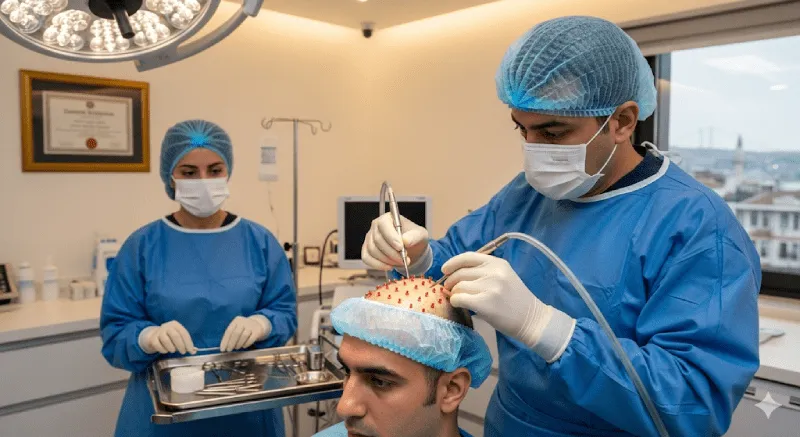
The transplanted scalp undergoes significant physiological changes immediately following the procedure. Micro-trauma from both follicular unit extraction (FUE) and implantation induces an inflammatory response. This isn’t detrimental; it’s a crucial part of the healing process, promoting angiogenesis (new blood vessel formation) and providing nutrients to the newly implanted grafts. However, this inflammation requires careful management. The scalp’s protective barrier is compromised, increasing susceptibility to infection and impacting graft take. Furthermore, the initial crust formation (scabbing) is not simply dead skin; it contains vital fibrin clots essential for initial graft adherence, and premature removal can jeopardize success rates.
The Role of Specialized Shampoos: Formulation & Ingredients
The choice of shampoo post-hair transplant is paramount. Standard, commercially available shampoos often contain Sodium Lauryl Sulfate (SLS) and Sodium Laureth Sulfate (SLES), potent detergents which, while effective at cleansing, can be excessively stripping to the newly vulnerable scalp. Turkish specialists emphasize the utilization of sulfate-free, pH-balanced formulations, typically falling within the 5.5-6.5 range – mirroring the scalp’s natural pH. This minimizes irritation and disruption of the epidermal barrier.
- Key Ingredients: Look for shampoos containing Dexpanthenol (Pro-Vitamin B5). Dexpanthenol is a humectant, attracting moisture to the scalp and promoting wound healing. It also exhibits anti-inflammatory properties. Specialists also advocate for formulations enriched with Bisabolol (derived from chamomile), known for its soothing and anti-irritant effects. Some advanced formulations incorporate Polyquaternium-10, a conditioning agent that minimizes static and facilitates gentle detangling.
- Specific Turkish Preferences: While several international brands meet the criteria, Turkish dermatologists frequently recommend locally produced shampoos, often formulated with natural olive oil and Anatolian herbal extracts. These offer additional antioxidant and antimicrobial benefits.
- Early Stage (Days 1-7): During the initial 7 days, the focus is on gentle cleansing with a specialized, often saline-based solution. This avoids dislodging nascent grafts. Avoid rubbing; instead, use a cupped hand to delicately rinse the scalp.
- Intermediate Stage (Weeks 2-4): Transition to a sulfate-free shampoo with Dexpanthenol. Gentle massaging is encouraged to stimulate blood flow, but vigorous scrubbing should be avoided.
- Late Stage (Months 2+): A wider range of sulfate-free shampoos can be utilized, potentially incorporating ingredients like Ketoconazole (in low concentrations) if seborrheic dermatitis is a concern.
Serums: Targeted Therapy for Graft Health & Scalp Nourishment
While shampoos cleanse, serums deliver concentrated active ingredients directly to the scalp. Turkish specialists view serums as a crucial adjunct to shampoo-based care, providing targeted therapy to optimize graft health and address specific concerns.
- Minoxidil Alternatives: While Minoxidil is a commonly discussed post-transplant adjunct, many Turkish clinics prefer alternatives, particularly in the immediate post-operative phase. Concerns regarding potential vasodilation and edema necessitate caution. Instead, they favor peptides – short chains of amino acids that stimulate collagen synthesis and improve microcirculation. Palmitoyl Pentapeptide-4, for instance, is commonly recommended.
- Platelet-Rich Plasma (PRP) Integration: A significant trend is the application of PRP-infused serums. PRP, derived from the patient’s own blood, contains a high concentration of growth factors that promote angiogenesis, reduce inflammation, and enhance hair follicle activity. PRP serums are typically applied in conjunction with micro-needling sessions to enhance penetration. Costs for a series of PRP treatments range from $500 – $1,500 USD, depending on the number of sessions.
- Anti-Inflammatory Focus: Topical application of ingredients like Allantoin and Centella Asiatica (Cica) is prevalent. These compounds possess significant anti-inflammatory and wound-healing properties, minimizing scabbing and promoting a faster recovery.
- Nutrient Delivery: Specialists also recommend serums containing vitamins (Biotin, Vitamin D) and minerals (Zinc, Magnesium) vital for hair growth. These are often delivered in liposomal form for enhanced absorption.
Navigating Potential Complications & When to Seek Medical Attention
Despite diligent aftercare, complications can occur. Post-transplant folliculitis (inflammation of the hair follicle) is relatively common, presenting as small, pustular bumps. Gentle cleansing with chlorhexidine-based solutions (under medical supervision) is usually sufficient. However, more serious complications, such as infection (indicated by fever, increasing pain, and purulent discharge) or significant crusting/necrosis, require immediate medical attention. Turkish clinics, particularly those JCI Accredited and regulated by the Ministry of Health, maintain stringent infection control protocols and offer readily available follow-up care.
The Turkish Medical Tourism Landscape & Aftercare Packages
Turkey has become a global hub for hair transplantation, attracting patients from across Europe, the UK, and the US. The competitive landscape has driven clinics to offer comprehensive aftercare packages, often including specialized shampoos and serums, alongside detailed post-operative instructions and online consultations. These packages typically range from €200 – €500 EUR, depending on the scope of included services. Patients should meticulously review the terms of these packages to understand exactly what is covered. Major recovery hubs like Istanbul (offering boutique and personalized experiences), Antalya (combining surgery with beachside recovery), and Izmir (known for its thermal spas) cater to varying patient preferences. Currency exchange rates fluctuate, but clinics generally accept USD, EUR, and GBP for payment. Visa requirements are streamlined, with e-visas available for most UK/US/EU citizens allowing for a 90-day stay.
Proactive Scalp Health & Long-Term Maintenance
Post-transplant care isn’t a finite period; it’s a transition towards proactive scalp health. Maintaining a healthy diet, managing stress levels, and avoiding harsh styling products are essential for long-term success. Periodic check-ups with a dermatologist can help identify and address any emerging issues, ensuring the longevity and natural appearance of the transplanted hair.
The Surgical/Clinical Journey – Hair Transplant Maintenance: Best Shampoos and Serums Recommended by Turkish Specialists
Following a hair transplant in Turkey, meticulous post-operative care is paramount to maximizing graft survival and achieving a natural, dense result. While the surgical technique itself is crucial, the period *after* the procedure – often extending several months – determines the long-term success. This extends beyond simple wound care and encompasses a dedicated regimen focused on scalp health, nutrient support, and minimizing inflammation. Turkish specialists, renowned for their high-volume FUE (Follicular Unit Extraction) and DHI (Direct Hair Implantation) procedures, emphasize a proactive approach to maintenance, with specific shampoo and serum recommendations forming a cornerstone of this care.
Understanding Post-Transplant Scalp Physiology
The scalp undergoes significant physiological changes post-transplant. The micro-injuries created during graft harvesting and implantation trigger an inflammatory response, essential for healing but needing careful modulation. This inflammatory phase is characterized by increased neovascularization (formation of new blood vessels) – crucial for nourishing the transplanted follicles – but also potential for crusting, edema, and transient discomfort. The newly transplanted follicles are particularly vulnerable during the initial 7-10 days as they establish vascular connections. Disruption of this delicate process through harsh chemicals or aggressive cleansing can lead to graft necrosis (tissue death) and diminished results.
Shampoo Selection: The First Line of Defense
The ideal post-transplant shampoo must strike a balance between effective cleansing and gentle preservation of the scalp’s natural barrier function. Turkish clinics consistently recommend the following characteristics:
- pH-Balanced Formula: Maintaining a pH of around 5.5 mirrors the scalp’s natural acidity, minimizing irritation and optimizing the enzymatic activity of beneficial microorganisms. Avoid alkaline shampoos (higher pH) as they can strip the scalp of essential oils, leading to dryness and inflammation.
- Sulfate-Free Formulation: Sodium Lauryl Sulfate (SLS) and Sodium Laureth Sulfate (SLES) are common detergents that create a rich lather but can be excessively drying and irritating to the newly transplanted scalp. Look for alternatives like Coco-Glucoside or Decyl Glucoside.
- Keratin & Peptide Enrichment: Hydrolyzed keratin and peptides can help strengthen hair shafts (both existing and transplanted), improving hair texture and resilience. These also contribute to a healthier scalp microenvironment.
- Antimicrobial Agents: Low concentrations of ingredients like Piroctone Olamine or Climbazole can help prevent post-operative infections, a critical consideration in the initial recovery phase.
- Avoidance of Fragrances & Artificial Colors: These add no therapeutic benefit and can act as irritants, hindering the healing process.
Specific shampoos frequently prescribed by Turkish clinics include:
- Kinera Hair Transplant Shampoo: A popular choice, specifically formulated with Dexpanthenol and Biotin to support follicle health. Cost: Approximately 20-30 EUR.
- Purify Shampoo: This option focuses on gentle cleansing with a low pH and natural extracts. Cost: Around 15-25 USD.
- Medica Hair Transplant Shampoo: Developed with dermatologists, containing antibacterial and anti-inflammatory compounds. Cost: 25-35 GBP.
The Role of Serums: Targeted Scalp Nutrition
While shampoos cleanse, serums deliver concentrated ingredients directly to the scalp, providing targeted nourishment and addressing specific post-transplant concerns. Turkish specialists recommend incorporating serums into the routine starting approximately 14 days post-op, once the initial crusting has subsided.
- Minoxidil-Based Serums (Low Concentration): A 2-5% Minoxidil serum, *under the guidance of your surgeon*, can stimulate blood flow to the scalp and promote hair growth. It’s crucial to start with a low concentration and carefully monitor for any adverse effects like scalp irritation. This is often used in conjunction with the transplant to thicken existing hair and further enhance density.
- Platelet-Rich Plasma (PRP) Serums: PRP therapy, where a patient’s own blood is processed to concentrate platelets – rich in growth factors – is increasingly popular in Turkey. Applying a PRP-derived serum to the scalp can accelerate healing, reduce inflammation, and enhance follicle health. PRP sessions themselves usually begin around 1 month post-transplant. Cost: 300-600 USD per session.
- Biotin & Vitamin Complex Serums: These serums deliver essential vitamins and nutrients directly to the hair follicles, supporting healthy hair growth and improving hair quality. Ingredients like Biotin, Vitamin D3, and Vitamin E are commonly found in these formulations.
- Scalp Calming & Anti-inflammatory Serums: Containing ingredients like Aloe Vera, Panthenol, or Allantoin, these serums soothe irritated scalps, reduce redness, and promote faster healing.
A Sample Post-Transplant Shampoo & Serum Routine (Weeks 1-12)
This is a generalized guideline and should always be tailored to individual needs by the treating surgeon:
- Weeks 1-7: Gentle, sulfate-free shampoo (Kinera, Purify, or Medica) 2-3 times per week, using a soft sponge or your fingertips. Avoid vigorous scrubbing.
- Weeks 8-12: Introduce a low-concentration Minoxidil serum (if approved by your surgeon) 2-3 times per week on non-shampoo days. Continue with gentle shampooing. A Biotin/Vitamin complex serum can be added to alternate days.
- Ongoing: Maintain a consistent, gentle shampoo routine. Consider continuing with serums for long-term scalp health and hair maintenance.
Turkish Medical Standards & Recovery Hubs
When choosing a clinic in Turkey, prioritize those accredited by JCI (Joint Commission International) and regulated by the Turkish Ministry of Health. These accreditations guarantee adherence to international safety and quality standards. The cost of a hair transplant in Turkey can range from 2,000-6,000 EUR depending on the number of grafts and the clinic’s reputation. Recovery options are varied:
- Istanbul (City/Boutique): Offers a vibrant cultural experience and a wide range of accommodation options.
- Antalya (Resort/Beach): Provides a relaxing recovery environment with access to beaches and spa facilities.
- Izmir (Aegean/Thermal): Combines a coastal setting with the therapeutic benefits of thermal springs.
The visa process is straightforward, with e-visas available for most UK, US, and EU citizens for stays of up to 90 days. Currency exchange rates favor those using USD, EUR, or GBP.
Remember, successful hair transplant maintenance is a collaborative effort. Open communication with your Turkish surgeon and strict adherence to their post-operative instructions are vital for achieving optimal results.
Hair Transplant Maintenance: Best Shampoos and Serums Recommended by Turkish Specialists
Following a hair transplant in Turkey – specifically within the thriving medical tourism destinations of Istanbul, Antalya, and Izmir – diligent aftercare is paramount to maximizing graft survival and achieving a natural, dense result. While the surgical procedure itself is a significant step, the subsequent weeks and months are where long-term success is truly determined. This article, informed by leading Turkish hair transplant specialists, delves into the crucial realm of post-transplant maintenance, focusing on optimal shampoo and serum selection, alongside a current analysis of recovery logistics and projected costs for 2026.
Understanding Post-Transplant Scalp Physiology
Immediately post-transplant, the scalp undergoes significant physiological changes. The transplanted follicular units (FUs) experience a period of ‘shock loss,’ where existing native hairs temporarily shed. This is a normal process, signaling the body is redirecting blood flow to the newly implanted grafts. The newly implanted vasculature is fragile and requires gentle handling. Therefore, selecting the appropriate cleansing and nourishing agents is critical. Traditional shampoos often contain harsh sulfates (Sodium Lauryl Sulfate/Sodium Laureth Sulfate) that can strip the scalp of natural oils, disrupt the delicate pH balance, and impede neovascularization – the formation of new blood vessels essential for graft survival.
Turkish specialists emphasize the need for sulfate-free, pH-balanced (between 5.5 and 6.5) shampoos. Ingredients to actively seek include:
- Ketoconazole: An antifungal agent that helps control Malassezia globosa, a yeast-like fungus implicated in androgenetic alopecia and seborrheic dermatitis, potentially preventing post-operative inflammation. Typically used in concentrations of 1-2%.
- Biotin (Vitamin B7): While its direct impact on hair growth is debated, Biotin supports keratin infrastructure and contributes to overall scalp health.
- Panthenol (Pro-Vitamin B5): A humectant that attracts moisture to the scalp, preventing dryness and flakiness.
- Aloe Vera: Possesses anti-inflammatory properties and aids in soothing irritated skin.
- Saw Palmetto: A natural DHT (dihydrotestosterone) blocker, potentially mitigating future hair loss, though its efficacy in post-transplant maintenance requires further research.
Topical Serums: Beyond Basic Cleansing
While a gentle shampoo provides cleansing, topical serums offer targeted delivery of nutrients and growth factors. Turkish clinics increasingly advocate for the use of serums containing:
- Minoxidil: A potent vasodilator, minoxidil (2% or 5%) can stimulate blood flow to the scalp and potentially prolong the anagen (growth) phase of the hair cycle. It’s crucial to initiate minoxidil use *after* the initial healing period (approximately 14-21 days post-op) and under the guidance of a physician.
- Peptides: Specifically, biomimetic peptides like Biotinoyl Tripeptide-1 or Copper Tripeptide-1 are believed to stimulate collagen production and improve hair follicle health.
- Platelet-Rich Plasma (PRP): Although often administered as an in-clinic treatment, some clinics offer PRP-infused serums for at-home maintenance. PRP contains concentrated growth factors that can enhance healing and hair follicle density. The cost of a single PRP session in Turkey can range from $200 – $500 USD.
- Caffeine: Studies suggest caffeine can stimulate hair follicle activity and promote hair growth by blocking the effects of DHT.
Recovery Logistics: Istanbul vs. Antalya vs. Izmir (2026 Outlook)
The choice of recovery hub significantly impacts post-operative care and overall cost.
- Istanbul (City/Boutique): Offers a wide range of accommodation options, from budget-friendly hotels to luxury suites. Aftercare is typically provided through clinic-affiliated nurses making home visits. The logistical advantage is access to more specialized medical care if required. Projected accommodation & aftercare costs for a 7-day stay in 2026: $700 – $2,000 EUR.
- Antalya (Resort/Beach): Popular for its relaxing atmosphere and coastal setting. Many clinics partner with resort hotels offering integrated post-operative care packages. The warmer climate can aid healing, but sun exposure requires strict protection. Projected costs (inclusive of accommodation & aftercare): $1,000 – $3,000 EUR for a 10-day stay.
- Izmir (Aegean/Thermal): An emerging destination, Izmir offers a blend of city life and thermal springs believed to promote healing. Accommodation costs are generally lower than Istanbul or Antalya. Projected costs: $600 – $1,800 EUR for a 7-day stay.
It’s important to note that these costs are estimates and can fluctuate based on accommodation choice, aftercare package inclusions, and individual needs.
2026 Cost Audit: Turkey vs. Western Countries
The primary driver for medical tourism to Turkey remains cost-effectiveness. In 2026, a typical FUE (Follicular Unit Extraction) hair transplant in Turkey costs between $2,000 – $5,000 USD, including accommodation and aftercare. Comparable procedures in the UK, US, and Western Europe range from $6,000 – $15,000 USD or higher.
For 2026, considering projected inflation rates (3-5% annually in Turkey, 2-4% in the US/EU/UK) and currency exchange rate fluctuations, we anticipate:
- Turkey: $2,500 – $6,500 USD
- United Kingdom: £5,500 – £14,000 GBP
- United States: $7,000 – $18,000 USD
- Germany/France: €6,000 – €16,000 EUR
However, patients should factor in travel expenses (flights, transfers), potential language barriers (though many Turkish clinics employ English-speaking staff), and the necessity of following strict post-operative instructions upon returning home.
The Final Medical Verdict: Long-Term Scalp Health
Ultimately, successful hair transplant maintenance extends beyond specific products. A healthy lifestyle – including a balanced diet rich in protein and essential vitamins, stress management, and avoidance of smoking – is crucial. Regular follow-up appointments with a physician, both in Turkey and upon returning home, are recommended to monitor progress and address any concerns. Adherence to a tailored post-operative regimen, incorporating the appropriate shampoos and serums, and proactive scalp care, will significantly contribute to a lasting, natural-looking result. Turkey continues to lead the way in hair transplant innovation, but the patient’s commitment to aftercare remains the defining factor in long-term success.
Ready to consult a specialist? Schedule a Free Consultation for Hair Transplant Maintenance in Turkey with cureholiday.com
Free Consultation
Fill out the form below to get your free medical travel plan and price quote.
Sources and how to verify this yourself
- Comparative study of graft survival by donor site (scalp, beard, chest) at 12 months — roughly 89% for scalp, 95% for beard and 76% for chest hair; survival also falls the longer grafts stay outside the body. source
- Ministry of Health, Regulation on International Health Tourism and Tourist Health, Official Gazette 26 April 2025, No. 32882 — authorisation requirement for facilities and intermediaries, TÜSKA accreditation, compulsory complication insurance (deadline 31 December 2025 for insurance, 31 December 2026 for accreditation). source
- Ministry of Health, Regulation on Promotion and Information Activities in Health Services, Official Gazette 12 November 2025, No. 33075 — treatment promises and guarantees are prohibited; price and campaign announcements are permitted only within international health tourism. source