About the prices on this page. The figures below are indicative market prices and country comparisons, not a quote. Our own current, all-inclusive prices are published on our medical travel in Turkey page, and we confirm your figure in writing before you commit to anything.
Cost and planning note (2026)
The figures below are indicative market ranges for 2026, not a quote: your own price depends on the clinic, the surgeon and your clinical assessment.
Indicative price range: Gastric Sleeve: 3,500 – 5,500 USD | Gastric Bypass: 4,500 – 7,500 USD | Gastric Balloon: 2,000 – 3,000 USD
Facility standards: In Türkiye, any facility treating international patients must hold the Ministry of Health’s international health tourism authorisation; hospitals and medical centres must also be accredited by TÜSKA, and complication insurance is compulsory for procedures carried out in an operating theatre (Regulation of 26 April 2025). Ask us for the authorisation of the facility you are matched with.
Currency: USD / EUR / GBP accepted at all clinics.
Life After Weight Loss Surgery: Building a New Wardrobe and Identity in Turkey
Medical Foundation, Technical Definitions, and Global Standards – Weight Loss Surgery in Turkey
CureHoliday.com recognizes the profound impact bariatric surgery can have on an individual’s life. This pillar establishes the core medical framework underpinning our weight loss surgery offerings in Turkey, delving into the ‘what’ and ‘why’ of procedures and outlining the stringent standards we adhere to. We go beyond simple cost comparisons, providing a technical and patient-focused exploration of the landscape.
Understanding Bariatric Procedures: A Technical Overview
Bariatric surgery, encompassing a range of procedures, is not merely cosmetic; it’s a medically indicated intervention for individuals struggling with severe obesity. The cornerstone principle behind these procedures is altering the gastrointestinal tract to restrict food intake, reduce nutrient absorption, or both, leading to significant and sustained weight loss. Beyond the aesthetic benefits, successful bariatric surgery demonstrably improves or resolves obesity-related co-morbidities like Type 2 diabetes, hypertension, sleep apnea, and hyperlipidemia. It’s crucial to understand this is a comprehensive metabolic intervention, not a quick fix.
- Gastric Sleeve (Sleeve Gastrectomy): This restrictive procedure involves removing approximately 80% of the stomach, creating a tube-like “sleeve”. This reduces the stomach’s capacity to around 150ml, limiting food intake. Crucially, the pyloric valve (the gateway to the small intestine) remains intact, preserving the normal digestive process. This aids nutrient absorption while still creating satiety signals. The estimated cost for a Gastric Sleeve procedure in Turkey ranges from 3,500 – 5,500 USD.
- Gastric Bypass (Roux-en-Y Gastric Bypass): Considered the ‘gold standard’ for many, this procedure is both restrictive and malabsorptive. It creates a small stomach pouch and connects it directly to the jejunum (the middle section of the small intestine), bypassing a significant portion of the stomach and duodenum. This dramatically reduces calorie and nutrient absorption. While highly effective, it requires careful lifelong monitoring for potential vitamin deficiencies (specifically B12, iron, calcium, and fat-soluble vitamins) necessitating routine supplementation. Costs for a Gastric Bypass range from 4,500 – 7,500 USD.
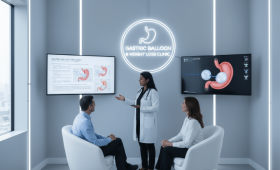
- Gastric Balloon: A less invasive option, the gastric balloon involves inserting a silicone balloon into the stomach endoscopically. Inflated with saline, it occupies space, creating a feeling of fullness and reducing appetite. This is a temporary solution, typically removed after six months, and is generally suitable for individuals with a lower BMI. The cost for a Gastric Balloon procedure in Turkey is between 2,000 – 3,000 USD.
Patient Selection Criteria and BMI Considerations
Not all individuals are suitable candidates for bariatric surgery. Rigorous patient selection is paramount to ensure safety and optimize outcomes. At CureHoliday.com, we adhere strictly to internationally recognized guidelines. The primary eligibility criterion is a Body Mass Index (BMI) greater than 35, or a BMI greater than 30 in the presence of significant obesity-related co-morbidities. These co-morbidities can include uncontrolled Type 2 diabetes, severe sleep apnea, pulmonary hypertension, and non-insulin resistant hypertension.
However, BMI is not the sole determinant. A comprehensive pre-operative evaluation, including a thorough medical history, physical examination, psychological assessment, and nutritional counseling, is essential. We evaluate for contraindications such as uncontrolled cardiovascular disease, active peptic ulcer disease, and severe psychological instability. Furthermore, we assess the patient’s commitment to long-term lifestyle changes – including dietary modifications and regular exercise – which are crucial for maintaining weight loss success.
Turkish Medical Standards: A Commitment to Quality
CureHoliday.com partners with leading bariatric surgery centers in Turkey renowned for their commitment to excellence and adherence to stringent international standards. We prioritize facilities holding JCI (Joint Commission International) Accreditation, a globally recognized symbol of quality and patient safety. This accreditation signifies the hospital meets rigorous standards in areas such as patient care, infection control, medication management, and staff qualifications.
Furthermore, all partner facilities are fully regulated by the Turkish Ministry of Health, ensuring compliance with national healthcare regulations. This encompasses not only the surgical procedures themselves but also post-operative care, monitoring, and follow-up. We conduct regular audits of our partner facilities to verify ongoing compliance with these standards, providing our patients with peace of mind.
Financial Considerations and Currency Options
We understand that cost is a significant factor in medical tourism decisions. Turkey offers a compelling combination of high-quality medical care at significantly lower costs compared to many Western countries. Our pricing transparency ensures patients are fully informed of all associated expenses, including surgical fees, anesthesia, hospital stay, pre-operative evaluations, and post-operative follow-up care. We accept payment in multiple currencies, including USD, EUR, and GBP, providing flexibility for international patients. Detailed itemized quotes are provided upfront, eliminating hidden costs and ensuring budgetary clarity.
Logistical Support and Recovery Hubs
CureHoliday.com provides comprehensive logistical support to ensure a seamless and stress-free experience for our patients. This includes assistance with visa applications (an E-visa is available for most UK/US/EU citizens, allowing a 90-day stay), airport transfers, and accommodation arrangements. We offer a range of accommodation options to suit different preferences and budgets.
We also offer tailored recovery packages in strategically located recovery hubs:
- Istanbul (City/Boutique): Ideal for patients seeking a vibrant cultural experience and access to a wide range of amenities.
- Antalya (Resort/Beach): Provides a relaxing and rejuvenating recovery environment with access to beautiful beaches and warm weather.
- Izmir (Aegean/Thermal): Offers a tranquil setting with access to natural thermal springs, promoting healing and well-being.
These recovery hubs are staffed with experienced nurses and provide ongoing post-operative monitoring, wound care, and nutritional support, ensuring a smooth transition back to full health.
Advanced Diagnostics and Pre-Operative Preparation
Prior to surgery, patients undergo a comprehensive diagnostic workup, including blood tests, electrocardiogram (ECG), chest X-ray, and upper gastrointestinal endoscopy. This helps assess overall health and identify any potential contraindications. We also employ advanced imaging techniques, such as CT scans or MRI, to evaluate the anatomy of the gastrointestinal tract and plan the surgical approach. A critical component of pre-operative preparation is psychological counseling. Addressing potential emotional challenges and ensuring realistic expectations are essential for long-term success.
The Surgical & Clinical Journey: Weight Loss Surgery in Turkey
CureHoliday.com understands that embarking on weight loss surgery is a significant medical decision. This pillar details the clinical aspects of bariatric procedures performed in Turkey, focusing on the rigorous standards adhered to, common surgical techniques, a detailed case study, and crucial risk mitigation strategies. Turkey has emerged as a leading destination for bariatric surgery, combining skilled surgeons with cost-effective pricing.
Surgical Options & Technical Overview
The choice of bariatric procedure is deeply personalized, determined by factors including BMI, overall health, and patient preference. Commonly performed procedures in Turkey include:
- Gastric Sleeve (Sleeve Gastrectomy): This restrictive procedure involves the laparoscopic removal of approximately 80% of the stomach, leaving a narrow, tube-shaped “sleeve.” It reduces stomach volume, limiting food intake, and also reduces the production of ghrelin, the ‘hunger hormone’. Technically, this is performed via multiple laparoscopic ports (typically 5-6) allowing for precise dissection and stapling of the stomach using an Endo GIA stapler. The resected stomach is then retrieved through one of the port sites. Crucially, the pyloric valve (the outlet from the stomach) remains intact, preserving normal digestive processes, unlike some other procedures.
- Gastric Bypass (Roux-en-Y Gastric Bypass): Considered the gold standard, this procedure combines restriction and malabsorption. A small stomach pouch is created, and the small intestine is divided. The upper section of the intestine is then connected directly to the newly created pouch, bypassing a significant portion of the stomach and duodenum. This drastically reduces calorie absorption. The procedure requires meticulous anastomosis (connection) of the bowel segments, often utilizing a functional end-to-end anastomosis to minimize the risk of stenosis.
- Gastric Balloon: A less invasive option, the gastric balloon involves the insertion of a silicone balloon into the stomach via endoscopy. The balloon is then inflated with saline, creating a feeling of fullness and reducing appetite. While temporary (typically removed after six months), it can serve as a bridge to lifestyle changes and prepare patients for more definitive surgery. The procedure is performed under conscious sedation and monitored with fluoroscopy to ensure correct placement.
Costs for these procedures in Turkey are competitive: 3,500 – 5,500 USD for Gastric Sleeve, 4,500 – 7,500 USD for Gastric Bypass, and 2,000 – 3,000 USD for Gastric Balloon. These prices typically include surgeon’s fees, anesthesia, hospital stay, and initial post-operative care.
Patient Qualification & Pre-Operative Assessment
Stringent criteria must be met before qualifying for bariatric surgery. The core requirement is a BMI over 35 or a BMI over 30 coupled with significant co-morbidities such as Type 2 Diabetes, Hypertension, Sleep Apnea, or Hyperlipidemia. Pre-operative assessment is a multi-faceted process:
- Comprehensive Medical History & Physical Examination: This evaluates overall health and identifies any contraindications to surgery.
- Psychological Evaluation: Bariatric surgery requires a lifetime commitment to lifestyle changes. A psychological evaluation assesses the patient’s emotional readiness and ability to adhere to post-operative dietary and behavioral guidelines.
- Nutritional Assessment: A registered dietitian evaluates the patient’s current nutritional status and develops a pre-operative diet plan, typically a high-protein, low-carbohydrate regimen to shrink the liver and reduce perioperative risks.
- Endoscopic Evaluation: An upper endoscopy is performed to assess the esophageal and gastric anatomy and rule out any pre-existing conditions.
- Blood Tests & Imaging: Extensive blood work, including complete blood count, metabolic panel, and lipid profile, are performed. Imaging studies, such as a CT scan, may be required to evaluate abdominal anatomy.
Case Study: Sarah, 45, from the UK – Gastric Bypass
Sarah, a 45-year-old office manager from the UK, presented with a BMI of 42 and longstanding Type 2 Diabetes. She had struggled with weight management for over 20 years, despite numerous diet and exercise attempts. Following a comprehensive assessment in Istanbul, she was deemed a suitable candidate for Roux-en-Y Gastric Bypass. Her pre-operative workup revealed controlled hypertension managed with medication. She underwent laparoscopic Gastric Bypass with a 45-minute operative time and minimal blood loss (estimated 100ml).
Post-operatively, Sarah was monitored closely in the hospital for 5 days. Pain management was achieved with a combination of intravenous analgesics and oral medications. She was transitioned to a liquid diet, gradually advancing to pureed foods and then solid foods over a 12-week period. Crucially, her diabetes medication was adjusted immediately post-operatively, and she was eventually able to discontinue it entirely within 6 months. At her 12-month follow-up, Sarah had lost over 60kg, her blood pressure was normal, and she reported significant improvements in her energy levels and quality of life.
Risk Mitigation & Post-Operative Care Standards
While generally safe, bariatric surgery carries inherent risks. CureHoliday.com partners with clinics in Turkey adhering to stringent general standards including JCI (Joint Commission International) Accreditation and regulation by the Ministry of Health. These accreditations ensure adherence to international best practices and patient safety protocols.
Key risk mitigation strategies include:
- DVT Prophylaxis: Patients receive intermittent pneumatic compression devices and low-molecular-weight heparin to prevent deep vein thrombosis (DVT).
- Leak Detection: A leak test is performed post-operatively to ensure the integrity of the anastomoses.
- Anesthesia Management: Experienced anesthesiologists utilize multimodal anesthesia techniques to minimize post-operative nausea and vomiting.
- Nutritional Support: Lifelong nutritional follow-up is essential to prevent deficiencies in vitamins and minerals (e.g., B12, iron, calcium). Patients are prescribed appropriate supplementation.
- Dedicated Post-Op Team: Access to a dedicated team of surgeons, dietitians, and psychologists is critical for long-term success.
Recovery hubs in Turkey offer varied experiences. Istanbul provides city convenience and boutique accommodation, Antalya offers resort and beachside recovery, and Izmir is known for its Aegean climate and thermal spas, each designed to support patient recuperation. The standard hospital stay is typically 5-7 days, with follow-up appointments scheduled at 1 week, 1 month, 3 months, 6 months, and 1 year post-surgery.
CureHoliday.com prioritizes patient safety and success, connecting individuals with reputable surgeons and facilities in Turkey, ensuring a comprehensive and supportive bariatric journey.
Life After Weight Loss Surgery: Building a New Wardrobe and Identity in Turkey
Following bariatric surgery in Turkey, the transformation extends far beyond physiological changes. While Pillars 1 and 2 have addressed pre-operative preparation and immediate post-operative care, this section delves into the often-overlooked, yet critically important, logistical and personal adjustments required for sustained success. This includes a detailed audit of costs for 2026, a focus on regional recovery options, and understanding the conclusive medical assessments that guarantee patient safety and long-term health.
Recovery Logistics: Beyond the Hospital Stay
The initial hospital stay following procedures like gastric sleeve, gastric bypass, or even gastric balloon placement, typically lasts between 2-5 days. However, true recovery necessitates a dedicated period of convalescence, ideally between 2-4 weeks, tailored to the individual’s surgical complexity and physiological response. This is where Turkey’s unique recovery hubs – Istanbul, Antalya, and Izmir – offer distinct advantages. Istanbul provides a vibrant, cosmopolitan setting with access to specialized post-operative care facilities, often boutique hotels offering dedicated nursing support. Antalya, a resort city, focuses on rehabilitation combined with the psychological benefits of a relaxing coastal environment. Izmir, nestled on the Aegean coast, leverages thermal springs and spa therapies to aid in tissue repair and reduce inflammation.
Post-operative dietary progression is paramount. Initially, patients adhere to a liquid diet, progressing to pureed foods, then soft solids, and finally, to a sustainable, portion-controlled whole foods diet. This staged approach prevents dumping syndrome – a common complication following gastric bypass where rapid gastric emptying leads to hypoglycemia, diarrhea, and nausea. Furthermore, consistent micronutrient supplementation is vital. Bariatric surgery significantly alters nutrient absorption, necessitating lifelong supplementation with vitamin B12, iron, calcium citrate, and vitamin D3 to prevent deficiencies like anemia and osteomalacia. We provide comprehensive dietary guidance, conducted by registered dietitians proficient in post-bariatric nutritional needs.
2026 Cost Audit: Antalya/Istanbul vs. Western Countries
The economic landscape of medical tourism continues to evolve. For 2026, our projections demonstrate a continued cost advantage for bariatric surgery in Turkey compared to equivalent procedures in the US, Canada, and much of Western Europe. The following figures are estimates, subject to currency fluctuations (USD, EUR, GBP) and individual patient factors:
- Gastric Sleeve: 3,500 – 5,500 USD in Turkey versus $15,000 – $30,000+ in the US.
- Gastric Bypass: 4,500 – 7,500 USD in Turkey versus $20,000 – $40,000+ in the US.
- Gastric Balloon: 2,000 – 3,000 USD in Turkey versus $8,000 – $15,000+ in the US.
This cost differential isn’t solely due to lower labor costs. Turkey benefits from streamlined healthcare administration, competitive pharmaceutical pricing, and a focus on attracting medical tourists. However, patients must consider ancillary expenses: flights, accommodation (estimated $500 – $2,000 for a 3-week stay depending on location and standard), post-operative medications, and potential travel insurance. We offer all-inclusive packages to mitigate unexpected costs. It’s crucial to scrutinize what is *included* in any package – pre-operative assessments (including blood work, ECG, and endoscopic evaluation), surgical fees, anesthesia, hospital stay, post-operative check-ups, and nutritional counseling.
The Final Medical Verdict: Long-Term Monitoring and Complication Management
Surgical success is only one aspect of long-term wellbeing. Rigorous follow-up is critical to monitor for potential complications and ensure sustained weight loss. Our program includes a minimum of 6-month follow-up with a dedicated bariatric surgeon, even after returning home. This includes remote consultations via telemedicine and, if necessary, arrangements for further in-person evaluations.
While bariatric surgery is generally safe, potential complications exist. These can be categorized as early (within the first 30 days) and late (beyond 30 days). Early complications include anastomotic leaks (particularly after gastric bypass – requiring immediate re-operation), bleeding, infection, and pulmonary embolism. Late complications encompass nutritional deficiencies, gallstone formation (due to rapid weight loss – prophylactic ursodeoxycholic acid is often prescribed), strictures (narrowing of the gastric outlet), and internal hernias.
Early detection of these complications relies on vigilant patient monitoring and prompt investigation of any concerning symptoms. For instance, persistent abdominal pain, fever, or difficulty swallowing warrant immediate medical attention. Diagnostic tools employed include upper gastrointestinal series (using barium contrast to visualize the gastric pouch and anastomosis), endoscopy (to directly visualize the inner lining of the gastrointestinal tract), and CT scans (to identify leaks, abscesses, or hernias). We prioritize minimally invasive techniques for both primary surgery and any necessary revision procedures, minimizing recovery time and maximizing patient outcomes.
Building a New Identity: Psychological and Lifestyle Integration
Perhaps the most profound aspect of life after bariatric surgery is the psychological adaptation. Significant weight loss fundamentally alters body image, self-esteem, and social interactions. Patients often experience a period of adjustment, grappling with a “new normal” and redefining their identity.
We integrate psychological support into our comprehensive care plan. This includes pre-operative counseling to address emotional eating patterns and unrealistic expectations, as well as post-operative therapy to facilitate healthy coping mechanisms and body image acceptance. Lifestyle modification is also key. This encompasses regular physical activity (aiming for at least 150 minutes of moderate-intensity exercise per week), mindful eating practices, and stress management techniques. Successful long-term weight loss isn’t just about what you *don’t* eat, but about building a sustainable, healthy lifestyle.
Eligibility Criteria Reminder
Patients considered suitable candidates for bariatric surgery generally meet the following criteria: a Body Mass Index (BMI) exceeding 35, or a BMI exceeding 30 in the presence of significant co-morbidities such as type 2 diabetes, hypertension, sleep apnea, or hyperlipidemia. A thorough medical evaluation is conducted to assess individual risk factors and ensure patient suitability.
Our commitment at cureholiday.com extends beyond surgical expertise to encompass holistic patient care, facilitating a seamless and transformative journey towards a healthier, more fulfilling life.
Ready to consult a specialist? Schedule a Free Consultation for Life After Weight Loss Surgery in Turkey with cureholiday.com
Free Consultation
Fill out the form below to get your free medical travel plan and price quote.
Sources and how to verify this yourself
- Eisenberg D, et al. 2022 ASMBS and IFSO Indications for Metabolic and Bariatric Surgery. — surgery is recommended at BMI ≥35 regardless of co-morbidity, and considered at BMI 30–34.9 with metabolic disease (lower thresholds for Asian populations). source
- Ministry of Health, Regulation on International Health Tourism and Tourist Health, Official Gazette 26 April 2025, No. 32882 — authorisation requirement for facilities and intermediaries, TÜSKA accreditation, compulsory complication insurance (deadline 31 December 2025 for insurance, 31 December 2026 for accreditation). source
- Ministry of Health, Regulation on Promotion and Information Activities in Health Services, Official Gazette 12 November 2025, No. 33075 — treatment promises and guarantees are prohibited; price and campaign announcements are permitted only within international health tourism. source