About the prices on this page. The figures below are indicative market prices and country comparisons, not a quote. Our own current, all-inclusive prices are published on our medical travel in Turkey page, and we confirm your figure in writing before you commit to anything.
Cost and planning note (2026)
The figures below are indicative market ranges for 2026, not a quote: your own price depends on the clinic, the surgeon and your clinical assessment.
Indicative price range:
Facility standards: In Türkiye, any facility treating international patients must hold the Ministry of Health’s international health tourism authorisation; hospitals and medical centres must also be accredited by TÜSKA, and complication insurance is compulsory for procedures carried out in an operating theatre (Regulation of 26 April 2025). Ask us for the authorisation of the facility you are matched with.
Currency: USD / EUR / GBP accepted at all clinics.
Spinal Disc Prolapse: Microdiscectomy Success and Recovery in Istanbul
Spinal Disc Prolapse: Understanding the Pathology & Microdiscectomy – A Foundation for Informed Decisions
Spinal disc prolapse, commonly referred to as a slipped disc or herniated disc, represents a significant source of chronic pain and disability globally. At CureHoliday.com, we prioritize providing not just treatment options, but a deep understanding of the underlying pathology and the nuances of modern surgical interventions, specifically microdiscectomy, as performed in leading Turkish facilities. This pillar focuses on the ‘what’ and ‘why’ of spinal disc prolapse and the microdiscectomy procedure, grounding our offerings in rigorous medical standards.
The Anatomy of Disc Prolapse: Beyond the ‘Slipped’ Analogy
The intervertebral discs, acting as shock absorbers between vertebrae, are composed of an annulus fibrosus (the tough outer layer) and a nucleus pulposus (the gel-like inner core). The term “slipped disc” is a misnomer; the disc doesn’t actually *slip*. Rather, age-related degeneration, acute trauma, or repetitive strain can cause the annulus fibrosus to develop fissures or tears. These tears allow the nucleus pulposus to protrude – or prolapse – posteriorly (most common), potentially compressing nearby nerve roots or, in severe cases, the spinal cord itself.
The severity of prolapse is graded. A bulge indicates a generalized expansion of the disc without rupture of the annulus. A protrusion represents a focal or asymmetrical expansion. An extrusion occurs when the nucleus pulposus breaches the annulus but remains contained. A sequestration, the most severe form, involves complete rupture of the annulus, with the nucleus pulposus migrating beyond the confines of the disc space. Accurate diagnosis via Magnetic Resonance Imaging (MRI) is crucial to determine the type and extent of the prolapse, guiding surgical planning.
The Pathophysiology of Pain: Nerve Root Compression & Inflammation
The clinical presentation of a spinal disc prolapse directly correlates with the location and severity of nerve root compression. Compression triggers a cascade of inflammatory responses. Mechanical pressure on the nerve causes demyelination – damage to the protective myelin sheath – disrupting nerve signal transmission. The nucleus pulposus contains pro-inflammatory mediators, such as prostaglandin E2 and nitric oxide, which further exacerbate nerve inflammation and pain sensitization. This leads to radiculopathy – pain radiating along the distribution of the affected nerve root.
Symptoms manifest variably depending on the affected nerve level. Lumbar disc prolapse (lower back) commonly causes sciatica – radiating pain down the leg. Cervical disc prolapse (neck) can cause pain radiating down the arm. Beyond pain, patients may experience numbness, tingling (paresthesia), and weakness in the corresponding myotome (muscle group innervated by the nerve root). Cauda equina syndrome, a rare but critical complication involving compression of multiple nerve roots in the lumbar spine, presents with bowel/bladder dysfunction and saddle anesthesia, requiring immediate surgical intervention.
Microdiscectomy: A Minimally Invasive Surgical Approach
Microdiscectomy, a gold standard treatment for lumbar disc prolapse, aims to relieve nerve root compression by removing the portion of the herniated disc material that is impinging upon the nerve. Performed through a small incision (typically 1.5-2cm), the procedure utilizes microsurgical techniques – an operating microscope and specialized instruments – to minimize tissue trauma.
The surgical technique involves a laminectomy (partial removal of the vertebral lamina) to access the nerve root and disc space. Under microscopic visualization, the annulus is carefully dissected, and the extruded or sequestered disc fragment is removed. The goal isn’t to remove the entire disc, but only the herniated portion causing compression. Care is taken to avoid excessive manipulation of the nerve root. Post-operatively, the inflammatory response gradually subsides, alleviating pain and restoring neurological function.
Istanbul as a Centre of Excellence for Microdiscectomy
Istanbul, Turkey, has emerged as a leading destination for high-quality, cost-effective microdiscectomy procedures. The city boasts numerous JCI (Joint Commission International) accredited hospitals and clinics, ensuring adherence to rigorous international medical standards. The Ministry of Health meticulously regulates healthcare provision, further guaranteeing patient safety and quality of care.
Compared to costs in Western Europe or the United States, patients can expect significant savings. A comprehensive microdiscectomy package in Istanbul, including pre-operative evaluation (MRI, consultations), the surgery itself performed by experienced spinal surgeons, post-operative care, and hospital stay (typically 3-5 days), ranges from $4,000 – $6,500 USD (depending on hospital and surgeon experience) or equivalent in EUR (€3,700 – €6,000) or GBP (£3,200 – £5,300). This represents a potential cost reduction of 40-60%.
Post-Operative Rehabilitation and Recovery Hubs
Post-operative rehabilitation is critical for optimal outcomes. Patients are typically encouraged to begin gentle mobilization within 24 hours, progressing to more active exercises under the guidance of a physiotherapist. Core strengthening and back stabilization exercises are essential to support the spine and prevent recurrence.
CureHoliday.com offers curated recovery packages across Turkey, catering to diverse patient preferences:
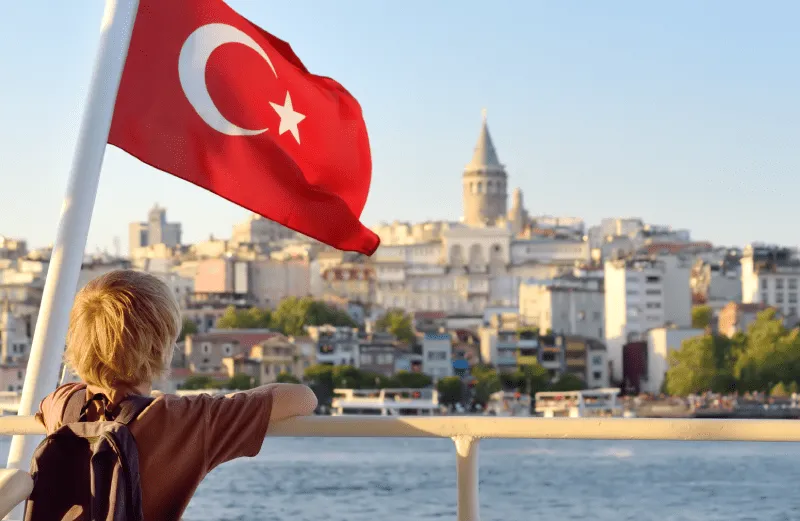
- Istanbul (City/Boutique): Ideal for those who prefer a vibrant urban environment with access to cultural attractions and fine dining.
- Antalya (Resort/Beach): Provides a relaxing beachfront recovery experience with access to spa treatments and water-based therapies.
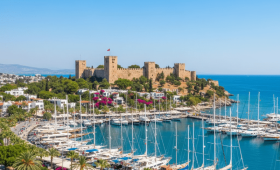
- Izmir (Aegean/Thermal): Offers a tranquil Aegean setting with opportunities for thermal spring therapy, known for its therapeutic properties.
The typical recovery period is 6-12 weeks, with most patients experiencing significant pain relief and functional improvement within weeks. Full return to pre-operative activity levels is generally achievable, although avoidance of heavy lifting and repetitive bending may be recommended.
Practical Considerations for International Patients
For patients traveling from the UK, US, or EU, Turkey offers a streamlined travel experience. An E-visa is readily available for most citizens, granting a stay of up to 90 days. Dedicated patient coordinators at CureHoliday.com assist with all logistical arrangements, including visa applications, airport transfers, and accommodation. We ensure a seamless and stress-free experience, allowing patients to focus solely on their recovery.
Microdiscectomy in Istanbul: A Detailed Surgical & Recovery Journey
For individuals experiencing debilitating spinal disc prolapse (often referred to as a slipped disc or herniated disc), a microdiscectomy represents a highly effective and minimally invasive surgical solution. Istanbul, Turkey, has emerged as a leading destination for this procedure, combining internationally accredited medical facilities with competitive pricing and attractive recovery options. This detailed overview focuses on the surgical journey, a specific patient case, and crucial risk mitigation strategies within the Istanbul medical landscape.
The Surgical Technique: A Step-by-Step Approach
Microdiscectomy, unlike traditional open spine surgery, utilizes a specialized microsurgical technique and fluoroscopic guidance (real-time X-ray) to minimize tissue trauma. The procedure targets the specific intervertebral disc fragment compressing the nerve root. Here’s a breakdown of the steps:
- Pre-operative Assessment & Imaging: Comprehensive assessment begins with a detailed neurological examination to pinpoint the affected nerve root and assess the severity of neurological deficit. Magnetic Resonance Imaging (MRI) is paramount, providing a precise visualization of the herniated disc, its location, and the degree of neural compression. Computed Tomography (CT) myelography may be used in cases where MRI is inconclusive.
- Anesthesia & Positioning: Patients typically undergo the procedure under general anesthesia, although spinal or epidural anesthesia combined with conscious sedation is also an option, depending on surgeon preference and patient health. The patient is positioned prone (on their stomach) on a specialized Jackson table, allowing for optimal spinal alignment and surgical access.
- Skin Incision & Muscle Dissection: A small (approximately 3-5cm) skin incision is made directly over the affected spinal segment. Utilizing a tubular retractor system, the paraspinal muscles (erector spinae) are carefully dissected and retracted, minimizing muscle damage – a critical factor in postoperative pain.
- Laminectomy & Flavectomy: A limited laminectomy (removal of a small portion of the vertebral lamina) and flavectomy (removal of the flavum ligament) are performed to expose the dura mater (the membrane surrounding the spinal cord) and the affected nerve root. The goal is to create a safe working corridor without compromising spinal stability.
- Disc Fragment Removal: Under microscopic magnification (approximately 20x), the offending disc fragment is meticulously identified and removed. The use of micro-instruments allows for precise targeting, minimizing trauma to the surrounding tissues. Care is taken to avoid damaging the dural sac.
- Nerve Root Decompression: Once the fragment is removed, the nerve root is carefully inspected for any remaining compression or inflammation. Any residual pressure is relieved.
- Closure & Dressing: The muscle layers are approximated and closed. The skin incision is closed with sutures or surgical staples. A sterile dressing is applied.
The entire procedure typically lasts between 60-90 minutes, depending on the complexity of the case. Many patients are able to ambulate (walk) the same day, though under the guidance of physiotherapy staff.
Persona Case Study: Mr. David Miller, 45, UK
Mr. Miller, a 45-year-old accountant from London, presented with radiating left leg pain (sciatica) and progressive weakness in his left foot following a decade of intermittent lower back pain. MRI confirmed a significant L5/S1 disc prolapse compressing the S1 nerve root. He chose Istanbul for his microdiscectomy due to the combined benefits of high-quality surgical care and cost savings. His total package, including pre-operative consultations, surgery, 3 days of hospital stay, physiotherapy, and post-operative medications, cost approximately £3,500 GBP (equivalent to approximately $4,400 USD or €4,000 EUR at current exchange rates).
Mr. Miller’s recovery progressed favorably. He commenced a structured physiotherapy program on post-operative day one, focusing on core strengthening, nerve gliding exercises, and proper body mechanics. He opted for a 7-day recovery period at a boutique hotel in Istanbul, allowing him to explore the city under the supervision of a remote care coordinator. At his 6-week follow-up, Mr. Miller reported a significant reduction in leg pain and had regained full strength in his left foot. He has since returned to work and enjoys an active lifestyle.
Risk Mitigation & Quality Assurance in Istanbul
While microdiscectomy is generally safe, potential risks exist with any surgical procedure. Istanbul’s leading hospitals prioritize patient safety through rigorous protocols and adherence to international standards. Key risk mitigation strategies include:
- Surgeon Selection: Cureholiday.com partners with neurosurgeons and orthopedic spine surgeons who are board-certified, fellowship-trained, and have extensive experience performing microdiscectomies. Surgeon credentials and patient testimonials are readily available.
- Pre-operative Medical Optimization: Thorough pre-operative medical evaluation is conducted to identify and address any underlying health conditions that could increase surgical risk. This includes optimizing blood sugar control in diabetic patients, managing anticoagulation therapy, and ensuring appropriate cardiac assessment.
- Intraoperative Monitoring: Somatosensory Evoked Potentials (SSEPs) and Electromyography (EMG) monitoring may be employed during surgery to assess the function of the spinal cord and nerve roots, providing real-time feedback to the surgeon.
- Infection Control: Strict adherence to sterile technique and hospital infection control protocols minimizes the risk of post-operative infection. Prophylactic antibiotics are routinely administered.
- Dural Tear Management: A dural tear (a leak in the membrane surrounding the spinal cord) is a potential complication. Surgeons are trained to identify and repair dural tears promptly, utilizing techniques such as suture repair and fibrin sealant.
- Post-operative Pain Management: A multimodal pain management strategy is employed, combining opioid and non-opioid analgesics, nerve blocks, and physiotherapy to minimize post-operative pain and promote early mobilization.
- Venous Thromboembolism (VTE) Prophylaxis: Patients are assessed for VTE risk and receive appropriate prophylaxis, such as compression stockings and low-molecular-weight heparin.
All partner hospitals in Istanbul are JCI (Joint Commission International) Accredited and regulated by the Turkish Ministry of Health, guaranteeing adherence to international medical standards. Patients also benefit from clear cost transparency – a detailed breakdown of all expenses is provided upfront, utilizing accepted currencies: USD, EUR, and GBP.
Recovery Hub Options
Beyond the immediate post-operative phase, Istanbul offers diverse recovery options. Patients can choose to recuperate in the city itself (Istanbul – City/Boutique), enjoying the cultural richness and vibrant atmosphere. Alternatively, recovery can be combined with a relaxing beach vacation in Antalya (Resort/Beach) or a restorative thermal spa experience in Izmir (Aegean/Thermal), facilitating a holistic recovery process.
Spinal Disc Prolapse: Microdiscectomy Recovery Logistics & Cost Analysis – Istanbul & Antalya
Following successful microdiscectomy for spinal disc prolapse – a surgical procedure designed to alleviate pressure on neural structures caused by herniated disc material – the post-operative period is critical. This pillar focuses on optimizing recovery logistics within Turkish healthcare, specifically examining Istanbul and Antalya as recovery hubs, alongside a preliminary cost audit comparing these locations to Western healthcare systems. We delve into the nuances of post-operative rehabilitation, potential complications, and extended care considerations for patients undergoing this procedure with CureHoliday.com.
Post-Operative Phases & Rehabilitation Protocol
Microdiscectomy, while minimally invasive, still requires a structured recovery plan. We categorize this into three phases: immediate post-op (days 1-7), intermediate recovery (weeks 2-6), and long-term rehabilitation (months 3-12). The immediate post-operative period, conducted within the hospital (typically 3-5 days), focuses on pain management – often involving a multimodal analgesic approach incorporating opioid and non-opioid medications – and monitoring for neurological deficit. Particular attention is paid to wound care, preventing infection through sterile dressings and prophylactic antibiotic regimens, determined by the surgeon.
The intermediate phase is where patient location becomes crucial. Both Istanbul and Antalya offer distinct advantages. Istanbul, a bustling metropolis, provides access to a broader range of physiotherapy clinics and specialist consultants should unforeseen needs arise. Antalya, with its resort environment, encourages gentle movement and benefits from a more relaxed atmosphere conducive to healing, particularly for those not requiring intensive physiotherapy. During this phase, a progressive rehabilitation program, directed by a qualified physiotherapist, is paramount. This program initially focuses on core stabilization exercises – engaging the transverse abdominis and multifidus muscles – to provide dynamic spinal support. Proprioceptive training, using balance boards and other devices, is then introduced to restore neuromuscular control. The goal is to gradually increase functional capacity, starting with activities of daily living (ADLs) and progressing to low-impact exercises like swimming or walking.
Long-term rehabilitation extends beyond six months and involves maintenance exercises to prevent recurrence. This phase is largely self-directed, though periodic check-ups with the surgeon and physiotherapist are recommended. Adherence to ergonomic principles – maintaining proper posture during sitting, lifting, and other activities – is vital. Patients are educated on body mechanics and advised to avoid movements that exacerbate pain. Advanced techniques like McKenzie exercises may be incorporated based on individual needs and presentation.
Potential Complications & Contingency Planning
While microdiscectomy boasts a high success rate, potential complications necessitate robust contingency planning. These include, but are not limited to: dural tear (leading to cerebrospinal fluid leakage), nerve root injury (resulting in persistent radicular pain or weakness), post-laminectomy syndrome (chronic pain despite adequate surgical decompression), infection, and deep vein thrombosis (DVT). CureHoliday.com’s package options include comprehensive medical insurance that covers these potential complications, ensuring prompt access to care should they occur.
Specifically, early detection of DVT is prioritized. Patients are instructed on the signs and symptoms (leg pain, swelling, redness) and encouraged to report them immediately. Prophylactic measures, such as compression stockings and low-molecular-weight heparin, may be prescribed. Should a dural tear occur, a blood patch procedure – injecting autologous blood into the epidural space – is often employed to seal the leak. Nerve root injury, while less common with skilled surgeons, requires careful post-operative monitoring and may necessitate further intervention, such as nerve grafting or alternative pain management strategies.
Recovery Hub Comparison: Istanbul vs. Antalya
Choosing between Istanbul and Antalya hinges on individual patient preferences and needs. Istanbul offers a more dynamic environment, with a greater concentration of medical facilities and cultural attractions. This is ideal for patients who wish to combine recovery with sightseeing or professional commitments. Accommodation options range from boutique hotels to serviced apartments, with an average cost of $80 – $150 USD per night. Physiotherapy sessions typically cost $50 – $80 USD per session.
Antalya, on the other hand, provides a tranquil setting with a focus on wellness. The abundance of resorts and beaches promotes relaxation and encourages gentle exercise. The climate is typically warmer, facilitating outdoor activities. Accommodation costs are comparable to Istanbul, ranging from $70 – $140 USD per night, but physiotherapy packages tailored for post-surgical recovery are readily available, often bundled with spa treatments and nutritional guidance. The total cost for a 2-week recovery period in Antalya, including accommodation, physiotherapy, and basic meals, can be approximately $2,000 – $3,500 USD.
2026 Cost Audit: Turkey vs. Western Countries
Our preliminary cost audit, projecting to 2026, indicates significant savings for patients choosing microdiscectomy and recovery in Turkey. In the US, the total cost of a microdiscectomy, including surgical fees, hospital stay, anesthesia, and post-operative care, can range from $30,000 – $60,000 USD. In the UK, the costs are substantial, even with NHS support, factoring in private consultant fees and potential waiting times. Germany and Switzerland are similarly expensive.
In Turkey, the microdiscectomy surgery itself typically costs between $4,000 – $8,000 USD, depending on the hospital and surgeon’s experience. Adding in the 3-5 day hospital stay ($1,000 – $2,000 USD), anesthesia ($500 – $1,000 USD), and a 2-week recovery period in Antalya or Istanbul ($2,000 – $3,500 USD), the total cost is approximately $7,500 – $14,500 USD. This represents a potential saving of 50-75% compared to Western healthcare systems.
Currency fluctuations play a role. Currently, 1 USD equates to approximately 32.5 Turkish Lira (TRY), 1 EUR to 35 TRY, and 1 GBP to 41 TRY. These rates, while subject to change, contribute to the cost advantage. CureHoliday.com provides transparent pricing in USD, EUR, and GBP to facilitate budgeting and planning.
Medical Verdict & Accreditation
All partner hospitals in Istanbul and Antalya are JCI (Joint Commission International) Accredited and rigorously regulated by the Turkish Ministry of Health. This ensures adherence to international standards of quality and patient safety. Pre-operative assessments, including MRI scans and neurological evaluations, are conducted to determine suitability for surgery. Post-operative pathology reports are readily available upon request. CureHoliday.com provides a detailed medical report, translated into the patient’s preferred language, summarizing the surgical procedure, post-operative findings, and rehabilitation recommendations. Our commitment is to provide not only cost-effective healthcare but also exceptional quality and peace of mind throughout the entire patient journey.
Ready to consult a specialist? Schedule a Free Consultation for Spinal Disc Prolapse in Turkey with cureholiday.com
Free Consultation
Fill out the form below to get your free medical travel plan and price quote.
Sources and how to verify this yourself
- Ministry of Health, Regulation on International Health Tourism and Tourist Health, Official Gazette 26 April 2025, No. 32882 — authorisation requirement for facilities and intermediaries, TÜSKA accreditation, compulsory complication insurance (deadline 31 December 2025 for insurance, 31 December 2026 for accreditation). source
- Ministry of Health, Regulation on Promotion and Information Activities in Health Services, Official Gazette 12 November 2025, No. 33075 — treatment promises and guarantees are prohibited; price and campaign announcements are permitted only within international health tourism. source