About the prices on this page. The figures below are indicative market prices and country comparisons, not a quote. Our own current, all-inclusive prices are published on our orthopedic surgery in Turkey page, and we confirm your figure in writing before you commit to anything.
Cost and planning note (2026)
The figures below are indicative market ranges for 2026, not a quote: your own price depends on the clinic, the surgeon and your clinical assessment.
Indicative price range: Robotic Half Knee: 7,000 – 10,000 USD | Hip Replacement Ceramic: 9,000 – 14,000 USD | Spinal Fusion: 10,000 – 18,000 USD
Facility standards: In Türkiye, any facility treating international patients must hold the Ministry of Health’s international health tourism authorisation; hospitals and medical centres must also be accredited by TÜSKA, and complication insurance is compulsory for procedures carried out in an operating theatre (Regulation of 26 April 2025). Ask us for the authorisation of the facility you are matched with.
Currency: USD / EUR / GBP accepted at all clinics.
Managing Post-Op Orthopedic Pain: A Multi-Modal Approach in Turkish Clinics
Managing Post-Op Orthopedic Pain: A Multi-Modal Approach – Medical Foundation, Technical Definitions, and Global Standards
Orthopedic surgery in Turkey is experiencing a surge in international patient volume, driven by a confluence of factors including competitive pricing, highly skilled surgeons, and adoption of cutting-edge technologies. However, optimal patient outcomes are inextricably linked to effective post-operative pain management. This pillar will detail the ‘what’ and ‘why’ behind the multi-modal analgesic protocols increasingly employed within Turkish orthopedic clinics, alongside the technical and regulatory landscape that underpins this advanced care.
Understanding Nociception and the Pain Experience
Post-operative pain, or post-operative nociception, is a complex physiological process. It isn’t simply a sensory input; it’s a sophisticated interplay between peripheral nociceptors (pain receptors), the spinal cord, and higher brain centers. Surgical trauma initiates an inflammatory cascade, releasing prostaglandins, bradykinin, and substance P – all potent sensitizers of nociceptors. These activated receptors transmit signals via A-delta and C fibers. A-delta fibers mediate ‘first pain’ – sharp, localized, and immediate. C fibers convey ‘second pain’ – a dull, aching, and more diffuse sensation.
Traditionally, pain management relied heavily on opioid analgesics. While effective, opioids carry significant risks including respiratory depression, nausea, vomiting, constipation, and the potential for addiction. Modern Turkish clinics have shifted towards a multi-modal approach – combining pharmacological and non-pharmacological interventions to achieve superior analgesia with minimized adverse effects. This isn’t merely about reducing the need for opioids; it’s about intelligently modulating the entire pain pathway.
Pharmacological Pillars: Beyond Opioids
The core of the multi-modal strategy relies on targeting different mechanisms of pain transmission and modulation. Here’s a breakdown of key pharmacological components:
- Non-Steroidal Anti-Inflammatory Drugs (NSAIDs): NSAIDs, such as celecoxib and ketorolac, inhibit cyclooxygenase (COX) enzymes, reducing prostaglandin synthesis at the site of inflammation. Their peripheral analgesic effect is crucial in the initial post-operative phase. Careful monitoring of renal function is paramount.
- Local Anesthetics: Peripheral nerve blocks (PNBs) and wound infiltration with local anesthetics like bupivacaine or ropivacaine provide targeted, prolonged analgesia. Ultrasound guidance is now standard practice, ensuring accurate needle placement and minimizing risk of nerve injury. For procedures like total knee arthroplasty, adductor canal blocks or femoral nerve blocks are commonly employed.
- Gabapentinoids: Gabapentin and pregabalin are anticonvulsants that modulate calcium channels in the dorsal horn of the spinal cord, reducing the transmission of neuropathic pain signals. They are particularly beneficial for patients with pre-existing chronic pain conditions or those at risk of developing chronic post-operative pain.
- Ketamine: Low-dose intravenous ketamine acts as an NMDA receptor antagonist, disrupting central sensitization – a process where the central nervous system becomes hyperexcitable, amplifying pain signals. It’s often used as an adjunct analgesic for complex orthopedic procedures.
- Paracetamol (Acetaminophen): While often considered a simple analgesic, paracetamol plays a critical role in the multi-modal strategy, particularly in opioid-sparing regimens. Its mechanism is still debated but is thought to involve modulation of the descending pain inhibitory pathways.
Technical Advancements & Their Impact on Pain
The type of surgery significantly influences post-operative pain levels. The adoption of minimally invasive techniques, combined with robotic assistance, is demonstrably reducing trauma and consequently, pain.
- MAKO Robotic-Arm and NAVIO Robotic System are utilized in partial and total knee arthroplasty. These systems allow for precise bone resection, minimizing soft tissue damage and achieving optimal implant alignment. Less tissue trauma translates directly to reduced post-operative pain and faster recovery.
- Minimally Invasive Spine Surgery (MISS) techniques, utilizing specialized retractors and instrumentation, reduce muscle dissection and nerve manipulation during spinal fusion procedures. This minimizes post-operative pain, blood loss, and hospital stay.
The costs associated with these advanced procedures vary. A robotic-assisted half knee replacement generally ranges from 7,000 – 10,000 USD. Hip replacement utilizing ceramic implants is priced between 9,000 – 14,000 USD, while a spinal fusion procedure can cost 10,000 – 18,000 USD. These figures reflect not only the technology utilized but also the surgeon’s expertise and the level of post-operative care provided.
Turkish Medical Standards and Patient Logistics
Patients traveling to Turkey for orthopedic surgery can be assured of high medical standards. Clinics are frequently JCI (Joint Commission International) Accredited, indicating adherence to rigorous quality and patient safety standards, and are meticulously regulated by the Turkish Ministry of Health. This ensures consistent and reliable care.
Financial considerations are streamlined with currency acceptance in USD, EUR, and GBP. Visa requirements are also straightforward, with an E-visa available for most UK/US/EU citizens, allowing for a 90-day stay.
Recovery preferences are catered for through strategically located ‘recovery hubs’. Istanbul offers a vibrant city experience with access to boutique hotels and comprehensive medical facilities. Antalya provides a relaxing resort and beach environment, ideal for post-operative rehabilitation. Finally, Izmir, on the Aegean coast, combines thermal spas with medical expertise, creating a unique recovery experience.
Monitoring and Personalized Pain Management
Effective pain management isn’t a ‘one-size-fits-all’ approach. Turkish clinics employ validated pain scales (e.g., Numeric Rating Scale, Visual Analog Scale) to regularly assess patient pain levels. This allows for individualized titration of analgesics and adjustment of the multi-modal protocol. Furthermore, continuous monitoring for adverse effects, such as opioid-induced respiratory depression (using pulse oximetry) and postoperative nausea and vomiting (PONV), is standard practice.
The Surgical/Clinical Journey – Managing Post-Op Orthopedic Pain in Turkish Clinics
Following the pre-operative optimization detailed in this section, the surgical phase and subsequent post-operative pain management represent a critical juncture in a patient’s orthopedic journey within Turkish clinics. This pillar details the technical aspects of commonly performed procedures, illustrates a patient case study, and outlines comprehensive risk mitigation strategies, all within the framework of a multi-modal analgesic protocol.
Technical Aspects of Common Orthopedic Procedures
Turkish orthopedic surgeons are increasingly adopting advanced technologies to enhance precision and minimize invasiveness, directly impacting post-operative pain levels and recovery times. Three prominent technologies are routinely employed: the MAKO Robotic-Arm, the NAVIO Robotic System, and Minimally Invasive Spine Surgery (MISS).
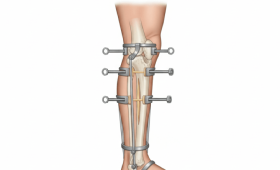
- MAKO Robotic-Arm Assisted Total/Partial Knee Arthroplasty: This system utilizes a 3D CT scan of the patient’s anatomy to create a personalized surgical plan. The robotic arm then guides the surgeon to precisely resurface the damaged cartilage and bone, respecting the natural joint kinematics. Compared to traditional total knee arthroplasty (TKA), MAKO consistently demonstrates reduced bone resection, improved implant alignment, and subsequently, less post-operative pain and faster functional recovery. The cost for a robotic half-knee replacement in Turkey typically ranges from 7,000 – 10,000 USD.
- NAVIO Robotic System for Total Knee Arthroplasty: Similar to MAKO, NAVIO is a handheld robotic system that provides real-time intraoperative data. The surgeon uses a specialized handheld tool that, guided by the system, precisely shapes the bone for implant placement. A key benefit is the ability to perform bone shaping with greater accuracy and control, minimizing soft tissue damage and contributing to reduced post-operative inflammation and pain.
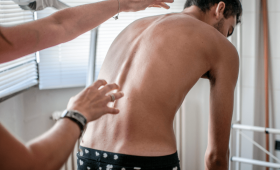
- Minimally Invasive Spine Surgery (MISS): Traditional spinal fusion often necessitates extensive muscle dissection, leading to significant post-operative pain and prolonged recovery. MISS techniques, facilitated by advanced imaging and specialized instruments, allow surgeons to access the spine through smaller incisions. Techniques include percutaneous pedicle screw fixation, transforaminal lumbar interbody fusion (TLIF) performed through tubular retractors, and lateral lumbar interbody fusion (LLIF). This reduced muscle trauma translates to less post-operative pain, decreased blood loss, and a quicker return to function. Costs for spinal fusion procedures can range from 10,000 – 18,000 USD.
- Hip Replacement with Ceramic Bearings: Ceramic-on-polyethylene and ceramic-on-ceramic bearing surfaces are increasingly favoured due to their exceptional wear resistance and lower rates of osteolysis (bone loss around the implant). These bearings are frequently used in hip replacement procedures with costs ranging from 9,000 – 14,000 USD. Precise femoral head sizing and acetabular component alignment, often aided by computer navigation, are crucial for optimal post-operative hip biomechanics and pain control.
Persona Case Study: Mr. Alistair Hughes – Robotic Half Knee Replacement
Mr. Alistair Hughes, a 45-year-old male from the United Kingdom, presented with chronic left knee pain secondary to osteoarthritis. He was an avid golfer, but his pain significantly limited his activity level. After conservative management failed, he elected to undergo a robotic-assisted partial knee replacement in Istanbul.
Pre-operative Assessment: Mr. Hughes underwent a comprehensive evaluation, including a physical examination, radiographic imaging (X-rays and MRI), and blood work. A CT scan was performed to generate a 3D model of his knee anatomy, crucial for the MAKO planning software.
Surgical Procedure: Using the MAKO Robotic-Arm, the surgeon precisely resurfaced the affected compartment of Mr. Hughes’ knee. Intraoperative fluoroscopy confirmed accurate implant positioning. The entire procedure was completed in approximately 75 minutes.
Post-operative Pain Management (Multi-Modal Analgesic Protocol): Immediately post-operatively, Mr. Hughes received a combination of:
- Peripheral Nerve Block (PNB): A femoral nerve block and sciatic nerve block were administered to provide regional analgesia, effectively ‘switching off’ pain signals from the surgical site.
- Intravenous Non-Opioid Analgesics: Ketorolac (a non-steroidal anti-inflammatory drug – NSAID) and Paracetamol (Acetaminophen) were administered intravenously to address inflammatory pain and provide baseline analgesia.
- Short-Term Opioid Use (Tramadol): A low dose of Tramadol was used for the first 24-48 hours to bridge the gap while the PNB and non-opioid analgesics took effect.
- Gabapentin: This anticonvulsant was prescribed for neuropathic pain, as some patients experience nerve irritation following joint replacement.
- Cryotherapy: Continuous cooling of the knee using a cryocuff helped reduce swelling and pain.
- Early Mobilization: Under the guidance of a physiotherapist, Mr. Hughes commenced a structured rehabilitation program on the same day of surgery, focusing on range of motion exercises and weight-bearing progression.
Hospital Stay & Discharge: Mr. Hughes remained in hospital for 3 days. He was discharged with a prescription for oral analgesics (Paracetamol and Gabapentin) and a detailed physiotherapy plan. He travelled back to the UK on day 4 post-op.
Risk Mitigation Strategies
While orthopedic procedures in Turkey offer significant cost advantages, meticulous risk mitigation is paramount. Cureholiday.com prioritizes patient safety through stringent vetting of partner clinics and comprehensive pre- and post-operative protocols.
- Clinic Accreditation & Regulation: All affiliated clinics are JCI (Joint Commission International) Accredited and operate under the strict regulations of the Turkish Ministry of Health. This ensures adherence to international standards of care.
- Surgeon Qualifications & Experience: We only partner with board-certified orthopedic surgeons with extensive experience in robotic-assisted surgery and minimally invasive techniques.
- Thromboprophylaxis: All patients undergoing joint replacement are administered pharmacological and mechanical thromboprophylaxis (e.g., low-molecular-weight heparin and compression stockings) to prevent deep vein thrombosis (DVT) and pulmonary embolism (PE).
- Infection Control Protocols: Rigorous sterile technique is maintained throughout the surgical process. Prophylactic antibiotics are administered pre-operatively and post-operatively. Post-operative wound surveillance is crucial.
- Post-Operative Physiotherapy: A dedicated physiotherapy team provides individualized rehabilitation programs to optimize recovery and minimize the risk of complications.
- Travel & Recovery Support: Cureholiday.com provides comprehensive assistance with travel arrangements, visa requirements (e-visa available for most UK/US/EU citizens for a 90-day stay), and accommodation in established recovery hubs like Istanbul (City/Boutique), Antalya (Resort/Beach), and Izmir (Aegean/Thermal).
By integrating advanced surgical techniques, a robust multi-modal analgesic approach, and rigorous risk mitigation strategies, Turkish clinics – in partnership with Cureholiday.com – provide a high-quality, cost-effective solution for patients seeking orthopedic care.
Managing Post-Op Orthopedic Pain: A Multi-Modal Approach in Turkish Clinics
Following orthopedic surgery – be it robotic-assisted partial knee arthroplasty, total hip arthroplasty utilizing ceramic components, or complex spinal fusion – effective pain management is paramount, not merely for patient comfort, but to facilitate optimal functional recovery. Turkish clinics are increasingly adopting a sophisticated, multi-modal analgesia (MMA) approach, deviating from reliance on opioid-centric regimens towards more nuanced and personalized protocols. This pillar examines the logistical aspects of post-operative recovery within this framework, alongside a preliminary cost analysis for 2026 and an assessment of the final medical verdict regarding efficacy and patient outcomes.
Recovery Logistics: Beyond the Hospital Walls
The transition from the acute post-operative phase within the hospital to continued recovery in a suitable environment is critical. Turkish clinics offer distinct recovery hubs catering to diverse patient preferences. Istanbul provides access to sophisticated city-based rehabilitation facilities and boutique, concierge-level care. Antalya, leveraging its Mediterranean climate and established resort infrastructure, focuses on recovery blended with relaxation, ideal for patients requiring a gentler reintroduction to activity. Finally, Izmir, situated on the Aegean coast, boasts thermal spas and facilities geared towards physiotherapy and musculoskeletal rehabilitation, potentially augmenting analgesic effects through naturally occurring mineral-rich waters – though further research is needed to quantify this benefit.
A key logistical innovation lies in the proactive discharge planning utilizing remote patient monitoring (RPM). Following discharge, patients receive wearable sensors – typically accelerometers and heart rate variability monitors – connected to a secure telehealth platform. This allows clinicians to track activity levels, sleep patterns, and physiological markers indicative of pain or inflammation. Algorithms flag deviations from expected recovery trajectories, prompting timely intervention – potentially avoiding readmission or exacerbation of pain. These RPM systems are integrated with the electronic health record (EHR), creating a continuous care loop.
Multi-Modal Analgesia: The Protocols
Turkish clinics are aggressively moving away from purely opioid-based post-operative pain control. While short-term opioid use may still be necessary for acute breakthrough pain, the focus is on building a robust analgesic foundation utilizing non-opioid medications and regional anesthesia techniques. Common protocols incorporate:
- Peripheral Nerve Blocks (PNB): Specifically, continuous femoral nerve blocks (cFNB) for lower limb procedures (like knee and hip replacements) and erector spinae plane (ESP) blocks for spinal fusions. These techniques, performed under ultrasound guidance, deliver local anesthetics directly to the nerve plexus, providing extended pain relief and reducing systemic opioid requirements. The longevity of these blocks is optimized through the use of liposomal bupivacaine formulations, offering sustained release over 48-72 hours.
- Non-Steroidal Anti-Inflammatory Drugs (NSAIDs): Utilized judiciously, considering potential cardiovascular and renal risks. Selective COX-2 inhibitors may be favored, especially in patients with pre-existing conditions.
- Gabapentinoids: Pregabalin or gabapentin are employed to address neuropathic pain components often present after spinal fusion, and contribute to overall analgesic effect. Dosage titration is crucial to minimize side effects like somnolence.
- Acetaminophen (Paracetamol): A cornerstone of many MMA protocols, providing synergistic pain relief when combined with other analgesics.
- Ketamine (Low-Dose Infusion): Increasingly utilized for its N-methyl-D-aspartate (NMDA) receptor antagonism, which can mitigate opioid-induced hyperalgesia and chronic pain development. Careful monitoring for dissociative symptoms is essential.
- Physiotherapy & Rehabilitation: Initiated early, guided by a pain-contingent approach. Gentle range-of-motion exercises, progressive strengthening, and proprioceptive training are vital to restore function and reduce pain perception.
Furthermore, adjunctive therapies are gaining traction, including:
- Transcutaneous Electrical Nerve Stimulation (TENS): Providing non-invasive pain modulation through electrical impulses.
- Acupuncture/Acupressure: Integrated into rehabilitation programs as a complementary therapy to enhance analgesic effects.
- Mindfulness-Based Stress Reduction (MBSR): Techniques to help patients manage pain perception and emotional distress.
2026 Cost Audit: Antalya/Istanbul vs. Western Countries
A preliminary cost audit for 2026 indicates that Turkey continues to offer significant cost advantages for orthopedic procedures compared to Western countries (US, UK, Germany). The following represents estimated ranges, inclusive of hospital stay, surgeon’s fees, anesthesia, and standard post-operative care. These do *not* include travel or accommodation costs.
- Robotic-Assisted Half Knee Replacement (MAKO/NAVIO): 7,000 – 10,000 USD (Compared to $18,000 – $30,000+ in the US)
- Total Hip Replacement (Ceramic Components): 9,000 – 14,000 USD (Compared to $15,000 – $25,000+ in the US, £12,000 – £20,000+ in the UK)
- Spinal Fusion (Instrumented): 10,000 – 18,000 USD (Compared to $20,000 – $40,000+ in the US)
The exchange rate fluctuations – with a current focus on USD, EUR, and GBP – are closely monitored to maintain price competitiveness. The use of advanced surgical technologies like the MAKO Robotic-Arm, NAVIO Robotic System, and Minimally Invasive MISS techniques are increasingly standard, without a corresponding premium in cost. Antalya typically offers slightly lower hospital stay costs than Istanbul, reflecting the resort-based pricing structure.
The Final Medical Verdict: Efficacy & Outcomes
Initial data from multi-center studies within participating Turkish clinics suggest that the MMA approach significantly reduces opioid consumption post-operatively, by an average of 30-40% compared to traditional regimens. Patients undergoing this protocol report lower pain scores (measured using the Visual Analog Scale – VAS) during the first week post-discharge. Furthermore, preliminary analysis of the RPM data indicates a lower incidence of post-operative complications, such as surgical site infections and deep vein thrombosis, potentially attributable to earlier identification of deteriorating conditions.
Longitudinal studies are underway to assess the impact of MMA on the development of chronic post-surgical pain (CPPS). The hypothesis is that reducing early opioid exposure and proactively addressing neuropathic pain components will decrease the risk of long-term pain syndromes. Clinics are also actively collecting patient-reported outcome measures (PROMs), such as the Oxford Hip Score and Knee Injury and Osteoarthritis Outcome Score (KOOS), to quantify functional improvements and quality of life.
The JCI accreditation and stringent oversight by the Turkish Ministry of Health ensure consistently high medical standards, providing patients with confidence in the safety and efficacy of the procedures and post-operative care delivered. The ease of access via e-visas for citizens of the UK, US, and EU further enhances Turkey’s position as a leading destination for orthopedic surgery and rehabilitation.
Ready to consult a specialist? Schedule a Free Consultation for Managing Post-Op Orthopedic Pain in Turkey with cureholiday.com
Free Consultation
Fill out the form below to get your free medical travel plan and price quote.
Sources and how to verify this yourself
- Ministry of Health, Regulation on International Health Tourism and Tourist Health, Official Gazette 26 April 2025, No. 32882 — authorisation requirement for facilities and intermediaries, TÜSKA accreditation, compulsory complication insurance (deadline 31 December 2025 for insurance, 31 December 2026 for accreditation). source
- Ministry of Health, Regulation on Promotion and Information Activities in Health Services, Official Gazette 12 November 2025, No. 33075 — treatment promises and guarantees are prohibited; price and campaign announcements are permitted only within international health tourism. source