Is It Safe For Diabetic Patients To Get Dental Implants?
For patients living with diabetes, dental implants have become a highly safe and predictable procedure thanks to modern dentistry’s technological advancements. While many patients historically believed that diabetes was a definitive contraindication for oral surgery, current clinical evidence suggests that with proper management, this barrier is largely non-existent. The primary criterion is that the condition must be well-controlled, with blood glucose levels remaining stable over a significant period. When diabetes is managed effectively, the success rate of dental implants is nearly identical to that of healthy individuals. Constant coordination between the dentist, the patient, and their endocrinologist is the cornerstone of ensuring safety throughout the surgical and recovery phases.
How Does Diabetes Affect The Success Of Dental Implants?
Diabetes has a direct physiological impact on the body’s overall healing capacity and immune response. Elevated blood sugar levels can impair the efficiency of white blood cells, which are crucial for fighting off potential infections at the surgical site. Furthermore, chronic high glucose levels can lead to microvascular changes, reducing blood flow in the small capillaries. This is particularly important for osseointegration, the process where the jawbone fuses with the implant surface. If diabetes is poorly controlled, the activity of bone-forming cells (osteoblasts) can be inhibited, potentially leading to slower healing or failure of the implant to integrate. However, in controlled cases, these metabolic processes function normally, allowing for a successful outcome.
Can Patients With Controlled Diabetes Undergo Implant Surgery?
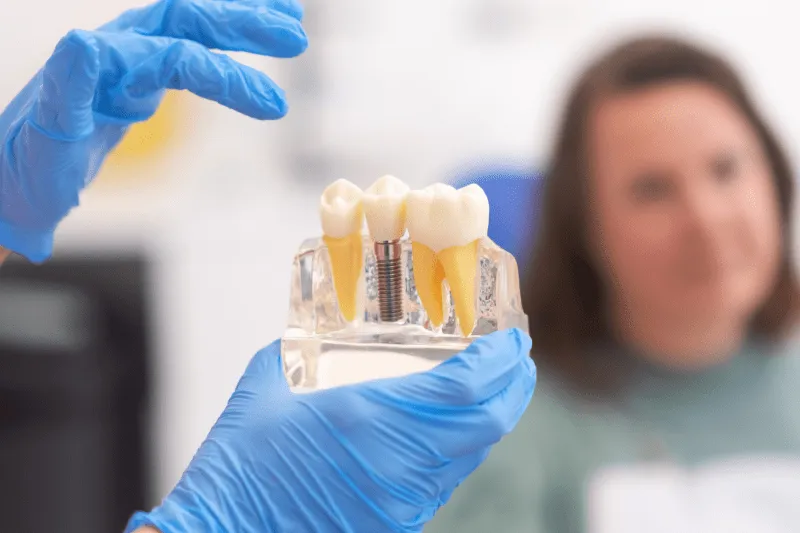
Yes, patients with controlled diabetes can proceed with dental implant surgery with high confidence. The term “controlled diabetes” implies that the patient is diligent with their medication, adheres to a proper diet, and maintains their blood sugar levels within the target range. In such individuals, the body’s tissue-repair mechanisms work efficiently, and post-surgical healing occurs within the expected timeframe. Dentists will typically perform a comprehensive review of the patient’s medical history and consult with their primary care physician to finalize a customized treatment plan. This collaborative approach minimizes risks and ensures that the patient can enjoy the functional and aesthetic benefits of dental implants safely.
Why Is The HbA1c Level Essential For Implant Procedures?
The HbA1c level is the most reliable parameter for assessing a diabetic patient’s blood sugar management over the previous two to three months. Unlike daily finger-prick tests, which can fluctuate due to stress, a single meal, or physical activity, HbA1c provides a long-term overview of glucose regulation. Knowing this value before an invasive procedure like dental implant surgery is vital for predicting the success of the operation. High HbA1c levels indicate that the body may be vulnerable to infections and that its natural healing mechanisms are suppressed. Consequently, this test is a mandatory prerequisite in most dental clinics to ensure the patient’s body can handle the biological demands of bone healing.
What Should Be The Ideal HbA1c Level For Dental Surgery?
For dental surgery, especially implantology, an HbA1c level below 7% is generally considered ideal. This level suggests that the patient’s diabetes is well-managed and that the risk of surgical complications is low. In certain clinical scenarios, values up to 7.5% or 8% might be accepted depending on the patient’s overall health and the complexity of the procedure. However, levels exceeding 8% usually serve as a red flag, prompting the dentist to postpone the surgery until better glycemic control is achieved. The lower the HbA1c level, the lower the risk of post-operative infection and the higher the likelihood of healthy, robust bone-to-implant contact.
What Are The Risks Of Implants In Uncontrolled Diabetes?
Performing dental implant surgery on patients with uncontrolled diabetes carries significant clinical risks. The most prominent danger is “peri-implantitis,” an inflammatory condition that affects the tissues around the implant, leading to bone loss and potential failure. Additionally, due to impaired blood circulation, the surgical wound may close very slowly, and sutures might open prematurely (dehiscence). Since the body’s ability to fight bacteria is compromised, even a minor bacterial leak can escalate into a systemic issue. Therefore, it is strongly advised against starting any surgical intervention until blood sugar levels have been stabilized through medical management.
Is There A Difference Between Type 1 And Type 2 Diabetes Regarding Implants?
While the surgical technique remains the same, the management strategies for Type 1 and Type 2 diabetes may differ slightly in the context of dental implants. Type 1 patients are insulin-dependent and may be more prone to rapid blood sugar fluctuations, which must be carefully managed to avoid stress-induced spikes during the operation. Type 2 patients often have additional factors to consider, such as obesity or insulin resistance, which can also influence healing. In both types, the “glycemic control” is what truly matters. A well-managed Type 1 diabetic often has a better prognosis for implant success than a poorly managed Type 2 diabetic.
How Long Does The Implant Healing Process Take For Diabetic Patients?
The healing process for dental implants in diabetic patients follows a similar timeline to healthy individuals, although it may sometimes take a few weeks longer to ensure complete stability. In a standard healthy patient, osseointegration usually takes 3 to 4 months. For diabetic patients, dentists may prefer to extend this waiting period to 5 or 6 months. This extra time allows the bone around the implant to fully mature and become strong enough to support the functional loads of chewing. Maintaining stable blood sugar throughout this entire healing period is crucial for preventing complications and ensuring the longevity of the implant.
Does The Risk Of Implant Rejection Increase With Diabetes?
What is commonly referred to as “implant rejection” is usually not an allergic reaction but rather a failure of the implant to fuse with the bone. In diabetic patients, this risk only increases if the sugar control is poor. High glucose levels can inhibit osteoblast activity and negatively affect the formation of connective tissue. If glucose levels are within the normal range, the body’s biological response to the titanium implant is no different from that of a healthy person. Essentially, the risk is not inherent to diabetes itself but to “unmanaged” diabetes. Modern implant surfaces are designed to counteract these minor biological delays, making success highly achievable.
How Does The Osseointegration Process Progress In Diabetic Patients?
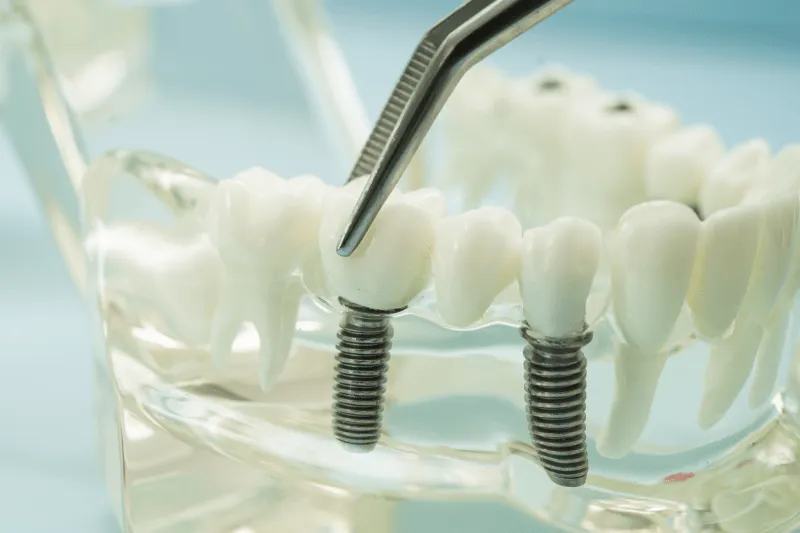
Osseointegration is the structural and functional connection between the living bone and the surface of the artificial implant. In diabetic patients, this process is on a more delicate balance due to changes in tissue metabolism. High sugar in the blood can interfere with the synthesis of proteins required for bone building. However, modern implants with advanced surface treatments are specifically designed to accelerate this process. Dentists often choose implants with specialized surfaces (like SLActive) for diabetic patients to enhance the recruitment of bone cells and guarantee a faster, more secure integration even in slightly compromised metabolic environments.
How Can Infection Risks Be Minimized In Diabetic Patients?
Minimizing infection risks requires a comprehensive, multi-disciplinary approach. Before the operation, a professional dental cleaning and detailed oral hygiene training are provided to reduce the bacterial load. During the surgery, the highest standards of sterilization and aseptic techniques are strictly followed. Post-operatively, patients are typically prescribed prophylactic (preventative) antibiotics and specialized antiseptic mouthwashes. The patient’s commitment to home care and the regular monitoring of their blood sugar levels serves as the strongest shield against infection during the critical early stages of healing.
What Tests Should A Dentist Request Before An Implant?
A dentist must follow a thorough protocol for any diabetic patient seeking implants. First and foremost, an HbA1c test from within the last 6 months is mandatory. On the morning of the surgery, fasting and postprandial blood sugar measurements are recorded. To assess general health, a complete blood count (CBC) and, if necessary, coagulation tests may be requested. While panoramic X-rays or dental CT scans are used to analyze bone structure, a complete list of the patient’s medications—including insulin, oral antidiabetics, and any heart-related drugs—must be kept in the patient’s file for safety.
Why Is Pre-Surgery Blood Sugar Measurement A Critical Step?
The blood sugar measurement taken on the morning of surgery is critical for understanding how the patient will respond to surgical stress and anesthesia that day. Hypoglycemia (very low blood sugar) during the operation can lead to fainting or more severe medical emergencies. Conversely, hyperglycemia (very high blood sugar) immediately delays the healing of tissue trauma. Ideally, the patient’s blood sugar should be between 120 and 180 mg/dL before the procedure begins. This measurement acts as an instant safety check to confirm whether it is safe to proceed with the surgery.
How Do Diabetes Medications Affect Implant Surgery?
Medications used to manage diabetes generally do not pose an obstacle to implant surgery; in fact, they are part of the success. However, the dosage of some medications might need adjustment based on the patient’s eating schedule on the day of the operation. For example, if a patient will have difficulty eating after the surgery, their insulin dose may be revised under medical supervision. Furthermore, if the patient uses blood thinners for cardiovascular conditions often associated with diabetes, the management of these medications must be planned jointly by the dentist and the cardiologist to prevent excessive bleeding.
How Does Smoking Affect Implants In Diabetic Patients?
Smoking represents a “double risk” for diabetic patients. Both diabetes and smoking impair blood circulation. The nicotine in cigarettes causes blood vessels to constrict, reducing the amount of oxygen and nutrients that reach the surgical site. In a diabetic patient, where healing is already delicate, combining this with smoking can increase the risk of implant failure by as much as 30-40%. Therefore, it is vital for diabetic patients to quit smoking at least 15 days before the implant treatment and avoid it entirely until the healing process is complete.
Why Is Gum Health More Critical For Patients With Diabetes?
There is a bidirectional relationship between diabetes and gum disease (periodontal disease). Gum inflammation can raise blood sugar levels, and high blood sugar can trigger or worsen gum disease. For a dental implant to last long-term, the gums surrounding the implant (the peri-implant mucosa) must be completely healthy. In diabetic patients, gum infections can spread to the bone much faster than in healthy individuals. Therefore, regular professional cleanings and the diligent use of dental floss are not luxuries but absolute necessities for these patients.
Is The Risk Of Peri-Implantitis Higher In Diabetic Patients?
Peri-implantitis is an infection that leads to the loss of tissue and bone around an implant, and yes, the risk is higher in individuals with poor blood sugar control. High glucose levels provide a favorable environment for harmful bacteria to thrive in the mouth. Additionally, the body’s inflammatory response to these bacteria can be more aggressive in diabetics. However, for a diabetic patient who keeps their HbA1c level below 7% and maintains excellent oral hygiene, the risk of peri-implantitis is no different than that of a non-diabetic person.
Is Bone Density Sufficient For Implants In Diabetic Patients?
Long-term and uncontrolled diabetes can affect bone metabolism, potentially leading to decreased bone density (osteopenia). This can impact the initial tightness (primary stability) of the implant when it is first placed. However, with modern technology, bone graft (bone powder) applications can strengthen areas where density is insufficient. Through detailed analysis using 3D dental tomography, the dentist can identify the highest quality bone locations and utilize special reinforcement techniques to ensure the implant is securely anchored.
Is There A Specific Type Of Implant For Diabetic Patients?
While almost any high-quality implant can be used, some manufacturers produce “active surface” implants specifically for patients with slower healing rates. These implants have surfaces with a hydrophilic (water-loving) structure that attracts bone cells more rapidly. Choosing these premium-tier implants for diabetic patients can significantly speed up the osseointegration process and increase the overall success rate. Your dentist will select the most appropriate surface features based on your systemic health to minimize any biological risks.
What Should Be Done If Blood Sugar Drops During Surgery?
A dental clinic must always be prepared for the possibility of “hypoglycemia” (low blood sugar) during an operation. If a patient shows signs like cold sweating, trembling, or confusion, the procedure is immediately paused. If the patient is conscious, fast-absorbing sugary liquids or glucose tablets are administered. To prevent such situations, patients are instructed to have a proper breakfast on the day of surgery and take their routine medications as prescribed. An experienced team can manage these incidents within seconds to ensure patient safety.
How Should The Post-Surgery Diet Be Structured?
Nutrition after an implant procedure must maintain sugar balance without traumatizing the surgical area. For the first 24 hours, lukewarm and soft foods should be preferred. For diabetic patients, pureed vegetables, yogurt, and sugar-free protein shakes are ideal choices. Hard, crunchy, or seedy foods must be avoided. Additionally, tracking daily carbohydrate intake is crucial for preventing sudden blood sugar spikes during the healing phase. Staying well-hydrated is also essential for maintaining tissue health and hydration.
Which Symptoms Should Be Monitored During The Healing Period?
While mild swelling and discomfort are normal after surgery, certain symptoms should be monitored closely. If there is severe pain that increases after 3-4 days, uncontrollable bleeding, or pus-like discharge at the surgical site, you must contact your dentist immediately. Furthermore, signs of a general infection, such as fever or extreme fatigue, are warning signs. For diabetic patients, any unusual color changes in the wound or a bad odor can be early indicators of peri-implantitis that require immediate clinical intervention.
Is Antibiotic Use Mandatory For Diabetic Patients?
Because the immune response can sometimes be insufficient in diabetic patients, dentists generally recommend the use of “prophylactic antibiotics.” This is a preventative measure taken to support the body before an infection can occur. A course of antibiotics, usually starting an hour before the surgery and continuing for a few days, protects the surgical field from oral bacteria. The choice and duration of the antibiotic are determined individually based on the patient’s weight, the type of diabetes, and the extent of the surgery.
What Is The Lifespan Of An Implant In Diabetic Patients?
In a diabetic patient whose blood sugar is well-controlled and who maintains excellent oral hygiene, the lifespan of an implant is the same as that of a healthy individual; it can last a lifetime. The most critical factors determining the lifespan are the patient’s commitment to oral hygiene and attendance at regular check-ups. If sugar levels deteriorate significantly over the years, this can eventually affect the bone around the implant. Therefore, the success of the implant is directly linked to how well the patient manages their overall systemic health.
In Which Situations Should Implant Treatment Be Postponed?
Implant treatment must be postponed in patients with an HbA1c level of 8.5% or higher, or those who experience frequent episodes of hypoglycemia or hyperglycemia. Additionally, if there are other systemic issues like a recent heart attack, severe kidney failure, or uncontrolled high blood pressure, priority should be given to stabilizing those conditions. If there is an active infection in the mouth or advanced gum disease, these issues must be treated first before moving on to the implant stage.
Is Tooth Loss More Common In Diabetic Patients?
Unfortunately, individuals with uncontrolled diabetes have a higher rate of tooth loss. This is because increased sugar in the saliva allows bacteria to multiply faster, making gum disease more aggressive. When teeth are lost, chewing function is impaired, which makes it harder for the patient to maintain a healthy, fiber-rich diet, thus making diabetes control even more difficult. This is why dental implants are vital for improving the quality of life and nutritional health of diabetic patients.
Is Full Mouth Implant Treatment Suitable For Diabetic Patients?
Full mouth implant treatment is possible and often highly recommended for diabetic patients. Many diabetic patients who have lost most of their teeth suffer from non-healing sores caused by traditional removable dentures (plates). Fixed implant-supported prostheses eliminate these pressure sores and wounds, maximizing oral comfort. However, since full mouth surgery involves a larger area, it should be performed in multiple sessions or under very strict control if done in a single stage.
Can The All-On-4 Technique Be Applied To Diabetic Individuals?
The All-on-4 technique is an advantageous option for diabetic patients. This method allows for a full arch restoration using only four implants and generally requires less surgical intervention than traditional methods. Fewer sutures and less trauma mean a faster recovery for the diabetic patient. Additionally, it reduces the need for bone grafting in diabetic patients with bone loss in the posterior regions, thereby lowering the risk of complications. Every controlled diabetic patient with appropriate bone support can benefit from this modern technique.
How Is The Anesthesia Selected For Diabetic Patients?
Most implant operations are successfully performed under local anesthesia. However, for diabetic patients with high anxiety or dental phobia, sedation (a twilight sleep state) can be preferred. Sedation lowers the patient’s stress level, preventing stress-induced blood sugar spikes. General anesthesia is only used in very rare and necessary cases. Throughout the operation, an anesthesiologist monitors the patient’s vital signs and sugar levels to ensure total safety and peace of mind.
How Does Stress Management Affect Blood Sugar Balance On Surgery Day?
Stress triggers the release of cortisol and adrenaline, which in turn raises blood sugar levels. In diabetic patients with “white coat syndrome,” this can affect the success of the operation. Therefore, a calm approach from the dentist, a peaceful clinical environment, and the use of mild sedatives if necessary are important. Thoroughly informing the patient about the surgical process helps reduce anxiety caused by uncertainty, thereby assisting in the maintenance of blood sugar balance.
How Should Oral Hygiene Be Maintained After The Implant?
Post-implant hygiene is the key to success for diabetic patients. Brushing should be done at least twice a day with a soft-bristled brush, and interdental brushes or floss must be used for the spaces between implants. Additionally, “water flossers” are excellent for diabetics as they clean hard-to-reach areas around the implants. Alcohol-free antiseptic mouthwashes should also become a part of the routine to suppress bacterial growth. A professional dental check-up every 6 months is mandatory to catch any issues early.
What Is The Success Rate Of Implants In Diabetic Patients?
Scientific studies show that in diabetic patients with controlled blood sugar (HbA1c < 7%), the success rate of implants is between 95% and 98%. This rate is nearly identical to that of healthy individuals. In uncontrolled diabetics, this rate may drop to 80% or lower. The critical message here is that diabetes is not an obstacle, but a condition that simply needs to be managed. With the right doctor, proper planning, and patient compliance, success is virtually guaranteed.
How Does Cure Holiday Provide A Treatment Plan For Diabetic Patients?
Cure Holiday possesses a specialized health tourism team that deeply understands the sensitivities of diabetic patients. Before your treatment plan is created, your medical history is meticulously reviewed, and your HbA1c values and current medications are evaluated. The expert dentists within the Cure Holiday network select the safest surgical techniques and specialized surface implants to enhance healing speed for diabetic individuals. Throughout the process, a multi-disciplinary approach is adopted to monitor your general health, ensuring no risks are left to chance.
Why Should You Choose Cure Holiday For Your Dental Treatment?
Choosing Cure Holiday for your dental treatment means more than just having an operation; it is a holistic care experience. For patients with chronic conditions like diabetes, every detail is considered, from comfortable transfers to fully equipped clinics. Our expert staff provides a personalized welcome and accompaniment process to minimize your surgical stress. Additionally, we maximize the success of your treatment with international sterilization protocols and state-of-the-art imaging devices. All you have to do is enjoy your new smile.
What Advantages Does Cure Holiday Offer Within Health Tourism?
When you choose Cure Holiday for health tourism, you receive world-class dental treatment in a much more economical and comfortable manner. Our VIP transfer services ensure effortless transportation from the airport to the clinic and your hotel. Our partner luxury hotels offer dietary options suitable for your diabetic needs. You will be informed at every stage by our translators who accompany you throughout your treatment process. Combining modern medicine with Turkish hospitality, Cure Holiday turns your treatment journey into an enjoyable vacation.
How Does The Safe Implant Experience For Diabetic Patients Start With Cure Holiday?
The first step toward a safe and healthy smile is to contact Cure Holiday. During the free online consultation stage, your X-rays and diabetes data are examined by our specialists. You are provided with a customized, risk-minimized, and success-oriented treatment program. All your reservations for treatment, which will be carried out by experienced dentists in Turkey’s best dental clinics, are handled by our team. Contact us today to safely achieve the smile of your dreams and regain your oral health with confidence!
Free Consultation
Fill out the form below to get your free medical travel plan and price quote.
Sources and how to verify this yourself
- Howe M-S, Keys W, Richards D. Long-term (10-year) dental implant survival: a systematic review and sensitivity meta-analysis. Journal of Dentistry, 2019 — pooled 10-year implant survival 96.4% (95% CI 95.2–97.5%); conservative sensitivity estimate 93.2%. source
- Ministry of Health, Regulation on International Health Tourism and Tourist Health, Official Gazette 26 April 2025, No. 32882 — authorisation requirement for facilities and intermediaries, TÜSKA accreditation, compulsory complication insurance (deadline 31 December 2025 for insurance, 31 December 2026 for accreditation). source
- Ministry of Health, Regulation on Promotion and Information Activities in Health Services, Official Gazette 12 November 2025, No. 33075 — treatment promises and guarantees are prohibited; price and campaign announcements are permitted only within international health tourism. source