A hair transplant operation is an exciting beginning for thousands of people who want to change their lives and regain their self-confidence. However, intense hair loss that starts suddenly a few weeks after the operation causes panic in many patients and the fear of “did the transplant fail?” This phenomenon, called “shock loss” in medical literature, is actually a natural and temporary part of the process of hair follicles adapting to their new places. In this guide, we will examine every detail from the biological foundations of shock loss to the recovery process, from post-operative care to professional treatment options with Cure Holiday.
What Is Shock Hair Loss?
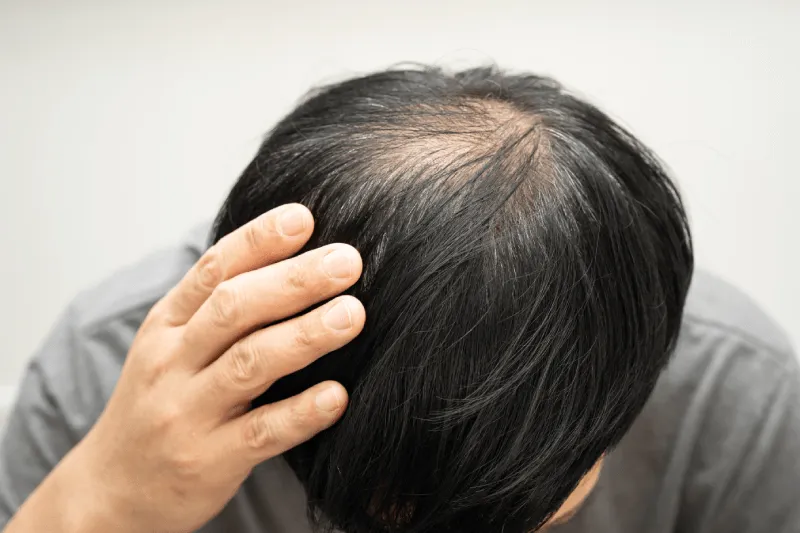
Shock loss is the temporary shedding of transplanted grafts or sometimes existing hair in the transplanted area after a hair transplant operation. This condition is a physiological response of the hair follicles to the trauma experienced during surgical intervention and changes in blood flow. Actually, what is shed is the hair itself; the follicles (production centers), which are the production center of the hair, continue to live under the skin. You can think of this process as a short “hibernation” that the hair enters to renew itself. There is no need to panic; because this shedding prepares the ground for healthy and permanent hair to grow. It is a sign that the body is reallocating its resources to healing the micro-wounds rather than maintaining the existing hair shafts.
Is Hair Shedding Normal After Hair Transplant?
Absolutely yes, shock loss is seen in more than 90% of patients who have a hair transplant. This is a standard stage of the healing mechanism and can even be accepted as a herald of a successful operation. In hair transplantation, which is a surgical procedure, thousands of micro-channels are opened in the scalp and the roots are relocated. After such an intensive intervention, it is a biological necessity for the tissue to protect itself and enter a new production cycle by getting rid of old strands. If you are experiencing shedding, this shows that your body is giving healing signals. It is a transient phase that almost every patient goes through, and its absence is more of a rarity than its presence.
Why Does Shock Hair Loss Occur?
The main reason for this is the temporary lack of oxygen (ischemia) that the hair follicles are exposed to, followed by the blood supply (reperfusion) process. While the grafts are taken from the donor area and kept in the external environment, their nutrition is cut off. When they are placed in their new places, the re-vascularization process begins. In this transition phase, the roots go into the resting (telogen) phase by throwing off the hair strands on them to save energy. In addition, the edema formed in the surrounding tissues during the channel opening process can also trigger this shedding by creating pressure on the hair follicles. It is a protective metabolic shutdown to ensure the survival of the vital follicle.
When Does This Process Usually Begin?
Usually, shock loss symptoms start to appear between the 2nd week and the 6th week after the operation. In some patients, it starts slightly on the 10th day, while in others it can suddenly intensify at the end of the first month. This timing varies according to the person’s metabolic rate, tissue healing capacity, and the density of the transplant. What is important is to be mentally prepared for this critical shedding window instead of expecting the hair to grow immediately after the operation. Most patients notice the peak of shedding around the 4th week, which often coincides with the first time they feel they are returning to their normal social life.
How Long Does The Shedding Process Last?
The shock loss process usually lasts between 2 weeks and 1 month. Seeing hair strands in the bathroom or on your pillow every day should not worry you; these strands are temporary parts that have already completed their function. Although the rate of shedding varies from person to person, usually by the end of the second month, the shedding stops and the hair follicles quietly start to enter the growth phase (anagen phase). This stage is the period when patience is tested the most, but it is comforting to know that a stronger one will come from under every shed strand. The follicle is simply resetting its internal clock to sync with its new environment.
Should You Be Afraid Of Shock Loss?
No, you should definitely not be afraid of shock loss. This condition does not create permanent baldness or mean that the transplanted roots are dead. On the contrary, it is a part of the healing cycle of hair follicles. The biggest mistake patients make is to fall into depression by believing the wrong information on the internet during this period. Shock loss is a rule of human physiology rather than a surgeon’s mistake. If the roots are placed at the correct depth and at the correct angle, the results after shock loss will always be satisfactory. It is a biological tax you pay for the long-term benefit of a full head of hair.
Are The Transplanted Hairs Shedding Permanently?
This is the question patients ask most frequently and the answer is “never.” The shed parts are the tips of the hair strands; the follicle (production center) under the skin continues to live. Once the roots are integrated with the tissue (which happens in the first 7-10 days), it is no longer easy to pull them out. New hair will start to grow in place of the shed hair in the form of thin hairs from the 3rd month onwards, and these will thicken over time and reach the form that will be permanent for a lifetime. You are not losing the investment you made; you are just waiting for the roots to produce their first high-quality output.
Does Shock Loss Occur In The Donor Area?
Although rare, shock loss can be seen in the donor area (the nape part). This situation usually stems from the temporary weakening of blood circulation in that area due to intensive graft harvesting. Shedding in the donor area is also temporary, just like in the transplant area. The hair returns to its old density within a few months. The surgeon’s homogeneous harvesting and minimal damage to the tissue reduce this risk, but if it occurs, there is nothing to worry about; the area quickly recovers itself. It is often a result of local anesthesia or temporary vascular congestion that resolves spontaneously.
Will Your Existing Native Hair Also Shed?
Sometimes your original hair in the vicinity of the hair transplant area can also be affected by this process. In medicine, this is called “neighboring tissue trauma.” Local anesthesia, saline solution, and channels opened during the operation can also put the nearby hair follicles into the resting phase. However, the good news is this: these original hairs also return when the shock loss phase is over. In fact, it is even possible for these hairs to grow back more vividly than before with supportive treatments used after the transplant. The increased blood flow to the region during the healing of the transplanted grafts often benefits the native hair as well.
Is Shock Loss The Same For Everyone?
The severity and duration of shock loss vary greatly from person to person. While some patients see all the transplanted hair shedding, some lucky patients may experience only 20-30% of the shedding. Genetic factors, age, general health status, nutrition style, and smoking habits determine how this process will pass. If your hair is shedding very little, this is not a problem; if it is shedding a lot, this is not a failure. Both cases are considered normal. The biological diversity of human beings ensures that every recovery journey is unique, and your individual timeline is perfectly valid.
Does The Operation Technique Affect Shedding?
Yes, the technology used during the operation and the sensitivity of the doctor can affect the intensity of shock loss. The use of micromotors, channel opening speed, and minimal damage to the tissue determine the trauma level of the roots. However, no matter which technique is used, the possibility of shock loss is always there. What is important is not the name of the technique, but how masterfully that technique is applied. A sensitive surgical approach can make the healing process much more comfortable. Modern tools like Sapphire blades help in reducing the trauma, potentially leading to a shorter shedding period.
Is There A Difference Between FUE And DHI In Terms Of Shedding?
There is no significant difference between FUE (Follicular Unit Extraction) and DHI (Direct Hair Implantation) methods in terms of the shock loss mechanism. Although some studies suggest that shedding may be lighter in the DHI method because the grafts stay outside for a shorter time, clinical observations show that both methods have a similar healing curve. Shock loss is not a mistake related to the method, but a reaction of the hair follicle due to its nature. For this reason, whichever method has been used for the transplant, the shedding process should be approached with the same patience. Both techniques result in excellent outcomes when performed by experts.
Is It Possible To Completely Prevent Shock Loss?
Medically, it is not possible to 100% prevent shock loss because this is a biological program. However, it is in our hands to reduce the severity of shedding and ensure that the process passes faster. Following the instructions given by the surgeon after the operation, protecting the area from traumas, and using supportive products help you manage this process. We do not want to completely silence the body’s healing response; we just want this response to be healthy and orderly. Trying to bypass this stage entirely would be going against the natural regenerative cycle of the human scalp.
What Can Be Done To Speed Up The Process?
To speed up the healing process and the emergence of new hair, you must support your metabolism. Supplements that increase blood circulation and nourish the roots, along with a correct care routine, are critical. Drinking plenty of water increases the oxygenation of the tissues. In addition, special shampoos and lotions recommended by your doctor reduce the edema in the scalp and allow the roots to breathe easily. Staying away from physical activities for a while prevents the roots from moving and the shedding from intensifying by balancing blood pressure.
Does PRP Therapy Help With Shock Loss?
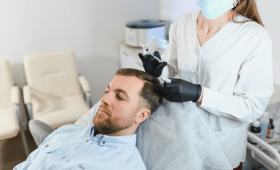
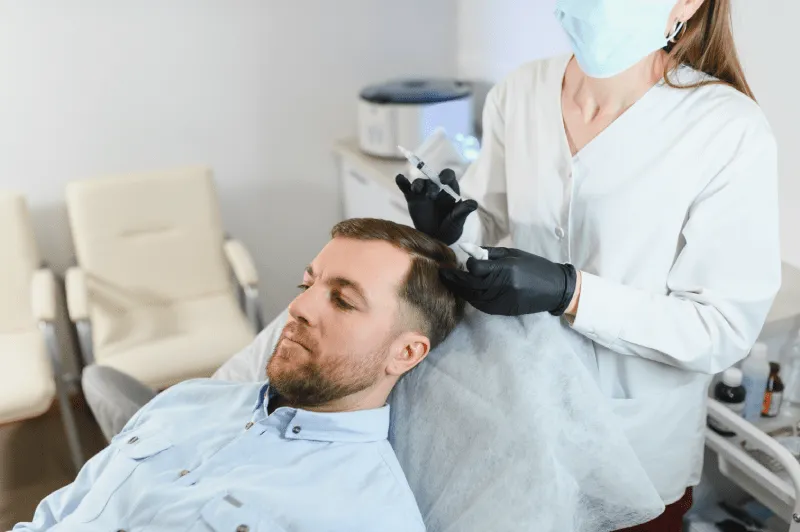
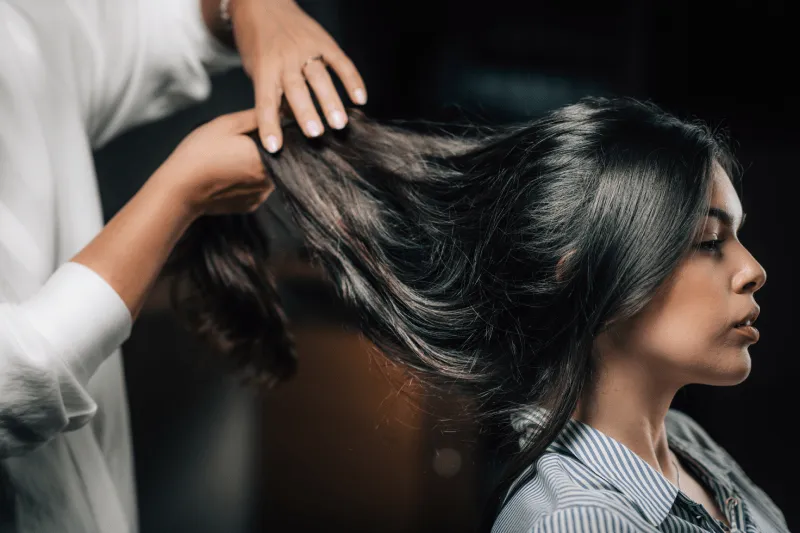
PRP (Platelet Rich Plasma) therapy is one of the most effective methods for managing the shock loss process. When growth factors obtained from your own blood are injected into the transplanted area, they allow the roots to integrate with the tissue faster. PRP stimulates the hair follicles that have entered the “sleep” phase and encourages them to pass into the active production phase in a shorter time. Many experts recommend having PRP in the 1st and 2nd months after the operation to minimize the effects of shock loss. It serves as a natural fertilizer for the newly planted “seeds” in your scalp.
How Does Mesotherapy Affect The Recovery Process?
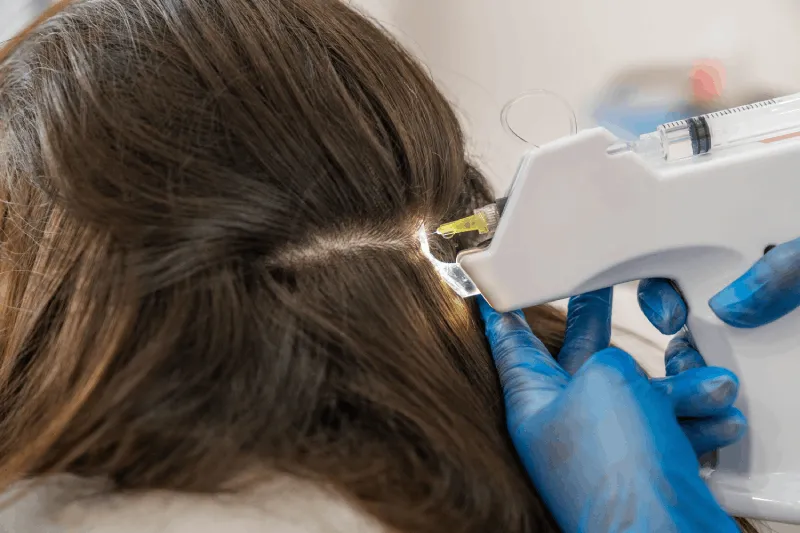
Hair mesotherapy is the direct delivery of mixtures of vitamins, minerals, and amino acids that the hair needs to the scalp. Performing mesotherapy during the shock loss period provides the “fuel” the roots need directly to them. In this way, the new hair that will take the place of the shed strands grows thicker, darker, and stronger. Mesotherapy also increases blood circulation in the scalp, balances the inflammation in the healing process, and speeds up tissue repair. It bypasses the digestive system and ensures that 100% of the nutrients reach the follicle target.
Do Nutritional Habits Influence Shedding Results?
Your body spends intensive energy and raw materials to produce hair. Therefore, nutrition after hair transplant is very important for the course of shock loss. Eating protein-weighted meals helps in the synthesis of keratin, which is the main substance of hair. Foods rich in iron, zinc, and omega-3 (fish, walnuts, spinach, eggs) strengthen the hair roots. Staying away from processed foods, excessive sugar, and salt allows the roots to grow in a healthier environment by reducing the edema in the body. A well-nourished body provides the best environment for follicles to thrive.
Which Vitamins Support New Hair Growth?
Biotin (vitamin B7) is the most fundamental stone of hair health and ensures that the hair grows stronger after shock loss. In addition, vitamins B12, C, and E are critical for tissue repair and collagen production. While vitamin A maintains the sebum balance of the scalp, vitamin D can support the formation of new hair follicles. However, you should definitely consult your doctor before using these supplements. The right combination will help you overcome the shock loss phase much faster and more efficiently.
What Is The Impact Of Water Consumption On Hair Health?
Water is the catalyst for all healing processes in our body. Drinking at least 2.5-3 liters of water a day after a hair transplant maximizes the circulation in the scalp and speeds up the removal of toxins. Dehydration can cause the scalp to dry out and the roots not to be nourished enough. A moist and healthy scalp provides a ground for the hair to come to the surface much more comfortably after shock loss. Remember, healthy hair is like plants germinating from moist soil. Water is the medium that carries all those vital nutrients to your scalp.
Does Stress Trigger Shock Hair Loss?
Yes, stress can affect not only general hair loss but also the severity of shock loss after hair transplant. The cortisol hormone can negatively affect the hair cycle. A constant state of anxiety, such as “will my hair grow?” or “is the shedding too much?”, can slow down the healing process. It is very important to accept that this period is a temporary biological process and to relax the mind. A positive state of mind allows the body’s repair mechanisms to work more efficiently. Meditation or light breathing exercises can be very beneficial during this stressful waiting period.
How Should The First Wash Process Be Managed?
The first wash performed after the operation (usually on the 2nd or 3rd day) is the most critical step before the shock loss. This wash should be done very sensitively in a professional clinic or according to your doctor’s instructions. Gentle cleaning of the crusts allows the scalp to breathe. If the crusts remain too hard, they can cause the shedding to be more painful by putting pressure on the roots. Keeping the scalp clean with correct shampooing techniques eliminates the risk of infection and supports healthy hair growth. This initial care sets the tone for the entire recovery.
Does Sleeping Position Affect Transplanted Roots?
Sleeping on your back at a slightly upright angle (about 45 degrees) for the first 10 days prevents the edema in the scalp from descending to the transplant area. This indirectly protects the root health before shock loss. Rubbing the transplanted area against the pillow can damage the roots that are still in the attachment stage. However, after getting through the first two weeks, you can return to your normal sleeping position. When shock loss starts, the sleeping position no longer has an effect on the shedding, because the roots are securely placed.
Can Sunlight Damage New Hair Follicles?
Newly transplanted hair roots and the healing scalp are extremely sensitive to UV rays. Staying under the sun for a long time in the first few months can cause tissue damage and delayed healing. Sunburn can negatively affect the shock loss phase by disrupting the blood supply to the roots under the skin. Using a loose and soft hat approved by your doctor when going out or choosing to stay in the shade will help you get through the process safely. Protecting your scalp from extreme heat is just as important as protecting it from trauma.
Does Exercising Negatively Impact The Recovery?
It is necessary to avoid heavy exercises for the first month after the operation. Intense sweating can increase the risk of infection in the scalp; also, increased blood pressure can disrupt the nutritional balance of the roots. Light walks can be done after the 1st week, but for sports that require straining such as weight lifting, one should wait at least 1 month. Allowing the body to spend its energy on tissue repair instead of sports will increase the quality of the hair that will come out after shock loss. Patience in the gym will pay off on your scalp.
When Will Hair Grow Back After Shock Loss?
Usually, the 3rd month after the operation is the “rebirth” period of the hair. In this period, the roots waiting under the skin make a move towards the surface. The first hairs that come out are usually very thin, colorless, and like fuzz. When the 6th month is reached, approximately 50-60% of the hair has come out and gained a significant volume. Between the 12th month and the 18th month, the final result is reached; the hair thickens, finds its natural direction, and reaches its full density. Patience is the greatest key to this process.
Why Do The First Growing Hairs Look Lifeless?
Since the new hair comes from follicles that have not yet matured, they can be thin and soft like baby hair. Also, the process of the hair piercing the skin and coming through requires a certain amount of energy. These strands will thicken as they come into contact with the external environment over time, as you wash them, and as you support them with your nutrition. Do not be upset by seeing the first fluff and thinking “is this all it was going to be?”; those fluffs are the heralds of your future thick hair. With every wash and every passing month, you will see the hair becoming more characteristic.
How Long Does It Take For Hair To Get Its Real Form?
The full result of a hair transplant is usually obtained in the 12th month, but in places where blood circulation is less, such as the crown area (vertex), this period can extend up to 18 months. The thickness, color, and texture of the hair become compatible with other hair on the scalp over time. During this process, having regular haircuts (after the time recommended by the doctor) can help the lifeless tips go away and the hair look more organized. Every day after shock loss brings you one step closer to the look of your dreams.
Is Shock Loss A Sign Of Failed Hair Transplant?
Definitely not! On the contrary, from a medical point of view, shock loss is proof that the life cycle of the hair roots is continuing. If there is no shedding at all, this is also a normal situation, but having shedding is not a mistake. Failure is the lack of hair growth, development of infection, or an incorrect frontal hairline design. Shock loss, on the other hand, is just like a seasonal leaf fall; as long as the roots stand solid under the soil (skin), spring (3rd month) will surely come. It is an expected physiological milestone.
Do Itching And Scabbing Increase Shedding?
It is normal to have itching in the scalp during the healing process because nerve endings and tissues are being repaired. However, scratching the area with nails or forcing the crusts to peel off can cause permanent damage to the roots and lead to “real” shedding outside of shock loss. To reduce itching, you should use the sprays recommended by your doctor and touch the area only with gentle buffer movements. The crusts should have been shed around the 10th day; if they remain, you should complete this process with correct washing.
Does Wearing A Hat Harm The Shedding Process?
Incorrect hat use can harm healing, but the right choice is protective. Wearing a hat is not recommended for the first 10 days. Afterwards, “bucket” type or adjustable hats that do not put pressure on the transplant area, have a high top, and are made of cotton can be used. Hard and tight beanies and synthetic materials that leave the scalp airless should be avoided. Wearing a hat during the shock loss phase can hide aesthetic concerns, but the scalp must also be allowed to breathe during the day.
How Do Smoking And Alcohol Slow Down Healing?
Smoking lowers the oxygen level in the blood and narrows the vessels. This situation seriously prevents the nutrition of the hair roots that have already experienced trauma. Alcohol, on the other hand, delays healing by disrupting the body’s water balance. Continuing to use these substances during the shock loss period can cause the new hair that will take the place of the shed hair to grow weaker or some roots not to hold at all. Taking a break from these habits for at least the first month is of vital importance for the success of the operation.
What Is The Hair Transplant Experience With Cure Holiday?
Cure Holiday designs the hair transplant process not just as a medical operation, but as an end-to-end perfect healing journey. Expert doctors and experienced health personnel analyze each patient’s hair structure and shedding type and make a personalized planning. In the operations carried out within Cure Holiday, the latest technologies (Sapphire FUE, DHI) are used and tissue trauma is minimized. In this way, the shock loss process is overcome in a much lighter and more controllable way. Patients live not just a treatment, but also a holiday experience full of trust and comfort.
How Does Cure Holiday Support During The Shock Loss Period?
The shock loss process is the period when patients need psychological support the most. Cure Holiday never cuts off its support when the operation ends and the patient returns to their country. The after-sales and post-operative follow-up team monitors the process through photographs by staying in contact with the patient at every stage of shedding. Every moment you worry “is this shedding normal?”, you can get information by reaching our expert consultants. Cure Holiday offers special care sets, vitamin supports, and online consultancy services to its patients, helping you manage the shock loss phase in the healthiest way.
Why Should You Choose Cure Holiday For Your Treatment?
Success in hair transplant is measured not only by the transplantation of grafts but also by how the healing process is managed. Cure Holiday makes a difference in the sector with its high success rates, sterile hospital conditions, and patient-oriented approach. Serving at international standards, our institution meets the expectations of its patients at the highest level by offering transparent pricing and predictable, high-quality results. With Cure Holiday, phases that seem difficult like shock loss become just small steps under the guidance of a professional team. You just dream of your new hair; let us manage all other technical and follow-up processes for you.
Are You Ready To Contact Cure Holiday For Your Dream Hair?
If you are also experiencing hair loss problems and still have question marks in your mind about processes like shock loss, you can get a free pre-interview from Cure Holiday’s expert consultants. Remember, a hair transplant done in the right hands will add a smile to you every time you look in the mirror for the rest of your life. Instead of being afraid of shock loss, it is in your hands to turn this process into an advantage with expert support. Now take the first step, join the Cure Holiday family, and enjoy the change. You are at the right place for permanent solutions, professional care, and perfect results.
Summary And Conclusion
Shock loss is not a stop to be feared on the hair transplant journey, but a tunnel that the hair passes through to return stronger. Being patient in this process, eating correctly, staying away from stress, and most importantly working with a reliable partner like Cure Holiday directly affects the success of the results. While waiting for that exciting change that will start from the 3rd month onwards, trust your body and the professional team you have chosen. The thick and healthy hair of your dreams is much closer than you think!
Free Consultation
Fill out the form below to get your free medical travel plan and price quote.
Sources and how to verify this yourself
- Comparative study of graft survival by donor site (scalp, beard, chest) at 12 months — roughly 89% for scalp, 95% for beard and 76% for chest hair; survival also falls the longer grafts stay outside the body. source
- Ministry of Health, Regulation on International Health Tourism and Tourist Health, Official Gazette 26 April 2025, No. 32882 — authorisation requirement for facilities and intermediaries, TÜSKA accreditation, compulsory complication insurance (deadline 31 December 2025 for insurance, 31 December 2026 for accreditation). source
- Ministry of Health, Regulation on Promotion and Information Activities in Health Services, Official Gazette 12 November 2025, No. 33075 — treatment promises and guarantees are prohibited; price and campaign announcements are permitted only within international health tourism. source