Is Hair Transplantation Really a Painful Procedure?
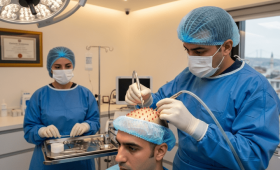
The first and most important question in the minds of individuals considering a hair transplant usually concerns the physical pain dimension of the procedure. In the modern medical world, especially with the technological revolutions in the field of hair transplantation, the concept of “pain” has been almost completely consigned to history. Today, although hair transplantation is a surgical procedure, it is performed at a level of comfort where patients can watch movies or read books, thanks to advanced anesthesia methods. After the short anesthesia phase at the beginning of the operation, the scalp becomes completely desensitized, so no incision or needle sensation is felt during the operation.
Where Does Patient Anxiety About Pain Originate?
The main reason many patients fear pain is the stories they have heard about old-fashioned hair transplant methods used in the past or extreme needle phobias. The large punches and manual methods used previously could increase tissue damage significantly. However, the use of micro-surgical techniques today proves that these fears are groundless. In addition, the psychological pressure created by the word “surgery” can trigger the perception that the pain threshold is low. Lack of information is the biggest feeder of this anxiety; therefore, understanding modern anesthesia protocols is the biggest step to be taken to eliminate fears.
How Does Local Anesthesia Prevent Pain During the Procedure?
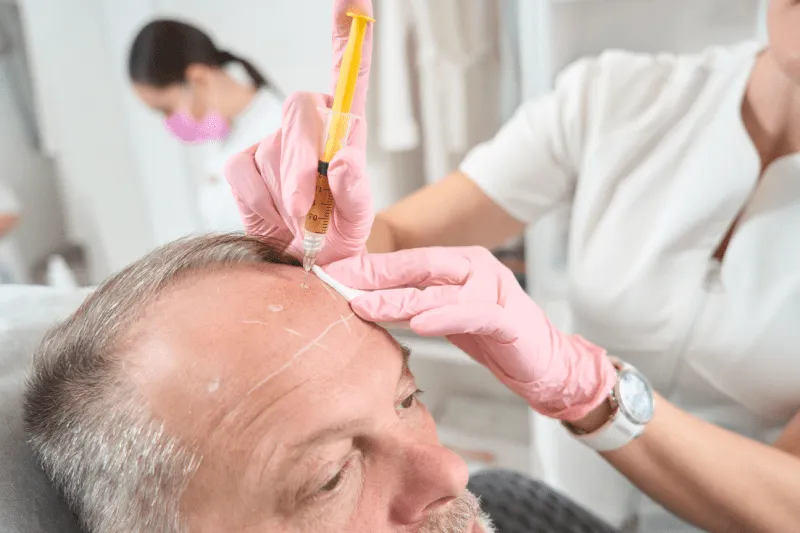
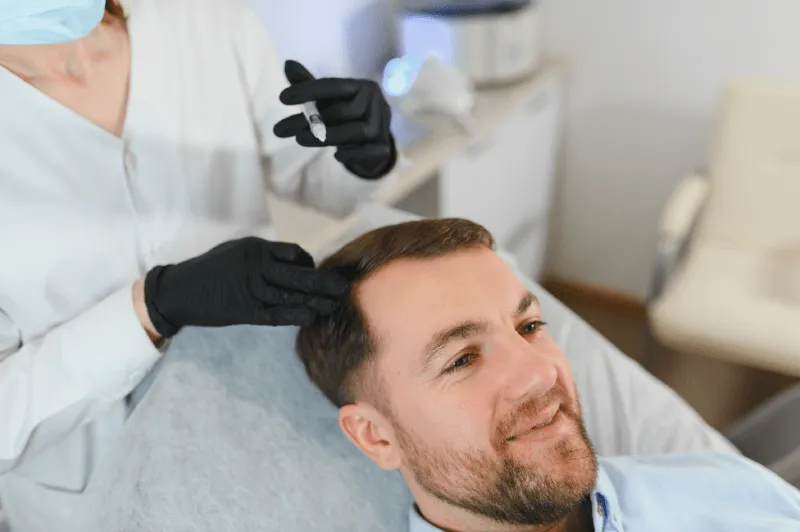
Local anesthesia is the cornerstone of the hair transplant operation and temporarily stops the nerve endings in the treatment area from sending pain signals to the brain. These special solutions, applied to both the donor area and the area where the channels will be opened on the scalp, show their effect within seconds. Thanks to this method applied by the anesthesia specialist or the doctor, the scalp is completely numbed regionally. This numbness is adjusted to continue throughout the operation (approximately 6-8 hours). Therefore, while the doctor is collecting the grafts or opening the channels, you only feel a slight touching sensation, but you do not feel any pain.
What Is Needle-Free Anesthesia and How Is It Applied?
Developed for patients with needle phobias, needle-free anesthesia (needle-free injection) uses a pressurized spray technology. In this system, the anesthesia liquid is sprayed under the scalp in a very fine jet with the help of a high-pressure device. Since the needle tip does not touch the scalp, the classic needle sting sensation is eliminated. The liquid spreads into the tissue under the skin and starts the numbing process. This method is described by patients as “painless hair transplantation” because it minimizes that first sting experienced especially in the first stage of anesthesia.
For Whom Is Sedation-Assisted Hair Transplantation Suitable?
Sedation is a type of anesthesia in which the patient is conscious but enters a state of deep relaxation and sleepiness. It is ideal for patients who have a history of panic attacks, an extreme needle phobia, or who simply do not want to remember even the initial stage of the operation. Thanks to the mild sedatives given intravenously accompanied by an anesthesiologist, the patient spends those first 10-15 minutes when anesthesia needles are applied completely as if in a dream. Sedation is an option that takes both physical and mental comfort to the highest level.
Why Is Doctor Selection Crucial for a Comfortable Operation?
How “painless” a hair transplant operation will be depends directly on the expertise of the doctor and their team. An experienced surgeon knows the nerve pathways in the scalp very well and injects the anesthetic substance into the most accurate point with the least trauma. In addition, a team that acts gently towards the tissue also minimizes swelling and pain after the operation. Incorrect anesthesia applications performed in poor quality or inexperienced clinics can cause the effect of anesthesia to wear off early or cause insufficient numbing. That’s why expertise is the key to comfort.
Does the FUE Technique Cause Pain During the Operation?
Follicular Unit Extraction (FUE) is a minimally invasive procedure performed using micromotors. The tips used in this technique are usually between 0.7 mm and 0.9 mm. Since it is performed under local anesthesia, no pain is felt during the collection of the grafts. The biggest advantage of FUE is that it does not leave large stitch marks or wide incisions on the scalp. The donor area, which is opened in the form of small holes, only causes you to feel a slight vibration during the operation. This makes FUE a comfortable option.
Is Pain Felt During the DHI Hair Transplantation Method?
In the Direct Hair Implantation (DHI) technique, special pens called “Choi” are used. The most important feature of this method is that the channel opening and root placement processes are performed at the same time. Since the DHI method is also supported by local anesthesia, no pain is felt during the operation. In fact, the pens used in DHI further reduce tissue trauma, so the post-operative healing process is faster and less uncomfortable. The patient under anesthesia does not even feel the entry and exit of the pen into the scalp.
Can the Effect of Anesthesia Wear Off During the Operation?
In a professional hair transplant center, the amount of anesthetic substance is meticulously calculated according to the patient’s metabolism and the length of the operation. Usually, a single dose of local anesthesia is strong enough to cover the entire operation period. However, if the patient’s metabolism is very fast or if the operation takes longer than expected, the doctor performs reinforcement anesthesia as soon as the numbness is felt to decrease. The anxiety “what if the anesthesia wears off?” is groundless because the expert team monitors the patient’s feedback at every moment.
What Does the Scalp Feel Like After Local Anesthesia?
About 5-10 minutes after local anesthesia is applied, you feel a heaviness and total numbness in your scalp as if you were wearing a “helmet”. When this area is touched, you can only feel the pressure, but a sharp pain or ache is never heard. The scalp becomes desensitized as if it has entered a temporary state of paralysis. This feeling allows you to spend the rest of the operation in peace. Some patients describe this feeling of numbness as “strange but relaxing”.
Is the Channel Opening Process a Painful Stage?
In Sapphire FUE or classic FUE methods, the channel opening stage is the part where the sockets where the hair follicles will be placed are prepared. Since the anesthesia shows its full effect, absolutely no pain is felt at this stage. Since tissue damage is even less when sapphire tips are used, bleeding during the operation and edema to be formed afterwards remain at a minimum level. At this stage, the patient can only hear a slight “crackling” sound in the scalp, but this is a purely physical transmission and is not related to pain.
Is There Pain on the First Night After Hair Transplantation?
After the operation is over, the effect of anesthesia begins to decrease slowly within a few hours. At this stage, it is quite normal to feel a slight tingling, throbbing, or tension in the scalp. However, this situation can be easily controlled with simple painkillers to be prescribed by the doctor. “Severe pain” is not an expected condition in modern hair transplant techniques. The first night usually passes with a slight sense of discomfort, and this comfort can be maintained with the correct sleeping position.
Do Post-Operative Medications Relieve Pain Effectively?
After the hair transplant, your doctor will offer you a medication package. This package includes strong but low-side-effect painkillers and anti-inflammatory drugs to prevent possible edema. These drugs intervene when the effect of anesthesia begins to wear off and maintain your pain threshold. Most patients only need these drugs for the first 24 hours and do not feel the need to use any additional analgesics afterwards. Medications are the biggest supporter of a comfortable healing process.
Is a Burning Sensation Felt During Healing in the Donor Area?
Since the nape area (donor area) is the area where the grafts are collected, it may show a slight sensitivity for a few days after the operation. In some patients, a “slight burning” or “itching” sensation may occur in this area. This is a sign that the nerve endings and tissue have begun to heal. With special care sprays and washing techniques, this burning sensation is quickly soothed. The fact that the donor area is bandaged provides extra protection in the first days and prevents pain caused by friction.
Do Swelling and Edema Cause Pain After Hair Transplantation?
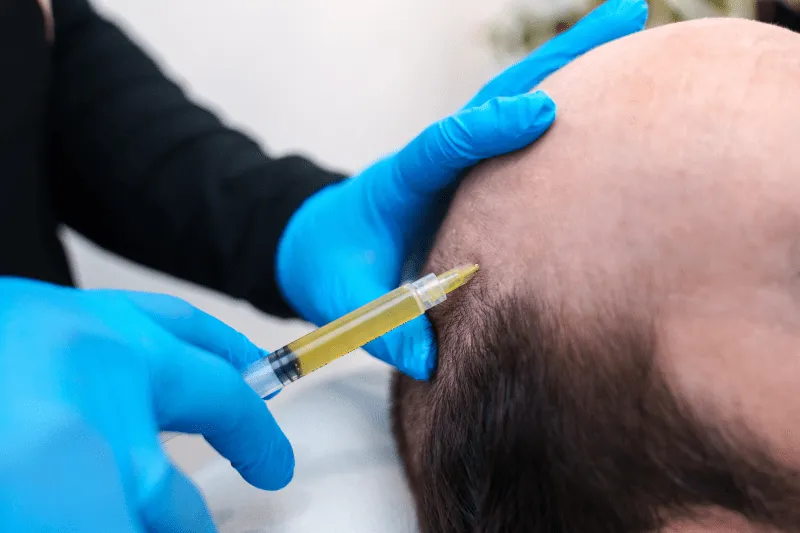
The anesthesia liquids and serums injected during the operation can descend to the face and forehead area with the effect of gravity. This situation can lead to swelling (edema). Swelling itself does not cause a sharp pain, but it can create a feeling of tension and heaviness in the scalp. To reduce this tension, it is important to drink plenty of water, not to lean the head forward, and to use the bandage recommended by the doctor. As the swelling passes, this feeling of tension will disappear quickly.
Is Itching During the Healing Process a Sign of Pain?
It is very common for itching to start in the transplant and donor areas about 3-7 days after the hair transplant. Itching is not a pain or ache, but an indication that the tissue has entered the repair process. The feeling of itching may increase as the crusting begins to shed. However, scratching the area at this stage can damage the roots. Moisturizing lotions and sea water sprays recommended by your doctor will immediately soothe this feeling. Being patient is the most critical point of this process.
Is Anesthesia Risky for Individuals with Chronic Diseases?
The application of anesthesia in individuals with chronic diseases such as diabetes, blood pressure, or heart is safe as long as it is performed under the control of an expert doctor. Blood tests and general health examination performed before the operation determine which type of anesthesia is more suitable for you. Your doctor adjusts the content of the anesthetic solution according to your health history. For this reason, it is of vital importance that you share all the ailments you have and the drugs you use with the team before the operation.
Does Smoking and Alcohol Use Reduce the Effect of Anesthesia?
Cigarette and alcohol consumption directly affect blood circulation and the body’s reaction to drugs. It is requested to take a break from these habits at least one week before the operation. Smoking can delay healing by disrupting tissue oxygenation; alcohol consumption can cause anesthetic substances to be metabolized faster by the liver and decrease their effectiveness. Avoiding such substances for full comfort and effective numbing increases operation success and the duration of painlessness.
Is It Possible to Sleep During Hair Transplantation?
Yes, especially if the sedation method is preferred, it is possible for you to spend a large part of the operation sleeping. In cases where local anesthesia is applied, there may not be a state of sleepiness, but since you are lying in a completely comfortable position, many patients can take light naps. The fact that the clinic environment is quiet and peaceful helps to reduce stress and the body to switch to resting mode. The fact that the operation takes 6-8 hours can be seen as an opportunity to rest and clear your mind.
Can You Listen to Music or Watch TV During the Procedure?
Modern hair transplant rooms are designed like a comfortable rest room rather than an operating room. Since you do not feel any pain after local anesthesia, you can listen to music, follow podcasts, or watch television if available in the clinic throughout the operation. Some clinics offer movie selections to their patients. Focusing the mind in another direction also eliminates the remaining minimal stress and makes you not realize how time passes.
Is There a Risk of Allergy to Anesthesia?
Allergy to local anesthetic substances is a very rare condition in medical literature. However, just in case, a small “allergy test” can be performed before the operation in professional clinics. The anesthesia specialist observes your body’s reaction to the substance. In addition, the availability of emergency intervention kits in the clinic is a standard procedure. When performed in a reliable center, the risk of allergy is under control and safety protocols are at the highest level.
Which Activities Trigger Pain After Hair Transplantation?
Doing heavy exercise, lifting weights, or leaning the head forward for a long time in the first days after the operation can trigger pain and ache by increasing the pressure in the scalp. In addition, sexual activity and hot environments such as saunas are not recommended for the first week. These activities can lead to a throbbing sensation in the operation area by raising blood pressure. Staying true to the rest period determined by your doctor ensures that you get through the healing process completely painlessly.
Is the Back of the Head More Sensitive Than the Front?
In terms of nerve distribution, the donor area (back of the head) may sometimes require a more intense anesthesia than the front part during the graft collection phase. However, this situation does not create a pain difference that the patient will feel. Your doctor does not start the process without being sure that both areas are completely numbed. In the healing process, while the front area (transplant area) is more in need of protection, the back area tends to recover faster.
How Long Does the Temporary Numbness Last?
It is very natural to have “numbness” or “tingling” in some parts of the scalp after the operation. This situation is caused by the microscopic nerve endings being affected during the operation and usually lasts for a few weeks, sometimes a few months. This is not a pain, it is a loss of sensation, and as the tissue heals, the nerves repair themselves and regain their normal sense. Being gentle to the scalp and being patient in this process is sufficient.
What Is the Effect of Hydration on Pain Management?
Taking adequate amounts of water (hydration) into the body ensures that anesthetic substances are thrown out of the body and edema (swelling) decreases rapidly. Inflammation may be more pronounced in a dehydrated body, and this can lower the comfort level. Consuming at least 2.5-3 liters of water per day in the days before and after the operation helps the tissues to heal faster and the possible feeling of tension to decrease.
Are Modern Techniques Truly Better for Patient Comfort?
Definitely yes. There is a huge gap in terms of comfort between the hair transplant techniques of 10-15 years ago and the methods used today. Thanks to sapphire tips, Choi pens, needle-free anesthesia devices, and advanced sedation protocols, hair transplantation is no longer a “fear object”. Modern medicine focuses not only on the naturalness of the results but also on the patient’s experience in the operation chair. Now, suffering is not a necessity, but a result of old techniques.
Why Is Patient Comfort a Priority for a Professional Clinic?
A good clinic knows that the patient being under stress will negatively affect both the operation process and the quality of healing. Stress can affect bleeding by increasing the cortisol level in the body. For this reason, patient comfort is not only a priority for “feeling good” but also for the technical success of the operation. A comfortable patient means a more stable blood pressure and a faster recovery.
What Should Be Done if Sharp Pain Is Felt During Surgery?
If you feel a sharp pain at any stage during the operation, you should report this to the team immediately. Local anesthesia may not have fully taken in some areas, and the problem is solved within seconds with a small additional dose. Professional teams can understand the discomfort of the patient from their facial expression or body language, but communication is always the safest way. Giving feedback instead of staying silent guarantees your comfort.
Does Nutrition During the Recovery Process Affect Pain?
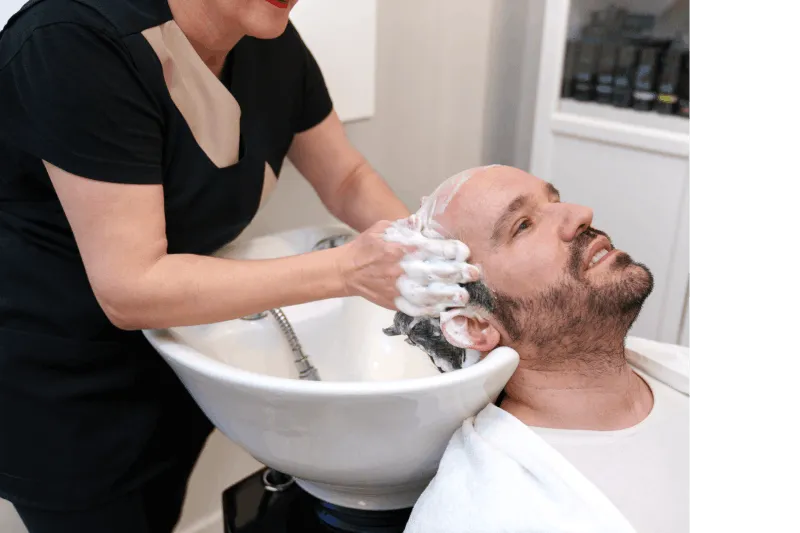
Correct nutrition accelerates the body’s repair mechanisms. A diet rich in protein, vitamins (especially C and B7), and minerals supports tissue healing and reduces inflammation. Consuming very salty foods can create tension in the scalp by causing water retention (edema) in the body. Eating healthy during the healing process is an indirect factor that minimizes the feeling of physical discomfort.
Is Hair Transplantation Operation Considered a Trauma?
Medically, hair transplantation is a minimally invasive surgery and the body perceives this as a mild tissue damage. However, with the right anesthesia and technique, this “trauma” is kept under control. The body’s healing power is so high that even 24 hours after the operation, many patients can return to their normal lives (provided they do not tire themselves). Modern anesthesia turns this process into a “renewal” process for the body rather than a trauma.
What Is the Best Strategy for Those with Needle Phobia?
If you have a fear of needles, you must state this at the operation planning stage. The best strategy for you is the “Sedation + Needle-Free Anesthesia” combination. In this way, you neither see the needle nor are you exposed to its sensation. Clinical psychology is built on helping the patient overcome their fears. Knowing that you are in the hands of an expert team and being informed at every stage will eliminate 90% of your fears.
Why Should You Receive Treatment with Cure Holiday?
Cure Holiday designs the hair transplant process not only as an aesthetic change but also as a luxury and comfortable experience. The comfort of our patients is not an option for us, but a basic standard. With the latest technology needle-free anesthesia devices and our experienced anesthesia specialists, we ensure that you spend every moment of the operation in a painless way. Under the roof of Cure Holiday, medical excellence and patient satisfaction come together; thus, you attain not only your new hair but also a peaceful healing process.
Why Are Cure Holiday’s Anesthesia Protocols Different?
At Cure Holiday, there is no “standard dose for every patient” approach. Each patient’s pain threshold, body mass index, and medical history are analyzed specifically. Thanks to our personalized anesthesia management, the amount of local anesthesia used at the very beginning of the operation and the application technique are determined specifically for you. We apply a protocol that reduces pain to zero by combining tissue-friendly techniques such as Sapphire FUE and DHI with the most advanced sedation options. Our priority is for you to get up from the operation chair smiling.
How Does Cure Holiday Support You During the Healing Process?
When the operation is over, your journey with Cure Holiday does not end; on the contrary, the most important stage, the healing process, begins. We offer our patients a comprehensive support package on post-operative pain management, washing techniques, and protection of the roots. With our special care kits and health consultants whom you can reach 24/7, we are with you in even the slightest ache or concern. With Cure Holiday, you never feel alone, you feel the assurance of a professional follow-up at every moment.
Are You Ready to Change Your Appearance with Cure Holiday?
Hair loss is not your destiny, and you do not have to suffer while experiencing this change. Cure Holiday is ready to bring you to the hair of your dreams with the superior anesthesia comfort it offers and its expert staff. We mobilize all the possibilities of modern medicine for your comfort. All you have to do to have a painless, peaceful, and result-oriented hair transplant experience is to take a step. Join the Cure Holiday family, reconcile with mirrors, and turn this process into a pleasant memory.
Free Consultation
Fill out the form below to get your free medical travel plan and price quote.
Sources and how to verify this yourself
- Comparative study of graft survival by donor site (scalp, beard, chest) at 12 months — roughly 89% for scalp, 95% for beard and 76% for chest hair; survival also falls the longer grafts stay outside the body. source
- Ministry of Health, Regulation on International Health Tourism and Tourist Health, Official Gazette 26 April 2025, No. 32882 — authorisation requirement for facilities and intermediaries, TÜSKA accreditation, compulsory complication insurance (deadline 31 December 2025 for insurance, 31 December 2026 for accreditation). source
- Ministry of Health, Regulation on Promotion and Information Activities in Health Services, Official Gazette 12 November 2025, No. 33075 — treatment promises and guarantees are prohibited; price and campaign announcements are permitted only within international health tourism. source