What Are Porcelain Veneers And Why Are They Preferred?
Porcelain veneers represent one of the most prestigious and transformative solutions in modern cosmetic dentistry. These wafer-thin shells, crafted from high-grade ceramic, are custom-designed to cover the front surface of teeth, instantly correcting aesthetic imperfections. Patients and dentists alike prefer them because they offer a minimally invasive way to address deep staining, chips, gaps, and minor misalignments. Beyond their beauty, they provide a protective layer that mimics the natural light-reflecting properties of tooth enamel, resulting in a smile that is both stunning and remarkably natural. Choosing veneers is not just a cosmetic upgrade; it is a long-term investment in one’s self-confidence and dental health.
What Is The Average Lifespan Of Porcelain Veneers?
When discussing the durability of dental restorations, porcelain veneers are often cited for their impressive longevity. Clinical studies and long-term dental records indicate that with proper application and maintenance, these veneers typically last between 10 to 15 years. However, it is not uncommon for meticulous patients to keep their original veneers for 20 years or even longer. The “lifespan” of a veneer refers to the period during which it remains structurally sound, aesthetically pleasing, and securely bonded to the underlying tooth. This duration is a collaborative result of the dentist’s precision during the bonding process and the patient’s commitment to daily oral hygiene routines.
What Are The Most Important Factors Determining Veneer Longevity?
Several critical variables influence how long your porcelain veneers will stay in perfect condition. First and foremost is the precision of the initial preparation; the dentist must ensure a perfect margin fit to prevent bacterial infiltration. Secondly, the health of the supporting gum tissue is vital, as recession can expose the edges of the veneer. Additionally, the patient’s bite alignment (occlusion) plays a massive role; if the force of chewing is not distributed evenly, it can create stress points that lead to fractures. Finally, lifestyle choices, such as diet and habits like teeth grinding, act as the daily environmental factors that either preserve or degrade the restoration over time.
How Does Poor Quality Material Affect Veneer Durability?
The quality of the ceramic blocks used in the laboratory is the foundation of a veneer’s strength. Low-grade materials may lack the necessary density, making them prone to micro-cracks and structural failure under the pressure of normal chewing. Furthermore, inferior porcelain can be more porous, which leads to two major issues: loss of surface luster and increased susceptibility to peripheral staining. In contrast, premium porcelain materials, such as E-max or high-translucency feldspathic porcelain, offer superior flexural strength and a surface that remains glass-smooth for decades. Investing in high-quality materials ensures that the aesthetic results do not fade or brittle prematurely within just a few years of application.
Why Is The Dentist’s Experience Critical For Veneer Permanence?
Cosmetic dentistry is as much a science as it is an art form, requiring a high level of clinical expertise. An experienced dentist understands the complex mechanics of the human bite and will meticulously adjust the veneers to ensure there are no “high spots” that could cause a fracture. Moreover, the technical skill required for the bonding process is immense; the tooth must be isolated and treated with specific etching agents to create a permanent chemical bond. A novice mistake during this phase can lead to “debonding,” where the veneer simply falls off. Choosing a veteran clinician ensures that every technical detail—from preparation to final polishing—is executed to perfection.
How Do Oral Hygiene Habits Change Veneer Longevity?
While it is true that porcelain itself cannot decay, the natural tooth structure underneath and the surrounding gum tissues are still vulnerable to disease. If a patient neglects brushing and flossing, plaque accumulates at the margin where the veneer meets the tooth. This can lead to gum disease, which causes the gums to recede and ruins the aesthetic transition of the veneer. More dangerously, bacteria can seep under the veneer if the tooth begins to rot, necessitating the removal and replacement of the entire restoration. Therefore, maintaining a rigorous oral hygiene routine is the single most effective way for a patient to protect their investment and ensure its survival.
Does Teeth Grinding Cause Damage To Porcelain Veneers?
Bruksizm, commonly known as teeth grinding or clenching, is arguably the greatest physical threat to porcelain veneers. The sheer force exerted during nocturnal grinding sessions can reach hundreds of pounds of pressure, which is far beyond what porcelain is designed to withstand. This repetitive stress can lead to “craze lines”—tiny internal cracks—or even total porcelain fracture. Patients who grind their teeth are not necessarily disqualified from getting veneers, but they must be proactive in managing the condition. Without intervention, the constant lateral friction will eventually shear the bond or chip the delicate edges of the porcelain, significantly shortening the treatment’s lifespan.
Does Using A Night Guard Extend The Life Of Your Veneers?
For anyone who has invested in a smile makeover, a custom-fitted night guard is the ultimate insurance policy. These clear, acrylic appliances are worn during sleep to provide a protective barrier between the upper and lower teeth. By absorbing the shock and distributing the pressure of clenching, a night guard prevents the porcelain from making direct, high-pressure contact with opposing teeth. Even for patients who do not believe they grind their teeth, wearing a night guard can protect against accidental trauma during sleep. It is a small nightly habit that can literally double the years of service you get from your veneers by preventing structural fatigue.
Can Eating Hard Foods Cause Veneers To Break?
Porcelain veneers are incredibly strong when bonded to the tooth, but they are still brittle materials that can chip under extreme, localized pressure. Tearing into very hard foods, such as raw carrots, ice cubes, or hard candies with your front teeth, can create a leverage point that snaps the porcelain. It is generally recommended to cut hard fruits like apples into smaller pieces rather than biting directly into them. Similarly, non-food items like pens, fingernails, or bottle caps should never come into contact with your veneers. Treating your veneers with a bit of common sense during meals will keep them looking flawless and prevent the need for emergency repairs.
Do Porcelain Veneers Change Color Over Time?
One of the most celebrated features of high-quality dental porcelain is its color stability. Unlike natural tooth enamel, which is porous and easily stained by pigments in food and drink, glazed porcelain is virtually impermeable. This means your veneers will not turn yellow from coffee or red wine, even after years of consumption. However, it is important to note that the surrounding natural teeth will still stain over time, which may create a color mismatch if you are not careful. Additionally, if the bonding cement at the edges of the veneer becomes stained due to poor hygiene, it can create a dark outline, though the porcelain itself remains bright.
Does Smoking Compromise The Aesthetics Of Porcelain Veneers?
Smoking does not directly stain the porcelain surface, but it creates a toxic environment in the mouth that indirectly ruins the appearance of veneers. The tar and nicotine in cigarettes cause significant staining on the natural tooth structure behind the veneer and on the bonding resin at the margins. This leads to unsightly brown or gray lines at the gumline. More importantly, smoking is a primary cause of periodontal disease and gum recession. When the gums pull away from the veneer, the “transition zone” is exposed, making the dental work look artificial and neglected. For the best long-term aesthetic outcome, quitting smoking is highly recommended.
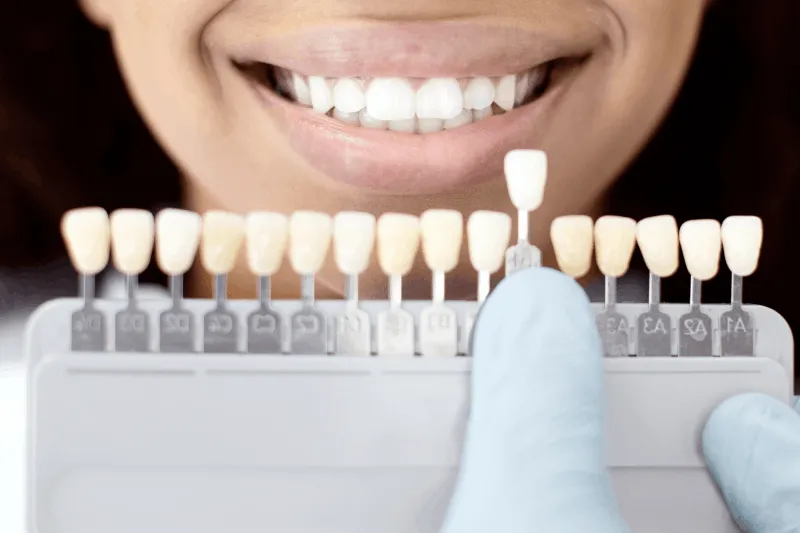
How Can Decay Of The Natural Teeth Under Veneers Be Prevented?
Preventing decay under a veneer is a matter of maintaining the seal between the porcelain and the tooth. Since the veneer only covers the front and biting edge, the back of the tooth remains exposed natural enamel. Patients must use fluoride toothpaste to strengthen these areas and inhibit bacterial growth. Using an antibacterial mouthwash can also help reach the microscopic gaps where a toothbrush might miss. If a cavity does develop on the back of the tooth, it must be filled immediately to prevent it from spreading toward the front. Regular professional cleanings are essential to remove calcified plaque (tartar) that a patient cannot remove at home.
How Does Gum Recession Affect The Appearance Of Veneers?
Gum recession is a major aesthetic concern because it reveals the “margin” or the edge where the porcelain veneer ends and the natural tooth begins. This often results in a visible dark line or a ledge that can trap food and bacteria. Recession is usually caused by aggressive brushing, gum disease, or the natural aging process. To prevent this, patients should use a gentle brushing technique and maintain excellent gum health. If recession becomes severe, the veneers may need to be replaced even if the porcelain itself is still in perfect condition, simply because the “frame” of the smile—the gums—no longer looks attractive or healthy.
Do You Need A Special Toothbrush For Porcelain Veneer Care?
You do not necessarily need a “special” brush, but you must use the “right” one. A soft-bristled manual toothbrush or a high-quality electric toothbrush is the gold standard for veneer maintenance. Hard-bristled brushes are too abrasive; over time, they can wear down the fine polish on the porcelain and cause the gums to recede. Electric toothbrushes are particularly beneficial because many models feature pressure sensors that alert you if you are pressing too hard. The goal is to gently massage the gum line and sweep away soft plaque without causing mechanical trauma to the porcelain or the delicate soft tissues surrounding it.
Which Toothpastes Are Safest For Porcelain Veneers?
When choosing a toothpaste for veneers, the key is to avoid “whitening” formulas that contain heavy abrasives like silica or baking soda. These gritty particles are designed to scrub stains off natural enamel, but they can act like sandpaper on porcelain, creating micro-scratches that dull the shine over time. Instead, look for a non-abrasive gel toothpaste that contains fluoride. Fluoride is essential for protecting the exposed parts of your natural teeth from decay. A gentle, pH-balanced toothpaste will keep the surface of your veneers glass-smooth and high-gloss for their entire lifespan, ensuring that they continue to reflect light just like natural teeth.
Why Is Flossing Mandatory For The Lifespan Of Your Veneers?
Flossing is perhaps the most neglected yet vital part of veneer care. The spaces between your teeth are where most dental problems begin, including the interproximal cavities that can undermine a veneer’s foundation. Flossing daily removes the biofilm and food debris from the sides of the veneers and the gum pockets. Many patients fear that flossing will “pull off” their veneers, but if they are bonded correctly, this is impossible. In fact, failing to floss leads to inflammation and bleeding gums, which eventually causes recession and exposes the edges of the dental work. Flossing ensures that the hidden parts of your smile remain as healthy as the visible ones.
Does Alcohol-Based Mouthwash Damage Porcelain Veneers?
There is some evidence in dental literature suggesting that chronic use of mouthwashes with very high alcohol content can gradually soften the bonding resins used to attach veneers to teeth. While this won’t happen overnight, over several years, it could potentially weaken the seal and lead to marginal leakage or debonding. To be safe, it is highly recommended to switch to an alcohol-free mouthwash. Modern alcohol-free formulas are just as effective at killing bacteria and freshening breath without the risk of drying out your mouth or interfering with the chemical integrity of your dental restorations. Maintaining a neutral oral environment is key to longevity.
How Do Regular Dental Checkups Increase Veneer Longevity?
Rutin visits to the dentist every six months are non-negotiable for veneer patients. During these appointments, the dentist uses specialized magnification to inspect the margins of each veneer for any signs of leakage, cracks, or early decay. Professional hygienists also use specific polishing pastes that are safe for porcelain to restore the original luster that may have been dulled by daily wear. Catching a small issue—like a tiny chip or a slight gum inflammation—early on prevents it from turning into a catastrophic failure that requires a full replacement. These visits are the most cost-effective way to “tune up” your smile and ensure it lasts for decades.
What Should You Do If A Veneer Cracks Or Chips?
If you notice a crack, chip, or if a veneer feels loose, you should contact your cosmetic dentist immediately. Do not attempt to glue a fallen veneer back on yourself with over-the-counter adhesives, as these can damage the tooth and the porcelain. In the case of a small chip, a dentist might be able to smooth the edge or perform a minor repair with composite resin, though this is often a temporary fix. Usually, a fractured veneer must be replaced to restore both the aesthetics and the structural protection of the tooth. Prompt action prevents the underlying tooth from being exposed to sensitivity and bacteria.
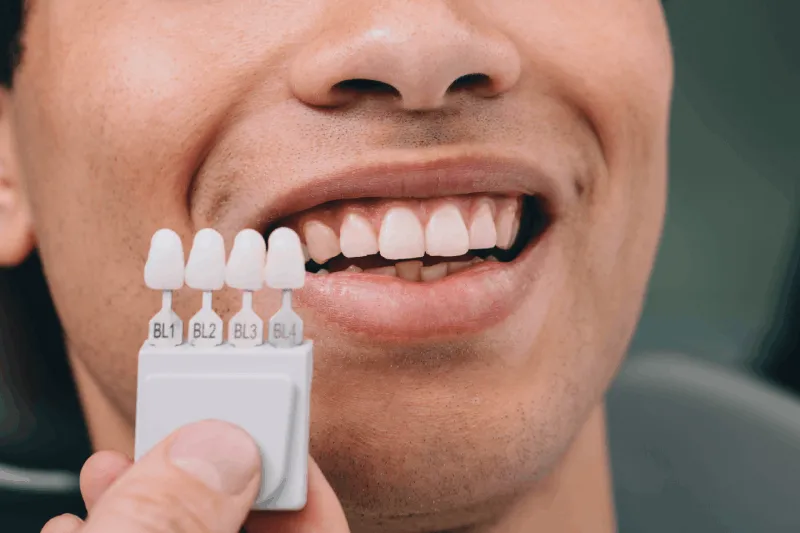
How Does The Replacement Process For Old Veneers Work?
When veneers eventually reach the end of their functional life, replacing them is a straightforward process very similar to the original placement. The old porcelain is carefully buffed away using high-precision dental drills to reveal the underlying tooth structure. The dentist then cleans the surface and takes new digital or physical impressions. While the new permanent veneers are being fabricated in the lab, you will wear a set of temporaries. The final step is bonding the new, updated veneers, which often benefit from even newer ceramic technologies than your previous set, potentially offering even better aesthetics and strength than the originals.
How Are Porcelain Veneers Protected From Sports Injuries?
For athletes or anyone participating in contact sports, protecting a smile investment is paramount. A single high-impact blow to the face can shatter multiple porcelain veneers and damage the underlying bone. The only reliable solution is a custom-fabricated athletic mouthguard. Unlike “boil-and-bite” versions from sporting goods stores, a dentist-made mouthguard fits perfectly over your veneers, providing superior shock absorption and staying securely in place during intense activity. If you are a soccer player, martial artist, or even a casual basketball player, wearing this protection ensures that an accidental elbow or ball doesn’t result in a very expensive and painful dental emergency.
Does The Quality Of Bonding Material Prevent Veneers From Falling?
The “glue” that holds a veneer to a tooth is a sophisticated multi-step resin system known as a bonding agent. The quality of this material and the technique used to apply it are what determine whether a veneer stays on for 20 years or 20 days. High-end resin cements are designed to create a “monolithic” bond, meaning the tooth and the porcelain become essentially one unit. Factors like controlling moisture during the bonding process and using light-cured materials that don’t shrink are vital. When a dentist uses world-class bonding systems, the chance of a veneer spontaneously falling off is virtually zero under normal conditions.
What Is The Difference In Longevity Between Porcelain And Zirconium?
Both porcelain (often E-max) and zirconium are highly durable, but they serve different purposes. Zirconium is a “white metal” ceramic that is incredibly strong and often used for full crowns or for patients with very heavy bites. Porcelain veneers, however, are preferred for front teeth because of their unmatched translucency and ability to bond directly to enamel. While zirconium might be structurally “stronger” in terms of breaking point, porcelain veneers often have a better “seal” at the gum line due to the bonding process. In terms of years, both can last 15+ years, but porcelain remains the gold standard for high-end aesthetic transformations.
How Do You Know When Veneers Have Reached Their End Of Life?
There are several “red flags” that indicate your veneers may need replacing. Visible dark staining at the edges that cannot be cleaned is a sign that the seal has failed. If the gums have receded significantly, leaving a large gap, the aesthetic goal is no longer met. Persistent sensitivity in a veneered tooth can indicate underlying decay. Furthermore, if you notice widespread “crazing” or multiple small chips, the porcelain has likely reached its fatigue limit. A professional evaluation is necessary to determine if the veneers are still protecting the teeth or if they have become a liability to your oral health.
Is It Possible To Maintain The Shine Of Veneers Forever?
While porcelain does not lose its internal color, the surface “glaze” can eventually be worn down by years of brushing with abrasive pastes or eating acidic foods. To maintain that “wet look” shine, you should follow the “soft-brush, non-abrasive-paste” rule strictly. Additionally, professional polishing during your dental cleanings can buff out minor surface stains and restore the high-gloss finish. If the veneers have become significantly dull after 10 or 15 years, a dentist can sometimes use diamond polishing pastes to revitalize them, but maintaining the original factory glaze through gentle care is the best strategy for long-term brilliance.
Which Systemic Diseases Negatively Impact Veneer Success?
General health is intrinsically linked to dental health. Uncontrolled diabetes, for instance, significantly increases the risk of periodontal disease, which can lead to gum recession and the failure of veneers. Autoimmune disorders that cause dry mouth (xerostomia) are also a major risk factor; without enough saliva to wash away acids and bacteria, the margins of the veneers are much more likely to develop decay. Patients with these conditions must be extra vigilant with their home care and may need more frequent dental visits. It is important to keep your dentist informed about your medical history so they can tailor a maintenance plan for you.
How Does The Aging Process Change The Appearance Of Veneers?
As we age, our faces naturally change—lips may thin, and the skin loses some of its elasticity. These changes can alter how much of your teeth show when you speak or smile. While your porcelain veneers remain the same shape and color, they may appear differently within the context of an aging face. Additionally, natural bone loss and gum changes are part of the aging process. A set of veneers that looked perfect at age 25 may look slightly “too white” or “too long” at age 60. However, high-quality veneers are designed to be timeless, and a skilled dentist considers future aging when designing your initial smile.
Do Sugary And Acidic Drinks Erode Veneer Margins?
While acids do not dissolve porcelain, they are highly effective at eroding the natural tooth enamel around the veneer and the bonding resin. Frequent consumption of soda, energy drinks, or even lemon water creates an acidic environment that can “eat away” at the interface where the veneer meets the tooth. This creates a microscopic ditch that traps stains and bacteria. To protect your veneers, it is best to limit these drinks, use a straw to bypass the teeth, and rinse your mouth with plain water immediately after consumption to neutralize the pH level in your mouth.
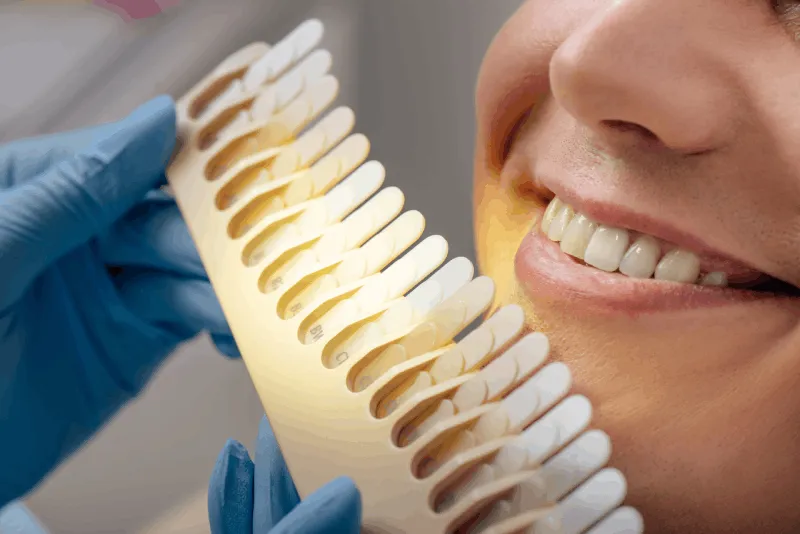
Can Teeth Whitening Procedures Be Applied To Veneers?
One of the most common misconceptions is that you can whiten veneers once they are in the mouth. In reality, whitening gels (peroxides) only work on natural organic tooth structure; they have zero effect on inorganic porcelain. If you use whitening strips while wearing veneers, your natural teeth will get brighter, but the veneers will stay the same color, potentially leading to a distracting mismatch. The correct approach is to whiten your natural teeth before getting veneers so that the porcelain can be color-matched to your brightest possible natural shade. Once the veneers are bonded, their color is permanent.
What Should You Be Careful About In The First Few Weeks?
The first two weeks after getting veneers are a critical “adjustment period.” Your brain needs time to adapt to the new shape and size of the teeth, which might affect your speech slightly at first. You may also experience “bonding sensitivity,” where the teeth are sensitive to hot or cold temperatures; this usually resolves within a few days as the nerve settles. During this time, it is wise to avoid extremely crunchy or sticky foods while you get used to your new bite. If anything feels “off” or if you feel a sharp edge, don’t hesitate to visit your dentist for a minor adjustment.
Are Porcelain Veneers Really A Worthwhile Long-Term Investment?
From both a psychological and functional perspective, porcelain veneers are one of the most rewarding investments a person can make. They provide a “permanent” solution to aesthetic flaws that often cause years of self-consciousness. Unlike many other cosmetic treatments that require monthly maintenance, veneers offer a decade or more of maintenance-free beauty, provided you follow basic hygiene rules. When you calculate the cost over 15 years, the daily price of having a perfect, confident smile is remarkably low. It is a life-changing procedure that affects how you present yourself to the world and how you feel every time you look in the mirror.
How Can You Achieve Your Dream Smile With Cure Holiday?
Embarking on a smile makeover journey requires a partner who understands your vision and possesses the clinical mastery to bring it to life. Cure Holiday specializes in connecting patients with world-class dental expertise, blending high-end aesthetic treatments with a seamless, luxury travel experience. Our team utilizes the latest digital smile design technologies and the highest-grade porcelain materials to ensure that your veneers are not only beautiful but built to last. By choosing Cure Holiday, you are stepping into a realm where patient care is the ultimate priority, and every detail of your transformation—from the initial consultation to the final reveal—is handled with utmost professionalism and artistic flair.
Why Should You Choose Cure Holiday Professionalism For Dental Treatment?
At Cure Holiday, we believe that dental excellence should be accessible without compromising on quality or safety. We work exclusively with top-tier clinics and veteran cosmetic dentists who have performed thousands of successful veneer procedures. Our commitment to using premium materials means your veneers will have the durability and light-reflecting properties of natural teeth. Beyond the clinical aspect, we provide a holistic service that removes the stress of medical travel. From VIP transfers to luxury accommodations in beautiful Turkish locales, we ensure that your journey to a new smile feels like a true holiday. Professionalism, transparency, and stunning results are the pillars of the Cure Holiday experience.
What Do The Treatment Packages Offered By Cure Holiday Include?
Our “All-Inclusive” packages are meticulously designed to provide a worry-free experience for our international guests. When you choose Cure Holiday for your porcelain veneers, your package typically includes VIP airport and clinic transfers, accommodation in 5-star hotels, and all necessary dental diagnostics such as panoramic X-rays and 3D imaging. We also include the fabrication of high-quality temporary veneers, the permanent premium porcelain units, and a custom-made protective night guard to safeguard your new investment. There are no hidden costs; our goal is to provide a transparent, high-value service that allows you to focus entirely on your recovery and the excitement of your new appearance.
How Can You Get Free Consultation By Contacting Cure Holiday?
Taking the first step toward your dream smile is easier than ever with our dedicated support team. By contacting Cure Holiday via our website or WhatsApp, you can access a completely free, no-obligation consultation. Simply share your dental photos and any recent X-rays, and our expert clinicians will review your case to provide a personalized treatment plan and a transparent price quote. We are here to answer every question you have about the procedure, the materials, or the travel logistics. Join the thousands of satisfied patients who have transformed their lives with us. Reach out to Cure Holiday today and let us help you design a smile that reflects your true self.
Free Consultation
Fill out the form below to get your free medical travel plan and price quote.
Sources and how to verify this yourself
- Howe M-S, Keys W, Richards D. Long-term (10-year) dental implant survival: a systematic review and sensitivity meta-analysis. Journal of Dentistry, 2019 — pooled 10-year implant survival 96.4% (95% CI 95.2–97.5%); conservative sensitivity estimate 93.2%. source
- Ministry of Health, Regulation on International Health Tourism and Tourist Health, Official Gazette 26 April 2025, No. 32882 — authorisation requirement for facilities and intermediaries, TÜSKA accreditation, compulsory complication insurance (deadline 31 December 2025 for insurance, 31 December 2026 for accreditation). source
- Ministry of Health, Regulation on Promotion and Information Activities in Health Services, Official Gazette 12 November 2025, No. 33075 — treatment promises and guarantees are prohibited; price and campaign announcements are permitted only within international health tourism. source