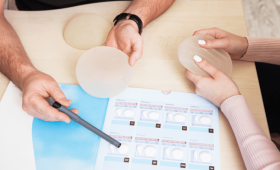
Otoplasty, commonly known as ear aesthetic surgery, is a specialized surgical procedure performed to correct the shape, position, or proportion of the ears. While it is most frequently associated with correcting “prominent ears,” it also plays a vital role in addressing congenital structural defects or deformities resulting from trauma. This operation offers more than just a physical transformation; it initiates a profound psychological healing process that helps individuals regain their self-confidence. Especially for children who may face peer bullying in social environments, otoplasty is of critical importance for a healthy developmental stage. Thanks to modern medical technologies, otoplasty procedures today are performed extremely safely and quickly, providing permanent results that harmonize the ears with the rest of the facial features.
What Is Otoplasty And Why Is It Performed?
Otoplasty is a cosmetic and reconstructive surgical procedure focused on refining the external ear structure. The primary motivation for this surgery is typically to address the protruding appearance of the earlobes or the upper ear rim, often referred to as prominent ear syndrome. However, the scope of the procedure extends beyond simple pinning; it can involve reducing the size of excessively large ears (macrotia) or reconstructing ear cartilage that has been damaged due to accidents or birth defects. The ultimate goal is to create a natural, balanced, and aesthetically pleasing appearance that integrates seamlessly with the patient’s facial profile, thereby enhancing both physical symmetry and overall quality of life.
Who Is A Suitable Candidate For Ear Aesthetic Surgery?
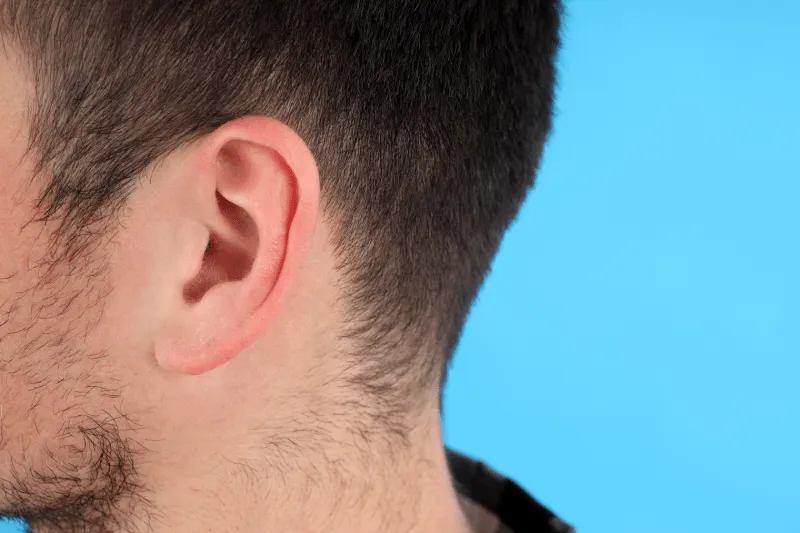
Ideal candidates for ear aesthetics are generally individuals who have completed the majority of their ear development. This developmental milestone is typically reached around the ages of 5 or 6 in children, when the cartilage is stable enough for surgical manipulation. In adults, there is no upper age limit, provided that the individual is in good general health and possesses no medical conditions that would impair healing. Anyone who feels self-conscious about their ear shape, experiences social anxiety due to their appearance, or suffers from physical asymmetry can be considered a candidate. It is essential that the patient has realistic expectations and receives a thorough clinical evaluation from a qualified surgeon.
How Does Prominent Ear Affect One’s Psychology?
Physical appearance has a deep-seated influence on how an individual perceives themselves and interacts with society. Prominent ears can be a significant source of emotional distress, particularly during childhood, where being the target of teasing or “bullying” can lead to low self-esteem, social phobia, and social withdrawal. In adults, this insecurity often manifests as behavioral restrictions, such as avoiding certain hairstyles or constantly feeling the need to cover the ears with hats or hair. Otoplasty serves as a transformative tool that removes this physical burden, allowing the individual to reconcile with their image and significantly reducing daily stress levels in social interactions.
What Is The Ideal Age For Pediatric Otoplasty?
The consensus in the medical community is that the most favorable time for pediatric otoplasty is during the preschool years, specifically between the ages of 5 and 6. By this age, the ear cartilage has reached approximately 90% of its adult size and structure. Intervening early offers the immense advantage of preventing the child from enduring the potential psychological trauma of peer ridicule once they enter formal schooling. Furthermore, the cartilage in young children is more pliable and easier to reshape than in adults, often leading to faster healing and highly adaptable surgical outcomes that last a lifetime.
How Does The Otoplasty Process Work For Adults?
For adults, the otoplasty journey typically involves a procedure performed under local anesthesia combined with sedation, although general anesthesia remains an option for those who prefer to be fully unconscious. The surgery begins with a discreet incision made behind the ear, where the ear meets the head, providing the surgeon access to the cartilage. The surgeon then meticulously reshapes the cartilage, removes excess tissue if necessary, and secures the ear in a more retracted position using internal sutures. Most adults can return home on the same day and experience a relatively quick transition back to their professional lives, provided they follow post-operative care instructions carefully.
What Should Be Considered During The Pre-Operative Examination?
A successful otoplasty result begins with a comprehensive pre-operative consultation. During this session, the surgeon carefully analyzes the patient’s ear structure, the stiffness of the cartilage, the degree of asymmetry, and the quality of the skin. A thorough review of the patient’s medical history, current medications, and any known allergies is also conducted. This is the crucial stage where the patient’s goals are aligned with what is surgically achievable. High-resolution photography is often used to discuss the targeted post-operative appearance, ensuring that the surgeon and patient are on the same page, which significantly reduces pre-surgical anxiety.
How Long Does An Otoplasty Procedure Usually Take?
The duration of an otoplasty procedure varies based on the complexity of the correction and whether one or both ears are being treated. A standard bilateral prominent ear correction typically takes between 1 to 2 hours to complete. If the procedure involves only a minor adjustment to a single ear or a small suture correction, the time may be shorter. Conversely, more complex cases involving ear reduction or significant reconstruction may require additional time. The surgeon’s specific technique and the use of advanced surgical tools also play a role in the overall efficiency of the operation.
Which Anesthesia Methods Are Used During The Operation?
The choice of anesthesia is tailored to the patient’s age, comfort level, and the surgeon’s recommendation. For young children, general anesthesia is almost always the preferred method to ensure they remain completely still and to avoid any potential psychological stress associated with being awake during surgery. For adults and cooperative teenagers, a combination of local anesthesia—which numbs the specific area—and intravenous sedation—which keeps the patient relaxed and drowsy—is the most common approach. In all cases, the primary goal is a pain-free experience, with an anesthesiologist monitoring vital signs throughout the entire process.
Where Are The Incisions Located And Will There Be Scars?
In otoplasty, hiding surgical marks is as important as the aesthetic outcome itself. Surgeons strategically place incisions in the natural crease located behind the ear, where the ear attaches to the side of the head. This placement ensures that any resulting scars are virtually invisible to others. As the healing process progresses, these fine lines fade significantly, eventually blending with the natural skin tone. Thanks to modern precision suturing techniques and high-quality materials, the scars become nearly imperceptible, allowing patients to wear their hair short or pulled back with complete confidence.
What Is Suture Otoplasty And Who Can Have It?
Suture otoplasty, or “incisional-less” otoplasty, is a minimally invasive alternative to traditional surgery. Instead of making large incisions to remove or cut cartilage, the surgeon uses specialized needles to place permanent medical sutures through the skin and into the cartilage to pull the ear back into the desired position. This technique is ideal for patients who have flexible cartilage and prominent ears primarily due to a lack of an antihelical fold rather than excessive cartilage depth. The main advantage is a much faster recovery time with no visible scars, although it may not be suitable for all types of ear deformities.
What Are The Differences Between Classic And Modern Techniques?
Traditional otoplasty techniques often involved more invasive measures, such as removing significant portions of cartilage, which could sometimes result in an unnatural or “operated-on” look. Modern otoplasty, however, is based on a “tissue-preserving” philosophy. Contemporary surgeons prefer weakening the cartilage through scoring or rasping and using precisely placed internal sutures to fold and mold the ear into a natural shape. This approach preserves the natural contours and soft edges of the ear. Additionally, the integration of laser technology and advanced tissue adhesives has further reduced bleeding and accelerated the initial healing phase.
How Does The First Twenty-Four Hours Pass After Surgery?
Immediately following the procedure, the patient’s ears are wrapped in a bulky, protective dressing. As the anesthesia wears off in the first few hours, some mild discomfort, throbbing, or a feeling of pressure is normal; this is effectively managed with prescribed pain medication. Patients are advised to spend the first day resting quietly with their heads elevated on multiple pillows to minimize swelling. Slight redness or bruising is expected. Most patients are discharged the same evening or the following morning, provided they avoid sudden movements and refrain from putting any weight or pressure on the ears.
How Should Dressing And Bandage Use Be Managed During Recovery?
The initial thick bandage applied after surgery is typically removed by the surgeon within 3 to 5 days. After this removal, the patient is usually instructed to wear a lighter, elastic headband—similar to a sports headband—for several weeks. This headband serves a dual purpose: it keeps the ears in their new position during the early stages of healing and protects them from being accidentally bent or pulled, especially during sleep. While daytime wear is usually mandatory for the first week, night-time wear is often recommended for an additional 3 to 6 weeks to ensure the sutures remain secure.
How Is Pain Management Handled After Ear Surgery?
Because modern otoplasty techniques are performed with extreme precision, severe pain is rarely an issue. Most patients describe the sensation as a feeling of “tightness” or “soreness” rather than acute pain. Standard over-the-counter or prescribed analgesics are usually more than sufficient to keep the patient comfortable during the first few days. If a patient experiences sudden, sharp, or throbbing pain that does not respond to medication, it is vital to contact the surgeon immediately, as this could indicate a localized hematoma (blood collection) that needs professional attention. Cold compresses may be used, but only under strict medical advice to avoid skin damage.
When Can You Take A Shower After The Procedure?
One of the most frequent questions patients ask involves post-operative hygiene. Generally, once the initial heavy bandages are removed—usually 3 to 5 days after surgery—patients are permitted to take a shower and gently wash their hair. It is important to use lukewarm water rather than hot water and to avoid direct, high-pressure water flow onto the ears. After washing, the ear area should be dried by gently patting with a soft, clean towel rather than rubbing. If the sutures are still in place, the surgeon may recommend applying an antibiotic ointment or using an antiseptic solution to keep the area sterile.
What Is The Correct Sleeping Position During Recovery?
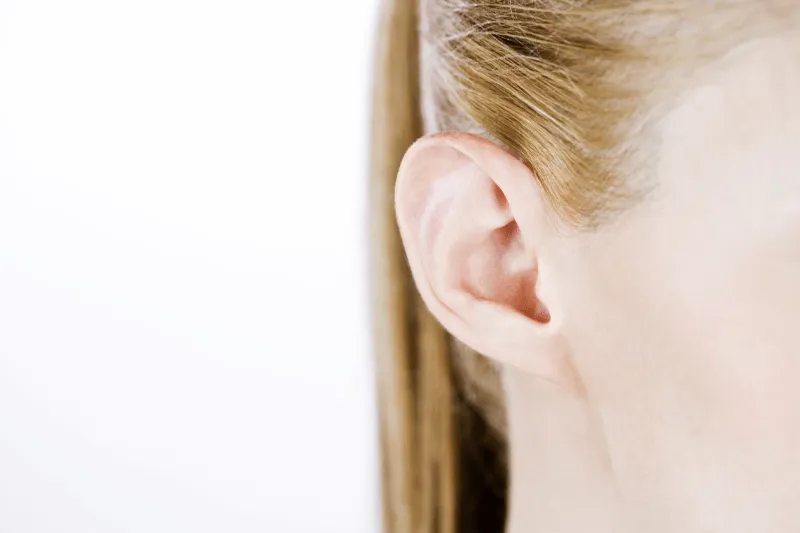
For at least the first 2-3 weeks following otoplasty, sleeping on the back with the head elevated is absolutely essential. Sleeping on one’s side can put direct pressure on the ears, which may lead to suture breakage, shifted cartilage, or increased swelling and bleeding. Placing pillows on either side of the head can help prevent the patient from rolling over during the night. Keeping the head above the level of the heart is also a key factor in reducing edema (swelling) more quickly. As the healing progresses and the surgeon gives the green light, patients can gradually return to their preferred sleeping positions.
When Can You Return To Regular Physical Activities?
In the first week after surgery, all strenuous physical activities, heavy lifting, and any movement that requires significant bending should be strictly avoided, as these can increase blood pressure in the head and lead to complications. Light walking can usually be resumed after one week. However, high-impact exercises, gym workouts, and especially contact sports (such as football, basketball, or martial arts) where the ears could be bumped or pulled must be avoided for at least 6 to 8 weeks. The ear cartilage needs sufficient time to heal and gain structural strength before it can withstand physical impact.
When Will The Final Results Of Otoplasty Be Visible?
While the change in the ear’s position is visible immediately after the bandages are removed, this is not the final result. In the initial weeks, the ears will appear swollen, slightly bruised, and perhaps pinned closer to the head than the final desired outcome. Most of the swelling subsides within the first month. However, it takes approximately 3 to 6 months for the cartilage to fully settle into its new form, for the tissues to soften, and for the ears to achieve their natural, final appearance. By this time, the scars will have faded significantly, and the ears will feel flexible and natural once again.
What Are The Potential Risks And Complications?
As with any surgical intervention, otoplasty carries certain risks, though they are statistically low when performed by an experienced professional. Potential complications include infection, hematoma (blood pooling), suture extrusion (where a stitch may work its way to the surface), asymmetry, or over-correction (the ears appearing too “stuck” to the head). Temporary numbness in the ear skin is also common. Adhering strictly to the surgeon’s post-operative instructions—especially regarding bandage use and avoiding physical trauma—is the most effective way for a patient to minimize these risks and ensure a smooth recovery.
Is General Or Local Anesthesia Preferred For Children?
Managing a child’s anxiety and ensuring their safety is paramount during surgery. Therefore, for children under the age of 12 or 13, general anesthesia is almost always the preferred choice. This ensures the child remains completely still throughout the procedure and has no memory of the event, which prevents any potential psychological trauma. Local anesthesia is typically reserved for teenagers and adults who can remain calm and follow instructions while awake. Modern general anesthesia is extremely safe for children, with sophisticated monitoring systems and medications designed for rapid, comfortable recovery after the procedure.
What Is Revision Otoplasty And When Is It Necessary?
Revision otoplasty is a secondary procedure performed when a patient is dissatisfied with the results of their initial surgery or if a recurrence (the ear returning to its original shape) occurs. Inadequacies in the first correction, persistent asymmetry, or structural issues with the cartilage may necessitate a second look. Revision surgery is often more complex than the primary procedure due to the presence of scar tissue and altered anatomy from the first operation. It is generally recommended to wait at least 6 to 12 months after the initial surgery to allow the tissues to fully heal before considering a revision.
Can Ear Asymmetry Be Corrected With Otoplasty?
Correcting ear asymmetry is one of the primary objectives of otoplasty. It is very common for people to have ears that do not naturally mirror each other; however, if one ear is significantly more prominent or at a different angle, it can be quite noticeable. During the procedure, the surgeon may apply different techniques or use a different number of sutures on each ear to bring them into better alignment and create a balanced look relative to the face. While perfect millimetric symmetry is rarely achievable in nature or medicine, otoplasty consistently provides a visually harmonious and balanced outcome.
What Should Glasses Wearers Consider After Surgery?
For patients who wear glasses, the period immediately following otoplasty requires some careful management. The arms of the glasses can rest directly on the incision line behind the ears, causing pain and potentially hindering the healing process. For the first 1 to 2 weeks, it is strongly recommended to switch to contact lenses if possible. If glasses are a necessity, they can be taped to the forehead or the bandage so that the arms do not touch the ears. Some patients use lightweight frames or special eyeglass straps to avoid any direct pressure on the surgical site during the critical early healing phase.
Is Ear Aesthetic Surgery A Permanent Solution?
Otoplasty results are generally considered permanent. Since the ear cartilage is physically reshaped and secured with permanent internal sutures during the surgery, it is highly unlikely that the ears will return to their original protruding position. While very rare, minor “spring-back” can occur if the cartilage has a very strong memory or if a suture breaks prematurely. To prevent this, following the recovery protocol—particularly the consistent use of the protective headband and avoiding physical trauma—is essential. Once the healing is complete, the new shape and position of the ears will last a lifetime.
Is Numbness In The Ears Normal Following Surgery?
It is perfectly normal to experience a loss of sensation, numbness, or tingling in the ears and the surrounding skin following an otoplasty. This occurs because the small sensory nerves in the skin are temporarily affected by the surgical incisions and tissue manipulation. In most cases, this is a temporary condition that resolves itself as the nerves heal over the course of several weeks or months. Occasionally, a very small area may have a permanent slight reduction in sensation, but this does not affect the function of the ear or the patient’s daily life in any significant way.
How Does Smoking Affect The Healing Process?
Smoking is highly detrimental to the recovery process following any surgery, including otoplasty. Nicotine constricts blood vessels, which significantly reduces the flow of oxygen and essential nutrients to the healing tissues. This can lead to delayed wound healing, an increased risk of infection, and the potential for skin necrosis or suture failure. Patients are strongly advised to stop smoking at least 2 to 3 weeks before the procedure and to remain smoke-free for at least 3 weeks afterward. A healthy circulatory system is the foundation for a fast, complication-free, and aesthetically successful recovery.
Are Chronic Diseases Or Diabetes An Obstacle For Otoplasty?
Chronic conditions like diabetes are not absolute contraindications for otoplasty, but they do require extra care and management. In diabetic patients, wound healing can be slower, and the risk of infection is higher; therefore, it is vital that blood sugar levels are strictly controlled and stable before surgery. Similarly, patients with heart disease or high blood pressure must receive clearance from their primary physicians or specialists. The most important step is for the patient to be completely transparent with their surgeon about their medical history so that personalized precautions can be taken to ensure a safe surgical journey.
How Are Otoplasty Prices Determined Worldwide?
The cost of otoplasty is influenced by several key factors. These include the surgeon’s level of expertise and reputation, the geographical location and equipment of the hospital or clinic, the type of anesthesia used, and the complexity of the specific case. Additionally, whether the procedure is a simple prominent ear correction or involves more complex earlobe reshaping or cartilage reduction will affect the final price. Because every patient’s needs are unique, a definitive cost can only be provided after a detailed physical examination and consultation with the surgeon, where a customized treatment plan is developed.
Why Is Sun Protection Crucial After Ear Surgery?
Fresh surgical scars and healing tissues are extremely sensitive to ultraviolet (UV) radiation. Exposure to the sun during the first few months after surgery can cause permanent darkening of the incision lines (hyperpigmentation) and may slow down the resolution of swelling. Furthermore, because the ears may still be numb, a patient might not feel the heat of the sun, which can lead to severe sunburns without them even realizing it. To protect the aesthetic outcome, it is essential to wear wide-brimmed hats, use high-SPF sunscreen on the ears, and avoid direct sun exposure whenever possible during the initial recovery period.
Why Is Wearing A Headband Mandatory Post-Otoplasty?
The headband is often described as the “invisible hero” of a successful otoplasty recovery. It performs two critical functions: first, it maintains the new position of the cartilage and relieves tension on the internal sutures while the tissue strengthens. Second, it protects the ears from accidental trauma or folding, especially during sleep. Patients are generally required to wear the headband 24/7 for the first 1 to 2 weeks, and then only at night for an additional 4 weeks. This simple, non-invasive measure is one of the most important steps a patient can take to ensure the longevity and stability of their results.
What Should Be Done If You Are Unhappy With The Results?
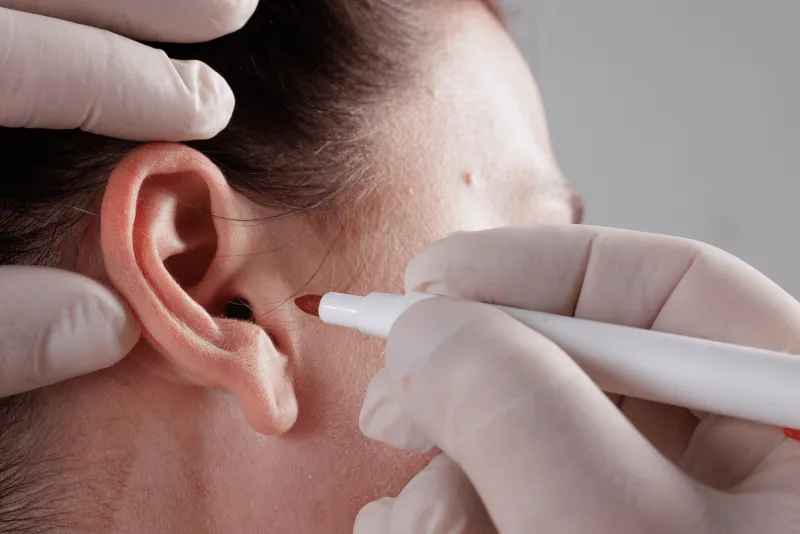
If a patient is dissatisfied with the outcome of their otoplasty, the first step is to be patient. It can take up to a full year for the ears to completely heal and for the final shape to emerge. Minor asymmetries often resolve as swelling subsides. However, if a significant issue persists after the 6-to-12-month mark, the patient should discuss their concerns openly with their surgeon. In most instances, a revision procedure can address the remaining concerns. The key is to have a clear understanding of the issue and to approach any secondary correction with realistic expectations.
Why Should You Consider Having Otoplasty In Turkey?
Turkey has emerged as a global hub for medical tourism, with otoplasty being one of the most sought-after procedures. The country offers a combination of world-class medical facilities equipped with the latest technology and highly experienced surgeons who have performed thousands of successful ear corrections. Moreover, the comprehensive service packages provided by Turkish clinics—often including luxury accommodation and VIP transfers—make it an attractive destination. Compared to Europe or North America, patients can receive high-standard medical care at much more affordable rates, ensuring a high level of satisfaction both aesthetically and financially.
How Does The Otoplasty Journey Begin With Cure Holiday?
When you decide to embark on your journey to a more confident self, contacting Cure Holiday is the first step. Our expert consultants will provide you with all the information you need regarding the procedure. The process begins with a preliminary assessment based on your photos, analyzed by our top-tier surgeons to create a personalized treatment plan just for you. Cure Holiday offers more than just a surgery; we provide a complete healthcare journey where every detail of your travel and accommodation is meticulously planned. While you focus on your transformation, we handle all the professional logistics on your behalf.
What Special Services Does Cure Holiday Provide To Patients?
Cure Holiday is dedicated to providing a seamless and comfortable experience for every patient. Our comprehensive services include VIP airport transfers, stays in luxury hotels, 24/7 personal assistance, and professional translation services to eliminate any language barriers. From the initial pre-operative tests to the final post-operative follow-up appointments, our team is with you every step of the way. We prioritize your medical safety as much as your comfort, ensuring that you feel at home throughout your entire treatment process. With Cure Holiday, you can expect a truly premium healthcare experience.
Why Choose Cure Holiday For A Reliable Treatment?
Your health is too valuable to be left to chance. Cure Holiday partners only with the most modern hospitals and renowned surgeons to guarantee you a safe and successful treatment. Our patient-centered approach, transparent pricing policy, and commitment to international quality standards set us apart in the field of medical tourism. For a delicate procedure like otoplasty, having the support of an expert team ensures that you achieve the results you desire with peace of mind. Cure Holiday stands by you as a trusted partner for a safe, ethical, and high-quality aesthetic journey.
How Can You Take The First Step Towards Your Dream Look With Cure Holiday?
A more confident future and a life at peace with your reflection are just a step away. You can reach out to the Cure Holiday team via our website or social media channels for a free consultation. We turn your otoplasty process into a pleasant experience with our personalized solutions, professional surgical staff, and all-inclusive service packages. Don’t wait any longer to make a change; contact us today and open a new chapter in your life with the professional touch of Cure Holiday!
Otoplasty is truly a life-changing procedure for both children and adults. With the right planning, expert hands, and a disciplined recovery process, achieving the ear shape you’ve always dreamed of is now easier than ever. Through the information provided in this guide, you can make the most informed decision for yourself or your child and achieve permanent, aesthetic results. Remember, beauty is a choice, and in professional hands, that choice leads to extraordinary outcomes.
Free Consultation
Fill out the form below to get your free medical travel plan and price quote.
Sources and how to verify this yourself
- Ministry of Health, Regulation on International Health Tourism and Tourist Health, Official Gazette 26 April 2025, No. 32882 — authorisation requirement for facilities and intermediaries, TÜSKA accreditation, compulsory complication insurance (deadline 31 December 2025 for insurance, 31 December 2026 for accreditation). source
- Ministry of Health, Regulation on Promotion and Information Activities in Health Services, Official Gazette 12 November 2025, No. 33075 — treatment promises and guarantees are prohibited; price and campaign announcements are permitted only within international health tourism. source