Are Silicone Buttock Implants Really Permanent?
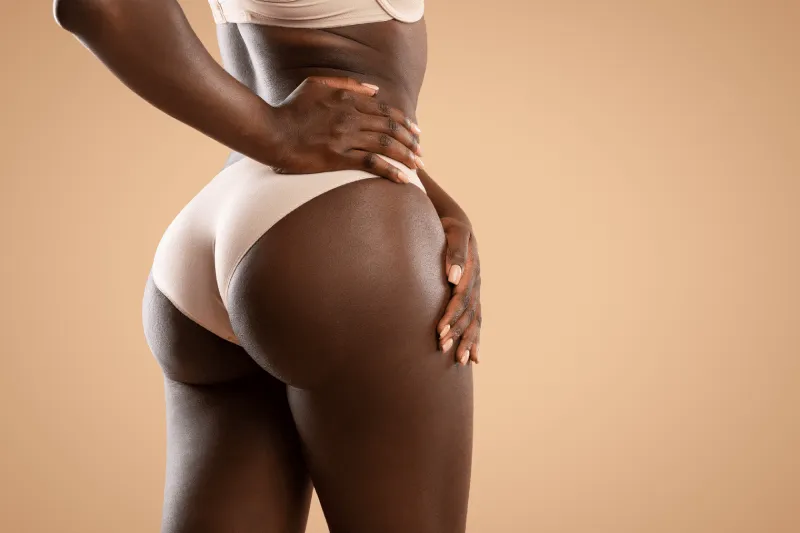
Silicone buttock implants are extremely durable medical devices used in aesthetic surgery to add volume and shape to the buttocks. Theoretically, these implants, like breast implants, are not designed to stay in the body for a lifetime; however, with proper care, high-quality materials, and expert surgical techniques, they can be used without problems for decades. The concept of permanence here is not only related to the material structure of the implant but also directly related to the biological response of the body to this material and the natural aging process.
How Long Is The Lifespan Of Buttock Implants?
The average lifespan of a buttock implant generally ranges between 10 and 20 years. This duration can be extended or shortened depending on the brand of silicone used, the surgeon’s application technique, and the patient’s lifestyle after the operation. While some patients can use their implants for 25 years without any complications, others may require an earlier revision due to mechanical wear, tissue incompatibility, or aesthetic changes. As medical technology advances, the durability and leak-proof properties of modern implants continue to increase every day.
Why Are Buttock Implants Not Considered Lifelong?
In medical literature, no foreign object is defined as “absolutely lifelong.” These devices, contained within a silicone elastomer shell, can undergo microscopic fatigue and wear over time. Furthermore, the human body is a living organism in a state of constant change; skin loosens over time, fat tissue shifts, and gravity takes its toll. These biological changes can cause the aesthetic result to deteriorate over time, even if the implant itself remains technically sound, creating a need for renewal or revision surgery.
How Do Implants Change As The Body Ages?
With the aging process, the skin loses its elasticity and natural collagen production in the body decreases. This situation can lead to the tissues in the buttock area sagging and softening over time. Even if the implants are placed under or within the muscle, as the soft tissue and fat layer above them thin out, the borders of the implant may become more noticeable. Aging, in fact, does not determine the permanence of the implant itself, but rather how long its aesthetic appearance will remain “natural and firm.”
How Durable Is The Silicone Material?
The silicone used in buttock implants has a much harder and denser structure compared to breast implants. The main reason for this is that the buttock area is under constant mechanical pressure and stress during activities such as sitting, walking, running, and sports. Thanks to modern “Cohesive Gel” (self-clinging gel) technology, even if the outer shell of the implant is damaged, the silicone inside does not leak or spread. This high-strength structure ensures that the implants are extremely resistant to mechanical stresses.
Can Buttock Implants Burst?
Bursting or leaking of buttock implants is a very rare occurrence during daily activities. Today’s modern implants are tested in laboratory environments to withstand heavy impacts and high pressure. However, the integrity of the shell can be compromised in extreme cases such as sharp object injuries, very severe traffic accidents, or manufacturing defects. In the event of a rupture, the gel structure does not spread, but a hardening or deformity may be noticed in the area; in this case, it is mandatory to replace the implant with surgical intervention.
Is There A Risk Of Implants Shifting From Their Place?
Displacement of implants, or what is called “malposition,” is one of the risks that can be encountered after the operation. Implants are generally placed inside or under the gluteus maximus muscle; this position ensures they remain fixed in place. However, excessive movement during the recovery period or the pocket created by the surgeon being larger than the implant can cause shifting. This situation both spoils the aesthetic symmetry and can lead to pain, so a professional surgical technique and a careful recovery process are of vital importance.
What Is Capsular Contracture And Does It Affect Permanence?
The body naturally forms a layer of scar tissue (capsule) around every foreign object placed inside it. In some cases, this tissue becomes excessively thick and begins to shrink, squeezing the implant; this is called capsular contracture. When capsular contracture occurs, hardening, pain, and significant deformity occur in the buttock area. This condition directly affects the lifespan of the implant because, in severe cases, the capsule must be cleaned and the implant removed or replaced with a new one. This is a biological factor affecting long-term success.
How Is The Postoperative Recovery Process?
The recovery process is the most critical period for the success and permanence of the buttock implant operation. For the first 2-3 weeks, patients are strictly forbidden from sitting directly on their buttocks or lying on their backs; specially designed pillows are used during this time. It takes about 6-8 weeks for the stitches to heal and the implant to fully adapt to the tissue. Avoiding heavy sports and regularly using the corsets recommended by the surgeon during this period ensures that the implant is fixed in the correct position and reduces the risk of complications.
Is A Buttock Implant Or BBL More Permanent?
Brazilian Butt Lift (BBL) involves transferring the patient’s own fat, and a portion of the transferred fat (usually 30-40%) can be absorbed by the body over time. Silicone implants, however, do not undergo biological volume loss, meaning the size they provide is constant. While BBL can offer a more natural transition, implants are the only option for very thin patients without sufficient fat tissue and provide a more predictable source of volume. In terms of long-term volume preservation, implants offer a more stable result compared to fat transfer.
When Is It Necessary To Replace Implants?
There is no specific calendar expiration date for replacing buttock implants. However, replacement is necessary if there is persistent pain in the area, noticeable asymmetry, the implant becoming palpable from the outside, or the development of capsular contracture. Additionally, if the patient desires a larger or different appearance years later, revision surgery can be performed. As long as no medical problem is detected during routine checks, there is no need to replace a healthy implant just because “time has passed.”
Can Buttock Implants Be Felt From The Outside?
With the correct technique and an implant size appropriate for the patient’s body structure, it is very difficult to feel the implant when touched from the outside. Implants are generally placed in the deep layers of the muscle tissue, which means there is a thick layer of protective tissue over them. However, in very thin patients or when an implant that is too large for the patient’s anatomy is selected, the edges of the implant may be felt by hand. The surgeon’s experience and the selection of an implant suitable for the patient’s body minimize the “foreign body” sensation, providing a natural touch.
Does Exercising Damage The Implants?
Once the recovery process is fully completed (usually 3-4 months after surgery), patients can safely return to the gym. In fact, strong gluteal muscles can better support the implant, contributing to the long-term permanence of the result. However, very heavy squats or extreme hip movements can increase pressure and friction on the implant in the long run. In cases where the implant is inside the muscle, excessive muscle development may cause the implant to shift slightly or appear more prominent; therefore, a balanced sports program is recommended by experts.
How Does Pregnancy Affect Buttock Implants?
The pregnancy process causes an overall weight gain, edema, and hormonal changes in the body. The skin in the buttock area can stretch, and a certain amount of loosening may occur during the postpartum period. The implant itself is not directly damaged by pregnancy, but these dramatic changes in body structure can indirectly affect the aesthetic result. If fat tissue in the buttock area decreases during the postpartum weight loss process, the implants may become more prominent than before. Generally, pregnancy is a process that affects the aesthetic form rather than the permanence of the implant.
Does Gaining Or Losing Weight Ruin The Appearance Of Implants?
Significant weight changes directly affect the appearance because they change the thickness of the soft tissue over the implant. Gaining too much weight can make the implant appear even more voluminous along with the natural fattening of the buttocks. Rapid and excessive weight loss, on the other hand, can lead to sagging of the skin and thinning of the covering tissue over the implant, causing the implant to look artificial. Ideally, weight should be kept stable at a certain balance after the operation; this elevates the aesthetic permanence of the surgical result to the highest level.
Are The Incision Scars Of Implants Permanent?
In buttock implant surgery, the incision is usually made in the natural fold area called the “intergluteal sulcus,” where the two buttock cheeks meet. Thanks to this strategic location, the scars are hidden in a place that is very difficult to notice even when naked. Like every surgical incision, this scar is permanent, but over time its color fades and it becomes less noticeable as it approaches the skin tone. The healing quality of the scars depends directly on the patient’s genetic structure, smoking habits, and postoperative wound care. Usually, at the end of a year, the scars take the form of a thin white line.

Can Silicone Implants Cause Infection?
As with any surgical procedure, there is a theoretical risk of infection after buttock implants. The buttock area, due to its anatomical location, is an area open to bacterial contamination. Infection usually appears within the first few weeks after surgery and is treated with antibiotics in the early stages. However, if the infection reaches the implant surface, the body may not respond to antibiotics, and the implant may need to be completely removed. This is one of the most serious complications threatening the permanence and success of the operation.
Is It Forbidden To Sit After Buttock Implant Surgery?
Sitting directly on the buttocks in the immediate period after surgery can cause the wound to open or the implant to shift by putting pressure on the implant’s suture line. Surgeons generally recommend avoiding sitting completely for the first 2 weeks, and using special pillows that support the back of the legs for the following 4-6 weeks. Once healing is complete, sitting has no harm to the implants; modern silicones are designed with superior technology to withstand these types of natural pressures brought by daily life.
What Should Be Considered During The Recovery Period?
Patience and surgical discipline during the recovery period are key to the permanence of the result. Wearing the compression corset provided by the surgeon day and night helps reduce edema and tightens the tissues around the implant. Maximum attention should be paid to hygiene rules, especially the cleaning of the area after using the toilet should be done meticulously. Additionally, very tight clothes that could impair blood flow should be avoided in the first months, and the control appointments determined by the surgeon should be strictly followed. These measures support success by minimizing the need for revision.
What Are The Long-Term Complication Risks?
The greatest long-term risks of buttock implants include capsular contracture, implant displacement (asymmetry), and seroma (fluid accumulation) formation. Furthermore, very small wear and tear that may occur in the outer shell of the implant over the years is also a risk factor. Although rare, “late-onset seroma” can be seen in some patients years after surgery. The way to reduce these risks is to check the status of the implants with imaging methods such as ultrasound or MRI at certain intervals (for example, every 5 years).
Does The Softness Of Implants Change Over Time?
Initially, implants may feel quite hard due to postoperative edema and tissue tension. As healing progresses, within approximately 3-6 months, the tissues soften and the implants integrate with the body, achieving a more natural consistency. In the very long term, if capsular contracture does not develop, the softness of the implants generally remains constant. However, the thinning of surrounding tissues as the body ages may lead to the texture of the implant being felt more clearly, which is sometimes perceived by patients as a hardening or becoming more prominent.
How Long Is The Natural Appearance Preserved?
The preservation period of the natural appearance is inversely proportional to the size of the implant. Implants chosen too large for the body structure sag faster over time due to the effect of gravity and create an artificial image. Implants of reasonable size placed inside the muscle can exhibit an extremely natural form for 10-15 years. Personal care such as regular moisturizing to preserve skin quality, healthy nutrition, and avoiding sudden weight changes are also the hidden heroes that extend the life of the aesthetic result.
How Does The Choice Of Surgeon Affect Permanence?
Buttock implant surgery is technically a much more complex procedure requiring more expertise than breast implants. An experienced surgeon prepares the implant pocket in the correct anatomical plane, controls bleeding well, and uses techniques that minimize the risk of infection. An incorrectly placed implant can shift shortly after surgery or create ripples in the skin. Therefore, choosing a plastic surgeon specialized in this field for a permanent and satisfactory result is the most critical and decisive step of the process.
Does The Size Of The Implant Determine Its Lifespan?
Yes, there is a direct relationship between implant size and long-term complication risk. Very large implants can cause wound healing problems by putting excessive pressure on surrounding tissues and suture lines. Additionally, heavy implants are more vulnerable to gravity and lead to more sagging of the buttock tissues over time. Choosing a balanced size that does not push the patient’s anatomical limits and is compatible with body contours protects health and postpones the need for revision surgery for years.
Why Is Revision Surgery Performed?
Revision surgery is performed to eliminate aesthetic or medical problems that arise years after the first operation. The most common reasons include correcting asymmetry, replacing the implant with a larger model, treating capsular contracture, or tightening sags due to aging. Revision procedures can sometimes be more difficult than the first surgery because scar tissues formed previously are present in the area. However, a successful revision can bring the patient’s self-confidence and aesthetic satisfaction back to the highest level.
Do Those Who Have Buttock Implants Regret It?
According to general statistics, the satisfaction rate of patients who have buttock implants is quite high. Regret usually stems from unrealistic expectations, choosing the wrong surgeon, or not being fully prepared for the challenges of the recovery process (such as the sitting ban). Having a detailed meeting with the surgeon before the surgery and realistically grasping the risks and all possible results prevents disappointments that may be experienced later. A well-planned operation is an investment that increases the quality of life for the vast majority of patients.
Do Implants Cause Allergic Reactions?
Medical-grade silicone is an extremely biocompatible substance, and the possibility of it triggering a true “allergic reaction” in the body is almost non-existent. However, as with any foreign body, the body may sometimes try to reject the implant; capsular contracture is a form of this biological response. If the patient has a known silicone sensitivity, this condition should be tested before the operation. Modern implants are meticulously designed with smooth or specially textured surfaces to stimulate the immune system as little as possible.
How Often Should Radiological Checks Be Performed?
It is recommended that patients with silicone buttock implants have radiological scans at certain intervals to check the integrity of the implant. After the first year following surgery, an ultrasound check every 3-5 years is sufficient to detect potential leaks or capsule changes early. If a sudden swelling, persistent pain, or change in shape is noticed in the area, having an MRI without wasting time is the most accurate diagnostic method. These routines ensure that the permanence of the implant continues safely.
Do Implants Damage The Bone Structure?
Buttock implants are usually placed in or under the muscle tissue, so under normal conditions, they have no negative effect on the bone structure. However, in very rare cases, where the implant is placed over the muscle and is excessively large, slight pressure on the underlying sacrum bone has been reported. This situation can be completely prevented by the modern surgical technique of placing the implants within or under the muscle. Correct surgical planning also protects the health of your skeletal system.
What Is The Difference Between A Butt Lift And An Implant?
A butt lift usually involves the surgical removal of excess sagging skin and tissue to move the buttock upwards; this procedure does not add volume to the buttock, it only improves its form. A buttock implant, on the other hand, directly adds volume and projection. In most cases, especially in patients who have lost a lot of weight, both a lift and an implant (composite buttock aesthetics) are applied together to get the best and most permanent result. When only a lift is performed, the buttock is lifted but may remain flat, while the implant provides the curved look.
What Is The Cost And Long-Term Investment Value Of Implants?
The buttock implant operation is a significant financial investment due to high-quality implant costs, surgeon’s fees, and hospital expenses. However, considering the risk of fat absorption and the possibility of repeating the procedure in fat transfer methods like BBL, implants offer a more predictable and long-term solution. Considering the self-confidence and permanent physical change it provides, this investment made for an aesthetic form that will accompany you for 15-20 years is considered quite logical for many patients.

Does Smoking Decrease The Success Of The Implant?
Smoking is the bad habit that most threatens surgical success and the permanence of the implant. Nicotine narrows blood vessels, reducing the amount of oxygen reaching the tissues. This delays wound healing, increases the risk of stitches opening, and significantly multiplies the possibility of infection. The inability to nourish the tissue over the implant can even lead to the implant coming out (extrusion). Surgeons generally strictly require quitting smoking at least 4-6 weeks before the surgery and not smoking until healing is complete.
Is An Athletic Look Possible With Buttock Implants?
Yes, buttock implants are ideal especially for people who want to achieve an “athletic, firm, and high-projection” look. Implants placed inside the muscle create an illusion of a lifted buttock as if heavy workouts have been done in the gym for years. While natural fat transfer sometimes gives a softer and more spread-out look, implants draw a more distinct and tight line. Therefore, silicone implants are frequently preferred by fitness models and people who want a more dramatic hip line.
Is It Necessary To Have Implants Removed In Old Age?
If the implants are not causing any health problems or bothering the patient aesthetically, it is not medically necessary to remove them just because of aging. However, if the body becomes very thin in the 70s and the implants become aesthetically artificial, they can be removed with a simple operation. After the implants are removed, the skin in the area may sag a bit, so usually, a skin-tightening surgery may also need to be performed along with the removal process. This decision depends entirely on the patient’s comfort and aesthetic preference.
Who Are The Ideal Candidates?
The most ideal candidates for buttock implants are those who have a genetic lack of volume in the buttock area, cannot have BBL because they do not have enough body fat, are in good general health, and have realistic expectations. Additionally, it is an excellent solution for those whose buttocks have flattened after excessive weight loss and who want to reconstruct this area. Being psychologically ready for the operation and having the patience to comply with postoperative restrictions (such as the sitting ban) is also an important criterion in the candidacy process.
How Is The Preoperative Preparation Process?
Preoperative preparation directly affects the success of the operation and the speed of recovery afterwards. During this process, blood-thinning medications and herbal supplements are stopped, routine blood tests and anesthesia examination are performed. Eating a protein-rich diet in the days before the surgery supports tissue repair. Additionally, a suitable environment for the recovery period should be prepared at home; pillows that facilitate lying face down and necessary medical supplies should be obtained in advance. A preparation period away from alcohol and cigarettes ensures a smooth start.
Are Buttock Implants Safe?
This procedure, performed by thousands of plastic surgeons worldwide, is extremely safe when FDA-approved or CE-certified implants are used and it is performed in expert hands. Although every major surgery carries some risks, these risks can be minimized with correct patient selection and meticulous surgical technique. Silicone buttock implants are medical products whose reliability has been proven by clinical studies ongoing for decades. For your health and aesthetics, only licensed products and certified clinics should be preferred.
Free Consultation
Fill out the form below to get your free medical travel plan and price quote.
Sources and how to verify this yourself
- Howe M-S, Keys W, Richards D. Long-term (10-year) dental implant survival: a systematic review and sensitivity meta-analysis. Journal of Dentistry, 2019 — pooled 10-year implant survival 96.4% (95% CI 95.2–97.5%); conservative sensitivity estimate 93.2%. source
- Ministry of Health, Regulation on International Health Tourism and Tourist Health, Official Gazette 26 April 2025, No. 32882 — authorisation requirement for facilities and intermediaries, TÜSKA accreditation, compulsory complication insurance (deadline 31 December 2025 for insurance, 31 December 2026 for accreditation). source
- Ministry of Health, Regulation on Promotion and Information Activities in Health Services, Official Gazette 12 November 2025, No. 33075 — treatment promises and guarantees are prohibited; price and campaign announcements are permitted only within international health tourism. source