What Is A Mouthguard And What Is Its Primary Function?
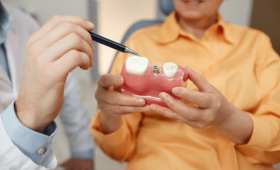
A mouthguard is a flexible device designed to protect the teeth, gums, lips, and jaw structure from external impacts, particularly in sports with high physical contact. Its primary function is to absorb the energy generated during an impact, preventing teeth from crashing into each other or an external object from damaging the teeth. These protectors are the most effective way to preserve oral health, not just for professional athletes, but also for individuals engaged in amateur sports and children. Correct use of a mouthguard prevents permanent damage that could be encountered throughout an athlete’s career, allowing them to move with confidence and peace of mind on the field.
Why Is A Mouthguard Indispensable For Athletes?
Sports fields are areas where unexpected impacts and accidents occur frequently. An elbow strike, a hard ball, or a fall can result in broken teeth, dislodged teeth, or severe gum lacerations. A mouthguard acts as a cushion in these traumatic situations, minimizing the risk of injury significantly. Tooth loss is not just a physical problem; it is also a condition that negatively affects the athlete aesthetically and psychologically. Therefore, using protective equipment is not a luxury but a fundamental necessity for athlete health. To perform without risking your health, you should never leave this essential equipment out of your sports bag.
In Which Sports Branches Should A Mouthguard Be Used?
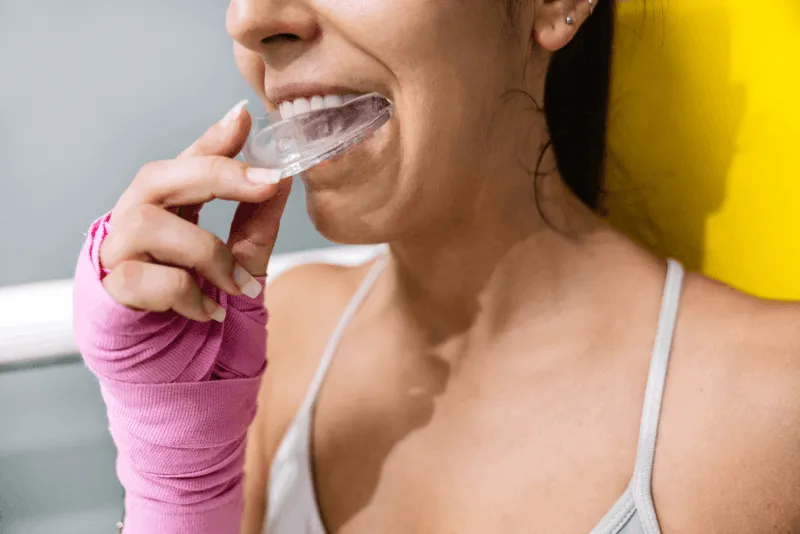
Although usually associated with high-contact sports like boxing or rugby, mouthguards should actually be used in a much wider range of activities. The risk of impact is quite high in team sports such as basketball, soccer, and volleyball, as well as in individual sports like skateboarding, skating, cycling, and mountain climbing. Any activity involving speed and physical struggle carries the risk of a blow to the oral area that could cause permanent damage. Dentists strongly recommend wearing a suitable protector in any sporting activity where there is a possibility of receiving a blow to the mouth. Remember that an accident during even a simple training session can lead to lifelong dental problems.
What Role Does It Play In Preventing Tooth Fractures?
Mouthguards create a special layer that fits perfectly over the teeth and distributes the force of an impact. A hard force coming directly onto a tooth loses its intensity thanks to the protector, which spreads the energy across the entire dental arch and surrounding tissues. This mechanism prevents the tooth enamel from cracking, the tooth from breaking at the root, or being completely dislodged. The front teeth, in particular, are the most vulnerable area in sports accidents, and a mouthguard covers this area like a shield. Tooth fractures cause not only pain but also expensive and long-term restorative treatments. Wearing a protector is the simplest way to avoid such painful and costly processes.
How Does It Provide Protection Against Jaw Injuries?
Mouthguards do not only protect the teeth; they also regulate the interaction between the upper and lower jaws. When a hard impact hits the lower jaw, there is a risk of the jawbone slamming into the base of the skull. The protector creates a soft space between the upper and lower teeth, reducing the severity of this collision. Consequently, the likelihood of serious medical conditions such as jaw fractures, joint injuries, and jaw dislocations decreases. Protecting the jaw joint is also critical for the athlete’s long-term chewing and speaking health. This shock-absorbing technology helps maintain the integrity of the facial bone structure against trauma.
How Does It Prevent Lip And Cheek Injuries?
During sports, teeth can essentially become sharp cutting tools for the soft tissues inside the mouth. During a collision, teeth can be driven into the lips or the insides of the cheeks, leading to deep cuts and heavy bleeding. A mouthguard creates a physical barrier between the sharp edges of the teeth and the soft tissues. Thanks to this barrier, even if the tissues strike the teeth during an impact, the risk of being cut is eliminated. This is even more critical for athletes wearing braces, as the wires and brackets can damage tissues much more easily. Using a protector can prevent most injuries that would otherwise require stitches on the sidelines.
Does It Have An Effect On Preventing Concussions?
While this topic is still debated in the scientific world, many experts present strong evidence that mouthguards can reduce the risk of concussions. A concussion can be triggered when a blow to the lower jaw is transmitted directly to the skull. A high-quality mouthguard can reduce this interaction by stabilizing the lower jaw in a specific position and softening the transmission of impact energy to the skull. Although it does not provide primary protection like a helmet, its ability to dampen shock waves traveling to the brain through the jaw provides an additional advantage for athlete safety. This possibility alone is a significant enough reason to wear a mouthguard, especially in contact sports.
For Which Age Group Is A Mouthguard More Important?
While mouthguard use is important for athletes of all ages, its significance increases even further for children and teenagers. The developing oral structure and the transition from primary teeth to permanent teeth make the oral area more sensitive. A loss experienced during the period when permanent teeth are just emerging can cause a child to use dental prosthetics or implants for the rest of their life. Additionally, children’s motor skills are not yet fully developed, so their risks of falling and colliding are higher. Gaining the habit of using a protector from a young age is a great gain in terms of both sports discipline and long-term health awareness.
Are Ready-Made Mouthguards Safe To Use?
“Stock” mouthguards sold in stores that do not require any shaping are the cheapest option, but their protection capacity is quite low. These models generally do not fit the mouth well and must be kept in place by the athlete constantly biting down on them. This makes breathing and speaking difficult and carries the risk of slipping during an impact. A protector that does not fit correctly cannot distribute impact energy efficiently and can sometimes even damage the gums themselves. If an athlete’s budget is very limited, it is better than using nothing at all; however, expecting serious protection from these models would not be very realistic.
How Do Boil And Bite Models Work?
Known as “boil and bite” models, these are made from thermoplastic materials that can be easily shaped at home. The protector is softened by soaking it in hot water and then placed in the mouth to take the shape of the teeth. They provide a much better fit than ready-made models and are more economical. When applied correctly, they sit nicely on the teeth and offer a reasonable level of protection. However, during the shaping process, the material may become very thin in some areas, reducing the protective power at those points. Nevertheless, it is one of the most popular and accessible options for amateur athletes and rapidly growing children.
What Is The Advantage Of Custom-Made Mouthguards?
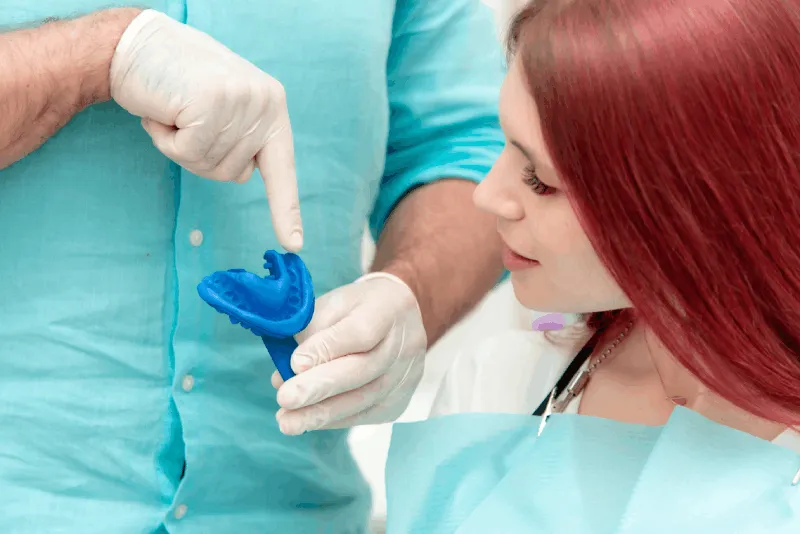
Custom-made mouthguards, produced in a laboratory setting after an impression of the athlete’s mouth is taken by a dentist, are considered the gold standard. These devices are designed to perfectly fit every contour of the teeth and gums. The biggest advantage is that they do not move even slightly in the athlete’s mouth and offer maximum shock absorption. They have almost no effect on speech and make breathing easier. Since the material quality is higher, their durability is also greater. For professional athletes, these types of protectors are definitely the first choice because they offer both comfort and high-level security, and the protection provided is well worth the cost.
Can It Be Used Together With Braces?
For athletes undergoing orthodontic treatment, using a mouthguard is not only possible but a vital necessity. Braces increase the risk of oral injuries because the wires and brackets can cause serious damage to the lip and cheek tissues during an impact. Dentists recommend special orthodontic mouthguards that work compatibly with the braces and are flexible enough to allow for tooth movement. These protectors prevent the braces from being damaged and minimize gum injuries. An impact while wearing braces can disrupt the treatment process and lead to additional costs. Therefore, athletes in treatment must consult their physicians to choose an appropriate model.
Does It Affect Speaking And Breathing?
Poorly designed or oversized mouthguards can indeed make breathing and communication difficult. However, in models that are correctly sized and especially custom-made, these problems have been minimized. Modern sports mouthguards are optimized so as not to hinder the athlete’s performance. With a high-quality product, athletes can easily speak with their teammates during a match and do not experience difficulties in oxygen intake during intense effort. The feeling of shortness of breath is usually a psychological condition or caused by the protector applying too much pressure to the palate. When the correct fit is achieved, the athlete will eventually forget they even have something in their mouth.

What Is The Best Material For A Mouthguard?
Generally, medical-grade polymers such as ethylene-vinyl acetate (EVA) are the most commonly used and effective materials in mouthguard production. These materials are both flexible and possess the excellent ability to dampen impact energy. The risk of allergy is low, and they are compatible with oral tissues. In some next-generation products, “smart” materials that harden during impact but remain soft under normal conditions have also begun to be used. The quality of the material directly determines the lifespan and protection capacity of the protector. Choosing products made from non-toxic, BPA-free, and FDA-approved materials is also very important for general health.
When Should A Mouthguard Be Replaced?
The lifespan of a mouthguard depends on the frequency of use and changes in the athlete’s oral structure. As a general rule, it is recommended to replace it at the beginning of every sports season or at least once a year. In children, it should be checked more frequently and replaced if necessary, as dental development and jaw growth continue. If cracks, wear, tears are seen on the protector, or if it no longer fits perfectly over the teeth, it should be replaced immediately. A worn-out protector cannot provide the expected protection during an impact and creates a suitable environment for bacterial buildup. To ensure your safety, you must make sure your equipment maintains its form.
How Should Cleaning Be Performed?
After use, mouthguards can become an ideal place for bacteria and plaque accumulation. After every use, it must be cleaned with the help of a soft brush and cold or lukewarm (never hot) water. A mild soap or toothpaste can be used, but abrasive substances should be avoided. Disinfecting once a week with special mouthguard cleaning tablets or mouthwash is beneficial for hygiene. After cleaning, the protector should be allowed to dry completely and should not be trapped in a box while damp. Correct hygiene habits not only extend the life of the equipment but also eliminate the risk of oral infections.
Why Is A Storage Box Important?
Throwing your mouthguard directly into your gym bag exposes it to both physical damage and heavy bacterial contamination. A hard storage box with ventilation holes is indispensable for protecting the mouthguard. The holes in the box allow air circulation, preventing bad odor formation and mold development. Furthermore, the box prevents heavy equipment from being placed on top of the protector and deforming its shape. Storing your mouthguard in a clean box at all times ensures it stays hygienic and can be used safely during a match. The care you show for your equipment is actually the care you show for your own health.
What Are The Risks Of Cheap Products?
Low-quality mouthguards sold at very low prices on the market can throw the athlete into greater risks by providing a false sense of security. These products are usually made from very thin or flimsy materials, which cannot prevent teeth from crashing into each other during an impact. Additionally, the plastics used may contain chemicals harmful to health. Cheap models that do not fit correctly disrupt the athlete’s concentration and can cause sores inside the mouth. When it comes to your health, being cheap can lead to thousands of dollars in dental treatment costs later. Investing in a high-quality protector from the start is always more profitable in the long run.
Why Do Professional Athletes Prefer Them?
For professional athletes, their bodies are their greatest capital, and any injury can endanger their careers. For this reason, they observe the highest standards in the use of protective equipment. Elite athletes use custom-designed mouthguards that will not affect their performance, will not cut their breath, and will make them feel completely safe. That sense of security felt on the field allows the athlete to play more aggressively and decisively. Furthermore, sponsorship agreements and aesthetic appearance concerns also make protecting dental health a priority for them. This discipline of professionals should always set an example for young talents.
Should It Be Mandatory In School Sports?
Many experts and dental associations advocate for making mouthguard use mandatory in all contact sports at the school level. Young athletes may not yet be fully aware of the risks and may neglect to use equipment. Strict rules set by school administrations and coaches can prevent thousands of dental injuries. Just like a helmet or knee pads, a mouthguard should be part of the standard equipment list. Mandating it both raises awareness among parents and elevates the health standards of children. If the goal of sports is to raise healthy individuals, such preventive measures should become a part of the educational system.
How Does It Affect Aesthetic Appearance?
Many athletes avoid wearing a mouthguard thinking it will look bulky in the mouth and appear funny. However, protectors produced with today’s technology have very stylish, thin, and customizable designs. Transparent models are almost invisible, while colored and logoed models help the athlete reflect their style. The real aesthetic problem is teeth that are broken or lost because a mouthguard was not worn. The aesthetic and social effects of a missing tooth cannot even be compared with the appearance of a temporarily worn protector. If you want to protect your smile, focusing on safety rather than aesthetics during a match is the most logical approach.
Does It Prevent Jaw Joint Pain?
Mouthguards can also provide a relieving effect for athletes with a tendency to clench and grind their teeth. Stress and intense effort experienced during sports cause athletes to involuntarily clench their teeth. This situation puts great pressure on the jaw joint (TMJ) and leads to chronic pain and headaches over time. The protector absorbs this pressure by creating a cushion between the upper and lower teeth. It helps the jaw muscles remain more relaxed and distributes the stress on the joint. In this way, a significant reduction is seen in jaw fatigue and pain experienced after sports. This support is very valuable for long-term joint health.
Does It Contribute To Athlete Performance?
Some research suggests that a correctly positioned mouthguard can enhance performance by optimizing airway flow and reducing tension in the jaw muscles. Specialized products marketed as “performance mouthguards” allow the athlete to breathe more easily and focus better. Having complete physical security helps the athlete cast off the fear of injury and focus entirely on the game. An athlete who fights fearlessly will naturally perform better. Additionally, general body stress levels decrease thanks to shock absorption, which can reflect positively on endurance. Although indirect, being under protection is a psychological advantage for an athlete.
Does A Night Guard Replace A Mouthguard?
One of the biggest misunderstandings is that night guards used for teeth grinding can be used instead of a mouthguard while doing sports. Night guards are usually made of very hard or very thin materials, and their purpose is only to prevent tooth wear. They are not designed against high-energy impacts that occur during sports and can break during an impact, damaging the gums. Sports mouthguards, on the other hand, have a shock-absorbing, flexible, and thick structure. You should never use a night guard on the field or think of a mouthguard as a night guard. The usage purpose and material engineering of each device are completely different.
Which Colors Should Be Preferred?
The color of a mouthguard is not just an aesthetic choice; it is sometimes a functional choice. Many coaches recommend that athletes choose bright and visible colors (such as red, yellow, neon green) so that the protector can be easily noticed on the field. This way, referees or coaches can understand even from a distance whether the athlete’s protector is worn or not. Additionally, vivid colors provide an advantage for a dropped protector to be easily found in the grass or on the court. Some athletes, on the other hand, choose transparent or black models for a more understated look. Color choice is completely personal, but tones that facilitate safety and supervision are always more useful.
How Does It Reduce First Aid Costs?
In the event of a dental injury, the emergency interventions, root canals, implants, and porcelain tooth crowns are very high-cost procedures. The amount you will spend to buy a simple and high-quality mouthguard is perhaps only one percent of the treatment costs you will pay after a potential injury. Nothing can completely replace a permanent tooth once lost, and it requires lifelong maintenance. From an economic perspective, using a mouthguard is one of the most profitable insurance policies in the world. Preventing great financial and moral losses with a small precaution is the duty of every conscious athlete and parent.
What Do Sports Injury Statistics Say?
Research shows that the risk of athletes who do not use mouthguards experiencing a dental injury is 60 times higher than those who do. It is known that millions of athletes are injured in the oral and dental area every year, and a large portion of these are preventable. Especially in sports thought to be “non-contact” such as basketball and soccer, tooth loss is surprisingly high compared to sports like boxing. Statistics clearly reveal the impact of correct equipment use on public health. These figures are the most concrete data proving that protective equipment is not just an accessory but a medical necessity.
Is A Mouthguard Necessary In Basketball?
Basketball is a deceptive sport that is often classified as “non-contact” but where physical contact is most intense. During rapid turns, jumping in the air, and struggles under the hoop, the possibility of uncontrolled elbows or hands hitting the oral area is very high. You can see many professional NBA players wearing mouthguards during matches because an elbow strike can lead to tooth loss in seconds. The number of players who lose their teeth on the basketball court is quite high compared to combat sports. If you play basketball, you should definitely obtain a quality protector to protect your smile and use it in every match.
Is Its Use Common In Football?
Although football players traditionally do not use mouthguards as often as boxers, the level of awareness has increased in recent years. Header shots with the ball, mid-air collisions with opposing players, and uncontrolled falls prepare a serious ground for oral injuries. Especially goalkeepers are in the position with the highest risk of taking a blow in the goal area chaos. It is seen that many world-famous football players now use custom-made thin protectors to protect their dental health. Considering the hardening nature of football, making the mouthguard a standard piece of equipment like shin guards would be a big step for athlete safety.
Why Is It Indispensable In Combat Sports?
In combat sports such as boxing, MMA, karate, and judo, the mouthguard is the most basic piece of equipment and its use is mandatory by almost all federations. In these branches where direct blows to the face are targeted, entering the ring without a protector is no different from suicide. In these sports, the protector not only protects the teeth but also tries to reduce the risk of knockout or brain damage by slowing down the transmission of the blow through the jaw to the brain. For fighters, the mouthguard is a key to breath control and jaw endurance. Professionally designed special equipment is used to minimize the impact of even the hardest punches.
Should Skateboarding And Skating Athletes Use It?
Skateboarding, skating, and BMX biking, known as X-sports or extreme sports, are activities performed on concrete ground where the risk of falling is very high. Striking the face on the ground during a fall can cause teeth to break completely or the jawbone to be damaged. While wearing a helmet protects the skull, a mouthguard also secures the jaw and dental structure. The fact that those involved in these sports are usually in the young age group makes the protection of dental health even more critical. Concrete ground does not forgive mistakes; therefore, it is of vital importance for extreme sports enthusiasts to always wear their protective gear completely.
Does It Affect Dental Development In Children?
A correctly designed mouthguard does not harm dental development in children; on the contrary, it ensures the preservation of a healthy oral structure by protecting newly emerging permanent teeth. However, because children’s oral structure is constantly changing, the long-term use of “ready-made” models can cause pressure. Therefore, “boil and bite” models or flexible models made under dentist supervision should be preferred for children. As teeth emerge or the jaw grows, the fit of the protector should be checked and replaced if necessary. Cooperating with the dentist who follows your child’s dental development will help you find the safest and most comfortable solution.
What Are The Psychological Effects Of Tooth Loss?
Losing front teeth as a result of a sports accident can create devastating effects on an individual’s self-confidence. Hesitating to smile, covering the mouth while speaking, and distancing oneself from social environments are common psychological consequences of dental injuries. Especially at young ages, this situation can turn into a long-term trauma. No matter how successful prosthetic teeth are, it is difficult for them to replace a person’s own natural tooth. Using a mouthguard is not just a physical health measure, but also a step towards protecting your mental well-being and social life. A healthy smile is an athlete’s greatest strength outside the field.
Why Is Dentist Selection Important?
Consulting a dentist when getting or choosing a mouthguard is the only way to get the most accurate protection. The dentist can examine your oral structure and recommend the most suitable material and model for you. Professional guidance is essential, especially for those with braces, those experiencing jaw joint problems, or people who have had dental surgery in the past. Custom protectors made with measurements taken by a dentist provide a comfort and security that factory products can never offer. The expertise of the person you entrust your health to is the most important factor determining the quality of your protector and therefore your safety.
Will There Be Smart Mouthguards In The Future?
As technology develops, mouthguards have also begun to become digital. Today, some “smart” mouthguards can instantly track the severity of blows received by the athlete and the risk of concussion thanks to sensors placed inside them. This data is transmitted to the sidelines via Bluetooth, helping to decide whether the athlete should continue the game or not. In the future, these devices are also expected to measure vital signs such as pulse, oxygen level, and body temperature. Mouthguards are evolving from being just a protective shield into an advanced data station that monitors the athlete’s general health and performance.
Why Should Every Athlete Wear One In Conclusion?
Doing sports is a great way for physical and mental health; however, managing the risks it brings is the athlete’s responsibility. Using a mouthguard is the simplest, most effective, and cheapest way to protect yourself from the most painful and expensive injuries you may encounter during sports. While a one-second distraction or accident can lead to lifelong dental problems, wearing a quality protector reduces this risk to almost zero. No matter at what level you do sports, make protecting your teeth and smile a priority. Remember, the courage you show on the field becomes professional when combined with the precautions you take.
Free Consultation
Fill out the form below to get your free medical travel plan and price quote.
Sources and how to verify this yourself
- Howe M-S, Keys W, Richards D. Long-term (10-year) dental implant survival: a systematic review and sensitivity meta-analysis. Journal of Dentistry, 2019 — pooled 10-year implant survival 96.4% (95% CI 95.2–97.5%); conservative sensitivity estimate 93.2%. source
- Ministry of Health, Regulation on International Health Tourism and Tourist Health, Official Gazette 26 April 2025, No. 32882 — authorisation requirement for facilities and intermediaries, TÜSKA accreditation, compulsory complication insurance (deadline 31 December 2025 for insurance, 31 December 2026 for accreditation). source
- Ministry of Health, Regulation on Promotion and Information Activities in Health Services, Official Gazette 12 November 2025, No. 33075 — treatment promises and guarantees are prohibited; price and campaign announcements are permitted only within international health tourism. source