Is It Risky To Have Cosmetic Surgery While Breastfeeding?
Having cosmetic surgery during the breastfeeding period is possible in many cases thanks to the possibilities offered by modern medicine, but it brings with it certain risks and issues that need to be considered. The main risks are usually not from the surgical procedure itself, but rather the anesthesia methods used, the medications prescribed after the operation, and the effects of the mother’s physical recovery process on the breastfeeding rhythm. During this period, the body is still in a state of hormonal change and the breast tissue is actively producing milk. Therefore, it is of vital importance to have a detailed meeting with both your surgeon and your pediatrician before a decision is made, in order to minimize the risks involved.
How Does Anesthesia Affect Breast Milk?
Anesthesia is an indispensable part of surgical interventions but remains the biggest source of concern for breastfeeding mothers. Most of the modern anesthetic agents used today are cleared from the body quite rapidly. Generally, anesthesiologists determine when the mother can safely breastfeed by calculating the time when the drug reaches its highest level in the blood and then begins to withdraw. Most experts argue that when the mother has completely emerged from the effects of anesthesia and feels awake and energetic, the amount of anesthetic substance in her milk has dropped to a negligible level. However, it may still be recommended to express and discard the milk for the first few hours immediately following the operation.

Do Medications Used After Surgery Pass To The Baby?
Antibiotics and painkillers are commonly used after surgical intervention to control pain and prevent the risk of infection. Some of the components of these drugs can pass to the baby through breast milk. For this reason, it is critical for your doctor to choose breastfeeding-friendly medications. Some strong painkillers are not preferred because they may cause sleepiness or respiratory depression in the infant. There are safe groups of antibiotics that breastfeeding mothers can use; however, it is necessary to closely observe the baby’s reactions (rash, diarrhea, excessive sleep) with every medication use and consult an expert immediately in case of a suspicious situation.
Does Breast Augmentation Reduce Milk Production?
Breast augmentation surgery generally does not have a permanent negative effect on milk production when the correct techniques are used. In modern surgery, implants are mostly placed under the breast tissue or the muscle, which ensures the protection of the milk ducts and nerves. However, the location of the incision made during the operation can affect the amount of milk. Specifically, incisions made around the nipple (periareolar) have a slightly higher risk of damaging the milk ducts compared to underarm or inframammary incisions. Tissue edema after surgery may temporarily make milk flow difficult, but this situation usually returns to normal with the recovery process.
Do Silicone Implants Damage Milk Ducts?
It is a rare situation for silicone implants to directly damage the milk ducts because surgeons generally aim to proceed without touching the milk-producing tissue. The plane in which the implant is placed (submuscular or subglandular) plays a major role in this protection. Submuscular placements are considered safer in terms of breastfeeding function as they create a natural barrier between the breast tissue and the implant. Furthermore, modern cohesive gel silicones do not leak, so they do not pose a risk that would spoil the milk quality. Nevertheless, as in every surgical procedure, situations like scar tissue formation or capsular contracture can indirectly affect the breast structure.
Does Breast Lift Surgery Make Breastfeeding Difficult?
Breast lift (mastopexy) surgery involves reshaping the breast tissue and moving the nipple higher up. During this process, maintaining the connection between the nipple and the milk ducts is critical for future breastfeeding success. In most modern techniques, this connection is not broken, but temporary stretching or minor damage to the milk ducts may occur due to tissue shifts and removal of excess skin. Having this surgery during the breastfeeding period can also negatively affect recovery results because the breasts are still full of milk and heavy. Therefore, experts generally recommend this operation after breastfeeding has completely finished.
Is It Possible To Breastfeed After Breast Reduction Surgery?
Breast reduction surgery is one of the aesthetic operations that can most affect the breastfeeding function. The reason for this is that the nature of the procedure involves the removal of both excess breast tissue and a portion of the milk ducts within this tissue. How much of the nipple nerves and ducts are preserved is the main factor determining the milk amount after the operation. While some women can breastfeed at full capacity without any problems after surgery, some may find that their milk is insufficient. If you are planning to have a baby and breastfeed in the future, you must convey your request regarding the use of “pedicle-sparing” techniques to your surgeon.
Should You Wait For Breastfeeding To End For A Tummy Tuck?
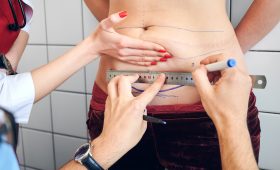
A tummy tuck (abdominoplasty) is a major surgery involving the repair of muscles in the central region of the body and the removal of sagging skin. It is quite difficult to have this surgery during the breastfeeding period due to physical limitations. Lifting heavy objects after the operation or frequently taking the baby in your arms to breastfeed can damage the suture line and delay the healing process. Additionally, the hormonal balance of the body settling after breastfeeding ends and reaching your ideal weight will increase the aesthetic success of the surgery. For this reason, the vast majority of surgeons recommend that this procedure be performed at least 6 months after the cessation of breastfeeding.
How Does The Recovery Process After Liposuction Affect Breastfeeding?
Liposuction or fat removal is performed to get rid of stubborn fat deposits in certain parts of the body. Significant edema and bruising can occur in the body after the procedure, which restricts the mother’s mobility. It is important for the mother to be in a comfortable position during breastfeeding for the release of milk; however, the pain experienced after liposuction and the use of a corset can disrupt this comfort. Also, a loss of fluid and electrolytes occurs in the body along with the removed fat tissue. This situation can cause a temporary decrease in milk production if the mother does not consume enough fluids. Generally, although it is not a vital obstacle, it is more logical to postpone it for the sake of comfort.
Can Rhinoplasty Be Performed Safely During Breastfeeding?
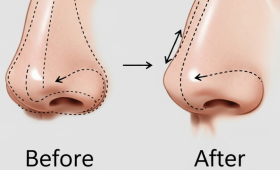
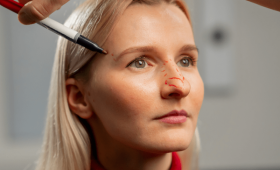
Rhinoplasty or nose aesthetics, although it does not affect the breastfeeding process directly through the breast tissue, requires caution due to general anesthesia and medication use. Nasal congestion and the necessity of breathing through the mouth after the operation can increase the stress level, which affects the mother’s rest and therefore milk production. Nasal sprays and edema-reducing drugs used after the surgery should be chosen to be suitable for breastfeeding. If the mother can comfortably take the baby in her arms and medication management is done professionally, rhinoplasty can be performed during the breastfeeding period. However, the risk of the baby accidentally hitting the mother’s face poses a serious threat to the healing nose structure.
When Can You Resume Breastfeeding After Plastic Surgery?
The time to return to breastfeeding after a surgical operation depends on the type of anesthesia used and the mother’s state of alertness. Modern medical protocols state that breastfeeding can begin when the mother emerges from the effects of anesthesia, can stand up unassisted, and can hold her baby safely. This usually occurs 2 to 4 hours after the surgery. However, this period may be extended in case of some special drugs or complications. Pumping the milk and discarding some of it before the first breastfeeding is still recommended by some doctors to clear traces of anesthetic substances. The most accurate decision should be made by the performing surgeon and the anesthesia team.
Do Painkillers Used After Surgery Pass Into The Milk?
Yes, most of the painkillers used after surgery pass into breast milk in small amounts. However, there are many analgesics (painkillers) classified as “compatible with breastfeeding” in the medical world. Paracetamol and ibuprofen-based drugs are generally considered safe and have a very low probability of harming the baby. However, heavy opioid-derived painkillers are risky as they may cause extreme drowsiness and shortness of breath in the infant. If these types of strong drugs need to be used, breastfeeding should be interrupted until the drug is cleared from the blood, and expressed milk or formula should be used during this process.
Is The Risk Of Infection Higher For Breastfeeding Mothers?
The risk of infection in breastfeeding mothers is not significantly higher than in a normal patient; however, the fatigue of the immune system and the active milk production of the breast tissue can trigger some complications. For example, an infection occurring after breast surgery can turn into “mastitis,” which is an inflammation of the breast. Mastitis is both very painful for the mother and can seriously reduce milk production. Therefore, it is very important to strictly follow hygiene rules after the operation, keep the suture areas clean, and not skip the antibiotics recommended by the doctor. If fever or excessive redness at the suture site is noticed, medical support should be sought without losing time.
Do Surgical Wounds Restrict Breastfeeding Positions?
Operations performed specifically in the chest and abdominal areas can make classic breastfeeding positions quite difficult. For example, after a tummy tuck, it is forbidden for the mother to stand upright or carry a heavy baby in her arms. Similarly, after breast aesthetics, the baby pressing on the breast or kicking it can cause the sutures to open. In such cases, alternative breastfeeding methods that do not put pressure on the wound, such as the “football hold,” should be preferred. Additionally, taking support from breastfeeding pillows to ensure the mother’s comfort protects her wound and allows the baby to be fed more comfortably.
What Is The Ideal Time For Body Contouring Surgeries?
The most ideal time for body contouring surgeries (tummy tuck, leg lift, mommy makeover) is when the plans for having children have completely ended and the breastfeeding process is over. During breastfeeding, the body is prone to water retention and the breast tissue is constantly changing volume. Also, having lost most of the weight gained after birth increases the permanence of the surgical results. Experts recommend waiting at least 6 months, ideally 1 year, after the end of breastfeeding. This waiting period allows the tissues to recover and hormonal balance to return to pre-pregnancy levels, thus enabling the surgeon to achieve more predictable results.
Can Botox And Filler Applications Be Done While Breastfeeding?
Large-scale clinical research on the safety of Botox and dermal filler substances during the breastfeeding period is limited. Botox (botulinum toxin) tends to remain locally in the injected muscle area, and its rate of entering the bloodstream is extremely low. However, since it is not possible to completely exclude theoretical risks, many doctors recommend postponing these procedures until after breastfeeding for precautionary purposes. Fillers, on the other hand, usually contain hyaluronic acid, which is naturally found in the body, and their risks are lower. Still, unless there is an aesthetic necessity, it should be waited for the breastfeeding period to pass in order not to risk the baby’s health.

Why Is It Important To Pump Milk Before Surgery?
On the day of surgery and for the first 24 hours afterward, the mother’s movements will be limited and medication use will intensify, so stockpiling milk in advance is a lifesaver. Milk expressed and frozen before surgery ensures that the baby’s feeding continues uninterrupted while the mother rests. In addition, the mother may need to use a breast pump to prevent breast engorgement during the post-operative period. Pumping milk is necessary not only to feed the baby but also to send a signal to the mother’s body to “continue producing milk.” This preparation ensures that both the mother and the baby get through the operation process with less stress.
Does Surgical Stress Permanently Reduce Milk Supply?
Surgical intervention is a physical stress factor for the body, and an increase in cortisol, the stress hormone, can cause the suppression of oxytocin and prolactin hormones responsible for milk production. This situation is usually temporary, and as the mother rests and takes in fluids, the milk amount returns to its former level. However, severe pain, insomnia, and inadequate nutrition after surgery can prolong this process. It is very rare for the decrease in milk quantity to be permanent and is usually related to major surgical interventions that directly involve and destroy the milk ducts in the breast tissue. The mother staying positive and receiving adequate support is the biggest factor in protecting milk production.
Why Is Fluid Consumption Critical For Milk Production After Surgery?
Breastfeeding is a process where the body spends a significant amount of fluid. During and after surgical operations, the body both collects edema and needs extra water for recovery. If enough fluid is not consumed after surgery, the body will prioritize the healing of vital organs and put milk production in the background. bu also causes the milk to decrease and the mother to feel sluggish. Consuming beverages that provide electrolyte balance, fresh fruit juices, and herbal teas along with water in the post-operative period both accelerates recovery and protects milk efficiency. Staying dehydrated also increases the risk of post-operative complications.
How Long Does It Take For Anesthesia To Leave The Body?
Modern drugs used in general anesthesia begin to be largely cleared from the body a short time after the patient is awakened. The complete removal of these substances, which are metabolized by the liver and kidneys, from the blood usually takes 12 to 24 hours. However, the “passing into milk” level, which is critical for breastfeeding, drops to a minimum level already a few hours after the surgery. The mother’s metabolic rate, weight, and the duration of the surgery can affect this clearance rate. The protocol applied in most hospitals accepts that the effect of anesthesia has reached a safe limit for breastfeeding once the patient has passed urine and reached a state where they can eat a light meal.
Do Surgical Scars Cause Discomfort During Breastfeeding?
Surgical scars can create sensitivity due to stretching during breastfeeding, especially if they are in the breast area. As the baby latches onto the breast, they pull the skin, and this pulling motion can cause stinging in fresh suture areas. This discomfort decreases as the recovery process is completed. However, in some cases, scar tissue can create pressure on the milk ducts, making milk flow slightly difficult. Massages applied to these areas with doctor approval and moisturizing creams can increase skin elasticity and restore breastfeeding comfort. If there is excessive hardening or discharge at the suture line, this should be checked as it could be a sign of infection.
Will The Milk Be Contaminated If Implants Rupture?
Modern breast implants generally have a non-fluid structure called “cohesive gel.” This gel stays in place and does not spread to the body even if the implant shell is damaged. Therefore, in case of damage to the prosthesis, it is theoretically almost impossible for silicone to leak into the milk ducts and contaminate the milk. Furthermore, silicone is a biologically compatible substance and even if it accidentally mixes with the milk, it is not absorbed by the baby’s digestive system. However, implant damage can cause inflammation in the breast tissue, and this situation can indirectly make breastfeeding difficult as it affects the mother’s health. Ensuring implant integrity with regular checks is the safest way.
Are Combined Cosmetic Surgeries Recommended During Breastfeeding?
Combined surgeries, namely performing more than one procedure at the same time (for example, breast aesthetics and a tummy tuck), seriously increase the load on the body. For a breastfeeding mother, such long-term anesthesia and a heavy recovery process are generally not recommended. The body trying to both continue breastfeeding and repair two large surgical areas at the same time can leave the mother exhausted and weaken her immune system. Additionally, the restricted mobility after surgery makes caring for the baby almost impossible. Therefore, even if aesthetics are to be done during the breastfeeding period, choosing the most minimal and necessary one and leaving comprehensive transformations until after breastfeeding is healthier.
How Long After Breastfeeding Ends Should Surgery Be Planned?
It takes time for the breasts and the body to take their true form after breastfeeding ends. Immediately after breastfeeding stops, breast tissue may still produce milk and the ducts may remain dilated. This situation makes it difficult for the surgeon to correctly evaluate the breast structure. Experts generally recommend waiting at least 3 to 6 months after breastfeeding is completely stopped. During this period, the breast tissue shrinks, the skin recovers, and the “final” ground the surgeon will work on becomes clear. Moreover, this waiting period helps the mother’s hormones to balance and increases the speed of post-operative recovery. Being patient ensures that the aesthetic result is much more successful and permanent.
Is Local Anesthesia Safer Than General Anesthesia?
Local anesthesia is the numbing of only the area where the procedure will be performed and puts much less systemic load on the body compared to general anesthesia (being put to sleep). Procedures performed under local anesthesia for breastfeeding mothers (small fat removals, mole removal, some face lift techniques) are considered much safer. The drug stays only in the area and its rate of mixing into the blood, and therefore the milk, is minimal. The mother can breastfeed her baby as soon as the procedure is over and continue her daily life. However, not every aesthetic operation can be done with local anesthesia; the surgeon must choose the safest anesthesia method according to the depth and scope of the operation.
When Should The “Pump And Dump” Method Be Applied?
The “pump and dump” method involves expressing and discarding the milk in cases where medications in the mother’s body pass into her milk and could harm the baby. This method is used to prevent the cessation of milk and to continue production. It is generally applied in the first few hours after general anesthesia or when a heavy medication (certain strong painkillers or radiological contrast agents) that is not compatible with breastfeeding is used. Your doctor will tell you how many hours or days you need to pump and dump according to the half-life of the drug. Feeding the baby with previously stored milk or formula during this process allows you to maintain the breastfeeding routine without compromising their health.
Is It Safe To Hold The Baby After Cosmetic Surgery?
Depending on the type of surgery, holding the baby can carry serious risks. After operations such as breast surgery, a tummy tuck, or an arm lift, lifting heavy weights is strictly forbidden for the first few weeks. Lifting a 5-10 kg baby can cause sutures to burst, internal bleeding, or asymmetrical healing. Additionally, the baby’s sudden movements can lead to a blow to the surgical area. During this period, it is of vital importance that someone else places the baby in the mother’s lap for breastfeeding and that support pillows are used. For mothers to get through this process healthily, they definitely need a full-time assistant or family support at home.
How Does Post-Surgery Diet Affect Breast Milk?
After surgery, the body needs high-quality proteins, vitamins, and minerals to repair tissues. The nutrition of a breastfeeding mother is already important, but this need doubles after surgery. Increasing protein intake accelerates the closing of wounds while also protecting milk quality. Vitamin C supports collagen production, while fibrous foods prevent post-operative constipation (common due to anesthesia and inactivity). Inadequate or unbalanced nutrition can both delay the mother’s recovery and lead to a rapid drop in the milk amount. A diet containing plenty of fresh vegetables, fruits, and healthy fats is the golden rule during this period.
Do Hormone Levels Change The Outcome Of The Surgery?
Yes, the hormonal profile during the breastfeeding period can affect the elasticity and healing capacity of tissues. Specifically, prolactin and relaxin hormones can cause connective tissues to be softer. This situation can be effective on the placement of the implant, especially in breast aesthetics, or the permanence of breast lift results. With the effect of hormones, breast tissue is still a “living and changing” structure. Therefore, waiting for hormones to return to their stable pre-pregnancy state ensures that the planning done by the surgeon is not disrupted in the long term. A stable hormonal balance leads to more predictable and aesthetically satisfying results.

How Does Numbness In The Surgical Area Affect Breastfeeding?
It is quite common for temporary numbness to occur in the nipple or skin after breast surgeries. This numbness can make it difficult for you to feel whether the baby is fully grasping the breast during breastfeeding. Additionally, the nerves in the nipple must be stimulated for the oxytocin reflex (the milk let-down reflex) to be triggered; numbness can delay or dampen this reflex. Fortunately, in most cases, these nerve damages are temporary and resolve within a few months. During the period of numbness, performing visual checks to ensure the baby is in the correct position and receiving support from breastfeeding consultants will facilitate the process.
Does Mother’s Fatigue Prevent Milk Release?
Post-operative fatigue and insomnia can negatively affect the release of the oxytocin hormone, which ensures that milk comes out of the breast. When the body is in “fight or flight” mode, it can slow down non-vital functions such as milk production and release. When the mother feels very tired or stressed, milk flow can slow down even if her breasts are full. The best way to overcome this situation is to create a peaceful environment where the mother can focus only on recovery and breastfeeding after the operation, and all housework and the rest of the baby care are undertaken by others. A rested mother will have a much more efficient milk release.
Is The Risk Of Bleeding Different In Breastfeeding Mothers?
The risk of bleeding in breastfeeding mothers is not very different from the general population, but some factors can affect this risk. For example, uterine contractions occur during breastfeeding, and this generally helps the body recover. However, some herbal teas or supplements used after surgery can increase the risk of bleeding by thinning the blood. Specifically for breast surgery, extra care should be taken during the operation as the milk ducts are active and blood supply is intense. It is critical for the surgeon to perform detailed blood clotting tests before the operation and for the mother to report all the supplements she uses to prevent post-operative bleeding (hematoma).
Is Wound Healing Slower During Breastfeeding?
In some cases, wound healing may progress a bit slower during the breastfeeding period. The reason for this is that the body has to divide its nutrient resources to both close the wound and produce milk. If the mother is not getting enough nutrition, the body may prioritize milk production, which can lower the healing rate of the sutures. Additionally, hormonal changes experienced due to breastfeeding can affect the moisture balance in the skin, leading to scars being more prominent. However, these risks can be minimized with healthy nutrition and correct wound care. Using the protein and vitamin supports recommended by your doctor will be beneficial to increase the healing speed.
How Does Psychological Preparation Affect Surgical Success?
Aesthetic surgeries are not just a physical change but also a psychological process. A mother trying to get used to her body, which has changed after birth, perceiving the temporary bruising and edematous appearance after surgery as “failure” can trigger post-partum depression. Knowing that the results of the surgery will not be seen immediately and that a recovery process is required, and preparing mentally for this, is half of the success. The mother needs to establish a good balance between her desire to gain self-confidence and her baby’s needs. If the mother feels ready and determined, she can more easily cope with the difficulties in the recovery process, and this positivity also affects milk production positively.
Which Cosmetic Procedures Should Be Postponed Until Breastfeeding Ends?
As a general rule, major surgeries that radically change the body image and require a long recovery process should be left until after breastfeeding. Tummy tucks, comprehensive liposuction, buttock aesthetics (BBL), and combined “Mommy Makeover” procedures are at the top of these. Also, breast reduction and lift surgeries are procedures that are risky to perform before breastfeeding ends, as they can directly affect the quantity and quality of milk. The basic reason for the postponement recommendation is both to guarantee surgical success and to protect breast milk, which is the baby’s most important source of nutrition. For every non-urgent aesthetic intervention, after breastfeeding is a safer and healthier harbor.
What Should Be Considered When Choosing A Doctor?
When choosing an aesthetic surgeon during the breastfeeding period, you should question how much experience the surgeon has with breastfeeding mothers before. Choosing a surgeon who has a “breastfeeding-friendly” approach, works in coordination with the anesthesia team on this issue, and is open to sharing post-operative medication management with the pediatrician is the most correct. It is reassuring if your surgeon is honest about the risks of the operation, suggests techniques for protecting breastfeeding functions, and offers you realistic expectations. Also, you should make sure that the surgeon’s office or hospital is equipped to give you rapid support in emergency situations (such as mastitis or suture problems) after the surgery.
Free Consultation
Fill out the form below to get your free medical travel plan and price quote.
Sources and how to verify this yourself
- Ministry of Health, Regulation on International Health Tourism and Tourist Health, Official Gazette 26 April 2025, No. 32882 — authorisation requirement for facilities and intermediaries, TÜSKA accreditation, compulsory complication insurance (deadline 31 December 2025 for insurance, 31 December 2026 for accreditation). source
- Ministry of Health, Regulation on Promotion and Information Activities in Health Services, Official Gazette 12 November 2025, No. 33075 — treatment promises and guarantees are prohibited; price and campaign announcements are permitted only within international health tourism. source