Liposuction is one of the most transformative cosmetic procedures available today, allowing patients to reshape their bodies and eliminate stubborn fat deposits that resist diet and exercise. However, the surgery itself is only the first step toward achieving your dream physique. The recovery phase is where the real “magic” happens, and the most critical tool in this phase is the compression garment. Many patients wonder if this tight, sometimes cumbersome sleeve or bodysuit is truly necessary or if it is just a recommendation. In reality, medical evidence and surgical experience prove that post-operative compression is vital for safety, comfort, and the ultimate aesthetic outcome. This guide explores every facet of why these garments are the unsung heroes of liposuction recovery.
Why Is Post-Operative Care Crucial for Liposuction Results?
The success of a liposuction procedure is determined not just by the surgeon’s skill with a cannula, but by how well the body heals in the weeks following the operation. When fat is removed, it leaves behind a “dead space” between the skin and the underlying muscle. Without proper care, this space can fill with unwanted fluids, leading to complications or a bumpy, uneven appearance. Post-operative care, specifically the use of compression garments, ensures that the body heals in a controlled environment. It helps the skin retract and mold to the new, slimmer contours while minimizing the physiological stress the body undergoes after surgery. Ignoring recovery protocols can turn a technically perfect surgery into a disappointing result.
Is a Compression Garment Mandatory After Surgery?
In the world of plastic surgery, wearing a compression garment is considered a non-negotiable part of the protocol for almost every liposuction patient. While every surgeon may have slightly different instructions regarding the duration of use, the fundamental requirement remains the same. The garment acts as a secondary “skin,” providing the necessary external pressure to support tissues that have been disrupted during the fat-removal process. Without this support, the risk of developing seromas, excessive bruising, and skin laxity increases significantly. Most medical professionals agree that skipping this step is a gamble with your health and your aesthetic investment, making it a mandatory requirement for anyone serious about their recovery.
How Does Compression Aid the Healing Process?
Compression garments aid the healing process by facilitating several biological functions simultaneously. Firstly, they provide mechanical support to the surgical site, keeping the tissues stable and reducing the internal friction that can cause inflammation. Secondly, the pressure exerted by the garment promotes better blood circulation and lymphatic drainage. Efficient circulation ensures that oxygen and essential nutrients reach the healing tissues faster, while enhanced lymphatic flow helps the body flush out metabolic waste and surgical byproducts. By optimizing these internal systems, compression garments significantly accelerate the timeline from the operating table to full recovery, allowing patients to return to their normal lives sooner.
Does Wearing a Garment Reduce Post-Operative Swelling?
Edema, or swelling, is an inevitable side effect of liposuction as the body responds to the trauma of fat extraction. However, excessive or prolonged swelling can lead to discomfort and delayed healing. A compression garment works by applying consistent, even pressure across the treated area, which prevents the buildup of excess fluid in the interstitial spaces. By keeping the fluid moving and encouraging it to be reabsorbed by the lymphatic system, the garment keeps swelling to a manageable level. This reduction in volume not only makes the patient feel more comfortable and mobile but also allows the surgeon to see the emerging results much more clearly during follow-up appointments.
Can Compression Help the Skin Adhere to New Contours?
One of the primary goals of liposuction is to achieve a smooth, contoured look, but this depends heavily on skin elasticity. When fat is removed, the skin must “shrink-wrap” itself over the newly thinned-out area. If the skin is left unsupported, it may sag or heal in a corrugated, uneven fashion. The compression garment acts as a mold, holding the skin firmly against the muscle and underlying tissues. This constant contact encourages the skin to retract and adhere smoothly to the new contours. For patients with moderate skin laxity, the garment is especially critical in preventing the “draped” or loose appearance that can sometimes occur when large volumes of fat are removed.
How Does It Prevent Fluid Accumulation Such As Seroma?
A seroma is a pocket of clear serous fluid that sometimes develops in the empty spaces where fat used to be. These pockets can be painful and may require a doctor to drain them with a needle, increasing the risk of infection. Compression garments are the most effective preventative measure against seromas because they eliminate the “dead space” where fluid tends to pool. By keeping the skin and muscle layers tightly pressed together, the garment ensures there is no room for fluid to accumulate. This proactive approach to fluid management is one of the most important safety benefits of wearing a high-quality post-surgical garment throughout the initial healing phase.
Is Pain Management Easier With a Compression Garment?
Many patients find that wearing a compression garment significantly reduces their post-operative pain and sensitivity. Surgery causes the nerves in the treated area to become highly reactive, and even small movements can trigger sharp discomfort. The garment provides a sense of security and stability, much like a supportive bandage on a sprained ankle. It limits the movement of the soft tissues against each other, which reduces the “jiggling” sensation that many find painful during the first few days of walking or changing positions. By providing this constant, gentle embrace, the garment acts as a physical barrier against irritation, making the overall recovery experience much more tolerable.
How Long Should You Wear the Garment Daily?
During the first stage of recovery, which typically lasts between two to four weeks, surgeons generally recommend wearing the compression garment 24 hours a day, only taking it off for showering. This constant pressure is vital because the body is in its most active phase of inflammation and fluid movement during this time. Even a few hours without the garment can lead to a visible increase in swelling and discomfort. As the weeks progress and the initial healing stabilizes, your surgeon may allow you to transition to wearing it for 12 hours a day or only during waking hours. However, strict adherence to the 24/7 rule in the beginning is the key to preventing early complications.
What Are the Different Stages of Compression Garments?
Recovery from liposuction is typically divided into two stages, each requiring a different type of support. Stage 1 garments are designed for the immediate post-operative period. They usually feature hooks, zippers, or Velcro for easy application while the patient is still sore and heavily swollen. These garments are highly durable and provide maximum compression. Stage 2 garments, on the other hand, are often pull-on styles, like high-waisted leggings or shapewear, which are worn once the initial swelling has subsided. They provide a lighter level of compression and are designed to be more discreet under clothing while continuing to support the final stages of skin retraction and contouring.
Is There a Difference Between Stage 1 and Stage 2 Garments?
The primary difference between Stage 1 and Stage 2 garments lies in their intensity, design, and purpose. Stage 1 garments are medical-grade tools built to handle significant fluid drainage and intense swelling; they often have an open crotch for bathroom convenience and outward-facing seams to prevent skin irritation. Stage 2 garments focus more on comfort and aesthetics. They are made from softer, more breathable fabrics and are intended to be worn as the patient begins to reintegrate into their social and professional life. While Stage 1 protects the surgical site, Stage 2 refines the result, ensuring that the last 10-20% of swelling is eliminated and the skin remains perfectly smooth.
How Tight Should a Compression Garment Be?
Finding the “Goldilocks” level of tightness—not too loose, not too tight—is essential for an effective recovery. A garment that is too loose will fail to provide the necessary pressure to reduce swelling or prevent fluid pockets, essentially rendering it useless. Conversely, a garment that is excessively tight can be dangerous. The ideal fit should feel like a firm, snug “hug” that provides support without causing sharp pain or numbness. You should be able to breathe deeply and move your limbs without feeling like your circulation is being cut off. Most medical garments are sized based on pre-operative measurements, but adjustments may be needed as your body’s volume changes during the healing process.
Can a Garment Be Too Tight and Cause Damage?
While compression is beneficial, excessive pressure can lead to serious complications. If a garment is too tight, it can restrict blood flow to the skin, potentially leading to skin necrosis (tissue death) or permanent scarring. Furthermore, overly aggressive pressure can interfere with the peripheral nerves, causing prolonged numbness or a pins-and-needles sensation. It can also create “pressure ridges” or indentations in the healing fat and skin, which may result in permanent contour irregularities. If you notice significant skin discoloration, extreme pain, or a cold sensation in your extremities while wearing your garment, it is a sign that the pressure is too high and needs immediate adjustment.
Does Compression Improve the Final Aesthetic Result?
The final aesthetic result of liposuction is often a direct reflection of how well the patient followed their compression protocol. Beyond just safety, compression plays a “sculpting” role. It ensures that the fat cells remaining under the skin are distributed evenly and that the skin itself heals without ripples or waves. By preventing the formation of hard lumps of scar tissue (fibrosis), the garment helps maintain the softness and natural feel of the treated area. Patients who are diligent with their garments typically see more defined waistlines, flatter abdomens, and smoother thighs compared to those who are inconsistent, making the garment an essential tool for “polishing” the surgeon’s work.
What Happens If You Don’t Wear the Garment as Instructed?
Choosing to ignore or shorten the duration of compression garment use can lead to several undesirable outcomes. The most common consequence is prolonged swelling that lasts for months rather than weeks. In more severe cases, patients may develop chronic seromas that require multiple clinical interventions or even surgical drainage. There is also the risk of “lumpy” results, where the skin heals unevenly because it wasn’t held firmly in place. Furthermore, the risk of developing Deep Vein Thrombosis (DVT) increases if circulation is not properly supported. Ultimately, failing to wear the garment can mean that the thousands of dollars and hours spent on surgery result in a subpar or even problematic physique.
How Do You Choose the Right Size for Your Body?
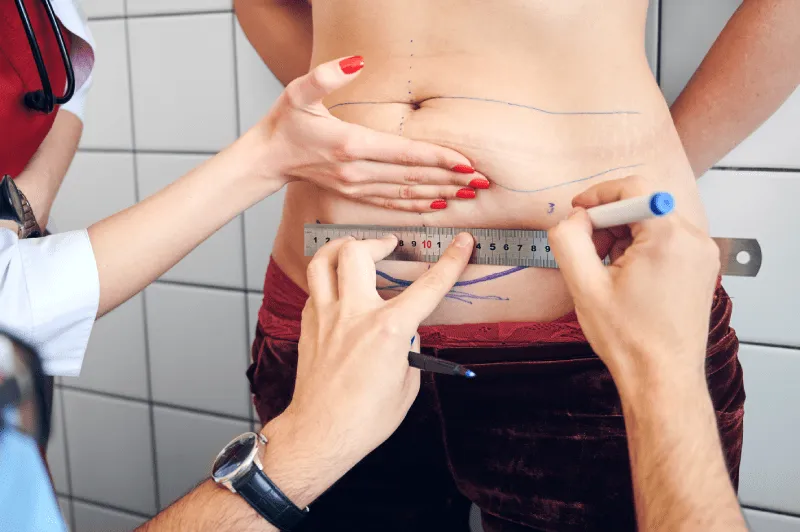
Choosing the correct size is usually a collaborative effort between the patient and the surgical team. Most clinics take detailed measurements of the waist, hips, and limbs prior to surgery to order a medical-grade garment. It is important to remember that your body size will fluctuate significantly during recovery. Initially, you will be swollen and may even appear larger than before surgery, but as the fluid leaves your body, the garment may become loose. Many patients find it helpful to have a smaller size on hand for later in the recovery process. Always prioritize garments specifically designed for post-surgical use rather than generic shapewear, as the latter lacks the necessary medical-grade pressure distribution.
Is It Possible to Sleep Comfortably While Wearing One?
Sleeping in a compression garment can be challenging during the first few nights, but it is entirely possible with a few adjustments. Since the garment must be worn 24/7, finding a comfortable sleeping position is key. Using extra pillows to elevate the treated area can help reduce pressure and further minimize swelling. For example, if you had abdominal liposuction, sleeping in a slightly reclined position or with a pillow under your knees can take the tension off your midsection. Breathable, high-quality fabrics also prevent overheating during the night. Most patients find that after 3-4 days, they become accustomed to the sensation of the garment, and it actually provides a sense of security that prevents painful tossing and turning.
Can You Take the Garment Off for Showering?
Yes, taking the garment off for showering is not only allowed but encouraged for hygiene purposes. However, timing is everything. During the first 48 to 72 hours, your surgeon might advise you to keep the garment on until the initial incisions have closed slightly. When you do take it off for the first time, it is common to feel a bit lightheaded or dizzy as the blood pressure in the treated area shifts; it is always best to have someone nearby during your first post-op shower. Keep the removal time brief—usually no more than 30 to 45 minutes—to ensure that swelling doesn’t have a chance to rebound. Once clean and dry, the garment should be replaced immediately.
How Do You Keep Your Compression Garment Clean?
Hygiene is paramount when wearing a garment that sits directly against surgical incisions. Because you are wearing it nearly 24 hours a day, sweat, oils, and small amounts of surgical drainage can accumulate quickly. Most surgeons recommend hand-washing the garment with a mild, hypoallergenic detergent to preserve the elastic fibers. It should be air-dried rather than put in a high-heat dryer, as extreme heat can damage the medical-grade Lycra or Spandex, causing the garment to lose its compression strength. Because of the drying time required, many patients find it indispensable to purchase two identical garments so they can wear one while the other is being laundered, ensuring uninterrupted compression.
Does Compression Help Minimize Post-Surgical Bruising?
Bruising occurs when small blood vessels are damaged during surgery, causing blood to leak into the surrounding tissues. Compression garments help minimize this by applying direct pressure to the capillaries, which helps stop internal bleeding faster. By holding the tissues firmly, the garment also prevents blood from spreading further through the tissue planes, which keeps bruises localized and less intense. Faster resolution of bruising doesn’t just improve your appearance; it also reduces the inflammatory response the body has to clear away the old blood, which in turn speeds up the entire recovery timeline. Most patients notice that their bruises fade significantly faster when they are diligent with their compression.
What Are the Risks of Not Using Compression?
The risks of avoiding compression garments range from aesthetic dissatisfaction to serious medical emergencies. On the medical side, the lack of support can lead to poor circulation and a higher risk of blood clots. There is also the risk of infection if the skin is allowed to sag and create folds where moisture and bacteria can thrive. Aesthetically, the risks include permanent skin irregularities, such as “waves” or “dents,” and significant sagging if the skin does not retract. In some cases, the scar tissue that forms in the absence of compression can become hard and painful (fibrosis), requiring expensive massage therapy or revision surgery to correct. Simply put, the risks far outweigh the minor inconvenience of wearing the garment.
Can Compression Garments Help Prevent Blood Clots?
One of the most serious potential complications of any surgery is Deep Vein Thrombosis (DVT), which occurs when a blood clot forms in a deep vein, usually in the legs. Liposuction, particularly when performed on the lower body, can temporarily affect blood flow. Compression garments, especially those that extend down the legs, act as a mechanical pump for the veins. By gently squeezing the limbs, they encourage blood to flow back toward the heart, preventing it from pooling and clotting in the extremities. Along with staying hydrated and taking short walks, wearing your compression garment as directed is one of the most effective ways to ensure your safety during the sedentary early days of recovery.
Are There Specific Garments for Different Body Areas?
Compression garments are not “one size fits all” in terms of design. They are meticulously engineered to provide targeted pressure to specific anatomical regions. For abdominal liposuction, a high-waisted girdle or binder is used. For the chin and neck, a specialized “chin strap” provides upward pressure. For the arms, sleeves that connect across the back ensure the garment doesn’t slip. For the “360-degree” liposuction or BBL (Brazilian Butt Lift), garments often have cutouts or thinner fabric over the buttocks to avoid compressing the newly transferred fat while still providing maximum support to the donor sites. Using the correct type of garment for your specific procedure is crucial for achieving the intended results.
How Do You Manage Itchiness Under the Garment?
It is very common for patients to experience itchiness under their compression garment as the skin heals and the nerves begin to “wake up.” However, scratching can be dangerous if it irritates the incision sites. To manage this, ensure that your skin is clean and dry before putting the garment on. Some patients find relief by wearing a thin, 100% cotton t-shirt or camisole under the medical garment to act as a soft barrier, provided the surgeon agrees it doesn’t compromise the compression. Additionally, using hypoallergenic, fragrance-free moisturizers on non-incisional areas can help soothe dry skin. If itchiness is accompanied by a rash, it may be an allergic reaction to the garment material, and you should contact your doctor.
Does the Type of Liposuction Affect Compression Needs?
The technology used during your liposuction can influence your recovery and compression requirements. For example, VASER (ultrasound-assisted) liposuction and Laser liposuction involve heat, which can cause slightly different inflammatory responses compared to traditional suction-assisted liposuction. VASER, in particular, is known for promoting skin tightening, and the compression garment is essential to support this process. Similarly, if you have “high-definition” liposuction, where the surgeon carves out the appearance of muscle, the garment must be worn with specialized foam inserts (ab-foams) to ensure the skin heals into the newly created grooves. Regardless of the method, the garment remains the primary tool for managing the body’s reaction to the procedure.
Can You Exercise While Wearing a Compression Garment?
In the initial weeks, strenuous exercise is forbidden, but light walking is highly encouraged. When your surgeon eventually clears you for more intense activity—usually around the 4-week mark—it is often recommended to continue wearing a Stage 2 compression garment or high-quality athletic compression gear during your workouts. Exercise increases blood flow and can cause temporary “rebound” swelling in the treated areas. Wearing a garment while you run, lift weights, or do yoga provides the necessary support to prevent this swelling and keeps the tissues stable during high-impact movements. It also gives the patient more confidence as they transition back into their fitness routine, feeling “held in” and protected.
When Can You Permanently Stop Wearing the Garment?
The “graduation” from your compression garment is a milestone that usually occurs between 6 to 8 weeks post-surgery. By this time, the majority of the internal healing is complete, the risk of seroma is gone, and the skin has largely adhered to its new position. However, some surgeons suggest wearing the garment for a few additional weeks during the night or during exercise if the patient still experiences minor swelling. The decision should always be based on your body’s specific progress. If you stop wearing the garment and notice a significant return of swelling or a feeling of “heaviness” in the area, it is a sign that your body isn’t quite ready, and you should continue use for another week or two.
Does Heat Affect the Comfort of Your Recovery Sleeve?
Heat can be a significant factor in recovery comfort, especially for patients undergoing surgery in the summer months. Compression garments can trap body heat, leading to sweating and potential skin irritation. To combat this, look for garments made from “power-net” fabrics or those with moisture-wicking properties. Keeping your indoor environment cool and staying well-hydrated will also help regulate your body temperature. If you find yourself overheating, you can take short “cooling breaks” during your daily shower, but try to avoid leaving the garment off for too long. Managing your temperature effectively will make the multi-week commitment to compression much easier to maintain.
Is It Better to Have Two Garments for Rotation?
Investing in a second compression garment is one of the best pieces of advice for any liposuction patient. Since the garment must be worn essentially all the time, having only one creates a stressful situation whenever it needs to be washed. With two garments, you can have one in the wash while wearing the other, ensuring that your body never goes more than a few minutes without the necessary support. Furthermore, elastic fibers need time to “rest” and regain their shape; rotating between two garments can actually extend the lifespan and effectiveness of both. It also ensures that you always have a clean, fresh-smelling garment, which significantly improves your psychological well-being during recovery.
What Should You Look for in High-Quality Material?
Not all compression garments are created equal. For medical-grade recovery, you should look for materials that offer a high percentage of Spandex or Lycra for consistent tension. The fabric should be breathable to prevent skin maceration and should have antimicrobial properties to reduce the risk of infection. High-quality garments often feature “flat-seam” technology or seams that face outward to prevent them from digging into your healing skin. Additionally, adjustable closures (like multiple rows of hooks) are beneficial because they allow you to tighten the garment as your swelling goes down. Avoiding cheap, “fast-fashion” shapewear in favor of reputable medical brands is an investment in your safety and final result.
Can Compression Garments Improve Lymphatic Drainage?
The lymphatic system is responsible for removing excess fluid and toxins from the body, but surgery can temporarily overwhelm this system. Compression garments provide a gentle, constant pressure that mimics the natural pumping action of the muscles, which encourages the movement of lymph fluid toward the lymph nodes. This is why many surgeons also recommend professional lymphatic drainage massages (MLD) in conjunction with wearing the garment. The two work together in harmony: the massage manually moves the fluid, and the garment ensures that it doesn’t flow back into the treated area. This dual approach is the gold standard for achieving a fast, complication-free, and “snatched” post-op look.
How Do You Transition Between Recovery Phases?
Transitioning from Stage 1 to Stage 2 and eventually to no garment at all should be a gradual process. Around week 3 or 4, as your incisions heal and your mobility increases, you will likely switch to the softer Stage 2 garment. This is a great time to start assessing how your body reacts when the garment is off for longer periods. If you transition too quickly and notice an increase in discomfort or a “loose” feeling in your skin, don’t be afraid to go back to the more supportive garment for a few more days. Listening to your body’s signals is the most important part of moving through the recovery phases successfully.
Why Should You Choose Cure Holiday for Your Surgery?
When it comes to a procedure as life-changing as liposuction, choosing the right partner for your journey is paramount. Cure Holiday stands out as a leader in medical tourism, specifically specializing in high-end cosmetic surgeries in Turkey. What sets Cure Holiday apart is their holistic approach to patient care. They don’t just book a surgery; they manage your entire experience, ensuring that every detail—from the choice of a board-certified surgeon to the quality of your post-operative compression garments—is handled with the utmost professionalism. Their commitment to excellence means you can focus entirely on your recovery while they handle the logistics of your medical journey.
Is Cure Holiday the Best Choice for Liposuction Packages?
Choosing Cure Holiday means choosing a comprehensive, all-inclusive package designed to eliminate the stress of international surgery. Their liposuction packages are meticulously curated to include not just the procedure itself, but also luxury accommodation, VIP transfers, and premium post-operative kits. Unlike other providers, Cure Holiday ensures that the garments provided to their patients are of the highest medical grade, specifically chosen to match the patient’s surgical needs. By providing top-tier surgeons and world-class hospital facilities, Cure Holiday offers a level of value and safety that is difficult to match elsewhere, making them the premier choice for international patients.
How Does Cure Holiday Support Your Post-Op Journey?
The relationship with Cure Holiday doesn’t end when you leave the operating room. Their dedicated aftercare team is one of their strongest assets, providing continuous support as you navigate the complexities of recovery, including the management of your compression garments. Whether you have questions about the fit of your garment, your swelling levels, or your activity restrictions, Cure Holiday‘s experts are just a message away. They provide detailed recovery guides and personalized advice, ensuring that you feel supported and confident every step of the way. This level of personalized follow-up is why so many patients trust Cure Holiday for their aesthetic transformations.
Why Is Turkey with Cure Holiday Ideal for Your Recovery?
Turkey has become the global hub for plastic surgery, and Cure Holiday is your gateway to the best the country has to offer. By combining the medical expertise of Turkey’s top surgeons with the comfort of a holiday-like recovery environment, Cure Holiday ensures that your healing process is as pleasant as possible. Imagine recovering in a luxury hotel with all your needs met, while receiving world-class medical attention. With Cure Holiday, you aren’t just a patient; you are a guest. Their seamless integration of high-quality surgery, expert aftercare, and premium recovery tools ensures that your liposuction journey is not only successful but truly transformative.
In summary, wearing a compression garment after liposuction is far more than a simple suggestion—it is a critical medical necessity. From controlling swelling and preventing fluid pockets to sculpting your final contours and ensuring your safety against blood clots, the garment is your most important ally in the weeks following surgery. While the process requires patience and discipline, the rewards of a smooth, tight, and beautifully contoured body are well worth the effort. By choosing a professional partner like Cure Holiday, you ensure that every aspect of your surgery and recovery—including the vital compression phase—is managed by experts who care about your results as much as you do. Ready to start your journey? Contact Cure Holiday today and take the first step toward the body you’ve always wanted.
Free Consultation
Fill out the form below to get your free medical travel plan and price quote.
Sources and how to verify this yourself
- Ministry of Health, Regulation on International Health Tourism and Tourist Health, Official Gazette 26 April 2025, No. 32882 — authorisation requirement for facilities and intermediaries, TÜSKA accreditation, compulsory complication insurance (deadline 31 December 2025 for insurance, 31 December 2026 for accreditation). source
- Ministry of Health, Regulation on Promotion and Information Activities in Health Services, Official Gazette 12 November 2025, No. 33075 — treatment promises and guarantees are prohibited; price and campaign announcements are permitted only within international health tourism. source