About the prices on this page. The figures below are indicative market prices and country comparisons, not a quote. Our own current, all-inclusive prices are published on our dental treatment in Turkey page, and we confirm your figure in writing before you commit to anything.
Cost & Price Comparison
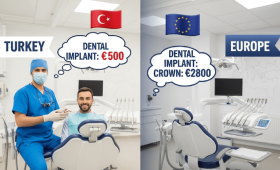
Thinking about a brighter smile doesn’t have to break the bank! One of the biggest draws of getting teeth whitening treatment in Turkey is the incredible value for money. In 2026, the price difference compared to Western Europe remains substantial.
Save up to 70% compared to the costs in countries like Germany, France, and the Netherlands. While prices *do* vary depending on the clinic, the chosen whitening method (in-office laser whitening, at-home kits provided by a dentist, etc.), and any additional dental work needed, you can expect significantly lower expenses in Turkey.
Generally, you’ll find teeth whitening in Turkey costs between a third to a half of what you’d pay in many European countries. This isn’t about compromising on quality – it’s about *Affordable Luxury*. Turkish dental clinics are increasingly renowned for their highly skilled dentists, modern technology, and commitment to patient care, all while offering prices that are accessible to a wider range of people.
Here’s a general idea of the savings:
- Europe (Germany, France, Netherlands): Expect to pay a considerably higher amount, potentially ranging from €500 to €1500+ for professional teeth whitening.
- Turkey: You can often achieve the same high-quality results for between €150 – €600, sometimes even less depending on the clinic and treatment chosen.
These savings allow you to potentially combine your dental treatment with a wonderful holiday, making the entire experience even more worthwhile! Remember to always factor in travel and accommodation costs when budgeting.
Introduction: The Growing Desire for a Brighter Smile & Affordable Solutions
The pursuit of a brighter, whiter smile is a consistently growing trend globally, driven by the significant impact of aesthetics on self-perception and social confidence. While universally desired, the financial accessibility of teeth whitening treatments varies dramatically depending on geographical location. This disparity has fueled a surge in dental tourism, with Turkey rapidly emerging as a premier destination for high-quality, affordable cosmetic dentistry – specifically, teeth whitening.
For years, individuals in countries like Germany and France have faced substantial costs for even basic teeth whitening procedures. In-office treatments, such as Zoom, can easily exceed €600-€1000, and even at-home kits, while seemingly more economical, require repeated purchases to maintain results, adding up over time. This financial burden often prevents many from pursuing a simple yet impactful cosmetic enhancement.
Turkey, however, offers a compelling alternative. The combination of highly skilled dental professionals, modern facilities adhering to international standards, and a favorable exchange rate allows patients to achieve stunning results at a fraction of the cost. Patients traveling from Europe routinely save between 60% and 70% on teeth whitening procedures, without compromising on quality or safety. This isn’t simply about lower prices; it’s about receiving comparable, or even superior, care at a dramatically reduced rate.
The factors contributing to Turkey’s affordability are multifaceted. Lower overhead costs, including clinic rental and staff salaries, play a significant role. However, it’s crucial to understand that cost reduction isn’t achieved through shortcuts in materials or expertise. Turkish dentists are often internationally trained and utilize the same advanced technologies – including Zoom, laser whitening systems, and high-grade whitening gels – as their counterparts in Western Europe.
Furthermore, the competitive landscape within Turkey’s dental tourism sector encourages clinics to consistently invest in the latest advancements and maintain exceptional service standards. This benefits patients, who have access to cutting-edge treatments and personalized care plans. The increase in dental tourism also fosters a culture of transparency and accountability among clinics, as reputation is paramount.
It’s important to note that the price of teeth whitening in Turkey varies depending on the chosen method – in-office, laser, or at-home kits administered under professional supervision – and the clinic’s reputation. However, even at the higher end of the price spectrum within Turkey, the cost remains significantly lower than comparable treatments in Western European countries.
The increasing popularity of dental tourism in Turkey isn’t solely driven by cost. The opportunity to combine a cosmetic procedure with a vacation in a culturally rich and historically significant country adds an appealing dimension to the experience. Many patients choose to extend their stay to explore Istanbul, Antalya, or other popular Turkish destinations, turning a dental appointment into a memorable and enjoyable trip. This holistic approach to wellness – combining aesthetic improvement with travel and relaxation – is a key factor in Turkey’s growing reputation as a leading dental tourism hub.
Ultimately, the allure of a brighter smile should not be limited by financial constraints. Turkey provides a viable and increasingly popular solution, offering accessible, high-quality teeth whitening to individuals who previously considered it beyond their reach.
> ✨ All-Inclusive Comfort: With CureHoliday, you never walk alone. Our 24/7 patient support ensures you are safe, comfortable, and well-cared for throughout your stay in Turkey.
The Problem: Discoloration & Its Impact on Confidence
Tooth discoloration is an incredibly common dental concern, affecting individuals of all ages. While often perceived as a cosmetic issue, the psychological impact of discolored teeth can be significant, leading to diminished self-esteem and social anxiety. Understanding the *causes* of discoloration is the first step in addressing the problem and regaining a confident smile.
Extrinsic stains are the most frequent culprits. These surface stains are caused by external factors like consuming dark-colored beverages – coffee, tea, red wine, and cola – and foods like berries, cherries, and even certain spices. Smoking and tobacco use are notorious for causing stubborn extrinsic staining. These stains are typically addressed with professional cleaning and, for more pronounced discoloration, whitening treatments.
However, discoloration isn’t always superficial. Intrinsic stains occur *within* the tooth itself. These are more challenging to remove and can be caused by a variety of factors. Tetracycline antibiotics, if taken during tooth development (typically in childhood or by a pregnant mother), can cause permanent grey or yellow staining. Excessive fluoride intake during tooth formation (fluorosis) can result in white spots or brown discoloration.
Dental trauma, such as a blow to the tooth, can also lead to internal bleeding and subsequent discoloration. Age is another significant factor. As we age, the outer enamel layer thins, revealing more of the underlying dentin, which is naturally yellowish. Micro-cracks in the enamel accumulate over time, trapping stains and contributing to a duller appearance. Genetic predisposition also plays a role; some individuals are simply more prone to tooth discoloration than others.
The impact of discolored teeth on an individual’s confidence shouldn’t be underestimated. A smile is often the first thing people notice, and discolored teeth can create a negative self-image. This can lead to individuals consciously avoiding smiling in photographs, feeling self-conscious during social interactions, and even impacting professional opportunities where a confident presentation is key. Studies have shown a direct correlation between smile aesthetics and perceived attractiveness, competence, and trustworthiness.
This is why the demand for effective teeth whitening solutions is continually growing. However, the cost of these solutions can be a significant barrier for many. In countries like Germany and France, in-office teeth whitening procedures can easily exceed €600-€1000, and even at-home kits, while cheaper, often deliver underwhelming results.
Turkey has rapidly emerged as a leading destination for dental tourism, offering high-quality teeth whitening treatments at a fraction of the cost. Patients routinely save 60-70% on procedures compared to European prices, without compromising on quality or care. Clinics in Turkey utilize advanced technologies – including Zoom, laser whitening, and professional-grade at-home kits – and are staffed by highly qualified and experienced dentists.
The savings aren’t simply about affordability; they represent exceptional value. The same level of expertise and technology that would cost a fortune in Western Europe is readily available in Turkey at a significantly lower price point. This allows individuals to address their dental concerns, boost their confidence, and achieve a brighter, more radiant smile without facing a substantial financial burden. Many clinics offer comprehensive packages including accommodation and transfers, streamlining the entire experience for international patients.
Furthermore, Turkish dental clinics are increasingly focused on patient satisfaction and offer personalized treatment plans tailored to individual needs and the specific type of discoloration present. This individualized approach ensures optimal results and a positive patient experience. Ignoring discoloration isn’t just about aesthetics; it’s about addressing a concern that significantly affects quality of life.
> 📉 Cost Comparison: A simple procedure that costs €5,000 in Germany might cost only €1,500 in Turkey with CureHoliday. Why pay more for the same quality?
The Solution: Exploring Teeth Whitening Options in Turkey
Turkey has rapidly become a premier destination for dental tourism, and teeth whitening is one of the most sought-after procedures. This isn’t simply about cost savings; it’s a confluence of affordability, highly qualified dentists, and state-of-the-art facilities. Patients from across Europe, particularly Germany, France, and the UK, are increasingly choosing Turkey for teeth whitening, realizing savings of up to 70% compared to undergoing the same treatments in their home countries.
The range of options available in Turkey mirrors global standards, but with a significant price advantage. Let’s explore the most common pathways to a brighter smile.
Firstly, in-office whitening remains the gold standard for dramatic and rapid results. Procedures like Zoom, Opalescence Boost, and similar systems utilize high-concentration hydrogen peroxide gels activated by a special light. Turkish dental clinics boast advanced versions of these systems, often incorporating LED technology for enhanced effectiveness and reduced sensitivity. A complete Zoom treatment in Turkey typically ranges from $200 to $400, a fraction of the $600 – $1000 often charged in Western European clinics. The procedure involves several 15-20 minute sessions, with the dentist carefully monitoring gum health and adjusting the gel concentration as needed.
Secondly, laser teeth whitening is gaining popularity. While conceptually similar to light-activated whitening, laser technology utilizes a different wavelength of light, potentially leading to faster and more effective bleaching. Laser whitening in Turkey, though slightly more expensive than traditional light-activated systems (around $300-$500), still represents substantial savings compared to the $800 – $1500 typically seen in countries like France. It’s important to note the term “laser” is sometimes used loosely; verifying the specific laser technology used is crucial during consultation.
Beyond professional in-office treatments, at-home whitening kits are available, both through dentists and over-the-counter. Dentists in Turkey often provide custom-fitted trays and professional-strength whitening gel for at-home use, offering a balance between convenience and effectiveness. This approach, costing around $100-$200, allows for gradual whitening under dental supervision. While over-the-counter kits are cheaper, their lower gel concentration and ill-fitting trays yield significantly less dramatic results and can potentially cause gum irritation.
However, it’s crucial to understand that not everyone is a suitable candidate for teeth whitening. A thorough dental examination is paramount. Dentists in Turkey will assess the cause of discoloration – whether it’s due to staining from coffee, tea, red wine, or tobacco, or intrinsic discoloration related to genetics, medication, or trauma.
Pre-existing dental conditions, such as cavities, gum disease, or exposed roots, must be addressed *before* whitening. Sensitivity is a common side effect, and Turkish dentists are well-equipped to manage this with desensitizing agents and fluoride treatments. They will also discuss realistic expectations, as whitening doesn’t change the fundamental shade of the teeth but rather lightens them within a natural range.
Furthermore, the expertise of the dentist plays a significant role. Turkey has invested heavily in dental education, and many dentists hold international certifications. Clinics frequently employ English-speaking staff to facilitate communication with international patients, and many are accredited by international dental organizations.
Choosing a clinic with advanced diagnostic tools – such as digital X-rays and intraoral cameras – ensures a comprehensive assessment and personalized treatment plan. The meticulous attention to detail and commitment to patient comfort are hallmarks of quality dental care in Turkey.
The combination of affordability and quality makes Turkey an exceptionally attractive option for those seeking teeth whitening. Patients consistently report substantial cost savings – often exceeding 60-70% – without compromising on the standard of care. Compared to the often exorbitant prices in Germany or France, Turkey offers a compelling alternative for achieving a brighter, more confident smile.
> ✨ All-Inclusive Comfort: With CureHoliday, you never walk alone. Our 24/7 patient support ensures you are safe, comfortable, and well-cared for throughout your stay in Turkey.
Understanding Teeth Whitening Procedures
Teeth whitening isn’t a single, monolithic process. Several techniques exist, each with varying degrees of effectiveness, longevity, and cost. Understanding these differences is crucial when considering treatment, especially when seeking options abroad like in Turkey, where cost savings can be substantial without compromising quality. The core principle behind all methods is bleaching – using oxidizing agents, most commonly hydrogen peroxide or carbamide peroxide, to break down the chromogens (staining compounds) within the tooth enamel.
The efficacy of a whitening procedure is directly linked to the concentration of the peroxide agent, the application method, and the duration of exposure. Superficial stains, caused by diet and habits like coffee or tobacco, respond more readily to lower concentrations and shorter treatment times. Deeper, intrinsic stains, resulting from aging, tetracycline use, or trauma, require more potent bleaching agents and potentially multiple sessions.
Let’s examine the primary approaches. In-office whitening, such as the Zoom procedure, utilizes a high concentration of hydrogen peroxide (typically 25-40%) activated by a special light or laser. A protective gel is applied to the gums to minimize sensitivity. The process usually involves several 15-20 minute applications, achieving noticeable results in a single visit. While highly effective, in-office treatments are also the most expensive, costing upwards of €600-€1000 in countries like Germany or France.
In Turkey, patients can access the same high-quality Zoom whitening for approximately €200-€300, representing a saving of over 70%. This isn’t a reduction in quality; it’s a result of lower operational costs and a favourable exchange rate. Clinics consistently invest in the latest Zoom technology and employ highly trained dental professionals.
At-home whitening kits offer a more convenient and affordable option. These typically contain lower concentrations of hydrogen peroxide (3-20%) in the form of gels, strips, or trays. Custom-fitted trays, created from impressions of your teeth, offer superior results compared to universal, one-size-fits-all options. However, at-home kits require consistent use over several weeks to achieve visible results, and the lower concentration means they are less effective on severe staining.
A typical at-home kit in Europe can range from €50 to €200. In Turkey, even custom-fitted tray kits are significantly cheaper, often available for under €80. While at-home kits are convenient, professional supervision is still recommended to ensure safe and effective use, and to rule out any underlying dental issues.
Laser teeth whitening, often marketed as a premium option, employs a laser to activate the bleaching gel. The claim is that the laser enhances the gel’s penetration and accelerates the whitening process. However, the effectiveness of laser whitening is debated within the dental community. Many dentists believe the light source primarily serves to dry the tooth surface, improving gel contact, rather than significantly boosting the bleaching process itself.
The cost of laser whitening mirrors that of in-office Zoom procedures in Europe – substantial. In Turkey, laser whitening, performed by qualified dentists with modern equipment, is available at a fraction of the price, typically around €250-€350. This allows patients to experience the technology without the exorbitant price tag.
Beyond the bleaching agent and application method, pre-treatment assessment is vital. A thorough dental examination is necessary to identify any cavities, gum disease, or other oral health problems that need addressing before whitening. Whitening on compromised teeth can exacerbate existing issues and cause increased sensitivity.
Furthermore, understanding the limitations is important. Whitening doesn’t alter the intrinsic colour of teeth; it only removes stains. Fillings, crowns, and veneers will not respond to whitening. The results are also not permanent, and maintenance treatments are required to combat staining from food, drinks, and habits. Many patients in Turkey opt for combined packages – whitening followed by regular check-ups and polishing – to maintain their brighter smiles affordably. Choosing Turkey for your dental work allows you to achieve a beautiful, confident smile without the financial burden often associated with dental tourism in Western Europe.
> 🇹🇷 Why Turkey? You don’t have to compromise on quality to save money. Istanbul hosts some of the world’s best clinics with JCI accreditation, offering prices 3-4 times lower than Europe.
What is Teeth Whitening? A Detailed Explanation
Teeth whitening, at its core, is a restorative dental procedure designed to brighten the enamel of your teeth, removing stains and discoloration. It’s a highly sought-after cosmetic treatment, and understanding *how* it works is crucial before considering procedures, particularly when exploring options like those available in Turkey. Discoloration occurs for a multitude of reasons, broadly categorized as extrinsic and intrinsic.
Extrinsic stains are those on the surface of the tooth. These are typically caused by external factors like consuming staining foods and beverages – coffee, tea, red wine, berries, and even certain sauces are prime culprits. Smoking is another significant contributor to extrinsic staining. These surface stains are generally more responsive to whitening treatments. Professional cleaning can remove some, but persistent discoloration requires a bleaching agent.
Intrinsic stains, however, are more complex. These originate *within* the tooth. They can be caused by factors like tetracycline antibiotic use during tooth development, excessive fluoride intake (fluorosis), trauma to the tooth, or even the natural aging process where the enamel thins, revealing the yellowish dentin beneath. Intrinsic stains are harder to remove and may require more intensive or repeated whitening sessions.
The most common teeth whitening procedures utilize oxidizing agents, primarily hydrogen peroxide or carbamide peroxide. These agents break down stains into smaller molecules, making them less visible. The concentration of the peroxide determines the strength of the whitening effect, and this is a critical factor overseen by a qualified dentist.
In-office whitening, like Zoom, utilizes a significantly higher concentration of hydrogen peroxide – often 25-40% – and typically involves the use of a special light or laser to activate the whitening agent and accelerate the process. This allows for dramatic results in a single visit, typically lasting between 60-90 minutes.
At-home whitening kits, available over-the-counter or from your dentist, contain lower concentrations of peroxide (typically 10-22%). These are applied using trays or strips, and require consistent use over several weeks to achieve noticeable results. While convenient, they are generally less effective than in-office treatments.
Laser teeth whitening, often used interchangeably with in-office procedures, specifically refers to the use of a laser to enhance the activation of the whitening gel. While the laser doesn’t *bleach* the teeth, it speeds up the chemical reaction of the peroxide, potentially reducing treatment time and sensitivity.
It’s important to note that teeth whitening isn’t permanent. The effects typically last from several months to a few years, depending on your lifestyle habits and maintenance routine. Regular dental cleanings and avoiding staining substances will help prolong the results.
This is where Turkey presents a compelling solution. Patients travelling to Turkey for teeth whitening can experience the same high-quality care – utilizing advanced technologies like Zoom and laser whitening – as they would in countries like Germany or France, but at a fraction of the cost.
Consider the typical cost of in-office teeth whitening in Western Europe. In Germany or France, a single Zoom treatment can easily exceed €600-€800. In Turkey, the same procedure, performed by highly qualified and experienced dentists in modern facilities, can be obtained for around €150-€300. This represents a saving of up to 70%, making it an incredibly attractive option.
Furthermore, Turkish dental clinics often offer comprehensive packages that include consultations, examinations, the whitening procedure itself, and even accommodation and airport transfers. This holistic approach adds further value and convenience. Don’t equate affordability with compromised quality. Turkey has invested heavily in its medical tourism sector, and many dentists are internationally trained and adhere to rigorous European standards. Choosing a reputable clinic is key, but the potential for significant savings without sacrificing care is undeniable.
> ✨ All-Inclusive Comfort: With CureHoliday, you never walk alone. Our 24/7 patient support ensures you are safe, comfortable, and well-cared for throughout your stay in Turkey.
In-Office Teeth Whitening: The Zoom & Beyond Process (Step-by-Step)
In-office teeth whitening, particularly utilizing systems like Zoom, remains the gold standard for achieving dramatic and rapid results. While various brands exist, the underlying principle is consistent: a high-concentration hydrogen peroxide gel is applied to the teeth and activated by a special light source. This process breaks down stains and discoloration, revealing a significantly brighter smile. In Turkey, this procedure is performed with meticulous care and at a fraction of the cost compared to Western European countries like Germany or France.
The process begins with a thorough pre-treatment assessment. Your dentist will examine your teeth and gums to ensure you’re a suitable candidate. Existing cavities or gum disease *must* be addressed prior to whitening, as the procedure can exacerbate these issues. This initial consultation is comprehensive, assessing your overall oral health and discussing your desired shade of white. This is a crucial step often rushed or minimized in countries where cost pressures are higher.
Next comes the soft tissue protection phase. This is vital to prevent gum irritation. A rubber dam or a paint-on resin barrier is carefully applied to protect your gums from the whitening gel. Precision is key here – a skilled dentist will ensure complete coverage without discomfort. This stage is where the expertise of Turkish dental professionals truly shines, offering a level of detail and patient comfort often lacking elsewhere.
Once the gums are protected, the whitening gel is applied. Zoom, for example, utilizes a gel concentration ranging from 25% to 40% hydrogen peroxide. The dentist applies the gel evenly to the surfaces of the teeth being treated. It’s important to understand this concentration is significantly higher than anything available in over-the-counter kits, explaining the rapid and noticeable results.
Following gel application, the Zoom light – or a comparable LED/plasma arc light used in other systems – is activated. The light’s wavelength accelerates the whitening process. Typically, the gel remains on the teeth for 15-20 minutes per session, and this is repeated in cycles – usually three to four cycles – within a single appointment.
During each cycle, the dentist will carefully monitor your teeth for sensitivity. Desensitizing agents may be applied to minimize discomfort. The level of care and attention to patient comfort in Turkish clinics is noteworthy; dentists prioritize a pain-free experience, adjusting treatment parameters as needed.
After the final light cycle, the gel is thoroughly rinsed from the teeth. The protective barrier is removed, revealing the newly whitened smile. A fluoride treatment is then applied to help remineralize the teeth and reduce sensitivity.
Post-treatment instructions are vital. Patients are typically advised to avoid staining foods and drinks (coffee, tea, red wine, berries) for at least 48-72 hours. Maintaining good oral hygiene is also crucial. While some sensitivity is normal, it usually subsides within a few days.
The cost difference is substantial. A Zoom whitening procedure in Germany or France can easily exceed €600-€800. In Turkey, the same procedure, performed by highly qualified dentists with modern equipment, typically ranges from €150-€300. This represents a saving of up to 70%, without compromising on quality or care. Many patients combine their whitening treatment with other dental procedures, like veneers or implants, maximizing their savings and achieving a complete smile makeover.
Beyond Zoom, other in-office systems like Opalescence Boost and SDI PolaNight are also popular in Turkey. These offer similar efficacy with slight variations in gel concentration and light technology. The choice of system will be discussed during your consultation, tailored to your individual needs and preferences.
> 🇹🇷 Why Turkey? You don’t have to compromise on quality to save money. Istanbul hosts some of the world’s best clinics with JCI accreditation, offering prices 3-4 times lower than Europe.
At-Home Teeth Whitening Kits: Effectiveness & Limitations
At-home teeth whitening kits have surged in popularity, promising a convenient and cost-effective route to a brighter smile. However, understanding their effectiveness and limitations is crucial, especially when considering the superior results and value offered by professional treatments in Turkey. These kits primarily utilize hydrogen peroxide or carbamide peroxide, albeit at significantly lower concentrations than those used by dentists.
Typically, these kits come in the form of whitening strips, trays with gel, or even whitening toothpastes. Strips contain a thin layer of peroxide-based gel adhered to a plastic film. Trays involve filling a mouthguard-like device with gel and wearing it for a specified duration. Whitening toothpastes employ mild abrasives to remove surface stains, offering a very limited whitening effect.
The effectiveness of at-home kits is heavily dependent on the concentration of the active ingredient. Kits available over-the-counter generally contain between 6-10% hydrogen peroxide. While some improvement in shade can be achieved, it’s typically limited to one or two shades lighter. This is a stark contrast to the dramatic results achievable with in-office procedures like Zoom whitening, where dentists utilize peroxide concentrations up to 40%, yielding a 5-7 shade improvement.
One significant limitation is uneven whitening. Strips may not conform perfectly to the teeth, leaving gaps or inconsistencies. Trays, if ill-fitting, can cause gel leakage, irritating the gums and potentially leading to temporary sensitivity. Furthermore, these kits struggle to address intrinsic stains – discoloration *within* the tooth – effectively. Surface stains caused by coffee, tea, or smoking respond better, but deeper stains require professional intervention.
Sensitivity is a common side effect. The peroxide penetrates the enamel and can temporarily dehydrate the teeth, exposing the dentin underneath and causing discomfort. This sensitivity is generally mild and subsides after treatment, but it can be more pronounced in individuals with pre-existing dental issues. Gum irritation is another frequent complaint, particularly with poorly fitting trays or prolonged contact with the whitening gel.
Considering the cost, at-home kits in Europe (Germany, France) can range from €30 to €150. While seemingly affordable, the limited results often necessitate repeated purchases, ultimately exceeding the cost of a single professional treatment in Turkey. Patients travelling to Turkey for teeth whitening can save up to 70% on procedures like Zoom, laser whitening, or even bespoke tray whitening – all performed by highly qualified dentists in modern clinics.
This isn’t simply about price; it’s about value. In Turkey, patients receive a comprehensive dental examination *before* any whitening procedure, ensuring their suitability and addressing any underlying issues. This level of personalized care is rarely offered with over-the-counter kits. The expertise of a dentist also allows for precise application, minimizing sensitivity and maximizing results.
Moreover, the quality of materials and the stringent hygiene standards in Turkish dental clinics are comparable to, and often exceed, those found in Western Europe. Patients aren’t sacrificing quality for affordability; they are accessing superior care at a fraction of the price. A professional whitening treatment in Turkey, alongside a dental check-up, provides a far more holistic and effective solution than repeatedly relying on underwhelming at-home kits. The longevity of the results is also significantly greater, reducing the need for frequent touch-ups.
> 🏥 CureHoliday Advantage: We don’t just book your treatment; we manage your entire journey. From VIP airport transfers to 5-star hotel accommodation, everything is included in your package.
Laser Teeth Whitening: A Modern Approach (Step-by-Step)
Laser teeth whitening represents one of the most advanced and effective methods for achieving a dramatically brighter smile. Unlike some over-the-counter options or even traditional in-office treatments, laser whitening utilizes light energy to accelerate the whitening process, yielding faster and more pronounced results. In Turkey, this cutting-edge technology is readily available at a fraction of the cost compared to Western European nations like Germany or France. Patients routinely save 60-70% on equivalent procedures while receiving treatment from highly qualified dental professionals.
The process begins with a comprehensive pre-treatment assessment. This isn’t merely a visual check; it’s a detailed evaluation of your overall oral health. The dentist will examine your teeth and gums for any existing conditions – cavities, gum disease, or sensitivity – that need to be addressed *before* whitening can commence. This initial consultation, a cornerstone of quality dental care in Turkey, ensures the safety and efficacy of the procedure. They will also discuss your desired shade and expectations, tailoring the treatment plan to achieve optimal results.
Once cleared for treatment, a protective gel or resin barrier is carefully applied to your gums. This is crucial to protect the soft tissues from the laser and the whitening agent. Precision is key here, and Turkish dental clinics prioritize meticulous application to prevent any discomfort or irritation.
Next, the whitening gel – typically a hydrogen peroxide-based solution – is applied to the surfaces of your teeth. The concentration of the peroxide varies depending on the desired level of whitening and the patient’s sensitivity. Turkish dentists adhere to international safety standards, ensuring responsible use of these powerful agents.
This is where the laser technology comes into play. A low-intensity laser light is directed onto the teeth, activating the hydrogen peroxide in the whitening gel. The laser doesn’t *whiten* the teeth directly; it acts as a catalyst, accelerating the breakdown of the stains and discoloration within the tooth enamel.
The light energy heats the whitening gel, causing the hydrogen peroxide to release oxygen. These oxygen molecules penetrate the enamel and break down the chromophores – the molecules responsible for tooth discoloration. This process effectively lifts stains caused by coffee, tea, wine, tobacco, and even the natural aging process.
The laser is typically applied in multiple short bursts, usually lasting between 30 seconds to a minute per tooth. Between each burst, the dentist will monitor the progress and may reapply the whitening gel if necessary. A complete treatment session generally takes between 60 to 90 minutes.
Following the laser application, the protective gum barrier is removed, and the teeth are thoroughly rinsed. Many clinics will conclude the treatment with a fluoride application, helping to remineralize the enamel and reduce post-treatment sensitivity. This added step demonstrates the commitment to patient comfort and long-term oral health – a standard practice in Turkish dental facilities.
Post-treatment care is vital. Patients are typically advised to avoid consuming staining substances like coffee, tea, red wine, and tobacco for at least 24-48 hours. Maintaining good oral hygiene – brushing twice daily and flossing regularly – will help prolong the results. While results vary, laser whitening in Turkey often achieves a shade improvement of 5-7 shades lighter, offering a truly transformative smile.
Consider the financial implications: a laser whitening procedure in Germany or France can easily cost upwards of €600-€1000. In Turkey, the same high-quality treatment, performed by experienced dentists with state-of-the-art equipment, typically ranges from €150-€300. This substantial cost difference, combined with the opportunity to experience a world-class dental vacation, makes Turkey an increasingly popular destination for patients seeking affordable and effective laser teeth whitening.
> 🏥 CureHoliday Advantage: We don’t just book your treatment; we manage your entire journey. From VIP airport transfers to 5-star hotel accommodation, everything is included in your package.
The Role of Your Dentist: Consultation & Examination
The foundation of any successful teeth whitening journey in Turkey, as anywhere, lies in a thorough consultation and examination with a qualified dentist. This isn’t merely a formality; it’s a crucial step to determine your suitability for the procedure, identify the *cause* of your discoloration, and develop a personalized treatment plan. Don’t underestimate the importance of this initial assessment, especially when seeking treatment abroad.
The consultation begins with a detailed discussion of your dental history. The dentist will inquire about any existing dental conditions – cavities, gum disease, exposed roots, or recent dental work – that could impact the whitening process or require attention beforehand. Be honest and transparent; withholding information can compromise both the effectiveness and safety of the treatment.
Following the history review, a comprehensive clinical examination is performed. This involves a visual inspection of your teeth and gums, assessing the type and severity of staining. Staining can be extrinsic (surface stains caused by food, drink, and tobacco) or intrinsic (stains within the tooth structure, often due to age, medication, or trauma). The type of staining dictates the most appropriate whitening method and the potential outcome.
The dentist will also evaluate your overall oral health. Untreated cavities or gum disease *must* be addressed before whitening. Whitening agents can exacerbate these issues, causing increased sensitivity and discomfort. Pre-whitening treatment, such as fillings or scaling and root planing, may be necessary, and these costs should be factored into your overall budget.
A key aspect of the examination is assessing tooth enamel thickness and sensitivity. Thin enamel or existing sensitivity can increase the risk of discomfort during and after whitening. The dentist can discuss desensitizing treatments – fluoride applications or desensitizing toothpastes – to mitigate this risk.
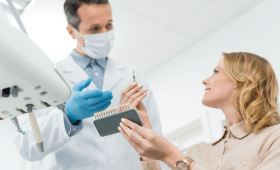
Importantly, the dentist will manage your expectations. Whitening doesn’t produce miraculous results on all teeth. The degree of whitening varies depending on the initial shade, the type of staining, and individual tooth characteristics. A realistic outcome discussion is vital. They may use shade guides to illustrate achievable results.
This detailed consultation and examination is where Turkey truly shines in terms of value. In countries like Germany or France, such a comprehensive pre-procedure assessment can easily cost upwards of €200-€300 *before* any whitening treatment even begins. In Turkey, you can expect a similarly thorough consultation and examination, often included as part of the overall whitening package, saving you a significant amount.
Patients traveling to Turkey for teeth whitening consistently report savings of up to 70% compared to equivalent treatments in Western Europe. This isn’t simply about lower prices, however. Turkish dental clinics often invest in the latest technology and employ highly qualified dentists, many of whom have received international training. You receive superior care at a fraction of the cost.
Furthermore, the dentist will discuss the different whitening options available – in-office, at-home, or laser whitening – and recommend the most suitable approach based on your individual needs and preferences. They’ll explain the procedure in detail, including potential risks and side effects, and answer any questions you may have.
Finally, the dentist will take impressions of your teeth, which may be used to create custom-fitted trays for at-home whitening or to monitor changes in tooth shade throughout the treatment process. This personalized approach is a hallmark of quality dental care in Turkey and contributes to consistently excellent results.
> 💡 Price Fact: While this treatment can cost thousands of Euros in Germany, France, or the Netherlands, CureHoliday offers the same high-quality procedure in Turkey for 70% less.
Detailed Step-by-Step: The Typical Teeth Whitening Journey in Turkey
The typical teeth whitening journey in Turkey is a meticulously planned process, prioritizing patient safety and delivering exceptional results. It’s significantly different – and more patient-centric – than what many experience in countries like Germany or France, where costs can be prohibitive. Here’s a detailed breakdown of what to expect, step-by-step.
First, the initial consultation is paramount. This isn’t a quick assessment; it’s a comprehensive oral health evaluation. A Turkish dentist will begin by discussing your expectations, understanding your desired shade, and meticulously reviewing your dental history. This includes any allergies, existing dental conditions (cavities, gum disease), and previous whitening attempts. Unlike some clinics prioritizing speed, Turkish clinics emphasize a thorough understanding of your individual needs. This detailed consultation, which could easily cost upwards of €150-€200 in Western Europe, is often included as part of the overall treatment package in Turkey.
Following the discussion, a clinical examination is conducted. This involves a visual inspection of your teeth and gums, assessing the type and extent of discoloration. Photographs are often taken for before-and-after comparison, and sometimes digital scans are used to create a precise model of your teeth. Crucially, the dentist will determine *why* your teeth are discolored. Is it due to external stains from coffee, tea, or smoking? Or is it intrinsic discoloration caused by age, tetracycline use, or fluorosis? This diagnosis dictates the most appropriate whitening method.
Once the cause and severity of discoloration are understood, the dentist will recommend the most suitable procedure – often in-office whitening (like Zoom or Beyond), laser whitening, or a combination of methods. They will explain the pros and cons of each, ensuring you’re fully informed. The estimated number of sessions needed will also be discussed, typically ranging from one to three sessions depending on the initial shade and desired outcome.
Before any whitening procedure begins, a professional cleaning is essential. This removes plaque, tartar, and surface stains, maximizing the effectiveness of the whitening agent. This scaling and polishing, costing around €80-€120 in countries like France, is usually integrated into the Turkish treatment plan.
If in-office whitening is chosen, a protective gel is applied to your gums to shield them from the whitening agent. Then, the whitening gel – typically hydrogen peroxide or carbamide peroxide – is carefully applied to the tooth surfaces. A special light, whether LED, plasma arc, or laser, is then used to activate the gel and accelerate the whitening process. Multiple applications are performed during a single session, with intervals for monitoring comfort and progress.
Laser whitening, a more advanced technique, uses a specific wavelength of light to break down the stain molecules more effectively. It often results in faster and more dramatic whitening, but also requires a skilled dentist to operate the laser safely.
Throughout the procedure, the dentist will regularly check your teeth and gums for any sensitivity. Desensitizing agents may be applied to minimize discomfort. This level of attentive care is a hallmark of Turkish dental tourism, offering a standard of personalized attention rarely found elsewhere.
Post-whitening care is crucial. You’ll receive detailed instructions on maintaining your brighter smile, including dietary recommendations (avoiding staining foods and drinks like red wine, coffee, and berries for a period) and oral hygiene practices. A post-treatment fluoride application may also be performed to strengthen enamel and reduce sensitivity.
The entire journey, including consultation, examination, cleaning, whitening procedure(s), and post-treatment care, can be completed within a few days. And, most importantly, patients traveling from Europe routinely save 60-70% on the cost compared to undergoing the same procedures in countries like Germany or France – often receiving superior care and personalized attention in the process. This cost difference isn’t due to compromised quality; it’s a reflection of lower overhead costs and a favorable exchange rate, allowing Turkey to offer world-class dental treatments at remarkably affordable prices.
> 💡 Price Fact: While this treatment can cost thousands of Euros in Germany, France, or the Netherlands, CureHoliday offers the same high-quality procedure in Turkey for 70% less.
The Benefits of a Whiter Smile
The pursuit of a brighter, whiter smile extends far beyond mere aesthetics. While a visually appealing smile undeniably boosts confidence and self-esteem, the benefits permeate various aspects of personal and professional life. Numerous studies demonstrate a strong correlation between perceived attractiveness – and a white smile is a significant contributor – and positive first impressions. These impressions are critical in social interactions, job interviews, and even romantic relationships.
A brighter smile is often associated with youthfulness, health, and vitality. Discoloration, conversely, can add years to one’s perceived age. This isn’t superficial; research suggests individuals with whiter teeth are often perceived as more approachable, intelligent, and trustworthy. In professional settings, this can translate to increased opportunities and a more favorable reception of ideas.
The psychological impact of teeth whitening should not be underestimated. Individuals self-conscious about discolored teeth may find themselves smiling less, covering their mouths in photographs, or avoiding social situations. This can contribute to feelings of anxiety, social isolation, and decreased quality of life. Restoring a whiter smile can alleviate these concerns, encouraging greater self-expression and social engagement.
However, the cost of achieving this can be prohibitive in many Western European countries. Consider the expense of in-office whitening procedures in Germany or France. A single session of professional teeth whitening can easily exceed €600-€1000, and multiple sessions are often required for optimal results. This financial burden prevents many individuals from accessing a treatment that could significantly improve their well-being.
This is where Turkey presents a compelling alternative. Dental tourism in Turkey has surged in recent years, driven by the country’s highly skilled dentists, state-of-the-art facilities, and dramatically lower costs. Patients traveling to Turkey for teeth whitening procedures routinely save between 60% and 70% compared to equivalent treatments in Europe. This doesn’t imply compromised quality; rather, it reflects lower overhead costs and a favorable exchange rate.
The quality of care in Turkey is often exceptionally high. Many Turkish dentists have received international training and adhere to stringent quality standards. Facilities are equipped with the latest technologies, including advanced laser whitening systems like Zoom, which deliver predictable and impressive results. The comprehensive nature of treatment plans in Turkey is also a significant benefit.
Unlike some clinics in Europe that focus solely on the whitening procedure, Turkish dental clinics typically offer a thorough consultation, examination, and personalized treatment plan tailored to the patient’s specific needs and tooth sensitivity. This includes assessing the cause of discoloration (staining from food, drink, tobacco, or age-related changes) and determining the most appropriate whitening method.
Furthermore, the savings aren’t limited to the procedure itself. Accommodation, travel, and even post-treatment care are significantly more affordable in Turkey, making it a financially viable option for a broader range of individuals. For example, a complete teeth whitening package, including consultations, the procedure, and potentially even accommodation, can often be obtained in Turkey for under €300 – a fraction of the cost in countries like France.
The long-term benefits of a whiter smile, coupled with the substantial cost savings offered by Turkish dental clinics, make it an increasingly attractive option for those seeking to enhance their appearance, boost their confidence, and improve their overall quality of life. It’s an investment in both dental health *and* personal well-being, readily accessible to a wider demographic.
> ✨ All-Inclusive Comfort: With CureHoliday
Free Consultation
Fill out the form below to get your free medical travel plan and price quote.
Sources and how to verify this yourself
- Howe M-S, Keys W, Richards D. Long-term (10-year) dental implant survival: a systematic review and sensitivity meta-analysis. Journal of Dentistry, 2019 — pooled 10-year implant survival 96.4% (95% CI 95.2–97.5%); conservative sensitivity estimate 93.2%. source
- Ministry of Health, Regulation on International Health Tourism and Tourist Health, Official Gazette 26 April 2025, No. 32882 — authorisation requirement for facilities and intermediaries, TÜSKA accreditation, compulsory complication insurance (deadline 31 December 2025 for insurance, 31 December 2026 for accreditation). source
- Ministry of Health, Regulation on Promotion and Information Activities in Health Services, Official Gazette 12 November 2025, No. 33075 — treatment promises and guarantees are prohibited; price and campaign announcements are permitted only within international health tourism. source