Choosing between traditional braces and clear aligners like Invisalign is a significant decision that impacts both your lifestyle and your smile’s future. One of the most common questions patients ask is which method provides the fastest results. In this comprehensive guide, we will explore the nuances of orthodontic technology, the mechanics of tooth movement, and the specific conditions that favor one treatment over the other. Our goal is to provide you with the clarity needed to make an informed choice for your dental health journey.
Which Treatment Method Generally Offers the Quickest Transformation?
The speed of orthodontic treatment is rarely a simple “one-size-fits-all” answer. Generally, for complex structural issues, traditional braces tend to be faster because they provide the orthodontist with more precise, 24/7 control over the movement of each individual tooth. However, for mild to moderate crowding or spacing, Invisalign can often achieve the desired results in a comparable timeframe, and sometimes even faster due to the advanced digital planning involved. The “fastest” result is always dependent on the initial state of your dental alignment and your biological response to pressure.
Why Do Traditional Braces Remain a Standard for Complex Cases?
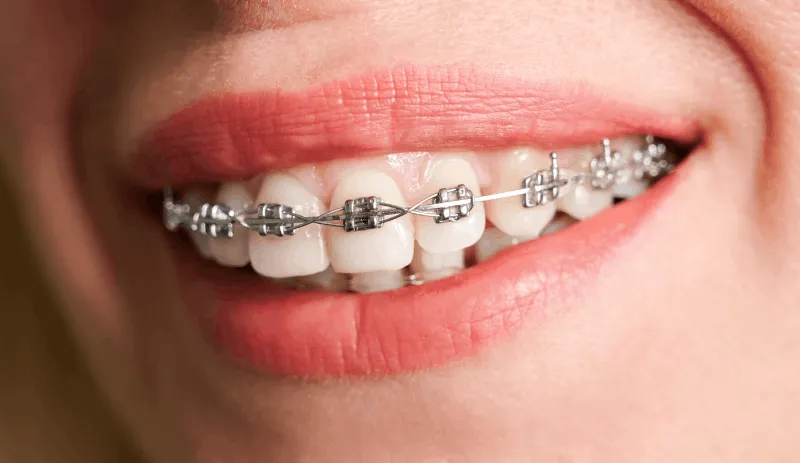
Traditional metal braces are highly effective for severe malocclusions because they use a system of brackets and wires to exert constant, multi-directional force. Unlike aligners, which “push” teeth, braces can “pull” and rotate teeth with incredible mechanical advantage. This makes them the preferred choice for vertical movements, severe rotations, and closing large gaps. Because the appliances are fixed to the teeth, there is no risk of the patient forgetting to wear them, ensuring that the biological process of bone remodeling continues without interruption, which is vital for speed.
How Do Clear Aligners Like Invisalign Move Teeth Differently?
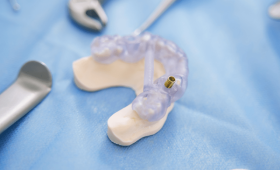
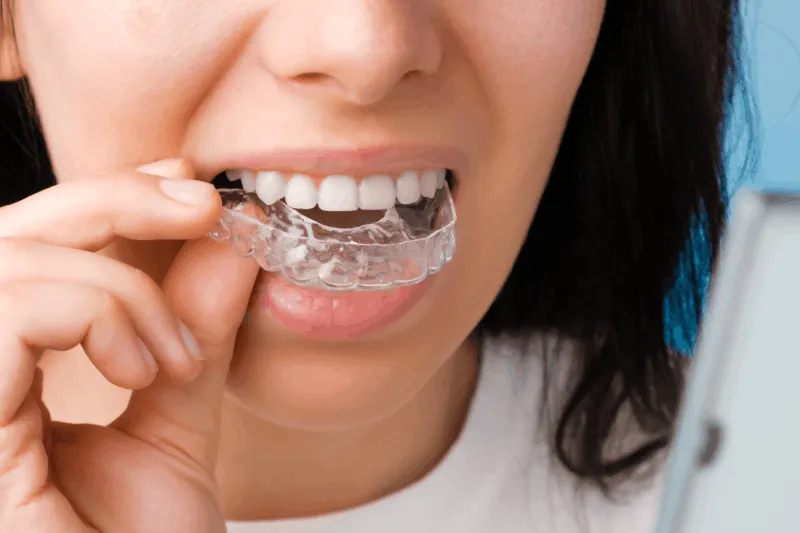
Clear aligners utilize a series of custom-made, medical-grade plastic trays that gradually shift teeth into their new positions. Each tray is designed to apply specific pressure to different areas of the dental arch. The primary difference is that aligners focus on moving the “crown” of the tooth primarily, whereas braces have better control over the “root.” For straightforward movements, the digital precision of Invisalign’s “SmartStage” technology ensures that only the necessary teeth are moved at each stage, potentially reducing the overall treatment duration for aesthetic corrections.
Does Patient Compliance Impact the Speed of Invisalign?
Compliance is the single most critical factor in determining the speed of clear aligner treatment. Because aligners are removable, patients must be disciplined enough to wear them for at least 20 to 22 hours per day. If the trays are left out for extended periods, the teeth can begin to shift back toward their original positions, causing “tracking” issues. When tracking is lost, the next set of trays won’t fit properly, leading to mid-course corrections and delays that can add months to the total treatment time.
Can Traditional Braces Be Accelerated with Modern Techniques?
The field of orthodontics has seen several advancements designed to speed up the movement of teeth within traditional braces. Technologies such as high-frequency vibration devices (like AcceleDent) or photobiomodulation (light therapy) can stimulate the bone cells responsible for remodeling. Additionally, surgical interventions like “Wilckodontics” or micro-osteoperforations can temporarily soften the bone, allowing teeth to move up to 50% faster than they would with conventional methods alone. These enhancements make braces a powerful option for those seeking the shortest path to a perfect smile.
Which Option is Better for Correcting Severe Overcrowding?
Severe overcrowding often requires complex movements, including tilting and rotating teeth that are buried or overlapping. Traditional braces are usually the superior choice here. The archwire in braces acts as a continuous guide that applies consistent force across the entire jaw. While Invisalign has improved significantly with the use of “attachments” (small, tooth-colored bumps that give the plastic something to grip), braces still offer superior leverage for the intense force needed to resolve significant crowding in a timely manner.
Are Clear Aligners Faster for Closing Small Gaps?
When it comes to simple “diastema” (spacing) issues, Invisalign is often incredibly efficient. Because the digital software can map out the most direct path for closing a gap, the treatment plan can be highly targeted. In many cases, patients see visible progress within the first few weeks of wearing aligners. Since there is no need for wire adjustments or “power chains” like in braces, the process of closing small spaces can sometimes be completed in as little as six months, depending on the patient’s anatomy.
How Does Digital Treatment Planning Influence Speed?
One of the greatest advantages of Invisalign is the “ClinCheck” software. This 3D mapping allows the orthodontist and the patient to see a virtual representation of the entire treatment from start to finish before it even begins. This level of planning eliminates much of the “trial and error” that can occur with traditional braces. By knowing exactly how each tooth will move, the treatment can be streamlined, often reducing the number of office visits and preventing unnecessary movements that could extend the timeline.
Is the Force Applied by Braces More Consistent Than Aligners?
Traditional braces provide a truly constant force. Once the wire is tightened, it works 24 hours a day, 7 days a week, until the next appointment. In contrast, the force applied by clear aligners is highest when a new tray is first inserted and gradually diminishes as the teeth move into that tray’s position. This intermittent force profile can sometimes be slower for certain types of movements compared to the unwavering tension provided by orthodontic brackets and wires.
What Role Does Age Play in the Speed of Orthodontic Results?
Age is a significant biological factor in tooth movement. In younger patients (children and teenagers), the jawbone is still growing and is less dense, which allows teeth to move much more rapidly. In adults, the bone is fully mineralized and the metabolic process of bone resorption and deposition is slower. While both braces and Invisalign work effectively for adults, the overall duration might be slightly longer than it would be for a child. However, with modern techniques, adults can still achieve rapid results with either method.
Do Ceramic Braces Work at the Same Speed as Metal Braces?
Ceramic braces, often chosen for their aesthetic “clear” look, function identically to metal braces. However, there is a small technical caveat: friction. Metal wires sliding through ceramic brackets can sometimes create more friction than they do through metal brackets. This friction can slightly slow down the initial stages of alignment. Furthermore, ceramic is more brittle than metal, meaning orthodontists may sometimes apply force more conservatively to avoid bracket breakage, which could theoretically add a small amount of time to the treatment.
Can Invisalign Handle Correcting Deep Bites and Overbites?
Advancements in Invisalign technology, specifically “Precision Wings” and specialized attachments, have made it possible to treat moderate overbites and deep bites. However, these corrections often involve moving the entire dental arch or changing the orientation of the jaw, which is inherently time-consuming. For severe skeletal overbites, traditional braces paired with elastics or functional appliances remain the gold standard for speed and reliability, as they provide the heavy-duty mechanics required for significant jaw repositioning.
How Often Must You Visit the Orthodontist for Each Method?
Frequency of office visits can affect how “fast” the treatment feels to the patient. Traditional braces typically require a visit every 4 to 8 weeks for wire adjustments and tightening. Missing these appointments directly pauses the progress. Invisalign patients usually receive several weeks or months’ worth of trays at once, requiring check-ups only every 10 to 12 weeks. While Invisalign offers more convenience, braces offer more frequent “active” management by the professional, which can sometimes catch and correct issues faster.
What are the Biological Limits of Moving Teeth Safely?
Regardless of the method, there is a biological “speed limit” to moving teeth. If force is applied too quickly or too intensely, it can lead to “root resorption” (shortening of the tooth roots) or damage to the supporting bone and gums. The body needs time for osteoclasts to break down bone in the direction of movement and osteoblasts to build new bone behind it. Any claim of “overnight” or “instant” results in orthodontics is a red flag; safety must always prioritize speed to ensure the long-term stability of the teeth.
Does Your Dental Hygiene Affect Treatment Duration?
Poor dental hygiene can significantly delay your orthodontic results. In traditional braces, plaque buildup around brackets can lead to swollen gums (gingivitis). If inflammation becomes severe, the orthodontist may have to stop moving the teeth entirely to allow the tissues to heal, or even remove the braces early. For Invisalign, failing to brush after eating can trap sugars against the teeth inside the trays, leading to cavities. Any time spent treating tooth decay or gum disease is time taken away from active orthodontic alignment.
How Do Self-Ligating Braces Compare in Speed?
Self-ligating braces (like Damon Braces) use a specialized clip instead of rubber bands to hold the archwire in place. This design significantly reduces friction between the wire and the bracket. Proponents of this system argue that lower friction allows teeth to move more freely and quickly, often shortening the overall treatment time by several months. Additionally, these systems often require fewer “tightening” appointments, making the process more efficient for both the patient and the practitioner.
Are Lingual Braces a Fast Option for Hidden Treatment?
Lingual braces are attached to the back of the teeth, making them completely invisible from the front. While they are highly aesthetic, they are technically challenging for the orthodontist. Because the distance between the brackets is smaller on the inside of the dental arch, the mechanics are different and often require more precision. In terms of speed, they are generally comparable to traditional braces, but the complexity of adjustments might lead to a slightly longer treatment duration for certain patients compared to standard front-facing braces.
What is the Impact of Missing a Clear Aligner Tray?
Losing or breaking a clear aligner tray can be a major setback. If a patient loses a tray and waits a week for a replacement, the teeth can shift significantly. Orthodontists usually advise patients to wear their previous tray to hold the position, but no progress is made during that time. If this happens multiple times, the cumulative delay can add weeks or months to the treatment. Consistency and careful handling of the appliances are essential for maintaining the “fast” timeline promised by digital planning.
Can Acceleratory Devices Truly Shorten Your Timeline?
Devices like Vpro or AcceleDent use micropulses or vibrations to increase blood flow and cellular activity around the tooth roots. Many clinical studies suggest that using these devices for just 5 to 20 minutes a day can reduce treatment time by 30% to 50%. This applies to both braces and Invisalign. By enhancing the body’s natural bone-remodeling process, these tools help the teeth move into their new positions more comfortably and rapidly, making them a popular add-on for those on a tight schedule.
How Does Your Diet Influence Your Orthodontic Progress?
With traditional braces, your diet is restricted to prevent damaging the hardware. Breaking a bracket on a hard piece of candy or a crusty roll means an emergency appointment and a pause in treatment. Every broken bracket represents a loss of “active” alignment time. Invisalign does not have these restrictions since the trays are removed to eat. However, the requirement to brush before putting the trays back in means that frequent snacking can reduce the total wear time, indirectly slowing down the results.
Why Do Some People See Results Faster with Invisalign?
Some patients experience a “fast” transformation with Invisalign because the system is exceptionally good at “expanding” the arch and leveling the teeth simultaneously. Because the plastic covers the entire biting surface of the teeth, it can act as a “bite block,” which helps in correcting certain types of misalignments more quickly than traditional braces, where the upper and lower teeth might interfere with each other’s movement during the early stages of treatment.
Is it Possible to Combine Braces and Invisalign?
In some complex cases, a “hybrid” approach is the fastest solution. An orthodontist might start a patient with traditional braces for 6 months to handle major rotations or root movements that braces excel at. Once the heavy lifting is done, the patient can switch to clear aligners to finish the alignment and refine the aesthetics. This leverages the mechanical power of braces and the digital precision/comfort of Invisalign, often resulting in a more efficient overall treatment plan than using just one method.
What Happens During the “Refinement” Stage of Invisalign?
Almost all Invisalign treatments involve a “refinement” period. After the initial set of trays is finished, the orthodontist takes a new scan to address any minor stubborn movements. These refinement trays are included in the process but can add 3 to 6 months to the total duration. Patients often feel like they are “finished” before the refinements start, but this stage is crucial for ensuring the bite is functional and the results are stable.
How Do Braces Handle Rotated Teeth More Effectively?
Rotating a tooth (turning it on its long axis) is one of the most difficult movements in orthodontics. Braces are superior for this because the bracket provides a solid “handle” that the wire can torque against. Clear aligners often struggle with rotation, especially on rounded teeth like canines or premolars, because the plastic can “slip” off the tooth. This is why aligners require large attachments for rotations, and even then, braces usually achieve the goal faster and more reliably.
Which Method is More Predictable for Long-Term Stability?
Stability is just as important as speed. If teeth are moved too fast, they are more likely to “relapse” (move back). Braces often provide more predictable results in complex cases because the orthodontist can make micro-adjustments to the root position in the final stages. However, both methods require the diligent use of a retainer after treatment. The speed of the initial movement doesn’t dictate the long-term stability; that is determined by the quality of the finish and patient adherence to retention protocols.
Can Orthodontic Problems Return After Fast Treatment?
Yes, if the bone and ligaments haven’t had enough time to “harden” in the new position, relapse is a high risk. This is why even “fast” treatments still take several months. The body needs a period of “rest” where the teeth are held stationary. Whether you chose the speed of Invisalign or the power of braces, skipping your retainer will result in your teeth shifting back, effectively wasting the time and money spent on your treatment.
How Does the Complexity of Your Bite Affect the Timeline?
A “straight” smile and a “functional” bite are two different things. Closing a gap might take 6 months, but correcting a crossbite or an underbite can take 2 years. Braces are generally much faster and more efficient at correcting “malocclusions” (bite issues). If you only care about the front six teeth (the “social six”), aligners might be faster. But if you need to move your back molars to create a healthy bite, traditional braces are usually the more efficient path.
Are There Any Risks to Seeking the Absolute Fastest Results?
Pushing for the absolute fastest results can lead to “orthodontic burnout” or, more seriously, health issues. If a dentist or orthodontist moves teeth too aggressively, the blood supply to the tooth’s nerve can be compromised, potentially leading to the need for a root canal. It is essential to trust a qualified professional who balances your desire for speed with the biological realities of your oral anatomy.
What is the Average Duration for Braces vs. Invisalign?
On average, traditional braces treatment lasts between 18 and 24 months, though it can be shorter for simple cases. Invisalign treatment averages between 12 and 18 months. However, these averages are misleading because Invisalign is typically used for less severe cases. When treating the same level of complexity, the timelines are often very similar. The key is choosing the tool that is best suited for your specific dental anatomy.
How to Choose the Best Option for Your Specific Needs?
Choosing between braces and aligners should involve a detailed consultation with an expert. Consider your lifestyle: can you commit to 22 hours of wear time? Consider your goals: is it just for looks, or do you have jaw pain? Consider your budget: while prices have converged, there are still differences. Ultimately, the “fastest” results come from the treatment that you are most likely to follow correctly and that your doctor is most skilled at performing.
Why Cure Holiday?
Cure Holiday has established itself as a premier destination for international patients seeking high-quality dental and orthodontic care. By combining world-class medical expertise with the benefits of dental tourism, Cure Holiday offers a unique experience that prioritizes patient satisfaction and clinical excellence. We understand that choosing an orthodontic provider is a deeply personal decision, and we are committed to providing a transparent, supportive, and luxury environment for your transformation.
What are the Advantages of Treatment with Cure Holiday?
The advantages of choosing Cure Holiday are multifaceted. Firstly, we offer significant cost savings compared to Western European or North American prices, without ever compromising on the quality of materials (using genuine Invisalign and top-tier orthodontic brackets). Secondly, our clinics are equipped with the latest 3D imaging and digital scanning technology, ensuring the most accurate and “fast” treatment planning possible. Finally, we provide a holistic “holiday” experience, allowing you to recover and relax in a beautiful setting while receiving top-notch care.
How to Get Treatment with Cure Holiday?
Starting your journey with Cure Holiday is simple and designed to be stress-free. It begins with an online consultation where you can share your dental photos and goals with our experts. Once a preliminary plan is created, our team assists you with all the logistics, including travel arrangements, accommodation, and clinic transfers. We ensure that every step of your medical journey is coordinated, allowing you to focus entirely on your new smile.
Why is Dental Tourism with Cure Holiday a Smart Choice?
Dental tourism is more than just a way to save money; it’s a way to access specialized care that might be unavailable or prohibitively expensive locally. At Cure Holiday, we pride ourselves on our shorter waiting times and our ability to provide intensive treatment sessions that respect your travel schedule. Our multilingual staff and dedicated patient coordinators ensure that you feel at home and fully informed throughout your stay, making the “medical” part of your trip feel like a true vacation.
What Makes Cure Holiday the Leader in Orthodontic Care?
Cure Holiday stands out because of our unwavering commitment to the “patient-first” philosophy. We don’t just move teeth; we care for people. Our orthodontists are continuously trained in the latest global techniques, ensuring that whether you choose the precision of Invisalign or the reliability of traditional braces, you are receiving the most advanced care available. With hundreds of successful smile transformations and a reputation for excellence, Cure Holiday is the definitive choice for those who want the best results in the shortest possible time.
In conclusion, both traditional braces and clear aligners are highly effective tools for creating a beautiful, healthy smile. While braces offer more power for complex cases, Invisalign provides unmatched aesthetics and digital precision for moderate corrections. The “fastest” result is achieved through a combination of expert planning and patient dedication. If you are ready to start your journey toward a perfect smile with the world’s leading experts, contact Cure Holiday today and let us help you achieve the results you’ve always dreamed of.
Free Consultation
Fill out the form below to get your free medical travel plan and price quote.