The quest for a radiant, pearly-white smile is more than just a cosmetic trend; it is a significant boost to self-confidence and professional image. However, one of the most pressing questions patients ask before undergoing the procedure is: “How long will this last?” Teeth whitening is an investment in your appearance, and understanding its lifespan is crucial for managing expectations. While bleaching can transform a dull smile into a brilliant one, it is not a permanent fix. The duration of the results depends on a complex interplay of the whitening method used, your biological makeup, and your post-treatment lifestyle. In this ultimate guide, we will explore every facet of teeth whitening longevity, providing you with the insights needed to maintain your glow for as long as possible.
Why Is The Longevity Of Teeth Whitening A Common Concern?
Patients invest significant time and financial resources into brightening their smiles, making the “return on investment” a top priority. A white smile is often associated with health, youth, and vitality, so the fear of it fading quickly is understandable. People want to know if the results will survive their morning coffee or an upcoming social event. Understanding longevity helps individuals choose between professional treatments and over-the-counter options, ensuring they select a path that aligns with their lifestyle and long-term aesthetic goals.
What Determines The Lifespan Of Teeth Whitening?
The lifespan of teeth whitening is not dictated by a single factor but rather a combination of variables. Primarily, the original cause of the staining—whether it is extrinsic (surface stains) or intrinsic (internal discoloration)—plays a massive role. Furthermore, the porosity of your enamel determines how easily new pigments can penetrate the tooth structure. Your daily habits, such as diet and tobacco use, are the most significant external determinants. Additionally, the specific chemical concentration of the bleaching agent and the technology applied during the session contribute to how deeply the stains are broken down.
How Long Does Professional In-Office Bleaching Typically Last?
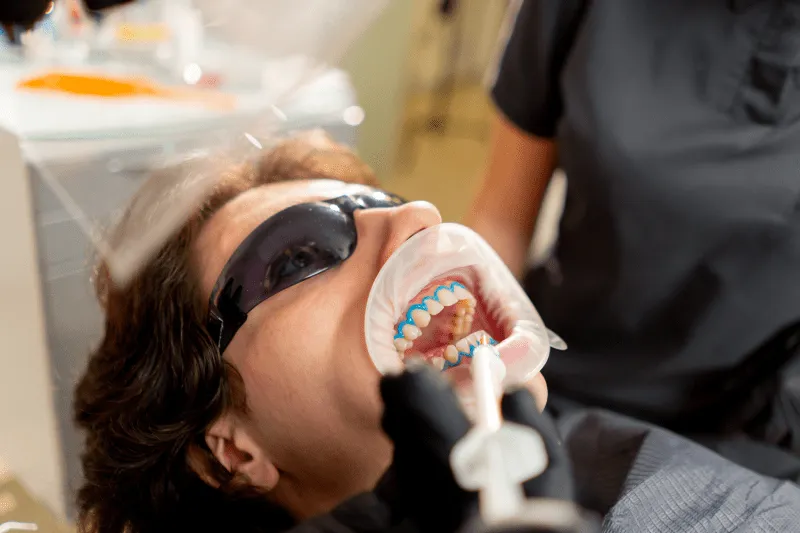
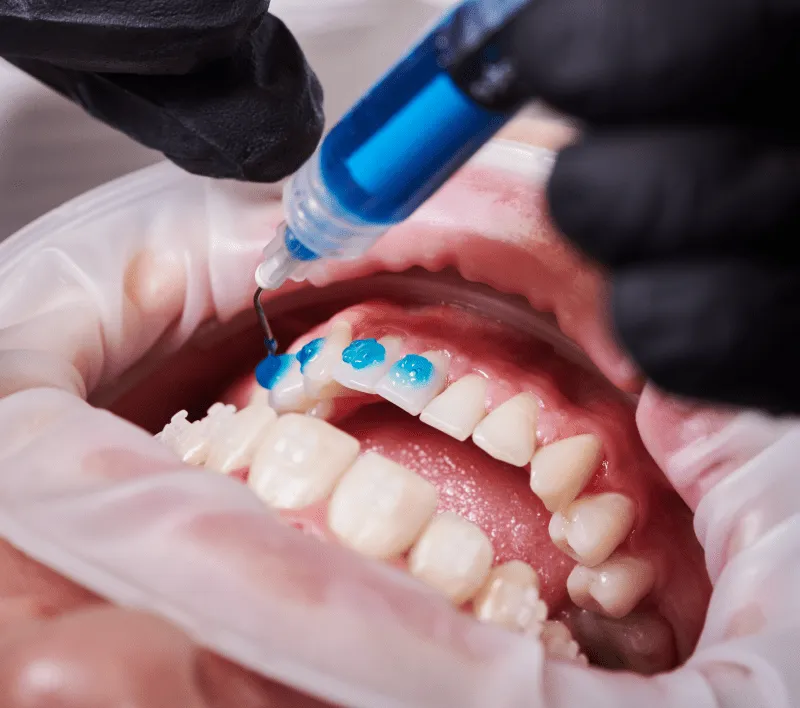
Professional in-office bleaching is the gold standard for immediate and dramatic results. Typically, these results can last anywhere from one to three years. Because dentists use high-concentration hydrogen peroxide gels often activated by specialized lights or lasers, the bleaching agents penetrate deeper into the dentin than home kits. However, the “peak brightness” usually remains stable for the first six to twelve months before very gradual fading begins. With meticulous care and occasional touch-ups, many patients find their teeth remain significantly lighter than their original shade for several years.
Is The Duration Of Whitening Results Permanent For Everyone?
The short answer is no; teeth whitening is never truly permanent. The reason lies in the natural biology of the tooth and the environment of the mouth. Teeth are porous, and just as they stained before the treatment, they will continue to absorb pigments from the foods and drinks we consume. Moreover, as we age, the outer layer of enamel thins, revealing the naturally yellowish dentin beneath. While the bleaching process chemically removes existing stains, it does not create a “stain-proof” barrier on the teeth.
How Does Daily Coffee Consumption Affect Your Bright Smile?
Coffee is one of the primary “enemies” of a bleached smile due to its high tannin content and dark pigmentation. Tannins are organic compounds that make it easier for stains to stick to the tooth enamel. If you consume coffee daily, especially multiple times a day, the microscopic pores opened during the whitening process will quickly absorb the dark chromogens. This doesn’t mean you must quit coffee, but frequent exposure without rinsing or using a straw will undoubtedly shorten the lifespan of your whitening results from years to months.
Why Does Tobacco Use Drastically Shorten Whitening Results?
Tobacco products, whether smoked or chewed, contain nicotine and tar, both of which are notorious for causing stubborn, dark yellow or brown stains. Tar is naturally dark, while nicotine, although colorless, turns yellow when it reacts with oxygen. These chemicals create a sticky residue on the teeth that traps food particles and pigments. For smokers, the results of a professional bleaching session may begin to fade in as little as a few weeks, making tobacco cessation one of the most effective ways to preserve a white smile.
How Long Do At-Home Professional Whitening Kits Last?
At-home professional kits, which involve custom-fitted trays and dentist-prescribed gel, offer impressive longevity that often rivals in-office treatments. These results typically last between six months and two years. The advantage of this method is the gradual application, which allows for deep penetration of the bleaching agent. Since users often have the trays and can purchase refill gels, “maintenance” is easier, allowing them to extend the results indefinitely through consistent, short-term touch-up sessions every few months.
Do Over-The-Counter Whitening Strips Provide Long-Term Effects?
Over-the-counter (OTC) whitening strips are popular for their convenience, but their results are generally the least durable. Most OTC strips provide a noticeable change that lasts for about three to six months. This is because the concentration of the active ingredient is much lower than professional products, and the strips often fail to reach the curved surfaces or the gaps between teeth. While they are great for a quick boost, they require very frequent re-application to maintain a consistent level of brightness.
How Does The Concentration Of Hydrogen Peroxide Impact Longevity?
The concentration of hydrogen peroxide or carbamide peroxide is a critical factor in how “deeply” the teeth are whitened. Higher concentrations used in professional settings can break down complex molecular bonds of deep-seated stains in the dentin. When these deep stains are eradicated, it takes much longer for new stains to accumulate to a visible level. Conversely, low-concentration products only tackle surface stains, which are quickly replaced by new extrinsic pigments from daily eating and drinking.
What Role Does Oral Hygiene Play In Maintaining White Teeth?
Superior oral hygiene is the foundation of long-lasting whitening. Brushing twice a day and flossing daily removes the protein pellicle—a thin film that forms on teeth and attracts stains. If plaque is allowed to build up, it becomes a porous trap for food colors. Furthermore, using an electric toothbrush can be more effective at vibrating away surface stains before they set. Without a disciplined hygiene routine, even the most expensive professional whitening will lose its luster rapidly.
Can Professional Dental Cleanings Extend Your Whitening Results?
Yes, regular professional dental cleanings (prophylaxis) are essential for extending the life of your bleaching. A dental hygienist uses specialized tools to remove tartar (calculus) and extrinsic stains that regular brushing cannot touch. By polishing the teeth every six months, you keep the enamel surface smooth, making it harder for pigments to adhere. Many patients find that a professional cleaning “refreshes” their whitened smile, making it look almost as bright as it did immediately after the bleaching procedure.
Why Do Certain Foods Stain Teeth Faster After Bleaching?
Immediately after bleaching, the “tubules” in your enamel are slightly more open and dehydrated, making them incredibly thirsty for moisture—and pigments. Foods with intense colors, like beets, berries, soy sauce, and curry, contain powerful chromogens. If consumed during the “vulnerable period” (the first 48–72 hours), these pigments can be sucked deep into the tooth structure, effectively “re-staining” the teeth from the inside out before the enamel has a chance to remineralize.
How Does Drinking Through A Straw Help Preserve Whiteness?
Using a straw is a simple yet highly effective strategy for longevity. When you drink dark liquids like iced coffee, soda, or red wine through a straw, the fluid bypasses the front surfaces of your teeth—the “smile zone.” This minimizes the contact time between the staining agents and the bleached enamel. While it doesn’t eliminate all contact, it significantly reduces the cumulative exposure over time, which can add several months to the life of your whitening treatment.
Does The “White Diet” Really Work After A Bleaching Session?
The “White Diet” involves consuming only light-colored foods and drinks (like milk, water, white fish, rice, and cauliflower) for the first 48 hours post-treatment. This is a scientifically sound recommendation. Because the teeth are temporarily more porous after bleaching, avoiding all pigments during this window prevents “re-bound” staining. Following this protocol strictly can ensure that the initial brightness “locks in” properly, providing a better baseline for the months and years to follow.
How Long Should You Wait Between Teeth Whitening Treatments?
Over-whitening can lead to tooth sensitivity and enamel erosion, so timing is key. Most dentists recommend waiting at least one year between full-scale professional in-office sessions. For at-home touch-ups, a few days of application every 4-6 months is usually sufficient. It is vital to consult with a professional to ensure that your enamel remains healthy and that you aren’t chasing an “unnatural” white that could compromise the structural integrity of your teeth.
Can Aging Cause Teeth Whitening Results To Fade Faster?
Aging is an inevitable factor in tooth discoloration. As we get older, the enamel naturally wears down due to years of chewing and exposure to acids. As the enamel thins, the yellowish dentin underneath becomes more visible, a process known as intrinsic darkening. While bleaching can lighten this dentin, the results may appear to fade faster in older patients because the underlying biological trend is toward a darker shade. Consistent maintenance is often more necessary for older adults to combat this natural progression.
How Does Saliva Composition Influence Tooth Staining?
Saliva is your mouth’s natural defense mechanism. It contains minerals like calcium and phosphate that help remineralize enamel and enzymes that break down food particles. Some people have “thicker” or less abundant saliva (xerostomia), which reduces the mouth’s ability to wash away staining pigments. If your mouth is chronically dry, stains will set much faster. Maintaining hydration and encouraging healthy saliva flow can actually help your teeth stay white for a longer period.
Why Do Acidic Beverages Weaken The Whitening Effect?
Acidic drinks, such as lemonade, sports drinks, and carbonated sodas, do not just stain; they erode. Acid softens the tooth enamel, creating a rougher surface at the microscopic level. This increased surface area and roughness provide more “hooks” for staining molecules to latch onto. Furthermore, as the acid thins the enamel, the white results of the bleaching treatment are undermined by the transparency of the tooth. Reducing acid intake is as important for color as it is for dental health.
Does Tooth Enamel Thickness Affect How Long Results Last?
Individuals with naturally thick, dense enamel tend to enjoy longer-lasting whitening results. Thick enamel provides a robust “canvas” that holds the whitening effect better and masks the darker dentin more effectively. Those with naturally thin or translucent enamel may find that their results appear less dramatic or fade more quickly because the internal structure of the tooth has a greater influence on the final color. A dentist can evaluate your enamel quality to give you a realistic estimate of longevity.
Are Laser-Assisted Whitening Results More Durable Than Traditional Methods?
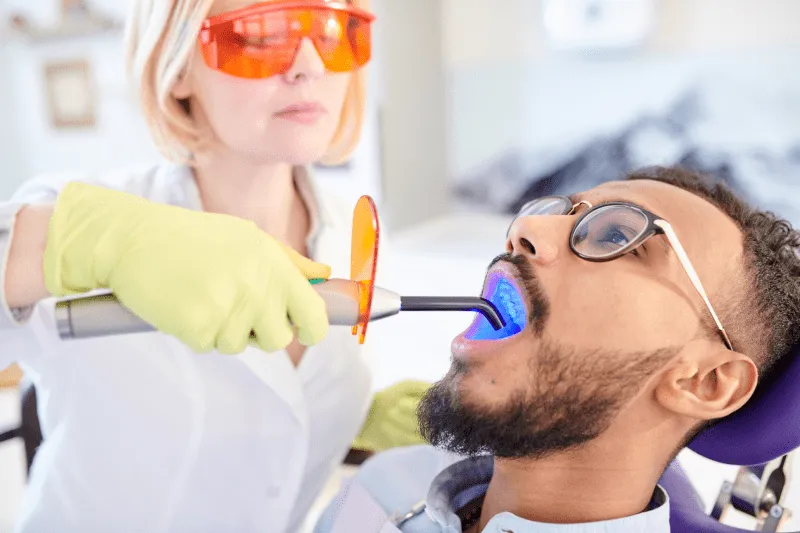
Laser whitening, often called “Power Bleaching,” uses light energy to accelerate the chemical reaction of the whitening gel. While the primary benefit of laser treatment is speed and intensity, some studies suggest that the rapid and deep oxygenation of the tooth structure may lead to more stable long-term results compared to non-light-activated methods. However, the difference in durability is often marginal compared to the impact of the patient’s subsequent lifestyle choices and oral hygiene habits.
How Do Touch-Up Treatments Keep Your Smile Bright For Years?
Touch-ups are the secret weapon of those who maintain a “permanent” white smile. Instead of waiting for the teeth to return to their original dark shade, a touch-up treatment involves a short bleaching session (perhaps one night with a tray or one 15-minute application) every few months. This “top-off” approach removes the microscopic layers of new stains before they can penetrate deeply. By incorporating touch-ups into your routine, you can effectively reset the clock on your whitening longevity indefinitely.
Can Whitening Toothpaste Actually Maintain Your Bleaching Results?
Whitening toothpastes are generally misunderstood; most do not contain bleach. Instead, they use mild abrasives or chemical polishers to remove surface stains. While they cannot change the internal color of the tooth, they are excellent “maintenance” tools after a professional treatment. By preventing new surface stains from coffee or food from accumulating, whitening toothpastes help the underlying bleached shade remain visible and bright for a longer duration.
Is Sensitivity A Sign That Your Whitening Is Wearing Off?
Tooth sensitivity is a common side effect of the bleaching process, caused by the temporary dehydration of the tooth and the opening of dentinal tubules. However, sensitivity is not an indicator of the color’s longevity. Some patients mistakenly believe that once the sensitivity goes away, the whitening is “gone.” In reality, the sensitivity usually subsides within 24-48 hours as the teeth remineralize, while the whitening effect continues to stabilize and can last for years.
How Do Medications Impact The Permanence Of Tooth Bleaching?
Certain medications can cause “intrinsic” staining that is very difficult to treat and can affect how long bleaching results last. For example, some antibiotics (like tetracycline), high blood pressure medications, and antihistamines are known to cause tooth discoloration. If you are taking a medication that causes staining as a side effect, you may find that your teeth darken much faster after a whitening session, requiring more frequent professional intervention to maintain the desired shade.
Why Is The First 48 Hours After Treatment Critical For Longevity?
The first 48 hours are often referred to as the “post-bleaching window.” During this time, the teeth are in a state of “acquired pellicle” regrowth. Without this protective protein layer, the enamel is highly susceptible to any pigment it encounters. If you expose your teeth to staining agents during this critical phase, the molecules can become trapped as the pellicle reforms and the tubules close, essentially “locking in” the stains. Precision care during these two days can add months to your results.
Do Custom-Fitted Trays Offer Better Long-Term Results Than Generic Ones?
Custom-fitted trays, designed from an impression of your mouth, ensure that the whitening gel is held in constant, even contact with every contour of your teeth. This prevents “patchy” whitening and ensures that the gel doesn’t leak out, which could irritate gums and reduce the effectiveness of the treatment. Because the application is so uniform and precise, the deep bleaching achieved is more consistent, which generally translates to a more stable and longer-lasting color transformation.
How Does The Porosity Of Your Teeth Affect Stain Absorption?
Every person has a unique level of tooth porosity. Some people have “denser” enamel, while others have enamel with more microscopic “pores.” Highly porous teeth take up whitening gel very quickly and show dramatic results, but they also absorb food stains just as fast. If you have porous teeth, your results might be brilliant, but they will require more aggressive maintenance. Understanding your tooth type allows you to tailor your post-care routine to your specific needs.
Can Hard Water Or Mineral Content In Water Affect Tooth Color?
Surprisingly, the water you drink and wash with can play a minor role in tooth staining. Water with high iron or manganese content can leave deposits on the teeth over time, leading to a dull or brownish appearance. While this is an extrinsic factor, it can gradually “mask” the results of a whitening treatment. Using filtered water for drinking and maintaining regular professional polishings can help mitigate the effects of mineral-heavy water on your whitened smile.
What Are The Psychological Benefits Of Long-Lasting White Teeth?
The benefits of maintaining a white smile extend far beyond aesthetics. Studies show that people with brighter smiles are often perceived as more successful, friendly, and intelligent. On a personal level, knowing your teeth are white can change your social behavior; you may smile more often, engage more confidently in conversations, and feel better about your overall appearance. This psychological boost is a powerful motivator for many to adhere to the maintenance routines required for long-lasting results.
How Do Lifestyle Habits Define Your Post-Whitening Experience?
Ultimately, teeth whitening is a “partnership” between the dentist and the patient. The dentist provides the chemical transformation, but the patient’s lifestyle defines the duration. A person who drinks green smoothies, uses a straw for occasional treats, doesn’t smoke, and brushes religiously will enjoy their results for years. Conversely, a person who ignores post-care instructions will see their investment fade. Your daily choices are the ultimate architect of your smile’s future.
Is There A Difference In Longevity Between Carbamide And Hydrogen Peroxide?
Hydrogen peroxide is the active whitening agent, while carbamide peroxide breaks down into hydrogen peroxide. Generally, hydrogen peroxide works faster and is used in-office, while carbamide peroxide is more stable and common in at-home kits. In terms of longevity, the end result is similar if the target shade is reached. However, some believe that the slower release of carbamide peroxide allows for a more “thorough” saturation of the tooth, potentially leading to a slightly more stable result in some individuals.
Why Should You Choose Cure Holiday For Professional Whitening?
When it comes to your smile, you deserve nothing less than world-class expertise and technology. Cure Holiday stands out as a premier destination for dental tourism, offering state-of-the-art whitening treatments that go far beyond standard procedures. By choosing Cure Holiday, you are accessing highly trained specialists who use the most advanced bleaching systems available globally. We prioritize not just the immediate “wow” factor, but the long-term health and stability of your results, ensuring that your journey to a brighter smile is safe, comfortable, and exceptionally effective.
How Does Cure Holiday Ensure Long-Lasting Whitening Results?
At Cure Holiday, we believe that longevity starts with a personalized approach. We don’t believe in “one size fits all” solutions. Our clinical team performs a comprehensive analysis of your enamel, identifies the root cause of your discoloration, and selects a bleaching protocol tailored to your specific biology. We use high-grade, stabilized bleaching agents and advanced light-activation technology that penetrates deeper and more safely than conventional methods. Furthermore, we provide every patient with a detailed, customized post-care plan and maintenance kit to ensure that the “Cure Holiday Glow” lasts for years to come.
What Makes The Cure Holiday Dental Experience Unique?
Cure Holiday offers more than just a medical procedure; we offer a transformational experience. Located in some of the most beautiful destinations, we combine top-tier dental care with the relaxation of a holiday. Our clinics feature luxury environments, cutting-edge diagnostic tools, and a patient-centric philosophy that removes the stress from dental visits. From the moment you contact us, our coordinators handle every detail, from travel arrangements to post-treatment follow-ups, making your path to a Hollywood smile as seamless and enjoyable as the results themselves.
How Can You Book Your Whitening Journey With Cure Holiday Today?
Ready to unlock the brightest version of your smile? Booking your treatment with Cure Holiday is the first step toward a more confident you. Whether you are looking for a stand-alone whitening session or a complete “Smile Makeover” including veneers or implants, our team is ready to assist you. Contact us through our website to receive a free consultation and a personalized quote. Join thousands of satisfied international patients who have discovered that with Cure Holiday, a world-class smile is not just a dream—it’s a reality you can achieve while enjoying a world-class vacation.
Free Consultation
Fill out the form below to get your free medical travel plan and price quote.
Sources and how to verify this yourself
- Howe M-S, Keys W, Richards D. Long-term (10-year) dental implant survival: a systematic review and sensitivity meta-analysis. Journal of Dentistry, 2019 — pooled 10-year implant survival 96.4% (95% CI 95.2–97.5%); conservative sensitivity estimate 93.2%. source
- Ministry of Health, Regulation on International Health Tourism and Tourist Health, Official Gazette 26 April 2025, No. 32882 — authorisation requirement for facilities and intermediaries, TÜSKA accreditation, compulsory complication insurance (deadline 31 December 2025 for insurance, 31 December 2026 for accreditation). source
- Ministry of Health, Regulation on Promotion and Information Activities in Health Services, Official Gazette 12 November 2025, No. 33075 — treatment promises and guarantees are prohibited; price and campaign announcements are permitted only within international health tourism. source