Childhood is a period of intense mobility, discovery, and physical activity. During this phase, the probability of encountering dental trauma as a result of playing games, engaging in sports, or simple domestic accidents is quite high. Dental trauma is not just an aesthetic concern; it is a serious condition that directly affects a child’s speaking functions, eating habits, and the health of the permanent teeth that will erupt in the future. In this comprehensive guide, you will find every detail from what you need to do in the moment of trauma to advanced expert treatment methods.
Why Is Dental Trauma In Children Of Vital Importance?
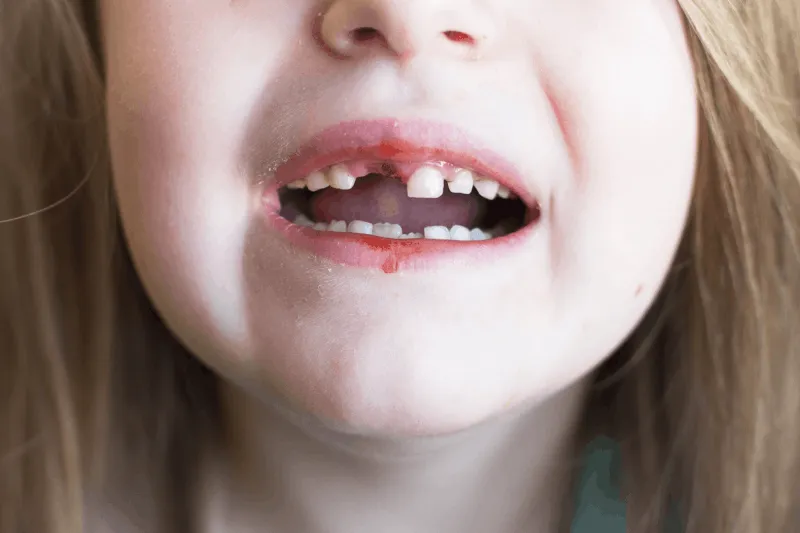
Dental trauma in children is a medical condition that is not limited to immediate pain or bleeding but has long-term consequences. Especially in children in the developmental age, the jaw structure and tooth roots are not yet fully settled, so a blow can damage the surrounding tissues and the permanent tooth germs that have not yet erupted. Emergency intervention increases the chance of saving the tooth by 90%, while neglected cases can lead to tooth loss, jawbone resorption, and serious infections. Therefore, every trauma should be evaluated as an “emergency” status, even if there seems to be no visible problem.
What Are The Effects Of Dental Trauma On Child Psychology?
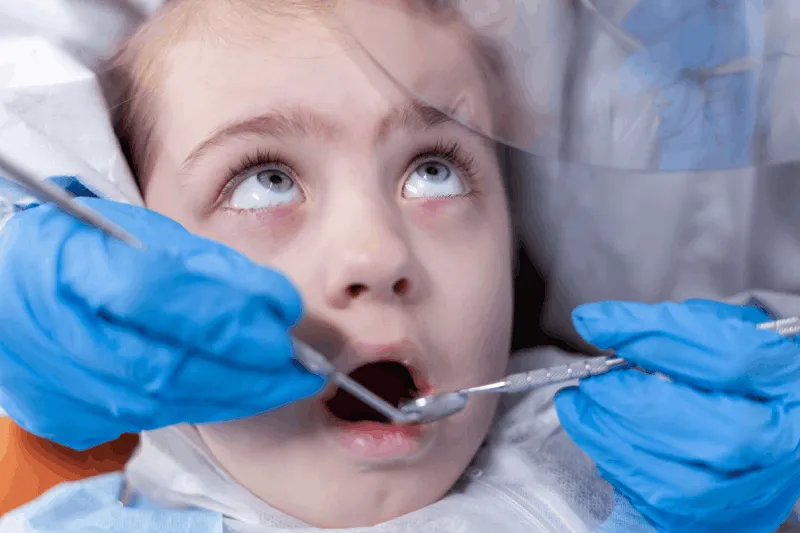
The fear experienced at the moment of an accident and the subsequent fracture or loss of a tooth can cause a significant loss of self-confidence in children. Especially damages occurring in the front teeth can lead to the child avoiding smiling, withdrawing in social settings, and even being exposed to peer bullying. The treatment process should not only ensure physical healing but also provide psychological relief by eliminating the child’s aesthetic concerns. A rapid and successful aesthetic restoration is a critical step for the child to return to their normal life quickly and maintain their social development.
How Does Trauma To Primary Teeth Affect Permanent Teeth?
Primary (baby) teeth serve as guides for the permanent teeth waiting beneath them. The root of the primary tooth and the bud of the permanent tooth are located very close to each other. A severe blow resulting in the primary tooth being pushed inward or displaced can cause structural deformations, color changes (hypoplasia), or the permanent tooth erupting in the wrong direction. Therefore, the main goal in primary tooth trauma is not just to treat the baby tooth, but to protect the upcoming generation of permanent teeth. Regular monitoring is essential to ensure the developmental path remains clear and healthy.
What Are The Golden Rules Of First Aid After Dental Trauma?
The first rule at the moment of trauma is to stay calm. First, the child’s general health should be checked; if there is loss of consciousness, vomiting, or severe headache, an emergency department of a hospital should be consulted immediately. If the problem is only in the oral region, the area should be gently cleaned with a clean cloth and lukewarm water. If there is bleeding, pressure should be applied to stop it, and any broken tooth fragments must be found immediately. The first 30 to 60 minutes are known as the “golden hour,” and reaching a doctor within this period is the most fundamental factor determining the success of the treatment.
How Should A Broken Tooth Fragment Be Preserved?
If a part of the tooth is broken, this fragment must be found at all costs. In modern dentistry, reattaching the original tooth fragment (bonding) provides much more aesthetic and durable results than any filling material. The broken piece should never be wrapped in a dry napkin or tissue. To prevent the fragment from dehydrating, it should be placed in a container with clean water, milk, or best of all, the child’s own saliva, and delivered to the physician. The cleaning of the fracture surface should only be done with water; no chemical substances should ever be used to avoid damaging the delicate dental tissues.
Can A Completely Knocked Out Tooth Be Replanted?
Yes, especially in cases where permanent teeth are completely knocked out (avulsion), there is a chance to regain the tooth. However, there are two important criteria here: time and preservation of the tooth. The cells on the root surface of the tooth (periodontal ligament) must remain alive. The tooth should be held only by the crown (top part) without touching the root part. If it is dirty, it should be washed under cold water for 10 seconds and, if possible, gently placed back into its socket. If it cannot be placed back, it should be taken to a dentist within 30 minutes at the latest in a suitable transfer liquid.
Why Is Transporting A Tooth In Milk Recommended?
Milk provides the necessary osmotic pressure and pH balance for the cells on the root surface of the knocked-out tooth to survive. While water can cause the cells to swell and burst, milk can preserve the vitality of the cells for several hours. If you do not have access to special transport solutions found in pharmacies (such as HBSS), cold and fresh milk is the best alternative. The tooth should be completely submerged in the milk and delivered to the physician in this way. Remember, the more vital the cells remain, the higher the chance of the tooth re-fusing to the jawbone (replantation).
Why Is Timing The Most Critical Factor In Dental Trauma?
Tooth tissue enters an inflammatory process immediately following trauma. Especially in fractures where the nerve chamber (pulp) is exposed or in cases where the tooth is displaced, every passing minute increases the risk of infection. In interventions performed within the first hour, the chance of preserving the vitality of the nerves or stabilizing the tooth is very high. With every hour delayed, the need for root canal treatment may arise, or the total loss of the tooth may occur. Emergency intervention both reduces costs and ensures the child goes through a much less painful process.
How Does Gum Bleeding Indicate The Severity Of Trauma?
While oozing-type bleeding in the gums usually indicates superficial injuries, intense bleeding coming from the neck area of the tooth is a sign that the tooth has moved or there is damage in the root area. Blood coming from the gingival pocket indicates that the connective tissue there has been torn. In this case, whether the tooth is loose should be checked but not forced. If the bleeding does not stop, it should also suggest that a tooth fragment might have remained inside the soft tissue; therefore, a radiological examination is absolutely necessary for an accurate diagnosis.
What Are The Treatment Methods Applied To Shaken Teeth?
Cases where the tooth is not knocked out but has received a blow are called “concussion” or “luxation.” If the tooth is only shaken or slightly displaced, the physician gently brings the tooth back to its original position and stabilizes it to the neighboring teeth with a thin wire (splinting). This stabilization process usually lasts for 2 to 4 weeks. During this period, the tooth is expected to recover and the connective tissues to heal. The patient is advised to eat soft foods and keep the area clean during this time. Regular check-ups monitor the vitality of the tooth’s nerves.
What Should Be Done In Case Of Intrusion Into The Gum?
Intrusion, defined as the tooth being pushed into the jawbone, is one of the most serious types of trauma. In this case, the tooth may appear as if it is completely gone, but it is actually trapped inside the bone. When this occurs in primary teeth, the tooth may be expected to re-erupt spontaneously. However, in permanent teeth, it may be necessary to pull the tooth out surgically or orthodontically depending on its position. The risk of root resorption (melting) after intrusion is very high, so these teeth must be monitored for many years to prevent permanent loss.
Which X-Ray Examinations Are Requested After Dental Trauma?
Visual examination alone is not sufficient to understand the full extent of dental trauma. The physician usually requests a periapical X-ray (single tooth film), panoramic X-ray, or, if necessary, 3D dental tomography (CBCT). Thanks to these images, it can be clearly seen whether there is a fracture in the tooth root, damages in the surrounding bone tissue, and the status of the underlying permanent teeth. Additionally, in soft tissue injuries, radiological examination is vital to detect any tooth fragments that might have been embedded into the lips or cheeks during the impact.
What Does A Change In Tooth Color After Trauma Signal?
A tooth that takes on a gray, dark brown, or purple color weeks or months after a trauma usually indicates that the nerve and vessel bundle (pulp) inside the tooth has lost its vitality. This is a sign of necrosis and may require root canal treatment before an infection develops. On the other hand, the tooth taking on a yellowish color may be a sign of “canal calcification,” which is the tooth’s attempt to protect itself by filling the canal with calcium; this usually does not require treatment but must be monitored. A pink color could be a sign of internal root resorption.
How Effective Is Composite Bonding For Tooth Fractures?
If the broken fragment cannot be found or if the piece is too small, composite bonding (aesthetic filling) is the most perfect solution. Modern composite materials can perfectly imitate the natural color, transparency, and durability of the tooth. This method, applied without eroding the tooth surface, is a much safer alternative to porcelain crowns for children because their growth and development continue. When performed with the correct technique, bonding applications can be used smoothly for years and offer absolute aesthetic indistinguishability, restoring the child’s natural smile perfectly.
Can Teeth With Root Fractures Be Saved?
Root fractures require different treatment approaches depending on the location of the fracture. If the fracture is at the tip of the root (apical), the chance of the tooth surviving is quite high, and monitoring alone may be sufficient. However, if the fracture is near the gum line or is a vertical fracture, saving the tooth becomes more difficult. Teeth with root fractures are usually stabilized with splinting. During this process, the aim is for the body to heal the fracture line with calcified tissue. The healing of a tooth with a root fracture is a long process that requires patience and expertise.

How Should Soft Tissue Injuries Be Treated After Trauma?
Dental traumas are usually accompanied by split lips, cheek cuts, and gum injuries. These areas bleed a lot because they are highly vascularized, which can look frightening. First, the area should be wiped with a sterile cloth and pressure should be applied. Deep cuts may require stitches. Additionally, in accidents involving contact with soil or rusty objects, the tetanus vaccination status must be questioned. For small injuries inside the mouth, special disinfectant mouthwashes or gels will accelerate the healing process and prevent secondary infections.
How To Prevent Sports Related Dental Injuries In Children?
Dental injuries are very common in sports that require contact or have a high risk of falling, such as basketball, football, karate, or skateboarding. The most effective way to prevent these injuries is using “mouthguards.” These apparatuses prevent the teeth from hitting each other, protect the lips from being cut, and most importantly, can even reduce the risk of concussion by absorbing the intensity of the blow to the jaw. Every child athlete should definitely have a custom-fitted mouthguard in their sports bag to ensure their long-term oral health.
Why Is The Use Of Mouthguards Mandatory For Young Athletes?
Mouthguards do not just protect the teeth; they also prevent the upper and lower jaws from crashing together violently during trauma, thereby preventing temporomandibular joint (TMJ) damages and jaw fractures. Custom-made mouthguards prepared by a dentist according to the child’s mouth measurements are much more comfortable and do not hinder speech compared to standard (ready-made) ones. For children playing sports, the cost of a one-time guard is much more economical than the thousands of dollars in treatment costs and the pain the child would experience from a potential trauma.
What Precautions Should Be Taken To Prevent Trauma At Home?
Home accidents are the number one cause of dental injuries in children. Using non-slip mats in wet areas (like bathrooms) and attaching protective apparatuses to sharp corners of tables and desks are simple but effective measures. For toddlers just starting to walk, safety gates should be placed at the top of stairs. Additionally, children should not be allowed to run with pencils, spoons, or hard toys in their mouths. Parental supervision in these matters can prevent the majority of emergency room visits and protect the child’s developing teeth.
How Should Teachers Act During School Dental Emergencies?
Teachers and school staff should have basic first aid knowledge regarding dental trauma. School infirmaries should definitely contain a “dental emergency kit” (containing milk or a storage solution). If a teacher maintains their calm and preserves a broken or knocked-out tooth appropriately during an accident, they can save the permanent tooth that the child will use for their entire life. After the incident, the family should be notified immediately, and the child should be ensured to reach the nearest dentist as quickly as possible. School protocols should prioritize immediate dental care.
What Should The Diet Be Like Following Dental Trauma?
For the first 1-2 weeks after treatment, no load should be placed on the teeth to allow them to heal. The child should be fed completely soft, room-temperature, and nutritious foods. Foods that do not require chewing, such as soups, purees, yogurt, and pasta, should be preferred. Hard foods like apples or carrots should never be bitten with the front teeth. Additionally, acidic beverages should be restricted during this process as they can damage the healing gum tissue. The use of straws should be evaluated based on the doctor’s recommendation, as it might damage stitches in cases of extraction or deep injury.
When Is Root Canal Treatment Necessary In Pediatric Trauma?
If the fracture in the tooth has reached the nerve chamber or if the tooth has lost its vitality after the impact, root canal treatment is inevitable. However, this procedure is different in children than in adults. If the tooth root is not yet fully developed, special methods called “apexification” are used to ensure the closure of the root tip. Root canal treatment is the last and most effective line of defense to keep the tooth in the mouth and prevent extraction. With a correctly performed root canal treatment, a traumatized tooth can stay in the mouth healthily for a lifetime.
How Are Regenerative Endodontic Treatments Applied In Children?
In modern dentistry, “regenerative treatments” are now applied, aiming to revitalize the living tissue inside the tooth instead of just filling the canal. Especially in permanent teeth with incomplete root development, blood flow is encouraged into the root canal, aiming for the tooth to repair itself and continue its root development. This method ensures that the tooth stays alive with a living tissue rather than just a filling. These advanced level treatments are revolutionary for the future of the tooth after a traumatic event, offering a much better prognosis.
Why Is Long Term Follow Up Required After Dental Trauma?
It is wrong to say “the treatment is over, everything is fine” after a dental trauma. Some complications (root resorption, cyst formation, or color change) may appear months or even years later. For this reason, clinical and radiological follow-up of a traumatized tooth should be performed at the 1st month, 3rd month, 6th month, and annually thereafter. A root resorption diagnosed early can be stopped, but when it is late, tooth loss becomes inevitable. The follow-up process is the most important link that guarantees the success of the initial treatment and the long-term health of the jaw.
Does A Loose Tooth Always Require Extraction After Trauma?
Absolutely not. A certain amount of looseness (mobility) in teeth after trauma is a normal condition resulting from edema in the surrounding tissues. Following a physician’s examination, if there is no vertical fracture in the root, the tooth is usually stabilized with splinting and expected to heal. Tooth extraction is always the last option. Since the extraction of permanent teeth in the front region would be a great loss for the child’s jaw development and psychology, all medical possibilities are mobilized to keep the tooth in the mouth.
Can A Dental Abscess Develop Following A Traumatic Injury?
Yes, when the nerve bundle in the tooth dies after trauma and is not treated, bacteria begin to multiply there. This situation can lead to an infection at the root tip and consequently a dental abscess. Swelling in the gums, a bad taste in the mouth, facial swelling, and severe pain are symptoms of an abscess. In the event of an abscess, the use of antibiotics may be necessary, but the real solution is an intervention (root canal treatment or drainage) performed on the tooth that is the source of the abscess. Untreated abscesses can cause permanent damage to the surrounding bone tissue.
When Are Stitches Necessary For Lip And Cheek Injuries?
If the wound depth is more than 1 cm, if the bleeding does not stop with pressure, or if the edges of the wound are very separate from each other, stitches (sutures) may be required. Especially in cases where the “vermilion border” (the lip frame) is distorted, it is critical that stitches are applied by an expert surgeon for an aesthetic recovery. Stitches inside the mouth are usually chosen from a self-dissolving type. Paying attention to the hygiene of the area after stitches and using the creams recommended by the physician minimizes the risk of scarring.
Is Dental Trauma Covered Under Health Insurance Policies?
Many private health insurances and supplementary insurances include “dental damages resulting from an accident” within their coverage. However, what matters here is the documentation of the accident. A detailed trauma report and X-rays you will obtain from your physician are necessary for insurance processes. Although routine dental care may be excluded, emergencies such as trauma are usually found in policies. Contacting your insurance company before starting the treatment will make it easier for you to manage the financial processes.
What Should You Bring To An Emergency Dentist Visit?
While leaving the house in a panic after an accident, try not to forget the following: Any broken tooth or fragment (in a suitable liquid), a list of medications the child uses, allergy status, any previously taken dental X-rays, and the insurance card. Additionally, information about exactly when and how the accident happened is very valuable for the physician while making a diagnosis. The angle and speed of the impact on the tooth give the physician clues about the type of internal damage.
How Can Aesthetic Concerns Be Resolved After Trauma?
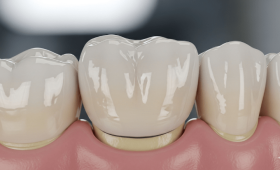
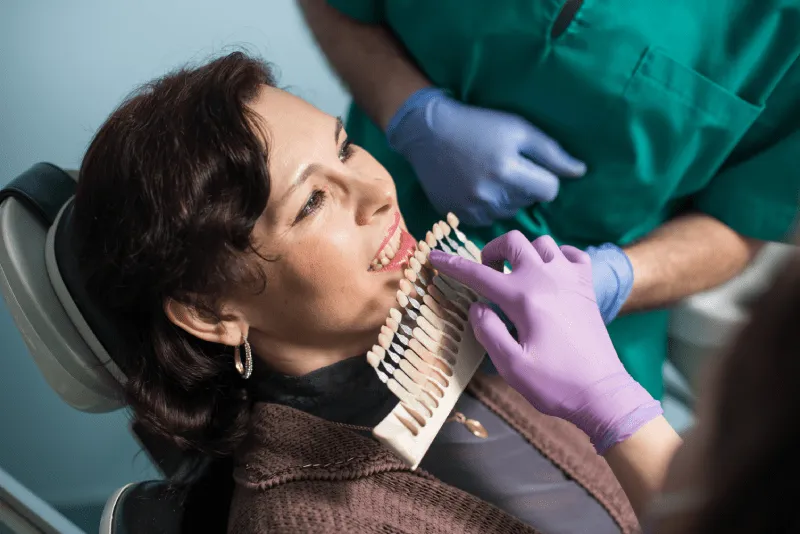
Today, aesthetic dentistry has advanced so much that it is never understood from the outside that a traumatized tooth has been treated. With zirconium crowns, porcelain laminates, or high-quality composite systems, full harmony with the natural tooth form and color is ensured. While more flexible solutions are preferred in children because growth continues, more permanent aesthetic restorations can be planned in the adult period. The important thing is to make the child feel happy when they look in the mirror, restoring their confidence.
What Is The Role Of Dental Lasers In Trauma Treatment?
Dental lasers are great tools, especially for stopping bleeding in soft tissue injuries, disinfecting the area, and reducing pain. In treatments performed with the help of lasers, the healing process is much faster and the risk of infection is lower. Additionally, in cases where the tooth has lost its vitality, lasers can be utilized for root canal disinfection. Offering the possibility of needle-free and quiet operation, lasers provide great comfort for children who have a fear of the dentist, making the clinical experience much more positive.
Why Is It Advantageous To Plan Treatment With Cure Holiday?
When it comes to your child’s dental health, you want to reach the best experts. Cure Holiday brings together modern dentistry technologies with an expert pedodontist (pediatric dentist) staff to offer you a world-class service. Especially in dental traumas requiring emergency intervention, it makes a difference with its fast appointment system and comprehensive treatment plans. Cure Holiday, which turns your treatment process into a journey of comfort rather than just a medical procedure, stands by you with high success rates even in the most challenging cases.
Why Should You Choose Cure Holiday For Pediatric Dentistry?
Communicating with children and overcoming their fears requires a special expertise. The pediatric dentists within Cure Holiday know very well how to calm a child who has gone into shock after a trauma and how to perform a painless treatment. Thanks to the most modern anesthesia techniques, a child-friendly clinical environment, and advanced technological equipment, your child’s trauma stops being a bad memory and turns into a healthy smile. For families looking for quality and trust together, Cure Holiday is the most accurate address for peace of mind.
What Kind Of Treatment Process Does Cure Holiday Offer?
From the moment you contact Cure Holiday, a personalized process begins. Every stage, from the first examination to advanced surgical or aesthetic interventions, is planned transparently. All radiological examinations and long-term follow-ups required after trauma are meticulously carried out by expert teams. Additionally, accommodation and transfer services offered for patients coming from abroad or out of town make this challenging process much more manageable for parents. Your only task is to focus on your child’s health and recovery.
How Can You Achieve Your Dream Smile With Cure Holiday?
Dental traumas are not an irreversible loss. Thanks to the aesthetic restorations and expert treatment approaches offered by Cure Holiday, your child can achieve a healthier and brighter appearance than even before the accident. For us, every patient is special and every tooth is worth saving. Do not leave your child’s dental health to chance; contact Cure Holiday today for a professional, ethical, and modern treatment experience. A happy future begins with a healthy smile. We are dedicated to restoring not just teeth, but the confidence and joy of every young patient we serve.
Free Consultation
Fill out the form below to get your free medical travel plan and price quote.
Sources and how to verify this yourself
- Howe M-S, Keys W, Richards D. Long-term (10-year) dental implant survival: a systematic review and sensitivity meta-analysis. Journal of Dentistry, 2019 — pooled 10-year implant survival 96.4% (95% CI 95.2–97.5%); conservative sensitivity estimate 93.2%. source
- Ministry of Health, Regulation on International Health Tourism and Tourist Health, Official Gazette 26 April 2025, No. 32882 — authorisation requirement for facilities and intermediaries, TÜSKA accreditation, compulsory complication insurance (deadline 31 December 2025 for insurance, 31 December 2026 for accreditation). source
- Ministry of Health, Regulation on Promotion and Information Activities in Health Services, Official Gazette 12 November 2025, No. 33075 — treatment promises and guarantees are prohibited; price and campaign announcements are permitted only within international health tourism. source