About the prices on this page. The figures below are indicative market prices and country comparisons, not a quote. Our own current, all-inclusive prices are published on our cosmetic surgery in Turkey page, and we confirm your figure in writing before you commit to anything.
Choosing between a classic facelift and a thread lift is one of the most significant decisions for anyone looking to reverse the visible signs of aging. As we age, the structural integrity of our facial tissues diminishes, leading to sagging skin, loss of volume, and deep-set wrinkles. While the classic facelift remains the gold standard for comprehensive rejuvenation, the thread lift has emerged as a popular, minimally invasive alternative for those seeking subtle changes with less downtime. Understanding the longevity, efficacy, and suitability of each procedure is vital to ensuring that your investment in your appearance yields the desired results over the long term. This guide delves into every aspect of these two treatments to help you make an informed choice for your aesthetic future.
Why Is Choosing The Right Facial Rejuvenation Method Crucial For Your Long-Term Appearance?
Selecting the appropriate rejuvenation technique is not merely about immediate results; it is about how your face will evolve over the next decade. A classic facelift addresses the underlying musculature and removes excess skin, providing a permanent shift in the facial foundation. In contrast, a thread lift relies on temporary suspension and collagen stimulation, which offers a different trajectory of aging. Choosing the wrong method can lead to dissatisfaction, unnecessary repeat procedures, or a look that does not harmonize with your natural aging process. By evaluating your skin elasticity, bone structure, and long-term goals, you ensure that the intervention you choose today remains a source of confidence for many years to come, rather than a temporary fix that fails to meet expectations.

What Is A Classic Facelift And How Does It Address Deep Structural Aging?
A classic facelift, medically known as a rhytidectomy, is a surgical procedure designed to tighten and lift the tissues of the lower two-thirds of the face and often the neck. Unlike superficial treatments, it goes beyond the skin surface. The surgeon makes incisions, typically around the hairline and ears, to access the Superficial Musculoaponeurotic System (SMAS). By repositioning this deep muscle and connective tissue layer, the surgeon can correct significant jowling, deep nasolabial folds, and sagging skin. The excess skin is then meticulously trimmed, and the remaining skin is redraped for a smoother, firmer appearance. This structural approach is what makes the classic facelift the most effective solution for advanced signs of aging, as it fundamentally restores the facial architecture to a more youthful position.
What Defines A Thread Lift As A Minimally Invasive Alternative For Facial Lifting?
A thread lift is a non-surgical procedure that utilizes medical-grade suture materials to “lift” and support sagging facial tissues. These threads, often made of polydioxanone (PDO), polylactic acid (PLA), or polycaprolactone (PCA), are inserted under the skin using a fine needle or cannula. Once placed, the threads feature tiny barbs or cones that grip the tissue, allowing the practitioner to manually pull the skin into a more elevated position. Beyond the physical lift, the presence of these foreign materials triggers a “foreign body response,” stimulating the natural production of collagen and elastin in the treated areas. Because it requires no large incisions, general anesthesia, or significant tissue removal, it is defined by its minimal downtime and lower risk profile, making it an attractive option for those with mild to moderate laxity.
How Do The Primary Mechanisms Of Action Differ Between These Two Procedures?
The fundamental difference lies in “repositioning” versus “suspending.” In a classic facelift, the mechanism is mechanical and structural; the SMAS layer is physically lifted and often sutured into a new, higher position, and redundant skin is removed entirely. This creates a permanent change in the facial contour. A thread lift, however, works through temporary suspension and biological stimulation. The threads provide an immediate, albeit subtle, lift by anchoring into the fat and skin layers, but the long-term “lifting” effect actually comes from the collagen matrix that forms around the dissolving threads. While the facelift removes the problem (excess skin), the thread lift attempts to support and rejuvenate the skin from within without removing any tissue. This distinction is the primary driver of the difference in their lasting effects.
Which Procedure Offers The Most Significant Improvement For Severe Skin Laxity?
For individuals experiencing severe skin laxity, particularly heavy jowls, a sagging neck, or deep facial folds, the classic facelift is unequivocally the superior choice. Minimally invasive treatments like thread lifts are limited by the amount of weight they can support; they cannot effectively lift large amounts of redundant, heavy skin without causing visible bunching or puckering. A surgical facelift allows for the removal of several centimeters of skin and the tightening of lax muscles, which is necessary to achieve a crisp jawline and a smooth neck in cases of significant aging. While a thread lift can provide a “refresh,” it lacks the mechanical strength required to counteract the effects of gravity on severely aged or heavy facial tissues, making surgery the only viable option for a dramatic transformation.
How Long Can You Realistically Expect The Results Of A Classic Facelift To Last?
One of the most compelling reasons to choose a classic facelift is its impressive longevity. While no procedure can stop the natural aging process entirely, a well-performed facelift can turn back the clock by ten to fifteen years. Patients generally enjoy the results for a decade or more, and even as aging continues, they will always look younger than they would have had they never had the surgery. The durability of the facelift is due to the permanent alteration of the SMAS layer and the removal of excess skin. Unlike temporary solutions that degrade within months, the structural foundation created during surgery remains intact, providing a lasting baseline of rejuvenation that ages naturally and gracefully with the patient over the long term.
What Is The Typical Duration Of Visible Improvements After A Thread Lift Procedure?
The visible improvements from a thread lift are considerably more temporary than those of surgical options. On average, the results of a thread lift last between 12 and 18 months. The initial mechanical lift provided by the threads themselves may begin to diminish after six months as the body starts to metabolize the suture material. However, the secondary effect—the collagen stimulation—can maintain a rejuvenated look for several additional months. Most patients find that by the 18-month mark, the skin begins to return to its pre-treatment state, requiring a “maintenance” procedure to sustain the results. The duration is highly dependent on the type of threads used, the skill of the provider, and the patient’s own biological ability to produce new collagen in response to the treatment.
Why Does A Surgical Facelift Provide More Permanent Structural Changes To The Face?
The permanence of a surgical facelift stems from its ability to modify the “scaffolding” of the face. In a thread lift, the underlying muscles and deep tissues are left untouched; only the superficial layers are manipulated. In a classic facelift, the surgeon physically alters the SMAS layer, which is the thick, fibrous tissue that supports the face. By cutting, tightening, and repositioning this layer, the surgeon creates a new, firm foundation that is not reliant on a temporary suture for its position. Additionally, by removing the excess skin that has lost its elasticity, the surgeon eliminates the weight that contributes to further sagging. This combination of muscle tightening and skin excision creates a structural change that simply cannot be replicated by non-surgical means, leading to a much more enduring outcome.
How Does Collagen Stimulation Contribute To The Temporary Nature Of Thread Lifts?
Collagen stimulation is both the greatest strength and a significant limitation of the thread lift. The “lift” achieved by the threads is designed to be replaced by a “collagen scaffold” as the threads dissolve. While this new collagen improves skin texture, thickness, and elasticity, it is still subject to the same natural degradation as the rest of the body’s collagen. New collagen is not permanent; it breaks down over time due to age, UV exposure, and environmental factors. Furthermore, the amount of collagen produced is often not enough to provide a heavy mechanical lift. Because the procedure relies on a biological process rather than a permanent mechanical fix, the results are inherently tied to the skin’s lifecycle, which naturally limits the longevity of the thread lift compared to surgical intervention.
What Role Does Patient Age Play In Determining The Longevity Of Each Treatment?
Age is a critical determinant in how long results will last for both procedures. Younger patients, typically in their late 30s to late 40s, often have better skin elasticity and higher collagen production rates, making them ideal candidates for thread lifts. Their bodies respond more robustly to the threads, potentially extending the results. Conversely, older patients with more advanced skin laxity and diminished regenerative capacity may find that thread lifts yield very short-lived or negligible results. For these patients, a classic facelift is often more appropriate because it does not rely on the body’s declining ability to produce collagen; instead, it uses surgical techniques to compensate for the loss of elasticity, providing a reliable and lasting outcome regardless of the patient’s biological age.
Can Lifestyle Choices Significantly Impact How Long Your Facelift Results Remain Visible?
Yes, lifestyle choices are paramount in protecting the “investment” made during a facelift or thread lift. Sun exposure is the primary enemy of skin elasticity; UV rays break down collagen and elastin, which can lead to premature sagging even after surgery. Patients who use daily SPF and avoid tanning will see much longer-lasting results. Smoking is another major factor, as it constricts blood flow and significantly impairs the skin’s ability to heal and maintain its structure. Furthermore, maintaining a stable weight is essential; significant fluctuations in weight can stretch the skin and underlying tissues, undoing the tightening achieved during the procedure. A healthy diet, proper hydration, and a consistent medical-grade skincare routine are all vital components in extending the lifespan of any facial rejuvenation effort.
How Does The Type Of Thread Used Influence The Duration Of A Thread Lift?
Not all threads are created equal, and the material and design significantly impact the longevity of the lift. PDO (Polydioxanone) threads are common but typically dissolve within six months, making them the shortest-lasting option. PLA (Polylactic Acid) and PCA (Polycaprolactone) threads are more durable, often taking 12 to 18 months to fully dissolve and stimulating more significant collagen production in the process. Additionally, the design—whether the thread is smooth, barbed, or molded—affects how well it grips the tissue and maintains the lift. Molded threads, which are stronger than cut-barbed threads, tend to provide a more robust and slightly longer-lasting mechanical lift. Choosing a higher-quality, more durable thread type under the guidance of an expert is essential for maximizing the duration of a non-surgical lift.

Is A Deep Plane Facelift Superior To A Traditional Facelift In Terms Of Lasting Power?
The deep plane facelift is widely considered the “gold standard” for longevity and natural-looking results. While a traditional SMAS facelift tightens the muscle layer, a deep plane facelift goes beneath the SMAS to release the ligaments that tether the face in a sagged position. By releasing these deep attachments, the surgeon can move the entire midface, jawline, and neck as a single unit without tension. Because there is no tension on the skin itself, the results are less likely to “snap back” or stretch out over time. Studies suggest that a deep plane facelift can last significantly longer than a traditional facelift and provides a more comprehensive rejuvenation of the midface, making it a preferred choice for patients seeking the absolute maximum in lasting effects and facial harmony.
What Are The Common Signs That A Thread Lift’s Effects Are Beginning To Fade?
The first signs that a thread lift is losing its efficacy usually appear as a subtle return of skin laxity. Patients may notice that the jawline is no longer as sharp as it was immediately following the procedure, or that the “jowling” they sought to correct is becoming visible again. The nasolabial folds may deepen, and the cheeks might lose the slight elevation they once had. Because the threads dissolve gradually, the fading is not abrupt but rather a slow progression back to the natural state of the face. Unlike a facelift, where the skin stays taut for years, the thread lift relies on the skin’s internal support, so as the collagen stimulation wanes and the threads disappear, the gravitational pull on the skin becomes evident once more, signaling the need for a touch-up.
Why Do Many Patients Prefer The Subtle, Shorter-Term Results Of Non-Surgical Lifting?
Despite the shorter duration, many patients prefer thread lifts because they offer a “refreshed” look rather than a “changed” look. For many, the idea of a major surgical transformation is intimidating. A thread lift allows for subtle improvements that are often undetectable to others; friends might comment that the patient looks “rested” or “well-slept” rather than “done.” Additionally, the lack of general anesthesia, the lower price point, and the ability to return to work the next day are huge advantages for busy professionals. For younger patients who only have early signs of aging, a thread lift serves as a preventative or “maintenance” measure, allowing them to delay major surgery while still addressing minor concerns as they arise.
What Is The Average Recovery Time For A Classic Facelift Compared To A Thread Lift?
The recovery timeline is one of the most stark differences between the two procedures. A classic facelift requires a significant commitment to healing; most patients need 10 to 14 days before they feel comfortable appearing in social situations, and residual swelling or bruising can take several weeks to fully resolve. Strenuous activities are usually restricted for a month. In contrast, a thread lift is often called a “lunchtime lift.” While there may be some minor swelling, bruising, or a “tight” sensation for a few days, most patients can return to their normal daily activities within 24 to 48 hours. The trade-off is clear: the facelift offers a decade of results for a few weeks of recovery, while the thread lift offers minimal recovery for a much shorter duration of improvement.
Are There Specific Medical Conditions That Might Shorten The Lifespan Of Your Results?
Certain medical conditions and medications can influence the longevity and success of facial rejuvenation. Conditions that affect collagen production, such as Ehlers-Danlos syndrome or other connective tissue disorders, can make a thread lift almost entirely ineffective. Poorly controlled diabetes can impair healing, potentially leading to widened scars in a facelift or increased risk of infection in a thread lift. Furthermore, autoimmune diseases that cause systemic inflammation can accelerate the breakdown of both natural collagen and the surgical results. It is essential for patients to provide a full medical history to their surgeon, as systemic health plays a foundational role in how the body maintains its structural integrity following any aesthetic intervention, whether it is a major surgery or a minor thread insertion.
How Many Times Can A Patient Undergo A Thread Lift To Maintain Their Appearance?
Technically, a patient can undergo a thread lift multiple times, but there is a point of diminishing returns. Each procedure creates a small amount of internal scar tissue (fibrosis). While some fibrosis is good for support, too much can make the skin feel tough or make future surgical procedures more difficult. Most practitioners recommend waiting at least a year between treatments. Over time, as aging progresses and skin laxity becomes more severe, threads will eventually fail to provide a meaningful lift. At this stage, continuing with threads may lead to an unnatural appearance or frustration with the lack of results. Most experts suggest using threads as a bridge, and eventually transitioning to a surgical facelift when the “lifting” capacity of the threads is no longer sufficient to combat gravity.
Is It Common For Patients To Transition From Thread Lifts To Surgery Later In Life?
It is very common, and often an intentional strategy, for patients to start with minimally invasive treatments like thread lifts in their 40s and transition to a surgical facelift in their 50s or 60s. This “ladder” approach allows patients to manage the aging process incrementally. By using threads early on, they can maintain a youthful contour for several years. However, as the skin loses more elasticity and the underlying fat pads shift significantly, the limitations of threads become apparent. Transitioning to a facelift later in life provides the more permanent correction needed for advanced aging. A skilled surgeon can usually perform a facelift even if the patient has had threads in the past, although they must be aware of any permanent (non-dissolvable) threads that may have been used.
How Do The Immediate Post-Operative Results Compare Between The Two Methods?
Immediately following a thread lift, the results are often quite striking because the threads provide an instant mechanical pull. However, there may be some initial “over-correction” or slight puckering that settles over a week. In contrast, the immediate results of a classic facelift are often obscured by swelling and bruising. While the underlying structure is much more drastically changed, the patient may not see the “true” result for several weeks or even months. The thread lift provides instant gratification with a subtle lift, whereas the facelift requires patience. Once the initial healing phase of the facelift is complete, the results are far more transformative and “crisp” compared to the softer, more modest elevation achieved with a thread lift.
What Are The Long-Term Maintenance Requirements For A Classic Surgical Facelift?
While a facelift is “permanent” in terms of structural change, it does not stop the clock. Long-term maintenance is required to keep the skin looking its best. This typically includes a high-quality skincare regimen focusing on retinoids, antioxidants, and growth factors to maintain skin quality. Many facelift patients also benefit from “maintenance” non-surgical treatments every few years, such as lasers for skin texture, or small amounts of filler to address volume loss that surgery does not fix. However, the heavy lifting is done; these maintenance steps are simply to polish the results and ensure the skin itself remains healthy and radiant. Unlike the thread lift, you won’t need to repeat the primary “lifting” procedure for another decade or more.
Can Dermal Fillers And Botox Be Combined With Either Procedure For Enhanced Longevity?
Combining procedures is often the best way to achieve a comprehensive and long-lasting result. Both facelifts and thread lifts primarily address “sagging,” but they do not address “volume loss” (hollowing) or “dynamic wrinkles” (expression lines). Using dermal fillers alongside a facelift or thread lift can restore youthful fullness to the temples and midface, which further supports the lifted tissue. Botox can be used to relax muscles that pull downward on the face, potentially extending the life of a thread lift by reducing the mechanical stress on the sutures. A “multi-modal” approach—combining lifting, volumizing, and smoothing—creates a more harmonious and durable rejuvenation than any single procedure could achieve on its own, addressing all the hallmarks of facial aging simultaneously.
Why Is Skin Quality A Major Factor In The Success Of A Minimally Invasive Lift?
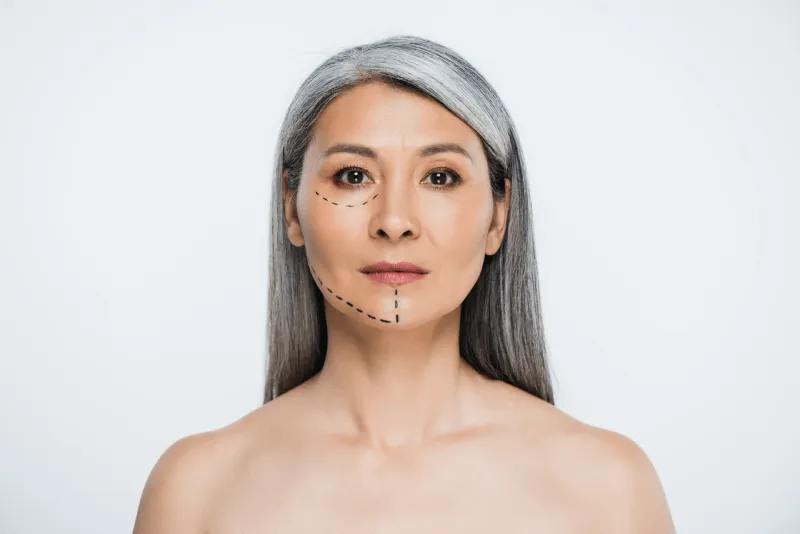
A thread lift is only as strong as the skin it is gripping. If a patient has very thin, “crepey,” or sun-damaged skin, the threads may not have enough healthy collagen to anchor into. In such cases, the threads can either pull through the tissue (cheese-cutter effect) or become visible under the surface. For a thread lift to be successful and last its full duration, the patient needs a certain degree of skin thickness and health. Conversely, a surgical facelift is less dependent on the superficial skin quality for its “lift” because it relies on the SMAS layer. However, even in surgery, better skin quality leads to better scarring and a more radiant final look. Improving skin quality through pre-treatment skin prep is often recommended to maximize the success of either procedure.
What Are The Potential Risks Associated With The Long-Term Presence Of Surgical Scars?
In a classic facelift, the scars are a permanent trade-off for the lasting results. However, when performed by an expert, these scars are strategically hidden within the natural creases of the ear and the hairline, becoming nearly invisible over time. Long-term risks include scar widening or thickening (hypertrophic scars), especially in patients prone to poor healing or those who put tension on the incisions too early. In contrast, a thread lift leaves no permanent visible scars, as the entry points are tiny needle pricks. However, if threads are placed too superficially, they can cause permanent “track marks” or visible ridges. The risk of visible scarring in a facelift is mitigated by proper technique and post-operative care, making it a negligible concern for the vast majority of patients seeking long-term rejuvenation.
How Do Surgeons Manage Patient Expectations Regarding The Aging Process Post-Surgery?
Ethical surgeons are very clear: a facelift is a “reset,” not a “pause button.” They manage expectations by explaining that while the surgery removes 10 years of aging, the patient will still age from that new starting point. A person who has a facelift at 50 will look 40, but when they turn 60, they will look 50. This is an important distinction for long-term satisfaction. Surgeons emphasize that the quality of the results over the next decade depends on the patient’s health and maintenance. By setting realistic goals and explaining that the procedure is about “aging better” rather than “not aging,” surgeons ensure that patients remain happy with their appearance as the years go by, appreciating the lasting advantage the surgery has given them.
What Is The Cost-Per-Year Comparison Between These Two Facial Rejuvenation Options?
While the upfront cost of a classic facelift is significantly higher than a thread lift, the “cost-per-year” often tells a different story. A facelift might cost $15,000 but last 12 years, resulting in a cost of roughly $1,250 per year. A thread lift might cost $3,000 but only last 1.5 years, resulting in a cost of $2,000 per year. When you consider that the thread lift must be repeated frequently to maintain the same level of correction, the surgical option often becomes the more financially sound investment in the long run. For patients committed to maintaining a youthful appearance for the next several decades, the durability of the facelift provides better value, both financially and in terms of the superior quality of the aesthetic outcome.
Which Procedure Is Better Suited For Younger Patients Seeing Early Signs Of Aging?
Younger patients, usually in their late 30s to mid-40s, are typically the ideal candidates for thread lifts. At this age, the primary concern is often early “jowling” or a slightly softened jawline, rather than significant skin excess. Their skin still possesses enough elasticity to respond well to the mechanical lift and the collagen stimulation of the threads. A full facelift at this stage might be considered premature or “too much” for the level of correction needed. The thread lift serves as a perfect “prejuvenation” tool, offering a subtle enhancement that keeps them looking their best without the need for major surgery. It allows them to “hold the line” against aging until a more definitive surgical intervention becomes necessary later in life.
How Does Smoking And Sun Exposure Affect The Durability Of Facial Lifting Results?
Smoking and sun exposure are the two fastest ways to undo the results of any facial procedure. Smoking reduces oxygen in the blood, which is essential for maintaining the health of the collagen fibers that hold your face up. It also accelerates the breakdown of elastin, leading to premature sagging. Sun exposure (UV radiation) directly damages the DNA of skin cells and breaks down the very collagen that thread lifts try to stimulate or that facelifts try to redrape. Patients who continue these habits after their procedure will find that their results fade much faster than average. To ensure that a facelift lasts 10+ years or a thread lift lasts its full 18 months, absolute sun protection and smoking cessation are non-negotiable requirements.
Is A “Mini-Facelift” A Middle Ground Between These Two Popular Procedures?
The “mini-facelift” is often viewed as the bridge between a thread lift and a full classic facelift. It is a surgical procedure, but it involves smaller incisions and focuses primarily on the jawline and lower cheeks. It offers more longevity than a thread lift (usually 5 to 8 years) because it still involves skin excision and some SMAS tightening, but it has less downtime than a full facelift. For patients who feel they have outgrown the effectiveness of threads but aren’t ready for the “full” surgery, the mini-facelift is an excellent middle ground. It provides a definitive, long-lasting surgical correction for moderate sagging with a faster recovery and a lower price point than the traditional comprehensive rhytidectomy.
What Should You Consider When Weighing The Risks Against The Lasting Benefits?
When weighing these options, you must balance the “risk of surgery” against the “risk of dissatisfaction.” A facelift carries the standard risks of surgery (anesthesia, scarring, longer recovery) but offers the highest probability of a dramatic, long-lasting result. A thread lift carries very low surgical risk but a higher risk that the results may be too subtle or too short-lived to justify the cost. You should consider your lifestyle, your budget, and how much “correction” you actually need. If your goal is a complete transformation that lasts a decade, the benefits of surgery outweigh the risks. If you only need a minor refresh and cannot afford downtime, the lower-risk, shorter-term benefit of a thread lift is likely the more appropriate choice for your current situation.
Why Is The Expertise Of The Surgeon The Most Critical Factor In Lasting Outcomes?
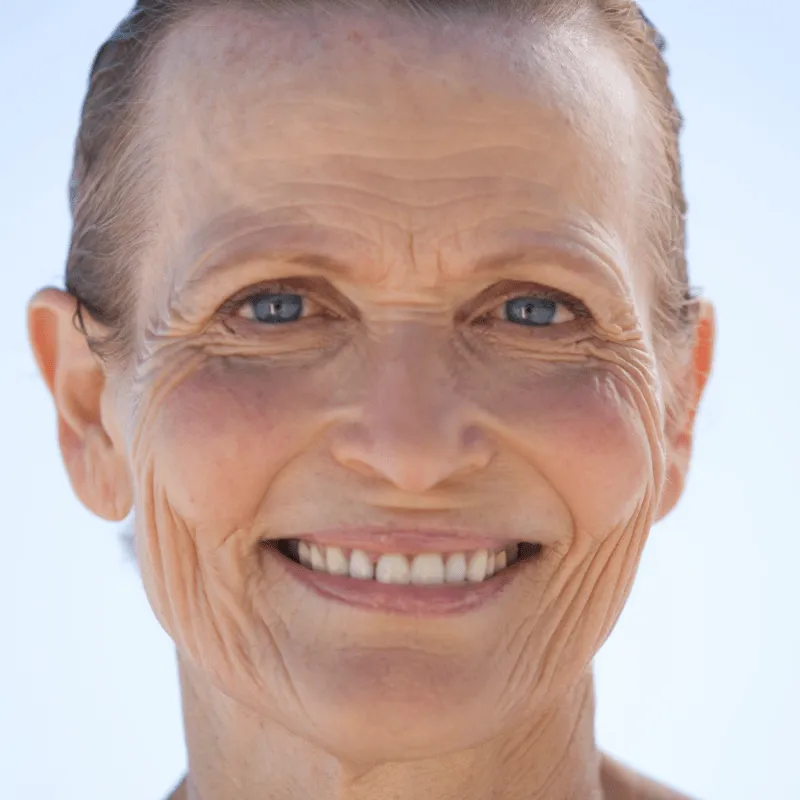
Ultimately, the longevity and beauty of your results depend entirely on the hands of the person performing the procedure. A facelift is a complex operation that requires a deep understanding of facial anatomy to avoid a “pulled” or unnatural look. An expert surgeon knows how to tension the SMAS layer correctly so the result doesn’t sag prematurely. Similarly, a thread lift requires precise placement in the correct tissue plane; if placed too deep, it does nothing, and if too shallow, it causes visible defects. Choosing a board-certified professional with extensive experience in facial rejuvenation ensures that you receive a technique tailored to your specific anatomy, maximizing both the safety of the procedure and the lasting power of your new, youthful appearance.
Why Should You Choose Cure Holiday For Your Personalized Facial Rejuvenation Journey?
Cure Holiday stands out as a premier destination for those seeking world-class aesthetic transformations. We understand that every face is unique, and a “one-size-fits-all” approach never yields the best results. At Cure Holiday, we connect patients with elite, internationally recognized surgeons who specialize in both advanced deep-plane facelifts and the latest thread lift technologies. Our commitment to excellence means that we prioritize your safety, your aesthetic goals, and your long-term satisfaction above all else. By choosing Cure Holiday, you are not just booking a procedure; you are embarking on a carefully curated journey where every detail—from the initial consultation to the final result—is handled with the highest level of professional care and expertise.
How Does Cure Holiday Combine World-Class Medical Expertise With Luxury Recovery?
At Cure Holiday, we believe that the healing process should be as rejuvenating as the procedure itself. We provide a seamless experience that combines top-tier medical care with the comfort of a luxury holiday. Our patients benefit from procedures performed in state-of-the-art hospitals, followed by a recovery period in premium accommodations where they can rest and heal in a stress-free environment. This holistic approach reduces the anxiety often associated with surgery and allows the body to focus entirely on recovery. With our dedicated support staff handling all logistics, including transportation and post-operative check-ups, you can focus on your transformation while enjoying the peace of mind that comes with the Cure Holiday standard of excellence.
What Makes The Cure Holiday Experience Unique For International Aesthetic Patients?
Cure Holiday is specifically designed to meet the needs of international patients seeking the highest quality care at competitive prices. We offer comprehensive packages that eliminate the complexity of planning medical travel. Our team provides transparent communication, multi-language support, and personalized itineraries that cater to your specific needs. We bridge the gap between global medical standards and local hospitality, ensuring that you feel at home even when you are abroad. The unique “Cure Holiday” touch lies in our ability to deliver results that rival the best clinics in the world while providing a level of personal attention and luxury that makes your aesthetic journey feel like a true vacation, ensuring you return home looking and feeling your absolute best.
How Can You Start Your Transformation Today With A Consultation At Cure Holiday?
Taking the first step toward a more youthful and confident version of yourself is easy with Cure Holiday. You can begin your journey by reaching out for a personalized consultation where our experts will help you determine whether a classic facelift or a thread lift is the right choice for your goals. We provide detailed information, answer all your questions about longevity and recovery, and help you visualize the potential results. There is no better time than now to invest in your appearance and well-being. Contact Cure Holiday today to discover how our world-class medical teams and luxury recovery experiences can help you achieve the lasting, beautiful results you deserve. Your path to a radiant, rejuvenated future begins with a single click or call to our team.
Free Consultation
Fill out the form below to get your free medical travel plan and price quote.
Sources and how to verify this yourself
- Ministry of Health, Regulation on International Health Tourism and Tourist Health, Official Gazette 26 April 2025, No. 32882 — authorisation requirement for facilities and intermediaries, TÜSKA accreditation, compulsory complication insurance (deadline 31 December 2025 for insurance, 31 December 2026 for accreditation). source
- Ministry of Health, Regulation on Promotion and Information Activities in Health Services, Official Gazette 12 November 2025, No. 33075 — treatment promises and guarantees are prohibited; price and campaign announcements are permitted only within international health tourism. source