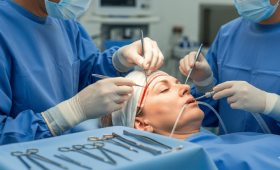
Cosmetic surgery has evolved significantly over the last few decades, moving from a niche luxury to a widely accessible means of self-improvement. One of the most common questions potential patients ask is whether they are “too young” or “too old” to go under the knife. While age is certainly a factor that surgeons consider, it is rarely the sole determining element. Modern medical advancements have shifted the focus from the number on a birth certificate to the patient’s overall physiological health, lifestyle, and psychological readiness. This guide explores the multifaceted relationship between age and aesthetic procedures, providing you with the necessary insights to make an informed decision about your surgical journey.
What Is The Definition Of A Safe Age For Plastic Surgery?
The concept of a “safe age” is dynamic rather than fixed. In the medical community, safety is defined by the patient’s ability to tolerate anesthesia, the body’s capacity for wound healing, and the stability of the physical features being altered. For younger patients, safety often involves waiting until physical development is complete to ensure that surgical changes are permanent and do not interfere with natural growth. For older adults, safety is measured by the absence of severe systemic diseases that could complicate the surgical process. Ultimately, a safe age is one where the benefits of the procedure significantly outweigh the potential risks identified during a thorough medical screening.

Does Modern Medicine Impose A Strict Upper Age Limit?
In contemporary plastic surgery, there is no longer a strict “cutoff” age that automatically disqualifies a patient from treatment. Surgeons today are performing facelifts, eyelid surgeries, and even body contouring on patients in their 70s and 80s with high success rates. The primary shift in modern medicine has been toward personalized assessment. Instead of looking at chronological age, medical professionals evaluate biological age—how well the heart, lungs, and kidneys are functioning. As long as a senior patient is in excellent health and has realistic expectations, they are often considered suitable candidates for various cosmetic enhancements.
How Does Overall Health Status Influence Surgical Candidacy?
Health status is the most critical pillar of surgical candidacy, far outweighing the importance of age alone. A healthy 70-year-old with no chronic conditions and an active lifestyle may be a much better candidate for surgery than a 40-year-old with uncontrolled hypertension or respiratory issues. Surgeons perform a comprehensive “clearance” process that includes blood work, EKG, and sometimes specialist consultations. Conditions such as heart disease, lung impairment, or severe autoimmune disorders are the real barriers to surgery. If your vital organs are functioning well and your immune system is robust, your age becomes a secondary consideration in the eyes of a skilled surgeon.
Why Is Physiological Age More Important Than Chronological Age?
Chronological age is merely the time passed since birth, whereas physiological age refers to the functional state of your body’s systems. Two people aged 60 can have vastly different physiological profiles; one might have the cardiovascular health of a 40-year-old, while the other might struggle with age-related decline. Surgeons prioritize physiological age because it dictates how a patient will respond to the stress of surgery and how quickly their tissues will knit back together. Factors like genetics, diet, exercise, and avoidance of harmful habits like smoking contribute to a younger physiological age, making complex cosmetic procedures much safer and more effective.
Are Teenagers Eligible For Cosmetic Procedures Under Parental Consent?
Teenagers are eligible for certain cosmetic procedures, but the criteria are much stricter than for adults. In many cases, parental consent is legally required for anyone under the age of 18. However, even with consent, ethical surgeons only move forward if the teenager has reached physical maturity and possesses the emotional stability to understand the permanence of the change. Procedures like otoplasty (ear pinning) are common for younger children to prevent bullying, while rhinoplasty is usually delayed until the mid-to-late teens when the nose has finished growing. Every case involving a minor requires a deep dive into the motivation behind the request.
What Are The Psychological Considerations For Younger Patients?
The psychological state of a young patient is just as important as their physical health. Adolescents are in a high state of flux, and their self-image can change rapidly. Surgeons must distinguish between a teen who has a genuine, stable concern about a physical deformity and one who is reacting to temporary social pressures or “trends.” A key psychological consideration is whether the patient is seeking surgery for themselves or to please others. Maturity involves understanding that surgery is not a “magic wand” for social or emotional problems. A thorough consultation often involves assessing the young person’s resilience and their ability to follow strict post-operative protocols.
Is Rhinoplasty Common Among Older Teenagers?
Rhinoplasty is one of the most frequently requested cosmetic surgeries for older teenagers, particularly those aged 16 to 19. At this stage, the facial structure is usually fully developed, allowing the surgeon to make precise alterations that will remain stable throughout adulthood. The popularity of “nose jobs” in this age group often stems from the significant impact the nose has on facial harmony and the boost in self-confidence it can provide during a pivotal time in social development. Surgeons generally recommend waiting until at least age 15 for girls and 16 or 17 for boys to ensure the nasal bone and cartilage have finished their growth spurts.
How Does Skin Elasticity Affect Results In Older Patients?
Skin elasticity, or the skin’s ability to “snap back” after being stretched, naturally declines with age due to the loss of collagen and elastin. This factor plays a huge role in the outcome of procedures like liposuction or facelifts. In younger patients, the skin usually conforms perfectly to the new underlying contours. In older patients, the surgeon must often combine volume reduction (like fat removal) with skin tightening (like an excision) to prevent sagging. While advanced techniques can address loose skin, patients must have realistic expectations that their skin may not look as taut as it did in their youth, though the overall improvement can still be transformative.
Can Patients Over Seventy Safely Undergo General Anesthesia?
Yes, patients over seventy can safely undergo general anesthesia, provided they have undergone a rigorous pre-operative cardiac and pulmonary evaluation. Modern anesthesiology has become incredibly precise, with medications that can be tailored to an older person’s metabolism. The key to safety in this age group is the presence of an experienced anesthesiologist who monitors vital signs with extreme care. While there are slightly higher risks of post-operative confusion or respiratory issues in the elderly, these risks are minimized through proper patient selection and the use of shorter-acting anesthetic agents that allow for a quicker, smoother recovery.
What Screening Tests Are Required For Elderly Patients?
Elderly patients must undergo a more intensive screening process compared to their younger counterparts to ensure maximum safety. Standard requirements usually include a full blood panel (to check for anemia and organ function), a urinalysis, and an Electrocardiogram (EKG). Depending on the patient’s history, a surgeon might also request a chest X-ray or a clearance letter from a cardiologist or primary care physician. These tests are designed to catch any underlying “silent” conditions that might complicate the surgery or recovery process. This “safety-first” approach ensures that any potential issues are managed before the patient even enters the operating room.
Does Cardiovascular Health Play A Role In Cosmetic Surgery Safety?
Cardiovascular health is perhaps the single most important factor in determining the safety of any surgery. The heart must be strong enough to pump blood effectively during the fluctuations in blood pressure that can occur under anesthesia. High blood pressure, if uncontrolled, can lead to increased bleeding during surgery or the formation of hematomas afterward. Surgeons will often work with a patient’s cardiologist to optimize their blood pressure and ensure that any heart conditions are stable. For older patients, a healthy heart is a green light for surgery, as it ensures that oxygen and nutrients are efficiently delivered to healing tissues.
How Do Chronic Conditions Like Diabetes Impact Recovery?
Chronic conditions like diabetes do not necessarily prohibit cosmetic surgery, but they do require meticulous management. Diabetes can affect the body’s ability to heal wounds and increases the risk of post-operative infections due to high blood sugar levels. A patient with well-controlled diabetes (evidenced by a healthy HbA1c level) can often undergo surgery safely. However, the recovery period might be longer, and the surgeon may prescribe a more aggressive antibiotic regimen. It is vital for patients to be completely transparent about their chronic conditions so that the surgical team can create a customized plan that mitigates these specific risks.
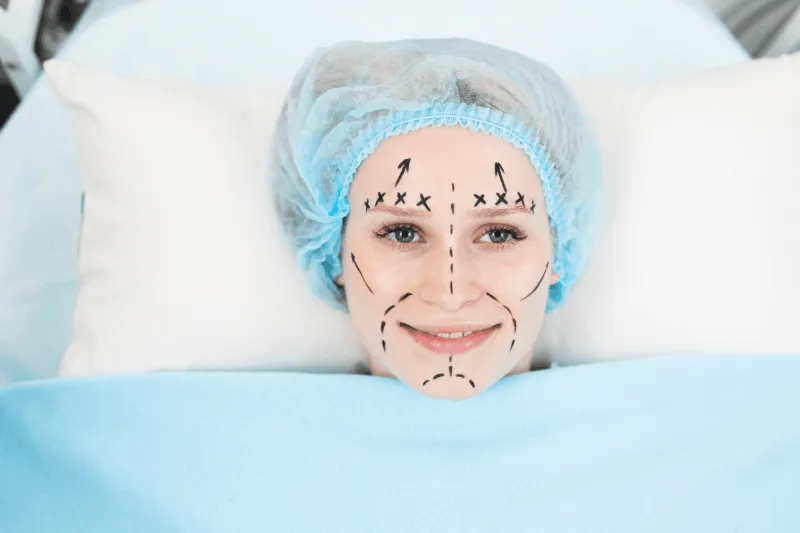
Is A Facelift Recommended For Patients In Their Eighties?
While it is less common, a facelift can be recommended for patients in their eighties if they are in exceptional physical health and have a strong desire for rejuvenation. At this age, the goal of a facelift is usually not to look thirty again, but to look like a more refreshed, rested version of oneself. The surgical approach for an octogenarian is often more conservative to minimize time under anesthesia and ensure a faster recovery. Many patients in this age bracket find that correcting heavy jowls or a sagging neck significantly improves their quality of life and self-perception, proving that the desire for aesthetic harmony does not have an expiration date.
What Are The Risks Of Major Surgeries For Very Young Patients?
For very young patients, the primary risks are related to physical development and psychological impact. If a surgery like breast augmentation is performed before the breasts have fully developed, the natural growth can distort the surgical results, leading to the need for revision surgery later. There is also the risk that a young person’s body is still changing, meaning the “flaw” they see today might naturally resolve itself within a few years. Beyond the physical, the emotional risk of a young person becoming “addicted” to surgery or failing to develop a healthy body image is a major concern that surgeons must carefully evaluate through deep consultation.
Why Is Emotional Maturity Critical Before Going Under The Knife?
Emotional maturity is the foundation of a successful surgical outcome. Patients must be able to handle the stress of the recovery process, which often involves swelling, bruising, and a period where they might look “worse” before they look better. A mature patient understands that surgery involves risks and that results are never guaranteed to be perfect. They have realistic goals and are not seeking surgery to fix a broken relationship or a career slump. Without emotional maturity, even a technically perfect surgery can result in a dissatisfied patient who struggles to cope with the reality of their new appearance.
How Does The Body’s Healing Capacity Change With Each Decade?
Our body’s ability to repair itself undergoes a natural decline as we age. In our 20s and 30s, cell turnover is rapid, and the skin produces ample collagen, leading to fast wound closure and minimal scarring. By our 50s and 60s, the inflammatory response is slower, and the vascular system may not deliver blood to the skin as efficiently. This doesn’t mean older people don’t heal; it simply means the process takes more time. Surgeons adjust their techniques for older patients, often using more delicate suturing and recommending specific supplements or hyperbaric oxygen therapy to support the natural healing mechanisms that have slowed down over the decades.
Can Breast Augmentation Be Performed Before Breast Development Is Complete?
Performing breast augmentation before breast development is complete is generally advised against by all major medical boards. Typically, the FDA recommends that patients be at least 18 for saline implants and 22 for silicone implants. If the procedure is done too early, the placement of the implant can be affected by subsequent natural growth, leading to asymmetry or an unnatural appearance. Furthermore, waiting until development is finished ensures that the patient has had enough time to live with their adult body and make a decision that isn’t influenced by the rapid hormonal and physical changes of puberty.
What Role Does Smoking Play In Surgery Risks Across All Ages?
Smoking is a universal “red flag” in plastic surgery, regardless of whether you are 20 or 70. Nicotine causes blood vessels to constrict, which severely limits the flow of oxygenated blood to the surgical site. This can lead to tissue death (necrosis), failed skin grafts, and prominent scarring. Most surgeons require patients to stop smoking at least four to six weeks before and after surgery. For older patients, the risks of smoking are compounded by age-related vascular issues, making the cessation of tobacco even more critical. Avoiding smoking is the single best thing a patient can do to ensure their surgery is a success and their recovery is smooth.
Are Non-Surgical Treatments Better For Aging Skin?
Non-surgical treatments like Botox, dermal fillers, and laser therapy are excellent options, especially for patients who are either too young for surgery or wish to avoid the downtime of an invasive procedure. For aging skin, these treatments can provide significant “maintenance” by softening wrinkles and restoring lost volume. However, they have limits. They cannot remove large amounts of excess skin or reposition deep facial tissues in the way a facelift can. Many patients find that a combination of surgical and non-surgical approaches yields the most natural and long-lasting results, allowing them to delay more invasive surgeries until they are truly necessary.
How Can Nutritional Status Improve Surgical Outcomes In Seniors?
Nutrition is a powerful tool for optimizing surgical outcomes, particularly for senior patients who may have deficiencies that aren’t immediately obvious. Protein is the building block of tissue repair, so ensuring adequate intake before and after surgery is vital. Vitamins C and A, along with zinc, play key roles in collagen synthesis and immune function. For older adults, a targeted nutritional plan can help counteract the natural slowing of the healing process. Surgeons often recommend a high-quality diet or specific medical-grade supplements to “prime” the body for the stress of surgery, ensuring that the patient has the internal resources needed for a robust recovery.
What Is The Significance Of Post-Operative Care For Older Adults?
Post-operative care is the “final lap” of the surgical journey, and for older adults, it requires extra attention. Because the risk of deep vein thrombosis (DVT) or respiratory issues is slightly higher in seniors, early mobilization—simply walking around the room—is encouraged. Managing pain effectively is also crucial, as pain can stress the cardiovascular system. Older patients may benefit from having a professional caregiver or a family member present for the first few days to assist with medication schedules and wound care. A structured, supportive post-operative environment significantly reduces the risk of complications and helps the patient return to their normal activities faster.
Can Liposuction Be Effectively Performed On Middle-Aged Patients?
Liposuction is highly effective for middle-aged patients who have stubborn areas of fat that are resistant to diet and exercise. In your 40s and 50s, the skin still typically retains enough elasticity to contract over the new, slimmer contours. However, the surgeon must evaluate the skin quality carefully. If there is significant skin laxity, liposuction alone might result in a “deflated” look, in which case a skin tightening procedure (like a tummy tuck or arm lift) might be recommended alongside the fat removal. For many in this age group, liposuction provides the motivation needed to maintain a healthy lifestyle and enjoy their “second youth.”
Are There Specific Risks Associated With Combining Multiple Procedures?
Combining multiple procedures—often called a “Mommy Makeover” or a “Total Facial Rejuvenation”—can be very rewarding, but it does increase the complexity of the surgery. The primary risk is the increased time spent under general anesthesia. For older patients, surgeons are generally more cautious about combining too many operations to avoid overtaxing the body. The benefit of combination surgery is having only one recovery period, but the physical toll is higher. A thorough evaluation of the patient’s stamina and health is required before a surgeon agrees to a multi-procedure plan, ensuring that the cumulative stress of the operations is manageable for the individual.
How Do Surgeon Qualifications Ensure Safety Regardless Of Age?
A surgeon’s qualifications are your greatest safeguard against age-related complications. A board-certified plastic surgeon has undergone rigorous training specifically in aesthetic and reconstructive procedures. They are trained to handle the unique challenges that come with different age groups—whether it’s the delicate growth plates of a teenager or the fragile skin of a senior. An experienced surgeon also knows when to say “no.” Their expertise allows them to accurately judge if a patient is medically fit for a procedure, ensuring that every surgery they perform is conducted with the highest standards of safety and ethical responsibility.
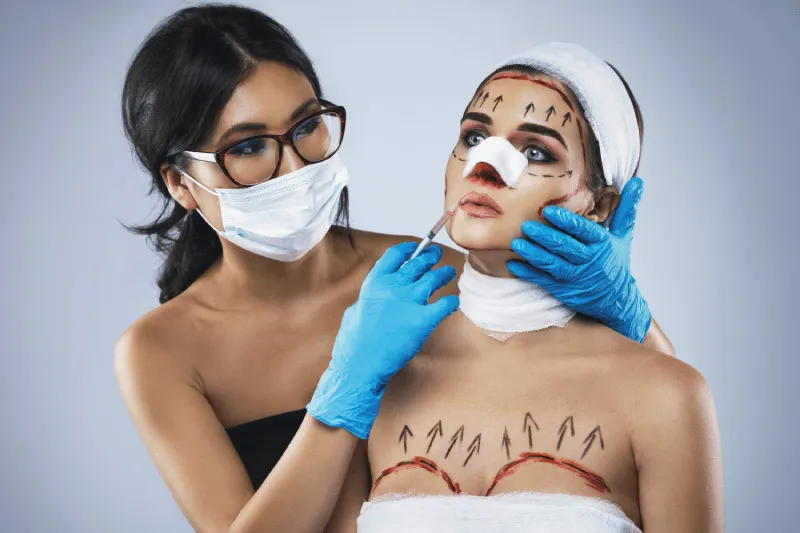
What Questions Should You Ask During An Initial Consultation?
The initial consultation is your opportunity to interview the surgeon and clarify any age-related concerns. You should ask: “How many patients in my age group have you treated for this specific procedure?” “What are the specific risks I face based on my medical history?” “What kind of anesthesia will be used, and how will I be monitored?” and “What are the realistic expectations for my results given my skin quality?” A good surgeon will answer these questions transparently and provide you with “before and after” photos of patients similar to you in age and anatomy. This dialogue builds trust and ensures you are fully prepared for the journey ahead.
Is Body Dysmorphic Disorder A Contraindication At Any Age?
Body Dysmorphic Disorder (BDD) is a significant contraindication for cosmetic surgery at any age. BDD is a psychological condition where an individual is obsessively preoccupied with a perceived flaw in their appearance that is minor or non-existent. Surgery rarely satisfies a patient with BDD because the issue is rooted in the mind, not the body. They often become trapped in a cycle of seeking more and more surgeries, never reaching a state of contentment. Ethical surgeons screen for BDD during the consultation process and will refer these patients to mental health professionals rather than proceeding with surgery, as the risks far outweigh any potential physical benefit.
How Does Peer Pressure Influence Cosmetic Decisions In Youth?
In the age of social media, peer pressure and “filtered” standards of beauty have a profound impact on young people’s desire for surgery. It is common for teens and young adults to want to look like their favorite influencers or to conform to a specific aesthetic trend. This is a dangerous motivation for surgery, as trends are fleeting while surgical changes are permanent. Surgeons must act as a voice of reason, helping young patients understand that individuality is a strength and that surgery should only be used to correct objective physical concerns that the patient themselves—not their peers or followers—feels strongly about.
Can Modern Technology Minimize Surgical Trauma For Older Individuals?
Modern technology has revolutionized surgery, making it far less traumatic for the body. Techniques like endoscopic surgery (using small cameras and tiny incisions) and laser-assisted procedures reduce bleeding, bruising, and overall recovery time. This is particularly beneficial for older individuals who may take longer to heal. High-definition imaging also allows surgeons to plan their movements with extreme precision, avoiding unnecessary tissue damage. Furthermore, advanced monitoring equipment in the OR provides real-time data on the patient’s vital signs, allowing for instant adjustments that keep the patient stable throughout the procedure, regardless of their age.
Why Is Realism About Results Important For Mature Patients?
For mature patients, realism is the key to satisfaction. It is important to understand that surgery can turn back the clock, but it cannot stop it entirely. A facelift will make you look younger and more vibrant, but you will still continue to age naturally from that new baseline. Mature patients should focus on “better,” not “perfect.” Realism also extends to the recovery time; older bodies simply need more grace and patience to bounce back. When a patient enters surgery with the goal of looking like the best possible version of themselves for their age, they are almost always delighted with the final outcome.
What Lifestyle Changes Can Enhance The Longevity Of Cosmetic Results?
The longevity of your surgical results is largely in your hands. No matter your age, maintaining a stable weight is crucial, as significant weight fluctuations can stretch the skin and distort the results of body contouring or facial surgery. A rigorous sun protection routine is also essential; UV damage is the primary cause of skin aging and can quickly degrade the improvements made by a facelift or skin treatment. Eating a nutrient-dense diet, staying hydrated, and avoiding smoking will keep your skin healthy and your results looking fresh for years. Think of surgery as an investment that requires ongoing maintenance through a healthy lifestyle.
Are Genetic Factors Influential In How Well We Age Post-Surgery?
Genetics play a significant role in how our skin and underlying tissues respond to surgery and how we continue to age afterward. Some people are genetically predisposed to maintain thick, elastic skin longer, while others may see a faster breakdown of collagen. Understanding your family’s aging patterns can help your surgeon tailor their approach to your specific needs. While we cannot change our DNA, knowing our genetic tendencies allows us to be proactive—for example, by using specific medical-grade skincare if we know our skin is prone to thinning. Ultimately, surgery works with your natural anatomy, and genetics provide the canvas on which the surgeon works.
How Does Cure Holiday Provide Specialized Care For International Patients?
When it comes to navigating the complexities of cosmetic surgery across different age groups, Cure Holiday stands out as a leader in international patient care. They understand that traveling for surgery adds an extra layer of planning, especially for older patients or those with specific medical needs. Cure Holiday provides a seamless experience, handling everything from initial virtual consultations to luxury accommodation and local transportation. Their team is dedicated to ensuring that every patient, regardless of their home country, receives world-class medical attention in a setting that prioritizes safety, comfort, and exceptional aesthetic results.
Why Should You Choose Cure Holiday For Your Plastic Surgery Journey?
Choosing Cure Holiday means choosing peace of mind. Their network consists of top-tier, board-certified surgeons who are experts in their fields and highly experienced in treating patients of all ages. Whether you are a young adult seeking a subtle refinement or a senior looking for a comprehensive rejuvenation, Cure Holiday matches you with the right specialist for your specific goals. Their commitment to transparency means you will have all your questions answered before you even leave home. With Cure Holiday, you aren’t just getting a procedure; you are getting a dedicated team that supports you through every step of your transformation.
What Benefits Does Cure Holiday Offer For Patients Seeking High-Quality Results?
The benefits of choosing Cure Holiday extend far beyond the operating room. They offer comprehensive packages that include pre-operative screenings, the surgery itself, and meticulous post-operative follow-ups. For those concerned about the age-related risks we’ve discussed, Cure Holiday ensures that all procedures are performed in state-of-the-art hospitals equipped with the latest technology and 24/7 care. Furthermore, the cost-effectiveness of their packages allows patients to access premium medical care that might be financially out of reach in their own countries, all while enjoying a relaxing recovery in a beautiful holiday destination.
How Can You Schedule Your Consultation With Cure Holiday Today?
Ready to take the next step in your aesthetic journey? Scheduling a consultation with Cure Holiday is simple and stress-free. You can start by visiting their website and filling out a contact form, after which a dedicated patient coordinator will reach out to guide you through the process. They will help you organize your medical records, schedule a video call with your potential surgeon, and begin planning your customized treatment path. There is no better time than now to invest in your confidence and well-being. Contact Cure Holiday today and discover how their expert care can help you achieve the results you’ve always dreamed of, at any age.
In conclusion, age is a factor, but it is not a barrier. Whether you are 18 or 80, the most important steps are choosing a healthy lifestyle, having realistic expectations, and selecting a world-class surgical team. By focusing on your physiological health and emotional readiness, you can safely navigate the world of cosmetic surgery and enjoy the life-changing benefits it offers. Your journey to a more confident version of yourself is personal, and with the right support, it can be one of the most rewarding decisions you ever make.
Free Consultation
Fill out the form below to get your free medical travel plan and price quote.
Sources and how to verify this yourself
- Ministry of Health, Regulation on International Health Tourism and Tourist Health, Official Gazette 26 April 2025, No. 32882 — authorisation requirement for facilities and intermediaries, TÜSKA accreditation, compulsory complication insurance (deadline 31 December 2025 for insurance, 31 December 2026 for accreditation). source
- Ministry of Health, Regulation on Promotion and Information Activities in Health Services, Official Gazette 12 November 2025, No. 33075 — treatment promises and guarantees are prohibited; price and campaign announcements are permitted only within international health tourism. source