What Is Unexplained Infertility?
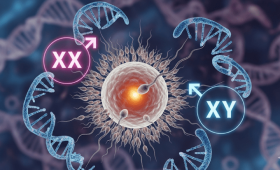
Unexplained infertility is a condition where a couple is unable to achieve pregnancy despite having regular, unprotected sexual intercourse for one year (or six months for women over 35), and no specific cause can be found in standard fertility tests. This diagnosis is essentially a “diagnosis of exclusion”; meaning sperm analysis is normal, ovulation is regular, and fallopian tubes are open. However, the fact that these tests are normal does not mean there is no problem; it simply indicates that current technologies cannot yet name the specific issue. For couples in this situation, the sense of uncertainty can be exhausting, but the chances of success are quite high with advanced methods offered by modern medicine.
How Does The Diagnostic Process Work?
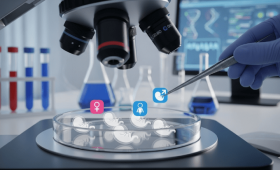
The diagnostic process usually begins with a comprehensive medical history and physical examination. In women, AMH and FSH tests are performed to measure ovarian reserve, and a hysterosalpingogram (HSG) is conducted to check the tubes and the inside of the uterus. In men, sperm count, motility, and morphology are analyzed. If all these basic tests are within “normal” limits, a diagnosis of unexplained infertility is made. However, modern approaches may also include more advanced molecular analyses to understand micro-level problems that standard tests might miss, such as sperm DNA damage or cellular interactions, ensuring a deeper investigation into the reproductive health.
How Does Age Affect Fertility?
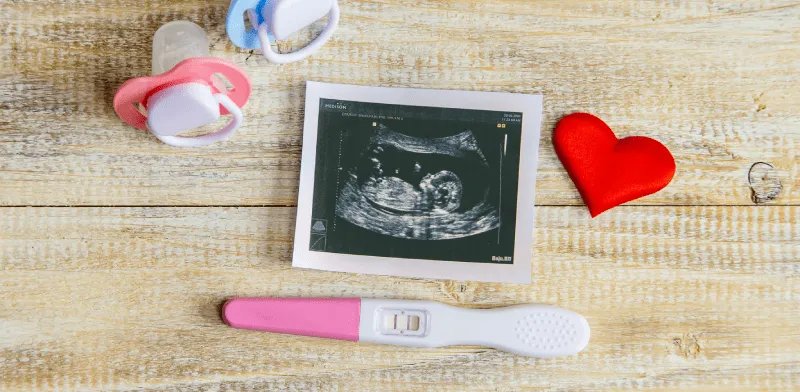
Age is one of the most critical variables in cases of unexplained infertility. Women are born with a limited number of eggs, and as age progresses, both the number (reserve) and the quality of eggs decrease. Especially after the age of 35, the risk of chromosomal abnormalities in eggs increases, making fertilization difficult or raising the risk of early-term miscarriage. In men, slight decreases in sperm parameters and an increase in DNA damage can also be observed with age. Therefore, even if test results appear normal, the biological clock plays a decisive role in planning and accelerating the treatment process to maximize the chances of a healthy birth.
Why Is Egg Quality Important?
Egg quality refers to the genetic and energetic equipment an embryo needs to form healthily and attach to the uterus. Standard tests generally measure the number of eggs (reserve) but do not provide direct information about their quality. In many cases of unexplained infertility, problems related to the outer membrane of the egg (zona pellucida) or cytoplasmic insufficiencies may actually pose a hidden obstacle. A high-quality egg must have the necessary mitochondrial energy for healthy cell division. To improve this quality, antioxidant supplements and lifestyle changes are sometimes recommended to support the cellular health of the oocytes.
How Does Sperm Health Affect Pregnancy?
Sperm health may not be fully understood with a simple count and motility analysis. In couples diagnosed with unexplained infertility, even if sperm parameters appear normal, the sperm’s ability to penetrate the egg (acrosome reaction) or the integrity of the genetic material it carries (DNA fragmentation) may be problematic. If sperm DNA is highly damaged, embryo development may stop even if fertilization occurs. Therefore, the fact that sperm is not only “visually” but also functionally and genetically healthy is a fundamental requirement for a successful and healthy pregnancy, requiring a more detailed look beyond the surface.
Does Stress Make It Difficult To Get Pregnant?
The relationship between stress and infertility has been a topic of discussion for many years. Chronic stress can cause an increase in hormones such as cortisol and adrenaline in the body, disrupting the hypothalamus-pituitary-gonadal axis. This disruption can make ovulation cycles irregular in women and lower sperm production quality in men. Additionally, the diagnosis of infertility itself is a major source of stress, creating a vicious cycle. Relaxation techniques, psychological support, and stress management can provide a positive contribution to the treatment process by optimizing the body’s reproductive functions and overall hormonal balance.
Do Eating Habits Change Fertility?
Nutrition has a direct effect on the body’s hormonal balance and cellular health. Healthy diets focused on healthy fats, proteins, and fresh vegetables and fruits, such as the Mediterranean diet, are scientifically supported to increase fertility. Processed foods, excessive sugar consumption, and trans fats can cause inflammation in the body, negatively affecting both egg and sperm quality. In particular, adequate intake of micronutrients such as folic acid, omega-3, zinc, and selenium helps protect reproductive cells and increase fertilization capacity, creating a more fertile environment for conception to take place naturally or via treatment.
Are Smoking And Alcohol Use Effective?
Tobacco products and alcohol are the most prominent external factors that create toxic effects on reproductive health. Smoking accelerates ovarian aging in women and lowers egg quality; in men, it damages the DNA structure of the sperm. Alcohol consumption, on the other hand, can lead to hormonal imbalances and reduce the embryo’s chance of attaching to the uterus. The total abandonment of these habits by couples diagnosed with unexplained infertility initiates the body’s natural detoxification processes and often increases the chance of pregnancy without the need for medical intervention or by increasing the success of the ongoing medical treatments.
Do Genetic Factors Play A Role?
In some cases, unexplained infertility may result from micro-genetic defects that cannot be detected with standard karyotype analyses. Mutations in specific genes that come into play during embryo development or epigenetic changes may prevent the continuation of pregnancy. Additionally, immunological (immune-related) genetic incompatibilities between couples can lead the uterus to perceive the embryo as a foreign body and reject it. These types of deep genetic interactions are now being examined with advanced technologies such as NGS (Next-Generation Sequencing), allowing for the development of personalized treatment paths that target the root genetic cause.
Could Endometriosis Be A Hidden Cause?
Endometriosis is a condition where the inner lining of the uterus develops outside the uterus, and sometimes it may not give any pain symptoms (silent endometriosis). This condition can create micro-level inflammation in the pelvic area even if the tubes are open, preventing the meeting of the egg and sperm or impairing the embryo’s ability to attach. Unless laparoscopy is performed, this condition is usually not seen on standard ultrasounds. In some cases of unexplained infertility, it has been observed that there is an underlying mild stage of endometriosis, and treating this condition significantly increases pregnancy rates.
How Is Tubal Function Evaluated?
The fact that fallopian tubes are simply open (patency) is not enough; they must also be functional. The tiny hair-like structures called cilia inside the tubes must catch the egg and transport the fertilized embryo toward the uterus. A standard HSG (Hysterosalpingogram) only shows whether the tubes are open but cannot tell how healthy this transport function is. Past infections or operations may have disrupted the structure of the tubes. This functional insufficiency may cause infertility because the embryo cannot reach the uterus even if fertilization occurs, potentially leading to ectopic pregnancies or failed conception.
Is The Intrauterine Environment Suitable For The Baby?
The inner lining of the uterus, the endometrium, must have a certain thickness and receptivity (acceptability) for the embryo to attach. Sometimes even if everything looks normal, the uterus may not be ready to accept the embryo during the narrow window of time called the “implantation window.” This situation can stem from biochemical signaling deficiencies at the tissue level or chronic silent uterine inflammations (chronic endometritis). Observing the inside of the uterus directly with methods like hysteroscopy or performing a receptivity analysis with a biopsy is of critical importance in overcoming these hidden obstacles to a successful pregnancy.
Are Hormone Tests Always Accurate?
Hormone levels can vary throughout the day or from month to month. A test performed only once may not reflect the full picture of the hormonal profile. For example, insufficiencies during the period when progesterone should peak (luteal phase deficiency) can make it impossible for the fertilized egg to attach. Additionally, the fact that other endocrine values such as thyroid hormones and prolactin are within “normal” limits but outside “optimal” levels can also suppress fertility. Therefore, experts should evaluate hormones not just as numbers, but as dynamic balances within a cycle to ensure the reproductive system is perfectly tuned.
Does The Immune System Prevent Pregnancy?
The immune system normally protects the body against foreign substances. However, in the case of pregnancy, the body needs to tolerate the embryo, which is semi-foreign. In some women, the immune system may be overactive, and natural killer (NK) cells may prevent the embryo from attaching or attack the development of the placenta. This area, called immunological infertility, plays an important role in many unexplained cases. When this condition is detected, special treatment protocols that regulate or slightly suppress the immune system can be applied to support a healthy pregnancy process and prevent recurrent miscarriages.

How Do Environmental Toxins Affect Fertility?
The environmental toxins we are exposed to in the modern world, such as plastics (BPA), pesticides, heavy metals, and air pollution, are called endocrine disruptors. These substances can mislead the reproductive system by mimicking natural hormones in the body. Especially in “unexplained” cases, the level of exposure to these chemicals in the environment where couples live or work may be disrupting egg and sperm quality at the cellular level. Focusing on detoxification processes, switching to organic nutrition, and reducing plastic use are hidden keys that help the body regain its reproductive potential.
How Does Sleep Pattern Shape Hormones?
Sleep is a fundamental process in which the body repairs itself and synchronizes its hormones. Insufficient or poor-quality sleep reduces the production of the hormone melatonin. Melatonin not only regulates sleep but is also a powerful antioxidant that protects egg and sperm cells against oxidative stress. Additionally, irregular sleep leads to insulin resistance and an increase in cortisol, disrupting the balance of reproductive hormones. Sleeping in a dark environment for at least 7-8 hours a day can form a foundation as effective as medical treatments in the fight against unexplained infertility and hormonal dysregulation.
Does Weight Control Increase The Chance Of Pregnancy?
Body mass index (BMI) is a direct control mechanism on fertility. Both excessively low weight and obesity can disrupt the ovulation pattern and cause estrogen imbalance. Fat tissue is an active endocrine organ; excessive fat tissue creates a state of continuous inflammation in the body, lowering egg quality and the success of embryo attachment. In men, excess weight increases testicular heat and converts testosterone into estrogen, undermining sperm production. Reaching a healthy weight often provides hormonal balance on its own and can increase the chance of pregnancy by 20-30%, making it a vital step.
What Are The Initial Treatment Options?
When a diagnosis of unexplained infertility is made, treatment is generally planned as a step-by-step process from the least invasive to the most advanced. In the first stage, lifestyle recommendations may be offered to couples, or mild ovarian stimulation may be tried. If the couple is young and the duration of infertility is short, the process is initiated with controlled sexual intercourse or simple medication treatments for a few months. The aim at this stage is to optimize ovulation and ensure intercourse at the right time. However, these methods are usually applied for a limited time and progressed if no results are obtained.
When Is The Wait And See Method Applied?
“Wait and see” (expectant management) can be an option especially in cases where the woman is under 30 and the duration of unprotected intercourse has just exceeded one year. Scientific studies show that a portion of young couples diagnosed with unexplained infertility can become pregnant naturally within the following year without receiving any treatment. However, this method is preferred if there is no time pressure on the couple and medical tests are completely normal. It is essential for the couple to feel ready psychologically and to be patient for the success of this process, while staying healthy.
How Is Ovulation Tracking Performed?
Ovulation tracking is the monitoring of follicle development in the woman’s ovaries through ultrasound and blood tests during the menstrual cycle. This method aims to perfect the timing of sexual intercourse or insemination treatment by determining exactly when the egg will crack. In some women, there may be conditions like “Luteinized Unruptured Follicle” (LUF) syndrome, where the follicle grows but does not crack; this can only be understood through ultrasound tracking. Correct timing ensures that the sperm reaches the egg at the moment when it is most fresh and energetic, maximizing the probability of successful fertilization.
What Is Clomiphene Citrate Treatment?
Clomiphene citrate is an oral medication that allows the body to produce more FSH and LH by blocking estrogen receptors in the brain. This medication encourages the production of more than one egg each month by stimulating the ovaries. In cases of unexplained infertility, producing more eggs numerically increases the chance of fertilization. It is generally preferred in the first stages of treatment. Side effects are minimal and it is easy to use. However, while this treatment is being applied, ultrasound tracking must be performed under the supervision of an expert to manage the risk of multiple pregnancies.
Who Is Insemination Treatment Suitable For?
Insemination (IUI – Intrauterine Insemination) is the process of washing the sperm taken from the male in a laboratory environment, selecting the healthiest and most motile ones, and leaving them directly into the uterus through a thin catheter. This method shortens the distance between the sperm and the egg and allows the sperm to overcome the mucus barrier in the cervix. It is quite effective in cases of unexplained infertility, for those with mild sperm problems, or in cases where cervical factors are suspected. The fact that it is a simple, painless procedure performed in outpatient conditions is a great advantage.
What Are Insemination Success Rates?
The success rate of insemination varies between 10% and 20% per cycle, depending on the age of the couple and the duration of infertility. This rate is higher than trying naturally because both egg development is supported and the highest quality sperms are delivered to the target. Experts generally recommend trying 3 to 6 cycles of insemination. If no results are obtained from these trials, it is recommended to switch to IVF, a higher treatment method, considering that the underlying problem may be deeper (at the cellular or tubal level) and requires a more direct intervention.
When Should IVF Treatment Be Started?
The decision to switch to IVF (In Vitro Fertilization) treatment is made in cases where insemination has failed, in advanced maternal age (38+), in cases of long-term infertility history, or when ovarian reserve is rapidly decreasing. In the diagnosis of unexplained infertility, IVF is actually a kind of “diagnostic treatment.” Because it is at this stage that how the egg and sperm interact, whether fertilization occurs, and what the embryo quality is like can be observed for the first time in a laboratory environment. For many couples, IVF is the method that removes uncertainty and offers the highest chance of success.
How Does The IVF Process Proceed?
The IVF process consists of five main stages: Stimulation of the ovaries with hormone medications, collection of the matured eggs (OPU), collection of the sperm, fertilization in the laboratory, and finally, the transfer of the resulting embryo into the uterus. This process takes about 2-3 weeks. In modern laboratory conditions, embryos are followed until the 5th day (blastocyst stage). The attachment potential of embryos that reach this stage is much higher. Throughout the process, the patient’s comfort and emotional state are closely monitored, and a personalized protocol is applied to ensure the best possible outcome.
What Is The Difference Of Microinjection Method?
Microinjection (ICSI) differs from traditional IVF in that a single selected sperm is injected directly into the egg with the help of a needle. In cases of unexplained infertility, there may sometimes be structural problems that prevent the sperm from piercing the egg membrane and entering. ICSI completely removes this barrier. Thanks to this technology, which minimizes the risk of fertilization failure, fertilization can be achieved even if the sperm count or movement is very low. Today, many centers use the ICSI method as a standard in unexplained cases to guarantee fertilization success and increase the number of viable embryos.
How To Improve Embryo Quality?
Embryo quality is a result of egg and sperm health, but laboratory conditions are also decisive for this quality. Incubator systems like “Embryoscope,” which monitor the development of embryos, allow for continuous monitoring of embryos without being affected by the external environment. Additionally, special “glues” (embryo glue) used before embryo transfer can increase the chance of attachment. The use of antioxidants and stress management by the mother and father candidates before treatment also indirectly affects the genetic and metabolic health of the embryo, increasing the success of the transfer and the health of the future baby.
Is Preimplantation Genetic Diagnosis Necessary?
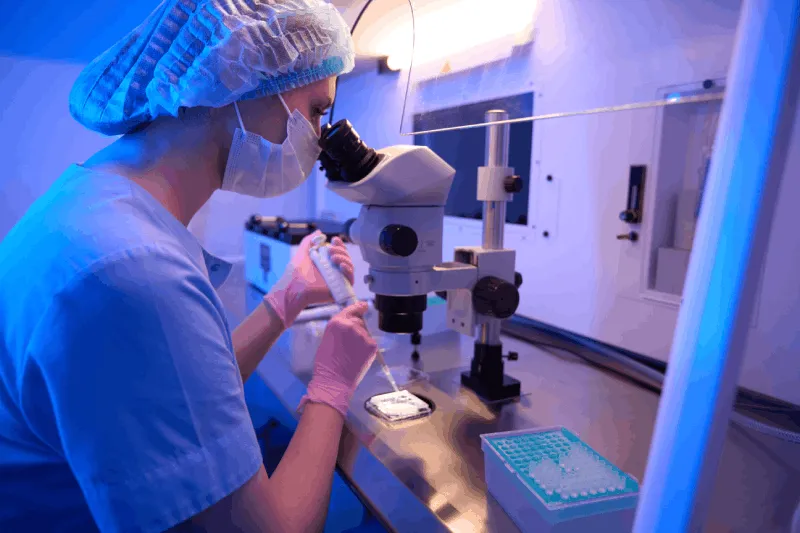
Preimplantation Genetic Diagnosis (PGD) is the chromosomal screening of embryos before they are transferred. Especially in cases of unexplained infertility and for couples with recurrent failures, embryos may look very high quality from the outside but may carry genetic abnormalities (aneuploidy) inside. By transferring only embryos proven to be healthy with PGD, the chance of pregnancy is increased while the risk of miscarriage is significantly reduced. This method is one of the most important advanced technology tools that shortens the time to reach a healthy baby and provides peace of mind for the parents.
Do Supportive Treatments Provide Benefits?
In addition to modern medicine, supportive applications such as acupuncture, yoga, and meditation can contribute to fertility by regulating blood flow in the body and lowering stress levels. Studies suggest that acupuncture increases uterine blood supply and supports hormonal balance. While these methods do not replace medical treatment, they can increase the effectiveness of the treatment by preparing the body and mind for the process. A holistic approach allows couples in the unexplained infertility process to feel stronger and more in control of their bodies, which can positively impact the biological outcomes.
Does Psychological Support Facilitate The Process?
The infertility journey is a marathon that requires patience and resilience. The inability to answer the question “Why isn’t it happening?” can create feelings such as guilt, inadequacy, and depression in couples. Professional psychological support or group therapies help these feelings be processed in a healthy way. It minimizes wear and tear during the treatment process by strengthening communication between couples. It should not be forgotten that mental health and emotional balance have a much greater impact on the body’s biological recovery and acceptance processes than we might think, making it a key component.
Are There Additional Tests For The Male Factor?
Even if a standard sperm test appears normal, advanced analyses such as the “Sperm DNA Fragmentation” test can reveal a hidden male factor. High DNA damage leads to the pregnancy not continuing even if fertilization occurs. Additionally, the level of oxidative stress in the sperm can be determined by measuring ROS (Reactive Oxygen Species). If such problems are detected, the healthiest genetic material can be selected using micro-TESE methods or special sperm selection chips (microfluidic chips). This is an important step that solves the knot of unexplained infertility in many cases involving the male partner.
How Is The Treatment Process Planned With Cure Holiday?
Cure Holiday offers an end-to-end treatment experience for couples in the unexplained infertility process by collaborating with the best centers in the world. The process begins with the review of your medical history by our expert consultants. After matching you with the most suitable doctor and clinic, every detail from your appointments to your accommodation, transfer services, and translation support is meticulously planned. When you start treatment with Cure Holiday, you are provided not only with a medical service but also with a personalized roadmap and a peaceful environment that caters to all your needs.
Why Should You Choose Cure Holiday?
In cases of unexplained infertility, success is hidden in the details. Cure Holiday selects high-success-rate clinics that use the latest technologies (PGT, Microfluidic Chip, Embryoscope, etc.) for you. Our expert staff makes this complex process transparent, manageable, and comfortable for you. Thanks to our model that combines cost advantage and high quality, we ensure that you focus only on your dream by minimizing the stress factor. Your success is our priority, and every case is a special story for us that we treat with the utmost care and professionalism.
What Advantages Does Cure Holiday Offer You?
While receiving treatment with Cure Holiday, you receive a personalized boutique service without losing time with waiting lists. We combine all the possibilities of modern medicine with a professional tourism and consultancy experience. Our comfortable accommodation options allow you to rest and renew during the treatment. Additionally, thanks to our multi-lingual support team, you will not experience any problems with medical terms or communication. Cure Holiday promises you not just a treatment, but a “healing journey” that will take place in peace and trust, ensuring you feel supported at every step.
Are You Ready To Achieve Your Dreams With Cure Holiday?
If you are facing a diagnosis of “unexplained infertility” and looking for a solution, Cure Holiday is with you. We are here to turn your dream of having a baby into reality with our methods that push the boundaries of science and our expert team. You are not alone on this uncertain journey; we look forward to bringing you together with the highest chance that modern medicine has to offer. Take a step now, contact us, and embrace your future with Cure Holiday, your most reliable guide on the way to growing your family and finding the answers you seek.
Unexplained infertility is not a final stop, but a transition phase to find the right method. As you can see in this guide, the world of medicine produces new solutions every day. Give yourself time, pay attention to your health, and do not hesitate to seek expert support. For a professional approach, the right technology, and a peaceful process, you can take the first step toward your dreams today by contacting Cure Holiday.
Free Consultation
Fill out the form below to get your free medical travel plan and price quote.
Sources and how to verify this yourself
- HFEA (UK regulator), Fertility treatment 2024: trends and figures — average birth rate 30% per embryo transferred with the patient’s own eggs; 38% at ages 18–34 and 8% at 43–44. source
- Ministry of Health, Regulation on Assisted Reproductive Treatment Practices and Centres (ÜYTE), Official Gazette 30 September 2014 — treatment is limited to married couples using their own gametes; donor eggs, donor sperm, donor embryos and surrogacy are not permitted in Türkiye. source
- Ministry of Health, Regulation on International Health Tourism and Tourist Health, Official Gazette 26 April 2025, No. 32882 — authorisation requirement for facilities and intermediaries, TÜSKA accreditation, compulsory complication insurance (deadline 31 December 2025 for insurance, 31 December 2026 for accreditation). source
- Ministry of Health, Regulation on Promotion and Information Activities in Health Services, Official Gazette 12 November 2025, No. 33075 — treatment promises and guarantees are prohibited; price and campaign announcements are permitted only within international health tourism. source