Navigating the Path to Parenthood: A Cost & Quality Comparison of IVF Destinations
The journey to parenthood can be emotionally and financially challenging, particularly for those requiring In Vitro Fertilization (IVF). Increasing numbers of individuals and couples are turning to medical tourism for more affordable and accessible fertility treatments. But choosing the right destination requires careful consideration – not just of cost, but also of success rates, clinic quality, and legal frameworks. This in-depth article series will provide a detailed comparison of three leading IVF destinations: Turkey, Spain, and Greece. This first part focuses on setting the stage, specifically highlighting why Turkey is rapidly becoming a preferred choice for international patients, boasting impressive success rates underpinned by advanced reproductive technologies.
The Rise of Turkey as an IVF Hub
Turkey has emerged as a significant player in the global IVF market, attracting patients from around the world. This isn’t simply due to competitive pricing, although affordability is a major draw. The nation has invested heavily in state-of-the-art reproductive medicine facilities, utilizing cutting-edge techniques like Next-Generation Sequencing (NGS) and Intracytoplasmic Sperm Injection (ICSI). These technologies significantly enhance the chances of successful fertilization and implantation.
Advanced Laboratory Infrastructure: Turkish fertility clinics often operate with laboratories equipped with the latest technologies. NGS, in particular, allows for comprehensive chromosomal screening of embryos, identifying those with the highest potential for healthy development. ICSI is a widely adopted technique, improving fertilization rates, especially in cases of male factor infertility. The commitment to these advanced technologies translates directly into better outcomes for patients.
Understanding Genetic Screening Options
While gender selection for non-medical reasons is legally restricted in Turkey, prospective parents can benefit from robust medical genetic screening, more formally known as Preimplantation Genetic Testing for Aneuploidy (PGT-A). PGT-A is crucial for identifying chromosomal abnormalities in embryos before implantation, reducing the risk of miscarriage and increasing the likelihood of a successful pregnancy with a healthy baby. This is a key distinction for many patients—access to comprehensive genetic screening without compromising ethical or legal boundaries.
Success Rates: A Closer Look
Turkish clinics consistently report strong IVF success rates, particularly for younger patients. Data suggests that for women under 35, success rates frequently exceed 60%. While success rates vary depending on individual factors (age, ovarian reserve, sperm quality, and underlying health conditions), the overall numbers demonstrate the effectiveness of the treatments offered in Turkey. Clinics that are internationally recognized, attract a large number of overseas patients and are regularly audited to ensure quality standards are met.
Why Choose Turkey? A Summary of Key Advantages
- High Success Rates: Backed by advanced technologies like NGS and ICSI.
- Affordability: Significantly lower treatment costs compared to Western European countries and North America.
- Advanced Technology: Turkish clinics invest heavily in the latest reproductive technologies.
- Comprehensive Genetic Screening: PGT-A is widely available to assess embryo health.
- Experienced Medical Professionals: Skilled and qualified embryologists and reproductive endocrinologists.
Beyond the Numbers: A Holistic Approach
Choosing a destination for IVF isn’t just about statistics. It’s about finding a clinic that provides compassionate care, personalized treatment plans, and a supportive environment. Turkey, with its blend of medical expertise, affordability, and increasingly sophisticated infrastructure, is becoming a frontrunner for those seeking a positive and successful IVF experience.
Planning medical tourism can be complex. Navigating the logistics of travel, accommodation, and communication with medical professionals requires careful consideration. That’s where cureholiday.com comes in. We specialize in facilitating seamless medical journeys to Turkey, handling all the details so you can focus on what matters most – building your family. From coordinating appointments with leading clinics, arranging comfortable accommodation, to providing dedicated patient support throughout your journey, cureholiday.com ensures a stress-free and rewarding experience.
In the following sections, we will delve deeper into the specifics of IVF procedures, comparing the nuances of treatment in Turkey, Spain, and Greece. We’ll also explore the practical considerations of cost, accommodation, and travel, empowering you to make an informed decision.
Ready to explore your options in Turkey? Visit cureholiday.com today for a free consultation and personalized treatment plan.
Decoding the IVF Process: A Comparative Look at Treatment Protocols
Turkey’s rise as a leading IVF destination isn’t accidental. Fueled by advanced laboratory technologies – notably Next Generation Sequencing (NGS) and Intracytoplasmic Sperm Injection (ICSI) – Turkish clinics consistently achieve impressive results. For patients under 35, success rates often exceed 60%, a testament to the skill of medical professionals and the quality of care. However, understanding *how* these results are achieved requires a closer look at the IVF process itself, and how it’s implemented across different countries. This section will break down the typical IVF treatment protocol and highlight variations you might encounter in Turkey, Spain, and Greece.
The Standard IVF Procedure: A Step-by-Step Overview
Regardless of the clinic’s location, the core IVF process generally follows these steps:
- Ovarian Stimulation: This involves administering fertility medications (typically injections) to stimulate the ovaries to produce multiple eggs instead of the usual single egg each cycle. The duration and dosage of medication are tailored to the individual patient.
- Egg Retrieval: Once the eggs are mature, a minor surgical procedure, usually performed under sedation, is used to retrieve them from the ovaries using an ultrasound-guided needle.
- Sperm Collection: A sperm sample is collected from the male partner (or a donor) on the day of egg retrieval.
- Fertilization: In the laboratory, the eggs and sperm are combined. ICSI, where a single sperm is directly injected into each egg, is often used, particularly in cases of male factor infertility.
- Embryo Culture: The fertilized eggs (now embryos) are monitored in the laboratory for several days, allowing them to develop.
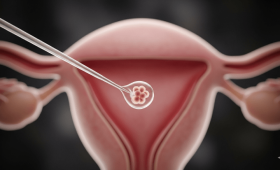
- Embryo Transfer: One or more embryos are transferred into the woman’s uterus, with the hope of implantation and subsequent pregnancy.
- Pregnancy Test: Approximately two weeks after the embryo transfer, a blood test is performed to determine if pregnancy has occurred.
Unpacking the Details: Variations & Technologies
While the broad strokes remain consistent, subtle differences in the implementation of each step can impact success rates. Here’s where advancements like NGS and PGT-A come into play. NGS provides a more comprehensive analysis of the embryo’s genetic makeup than traditional methods, identifying chromosomal abnormalities that can lead to implantation failure or genetic disorders. PGT-A (Preimplantation Genetic Testing for Aneuploidy) allows clinics to screen embryos for chromosomal errors before transfer, increasing the chances of a healthy pregnancy. Clinics in Turkey are readily adopting these technologies, making them widely available to patients.
Gender selection, while a common inquiry, is legally restricted in Turkey. However, the robust medical genetic screening offered, specifically PGT-A, provides valuable insights into embryo health.
Comparative Table: Treatment Protocol Nuances
| Step | Turkey | Spain | Greece |
|---|---|---|---|
| Ovarian Stimulation Protocols | Highly personalized; often utilizes long and short protocols based on patient profile. | Standard protocols widely used, with increasing adoption of milder stimulation techniques. | Similar to Spain, with a focus on individualized approaches. |
| ICSI Usage | Routine; often recommended even with “normal” sperm parameters for increased fertilization rates. | Commonly used, particularly in cases of male factor infertility. | Standard practice for many cases. |
| NGS/PGT-A Availability | Widely available in most leading clinics. Considered a standard of care for many patients. | Increasingly available, but can be an additional cost. | Available in select clinics; may not be as universally offered. |
| Embryo Culture Techniques | Advanced blastocyst culture routinely employed; time-lapse imaging frequently used. | Blastocyst culture common; time-lapse imaging becoming more prevalent. | Blastocyst culture standard; advanced techniques gaining popularity. |
| Embryo Transfer Protocols | Single Embryo Transfer (SET) increasingly favored to minimize multiple pregnancy risk. | SET guidelines followed; choice often discussed with patient. | SET practiced, with patient counseling regarding risk/benefits. |
The cureholiday.com Advantage: Navigating Your IVF Journey in Turkey
Choosing to undergo IVF abroad requires careful planning. Beyond the medical procedures, you need to consider travel logistics, accommodation, language barriers, and ongoing support. cureholiday.com is dedicated to simplifying this process. We don’t just connect you with clinics; we curate a complete medical tourism package designed for your peace of mind.
Our services include:
- Personalized Treatment Plans: Matching you with clinics that specialize in your specific needs and offering customized protocols.
- Seamless Travel Arrangements: Handling flights, airport transfers, and visa requirements.
- Comfortable Accommodation: Securing accommodation close to the clinic, catering to your preferences and budget.
- Dedicated Patient Support: Providing a dedicated case manager to guide you through every step of the journey, from initial consultation to post-treatment follow-up.
- Translation Services: Ensuring clear communication with medical professionals.
Let cureholiday.com take the stress out of your medical journey. We are committed to providing a transparent, supportive, and rewarding experience, empowering you to focus on realizing your dream of parenthood.
In the following sections, we’ll explore the financial aspects of IVF in these three destinations, as well as the crucial considerations for accommodation and travel.
Unpacking the IVF Process: A Comparative Look at Protocols & Technology
The pursuit of parenthood through In Vitro Fertilization (IVF) is a deeply personal journey, increasingly undertaken across international borders. For many, the compelling combination of advanced medical expertise and cost-effectiveness draws them to destinations like Turkey, Spain, and Greece. As highlighted in previous sections, each country offers a unique blend of practices and pricing. This section delves deeper into the IVF process itself, comparing the standard protocols and technological advancements employed in each location, with a particular focus on how cureholiday.com facilitates a smooth and successful experience in Turkey.
Turkey has rapidly become a notable hub for reproductive tourism, achieving consistently high success rates – often exceeding 60% for women under 35 – due to the investment in cutting-edge laboratory technologies. Techniques such as Next Generation Sequencing (NGS) and Intracytoplasmic Sperm Injection (ICSI) are widely implemented, enhancing fertilization and embryo quality. While gender selection is legally restricted, preimplantation genetic testing for aneuploidy (PGT-A) is commonly practiced, allowing for the selection of chromosomally normal embryos and reducing the risk of miscarriage.
Step-by-Step IVF Procedure: A General Overview
While subtle variations exist between clinics and countries, the core IVF process remains consistent. It typically involves these stages:
- Ovarian Stimulation: Medications are administered to stimulate the ovaries to produce multiple eggs, rather than the single egg released during a natural menstrual cycle.
- Egg Retrieval: Eggs are retrieved from the ovaries using a transvaginal ultrasound-guided needle aspiration.
- Sperm Collection & Preparation: Sperm is collected and prepared, often utilizing techniques like sperm washing to isolate healthy, motile sperm.
- Fertilization: Eggs and sperm are combined in a laboratory setting. ICSI, where a single sperm is injected directly into the egg, is often employed, particularly in cases of male factor infertility.
- Embryo Culture: Fertilized eggs (now embryos) are cultured in a controlled environment for several days. Blastocyst culture, allowing embryos to develop for 5-7 days, is the standard practice in most reputable clinics, offering a more accurate assessment of embryo viability.
- Embryo Transfer: One or more embryos are transferred into the woman’s uterus. Single Embryo Transfer (SET) is increasingly favored globally to minimize the risk of multiple pregnancies.
- Pregnancy Test: A pregnancy test is performed approximately two weeks after the embryo transfer to determine if implantation has occurred.
Comparative Protocols: Turkey, Spain & Greece
| Ovarian Stimulation Protocols | Turkey | Spain & Greece |
| Common Medications Used | Generally utilize a combination of gonadotropins (FSH, LH) with antagonist protocols prevalent. | Similar gonadotropin combinations are used; both antagonist and agonist protocols are common, depending on patient profiles. |
| Monitoring Frequency | Regular transvaginal ultrasounds and blood tests to monitor follicle development and estrogen levels. Often a more intensive monitoring schedule. | Regular monitoring, comparable to Turkey, but potentially slightly less frequent depending on clinic protocols. |
| Laboratory Techniques | ICSI: Routine for most cases, especially with male factor infertility. NGS/PGT-A: Widely available, enhancing embryo selection. | ICSI: Common practice. PGT-A: Available but access and pricing can vary. |
| Time-lapse embryo monitoring gaining increased usage. | Time-lapse embryo monitoring is standard in many clinics. | |
| Embryo Transfer Protocols | SET practiced; emphasis on eSET to reduce multiple pregnancy risk. Patient counseling is prioritized. | SET increasingly favored; guidelines adhered to; patient preference considered. |
The cureholiday.com Advantage: Your Dedicated IVF Partner in Turkey
Choosing to pursue IVF abroad is more than just selecting a clinic; it’s about establishing a comprehensive support system. cureholiday.com understands this and offers a holistic medical tourism package tailored to your individual needs. We don’t simply connect you with clinics; we meticulously curate an end-to-end experience, ensuring a stress-free and rewarding journey.
Our comprehensive services include:
- Expert Clinic Matching: We connect you with leading Turkish clinics specializing in your specific infertility diagnosis, ensuring access to the most appropriate and advanced treatments.
- Personalized Treatment Plan: Based on your medical history and test results, we develop a customized IVF protocol designed to maximize your chances of success.
- Complete Travel Logistics: From booking flights and arranging airport transfers to assisting with visa applications, we handle all travel arrangements with precision.
- Luxury Accommodation: We secure comfortable and convenient accommodation near the clinic, catering to your preferences and budget.
- Dedicated Case Manager: A dedicated case manager will be your single point of contact, providing ongoing support and guidance throughout your entire journey.
- Translation Services: We provide professional translation services to facilitate clear communication with medical professionals, eliminating language barriers.
- Post-Treatment Support: Our support extends beyond the procedure, with ongoing follow-up and assistance to ensure a smooth transition back home.
Don’t navigate the complexities of international IVF alone. Let cureholiday.com be your trusted partner in Turkey, providing a transparent, supportive, and empowering experience. We are committed to helping you achieve your dream of parenthood, every step of the way. for a free consultation and discover how we can tailor a package to meet your unique needs.
Navigating the Turkish IVF Experience with Confidence
Turkey has rapidly become a leading destination for individuals and couples seeking affordable and effective IVF treatment. Driven by advanced reproductive technologies, particularly Next Generation Sequencing (NGS) and Intracytoplasmic Sperm Injection (ICSI), Turkish clinics consistently report impressive success rates. For women under 35, rates often exceed 60%, a compelling statistic for those facing infertility challenges. Beyond the technological advancements, a key attraction is the comprehensive care and personalized approach offered, and cureholiday.com is uniquely positioned to deliver exactly that.
While gender selection is legally prohibited in Turkey, comprehensive medical genetic screening, known as Preimplantation Genetic Testing for Aneuploidy (PGT-A), is routinely performed. This advanced technique identifies and selects embryos with the correct number of chromosomes, significantly increasing the chances of a healthy pregnancy and reducing the risk of miscarriage. This commitment to genetic health, combined with cutting-edge laboratory infrastructure, makes Turkey a highly desirable location for IVF.
What to Expect: A Typical IVF Journey in Turkey with cureholiday.com
Choosing to undergo IVF abroad requires meticulous planning and a trustworthy partner. cureholiday.com streamlines this process, offering a complete end-to-end solution. Here’s a breakdown of what you can expect:
- Initial Consultation & Medical Evaluation: Our process begins with a detailed review of your medical history and previous fertility treatments. We’ll require relevant medical records which are used to match you with the clinic best suited for your individual needs.
- Ovarian Stimulation: This phase involves administering fertility medications to stimulate the ovaries to produce multiple eggs. Regular monitoring via ultrasound and blood tests is essential, and cureholiday.com ensures seamless scheduling and accurate record-keeping.
- Egg Retrieval: Once the eggs are mature, a minimally invasive procedure is performed to retrieve them. This is typically done under sedation.
- Sperm Collection & Preparation: A sperm sample is collected and prepared for fertilization. ICSI, where a single sperm is injected directly into each egg, is frequently utilized to enhance fertilization rates.
- Embryo Development & PGT-A (if applicable): The fertilized eggs (embryos) are monitored in the laboratory as they develop. If PGT-A is chosen, a small sample of cells is taken from the embryo for genetic testing.
- Embryo Transfer: One or more healthy embryos are transferred into the uterus. This is a relatively quick and painless procedure.
- Pregnancy Test: Approximately two weeks after the embryo transfer, a blood test is performed to determine if pregnancy has occurred.
Why Choose cureholiday.com for Your Turkish IVF Journey?
Beyond the clinical expertise available in Turkey, cureholiday.com provides the critical support network needed for a positive and stress-free experience. We understand that undergoing IVF is emotionally and physically demanding, and we are dedicated to easing the logistical and emotional burden.
Our services go beyond simply connecting you with a clinic. We offer:
- Personalized Travel Arrangements: From flights and airport transfers to comfortable, conveniently located accommodation, we handle all travel logistics.
- Dedicated Case Manager: Your single point of contact, providing continuous support, answering questions, and addressing concerns throughout your journey.
- Translation Services: Ensuring clear and accurate communication with medical professionals, eliminating language barriers.
- Comprehensive Post-Treatment Support: We provide ongoing follow-up and assistance to help you navigate the transition back home.
Frequently Asked Questions (FAQ)
- Is IVF in Turkey safe? Yes, Turkey boasts modern, well-equipped clinics adhering to international standards. cureholiday.com rigorously vets all partner clinics to ensure patient safety and quality care.
- How long does a typical IVF cycle in Turkey take? An entire cycle typically lasts between 21 and 28 days, though preparation and travel time will extend the overall duration.
- What is the success rate of IVF in Turkey? Success rates vary depending on age and individual circumstances, but for women under 35, they often exceed 60%.
- Is PGT-A available in Turkey? Yes, Preimplantation Genetic Testing for Aneuploidy (PGT-A) is commonly performed in Turkish clinics.
- Can I undergo IVF in Turkey if I have a pre-existing medical condition? It depends on the condition. We will thoroughly evaluate your medical history to determine your suitability for treatment.
- Does cureholiday.com provide legal assistance with paperwork? We can connect you with trusted legal partners to assist with any necessary documentation.
- What happens if my IVF cycle is unsuccessful? We provide ongoing support and discuss potential options for future cycles.
JSON-LD FAQ Schema
Don’t let the complexities of medical tourism overwhelm you. cureholiday.com is dedicated to providing a seamless, supportive, and empowering IVF experience in Turkey. We are more than just a travel agency; we are your partners in building the family you deserve. for a free consultation and discover how we can tailor a package to meet your unique needs and start your journey to parenthood.
Navigating the Turkish IVF Landscape: Beyond Cost and Success Rates
Turkey has rapidly emerged as a leading destination for individuals and couples seeking affordable and high-quality In Vitro Fertilization (IVF) treatment. This isn’t simply down to competitive pricing; the country boasts state-of-the-art reproductive medicine facilities, equipped with advanced technologies like Next Generation Sequencing (NGS) and Intracytoplasmic Sperm Injection (ICSI). These techniques contribute to consistently reported high success rates, especially for patients under 35 where rates frequently surpass 60%. However, successfully navigating the Turkish IVF process requires informed consideration of the legal framework, available technologies, and robust patient support. cureholiday.com provides a comprehensive service designed to alleviate these concerns and ensure a seamless experience.
Understanding the Turkish Legal and Ethical Considerations
While Turkey offers a broad spectrum of reproductive treatments, it’s crucial to understand its legal boundaries. Gender selection for non-medical reasons is strictly prohibited. This aligns with ethical guidelines focused on responsible reproductive practices. However, comprehensive medical genetic screening, specifically Preimplantation Genetic Testing for Aneuploidy (PGT-A), is widely available and routinely performed to assess the chromosomal health of embryos before transfer. This allows for the selection of viable embryos, further increasing the chances of a successful pregnancy and reducing the risk of miscarriage.
The IVF Process in Turkey: A Step-by-Step Overview
The IVF process in Turkey, as facilitated by cureholiday.com, follows a standard protocol with personalized adjustments based on individual patient needs. Here’s a breakdown of the typical stages:
- Initial Consultation & Medical Evaluation: A thorough review of your medical history, including previous fertility treatments, is conducted. This stage involves blood tests to assess ovarian reserve, hormone levels, and general health.
- Ovarian Stimulation: Fertility medications are administered to stimulate the ovaries to produce multiple eggs. Regular monitoring via ultrasound and blood tests is essential to track follicular development and adjust medication dosages.
- Egg Retrieval: Once the follicles have matured, eggs are retrieved from the ovaries using a minimally invasive ultrasound-guided procedure.
- Sperm Collection & Preparation: A sperm sample is collected and prepared for fertilization. ICSI (Intracytoplasmic Sperm Injection) is often used, where a single sperm is injected directly into each egg.
- Embryo Development & PGT-A (Optional): Fertilized eggs (zygotes) are allowed to develop into embryos in a controlled laboratory environment. If PGT-A is chosen, a small sample of cells is taken from each embryo for genetic testing.
- Embryo Transfer: One or more healthy embryos are transferred into the uterus using a thin catheter.
- Pregnancy Test: Approximately two weeks after the embryo transfer, a blood test is performed to determine if implantation has occurred.
Addressing Common Concerns: FAQ
- Is IVF treatment in Turkey painful? The egg retrieval procedure can cause some discomfort, but it’s generally well-tolerated with pain medication. The embryo transfer is typically painless.
- What is the role of PGT-A and why is it important? PGT-A identifies embryos with chromosomal abnormalities, increasing the chances of a healthy pregnancy and reducing the risk of miscarriage or genetic disorders.
- How long will I need to stay in Turkey for IVF treatment? Typically, a stay of 14-21 days is required, encompassing the stimulation phase, egg retrieval, embryo transfer, and the initial waiting period for the pregnancy test.
- What is the typical success rate for IVF in Turkey for women over 35? While success rates decrease with age, Turkish clinics consistently report competitive rates for women over 35, often comparable to those in other European countries.
- What kind of aftercare support is provided? cureholiday.com offers comprehensive aftercare support, including remote monitoring and guidance during early pregnancy.
- What languages are spoken by the medical staff? Many clinics have English-speaking doctors and nurses, and cureholiday.com provides translation services to ensure clear communication throughout your journey.
- Can I bring a partner or support person with me? Yes, you are encouraged to bring a partner or support person with you for emotional and practical assistance.
- What if I require additional medical tests or procedures during my stay? cureholiday.com can facilitate access to any necessary medical tests or procedures, coordinating appointments and ensuring continuity of care.
JSON-LD FAQ Schema
Choosing to pursue IVF is a deeply personal decision. cureholiday.com understands the emotional and logistical complexities involved in medical tourism. We offer a fully managed experience, from initial consultation and clinic selection to travel arrangements, legal support, and ongoing aftercare. We prioritize your well-being, providing a dedicated case manager to guide you through every step of the process. We’re committed to making your journey to parenthood as stress-free and successful as possible. Contact cureholiday.com today for a complimentary consultation and let us help you build the family you’ve always dreamed of.
Navigating Your IVF Journey: Support and Considerations
The path to parenthood via IVF is often emotionally and logistically demanding, especially when pursued abroad. Understanding the support systems available and anticipating potential needs are crucial for a positive experience. Turkey, Spain, and Greece, while all offering excellent IVF treatment, each present unique considerations regarding patient support, legal frameworks, and supplementary medical services. Turkey, in particular, boasts a rapidly developing medical tourism sector with clinics demonstrating impressive success rates – often exceeding 60% for patients under 35 – driven by the adoption of advanced technologies like Next Generation Sequencing (NGS) and Intracytoplasmic Sperm Injection (ICSI). However, a seamless journey requires more than just technical expertise; it requires a dedicated partner to navigate the complexities of international medical travel.
Beyond the Procedure: Comprehensive Support Services
Successful IVF treatment isn’t solely about the medical procedures. It’s about holistic care that addresses all aspects of your experience. cureholiday.com recognizes this and offers a fully managed service extending far beyond the clinical phase. This begins with a thorough initial consultation to understand your medical history, treatment goals, and personal preferences. Based on this, we connect you with carefully vetted clinics in Turkey, Spain, or Greece, prioritizing those with proven track records of success and adherence to international standards.
Once a clinic is selected, cureholiday.com takes care of the logistical details. This includes arranging flights and accommodation, organizing airport transfers, and providing 24/7 assistance throughout your stay. Crucially, we offer dedicated translation services to ensure clear and effective communication with medical staff and legal representatives. We understand that language barriers can add significant stress to an already challenging process, and our goal is to eliminate this obstacle.
Addressing Unexpected Needs & Legal Aspects
Medical journeys don’t always proceed exactly as planned. Unexpected medical tests or procedures may become necessary during your stay. cureholiday.com facilitates access to these services, coordinating appointments, managing payments, and ensuring continuity of care. We also provide guidance and support regarding the legal aspects of IVF, including donor agreements (where applicable), parental rights, and birth registration procedures. It’s essential to be aware that legal landscapes differ significantly between countries. In Turkey, egg donation is legally permissible for both Turkish citizens and international patients, offering a viable option for those requiring donor eggs. However, it is vital to understand that surrogacy is not legally permitted in Turkey.
Bringing Support and Aftercare
We strongly encourage you to bring a partner or support person with you. Having a loved one present can provide invaluable emotional and practical assistance throughout the process. cureholiday.com assists with visa applications (if required) for accompanying partners and ensures their comfort and well-being during the stay.
Our commitment doesn’t end when you return home. cureholiday.com offers comprehensive aftercare support, including follow-up consultations, access to medical records, and ongoing guidance as you navigate the early stages of pregnancy (if successful). We understand that the journey doesn’t stop at a positive test result and are dedicated to providing long-term support.
Frequently Asked Questions
- What is included in the cureholiday.com package? Our package includes clinic selection, travel arrangements (flights & accommodation), airport transfers, translation services, legal guidance, 24/7 support, and aftercare follow-up.
- How does cureholiday.com ensure clinic quality? We conduct rigorous vetting of all partner clinics, assessing their success rates, accreditation, technology, and patient feedback.
- What payment methods are accepted? We accept various payment methods including bank transfers, credit cards, and online payment platforms.
- Can I customize my IVF package? Yes, we offer customizable packages to meet your specific needs and budget.
- What if I need to cancel my trip? We have a flexible cancellation policy, details of which will be provided during the consultation process.
- Is genetic testing available? Yes, clinics we partner with routinely offer preimplantation genetic testing (PGT-A) to screen embryos for chromosomal abnormalities.
- What documentation do I need to bring? You will need to bring your medical records, identification documents, and any relevant insurance information. A full list will be provided by your dedicated case manager.
JSON-LD FAQ Schema
Choosing to embark on an IVF journey is a significant life decision. cureholiday.com understands the emotional, logistical, and financial considerations involved in medical tourism. We offer a fully managed experience, meticulously designed to alleviate stress and maximize your chances of success. We prioritize your well-being, providing a dedicated case manager to guide you through every step of the process. Contact cureholiday.com today for a complimentary consultation and let us help you build the family you’ve always dreamed of.
Schedule a consultation for IVF Cost Comparison Turkey vs in Turkey with cureholiday.com
Free Consultation
Fill out the form below to get your free medical travel plan and price quote.
Sources and how to verify this yourself
- HFEA (UK regulator), Fertility treatment 2024: trends and figures — average birth rate 30% per embryo transferred with the patient’s own eggs; 38% at ages 18–34 and 8% at 43–44. source
- Ministry of Health, Regulation on Assisted Reproductive Treatment Practices and Centres (ÜYTE), Official Gazette 30 September 2014 — treatment is limited to married couples using their own gametes; donor eggs, donor sperm, donor embryos and surrogacy are not permitted in Türkiye. source
- Ministry of Health, Regulation on International Health Tourism and Tourist Health, Official Gazette 26 April 2025, No. 32882 — authorisation requirement for facilities and intermediaries, TÜSKA accreditation, compulsory complication insurance (deadline 31 December 2025 for insurance, 31 December 2026 for accreditation). source
- Ministry of Health, Regulation on Promotion and Information Activities in Health Services, Official Gazette 12 November 2025, No. 33075 — treatment promises and guarantees are prohibited; price and campaign announcements are permitted only within international health tourism. source