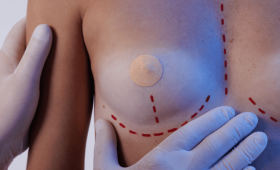
What Is The Fundamental Difference Between Liposuction And Tummy Tuck?
The most basic difference between liposuction and a tummy tuck is what the operation specifically targets. Liposuction is the process of removing resistant fat cells accumulated in certain parts of the body using a vacuum method, and this process does not change the quality of the skin. A tummy tuck, on the other hand, does more than just remove fat; it also removes sagging excess skin and tightens the loosened abdominal muscles by suturing them together. If your primary problem is fat deposits, liposuction is suitable; however, if your main issue is skin sagging and muscle laxity, a tummy tuck will be a much more appropriate option for you.
How Exactly Is Liposuction Surgery Performed?
Liposuction is a minimally invasive surgical procedure usually performed through very small incisions. In the first stage, the surgeon injects a special liquid mixture into the targeted area to facilitate the breakdown of fat and reduce bleeding. Then, with the help of thin cannulas (tubes), the fat tissue is pulled out of the body using a high-pressure vacuum device. Today’s Vaser or laser-assisted technologies allow fats to be broken down more easily, enabling the process to be completed without damaging the surrounding tissues. The small holes opened after the procedure are usually closed without the need for stitches or with a single self-dissolving stitch.
What Happens During A Tummy Tuck Surgery?
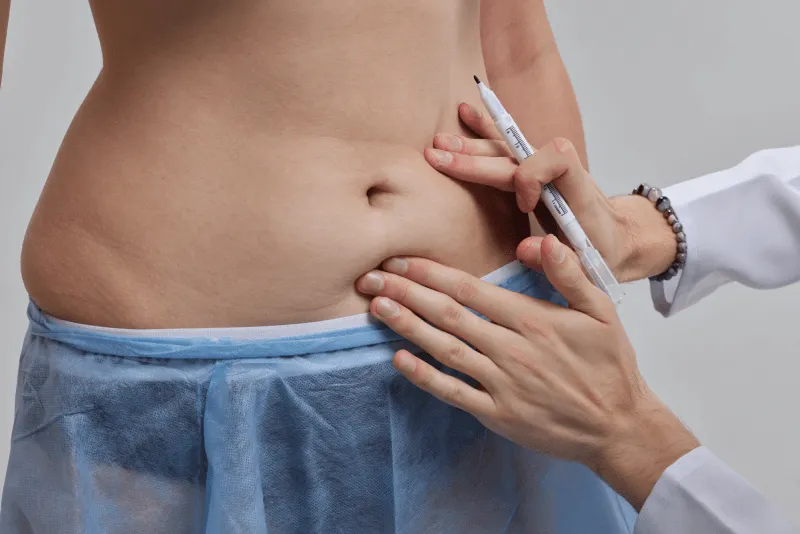
A tummy tuck is a more comprehensive surgical procedure than liposuction and is usually performed under general anesthesia. The surgeon makes a horizontal incision at the bottom of the abdomen, usually staying below the underwear line, and lifts the skin upward by separating it from the muscle layer. At this point, the “rectus abdominis” muscles, which have separated due to pregnancy or weight changes, are tightened by bringing them together with special sutures. Then, the sagging excess skin is pulled downward, the excess is cut off, and the belly button is repositioned in its new place. As a result, a flatter, tighter, and more tense abdominal profile is obtained.
Which Operation Is More Effective For Body Contouring?
The goal of body contouring depends entirely on your personal anatomy and expectations. If you are generally thin but have stubborn fats that do not go away with diet in areas such as the abdomen, hips, or thighs, liposuction is an excellent tool for defining your body lines. However, if there is significant sagging, stretch marks, and muscle deformation in your middle section, just removing fat may cause this area to look more deflated. In such cases, a tummy tuck provides much more effective results because it provides holistic shaping by both cleaning the fats and eliminating the skin excess.
How Much Fat Can Be Taken With Liposuction?
Liposuction is not a weight-loss method, and there is a medical limit to the amount of fat that can be removed from the body. Due to safety standards, it is generally recommended that no more than 5% of body weight (or 4-5 liters) be removed in a single session. Taking too much fat at once can disrupt the body’s fluid balance and risk the healing process. Surgeons prioritize the patient’s health and aim to remove only enough fat to improve the aesthetic appearance. The main purpose of this surgery is not to lower the number on the scale, but to make the body contour more balanced and aesthetic.
Does Tummy Tuck Surgery Collect Sagging Skin?
Yes, the primary function of tummy tuck surgery is to completely eliminate sagging skin. Especially in people who lose large amounts of weight or after multiple pregnancies, the skin cannot recover on its own because it has lost its elasticity. While exercising burns fat, it cannot restore sagging skin to its former state. During abdominoplasty, this excess and inelastic skin layer is surgically removed. This process eliminates hygienic problems such as diaper-like skin folds and rashes in the abdominal area, providing both aesthetic and functional comfort to the patient.
Will There Be Scars After Surgery?
Since there is surgical intervention in both operations, scarring is inevitable, but the nature of these scars is very different. The scars remaining after liposuction are tiny holes only a few millimeters in size and become almost completely invisible over time. In tummy tuck surgery, a horizontal scar remains at the bottom of the abdomen, similar to a C-section scar but longer. Thanks to modern surgical techniques, these scars are designed to be hidden under the underwear or bikini line. Although the scars are prominent in the first months, they become quite pale and faint towards the end of a year by approaching the skin color.
What Is The Recovery Process Like For Liposuction?
The recovery process after liposuction is generally fast, and most patients can return to light daily activities within a few days. It is normal to feel bruising, swelling, and a slight hardness in the treated area immediately after the surgery. It is mandatory to wear a special compression garment for about 3 to 6 weeks for the edema to disperse and the tissues to settle. Patients can usually return to their jobs at the end of the first week, but it is recommended to wait 4-5 weeks for heavy sports. The final results are clearly seen from approximately the third month onwards, as the edema completely subsides.
How Long Does It Take To Recover After A Tummy Tuck?
The recovery process of a tummy tuck is a period that requires more patience compared to liposuction. Since muscle repair is also performed, there may be difficulty walking upright for the first few days, and resting in a slightly forward-leaning position is recommended. Patients can usually return to office work after 10-14 days, but a full recovery and return to sports activities may take 6 to 8 weeks. The use of a corset during this process is vital for the protection of the stitch line and the healing of the tissues. Pain management can be easily controlled with medications prescribed by the doctor, and the feeling of discomfort disappears within a few weeks.
Can Two Surgeries Be Done At The Same Time?
Yes, the “combination of liposuction and tummy tuck” is a very popular application in medical literature and is generally called “Liposuction-Abdominoplasty.” In this method, the surgeon first cleans the fats on the waist and abdominal sides with liposuction to give the body a curved line, and then performs the tummy tuck process to collect the sagging skin. Doing both together provides a much more dramatic and holistic change in a single anesthesia session. However, since this combination extends the surgical time, the general health of the patient must be good enough to handle this intensity, and there should be no risky habits such as smoking.
Can Weight Be Regained After Liposuction?
Fat cells removed from the body with liposuction surgery are permanently destroyed; new fat cells are not easily formed in an adult human body. However, the remaining fat cells can continue to grow in volume in case of malnutrition. If a healthy diet and regular exercise program are not followed after the operation, weight gain may be experienced throughout the body. Nevertheless, it is not expected to have as disproportionate a fat accumulation in the operated area as before because the number of fat cells there has decreased. The permanence of the results depends entirely on the patient’s lifestyle and determination to maintain their weight.
Does A Tummy Tuck Correct Muscle Laxity?
Definitely yes. One of the most important benefits of tummy tuck surgery is that it treats abdominal muscle separation known as “diastasis recti.” Especially during pregnancy, the growing uterus pushes the vertical muscles in the abdominal wall away from each other, and this causes a protrusion that looks “as if there is a belly” after birth. During a tummy tuck, the surgeon sews these weakened muscles together to create an internal “inner corset” effect. This repair not only flattens the abdomen aesthetically but also reduces back pain and improves posture, increasing overall core strength.
Which Surgery Should Be Preferred After Pregnancy?
How the body reacts in the postpartum period determines which surgery to choose. If your skin has maintained its elasticity after birth but you have a small amount of fat left in your belly, liposuction may be sufficient. However, in most cases, pregnancy leads to severe stretch marks and sagging in the skin, as well as separation of the abdominal muscles. In this case, liposuction alone is not enough and may even lead to further sagging of the skin. Therefore, the most effective solution for postpartum deformations is usually a tummy tuck surgery. Experts find it more correct to perform this process if pregnancy is not considered again.
Who Are The Ideal Candidates For Surgery?
The ideal candidate for both surgeries is an individual who is in good general health, does not smoke, and is close to their ideal weight. For liposuction, candidates must have high skin quality (elastic) and should only experience regional lubrication problems. Tummy tuck candidates are usually people who have lost large amounts of weight, had multiple births, or whose abdominal tissue has loosened due to aging. The important thing is to understand that these operations are not a weight-loss tool and to have realistic expectations. Pre-operative control of chronic diseases and stopping blood thinners are basic requirements for safety.
What Are The Types Of Anesthesia?
The liposuction operation can be performed under local anesthesia, sedation (calming), or general anesthesia depending on the size of the area to be applied. If only a very small area is targeted, local anesthesia may be sufficient, while general anesthesia is preferred for the comfort of the patient in large areas. Tummy tuck surgery is performed under general anesthesia almost every time because it involves deep interventions such as tissue removal and muscle repair. The anesthesiologist follows the patient’s vital signs throughout the operation and prevents pain. Thanks to modern anesthesia methods, the post-operative awakening process is quite comfortable and nausea-free.
Is Liposuction A Permanent Solution?
Liposuction is technically a permanent procedure because the removed fat cells do not come back. However, this does not mean that the patient will stay thin for a lifetime. The fat balance in our body is dynamic and reacts directly to lifestyle choices. If the person continues to eat unbalanced after the surgery, the existing fat cells remaining in the body can expand and lead to the deterioration of the form. You can think of liposuction as a “reset button”; it gives you a great starting point, but maintaining this new form is up to you with regular walks and a healthy eating routine.
When To Exercise After Tummy Tuck Surgery?
Return to exercise after a tummy tuck should be gradual. It is essential to take light walks within the house the day after the surgery to speed up blood circulation and reduce the risk of clots. Only light-paced walks are allowed during the first 2-3 weeks. From the 4th week, low-intensity cardio exercises can be started. However, it may be necessary to wait at least 8-12 weeks for activities such as sit-ups, planks, or heavy weight lifting that force the abdominal muscles. Since forcing the muscles before they fully heal can cause damage to the stitches or fluid accumulation (seroma) in the area, doctor approval must be adhered to.
Which Surgical Techniques Are Used?
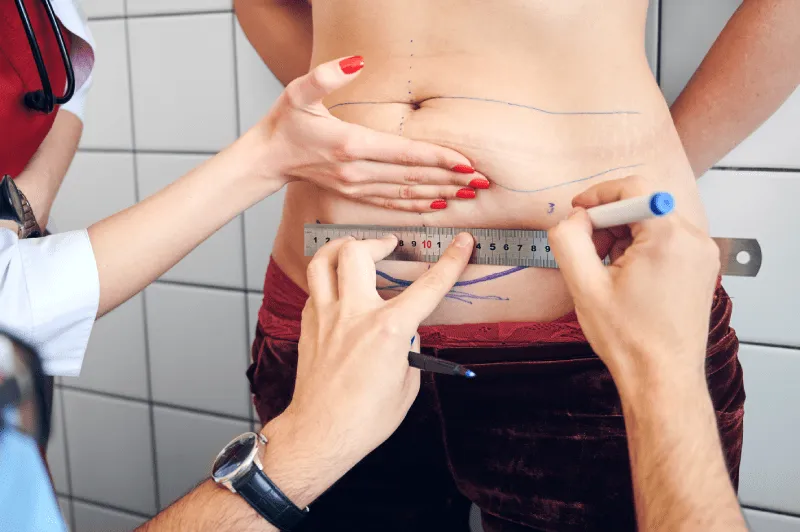
Today, advanced technologies are available for both surgeries. In liposuction; besides the classical method, Vaser Liposuction, which breaks down fats with sound waves, and Laser Lipo techniques using laser energy are the most popular ones. In tummy tuck surgery, “Full Abdominoplasty,” “Mini Tummy Tuck” targeting only the area below the belly button, or “360 Degree Tummy Tuck” (Belt Abdominoplasty) covering the waist area are applied according to the needs of the patient. The surgeon determines the combination of techniques that will result in the least scarring and the highest efficiency by analyzing the body structure of the patient.
What Are The Risks And Side Effects?
As with any surgical procedure, liposuction and tummy tuck operations have certain risks. General risks include infection, bleeding, anesthesia complications, and accumulation of fluid (seroma) or blood (hematom) under the tissue. Specifically for tummy tuck, healing delays in the stitch line or skin loss (necrosis) can rarely be seen. In liposuction, irregularities, ripples, or temporary numbness may occur in the application area. The best way to minimize these risks is to choose an experienced surgeon and strictly follow pre- and post-operative instructions (especially corset use and smoking ban).
How Does The Diet Affect The Results?
Nutrition directly affects both the post-operative recovery speed and long-term aesthetic results. A diet rich in protein before and after the surgery allows for faster repair of tissues. Restricting salt consumption and drinking plenty of water is critical to reduce edema. In the long run, eating carbohydrate and sugar-weighted foods can cause the contours obtained with the surgery to disappear. Adopting a diet containing healthy fats, vegetables, and whole grains ensures that the body maintains its new shape for years and crowns the success of the operation.
Which Surgery Is More Popular For Men?
In recent years, interest in aesthetic surgery among men has increased rapidly. Men generally prefer liposuction operations targeting the area called the “love handles” around the waist and abdominal fats. “Hi-Def Liposuction” (Muscle definition) is quite popular among men, especially to reveal abdominal muscles that do not become clear despite doing sports. In men who lose excessive weight, a tummy tuck is the only solution to get rid of sagging skin. In the male anatomy, the tummy tuck scar is usually planned flatter, and the belly button design is made symmetrical in accordance with the masculine structure of the man.
What Is The Pre-Operative Preparation Process Like?
The key to a successful surgery is through correct preparation. It is essential to stop smoking at least 3-4 weeks before the surgery because nicotine impairs blood flow and seriously endangers wound healing. Blood thinners, herbal teas, and vitamin supplements should be discontinued 10-14 days before the operation by consulting a doctor. General health status is confirmed by performing routine blood tests and, if necessary, chest X-rays before the surgery. Also, preparing comfortable, button-down clothes for the surgery day and arranging a companion to help you for the first few days after being discharged from the hospital will make the process easier.
Why Is The Use Of A Corset Important?
The use of a corset after surgery is an indispensable part of the recovery period. The corset limits edema formation by applying gentle but continuous pressure to the treated area and allows the tissues to adhere more tightly to their new places. In addition, it acts as a support by preventing the stretching of the stitches during movement for patients having a tummy tuck and reduces the feeling of pain. Regular wearing of the corset after liposuction helps the skin heal more smoothly and reduces the risk of ripples. Wearing a corset for the period recommended by your doctor (usually 4-6 weeks) is one of the most important factors determining the quality of the result.
Does Liposuction Eliminate Cellulite?
This topic is one of the biggest misunderstandings; liposuction is not a cellulite treatment. Cellulite is an orange peel appearance formed by the fat tissue just under the skin being pushed upward through connective tissue bands. Since liposuction targets deeper fat layers, it may not eliminate this textural disorder on the surface, and sometimes even make the cellulite appearance more prominent if skin elasticity is low. However, modern Vaser or laser-assisted devices can tighten the skin to some extent by triggering collagen production. If your main problem is cellulite, it would be more correct to research different medical methods such as mesotherapy or radiofrequency for this.
Does A Tummy Tuck Remove Stretch Marks?
Tummy tuck surgery does not completely eliminate stretch marks, but it can remove a large part of them. Since the skin in the area below the belly button is cut and removed during the surgery, all stretch marks in this area are automatically thrown out of the body. The stretch marks remaining in the upper part of the belly button move to a lower level as the skin is stretched downward and become less visible due to the tension. In short, a tummy tuck is not a “stretch mark surgery,” but it provides a serious smoothing in the abdominal appearance because it cleans the area where the densest stretch marks are along with the sagging skin.
When Exactly Are The Results Seen?
Even if you see a difference as soon as the surgery is over, you need to be patient to see the real and final results. Since the body will collect edema in the first few weeks, the area may look thicker and harder than it is. At the end of the 1st month, approximately 60%-70% of the swelling subsides, and your new body lines begin to become clear. From the 3rd month, the tissues soften, numbness decreases, and the real form emerges. Full recovery, fading of stitch marks, and 100% distribution of edema usually take the period between 6 months and 1 year. Drinking plenty of water, balanced nutrition, and following doctor’s recommendations such as massage speed up the process during this time.
Does The Age Factor Affect Surgery Success?
Age alone is not a barrier to these surgeries; however, as age progresses, skin elasticity and healing capacity can change. Young patients generally have tighter skin, so their skin accepts the new form more easily after liposuction. In older patients, skin relaxation is more common, so a tummy tuck operation instead of liposuction or combined with liposuction gives much more successful results. The important thing is that there are no chronic ailments (heart, sugar, blood pressure) and no situation that would constitute an obstacle to the operation. Thanks to modern medicine techniques, even individuals in their 60s who are in good general health can safely have these surgeries.
What Is A Mini Tummy Tuck And For Whom?
A mini tummy tuck is a method designed for people with lighter deformations compared to a full tummy tuck. If the sagging in the skin is only in a very limited area below the belly button and there is no serious separation in the abdominal muscles, a mini tummy tuck may be preferred. In this method, the incision is shorter, the location of the belly button is not changed, and the recovery process is much faster. It is an ideal solution for patients who are generally thin and experience “a small bagging” only in the lower abdominal area or who have skin folding over a C-section stitch. However, if there is sagging in the upper part of the belly button as well, a full tummy tuck always gives better results.
What Is The Difference Between Laser Liposuction And Classical Liposuction?
In the classical liposuction method, fats are broken down and pulled using physical force. In the laser liposuction (Laser Lipo) technique, the fat cells are melted before being vacuumed using the laser energy at the tip of the cannula. In this way, fats are taken out more easily, and surrounding vessels and nerves are less damaged, which means less bruising and pain. Another big advantage of the laser is that it encourages skin tightening (lifting effect) by heating the collagen fibers under the skin. This situation allows for a smoother and more even surface to be obtained in patients with slight skin laxity compared to the classical method.
How Is Pain Management Provided After Surgery?
Thanks to developing surgical techniques and anesthesia methods, post-operative pains have been minimized. Long-acting local anesthesia blockages (TAP block) performed on the abdominal wall during surgery in tummy tuck surgery ensure that the patient spends the first 24 hours quite comfortably. As long as you stay in the hospital, painkillers are applied intravenously. When you move home, oral painkillers prescribed by your doctor will be sufficient. Generally, patients describe the pain as a “heavy tension and ache felt after an intense muscle workout” rather than a “severe sting.” After the first few days, this feeling rapidly decreases and disappears.
How Does Smoking Affect Healing?
Smoking is one of the biggest enemies in aesthetic surgery and multiplies the risk of complications. Nicotine narrows the vessels, reducing the blood flow and therefore the amount of oxygen reaching the surgery area. In operations where wide tissue shifts are made, such as a tummy tuck, insufficient blood flow can cause the stitches to open, the wound site to become inflamed, or the skin tissue to die (necrosis). In addition, smoking creates respiratory risks by reducing lung capacity during anesthesia. Therefore, surgeons stipulate that smoking should be completely stopped at least 4 weeks before the surgery and definitely not used until the healing is finished (about 4 more weeks).
Which Season Is Better To Have Surgery?
Theoretically, these surgeries can be done at any time of the year, but the most comfortable time for patients is usually the autumn and winter months. The most important reason for this is that the corsets that need to be worn for 4-6 weeks after the surgery can be overwhelming in the summer heat. In addition, having surgery in the winter months allows you to enter the summer season, when the swelling has completely subsided and the form has settled, with a “ready body.” Protecting surgical scars from the sun is also very important for the first few months; in the winter months, clothes naturally protect the scars from the sun. However, if you are planning to have surgery in the summer, you can successfully manage this process by resting in air-conditioned environments and protecting yourself well from the sun.
How Does Skin Elasticity Affect Surgery Choice?
Skin elasticity, the ability of the skin to return to its former form after being stretched, plays a key role in the success of the operation. If your skin is elastic and high-quality, after the fats are taken with liposuction, your skin shrinks and tightens by adapting to the gap underneath. However, if the skin has lost its elasticity due to age, genetic factors, or extreme weight gain and loss, the skin hangs down like an “empty sack” when the fats are taken. In this case, liposuction alone leads to a poor aesthetic result. In patients with low elasticity, a tummy tuck operation, in which excess skin is removed, must be added to prevent sagging.
Why Is Psychological Preparation Necessary?
A surgical operation is not only a physical but also an emotional process. The fact that the body is swollen, bruised, and bandaged for the first few weeks after the surgery can create temporary regret or low mood (post-op blues) in some patients. Knowing that this situation is completely temporary and that you need time to see the real result in the mirror is part of the psychological preparation. It is very important to have realistic expectations and to accept that the surgery will not turn you into “someone else” but will make you “a better version of your current self.” When you prepare yourself mentally for this process, you can much more easily cope with the difficulties in the recovery period.
How Should The Right Surgeon Be Selected?
The success and safety of your surgery depend directly on the experience of the surgeon you choose. Make sure that the physician you choose is definitely a Plastic, Reconstructive, and Aesthetic Surgery specialist and check their national/international association memberships. In your first meeting with your surgeon, ask to see “before-after” photos of similar surgeries they have done before. It is best to set out with a surgeon who informs you clearly about the risks, gives honest answers to your questions, and recommends the most suitable technique for you based on your personal analysis. Remember, the cheapest price does not always mean the best result; the expertise of the person to whom you will entrust your health and body should come before everything else.
Liposuction and tummy tuck operations are procedures that increase the quality of life and refresh self-confidence when applied to the right patient with the right technique. To decide which method is suitable for you, taking an expert opinion is the healthiest way. Being patient, conscious, and disciplined on this journey to your new form will bring you the results you dream of.
Free Consultation
Fill out the form below to get your free medical travel plan and price quote.
Sources and how to verify this yourself
- Ministry of Health, Regulation on International Health Tourism and Tourist Health, Official Gazette 26 April 2025, No. 32882 — authorisation requirement for facilities and intermediaries, TÜSKA accreditation, compulsory complication insurance (deadline 31 December 2025 for insurance, 31 December 2026 for accreditation). source
- Ministry of Health, Regulation on Promotion and Information Activities in Health Services, Official Gazette 12 November 2025, No. 33075 — treatment promises and guarantees are prohibited; price and campaign announcements are permitted only within international health tourism. source