Cost and planning note (Mommy Makeover 2026)
The figures below are indicative market ranges, not a quote: your own price is confirmed after a clinical assessment.
Indicative price range: Standard Package: 4,500 – 7,500 USD | Advanced Combination: 8,000 – 12,000 USD | Tummy Tuck: 3,000 – 5,000 USD | Breast Lift: 2,500 – 4,500 USD | Liposuction Per Area: 500 – 1,500 USD | Bbl Fat Transfer: 3,500 – 5,500 USD
Facility standards: In Türkiye, any facility treating international patients must hold the Ministry of Health’s international health tourism authorisation; hospitals and medical centres must also be accredited by TÜSKA, and complication insurance is compulsory for procedures carried out in an operating theatre (Regulation of 26 April 2025).
Recovery Focus: Post-pregnancy body restoration & safety first.
Currency: GBP, EUR, USD accepted.
Why Vegan and Vegetarian Mums are Choosing Specific Ethical Clinics in Turkey
Reconstructing the Post-Pregnancy Core: The Science of Abdominal Reconstitution
For the modern, ethically-minded woman, the decision to undergo restorative surgery is often rooted in a desire to reconcile her physical identity with the profound changes brought about by childbirth. The foundational element of post-pregnancy restoration is the structural repair of the abdominal wall. Beyond mere aesthetics, the medical imperative often lies in addressing Diastasis Recti—the separation of the rectus abdominis muscles. This condition is not merely a cosmetic concern but a mechanical failure of the abdominal midline.
High-standard clinics in Turkey are specializing in advanced Diastasis Recti repair, which involves a sophisticated internal corset suturing of the abdominal fascia. This procedure reinforces the weakened connective tissue, essentially re-establishing the biological “girdle” that provides core stability. When this repair is integrated into a Tummy Tuck (abdominoplasty), the results are transformative. Patients can choose from various surgical planes depending on the degree of skin laxity and muscle separation:
- Mini Abdominoplasty: Targeted at patients with localized skin laxity in the lower abdomen, preserving the upper abdominal integrity.
- Full Abdominoplasty: A comprehensive reconstruction involving a larger incision to address both upper and lower abdominal distension.
- Extended (360) Abdominoplasty: A circumferential approach that addresses the flanks and lateral abdominal walls, ideal for significant postpartum weight fluctuations.
The financial investment for a tummy tuck typically ranges from 3,000 – 5,000 USD. When combined with muscle repair, the surgery serves as the cornerstone of the “Mommy Makeover” framework, providing a stable, tightened foundation for all subsequent contouring procedures.
Mastopexy and Aesthetic Symmetry: Precision in Breast Reconstruction
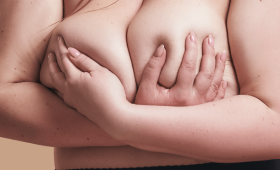
Post-pregnancy, many women experience mastopathy—the loss of volume and ptosis (sagging) due to hormonal shifts and breastfeeding. The technical solution is Mastopexy, or a breast lift, which focuses on repositioning the nipple-areola complex and reshaping the breast tissue to restore a youthful projection.
Ethical excellence in Turkish surgical centers is defined by the rigorous selection of biocompatible materials. To ensure long-term safety and minimize the risk of capsular contracture, leading surgeons utilize only JCI-approved implants, such as Mentor, Motiva, or Polytech. These implants are engineered with highly advanced shell textures to integrate seamlessly with the surrounding tissue, reducing the inflammatory response.
The cost of a breast lift is generally between 2,500 – 4,500 USD. For those seeking to augment volume simultaneously, the integration of implants with a lift allows for a customized aesthetic outcome. The precision of these procedures is a primary reason why Turkey has emerged as the global hub for reconstructive excellence; the convergence of high-tier surgical skill and access to the world’s most advanced prosthetic technologies offers a standard of care that is difficult to replicate elsewhere.
High-Definition Contouring: The Role of Vaser Technology
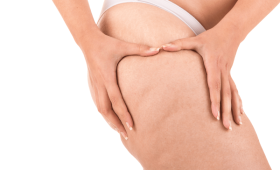
Once the abdominal foundation and breast structure are addressed, the final stage of the restoration involves refining the body’s silhouette. This is where Vaser Liposuction plays a critical role. Unlike traditional liposuction, which can be more traumatic to the surrounding tissue, Vaser (Ultrasound-Assisted) technology uses ultrasonic frequencies to selectively fragment fat cells while leaving nerves, blood vessels, and connective tissue intact.
This precision is vital for high-definition contouring, as it allows the surgeon to sculpt the musculature of the abdomen and flanks with minimal bruising and significantly reduced downtime. This technology is often paired with BBL (Brazilian Butt Lift) fat transfer, where the processed adipose tissue is redistributed to the gluteal region to enhance curvature. The technical complexity of transferring live, processed fat requires immense surgical skill to ensure graft survival.
The budgetary considerations for these localized refinements include:
- Liposuction per area: 500 – 1,500 USD
- BBL fat transfer: 3,500 – 5,500 USD
The Economics of Global Surgical Excellence
The ability to access comprehensive surgical packages in Turkey allows patients to undergo multiple foundational repairs under a single, streamlined anesthetic event. This not only reduces the physiological stress of repeated surgeries but also optimizes the recovery timeline. The cost-efficiency of these procedures is a major driver for international patients, as the price of a standard package (covering core abdominal and breast work) ranges from 4,500 – 7,500 USD, while an advanced combination (including advanced contouring and fat transfer) can range from 8,000 – 12,000 USD.
“The shift toward Turkey for postpartum restoration is driven by the intersection of medical innovation and logistical luxury. It is not merely about the reduction in cost, but the increase in the standard of personalized, multi-disciplinary care.”
Logistical Precision and Post-Operative Recovery
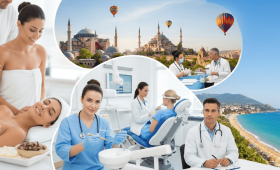
A critical component of the “ethical clinic” choice involves the post-operative environment. For many, the recovery phase is as important as the surgery itself. Leading surgical programs in Turkey offer a seamless transition from the operating theatre to 5-star recovery suites, where companion stays are often included to support the patient’s emotional and physical needs during the initial healing phase.
The logistics are designed to minimize patient anxiety through a highly organized infrastructure:
- Arrival: Streamlined arrivals via Istanbul (IST) or Antalya (AYT) international airports.
- Transfers: VIP private transfers from the airport directly to the clinic or hotel, ensuring privacy and comfort.
- Pre-operative care: Free online video assessments with board-certified plastic surgeons allow for precise preoperative planning and personalized surgical blueprints.
- Recovery Timeline: Patients can expect approximately 7-10 days in Turkey for initial healing and follow-up, with a recommendation of 6 weeks for a full return to strenuous exercise.
For the vegan and vegetarian patient, the focus on “ethical” clinics also extends to the transparency of medical supply chains and the minimization of unnecessary chemical interventions, ensuring that the restorative process aligns with their broader physiological and ethical philosophies.
The Precision of Ethical Reconstruction: Navating Complex Body Contouring
For the conscientious patient—particularly those adhering to vegan or vegetarian lifestyles—the decision to undergo aesthetic surgery is rarely about superficial vanity. Instead, it is an extension of an ethical framework that prioritizes high-quality, biocompatible materials, rigorous safety standards, and the minimization of physiological trauma. In Turkey, the surge in patients seeking combination surgeries is driven by the availability of JCI (Joint Commission International) accredited facilities that mirror these values through clinical excellence and surgical precision.
The modern “combination surgery” is a sophisticated architectural undertaking. Unlike single-area procedures, a combination approach aims to address the systemic changes caused by pregnancy and weight fluctuations. For instance, a patient may require an advanced combination package, which typically ranges from 8,000 – 12,000 USD, to address multiple anatomical sites simultaneously. This approach is not merely about efficiency; it is about achieving a cohesive, harmonious silhouette that respects the body’s natural proportions.
The technical core of these transformations often involves the integration of abdominal reconstruction and advanced lipoplasty. When addressing post-pregnancy abdominal laxity, surgeons focus on more than just skin excision. A critical component is the Diastasis Recti repair, which involves the internal corset suturing of the abdominal fascia. This procedure re-approximates the separated rectus abdominus muscles, restoring the structural integrity of the abdominal wall and providing a tighter, more functional core. Depending on the patient’s specific needs, surgeons may offer Full, Mini, or Extended (360) tummy tuck options, with costs for the abdominal component specifically ranging from 3,000 – 5,000 USD.
Complementing this structural repair is the use of Vaser Liposuction. This ultrasonic-assisted technology is preferred by patients seeking a high-definition, sculpted look. By using low-frequency vibrations to emulsify fat cells, Vaser Lipo allows for much more precise contouring of difficult areas with minimal bruising and reduced trauma to surrounding tissues. This is often paired with a BBL (Brazilian Butt Lift) fat transfer, where processed autologous fat is strategically injected into the gluteal region to enhance projection, with fat transfer costs ranging from 3,500 – 5,500 USD. Individual liposuction per area can be found between 500 – 1,500 USD, allowing for bespoke surgical planning.
Case Study: Restoring Structural Confidence
“As a mother of three, my body had undergone profound changes. The physical separation of my abdominal muscles (diastasis recti) was something diet and exercise simply could not rectify. I needed a surgical solution that was as ethically sound as my lifestyle.”
Consider the journey of a 34-year-old Irish mother of three. After three pregnancies, she presented with significant abdominal skin redundancy and a lack of waist definition. Her goal was not to look “operated on,” but to reclaim the physical form she possessed prior to her children’s births. Through a free online video assessment with board-certified plastic surgeons, a bespoke surgical plan was formulated.
Her procedure involved a comprehensive combination surgery. The surgeon performed an extended (360) abdominoplasty to address the skin laxity, coupled with the internal corset suturing to close the diastasis recti. To complete the silhouette, Vaser Lipo was utilized to sculpt the flanks, with the harvested fat being transferred via BBL to the upper buttocks. For this patient, the total investment fell within the 8,000 – 12,000 USD advanced combination bracket. The result was a seamless, natural transition from the waist to the hips, achieved through meticulous, anatomically-driven technique.
The Logistics of a Premium Recovery Journey
The transition from surgery to recovery is managed with the same precision as the operating theatre itself. For many international patients, the journey is a seamless, end-to-end experience designed to minimize stress and facilitate healing. The logistical framework is built around the concept of “sanctuary recovery.”
- Seamless Arrival: Patients typically arrive via Istanbul (IST) or Antalya (AYT), where they are met by VIP private transfers that transport them directly from the airport to their accommodation.
- Luxury Recovery: Post-operative care takes place in 5-star recovery suites, which are designed to provide a tranquil environment. Notably, these packages often include a companion stay included, allowing a partner or friend to assist during the initial healing phase.
- Clinical Continuity: The care continuum is maintained through close contact with Cure Holiday specialists, ensuring that all post-operative protocols are strictly followed.
The recovery timeline is a critical component of surgical success. While the initial period in Turkey is short—typically 7-10 days—the biological healing process continues long after the patient has returned home. Patients are advised that while they may return to light activities quickly, a 6 weeks for full exercise return is mandatory to ensure the integrity of the sutures and the stability of the transferred fat.
Safety Standards and Material Integrity
For the ethical patient, the “what” is just as important as the “how.” The use of medical-grade, biocompatible materials is a non-negotiable standard in high-tier Turkish clinics. This is particularly vital in breast augmentation or breast lift procedures, where the quality of the implant dictates long-term outcomes. Clinics operating under JCI safety standards exclusively utilize premium, globally recognized brands such as Mentor, Motiva, or Polytech. These implants are rigorously tested for shell integrity and gel stability, ensuring they meet the highest international safety benchmarks.
The cost of a breast lift, for example, typically ranges from 2,500 – 4,500 USD, and when paired with other procedures, the focus remains on the biological compatibility of the chosen implants. This commitment to using only JCI-approved materials resonates with patients who view their surgical choices through a lens of long-term health and ethical responsibility. By prioritizing structural repair (such as the internal corset) and advanced technology (such as Vaser Lipo), these clinics offer a transformation that is as much about anatomical restoration as it is about aesthetic enhancement.
The Convergence of Ethical Living and Surgical Precision
For the modern vegan and vegetarian mother, the decision to undergo reconstructive surgery is often an extension of a deeply held value system. The pursuit of postpartum body restoration—addressing the physical remnants of pregnancy such as abdominal separation or breast ptosis—is increasingly being paired with a demand for ethical aftercare. This includes not only the sourcing of medical-grade materials but also the nutritional logistics of the recovery period. For these patients, the “where” and “how” of recovery are just as critical as the surgical outcome itself.
The shift towards Turkey for these procedures is driven by a unique intersection of high-technology medical advancements and a luxury recovery infrastructure that can accommodate highly specific dietary and lifestyle requirements. When planning a journey for a tummy tuck or breast augmentation, the focus has moved beyond the operating theatre to the “recovery ecosystem”—ensuring that the post-operative nutritional intake is plant-based, cruelty-free, and optimized for tissue regeneration and wound healing.
Advanced Reconstructive Techniques for the Postpartum Body
Post-pregnancy body contouring requires a sophisticated approach to tissue handling. Unlike standard cosmetic procedures, postpartum reconstruction often involves addressing significant structural changes to the musculature and integumentary system. High-tier Turkish clinics are increasingly utilizing advanced technologies that align with the need for minimal downtime and maximal precision.
- Diastasis Recti Repair: A primary concern for new mothers is the separation of the rectus abdominis muscles. Advanced surgical protocols now involve Diastasis Recti repair involving internal corset suturing of the abdominal fascia. This technique creates a structural “internal corset” that reinforces the abdominal wall, providing much-needed stability and reducing the circumference of the waist.
- Vaser Liposuction: For those seeking fat removal, Vaser Liposuction is used for high-definition contouring with minimal bruising. By using ultrasound energy to emulsify fat cells before aspiration, the technology preserves the surrounding connective tissue, which is essential for maintaining skin elasticity and reducing the inflammatory response.
- Breast Augmentation Standards: Ensuring the safety of implants is paramount. Ethical clinics exclusively utilize breast implants from manufacturers such as Mentor, Motiva, or Polytech (JCI approved). These materials are held to the highest global standards of biocompatibility and structural integrity.
- Abdominal Sculpting Versatility: Depending on the degree of skin laxity and muscle separation, surgeons offer tummy tuck options including Full, Mini, or Extended (360), allowing for a customized approach to the postpartum silhouette.
术
“The goal of modern postpartum reconstruction is not merely aesthetic; it is the restoration of functional anatomy. Through internal fascial suturing and high-definition ultrasound-assisted lipo, we can return the patient to their pre-pregnancy state with minimal trauma to the biological systems.”
Logistical Excellence: The Recovery Ecosystem
The logistical framework of a surgical journey in Turkey is designed to mitigate the stress of traveling while recovering from significant procedures. For mothers who may be managing childcare or household responsibilities from afar, the “all-inclusive” nature of Turkish medical tourism provides a vital safety net. This includes seamless transitions from the point of arrival to the recovery suite, ensuring that the patient is never left navigating unfamiliar environments during their most vulnerable state.
The journey typically begins at Istanbul (IST) or Antalya (AYT) airports. Upon arrival, patients are met by VIP private transfers from the airport to the clinic, ensuring a controlled, sterile, and comfortable environment from the moment of entry. This level of care extends to the accommodation, where patients reside in 5-star recovery suites with companion stay included. This is a critical feature for the vegetarian and vegan demographic, as it allows a partner or caregiver to accompany the patient, facilitating the management of specialized, plant-based post-operative meal plans and emotional support.
To ensure alignment between patient expectations and surgical reality, the process commences well before departure. Free online video assessments with board-certified plastic surgeons allow for a preliminary evaluation of the patient’s anatomy and a detailed discussion of the surgical plan, ensuring that all ethical and medical requirements are addressed during the pre-operative phase.
The Post-Operative Timeline and Nutritional Recovery
Recovery is a physiological process that requires strict adherence to timelines to ensure the longevity of the surgical results. The recovery protocol in Turkey is divided into two distinct phases: the localized intensive recovery and the long-term reintegration.
The immediate post-operative phase involves a recovery period of 7-10 days in Turkey. During this window, the focus is on managing edema (swelling) and ensuring wound stability. For vegan patients, this period is critical for consuming nutrient-dense, plant-based proteins and antioxidants to support collagen synthesis. The 5-star suites are often equipped to facilitate these specific dietary needs, providing an environment where wound healing is supported by high-quality, ethically sourced nutrition.
Once the patient returns home, a secondary phase of healing begins. While many patients feel capable of light activity shortly after their flight, a 6 weeks for full exercise return is the clinical standard to prevent undue tension on the internal sutures, particularly following a Diastasis Recti repair or a 360-degree tummy tuck. Adhering to this timeline is essential to prevent the dehiscence of incisions and to ensure the long-term success of the abdominal corset suturing.
2026 Financial Analysis: Turkey vs. UK/USA
The economic advantage of choosing Turkey remains a significant driver for patients, even when accounting for the premium nature of 5-star recovery logistics. When comparing the cost of high-end surgical packages in 2026, the disparity between Turkish specialized clinics and traditional UK or USA healthcare systems remains profound.
Below is a breakdown of the projected costs for 2026, illustrating the value of the Turkish medical model:
| Procedure Type | Estimated Cost (USD) |
|---|---|
| Standard Package (Comprehensive Care) | 4,500 – 7,500 USD |
| Advanced Combination (e.g., Lipo + Tummy Tuck) | 8,000 – 12,000 USD |
| Tummy Tuck (Full, Mini, or 360) | 3,000 – 5,000 USD |
| Breast Lift (Mastopexy) | 2,500 – 4,500 USD |
| Liposuction (Per targeted area) | 500 – 1,500 USD |
| BBL (Fat Transfer/Augmentation) | 3,500 – 5,500 USD |
When these figures are compared to the equivalent costs in the UK or USA—where a single abdominoplasty can easily exceed 15,000 USD before even considering accommodation—the Turkish model offers not just savings, but a superior, all-inclusive logistical experience that caters to the specific ethical and post-operative needs of the modern, conscious mother.
Considering a Mommy Makeover in Turkey? Get a Free Quote for your Why Vegan and Vegetarian Mums are Choosing Specific Ethical Clinics in Turkey Transformation with cureholiday.com
Free Consultation
Fill out the form below to get your free medical travel plan and price quote.
Sources and how to verify this yourself
- Ministry of Health, Regulation on International Health Tourism and Tourist Health, Official Gazette 26 April 2025, No. 32882 — authorisation requirement for facilities and intermediaries, TÜSKA accreditation, compulsory complication insurance (deadline 31 December 2025 for insurance, 31 December 2026 for accreditation). source
- Ministry of Health, Regulation on Promotion and Information Activities in Health Services, Official Gazette 12 November 2025, No. 33075 — treatment promises and guarantees are prohibited; price and campaign announcements are permitted only within international health tourism. source