What is liposuction and how is it performed?
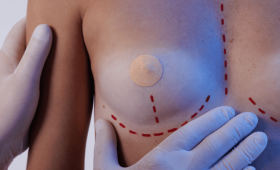
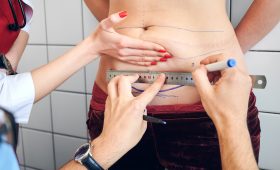
Liposuction is a surgical procedure designed to vacuum and remove stubborn fat tissues that accumulate in specific areas of the body and cannot be eliminated through diet or exercise. It is important to note that this procedure is not a primary weight-loss method but rather a body contouring and shaping operation. It is most commonly applied to areas such as the abdomen, hips, waist, neck, and arms. The surgical team makes small incisions in the target area and inserts specialized cannulas. Through these cannulas, fat cells are broken down and transferred out of the body using a negative-pressure vacuum device. Thanks to advancements in modern medicine, this process is now performed using much safer and more effective techniques than in the past.
What is the classic liposuction method?
Traditional or classic liposuction is the oldest technique, based on the principle of physically breaking down and vacuuming fat cells. In this method, the surgeon moves a cannula back and forth within the fat tissue, applying mechanical force to dislodge the cells. This movement breaks the fat cells apart so they can be suctioned out. Typically, a “tumescent” solution is injected into the area before the operation to constrict blood vessels and reduce the risk of bleeding. While the classic method remains an effective option for removing large volumes of fat, it tends to be more aggressive toward surrounding tissues, such as blood vessels and nerves, compared to modern methods. Consequently, patients may experience more bruising and swelling during recovery.
How does Vaser liposuction technology work?
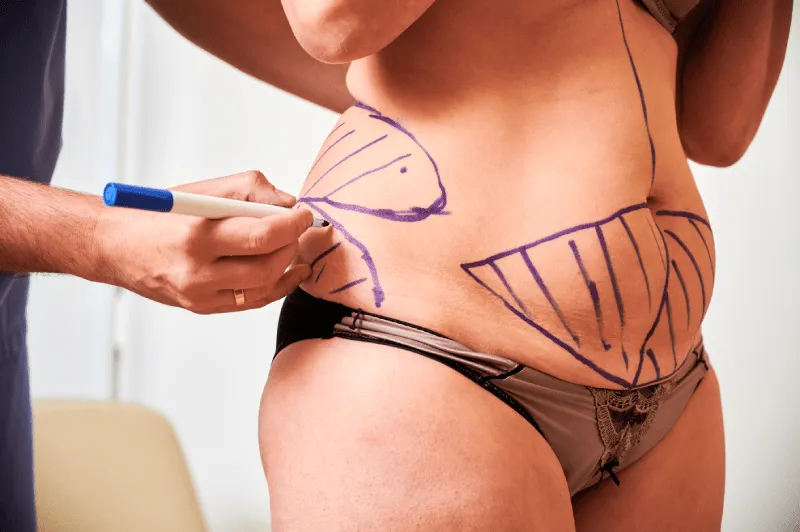
Vaser liposuction is an advanced technology that utilizes ultrasonic sound waves to selectively break down fat cells. The most significant feature of this method is its ability to target fat cells specifically without harming surrounding structures. The ultrasound energy liquefies the fat tissue while leaving blood vessels, nerves, and connective tissues largely intact. This “tissue selectivity” ensures that there is significantly less pain, bruising, and swelling following the operation. The liquefied fat cells are then gently removed from the body using thin cannulas. Furthermore, because Vaser keeps the fat cells relatively healthy and viable, it is considered the best technique for fat grafting procedures, where fat is transferred to other areas like the face or buttocks.
How is laser liposuction for fat removal applied?
Laser liposuction is a method that uses laser energy to melt fat tissue and simultaneously tighten the skin. Laser beams, delivered through a thin fiber-optic cable, rupture the membranes of fat cells, turning them into a liquid state. This liquefied fat can then be naturally absorbed by the body or suctioned out using very small cannulas. The most distinct advantage of the laser method is that the thermal energy triggers collagen production under the skin. This helps prevent skin sagging that might occur after fat removal, resulting in a firmer and more toned appearance. It is generally preferred for smaller areas or regions where the skin is prone to sagging, such as the chin (jowl), arms, and inner knees.
What are the primary differences between traditional and modern methods?
The fundamental difference between traditional liposuction and modern methods like Vaser or Laser lies in how the fat is broken down. In the traditional method, the surgeon’s physical strength and mechanical movements are central to the process, whereas Vaser uses sound waves and Laser uses heat energy. These technological refinements minimize trauma by protecting the surrounding tissues. In modern techniques, the amount of bleeding is significantly lower, and the time it takes for a patient to return to their social life is noticeably shorter compared to the classic technique. Additionally, modern techniques are much more successful in areas with fibrous or tough fat tissue, such as the back or male breast tissue, where the classic method might struggle.
Who are the most suitable candidates for liposuction?
A person wishing to undergo liposuction should primarily be in good general health and have realistic expectations. Since this procedure is not a treatment for obesity, individuals who are close to their ideal weight but struggle with localized fat deposits are the best candidates. Good skin elasticity is a critical factor, as it allows the skin to retract and conform to the new body contours after the fat is removed. Furthermore, non-smokers or those willing to stop smoking before and after the operation tend to have a much healthier recovery process. Patients with heart disease, diabetes, or immune system issues must obtain comprehensive clearance from their doctors before considering this surgery.
What are the specific advantages of Vaser liposuction?
The greatest advantage offered by Vaser liposuction is the smooth and even results achieved through its tissue-selective nature. The risk of skin irregularities or “rippling,” which can sometimes occur with classic methods, is minimized with the Vaser technique. The recovery process is much faster because the vascular and nervous structures are preserved. Patients typically experience less bruising and can return to their daily activities much sooner. Additionally, Vaser is the most suitable method for “High Definition” procedures, which involve sculpting the fat to define underlying muscle groups. For patients wanting to highlight abdominal muscles or shoulder contours, Vaser provides the precision needed for an athletic and aesthetic look.
Does laser liposuction truly have a skin-tightening effect?
Yes, the most characteristic feature of laser-assisted liposuction is its potential for skin tightening. The laser energy creates a thermal effect in the subcutaneous tissues, causing collagen and elastin fibers to contract and stimulating the production of new fibers. This provides a significant advantage, especially for patients whose skin elasticity has weakened due to age or genetics. After the fat is removed, the overlying skin adapts more tightly to the new form thanks to the laser’s influence. For this reason, surgeons often recommend laser support in areas where the skin is thin and the risk of sagging is high, such as the neck and jowl region, to ensure a more youthful contour.
What is the recovery process like for classic liposuction?
The recovery process after classic liposuction may require a bit more patience compared to modern techniques. Because of the mechanical force applied to tissues during the procedure, the formation of edema (swelling) and bruising is considered normal. Patients generally feel a sensation similar to intense muscle soreness or a mild ache for the first few days. During this period, pain relievers and antibiotics prescribed by the doctor should be used regularly. It is mandatory to wear a special compression garment for approximately 3 to 4 weeks. While a large portion of the swelling subsides within the first month, it can take up to 6 months for the body to take its final shape and for the tissues to heal completely.
Is Vaser liposuction a painful procedure?
Since Vaser liposuction is a tissue-friendly technology, the level of pain experienced by patients after surgery is quite low. Because general anesthesia or local anesthesia (combined with sedation) is used during the operation, the patient does not feel anything during the procedure. Afterward, instead of sharp pain, patients usually describe a feeling of “muscle stiffness” similar to what one feels after a very intense workout. This discomfort is easily managed with advanced surgical techniques and specialized solutions administered to the area during the operation. Most patients report that they can return to their daily routines within a few days without the need for heavy pain medication.
Who should not undergo laser-assisted liposuction?
Although laser-assisted liposuction is a safe method, there are certain situations where it may be inadvisable. First and foremost, surgical intervention is risky for individuals with severe heart failure, liver disease, or active infections. Due to the heat generated by laser energy, caution must be exercised with individuals who have circulatory disorders in the treatment area or extremely thin and damaged skin. Additionally, this operation is not recommended for pregnant or breastfeeding women. Those with blood clotting disorders or severe systemic illnesses may also not be suitable candidates for laser liposuction. Therefore, a detailed medical history analysis must be conducted before the operation to ensure patient safety.
How can permanent results be maintained after liposuction?
Since the fat cells removed during liposuction are permanently gone, the results are theoretically lasting. However, the volume of the remaining fat cells in the body can still expand if the person gains a significant amount of weight. Therefore, adopting a healthy lifestyle after the operation is critical to maintaining results for a lifetime. A balanced diet should be established, and regular physical activity should become a part of daily life. Liposuction should be viewed as a “reset” button; the body has been reshaped, and keeping this new form is in the patient’s hands. Paying attention to water consumption and avoiding processed foods helps keep the new body contours sharp and visible.
What should be considered before the surgery?
Preparation is just as important as the surgery itself for a successful liposuction outcome. Smoking and alcohol consumption should be stopped at least two weeks before the operation, as smoking impairs tissue oxygenation and delays healing. Blood thinners such as aspirin, herbal teas, vitamin supplements (like Vitamin E), and certain painkillers should be discontinued under a doctor’s supervision as they can increase the risk of bleeding. Patients should prepare comfortable, front-opening clothes to wear on the day of the surgery. Additionally, all blood tests and health checks requested by the doctor must be completed, and the patient must remain fasted starting from the time specified by the surgical team.
Why is wearing a compression garment important after liposuction?
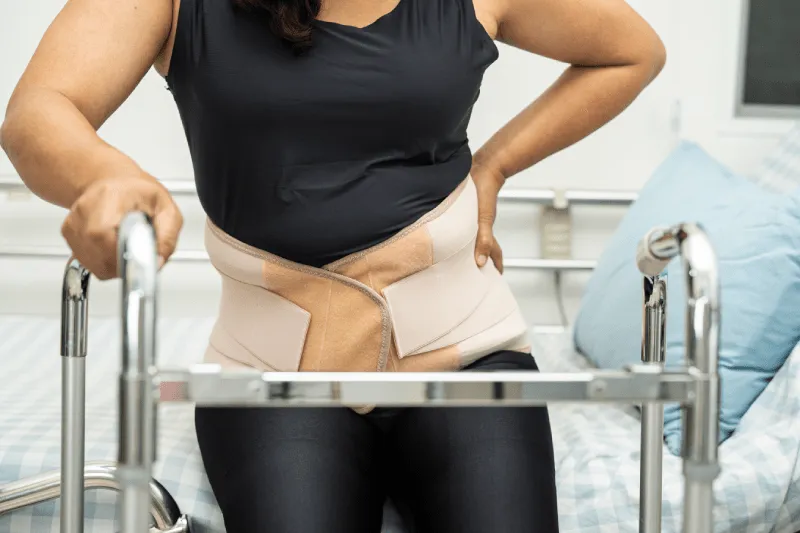
The use of a compression garment (corset) after liposuction is one of the most important factors directly affecting the success of the operation. The garment prevents the accumulation of fluid (seroma) in the spaces where fat was removed, thereby reducing edema. At the same time, it helps the tissues adhere to each other more healthily and smoothly, assisting the skin in adapting to its new shape. The garment supports the sculpting of body contours and provides the patient with a sense of security and support during recovery. Generally, it is recommended to wear it day and night for the first 3-4 weeks, followed by a few weeks of daytime use only. The type and duration of use may vary based on the surgeon’s preference.
How do edema and bruising resolve after the operation?
Edema and bruising after the operation are natural results of surgical intervention and will heal on their own over time. The most important thing to do to speed up this process is to wear the compression garment consistently. Drinking plenty of water helps the body flush out toxins and reduce swelling. Taking light walks in the early days supports healing by increasing circulation. Limiting salt intake helps reduce water retention, allowing swelling to go down faster. Some edema-reducing creams or lymphatic drainage massages may also be included in the process upon your doctor’s recommendation. Generally, bruising disappears within 10-15 days, while 80% of edema subsides in the first month, with the remainder fading over 3-6 months.
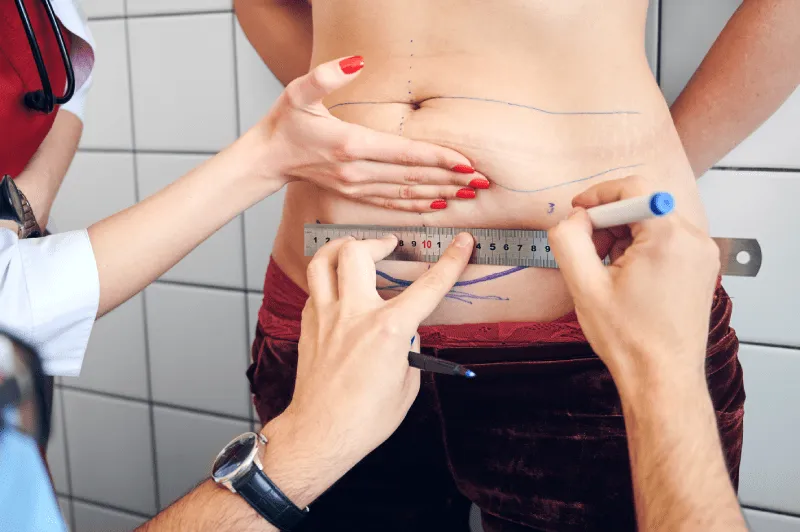
Which body areas can be treated with liposuction?
Liposuction is a versatile procedure that can be applied to almost any area of the body with resistant fat deposits. The most common application areas are the abdomen, waist (love handles), hips, and thighs. In addition, the sagging fat tissue on the back of the arms, the back (bra line), the inner knees, and the ankles are also popular areas. For the face, it is frequently preferred to eliminate fat under the chin (jowl). In men, it is specifically used to remove fat tissue in the chest area for the treatment of enlarged breasts (gynecomastia). The choice of which method will be most effective for which area is determined by the surgeon based on the depth of the fat and the structure of the skin.
Which liposuction method is better for the abdominal area?
Since the abdominal area is a large region containing both deep and superficial fat tissue, Vaser liposuction is usually the most preferred method. It is very important for the skin to sit smoothly in the abdominal area; the homogeneous fat removal provided by Vaser reduces the risk of rippling. If the patient also has mild skin laxity, skin-tightening technologies like Laser liposuction or J-Plasma can be added after the fat is removed with Vaser. However, for patients with severe skin sagging and stretch marks, liposuction alone may not be sufficient and may need to be combined with an abdominoplasty (tummy tuck) surgery. The right method should be decided after a physical examination.
Which technique is preferred for the legs and arms?
The leg and arm areas are sensitive regions where the skin is thinner and aesthetic errors can be easily noticed. The inner parts of the arms, in particular, are prone to sagging. For this reason, Laser liposuction is frequently preferred in these areas due to its skin-tightening effect. For the inner thighs and around the knees, Vaser liposuction is very successful in creating a smooth leg line by gently clearing the fat. In very narrow areas like the ankles, microliposuction techniques using very thin cannulas come into play. In these regions, the goal is not just to remove fat but also to create an aesthetic silhouette and graceful transitions between different parts of the limb.
Is liposuction a method for losing weight?
One of the most common misconceptions is that liposuction is a weight-loss method. Liposuction is definitely not a weight-loss surgery; it is a body contouring procedure. The amount of fat removed from the body during this surgery does not cause a massive change in the person’s weight, but it provides a dramatic improvement in the general lines of the body and how clothes fit. For example, when 3-4 liters of fat are taken from a person weighing 70 kilograms, the person may still weigh 66-67 kilograms, but they may slim down by two sizes thanks to the narrowing of the waist circumference. Liposuction targets “resistant” fat that does not go away despite diet and exercise. Ideally, the patient should undergo this procedure when they are close to their target weight.
Is body sculpting possible with Vaser liposuction?
Vaser liposuction offers the possibility of “body sculpting” beyond just removing fat. The precise fat removal capacity of this method allows for thinning the fat over muscle groups to make the muscles more prominent. This is called “Vaser Hi-Def” (High Definition) liposuction. Abdominal muscles (the “six-pack” look), chest muscles, and shoulder lines can be defined using this method. The surgeon can give the body a more athletic and fit appearance by mimicking the play of light and shadow on the muscles. This procedure offers revolutionary results for people who cannot fully reveal their muscles despite exercising regularly, helping them achieve the “honed” look they desire.
How fast is the recovery after laser liposuction?
Since laser liposuction is a minimally invasive method, the recovery speed is quite high. Laser beams melt the fat while simultaneously sealing (coagulating) small blood vessels in the area. This ensures that there is very little bleeding during and after the operation, and therefore bruising remains at a minimum level. Patients can usually return to light work 24 to 48 hours after the operation. The heating effect under the skin accelerates the recovery of the skin during the healing process. However, it should not be forgotten that looking healed from the outside is not the same as the tissues being completely healed from the inside; one should still wait for the doctor’s approval for heavy exercises.
What are the risks of classic liposuction?
As with any surgical procedure, classic liposuction has its own set of risks. Due to the use of mechanical cannulas, the risk of damage to blood vessels and nerves is slightly higher compared to modern methods. Infection, bleeding, and anesthesia complications are among the general surgical risks. Additionally, if the fat tissue cannot be removed homogeneously, skin irregularities (undulation), indentations, or asymmetries may occur. In patients with low skin elasticity, sagging may be observed as a result of the skin’s inability to recover after fat removal. However, these risks are quite low with an experienced surgeon and appropriate hospital conditions, and can be minimized by the patient’s adherence to post-operative instructions.
How long does a liposuction surgery take?
The duration of a liposuction surgery varies greatly depending on the number of areas to be treated and the amount of fat to be removed. A procedure to be performed only on a small area like the jowl takes 30-45 minutes; an operation involving large and multiple areas such as the abdomen, waist, and hips can be completed in 2 to 4 hours. The technique used also affects the duration; for example, in Vaser liposuction, liquefying the fat with sound waves requires additional time, but the removal of the fat afterward is faster and easier. Your surgeon will give you an estimated time by evaluating the areas planned for you during the examination.
Is general anesthesia or local anesthesia preferred?
The choice of anesthesia depends on the scope of the operation and the patient’s comfort preference. If the procedure is to be performed on a very small area such as the inner knee or jowl, local anesthesia and sedation (a state of light sleep) may be sufficient. However, if fat is to be taken from more than one area or if large amounts of fat removal are planned, general anesthesia is the safest and most comfortable option so that both the surgeon can work comfortably and the patient does not feel any pain. Thanks to modern anesthesia methods, patients wake up quickly after the surgery and generally experience side effects like nausea at a minimum level. The anesthesiologist will determine the most appropriate method by examining the patient’s health history.
What should the diet be like after liposuction?
Dieting in the post-operative period directly affects the healing speed and the permanence of the results. In the first few days, heavy fluid consumption is of vital importance for flushing out anesthesia effects and reducing edema. A diet rich in protein (such as fish, chicken, eggs) helps repair tissues. Salt consumption should be minimized for the first few weeks as it can increase edema by retaining water in the body. Staying away from refined sugar and processed carbohydrates supports healing by maintaining insulin balance. Fresh vegetables and fruits rich in vitamins and minerals also strengthen the immune system. It should be remembered that liposuction is a beginning, and maintaining this healthy diet is the key to preserving your new form.
When can you start exercising after the procedure?
Returning to exercise after liposuction should be a gradual process. On the very first day after surgery, it is requested to take short, light walks inside the house to stimulate blood circulation and prevent the risk of clots. After about 10-14 days, low-tempo walks can be started. However, it is generally recommended to wait 4 to 6 weeks for heavy sports, weightlifting, or high-intensity cardio workouts. During this period, the internal healing of the tissues is completed and straining the incisions is prevented. A compression garment must be used while exercising, and the body’s reactions should be listened to. In case of any pain or excessive swelling, exercise should be paused and a surgeon should be consulted.
Are the surgical scars permanent?
Since the cannulas used in liposuction surgery are very thin, the incisions made are usually between 2 and 5 millimeters. Surgeons generally try to hide these small incisions in body folds, areas that remain under underwear, or natural lines. For the first few months, these scars may appear slightly red or pink, but over time they turn to skin color and become indistinct. In most cases, it becomes quite difficult to notice these scars at the end of a year. The healing quality of the scars also depends on the person’s skin type and wound-healing genetics. Staying out of the sun and using the scar-removing creams recommended by the doctor help these small spots disappear completely.
When can liposuction be performed after pregnancy?
Since pregnancy causes great hormonal and physical changes in the body, one should not rush for liposuction after giving birth. Ideally, one should wait for the body’s hormonal balance to return and the breastfeeding period to be completed. Generally, this procedure can be performed at least 6 months after birth, preferably 6 months after breastfeeding ends. This waiting period also allows us to see how much the skin will recover on its own. If the person has not only fat but also a serious muscle separation (diastasis recti) and skin sagging after pregnancy, combined operations known as “Mommy Makeover” (tummy tuck, etc.) instead of or together with liposuction may give more effective results.
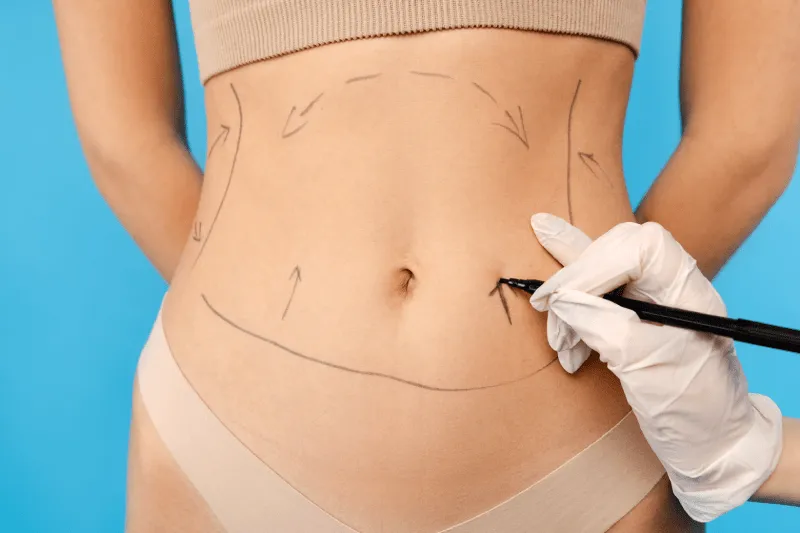
How are liposuction applications for men?
Liposuction applications in men have shown a great increase in recent years. Men’s fat tissue is generally more firm and fibrous than women’s, so Vaser liposuction is the most preferred method for men. Male patients generally apply to get rid of fat in the abdomen and waist (love handle) area and to gain a more athletic appearance. Additionally, liposuction is the gold standard in the treatment of “excessive fat accumulation in the chest area” (gynecomastia). The goal in procedures performed on men is usually to create sharper body lines and a masculine silhouette. The recovery process and post-operative care show similarities with female patients.
Which method is used in the treatment of gynecomastia?
Liposuction is generally the most effective method in the treatment of gynecomastia, i.e., male breast enlargement. If the enlargement is caused only by fat tissue, the breast area can be completely flattened with Vaser or Laser liposuction. These modern techniques easily break down the tough fat tissue in the breast area and at the same time provide an aesthetic result by tightening the skin. If there is also a hard mammary gland tissue accompanying the breast enlargement, it may be necessary to remove this tissue with a small incision. After gynecomastia treatment performed with liposuction, there is almost no scar left and patients can safely return to their social lives within a few days.
What do liposuction prices change according to?
Liposuction prices vary in a wide range according to the scope of the operation and the technology used. The first determining factor is the number of areas to be treated; the cost of a procedure performed only on the jowl area and a whole-body liposuction will be different. The technology used also affects the price; the use of Vaser or Laser devices may bring additional costs. Additionally, the experience of the surgeon performing the operation, the equipment of the hospital, and its location also play a role in pricing. Your surgeon will determine your needs during the detailed examination before the operation and present a special cost table to you. It should not be forgotten that the most important criterion is not the cost, but health and safety.
Is there a benefit to massaging after liposuction?
Yes, massaging in the post-liposuction period contributes greatly to the healing process. Especially the technique called “Lymphatic Drainage Massage” accelerates the removal of edema accumulated between the tissues and fragmented fat residues from the body through the lymphatic system after the operation. Massage also helps tissues to soften, prevents possible hardness (fibrosis), and makes the skin look smoother. These sessions, which are generally started 1-2 weeks after the operation with the doctor’s approval, can be applied once or twice a week. The massage must be performed by professionals who specialize in this subject and in the manner recommended by the surgeon.
Do fat cells form again after liposuction?
The number of fat cells in the human body is generally constant after puberty. When liposuction is performed, a large portion of the fat cells in that area are permanently removed from the body. That is, the body does not produce new ones to replace these taken cells. However, this does not mean that the area will not get fat again. If the person takes an excessive amount of calories and gains weight, the small number of fat cells remaining in the area can expand in volume. However, the fat accumulation in that area will be much less and more proportional than before the operation. The importance of a stable weight management for the preservation of the results emerges here.
Can liposuction be performed with combined aesthetic operations?
Liposuction is one of the operations most frequently combined with other aesthetic surgical procedures. For example, liposuction is often added to thin the waist area further during a tummy tuck surgery. Similarly, arm liposuction can be performed together with breast augmentation or breast lift surgeries. Additionally, live fat cells taken with liposuction can be used as a natural filling material in facial filling, breast augmentation, or buttock aesthetics (BBL – Brazilian Butt Lift) procedures. Combined surgeries allow the patient to improve more than one area with a single anesthesia session, but this decision must be made by the surgeon according to the general health status of the patient.
When to return to daily life after liposuction?
The time to return to daily life is very fast, although it varies according to the width of the procedure performed and the pain threshold of the patient. Patients who have small amounts of fat taken from one or two areas can return to office work within 2-3 days. In more comprehensive procedures, this period can be 5-7 days. It is normal to feel a slight fatigue and ache for the first week. It is generally recommended to wait a week for activities such as airplane travel. Most patients feel that everything has returned to normal 10 days after the operation. Full recovery and the body’s gaining its final appearance is a process that takes months, but this situation does not affect social life.
How to choose the right surgeon and clinic?
Although liposuction is a common procedure, it is a surgical intervention that requires high technical skill and aesthetic vision. The first step in choosing the right surgeon is to make sure that the doctor is a specialist in Plastic, Reconstructive, and Aesthetic Surgery. Examining the “before-after” photos belonging to the surgeon’s previous operations gives an idea about their style. Additionally, it is important to question the surgeon’s experience regarding the technologies used (Vaser, Laser, etc.). The fact that the hospital where the surgery will be performed is fully equipped and has emergency equipment is another critical criterion. Starting off with a team that gives confidence, answers your questions clearly, and offers realistic expectations is the key to a successful result.
Free Consultation
Fill out the form below to get your free medical travel plan and price quote.
Sources and how to verify this yourself
- Ministry of Health, Regulation on International Health Tourism and Tourist Health, Official Gazette 26 April 2025, No. 32882 — authorisation requirement for facilities and intermediaries, TÜSKA accreditation, compulsory complication insurance (deadline 31 December 2025 for insurance, 31 December 2026 for accreditation). source
- Ministry of Health, Regulation on Promotion and Information Activities in Health Services, Official Gazette 12 November 2025, No. 33075 — treatment promises and guarantees are prohibited; price and campaign announcements are permitted only within international health tourism. source