What is Gastric Sleeve Surgery?
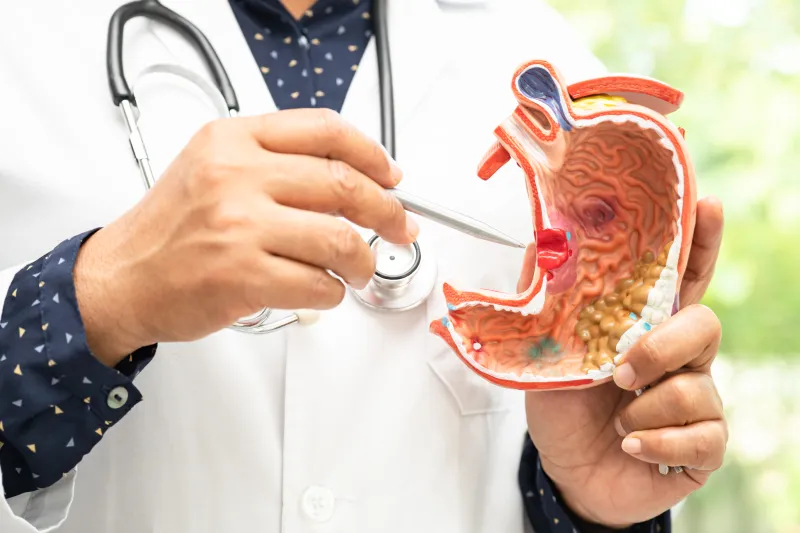
Gastric sleeve surgery, medically known as sleeve gastrectomy, is a surgical procedure that involves the removal of approximately eighty percent of the stomach. Following this procedure, the stomach takes on a shape resembling a banana or a sleeve, which is how it earned its common name. As one of the most preferred methods in modern obesity surgery, this application not only reduces the stomach volume but also regulates metabolic processes, helping the patient achieve a healthy weight and improved overall well-being.
How is the Stomach Reduction Procedure Performed?
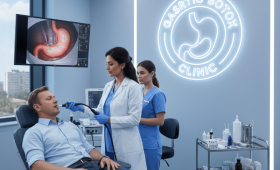
The stomach reduction procedure is generally performed using the laparoscopic, or closed surgery, method. Through small incisions made in the abdominal area, a camera and surgical instruments are inserted to vertically cut and remove a large portion of the stomach. The remaining thin, long stomach tissue is then closed using special stapling devices. Because this method creates much less tissue damage compared to open surgeries, patients’ recovery processes are accelerated, and there are fewer visible scars from an aesthetic standpoint.
What is the Hunger Hormone Ghrelin?
Produced in the upper part of the stomach called the fundus, ghrelin is the primary hormone that sends hunger signals to the brain. During gastric sleeve surgery, since this part of the stomach is removed, a significant decrease occurs in the body’s ghrelin levels. This situation allows the patient to lose weight more easily after surgery, not just because their stomach is smaller, but also because they biologically feel less hunger. This hormonal change plays a critical role in long-term appetite control.
Who is a Suitable Candidate for Gastric Sleeve?
This operation is generally suitable for individuals with a body mass index (BMI) over 40, or those between 35 and 40 who have additional health conditions related to obesity, such as type 2 diabetes, high blood pressure, or sleep apnea. Furthermore, individuals who have tried traditional methods like diet and exercise but have not been successful are also considered within the scope of candidacy. The decision for surgery is made specifically for each patient as a result of a comprehensive health screening and evaluation by specialist doctors.
Is Body Mass Index Important?
The body mass index is the most basic measurement obtained by dividing a person’s weight by the square of their height, which determines the degree of obesity. When determining candidacy for gastric sleeve surgery, this ratio is accepted as a primary criterion. However, numerical values alone are not enough; the patient’s age, general health status, metabolic profile, and previous weight loss attempts also influence the surgical intervention decision. BMI serves as a guiding map in risk analysis and the selection of the most appropriate surgical method.
What is the Pre-Surgical Preparation Process Like?
The pre-surgical preparation process is quite detailed to ensure that the patient enters surgery in the safest possible manner. At this stage, tests such as blood analysis, chest X-ray, electrocardiogram (EKG), upper gastrointestinal endoscopy, and abdominal ultrasound are performed. Additionally, specialists in chest diseases, cardiology, endocrinology, and psychiatry evaluate the patient. It is also generally recommended to follow a special diet a few weeks before the surgery to shrink the liver and reduce surgical risks.
How Many Hours Does the Surgery Last?
Depending on the experience of the surgeon and the anatomical structure of the patient, gastric sleeve surgery is usually completed within 45 minutes to 1.5 hours. This duration does not include the preparation of the patient for anesthesia and the waking process after surgery. With the advancement of technology, the laparoscopic techniques used shorten the operation time while minimizing the margin of error. A shorter operation reduces the duration the patient stays under anesthesia, thereby increasing recovery comfort.
How Long is the Hospital Stay?
Following the surgery, patients are generally kept under observation in the hospital for 2 to 3 days. During this time, pain control is managed, the patient’s fluid intake is monitored, and any signs of complications are closely observed. Leak tests performed in the first few days and the patient’s mobilization—meaning getting up and walking—are important stages of recovery. The decision to discharge from the hospital is made when it is seen that the patient can take sufficient fluids orally and their general condition is stable.
Is There Pain After Surgery?
In gastric sleeve surgeries performed with the laparoscopic method, pain is significantly less compared to open surgery. The pain felt immediately after the operation usually stems from gas accumulation in the abdominal area or from the incision sites and can be easily controlled with modern painkillers. Patients can get up and walk on the evening of the operation day. Walking helps to expel the gas inside the abdomen while rapidly decreasing the sensation of pain and increasing overall patient comfort.
How Does the Surgery Facilitate Weight Loss?
Gastric sleeve surgery facilitates weight loss through two main mechanisms: restriction and hormonal change. Firstly, because the stomach volume is reduced by approximately 80%, the patient reaches a feeling of fullness very quickly with very small portions. Secondly, removing the area where the hunger hormone ghrelin is secreted suppresses the appetite. This dual effect leads the patient to naturally reduce their calorie intake and causes the body to start using stored fat as energy, resulting in rapid and healthy weight loss.
How Much of the Stomach is Removed?
During this operation, approximately 75% to 80% of the stomach, located on the greater curvature side, is surgically removed from the body. The remaining stomach tissue has a volume of approximately 100-150 milliliters, which is a capacity smaller than a standard glass of water. The part removed is the portion of the stomach that can expand the most and has the highest elasticity. This permanent reduction creates a physical barrier and support mechanism for the patient to maintain portion control throughout their life.
What is the Closed Surgery Method?
The closed method, also known as laparoscopic surgery, is a procedure performed by entering through 4-5 small holes instead of making a large incision in the abdominal area. With the help of a camera, the inside of the abdomen is monitored on high-resolution screens, and the surgeon performs the procedure guided by these images. The greatest advantages of the closed method are the low risk of bleeding, the low risk of infection, and the ability of the patient to return to daily life much faster. Additionally, the stitch marks remain much smaller and less noticeable.
How Should Nutrition Be After Surgery?
The nutrition process after gastric sleeve surgery is based on a gradual transition system and aims for the patient to adapt to their new stomach. In this process, healing of the stomach wall and protection of the staple lines are priorities. The nutrition plan is divided into three main phases: the clear liquid period, the puree period, and the solid food period. Which foods will be consumed in each phase is determined by a dietitian, and meeting the patient’s protein needs, consuming plenty of fluids, and chewing food very well are golden rules.
What is the Liquid Diet Period?
The period following the surgery for the first 10-14 days is generally called the liquid diet period. At this stage, the patient can only consume grain-free, sugar-free, and non-carbonated liquid foods. Water, meat broth, chicken broth, light tea, and sugar-free compotes are the basic beverages of this period. The liquid period prevents pressure on the staple lines and helps the stomach get used to its new structure. It is important for patients to take small sips slowly and consume liquids at room temperature for digestive comfort.
What is Eaten During the Puree Period?
After the liquid period comes the puree period, which usually lasts 2-3 weeks, during which a transition is made to foods that can be mashed with a fork. Purees of boiled vegetables, low-fat cheeses, egg whites, yogurt-based mixtures passed through a blender, and fruit purees can be consumed in this phase. It is essential that the foods are smooth and do not tire the stomach. During this stage, the patient learns to recognize satiety signals while getting used to different tastes and textures. Purees should be consumed with small spoons and very slowly.
When to Transition to Solid Foods?
Approximately 5-6 weeks after surgery, with the approval of the doctor and dietitian, a transition to solid foods is made. However, this “solid” concept covers healthy and nutritious foods. Grilled chicken, fish, well-cooked vegetables, and legumes are the main protein sources of this period. When switching to solid foods, the rule of “solid-liquid separation”—consuming beverages 30 minutes before or after meals—is very important. Each bite should be chewed at least 20-30 times to prevent digestive problems and potential vomiting.
Why is Protein Intake Vital?
Protein is the building block of the recovery process after gastric sleeve surgery. During rapid weight loss, the body needs sufficient daily protein to preserve muscle mass, prevent hair loss, and keep the immune system strong. Since stomach volume is limited, every bite consumed must have high nutritional value. When protein needs cannot be met through natural foods, this gap is closed using special protein powders or supplements recommended by a doctor.
Are Vitamin and Mineral Supplements Necessary?
Due to the reduction in stomach volume and some changes in nutrient absorption, patients may need to use vitamin and mineral supplements for life. Deficiencies in B12 vitamin, iron, calcium, and D vitamin are particularly common. These levels are monitored with regular blood tests, and when a deficiency is detected, supplements are provided in the necessary doses. Supplements should not be neglected to maintain the body’s energy levels and ensure that metabolic functions continue healthily.
What are the Risks of Gastric Sleeve?
As with any surgical procedure, there are some risks associated with gastric sleeve surgery. These can include bleeding, infection, anesthesia-related complications, and respiratory problems. In the long term, stomach narrowing, an increase in reflux complaints, or nutritional deficiencies may be observed. However, thanks to modern surgical techniques and detailed pre-operative preparation, these risks have been reduced to very low levels. An experienced surgeon and appropriate hospital conditions are the most important factors increasing the success rate.
What is the Risk of a Leak?
Commonly known as a “leak,” a stapler line leak is the condition where stomach contents leak into the abdominal cavity from the stapled part of the stomach. This is one of the most serious but rarely seen complications of obesity surgery. It usually occurs within the first few days or weeks after surgery. Early diagnosis is vital; symptoms can include fever, severe abdominal pain, and high pulse rate. With current technology and surgical experience, this risk has dropped below 1-2% today.
Will Surgery Scars Remain?
In surgeries performed with the laparoscopic or closed method, 4-5 small incisions are usually made in the abdominal area, ranging between 0.5 and 1 centimeter. When the healing process of these small wounds is complete, they generally become indistinct and adapt to the skin color over time. A large scar like that in open surgery does not occur. Although the appearance of scars varies from person to person depending on skin structure and wound care, the aesthetic results are quite satisfactory and do not bother the patients.
How Much Weight Can Be Lost?
Although weight loss success after gastric sleeve surgery varies from person to person, patients generally lose 60% to 80% of their excess weight within the first 1-1.5 years. The weight loss process is very fast in the first few months and slows down over time, becoming stable. The final result depends not only on the surgery but also on the patient’s change in eating habits, regular exercise, and adaptation of their lifestyle to the surgery. The surgery should be seen as a powerful tool, not a miracle.
Is it Good for Diabetes?
Gastric sleeve surgery provides a metabolic improvement, especially in patients with type 2 diabetes. With the shrinking of the stomach, insulin resistance decreases, and sugar metabolism stabilizes. Many patients notice that their blood sugar levels return to normal and their dependence on medication or insulin decreases even before they lose a large amount of weight. This is related to the change in hormones secreted from the digestive system. The remission or regression process of diabetes is one of the most important health gains of the operation.
Can the Problem of Sleep Apnea be Solved?
Sleep apnea, one of the most serious health problems associated with obesity, generally disappears completely or its severity decreases significantly with the weight lost after gastric sleeve surgery. The reduction of fat in the neck area and the relaxation of the respiratory tract directly increase sleep quality. Patients start waking up more refreshed in the morning, their feeling of fatigue during the day decreases, and they are freed from the risk of low oxygen during sleep. This improvement also creates a protective effect on heart health.
Can Hypertension Patients Have the Surgery?
High blood pressure is directly related to obesity, and a significant decrease in blood pressure values is observed in a large majority of patients who have gastric sleeve surgery. Thanks to weight loss, the load on the heart decreases and vascular resistance improves. Many patients who used blood pressure medication before the surgery can reduce their medication doses in the following process or stop them completely under doctor supervision. However, this process must be managed alongside a cardiology specialist and with regular blood pressure monitoring.
When Can Sports and Exercise Begin?
In the first few days immediately following the surgery, light-paced walks are mandatory for the circulatory system. Starting from the first month, swimming, brisk walking, and light aerobic exercises can be transitioned to. For heavy sports and weight training that will strain the abdominal muscles, it is generally recommended to wait about 3 months after the surgery. Regular exercise not only ensures that the lost weight is permanent but also helps the body to tighten and preserve muscle mass, gaining a more athletic appearance.
Is it Possible to Prevent Sagging?
In the process of rapid weight loss, the skin may lose its elasticity and sagging may occur. To minimize this, it is important to pay attention to sufficient protein intake, drink plenty of water, and consume foods that support collagen production. Additionally, light exercises started in the early period and resistance exercises in the later period improve the appearance by filling the underside of the skin with muscle tissue. While it is not always possible to prevent sagging entirely, lifestyle choices are effective in reducing the extent of the sagging.
Will the Stomach Grow Back?
The stomach is naturally a muscular organ that can stretch. The stomach reduced by surgery may show a tendency to expand slightly over time, but it is not possible for it to return to its old size. However, if the patient constantly consumes high-calorie, carbohydrate-rich, and bulky foods, especially if they strain the stomach with carbonated drinks, they can push this expansion capacity. This situation can cause weight loss to stop or lead to weight regain. Therefore, establishing sustainable eating habits for life is essential to maintain the shape of the stomach.
Can Weight Regain Occur?
The risk of regaining weight lost after gastric sleeve surgery exists if the patient returns to their old bad habits. Surgery is not a solution on its own but a beginning. Turning to “snack” foods that are high in calories but do not take up much volume, such as chips, chocolate, and ice cream, along with alcohol consumption and a sedentary lifestyle, can trigger weight gain. To maintain success, it is necessary to stick to post-operative follow-up programs and learn to psychologically cope with the urge to eat.
Is it Necessary to Get Psychological Support?
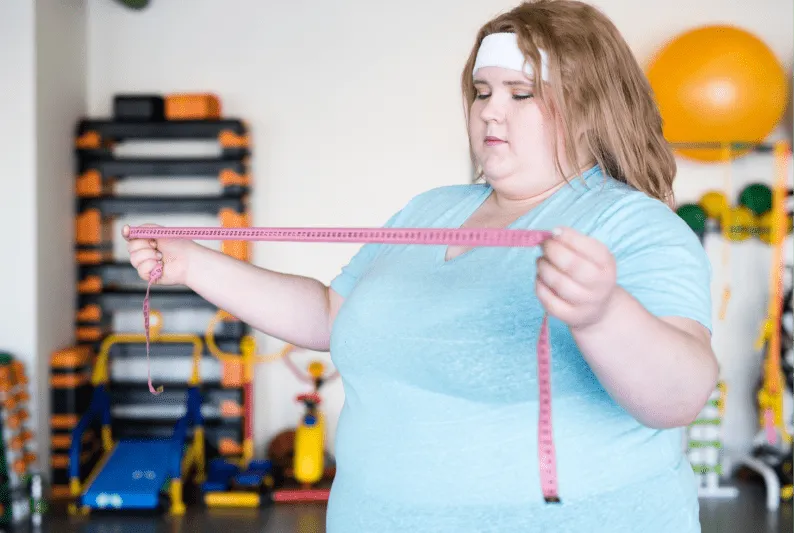
Obesity surgery is not just a physical but also a serious emotional and psychological change process. It may require specialist support for the patient to question their relationship with food, for their body perception to change, and for a new period to begin in their relationships with their environment. Working with a psychologist or psychiatrist is extremely beneficial for overcoming emotional eating disorders and adapting to the new lifestyle. Psychological resilience is as important as physical health for the permanence of surgical success.
How Long Should One Wait for Pregnancy?
Women planning pregnancy after gastric sleeve surgery are generally recommended to wait about 18 to 24 months. This waiting period is necessary for the body to complete the rapid weight loss phase and for nutrient stores to reach sufficient levels for baby development. Before pregnancy, a comprehensive vitamin and mineral screening should be performed, and the pregnancy process should be closely monitored by both an obstetrician and a dietitian. Getting pregnant with a healthy weight after surgery also reduces pregnancy complications.
Can Gallstone Formation be Prevented?
Rapid weight loss can change the bile content secreted from the liver, increasing the risk of gallstone formation in the gallbladder. This situation can be frequently seen in gastric sleeve patients within the first year. Some surgeons may prescribe protective medications for the first 6 months after surgery to reduce this risk. If the patient already has gallstones before the surgery, taking the gallbladder (cholecystectomy) during the same session as the gastric sleeve operation may also be considered. Consuming plenty of water also plays a role in reducing this risk.
How is Alcohol Consumption Affected?
After gastric sleeve surgery, alcohol absorption accelerates, and the alcohol level in the blood rises much faster with much smaller amounts. This situation can lead to both rapid intoxication and an increased risk of alcohol dependence. Additionally, alcohol can stop weight loss with its high calorie content and can irritate the stomach mucosa. It is recommended to avoid alcohol consumption entirely for the first year after surgery, and thereafter, to consume it very rarely and carefully. This restriction is also critical for liver health.
What are the Differences from Gastric Bypass?
While gastric sleeve surgery focuses on reducing the volume of the stomach, gastric bypass both reduces the volume and bypasses a portion of the intestines to reduce absorption. In the gastric sleeve technique, anatomy is not disrupted, the intestines are not intervened with, and vitamin-mineral deficiencies are seen less compared to bypass. Bypass may be more frequently preferred, especially in patients with advanced diabetes or severe reflux. Both methods have their own advantages, and the choice should be made together by the surgeon and the patient.
How Does the Quality of Life Change?
The vast majority of patients express that there is an incredible increase in their quality of life after gastric sleeve surgery. Becoming more physically active, being able to wear desired clothes, getting rid of chronic pain, and gaining self-confidence are the most beautiful benefits of this process. With the improvement of health problems, expected life expectancy increases, and the person becomes a more active, social individual. This great transformation is the most fundamental source of motivation that makes the patient feel as if they have been given a second chance at life.
Free Consultation
Fill out the form below to get your free medical travel plan and price quote.
Sources and how to verify this yourself
- Eisenberg D, et al. 2022 ASMBS and IFSO Indications for Metabolic and Bariatric Surgery. — surgery is recommended at BMI ≥35 regardless of co-morbidity, and considered at BMI 30–34.9 with metabolic disease (lower thresholds for Asian populations). source
- Ministry of Health, Regulation on International Health Tourism and Tourist Health, Official Gazette 26 April 2025, No. 32882 — authorisation requirement for facilities and intermediaries, TÜSKA accreditation, compulsory complication insurance (deadline 31 December 2025 for insurance, 31 December 2026 for accreditation). source
- Ministry of Health, Regulation on Promotion and Information Activities in Health Services, Official Gazette 12 November 2025, No. 33075 — treatment promises and guarantees are prohibited; price and campaign announcements are permitted only within international health tourism. source