About the prices on this page. The figures below are indicative market prices and country comparisons, not a quote. Our own current, all-inclusive prices are published on our weight loss surgery in Turkey page, and we confirm your figure in writing before you commit to anything.
Post-Procedure Monitoring & Follow-up
The success of a swallowable gastric balloon in Turkey, like any weight loss intervention, isn’t solely determined by the initial procedure. Rigorous post-procedure monitoring and dedicated follow-up care are absolutely crucial for maximizing results, ensuring patient safety, and addressing any potential complications. Turkish clinics specializing in this procedure understand this and offer comprehensive aftercare packages, a significant advantage when compared to the often fragmented and costly follow-up systems in countries like Germany or France.
Immediately following the endoscopic confirmation and inflation of the balloon, patients typically remain under observation for a few hours. This allows medical staff to assess for any immediate adverse reactions, such as nausea, vomiting, or discomfort. Mild discomfort is common, and patients are usually prescribed anti-spasmodic medication to alleviate any cramping. Dietary guidelines are also reinforced at this stage.
The first week post-procedure involves a carefully structured diet. Patients begin with liquids, gradually progressing to pureed foods, and eventually to soft solids. This phased approach allows the stomach to adapt to the presence of the balloon and minimizes the risk of nausea or vomiting. Registered dietitians, integral to Turkish clinic aftercare, provide personalized meal plans tailored to individual needs and ensure adequate nutritional intake. This level of dietary support, while available in Europe, often comes at a substantial additional cost – adding significantly to the overall expense.
Regular follow-up appointments are scheduled at one month, three months, and six months post-procedure. These appointments involve a comprehensive assessment of weight loss progress, dietary adherence, and overall well-being. Doctors will evaluate the patient’s physical and psychological health, providing support and guidance to address any challenges encountered. Endoscopic evaluation, typically around the six-month mark, is performed to confirm the balloon’s integrity and ensure it is functioning as intended.
It’s essential to understand that the swallowable gastric balloon is a tool to facilitate lifestyle changes. The follow-up period emphasizes the importance of sustained dietary modifications and increased physical activity. Turkish clinics offer access to exercise physiologists and behavioral therapists, assisting patients in adopting healthy habits that extend far beyond the duration of the balloon’s placement. This holistic approach is often missing from weight loss programs in countries like France, where the focus may be more narrowly directed towards the procedure itself.
Potential complications, while rare, require prompt attention. Symptoms such as persistent abdominal pain, vomiting, or signs of esophageal obstruction should be reported to the clinic immediately. Turkish facilities are equipped to handle these situations efficiently, with experienced endoscopists available for emergency balloon removal if necessary.
The balloon is designed to remain in the stomach for approximately six months, after which it deflates and is naturally expelled during a bowel movement. Post-balloon removal, continued monitoring and support are still recommended to maintain weight loss and prevent regain. Many clinics in Turkey offer extended follow-up packages, including access to support groups and ongoing dietary counseling.
The financial benefits of choosing Turkey for a swallowable gastric balloon extend significantly into the aftercare phase. Patients consistently report savings of up to 70% compared to similar procedures and follow-up care in Western European countries like Germany. This substantial cost reduction doesn’t compromise quality; in fact, many Turkish clinics boast state-of-the-art facilities, highly qualified medical professionals, and a commitment to patient-centered care that rivals, and often surpasses, standards elsewhere. The comprehensive aftercare included in Turkish packages provides peace of mind and maximizes the long-term success of this minimally invasive weight loss solution.
> 🏥 CureHoliday Advantage: We don’t just book your treatment; we manage your entire journey. From VIP airport transfers to 5-star hotel accommodation, everything is included in your package.
Introduction: The Rising Tide of Obesity & A Minimally Invasive Solution
Obesity has become a global health crisis, impacting not only physical well-being but also contributing to a significant increase in chronic diseases. Worldwide obesity rates have nearly tripled since 1975, and continue to climb, driven by factors like increasingly sedentary lifestyles, readily available processed foods, and genetic predispositions. This escalating prevalence necessitates effective and accessible weight loss solutions.
The health risks associated with obesity are extensive and severe. These include, but are not limited to, type 2 diabetes, cardiovascular disease (including heart attack and stroke), certain types of cancer, sleep apnea, osteoarthritis, and non-alcoholic fatty liver disease. The economic burden of obesity on healthcare systems is also substantial, further emphasizing the urgency for preventative and therapeutic interventions. Traditional weight loss methods – diet and exercise – are often insufficient for individuals with a Body Mass Index (BMI) of 30 or higher, or those struggling with significant comorbidities.
Surgical interventions like gastric bypass and sleeve gastrectomy, while highly effective, are invasive procedures carrying inherent risks and requiring significant recovery time. This leads many to explore less invasive options. This is where the swallowable gastric balloon emerges as a promising solution, and increasingly, Turkey is becoming a leading destination for this innovative procedure.
For years, patients in Europe – particularly in countries like Germany and France – faced substantial financial barriers to accessing modern weight loss treatments. The cost of a swallowable gastric balloon in these nations can easily exceed €6,000 – €8,000, excluding travel and accommodation. This prohibitive expense often delayed or prevented individuals from receiving the care they desperately needed.
Turkey, however, has rapidly established itself as a center of medical excellence, offering high-quality healthcare at significantly reduced costs. Patients choosing to undergo a swallowable gastric balloon procedure in Turkey can save up to 70% compared to European prices. This isn’t a compromise on quality; Turkish hospitals boast state-of-the-art facilities, highly qualified and experienced physicians (many trained internationally), and adherence to rigorous international medical standards.
The appeal of Turkey extends beyond affordability. The country’s growing medical tourism sector has fostered a patient-centric approach, with comprehensive packages often including airport transfers, accommodation, and post-operative care. This streamlined experience removes much of the logistical burden for international patients.
The swallowable gastric balloon represents a paradigm shift in weight loss treatment. It provides a minimally invasive alternative to surgery, offering a viable option for individuals seeking sustainable weight reduction without the extensive risks and recovery periods associated with more invasive procedures. It’s particularly suited for those who have struggled with conventional methods and require an extra boost to achieve their weight loss goals.
The procedure itself is remarkably simple. Unlike surgical options, it requires no incisions, anesthesia, or hospitalization. This translates to minimal downtime, allowing patients to quickly return to their daily routines. The balloon is ingested in capsule form during a brief endoscopic procedure, offering a safe and effective way to promote satiety and reduce food intake.
This guide will delve into the specifics of the swallowable gastric balloon procedure in Turkey, covering everything from patient selection and the procedure itself to post-operative care and expected outcomes. We will explore how this innovative technology, combined with Turkey’s commitment to affordable excellence, is transforming the landscape of weight loss treatment for individuals across Europe and beyond.
> 💡 Price Fact: While this treatment can cost thousands of Euros in Germany, France, or the Netherlands, CureHoliday offers the same high-quality procedure in Turkey for 70% less.
Understanding Obesity & Its Health Risks
Obesity is a complex, chronic disease characterized by excessive accumulation of body fat, posing a significant and growing threat to global public health. It’s not simply a cosmetic concern; it’s a medical condition with far-reaching physiological and psychological consequences. Understanding the underlying mechanisms and associated health risks is crucial for both prevention and effective intervention, especially when considering options like swallowable gastric balloons.
The Body Mass Index (BMI), calculated as weight in kilograms divided by height in meters squared (kg/m²), is a commonly used screening tool. A BMI of 30 or higher is generally classified as obese, while a BMI between 25 and 29.9 indicates overweight. However, BMI doesn’t account for muscle mass, so it’s often used in conjunction with other assessments like waist circumference and body composition analysis.
The primary driver of obesity is an energy imbalance: consuming more calories than the body expends. This can stem from a variety of factors, including genetics, metabolic factors, behavioral influences (dietary patterns, physical activity levels), environmental factors (food availability, urban design), and socio-economic conditions. Increasingly, research highlights the role of endocrine disruptors and gut microbiome imbalances in contributing to weight gain.
The health risks associated with obesity are extensive and severe. Cardiovascular disease is a leading concern. Obesity increases the risk of hypertension (high blood pressure), dyslipidemia (abnormal cholesterol levels), and atherosclerosis (plaque buildup in arteries). These conditions collectively contribute to an elevated risk of heart attack, stroke, and heart failure.
Type 2 diabetes is strongly linked to obesity. Excess weight, particularly abdominal fat, causes insulin resistance, meaning the body’s cells don’t respond effectively to insulin, leading to elevated blood sugar levels. Uncontrolled diabetes can result in serious complications like kidney disease, nerve damage, blindness, and amputation.
Obesity also significantly increases the risk of certain cancers, including endometrial, breast, colon, kidney, and esophageal cancers. The mechanisms are complex, involving chronic inflammation, hormonal imbalances, and altered growth factor signaling.
Furthermore, obesity places substantial stress on the musculoskeletal system, leading to osteoarthritis, back pain, and reduced mobility. It’s also associated with respiratory problems like sleep apnea, a condition where breathing repeatedly stops and starts during sleep. Non-alcoholic fatty liver disease (NAFLD) is another common complication, potentially progressing to cirrhosis and liver failure.
Psychological health is also profoundly impacted. Obesity is often associated with depression, anxiety, and low self-esteem, creating a vicious cycle where emotional distress can further exacerbate unhealthy eating habits.
Addressing obesity requires a multi-faceted approach, including lifestyle modifications (diet and exercise), behavioral therapy, and, in some cases, medical interventions. For individuals who struggle to achieve significant weight loss through conventional methods, minimally invasive procedures like the swallowable gastric balloon offer a promising alternative.
However, access to such procedures can be a significant barrier. In countries like Germany and France, the costs associated with weight loss surgery and even non-surgical options like gastric balloons can be prohibitively high, often exceeding €8,000 – €15,000. Turkey has emerged as a leading destination for medical tourism, offering the same high-quality care, performed by experienced and qualified specialists, at a fraction of the cost – patients typically save 60-70%.
This affordability doesn’t compromise quality. Turkish hospitals are often JCI accredited, adhering to international standards of care, and utilize state-of-the-art technology. The combination of expert medical teams, advanced facilities, and significantly lower prices makes Turkey an increasingly attractive option for individuals seeking effective and accessible obesity treatment. The savings allow patients to prioritize their health without facing a crippling financial burden, a stark contrast to the expense of similar procedures in Western Europe.
> 📉 Cost Comparison: A simple procedure that costs €5,000 in Germany might cost only €1,500 in Turkey with CureHoliday. Why pay more for the same quality?
Introducing the Swallowable Gastric Balloon: A Non-Surgical Weight Loss Option
The escalating global obesity crisis demands innovative and accessible weight loss solutions. While surgical interventions like gastric bypass and sleeve gastrectomy remain effective, they carry inherent risks and require significant recovery periods. Increasingly, patients are seeking minimally invasive alternatives, and the swallowable gastric balloon is rapidly gaining prominence as a viable option – particularly when accessed through medical tourism in Turkey.
This section delves into the world of swallowable gastric balloons, exploring how this non-surgical procedure offers a compelling path towards achieving sustainable weight loss. It’s crucial to understand that this isn’t a ‘quick fix’ but rather a tool to facilitate lifestyle changes and improve overall health.
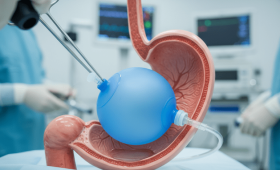
The concept is straightforward: a soft, deflated balloon is swallowed like a large capsule. Once in the stomach, it is filled with saline solution via a thin catheter inserted through the mouth under endoscopic guidance, effectively occupying space and promoting a feeling of fullness. This reduced appetite translates to lower calorie intake, supporting weight loss efforts.
Compared to traditional surgical weight loss procedures, the swallowable gastric balloon boasts a significantly reduced risk profile. There are no incisions, minimizing the chances of infection, bleeding, or complications associated with anesthesia. Recovery time is minimal, typically allowing patients to resume normal activities within a day or two.
However, the cost of this procedure can be a significant barrier for many. In countries like Germany or France, a swallowable gastric balloon procedure can easily exceed €6,000 – €8,000. This price point excludes potential costs for pre-operative assessments, post-operative monitoring, and dietary counseling.
This is where Turkey emerges as a leading destination for medical tourism. Patients traveling to Turkey for a swallowable gastric balloon can achieve substantial savings – often upwards of 70% – without compromising on quality or safety. The same procedure, performed by highly skilled and experienced bariatric specialists in state-of-the-art facilities, can be obtained for between €1,500 – €3,000, inclusive of most assessments and initial follow-up care.
It’s important to note that the affordability isn’t due to lower standards. Turkish hospitals investing in bariatric surgery and endoscopic procedures adhere to rigorous international standards, often employing doctors trained in Europe and the United States. Furthermore, the country’s growing medical tourism sector fosters a competitive environment, driving continuous improvement in care and patient experience.
The procedure isn’t suitable for everyone. Ideal candidates are typically individuals with a Body Mass Index (BMI) between 27 and 35 who have struggled to lose weight through diet and exercise alone. A thorough medical evaluation is essential to determine suitability, rule out contraindications (such as esophageal strictures or gastric ulcers), and establish realistic expectations.
Beyond the immediate weight loss benefits, a swallowable gastric balloon can positively impact obesity-related health conditions, including type 2 diabetes, hypertension, and sleep apnea. It’s crucial, however, to emphasize that the balloon is a *tool* to aid weight loss. Long-term success requires a commitment to a healthy diet and regular physical activity, guided by a qualified nutritionist and fitness professional. The balloon typically remains in place for six months, after which it is either deflated and removed endoscopically or, in some newer balloon types, it will naturally deflate and be excreted.
Choosing a reputable clinic and experienced physician is paramount, regardless of location. In Turkey, prospective patients should verify the doctor’s credentials, the clinic’s accreditation, and the quality of post-operative support. A comprehensive package should include the initial consultation, endoscopic confirmation of balloon placement and inflation, regular follow-up appointments, and dietary guidance. The significant cost savings combined with high-quality medical care make Turkey an increasingly attractive option for those seeking a safe and effective non-surgical weight loss solution.
> 📉 Cost Comparison: A simple procedure that costs €5,000 in Germany might cost only €1,500 in Turkey with CureHoliday. Why pay more for the same quality?
What is a Swallowable Gastric Balloon?
A swallowable gastric balloon, also known as an Elipse Balloon, represents a significant advancement in non-surgical weight loss procedures. Unlike traditional gastric balloons requiring endoscopic insertion and removal, this innovative device is precisely that – swallowed like a large vitamin capsule. It’s a temporary, minimally invasive solution designed to aid weight loss in adults with obesity or who are overweight and struggling to lose weight through diet and exercise alone.
The balloon itself isn’t filled with air during the swallowing process. It’s constructed from a thin, durable, bio-compatible membrane containing approximately 550cc of saline solution. This saline is what gives the balloon its volume and contributes to the feeling of fullness. Once in the stomach, the saline is released, inflating the balloon to a size of roughly 500-600ml.
This inflation happens naturally within the stomach, triggered by the interaction with gastric fluids. Importantly, no external inflation is needed, eliminating the need for endoscopy *during the initial placement*. This is a key differentiator and contributes to the reduced risk profile compared to conventional balloon procedures.
The balloon remains in the stomach for approximately 16 weeks. After this period, it deflates and is naturally expelled from the body through the digestive system – again, without the need for endoscopic removal. This natural elimination is a considerable convenience for patients and further minimizes potential complications.
The Elipse Balloon is FDA-approved in the United States and carries the CE mark in Europe, signifying its adherence to rigorous safety and performance standards. However, the cost of this procedure varies dramatically depending on location. In countries like Germany and France, a swallowable gastric balloon can easily cost between €6,000 to €8,000, encompassing the device, medical consultations, and associated care.
This is where Turkey emerges as a compelling destination for patients seeking this treatment. Turkey has rapidly become a leading hub for medical tourism, offering the same high-quality Elipse Balloon procedure, performed by highly qualified and experienced gastroenterologists, at a fraction of the cost. Patients traveling to Turkey routinely save upwards of 70% on the overall expense, with packages often available for between €1,500 to €3,000.
The savings aren’t achieved through compromised care. Turkish hospitals and clinics investing in advanced medical technology and maintain international standards of hygiene and patient safety. The expertise of the medical professionals is comparable, if not superior, to those found in Western European countries. The lower cost is largely due to reduced operational expenses and a favorable exchange rate.
It’s crucial to understand that the swallowable gastric balloon isn’t a standalone solution. It’s most effective when combined with a structured diet plan and regular exercise, guided by a qualified nutritionist and fitness professional. The balloon works by restricting the amount of food the stomach can hold, promoting feelings of satiety with smaller portions. This, coupled with lifestyle changes, facilitates sustainable weight loss.
The balloon is intended for individuals with a Body Mass Index (BMI) of 30 to 40. While effective, it’s not suitable for everyone. Pre-existing medical conditions, such as severe gastrointestinal disorders, esophageal strictures, or active peptic ulcers, may preclude candidacy. A thorough medical evaluation is therefore essential to determine suitability.
Choosing a reputable clinic and experienced physician is paramount, regardless of location. In Turkey, ensure the clinic is accredited and that the gastroenterologist performing the procedure is board-certified and specializes in bariatric endoscopy. This will ensure a safe and successful outcome, alongside the significant financial benefits.
> 🏥 CureHoliday Advantage: We don’t just book your treatment; we manage your entire journey. From VIP airport transfers to 5-star hotel accommodation, everything is included in your package.
How Does a Swallowable Gastric Balloon Work?
The swallowable gastric balloon represents a significant advancement in non-surgical weight loss techniques. Unlike traditional surgical procedures like gastric bypass or sleeve gastrectomy, or even the endoscopic placement of balloons, this method offers a truly minimally invasive approach to inducing satiety and reducing food intake. Understanding the mechanism of action is crucial for patients considering this option, particularly when evaluating its availability and cost-effectiveness in a country like Turkey.
The core principle revolves around occupying space within the stomach. The balloon itself, typically made of a durable, biocompatible silicone material, is encapsulated within a small, food-grade capsule. This capsule is designed to dissolve upon reaching the stomach, releasing the deflated balloon.
Once released, the patient drinks approximately 500ml of saline solution or water, usually provided by the clinic. This liquid fills the balloon, inflating it to a volume of roughly 250-500ml. This expansion is *critical* to the balloon’s function. The inflated balloon physically reduces the stomach’s capacity, creating a feeling of fullness with smaller portions of food.
This isn’t simply about physical restriction. The balloon also impacts gastric emptying. It slows the rate at which food leaves the stomach, further prolonging the sensation of satiety. This combined effect – reduced stomach volume and delayed gastric emptying – leads to a natural reduction in calorie intake. Patients report feeling fuller faster and for longer, making it easier to adhere to a calorie-controlled diet and lifestyle modifications.
The balloon doesn’t *cause* weight loss; it *facilitates* it. Successful weight loss still requires commitment to a healthy diet and regular exercise. The balloon acts as a tool, helping patients manage their portions and overcome initial hurdles in adopting a healthier lifestyle. It’s important to note this isn’t a ‘quick fix’ but a supportive aid in a broader weight management program.
The duration the balloon remains in the stomach is typically around 6 months. After this period, the balloon naturally deflates, and the empty capsule is passed through the digestive system and eliminated via natural bowel movements – again, eliminating the need for any further endoscopic intervention.
The contrast in cost for this procedure is striking. In countries like Germany or France, the swallowable gastric balloon can easily exceed €6,000-€8,000, encompassing consultation fees, the balloon itself, endoscopic confirmation (often still required despite the swallowable nature), and follow-up appointments. In Turkey, the same procedure, performed by highly qualified and experienced medical professionals, averages between €2,000 – €3,500.
This represents a savings of up to 70% for patients traveling to Turkey. Crucially, this lower cost doesn’t equate to compromised quality. Turkey has become a leading destination for medical tourism, investing heavily in state-of-the-art facilities and attracting skilled surgeons and gastroenterologists. Many clinics offer comprehensive packages that include not only the balloon procedure but also pre-operative assessments, accommodation, and dedicated post-operative support.
Furthermore, the standard of care in Turkish facilities is often comparable to, and sometimes exceeds, that found in Western European clinics. The combination of affordability and quality makes Turkey an increasingly popular choice for individuals seeking effective weight loss solutions. Patients considering this procedure should always verify the credentials of the clinic and physician, but the potential for significant cost savings without sacrificing care is a major draw.
It’s essential to understand that the swallowable gastric balloon is not suitable for everyone. A thorough medical evaluation is necessary to determine candidacy, ruling out conditions such as esophageal strictures, active peptic ulcer disease, or inflammatory bowel disease. The procedure is generally recommended for individuals with a BMI between 30 and 40 who have struggled to lose weight through conventional methods.
> 🇹🇷 Why Turkey? You don’t have to compromise on quality to save money. Istanbul hosts some of the world’s best clinics with JCI accreditation, offering prices 3-4 times lower than Europe.
The Procedure: A Step-by-Step Guide
The swallowable gastric balloon procedure in Turkey is a meticulously planned process designed for patient safety and efficacy. While seemingly simple, a thorough understanding of each stage is crucial for those considering this weight loss option. It’s a far cry from the invasive surgeries often required for significant weight loss, and a considerably more affordable alternative to procedures performed in countries like Germany or France, where costs can easily exceed €8,000-€12,000. In Turkey, patients typically save 60-70% on comparable care, receiving a world-class experience without compromising on quality.
The journey begins with a comprehensive initial consultation and assessment. This isn’t merely a quick check-up; it’s a detailed evaluation of your medical history, current health status, and weight loss goals. Doctors will review your BMI, perform blood tests to rule out contraindications (such as peptic ulcer disease, esophageal strictures, or uncontrolled inflammatory bowel disease), and potentially conduct an upper endoscopy to assess esophageal and gastric health. This ensures you are a suitable candidate for the balloon, a level of diligence often streamlined – and potentially compromised – in countries prioritizing volume over personalized care.
Following successful assessment, you’ll be scheduled for the balloon swallowing process. This is often performed on an outpatient basis, minimizing hospital stay and recovery time. Before the procedure, you’ll receive clear instructions regarding dietary restrictions – typically a liquid diet for 24-48 hours prior to swallowing the capsule. This prepares your digestive system and ensures optimal balloon placement. The capsule itself contains the deflated balloon, made of a durable, biocompatible silicone material.
The swallowing process is surprisingly straightforward. The capsule is swallowed with a glass of water, similar to taking a large vitamin. Clinics in Turkey prioritize patient comfort, often providing a relaxing environment and experienced medical staff to guide you through this initial stage. It’s vital to remain calm and follow the doctor’s instructions precisely.
Once the capsule reaches the stomach, it naturally dissolves, releasing the balloon. This is a key difference from balloons requiring endoscopic insertion, which are more common – and costly – in Europe. The next critical step is endoscopic confirmation and inflation.
Approximately 30-60 minutes after swallowing the capsule, a qualified gastroenterologist performs a brief, painless endoscopy. This allows them to visually confirm the balloon’s correct placement within the stomach. Crucially, the endoscopy also serves as the method for inflation. Using sterile saline solution, the balloon is inflated to a pre-determined volume – typically 500-800ml – under direct endoscopic visualization. This inflation creates the feeling of fullness, reducing appetite and promoting portion control.
The entire endoscopic procedure usually takes less than 30 minutes, and you’ll be monitored for a short period afterwards to ensure there are no immediate complications. This is where the expertise of Turkish medical professionals truly shines. Clinics utilize state-of-the-art endoscopic equipment and adhere to rigorous safety protocols, often exceeding standards found in more expensive Western European facilities.
Post-procedure monitoring and follow-up are integral to the success of the swallowable gastric balloon. You’ll receive detailed dietary and lifestyle guidelines from a dedicated nutritionist. Regular check-ups – typically at one, three, and six months – are scheduled to monitor your progress, address any concerns, and adjust your weight loss plan as needed. These follow-up appointments also include assessments to ensure the balloon remains properly positioned and functioning.
The balloon remains in the stomach for approximately six months. After this period, it naturally deflates and is passed through the digestive system. The focus then shifts to maintaining your weight loss through continued healthy eating habits and regular exercise – habits reinforced during your comprehensive program in Turkey. Choosing Turkey for this procedure doesn’t just offer significant financial savings compared to procedures in countries like France or Germany; it provides access to a holistic, patient-centered approach to weight loss, supported by skilled medical professionals and ongoing care.
> 🇹🇷 Why Turkey? You don’t have to compromise on quality to save money. Istanbul hosts some of the world’s best clinics with JCI accreditation, offering prices 3-4 times lower than Europe.
Initial Consultation & Assessment
The initial consultation and assessment phase is paramount to determining candidacy for a swallowable gastric balloon procedure in Turkey. This isn’t simply a sales pitch; it’s a rigorous medical evaluation designed to ensure patient safety and maximize the potential for successful weight loss. Clinics specializing in this procedure understand that a tailored approach, beginning with a thorough assessment, is the cornerstone of positive outcomes.
The process typically begins with a detailed review of your medical history. Expect questions regarding past and present illnesses, medications you are currently taking (including over-the-counter drugs and supplements), previous surgeries, allergies, and any psychological conditions. Honesty and complete disclosure are vital at this stage. Conditions such as severe acid reflux, peptic ulcer disease, significant esophageal issues, or inflammatory bowel disease may preclude you from being a suitable candidate.
Following the medical history review, a physical examination is conducted. This includes assessment of your overall health, measurement of your height and weight to calculate your Body Mass Index (BMI), and evaluation of your general physical condition. BMI is a crucial factor; generally, candidates have a BMI of 30 or higher, or a BMI of 27-29.9 with co-morbidities like type 2 diabetes or hypertension.
Blood tests are a mandatory component of the assessment. These tests assess your overall organ function (liver, kidneys, thyroid), blood sugar levels, lipid profile, and complete blood count. They are essential to rule out any underlying health issues that could complicate the procedure or affect recovery. Clinics will also assess for *Helicobacter pylori* infection, as this needs to be eradicated before balloon placement.
A crucial aspect often overlooked is a psychological evaluation. Obesity is frequently linked to emotional eating and psychological factors. Understanding your eating habits, motivations, and any history of eating disorders is vital. A qualified psychologist or psychiatrist will assess your commitment to lifestyle changes, your ability to adhere to dietary recommendations, and your mental preparedness for the post-procedure adjustments. This ensures you have the necessary support system for long-term success.
Endoscopy is frequently performed during the initial assessment, although not always. While the balloon is swallowed, confirming esophageal and gastric health *before* insertion is best practice. This allows the physician to identify any pre-existing conditions – such as hiatal hernias or esophageal strictures – that might pose a risk and to plan accordingly. It also provides a baseline for comparison during the post-procedure follow-up endoscopy.
This comprehensive assessment is where the value proposition of undergoing the procedure in Turkey becomes particularly evident. In countries like Germany or France, a similar level of evaluation, including blood work, specialist consultations, and potentially endoscopy, can easily cost upwards of €2,000 – €3,000 *before* even discussing the balloon procedure itself.
In Turkey, this extensive initial assessment is typically included as part of the overall package, significantly reducing the financial burden on patients. Patients routinely report savings of up to 70% compared to equivalent procedures in Western Europe, without compromising on the quality of care. Turkish clinics invest heavily in state-of-the-art diagnostic equipment and highly qualified medical professionals.
Furthermore, the assessment isn’t a rushed process. Clinics prioritize patient education, dedicating ample time to explain the procedure, its potential risks and benefits, and realistic expectations. You should receive a personalized weight loss plan, including dietary guidelines and exercise recommendations, tailored to your individual needs and lifestyle.
The culmination of the initial consultation is a clear determination of your suitability for the swallowable gastric balloon and a collaboratively developed treatment plan. It’s about ensuring you are a well-informed, prepared, and supported patient ready to embark on a journey towards a healthier future, all at a fraction of the cost compared to undergoing the same procedure in Western European countries.
> 💡 Price Fact: While this treatment can cost thousands of Euros in Germany, France, or the Netherlands, CureHoliday offers the same high-quality procedure in Turkey for 70% less.
The Balloon Swallowing Process
The swallowing of the gastric balloon itself is a remarkably straightforward process, contributing to the appeal of this non-surgical weight loss solution. However, understanding the nuances is crucial for patient preparation and expectation management. The entire process, from initial preparation to the actual swallow, typically takes around 20-30 minutes.
Prior to the procedure, patients will be asked to abstain from eating or drinking for approximately 12-24 hours. This ensures the stomach is empty, minimizing the risk of discomfort or complications. A thorough review of the patient’s medical history and any current medications will be conducted to identify potential contraindications or necessary adjustments. Importantly, a pregnancy test will be performed for women of childbearing potential.
The balloon capsule is relatively small, about the size of a large vitamin pill (approximately 5-6 cm in length). It’s constructed from a soft, biocompatible silicone material, and contains a sterile saline solution. The capsule is connected to a thin, flexible delivery tube.
The patient will be asked to swallow the capsule with a full glass of water, similar to taking a large pill. This is typically done under direct endoscopic visualization. While some patients can swallow the capsule easily, others may require assistance. The endoscopist gently guides the delivery tube down the esophagus, ensuring the capsule reaches the stomach.
This endoscopic guidance is paramount. It allows the physician to directly visualize the capsule’s journey and confirm its correct placement within the stomach. It also allows for immediate intervention should any difficulty arise during the swallowing process. This level of precision is a hallmark of the quality of care available in Turkish clinics.
Once the capsule is confirmed to be in the stomach, the endoscopist initiates the inflation process. A sterile saline solution, typically around 500-600ml, is slowly injected through the delivery tube, inflating the balloon. This inflation is carefully monitored via endoscopic and fluoroscopic (X-ray) imaging to ensure optimal balloon size and placement.
The amount of saline used is tailored to the individual patient’s stomach size and weight loss goals. Overinflation is avoided to prevent discomfort or complications. The entire inflation process takes approximately 10-15 minutes.
Crucially, the delivery tube is then carefully withdrawn, leaving the inflated balloon securely positioned in the stomach. The patient remains under observation for a short period – typically 30-60 minutes – to ensure they are comfortable and experiencing no immediate adverse effects.
The cost of this entire process in countries like Germany or France can easily exceed €3,000-€5,000. In Turkey, however, patients can expect to receive the same high-quality care, including endoscopic guidance and expert physician oversight, for around €800-€1,200 – a saving of up to 70%. This significant cost difference, combined with the country’s growing reputation for medical tourism, is driving the increasing popularity of swallowable gastric balloons in Turkey.
It’s important to note that Turkish clinics often employ the latest endoscopic technology and adhere to stringent international safety standards, offering patients peace of mind alongside affordability. The skill of the endoscopists and the comprehensive pre- and post-operative care are comparable, if not superior, to what is available in many Western European nations.
> 🏥 CureHoliday Advantage: We don’t just book your treatment; we manage your entire journey. From VIP airport transfers to 5-star hotel accommodation, everything is included in your package.
Endoscopic Confirmation & Inflation
Following the successful swallowing of the deflated balloon capsule, a crucial step in the procedure involves endoscopic confirmation of correct placement within the stomach and subsequent inflation. This isn’t simply a visual check; it’s a carefully orchestrated process ensuring both safety and efficacy. At Turkish facilities specializing in swallowable gastric balloons, highly experienced gastroenterologists perform this stage using advanced endoscopic technology.
The patient is typically positioned on their left side, and mild sedation is administered to ensure comfort and minimize any potential anxiety. This sedation isn’t a general anesthetic, allowing for quicker recovery and a return to normal activities sooner. A thin, flexible endoscope – a tube with a camera attached – is gently inserted through the mouth and esophagus into the stomach.
The endoscope allows the physician to directly visualize the balloon’s position. Correct placement is vital; the balloon must reside in the fundus, the upper portion of the stomach, to maximize its effectiveness in promoting satiety and restricting food intake. Misplacement, although rare with experienced practitioners, could lead to discomfort or reduced efficacy. Turkish clinics pride themselves on meticulous technique, minimizing the risk of complications.
Once correct positioning is confirmed, the inflation process begins. The balloon is filled with a sterile saline solution, typically between 500-800ml, though the precise volume is tailored to the individual patient’s stomach size and body mass index (BMI). This inflation is done gradually, under constant endoscopic monitoring. The physician observes the stomach’s response, ensuring there’s no evidence of perforation or undue pressure.
The endoscopic view allows for dynamic assessment. The physician can observe how the inflated balloon occupies space within the stomach, effectively reducing its functional volume. This real-time visualization is a significant advantage over alternative weight loss procedures. Importantly, the saline solution contains a radio-opaque dye, allowing for confirmation of correct filling and future monitoring via X-ray.
A key advantage of choosing Turkey for this procedure is the expertise of the endoscopists. They are rigorously trained in the nuances of balloon placement and inflation, exceeding standards often found elsewhere. In countries like Germany or France, the same procedure, including the endoscopic confirmation and inflation, can easily cost upwards of €3,000 – €5,000. In Turkey, patients consistently report savings of up to 70% on the overall cost, without compromising on the quality of care or the physician’s qualifications.
The entire endoscopic process usually takes between 15-30 minutes. Throughout, vital signs – heart rate, blood pressure, and oxygen saturation – are continuously monitored by a dedicated nursing team. Post-inflation, the endoscope is carefully withdrawn, and the patient remains under observation for a short period to ensure there are no immediate adverse reactions.
Any discomfort experienced during or immediately after the procedure is typically mild and manageable with over-the-counter pain relief. Patients are provided with detailed aftercare instructions, including dietary guidelines and warning signs to watch for. The contrast in cost doesn’t equate to a compromise in aftercare; Turkish clinics offer comprehensive follow-up plans, often including remote consultations and dedicated patient support, rivaling – and frequently surpassing – the level of care available in Western European nations where the financial burden can be significantly higher. Choosing a Turkish facility means accessing world-class expertise at a fraction of the price, allowing patients to prioritize their health without financial strain.
> 🏥 CureHoliday Advantage: We don’t just book your treatment; we manage your entire journey. From VIP airport transfers to 5-star hotel accommodation, everything is included in your package.
Post-Procedure Monitoring & Follow-up
Following the successful placement of a swallowable gastric balloon in Turkey, a robust monitoring and follow-up schedule is critical to ensure patient safety, maximize weight loss outcomes, and address any potential complications. This is an area where Turkish clinics excel, offering comprehensive care at a fraction of the cost of comparable programs in Europe, such as Germany or France. Patients travelling from these countries routinely save up to 70% on their entire treatment journey, including post-operative care, without compromising on quality.
The immediate post-procedure period, typically the first 24-48 hours, focuses on managing potential discomfort. Patients will usually remain under observation at the clinic. Mild nausea, cramping, and a feeling of fullness are common and usually subside with medication. Staff will provide clear instructions on permitted fluids and a gradually advancing diet. It’s crucial to adhere strictly to these dietary guidelines to prevent balloon discomfort or migration.
Within the first week, a follow-up appointment is scheduled. This visit confirms the balloon’s correct positioning via endoscopic examination – a standard procedure performed in Turkey to ensure optimal results. The physician will assess the patient’s tolerance to the balloon and adjust dietary recommendations as needed. This initial assessment also serves as an opportunity to educate patients on recognizing and reporting any unusual symptoms.
Subsequent follow-up appointments are spaced out over the 6-month duration the balloon remains in place. These typically occur at 1 month, 3 months, and 6 months. Each visit includes a thorough clinical evaluation, including weight and BMI measurement, assessment of overall health, and discussion of dietary adherence and exercise levels. Clinics in Turkey often provide dedicated dietitian support as part of the package, something that adds significant cost in countries like France.
Crucially, these follow-up appointments are not merely about monitoring weight loss. They are about holistic patient management. Physicians will assess for any signs of complications, such as persistent nausea or vomiting, abdominal pain, or signs of balloon leakage. While rare, these complications require prompt attention. Turkish facilities are well-equipped to handle such situations with experienced endoscopists readily available.
Patients are also educated on the importance of lifestyle modifications. The balloon is a tool to aid weight loss, but sustainable results depend on adopting healthier eating habits and increasing physical activity. Many Turkish clinics incorporate behavioral therapy sessions into the post-operative care plan, offering patients strategies to overcome emotional eating and maintain long-term weight management. This level of comprehensive support is often an additional expense in Western European countries.
Before the scheduled balloon removal, another endoscopic evaluation is performed to confirm its condition and ensure safe retrieval. The removal process is typically straightforward and performed under mild sedation.
Following balloon removal, continued monitoring is recommended, though less frequent. A final follow-up appointment, usually around 3 months after removal, helps assess long-term weight maintenance and provides ongoing support for lifestyle changes. Many patients who undergo this procedure in Turkey benefit from continued access to their physician and dietitian through remote consultations, further enhancing the value proposition compared to the significantly higher costs associated with aftercare in Germany.
It’s important to remember that the swallowable gastric balloon is most effective when combined with a dedicated lifestyle program. The comprehensive monitoring and follow-up provided by Turkish clinics, coupled with the significant cost savings, makes Turkey a leading destination for this minimally invasive weight loss solution.
> 🇹🇷 Why Turkey? You don’t have to compromise on quality to save money. Istanbul hosts some of the world’s best clinics with JCI accreditation, offering prices 3-4 times lower than Europe.
Benefits of a Swallowable Gastric Balloon
The swallowable gastric balloon presents a compelling array of benefits for individuals struggling with obesity and seeking a minimally invasive weight loss solution. Unlike traditional bariatric surgery, this procedure requires no incisions, significantly reducing risks and recovery time. This is particularly attractive to patients who are not eligible for, or wish to avoid, more invasive surgical options.
One of the primary benefits is, naturally, weight loss. Clinical studies demonstrate that patients undergoing this procedure can expect to lose a significant percentage of their excess weight – typically between 10-15% – over a six-month period. This isn’t merely aesthetic; even modest weight loss can dramatically improve obesity-related health conditions.
The mechanism driving this weight loss extends beyond simply feeling fuller. The balloon occupies space in the stomach, restricting the amount of food that can be consumed at one time. More importantly, it impacts gastric emptying, slowing the rate at which food leaves the stomach. This extended feeling of satiety helps individuals naturally reduce their caloric intake. This physiological change, coupled with dietary guidance provided by clinicians, fosters sustainable eating habits.
Beyond weight reduction, a swallowable gastric balloon offers substantial improvements in co-morbidities associated with obesity. These include type 2 diabetes, hypertension, sleep apnea, and hyperlipidemia. Improvements in these conditions often lead to a reduction in medication requirements, enhancing the patient’s overall quality of life. For example, many patients experience normalized blood sugar levels, allowing them to reduce or even eliminate their reliance on insulin or oral hypoglycemic agents.
The non-surgical nature of the procedure translates to a remarkably swift recovery. Patients can typically return to their normal daily activities within a few days, a stark contrast to the weeks or months required after gastric bypass or sleeve gastrectomy. This minimal downtime is a considerable advantage for those with demanding lifestyles or work commitments.
However, a crucial aspect often overlooked is the cost-effectiveness of undergoing this procedure in Turkey. Patients traveling from countries like Germany or France routinely face exorbitant prices for swallowable gastric balloons – often exceeding €8,000-€12,000, *excluding* travel and accommodation. In Turkey, the same high-quality procedure, performed by experienced gastroenterologists in Ministry of Health–authorised hospitals, can be obtained for approximately €2,500-€4,000, *including* accommodation and often, travel assistance.
This represents a potential saving of 60-70% – a substantial financial benefit without compromising on care. Turkish medical facilities have invested heavily in state-of-the-art technology and adhere to rigorous international standards. The expertise of Turkish physicians in endoscopic procedures is widely recognized.
Furthermore, the comprehensive packages offered in Turkey often include pre-operative assessments, the balloon insertion procedure, endoscopic confirmation, regular follow-up appointments (often including remote consultations post-return home), and dietary counseling. This holistic approach ensures optimal patient outcomes.
It’s important to note that the balloon is temporary, typically remaining in the stomach for six months before being naturally expelled. This encourages patients to maintain lifestyle changes learned during the program. The temporary nature also minimizes potential long-term complications associated with permanent surgical alterations.
The swallowable gastric balloon isn’t a ‘quick fix’. It’s a tool to facilitate lifestyle changes, and its effectiveness is significantly enhanced when combined with a structured diet and exercise plan. Turkish clinics excel at providing this integrated support, offering personalized nutritional guidance and encouraging long-term healthy habits. Choosing a reputable clinic with experienced dieticians is paramount to sustained success.
> 🏥 CureHoliday Advantage: We don’t just book your treatment; we manage your entire journey. From VIP airport transfers to 5-star hotel accommodation
Free Consultation
Fill out the form below to get your free medical travel plan and price quote.
Sources and how to verify this yourself
- Eisenberg D, et al. 2022 ASMBS and IFSO Indications for Metabolic and Bariatric Surgery. — surgery is recommended at BMI ≥35 regardless of co-morbidity, and considered at BMI 30–34.9 with metabolic disease (lower thresholds for Asian populations). source
- Ministry of Health, Regulation on International Health Tourism and Tourist Health, Official Gazette 26 April 2025, No. 32882 — authorisation requirement for facilities and intermediaries, TÜSKA accreditation, compulsory complication insurance (deadline 31 December 2025 for insurance, 31 December 2026 for accreditation). source
- Ministry of Health, Regulation on Promotion and Information Activities in Health Services, Official Gazette 12 November 2025, No. 33075 — treatment promises and guarantees are prohibited; price and campaign announcements are permitted only within international health tourism. source