Why Is Choosing The Right Method In Obesity Surgery Vital?
Obesity is a serious health problem that triggers many chronic diseases, from heart disease to type 2 diabetes, not just physical appearance. Today, modern medicine accepts bariatric surgery as the most effective method for providing permanent weight loss and increasing quality of life. However, choosing between Sleeve Gastrectomy (Gastric Sleeve) and Gastric Bypass is directly related to the patient’s metabolic status, existing diseases, and lifestyle. The right decision is the most critical step that determines not only weight loss but also long-term health and post-operative comfort.
What Does Sleeve Gastrectomy Represent In Modern Obesity Surgery?
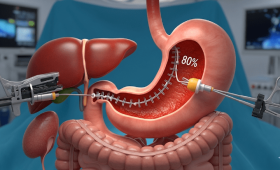
Commonly known as “Gastric Sleeve,” Sleeve Gastrectomy is the surgical removal of approximately 80% of the stomach. As a result of this procedure, the stomach takes the shape of a banana or a tube. This method not only reduces the volume of the stomach but also significantly reduces the patient’s appetite by eliminating the region where “Ghrelin,” known as the hunger hormone, is secreted. Since it does not disrupt the natural flow of the digestive system, the risk of malabsorption is low, and it has become the most preferred obesity surgery worldwide today.
How Does Gastric Bypass Surgery Differ From Other Methods?
Gastric Bypass is an operation that is both restrictive and malabsorptive. In this method, the stomach is turned into a small pouch, and a part of the small intestines is bypassed and connected directly to this pouch. Thus, both the stomach capacity is reduced and the absorption of foods is decreased. Gastric Bypass differs from Sleeve Gastrectomy because it triggers hormonal changes much more strongly, especially in patients with metabolic syndrome and uncontrolled diabetes. Since the anatomy of the digestive system is reorganized, it offers a more complex but effective process.
Who Are The Most Suitable Candidates For Sleeve Gastrectomy?
Gastric sleeve surgery is ideal for individuals with a Body Mass Index (BMI) of 35 and above who have comorbid diseases, or those with a BMI value of over 40. In addition, patients who do not have a hiatal hernia or severe reflux problems and have low general surgical risks benefit maximum from this method. Sleeve Gastrectomy is a priority option, especially for patients who will undergo obesity surgery for the first time and want to take less risk regarding vitamin-mineral absorption.
In Which Situations Should Gastric Bypass Be The Primary Choice?
Gastric Bypass is prioritized in individuals who usually have advanced Type 2 diabetes or experience severe gastroesophageal reflux disease (GERD). In addition, it gives more successful results in patients who have previously had Sleeve Gastrectomy and regained weight or who have a sweet addiction (Sweet Eaters), thanks to its malabsorptive effect. When faster metabolic recovery is desired or if the patient’s eating habits are based on high-calorie liquid foods, surgeons generally turn to the Bypass option.
How Does The Weight Loss Process Progress After Sleeve Gastrectomy?
Weight loss after Sleeve Gastrectomy starts quite rapidly. Within the first 6 months following the surgery, patients usually lose 50% of their excess weight. At the end of 12 to 18 months, this rate reaches 60%-70% levels. Thanks to the reduction in stomach volume, portions decrease naturally and the feeling of satiety occurs earlier due to hormonal changes. Success shows a direct correlation with how much the patient adheres to the post-operative diet program and exercise routine.
What Are The Expected Weight Loss Rates With Gastric Bypass?
Gastric Bypass patients tend to lose 70% to 80% of their excess weight within the first year after surgery. Since both restriction and malabsorption are combined, the rate of weight loss can be slightly higher compared to Sleeve Gastrectomy. A dramatic change is observed especially in the early post-operative period (first 3 months). In the long term, weight maintenance success may be more stable in the Bypass method due to the body limiting calorie absorption.
How Is The Sleeve Gastrectomy Operation Technically Performed?
This operation is usually performed with a closed method, namely laparoscopically. By entering through small incisions made in the abdominal region, a large part of the stomach is cut vertically and removed by stapling. The remaining stomach volume is approximately 100-150 ml. The operation time varies between 45 and 90 minutes depending on the experience of the surgeon. Since the natural structure of the digestive system (nerves and valves) is preserved, physiological flow continues.
How Is The Digestive System Restructured In Gastric Bypass Surgery?
In this procedure, also known as Roux-en-Y Gastric Bypass, a small pouch about the size of a walnut is created in the upper part of the stomach. The small intestine is cut at a distance of about 50-100 cm and connected to this new small stomach. The other end of the intestines is rejoined further down. In this way, food bypasses a large part of the stomach and the duodenum and passes directly into the small intestine. This complex structure strengthens satiety signals while reducing calorie absorption.
How Do Hormonal Changes Occur After Sleeve Gastrectomy?
Gastric sleeve surgery is not just a mechanical narrowing. With the removed part of the stomach, the production of the Ghrelin hormone, which sends a “hungry” signal to our brain, comes to a stop. This situation ensures that patients do not feel hungry even in the days following surgery. In addition, the levels of satiety hormones such as GLP-1 and PYY secreted from the intestines rise. This hormonal balance facilitates appetite control and supports weight loss by allowing the metabolism to work more efficiently.
Why Is Gastric Bypass More Successful In Diabetes Control?
The effect of Gastric Bypass on diabetes stems from food reaching the last parts of the small intestine faster. This situation causes a sudden rise in hormones that increase insulin secretion from the pancreas and break insulin resistance. Many patients see their blood sugar levels return to normal and stop taking diabetes medications even the day after surgery, before they even lose weight. This “metabolic miracle” has made the Bypass method a surgical gold standard in the treatment of diabetes.
How Long Is The Recovery Period After Sleeve Gastrectomy Surgery?
Thanks to the laparoscopic technique, recovery after Sleeve Gastrectomy is quite fast. Patients can usually stand up and walk 2-3 hours after surgery. The hospital stay is an average of 2 days. Most patients can return to normal working life within 10 to 14 days, depending on the physical difficulty of their job. Full recovery and the stomach adapting to its new form takes about 4-6 weeks. During this process, a liquid and soft food diet is applied gradually.
What Awaits You During The Recovery Process After Gastric Bypass?
Since Gastric Bypass is a more comprehensive operation, the recovery process may require a bit more attention. The hospital stay is usually 3 days. Maximum care should be given to nutrition in the first few weeks for the healing of internal sutures and intestinal connections (anastomosis). Patients can usually return to desk jobs within 2-3 weeks. Physical activities are started gradually and vitamin supplements are meticulously followed for several months for the body to adapt to the new nutrient absorption order.
Which Surgery Carries A Higher Risk Of Complications?
Statistically, Gastric Bypass carries a slightly higher technical risk than Sleeve Gastrectomy. This is because multiple connection points (anastomoses) are created in the intestines. However, with modern surgical techniques and experienced hands, the death risk of both surgeries is as low as gallbladder surgery (0.1%-0.5%). While the main risk in Sleeve Gastrectomy is leakage from the suture line, in Bypass, intestinal obstruction or marginal ulcers can be seen in addition to leakage. Risk management depends entirely on the expertise of the surgeon.
How Does Sleeve Gastrectomy Affect Reflux Complaints?
Sleeve Gastrectomy can exacerbate existing acid reflux in some patients or cause the development of new reflux after surgery. Turning the stomach into a tube can increase internal pressure, which can lead to stomach acid leaking into the esophagus. If a patient has a serious hiatal hernia or untreatable reflux before surgery, Gastric Bypass is usually recommended instead of Sleeve Gastrectomy. However, in mild cases, this risk can be minimized by performing hiatal hernia repair during surgery.
Why Is Gastric Bypass The Gold Standard For Reflux Disease?
In the Gastric Bypass operation, the main part that produces stomach acid is separated from the newly created small stomach pouch. Since food now passes directly into the intestines and the stomach pouch is very small, acid backflow (reflux) becomes mechanically almost impossible. Therefore, for obesity patients with complications such as severe burning, bitter water coming to the mouth, or Barrett’s esophagus, Bypass provides both weight loss and a permanent reflux treatment.

What Are The Nutritional Requirements After Sleeve Gastrectomy?
Nutrition after Sleeve Gastrectomy is planned in the form of protein-oriented and small portions. Since the stomach volume is reduced, every bite should have a high nutritional value. After the liquid and puree period in the first month, solid food is introduced. It is critical for patients to take at least 60-80 grams of protein per day and consume plenty of water. Although the risk of vitamin and mineral deficiency is lower than Bypass, regular blood tests and multivitamin support if necessary is a lifelong recommended standard.
Why Should Vitamins Be Used For Life After Gastric Bypass?
Gastric Bypass causes food to bypass the duodenum and the upper part of the small intestine, where vitamins and minerals are most absorbed. This situation can lead to deficiencies in B12, iron, calcium, and vitamin D in particular. To prevent these deficiencies from leading to serious problems such as osteoporosis or anemia, patients must use daily multivitamins and calcium supplements for life. With disciplined supplement use, Bypass patients can lead an extremely healthy life.
What Is Dumping Syndrome And In Which Surgery Is It Seen?
Dumping Syndrome is a condition that occurs especially as a result of consuming high-sugar or carbohydrate foods, when these foods leave the stomach rapidly and empty into the small intestine. It manifests itself with symptoms such as abdominal pain, palpitations, sweating, and diarrhea. This condition is primarily seen in Gastric Bypass patients. It is rare in Sleeve Gastrectomy patients because the stomach valve (pylorus) is preserved. Dumping can actually be seen as a “disciplining” mechanism that keeps the patient away from unhealthy foods.
Does Stomach Capacity Change Over Time In Sleeve Gastrectomy?
The stomach may stretch a bit after gastric sleeve surgery, but it never returns to its former massive size. The capacity, which is 100-150 ml in the first periods, can increase to 200-250 ml levels within a few years. This is a normal process and allows the patient to eat more comfortably. However, if uncontrolled eating habits are returned to, the stomach can overstretch and weight gain can start. Therefore, post-operative nutrition education is vital to preserve stomach capacity.
What Is The Role Of Malabsorption In Gastric Bypass Operations?
The power of Gastric Bypass comes not only from the restriction in the stomach but also from the bypassed part of the small intestines. In this way, the body does not absorb all of the calories consumed. Malabsorption makes it difficult for the body to store these calories, especially when high-calorie foods are sneaked. This feature puts the Bypass method one step ahead of Sleeve Gastrectomy in terms of long-term weight maintenance; however, it brings the necessity of vitamin supplementation.
Can Sleeve Gastrectomy Be Converted To Gastric Bypass Surgery Later?
Yes, although Sleeve Gastrectomy is an anatomically “irreversible” procedure (because part of the stomach has been removed), it can be converted to Gastric Bypass with “revision” surgery. If the patient has not lost enough weight after gastric sleeve, has regained weight, or has developed severe reflux, the existing gastric sleeve can be converted into a Bypass pouch and an intestinal connection can be made. This is an advantage from a surgical point of view; because a simpler method can be chosen in the first step and can be strengthened in the future if necessary.
What Are The Long Term Success Rates Of Both Methods?
The long-term success (5-10 years and after) of both surgeries is between 60-80%. Although Gastric Bypass seems a few points ahead in weight maintenance rates, Sleeve Gastrectomy also gives excellent results with a sustainable lifestyle. The real factor determining success is not the type of surgery, but the habit change during the first 18 months, called the “honeymoon period.” Surgery is a tool; patients who use this tool correctly can stay at their ideal weight for a lifetime in both methods.
How Does Bariatric Surgery Improve Heart Health?
Weight loss instantly lightens the load on the heart. Blood pressure drops, cholesterol levels balance out, and sleep apnea disappears. After Sleeve Gastrectomy and Gastric Bypass, it is observed that most patients stop taking hypertension medications. The risk of arteriosclerosis decreases and the possibility of a heart attack falls significantly. Not only physical lightness, but a metabolically renewed heart system is one of the greatest life-saving benefits provided by bariatric surgery.
Why Is Psychological Support Important After Surgery?
Obesity surgery is a process that changes not only the body but also the mind. Rapidly changing body image, the severance of the emotional bond with food, and environmental pressure can challenge patients psychologically. In individuals with an “emotional eating” habit, depression or anxiety may be seen after surgery. Therefore, professional psychological support or group therapies allow the patient to adapt to their new life, overcome eating disorders, and build self-confidence healthily after weight loss.
How Does Physical Activity Strengthen Surgery Results?
Post-operative exercise is necessary not only to burn more calories but also to preserve muscle mass. During rapid weight loss, the body can lose muscle as well as fat; this causes the metabolism to slow down. Regular walks, swimming, or resistance exercises minimize sagging, improve mood, and guarantee that the lost weight is permanent. An active life starting one month after the surgery can double the effect of the surgery.
What Should Be Considered In Nutrition During The First Month Post Operation?
The first month is the period when the stomach and suture lines are most sensitive. Usually, a clear liquid diet is applied for the first 2 weeks, followed by a puree diet for the next 2 weeks. Foods should be blended, very soft, and rich in protein. The “sip by sip” drinking rule and solid-liquid separation (not consuming liquids with meals) should be learned during this period. Sugary and acidic drinks should be strictly avoided. This phase allows the stomach to heal without straining its new structure and prevents possible complications.
What Are The Specific Risks Unique To Gastric Bypass?
Since Gastric Bypass changes the intestinal anatomy, it has a rare risk called “internal hernia.” This condition, which occurs as a result of the displacement of the intestines, may require surgical intervention. In addition, ulcers can form in the anastomosis (connection) areas; this risk is very high, especially in smokers and those who consume alcohol. Severe anemia or protein deficiency due to malabsorption are also among the risks specific to Bypass patients if vitamins are neglected.
Is Sleeve Gastrectomy Safer For Very High Weight Patients?
In patients with a body mass index over 50-60 (Super Obese), performing Gastric Bypass can sometimes be very technically difficult and risky. In these cases, surgeons prefer Sleeve Gastrectomy as the first step of a “two-stage treatment” plan. After the patient loses 50-60 kilos safely with this method, Bypass can be switched to with a second operation if necessary. Sleeve Gastrectomy creates a vital safety buffer in very high-risk patients due to its shorter duration and anatomical simplicity.

How Do These Surgeries Affect Quality Of Life?
More than 95% of patients report a dramatic increase in their quality of life after bariatric surgery. Increased mobility, reduced knee and joint pain, being able to choose clothes more comfortably, and the desire to participate in social activities redefine life. Improvement in sexual life, increased fertility, and productivity in business life prove that surgery is not just a “weight loss method,” but a “rebirth.” Being able to move freely is the gain most emphasized by patients.
Why Is Turkey A Leading Support Center In Obesity Surgery?
Turkey has become a global base in obesity surgery with its world-renowned experienced surgeons, high-tech hospitals with JCI accreditation, and cost-effective treatment options. Turkish surgeons have a tremendous case experience thanks to the annual number of operations. In addition, comprehensive service packages offered from hotel accommodation to VIP transfers ensure that international patients feel safe and comfortable. This success in health tourism is the perfect combination of quality and accessibility.
Why Should You Choose Cure Holiday In Your Health Journey?
Cure Holiday has a vision of transforming patients’ treatment processes beyond a medical operation into a peaceful healing journey. Working with the best surgeons specialized in their fields, Cure Holiday keeps patient safety above everything else. It offers transparent communication, high standards of care, and commitment to ethical values at every stage of the treatment. Thanks to personalized treatment plans, it helps you find the right one for you between Sleeve Gastrectomy or Gastric Bypass while combining medical excellence with comfort.
How Does Cure Holiday Support Its Patients Throughout The Treatment?
Your journey with Cure Holiday starts with professional consultancy even before you come to Turkey. All your medical tests, consultations, and your surgery process are meticulously coordinated. Assistants who are with you 24/7 during your stay in the hospital eliminate the language barrier and respond to all your needs instantly. Cure Holiday is with you not only at the moment of surgery but also during your recovery process. With nutritional consultancy and regular follow-ups, it ensures you feel safe in every step you take towards your new life.
What Advantages Does Cure Holiday Offer For International Patients?
When you choose Cure Holiday as an international patient, everything from flight tickets to luxury accommodation, from hospital procedures to city transfers is organized on your behalf. Instead of dealing with complex hospital processes, you focus only on your health. Medical equipment at European and American standards combines with Turkish hospitality. The all-inclusive packages offered by Cure Holiday eliminate unexpected cost surprises and offer you a stress-free and quality health service experience.
How Can You Start Your Transformation With Cure Holiday Today?
It is very easy to take the first step to reach the healthy body and free life of your dreams. You can get a free pre-evaluation by contacting Cure Holiday’s expert team and learn the most suitable surgical method for you according to your medical history. Saying goodbye to obesity is no longer a dream with professional guidance, world-class surgical intervention, and continuous support. Contact us today to open a new chapter in your life and do the best for yourself with Cure Holiday.
Conclusion: The Right Decision For A New Life
Sleeve Gastrectomy and Gastric Bypass are two powerful tools that have revolutionized the fight against obesity. Which method is suitable for you will become clear in light of your health, goals, and your doctor’s recommendations. However, remember that surgery is just a beginning; real success will come with the healthy living discipline you will adopt after surgery. As the Cure Holiday family, we are ready to accompany you in this change process with the most modern surgical techniques and professional care. A healthy future starts with the right choice.
Free Consultation
Fill out the form below to get your free medical travel plan and price quote.
Sources and how to verify this yourself
- Eisenberg D, et al. 2022 ASMBS and IFSO Indications for Metabolic and Bariatric Surgery. — surgery is recommended at BMI ≥35 regardless of co-morbidity, and considered at BMI 30–34.9 with metabolic disease (lower thresholds for Asian populations). source
- Ministry of Health, Regulation on International Health Tourism and Tourist Health, Official Gazette 26 April 2025, No. 32882 — authorisation requirement for facilities and intermediaries, TÜSKA accreditation, compulsory complication insurance (deadline 31 December 2025 for insurance, 31 December 2026 for accreditation). source
- Ministry of Health, Regulation on Promotion and Information Activities in Health Services, Official Gazette 12 November 2025, No. 33075 — treatment promises and guarantees are prohibited; price and campaign announcements are permitted only within international health tourism. source